2026 Top Sale Motor Trends for Global Buyers Insights?

Time:2026-08-13 Author:Isabella
0%

As the world moves towards 2026, understanding the Top Sale Motor trends is essential for global buyers. Experts in the automotive industry, like Dr. Jane Thompson, highlight the importance of staying ahead. She states, "The Top Sale Motor reflects consumer desires and market shifts." This insight emphasizes how dynamically the industry evolves.

Buyers face challenges. New technologies are emerging fast, and consumer preferences are shifting. Electric vehicles are gaining traction, pushing traditional models to adapt. The competition is fierce, and understanding these trends is critical for making informed decisions.

Dr. Thompson also warns that overlooking these shifts can lead to missed opportunities. The market is not just about selling motors; it’s about understanding values and needs. As we explore the intricacies of the Top Sale Motor landscape, we must reflect on our strategies. A well-informed approach can make all the difference in this fast-paced environment.
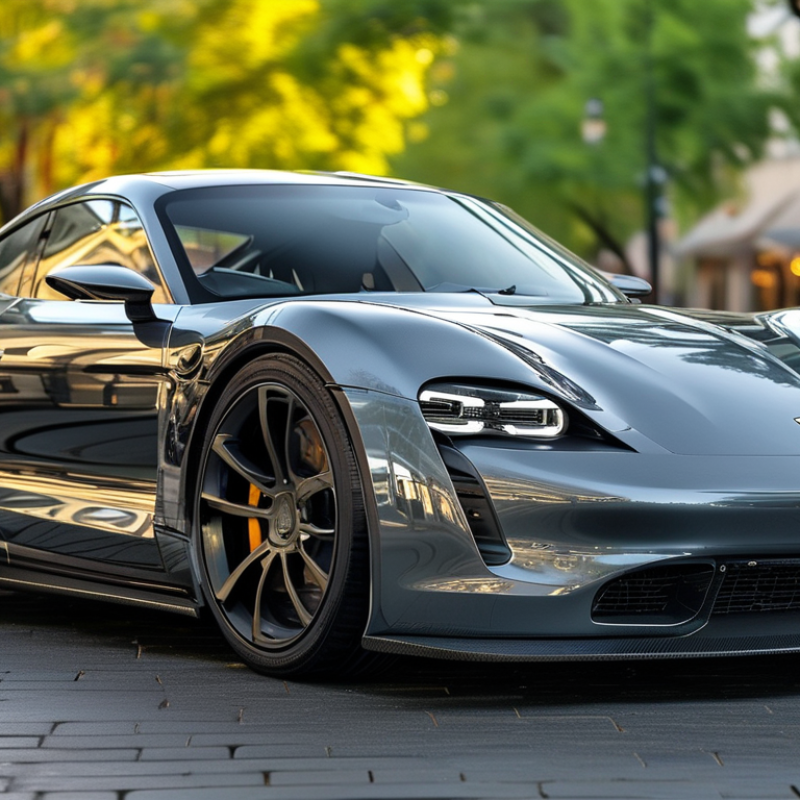
2026 Top Sale Motor Trends for Global Buyers Insights?

2026 Global Motor Market Overview and Key Trends

The global motor market is evolving rapidly in 2026. Various factors influence this landscape, including technological advancements and environmental considerations. Recent data from industry reports indicates that electric vehicles (EVs) will dominate sales, capturing nearly 40% of the market share by 2026. With consumers prioritizing sustainability, automakers are racing to innovate.

Global emissions regulations drive this trend. Many governments are introducing stringent policies to curb carbon footprints. A study by the International Energy Agency forecasts that the number of EVs on the road could reach 200 million by 2026. However, the charging infrastructure still lags behind demand. Transitioning to electric is challenging for both consumers and manufacturers.

Additionally, connected vehicles are gaining traction. Advanced driver-assistance systems (ADAS) and autonomous driving features are becoming standard. In fact, the market for ADAS is predicted to grow exponentially, with a compound annual growth rate of 15% from 2022 to 2026. Yet, concerns about safety and data privacy remain significant barriers to widespread adoption. The future of the global motor market is bright, but it will require ongoing reflection and adaptation to navigate these challenges.

Emerging Technologies Shaping the Future of Automotive Sales

The automotive industry is witnessing a transformative shift with emerging technologies at its core. According to recent reports, around 75% of global buyers are leaning towards electric vehicles (EVs) by 2026. This trend is largely driven by advancements in battery technology, which have significantly improved range and charging times. For instance, the average EV range has exceeded 300 miles, making them more practical for everyday use.

Artificial Intelligence (AI) is also reshaping automotive sales. AI-driven analytics enables dealerships to personalize customer interactions. A study showed that 65% of buyers prefer tailored recommendations. These insights not only enhance customer experiences but also streamline inventory management, leading to efficient sales processes. However, challenges remain in integrating these technologies across supply chains. Many dealerships still struggle with data management and customer privacy concerns.

The rise of virtual reality (VR) in showrooms is another innovative trend. It allows customers to experience vehicles virtually before purchase. Reports indicate that virtual showrooms could increase sales by up to 20% in the next few years. Yet, this technology is not universally adopted. Many buyers still prefer traditional methods, highlighting the varied pace of technological acceptance. As these technologies continue to evolve, the automotive sales landscape will undoubtedly face both opportunities and hurdles.

Consumer Preferences Driving Motor Trends in 2026

As we approach 2026, consumer preferences are steering the direction of the automotive industry. Buyers are increasingly focused on sustainability and fuel efficiency. Electric vehicles (EVs) have transitioned from a niche market to mainstream selections. Many consumers now prioritize green options when considering their next vehicle. The demand for eco-friendly materials is also rising, influencing manufacturing practices.

Technology is another significant factor shaping preferences. People expect advanced safety features and seamless connectivity. Autonomous driving technology is enticing drivers, though it raises concerns about safety and reliability. Buyers express mixed feelings about fully autonomous vehicles, indicating a need for continued innovation and transparency.

Personalization plays a crucial role in this evolving marketplace. Consumers desire vehicles that reflect their unique lifestyles and values. Customizable interiors and aesthetic options are increasingly important. Yet, some consumers find this overwhelming. The balance between choice and simplicity remains a topic for further discussion. Understanding these factors will be vital for manufacturers aiming to meet the expectations of global buyers in 2026.

Sustainability and Eco-Friendly Innovations in Motor Sales

As we look towards 2026, sustainability remains a key focus in motor sales. The shift toward eco-friendly innovations is shaping buyer preferences globally. More consumers prioritize environmental impact when making purchases. Electric vehicles are leading this change. Their rise is evident in diverse markets.

Many manufacturers are also exploring alternative materials. From recycled plastics to bio-based components, innovation is crucial. However, challenges in sourcing sustainable materials persist. The balance between cost and eco-friendliness is still a concern. Companies must navigate these complexities effectively.

Not all eco-friendly solutions are perfect. Some consumers question the life cycle of electric vehicle batteries. Concerns about recycling and environmental impact linger. Transparency in production processes is essential to address these doubts. Building trust will ultimately lead to more widespread acceptance of sustainable innovations.

Potential Challenges and Opportunities in the Global Motor Industry

The global motor industry is at a crossroads. As per the International Organization of Motor Vehicle Manufacturers, global vehicle sales saw a slight increase of 2.3% in 2022, but the future remains uncertain. Manufacturers must navigate challenges like fluctuating raw material costs and shifting consumer preferences. The demand for electric vehicles (EVs) is rising. In 2023, EV sales accounted for 15% of total new vehicle sales, but infrastructure gaps persist.

Supply chain disruptions continue to affect production. A report from McKinsey indicates that automotive suppliers may face a shortfall in semiconductor chips, hindering the production of new models. Additionally, regulatory changes worldwide introduce new compliance costs. Companies must adapt quickly to these changes, or risk losing market share. Tackling these challenges presents opportunities as well. Innovations in autonomous driving and AI technology can lead to efficiency gains and enhanced safety features.

Consumer expectations are also evolving. Buyers are seeking sustainability, affordability, and advanced technology. A survey by Deloitte indicates that 60% of consumers are willing to abandon traditional vehicles for greener alternatives. However, balancing innovation with cost-effectiveness will be critical for manufacturers. Embracing feedback mechanisms could improve product offerings and customer satisfaction. The pathway forward is complex, yet it holds significant potential for growth and advancement within the industry.

2026 Top Sale Motor Trends for Global Buyers Insights

Trend Description Opportunities Challenges
Electric Vehicles (EVs) Rapid growth in electric vehicle adoption driven by environmental concerns and government incentives. Expansion of charging infrastructure and increased consumer demand. Supply chain constraints for batteries and raw materials.
Autonomous Driving Innovation in self-driving technology spurring interest in the automotive market. Potential for reduced accidents and improved traffic efficiency. Regulatory hurdles and public acceptance issues.
Connected Vehicles Integration of IoT technologies for enhanced user experience and vehicle functionality. New business models for mobility services and data monetization. Cybersecurity threats and data privacy concerns.
Sustainability Increased focus on sustainable manufacturing processes and eco-friendly materials. Meeting consumer expectations for greener products. Higher production costs and technology development barriers.
Shared Mobility Growth in car-sharing and ride-hailing services altering traditional ownership models. Access to wider user base and reduced traffic congestion. Competition with traditional rental services and regulatory challenges.

FAQS

: What are the current trends in automotive sales?

: The automotive industry is shifting towards electric vehicles, with 75% of buyers preferring EVs by 2026.

How has battery technology impacted electric vehicles?

Advancements in battery technology have improved EV range to over 300 miles, making them more practical for daily use.

What role does artificial intelligence play in automotive sales?

AI enhances customer interactions and helps with inventory management, making the sales process more efficient.

Are there challenges in using AI for automotive sales?

Yes, many dealerships face issues with data management and customer privacy concerns while integrating AI.

How is virtual reality changing the customer experience?

Virtual reality allows customers to experience vehicles online, potentially increasing sales by 20%.

Why is the adoption of virtual reality inconsistent among buyers?

Many customers still prefer traditional buying methods, showing varied acceptance of technology.

What challenges does the global motor industry face?

The industry deals with rising raw material costs, a semiconductor chip shortage, and shifting consumer preferences.

How much did electric vehicle sales account for in 2023?

In 2023, electric vehicles made up 15% of total new vehicle sales, indicating growing demand.

What consumer expectations are shaping the automotive market?

Consumers now expect sustainability, affordability, and advanced technology in vehicles.

What must manufacturers do to succeed in the changing market?

They need to balance innovation with cost-effectiveness while embracing consumer feedback for improvement.

Conclusion

The article "2026 Top Sale Motor Trends for Global Buyers Insights" provides a comprehensive overview of the global motor market, highlighting key trends and emerging technologies that will shape automotive sales in the coming years. It explores how consumer preferences are evolving, emphasizing the growing demand for sustainability and eco-friendly innovations in vehicle design and manufacturing.

Additionally, the piece delves into the potential challenges and opportunities that the motor industry may encounter, offering valuable insights for businesses and buyers alike. As the market looks towards 2026, understanding these trends will be crucial for navigating the complexities of global motor sales and capitalizing on the Top Sale Motor opportunities.

Isabella

Isabella

Isabella is a dedicated marketing professional with a sharp focus on driving brand growth and engagement through strategic content creation. With an extensive background in digital marketing, she combines her passion for storytelling with her keen understanding of industry trends to deliver......