In the ever-evolving world of technology, the importance of the DC Brushless Motor cannot be overstated. Industry expert Dr. Emily Nguyen emphasizes, “The efficiency and reliability of DC Brushless Motors have transformed many applications.” This assertion captures the essence of their significance in various fields.
DC Brushless Motors stand out due to their design and performance advantages. They offer high efficiency, longer lifespan, and low maintenance, making them ideal for a range of applications. In robotics, aerospace, and home appliances, these motors are relied upon for their precision and durability. However, there are challenges, such as cost and complexity in integration, that cannot be ignored.
Innovative companies are increasingly adopting DC Brushless Motors to enhance their product offerings. Yet, the need for expertise in control systems and drive technology remains crucial. As industries strive for sustainability, the benefits of DC Brushless Motors can contribute to significant energy savings. This makes investing in this technology a promising direction, despite inherent challenges in implementation.
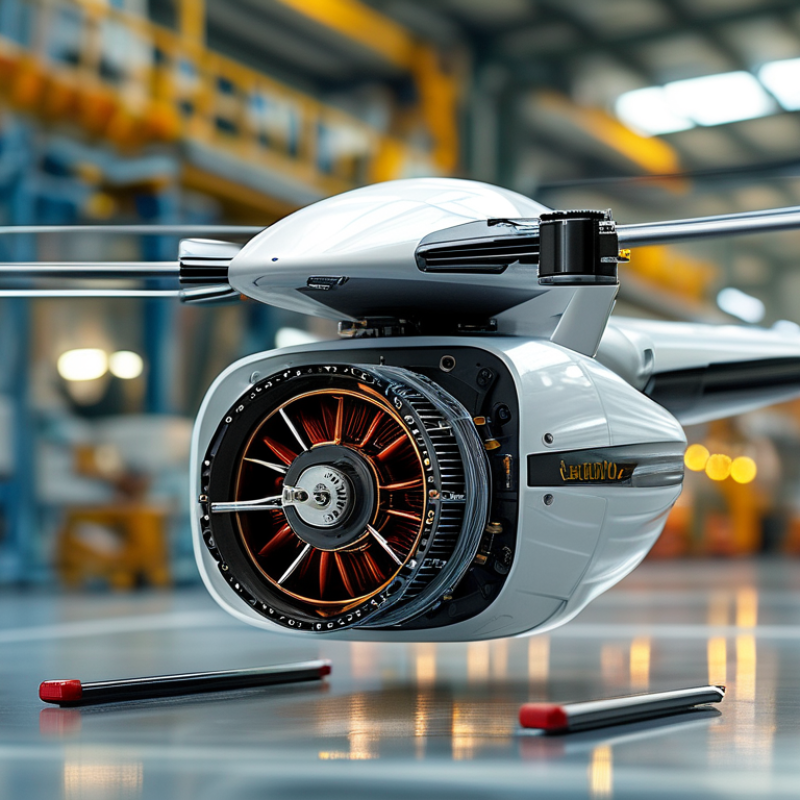
Advantages of High Efficiency in DC Brushless Motors
DC brushless motors offer a host of efficiency advantages that make them ideal for various applications. One primary benefit is their high energy efficiency. Unlike traditional brushed motors, they minimize energy loss during operation. This efficiency can lead to significant energy savings over time. In sectors where energy consumption is a concern, using these motors can result in lower operational costs.
Another notable aspect is the reduction of heat generation. Due to the lack of brushes, DC brushless motors operate cooler than their brushed counterparts. This cooler operation can enhance the lifespan of the motor and connected components. However, some users may overlook the importance of proper thermal management in high-load scenarios. Regular monitoring is essential to ensure optimal performance.
The reliability of DC brushless motors often stands out. Their design reduces wear, which typically means fewer maintenance needs. However, it's crucial to recognize potential failures in control systems that could impact performance. So, while these motors are efficient and reliable, operators must maintain a proactive approach to monitoring and maintenance. This ongoing attention can help mitigate unexpected issues and optimize the benefits of these advanced motors.
Longer Lifespan Compared to Brushed Motors
DC brushless motors offer a significantly longer lifespan compared to traditional brushed motors. This is primarily due to their construction. Brushless motors eliminate the need for brushes, which tend to wear out over time. Without brushes, the wear and tear on motor components decrease. This design not only enhances durability but also reduces maintenance costs.
When using DC brushless motors, consider operational conditions. High temperatures can affect motor life. Ensure proper cooling systems are in place. Dust and debris can also shorten lifespan. Regular cleaning can help maintain performance.
Another important factor is the control systems. Brushless motors require electronic speed controllers. These systems can improve efficiency and reliability. However, they may have a learning curve. Investing time to understand these controllers can pay off in the long run.
Evaluate the application requirements. A brushless motor may not always be the best fit. It’s essential to balance lifespan, cost, and performance. In certain low-performance applications, brushed motors may be sufficient. Always weigh the pros and cons for your specific needs.
Top 10 Benefits of Using a DC Brushless Motor in Applications
| Benefit |
Description |
Lifespan (Hours) |
| Longer Lifespan |
DC brushless motors typically last longer due to the absence of brushes, reducing wear and tear. |
20,000 - 30,000 |
| Higher Efficiency |
They operate more efficiently than brushed motors, leading to lower energy consumption. |
15,000 - 25,000 |
| Low Maintenance |
With no brushes to replace, maintenance is significantly reduced. |
25,000 - 35,000 |
| Quiet Operation |
Operate quietly without the noise associated with brush friction. |
20,000 - 30,000 |
| Compact Design |
Typically smaller and lighter than brushed motors, suitable for compact devices. |
20,000 - 25,000 |
| High Torque-to-Weight Ratio |
Deliver a higher torque output per weight than brushed alternatives. |
20,000 - 30,000 |
| Better Heat Dissipation |
Less heat generated due to no commutation losses, improving efficiency and lifespan. |
30,000 - 40,000 |
| Improved Control |
Easier to control speed and position with electronic controllers. |
20,000 - 30,000 |
| Environmentally Friendly |
No brushes mean less environmental waste and better for eco-friendly applications. |
20,000 - 30,000 |
| Versatility |
Suitable for various applications, including robotics, HVAC, and medical devices. |
20,000 - 30,000 |
Reduced Maintenance Requirements for DC Brushless Systems
DC brushless motors offer significant advantages over traditional brushed motors, particularly in maintenance requirements. These motors operate without brushes, which significantly reduces wear and tear. Research shows that maintenance costs can be cut by as much as 50% when using DC brushless systems. Fewer components mean fewer parts to replace, contributing to lower overall operational costs.
Reliability is another noteworthy aspect. A study by the Electric Power Research Institute highlighted that DC brushless motors have a lifespan twice as long as their brushed counterparts. This longevity is primarily due to the absence of mechanical friction associated with brushes. However, it's essential to remember that while these motors are more reliable, the initial investment can be higher. Companies must consider whether the long-term savings justify this upfront cost.
Moreover, energy efficiency is crucial in the context of reduced maintenance. DC brushless motors typically run cooler and produce less heat, which further minimizes the need for additional cooling systems. This efficiency contributes to a sustainable operational model, but it can pose challenges for industries unaccustomed to this technology. Transitioning from brushed to brushless systems requires training and adaptation, and some companies may find this process daunting.
Superior Performance in Varying Environmental Conditions
DC brushless motors are designed for superior performance under various environmental conditions. Their efficiency is unaffected by harsh temperatures. This makes them an excellent choice for outdoor applications. Even in extreme heat or cold, they maintain consistent output. Reduced wear and tear is another advantage. Without brushes, there's less friction, leading to longer lifespan and reliability.
Moreover, these motors exhibit excellent torque and speed characteristics regardless of external factors. They can easily adapt to changes in load and power supply. This adaptability is crucial in industries like robotics and aerospace. Engineers can count on them in challenging settings including humidity or dust.
However, some limitations exist. Initial costs can be higher, and complex controllers may be needed for optimal performance. Maintenance, while generally low, still requires attention to electronic components. Over time, operators should assess the effectiveness of their systems. Being aware of these drawbacks is essential for informed decisions in selecting the right motor for specific applications.
Top 10 Benefits of Using a DC Brushless Motor
Enhanced Control and Versatility in Applications
DC brushless motors have gained popularity due to their enhanced control and versatility in various applications. These motors provide precise speed control, making them ideal for use in robotics and automation. According to a report by ResearchAndMarkets, the demand for brushless motors is set to rise by over 15% annually through 2025. This growth reflects their ability to meet diverse industry needs.
The versatility of DC brushless motors is evident in their application range, from consumer electronics to industrial automation. They operate smoothly across different speeds and loads, which is crucial for minimizing wear and tear. The ability to integrate with advanced control systems allows for real-time adjustments, enhancing overall system efficiency. However, some users may find the initial setup complex. This complexity can lead to missed opportunities for optimizing performance if not handled correctly.
Another significant aspect is the reliability of these motors. They often have a lifespan exceeding 30,000 hours, reducing the need for frequent replacements. Yet, this long lifespan can create complacency in maintenance practices. Users should remain vigilant about ensuring optimal conditions to avoid performance degradation. Balancing these elements is key for maximizing the benefits of DC brushless motors in various applications.
FAQS
: They have a longer lifespan than brushed motors due to their brushless design.
High temperatures can shorten the lifespan. Proper cooling systems are essential to maintain performance.
These controllers improve efficiency and reliability, but they may require some learning to use effectively.
Yes, maintenance costs can be cut by about 50% due to fewer components and reduced wear.
In some low-performance applications, brushed motors may be sufficient and more cost-effective.
They run cooler and produce less heat, which reduces the need for extra cooling systems.
Training and adaptation can be daunting for companies used to brushed systems.
Yes, the upfront cost can be higher, but long-term savings may justify this expense.
No, they have fewer components, leading to lower replacement needs.
Evaluate application needs, costs, and potential maintenance savings for your specific situation.
Conclusion
Dc Brushless Motors offer numerous advantages that make them an ideal choice for various applications. One of the primary benefits is their high efficiency, which translates into improved energy consumption and reduced operational costs. Furthermore, these motors boast a longer lifespan compared to traditional brushed motors, significantly lowering replacement frequency and associated costs.
Additionally, the reduced maintenance requirements of Dc Brushless Motors contribute to operational reliability and less downtime, making them suitable for demanding environments. They excel in varying environmental conditions, allowing for superior performance regardless of external factors. Finally, their enhanced control and versatility make them adaptable for a wide range of applications, from industrial machinery to consumer electronics, clearly demonstrating their value in modern technology.
