China Best Compact DC Motor Manufacturers for Global Buyers?

Time:2026-11-05 Author:Sienna
0%

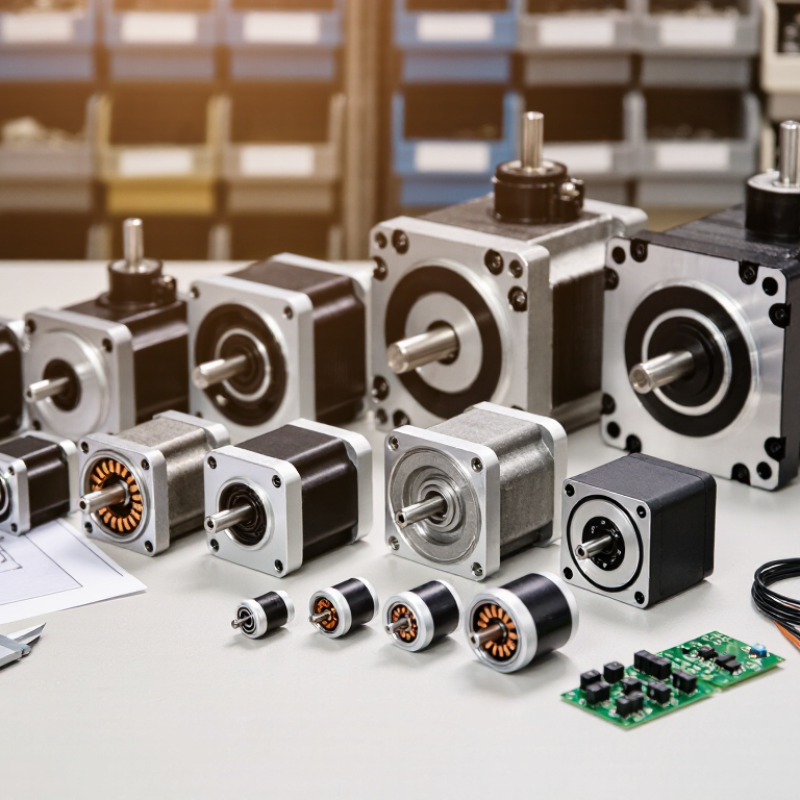
Choosing a Compact Dc Motor supplier in China requires more than comparing unit prices. Global buyers must examine torque curves, voltage range, operating temperature, noise, and service life. A motor that fits neatly inside a small housing can still run hot under continuous load. That detail matters.

Motor-design consultant Dr. Lin Wei sums up the trade-off: “A compact motor is only successful when its size, heat, and torque work together in the real application.” Buyers should ask manufacturers for test data, not just catalog claims. Request drawings, sample units, and clear details about winding options, shaft tolerances, and production checks. A measured noise test can also reveal differences that a product sheet may miss.

China’s motor industry includes suppliers with different strengths, from high-volume production to custom engineering. The best match depends on the device, order size, and level of technical support required. Confirm how the supplier handles design changes and repeat orders. Ask for evidence that specifications remain consistent between samples and production batches.

There is no perfect shortlist. Some buyers may prioritize cost, while others need quieter operation or longer service life. Those goals can conflict. This guide will compare manufacturers using practical criteria, including product range, customization, quality documentation, and export experience. Treat every claim as something to verify. A careful review takes time, but it can prevent a costly mismatch later.
China Best Compact DC Motor Manufacturers for Global Buyers?

Define Compact DC Motor Requirements: 12–48 V, Power, and Frame Size

A compact DC motor is not defined by its outer diameter alone. Start with the required voltage, continuous power, available space, and load. A 12–48 V supply may suit many designs, but confirm the motor’s rated voltage matches your controller and battery. Check both startup torque and running torque; a fan and a geared actuator can need very different performance.

Measure twice. Record the maximum frame diameter, motor length, shaft diameter, and mounting-hole spacing. Include space for wiring and airflow. Power ratings also need context: note the expected duty cycle and operating speed, not just peak output. A motor that meets a brief bench test may run hot during repeated use. That distinction is easy to miss.

Tips: Share a dimensioned sketch, voltage range, target speed, load details, and daily operating hours with prospective manufacturers. Ask for test data at your intended conditions, plus tolerances for key dimensions. Leave margin. Requirements sometimes change after the first prototype, and a tightly packed frame can make later adjustments difficult. If a specification is uncertain, label it as an estimate rather than presenting it as a fixed value.

Compare Brushed and BLDC Motors by Speed (rpm), Torque (N·m), and Duty Cycle

Compact DC motor selection is not a simple brushed-versus-BLDC contest. Compare speed at the stated voltage and load, not just no-load rpm. A brushed motor can offer straightforward drive electronics and useful starting torque, while a BLDC motor requires an electronic controller and avoids brush wear. But winding and control settings matter.

Read torque in N·m at the rated operating point, then check peak torque separately. For example, 0.05 N·m at 3,000 rpm equals roughly 15.7 W of mechanical output before losses. This is a calculation, not a universal motor benchmark. The U.S. Department of Energy’s 2014 Improving Motor and Drive System Performance sourcebook estimates that motor-driven systems use about 68% of U.S. industrial electricity. Loaded efficiency matters.

Duty cycle can overturn a speed-based choice. IEC 60034-1 classifies S1 as continuous duty, S2 as short-time duty, and S3 as intermittent periodic duty. Match the rating to actual run time, pauses, ambient temperature, and enclosure; compact housings can trap heat. Not always. Bench-test repeated starts with the real load, logging rpm, current, and case temperature. A catalog figure alone is thin evidence.

Assess Chinese Manufacturers Using ISO 9001, IEC 60034, and IP54/IP65 Test Data

Choosing a compact DC motor supplier requires more than a neat certificate. ISO 9001 can show that a manufacturer operates a documented quality management system, but it does not prove that every motor meets your load, speed, or service-life needs. Ask for the certificate’s scope and validity, then compare it with production records and inspection procedures. Small details matter: a recorded shaft runout or winding resistance can reveal more than a polished brochure. Paper alone is not proof.

For IEC 60034, request test results that identify the motor model, rating, test method, and operating conditions. Check efficiency, temperature rise, and performance against the intended duty cycle; confirm that the cited standard and edition apply to that motor. IP54 and IP65 claims also need evidence for the tested configuration, including connectors and seals. IP54 indicates protection against limited dust ingress and water splashes; IP65 indicates dust-tight protection and resistance to water jets under defined test conditions. A report for a bare motor may not cover the assembled unit. That gap is easy to miss.

Tips: Check the sample. Match report numbers to the exact model and revision, and ask whether testing was conducted internally or by an independent laboratory. Compare repeat results, not just one pass. If a supplier cannot explain a failed test or a changed seal, pause and ask again. The records may be imperfect; clear traceability still matters.

China’s Compact DC Motor Manufacturers: What Test Data Shows

This chart compares the protection digits defined by IEC 60529: IP54 means dust-protected (5) and protected against splashing water (4); IP65 means dust-tight (6) and protected against water jets (5). These ratings describe enclosure protection, not overall motor quality.

When assessing suppliers, check that ISO 9001 certification covers the relevant manufacturing site, and request applicable IEC 60034 test reports and IP test evidence for the specific motor model. Certification or a standard reference alone does not prove a product passed a particular test.

Check Export Compliance Against RoHS, CE, UKCA, and UL Requirements

Compact DC motors can look identical on a sample table, yet their compliance records may differ sharply. For each target market, confirm which rules apply to the finished motor and its intended use. RoHS evidence should cover relevant materials, including wire insulation, solder, coatings, and winding varnish. A supplier’s general statement may not identify the tested model or material revision. Ask for model-specific declarations and supporting records.

CE and UKCA markings relate to applicable market requirements, not general product quality. Check the relevant declaration, technical documentation, and label details before shipment. UL certification or recognition may be requested by a buyer or required by a project specification; verify the exact motor model and any conditions of use in the certification record. Paperwork alone is weak. Match documents to the part number, factory, and production version. Keep a clear record of changes to components, too. A substituted lead wire can affect the evidence, even when the motor’s dimensions stay unchanged. Buyers should request sample labels, test reports, and a dated compliance file. It takes time, and a neat folder can still miss one detail. When evidence is incomplete, ask what remains unverified before approving the order.

Compare Supplier Samples, MOQ, Lead Time, and Warranty Before Selection

For global buyers, a compact DC motor sample should be tested under conditions close to its intended use. Run it at the specified voltage and load, then check startup, noise, heat, and vibration. Measure the shaft and mounting holes against your drawing. Small details matter. A motor may run smoothly on a bench yet struggle inside a warm, enclosed product.

Compare quotations carefully. Ask whether the minimum order quantity applies to each model, voltage, or custom configuration. A low MOQ can help with a pilot run, but confirm the price at your expected volume. Request a production lead time in writing, including sample approval and component availability. “Four weeks” is unclear unless the supplier explains when the clock starts. That can disappoint.

Warranty terms deserve the same scrutiny as price. Check the coverage period, remedy for defects, and who pays return freight. Ask what test records accompany a batch, such as voltage, current, and speed readings. Keep the approved sample and its specifications for comparison later. A warranty is useful, but it cannot replace clear incoming inspection. Some buyers focus too much on the headline warranty length; I would not make that the deciding factor.

FAQS

How should I compare brushed and BLDC motor speed?

Compare rpm at the stated voltage and actual load, not only at no load. Winding and controller settings can change performance. Test the motor in your real setup.

How do I check whether a motor has enough torque?

Read rated torque in N·m at its operating point. Check peak torque separately. For example, 0.05 N·m at 3,000 rpm is about 15.7 W before losses. That is a calculation, not a benchmark.

Why does duty cycle matter when choosing a compact motor?

Continuous, short-time, and intermittent operation create different heat loads. Match the motor rating to run time, pauses, and ambient temperature. A small enclosed housing can trap heat. Not always obvious.

What should I test before approving a motor sample?

Run it at the specified voltage and load. Record rpm, current, and case temperature across repeated starts. Check noise, vibration, shaft size, and mounting holes against your drawing. A bench test may miss heat buildup inside a product.

What can quality-system certification tell me about a supplier?

It can indicate a documented quality process, but it does not prove every motor meets your needs. Check the certificate’s scope and validity. Paper alone is thin.

What evidence should I request for motor and ingress-protection claims?

Ask for test reports naming the exact model, rating, method, and conditions. Confirm that connectors and seals were included in the tested assembly. A bare-motor report may not cover the finished unit.

How should I compare minimum order quantities and lead times?

Confirm whether the minimum order applies per model, voltage, or custom configuration. Get the production lead time in writing, including sample approval and component availability. “Four weeks” needs a clear start date.

What should I check in a motor warranty?

Review the coverage period, defect remedy, and return-freight responsibility. Ask what batch records are provided, such as voltage, current, and speed readings. Keep the approved sample for comparison. I would not choose by warranty length alone.

Conclusion

Choosing a Compact Dc Motor for global use starts with clear operating requirements. Define the input voltage range, typically 12–48 V, along with power, frame size, available space, and mounting needs. Compare brushed and brushless DC options by rated speed, torque, efficiency, maintenance expectations, and duty cycle to ensure the motor can handle its intended workload.

When evaluating Chinese manufacturers, review documented quality systems and relevant IEC 60034 test data, as well as evidence supporting the required IP54 or IP65 protection level. Confirm that product documentation and testing address the destination market’s RoHS, CE, UKCA, or UL requirements. Before placing an order, compare samples under realistic conditions and clarify minimum order quantities, production lead times, warranty coverage, and after-sales support. These checks help buyers make a practical, evidence-based supplier decision.

Sienna

Sienna

Sienna is a skilled marketing professional with a deep expertise in our company’s core products and services. With a passion for innovation and detail, she plays a pivotal role in crafting insightful blog posts that not only highlight the unique features of our offerings but also provide valuable......