Choosing the right Low Power Motor for your project can be daunting. With various options available, understanding your specific needs is crucial. A Low Power Motor is designed to operate efficiently without consuming excessive energy. This can lead to cost savings and a lower environmental impact.
When evaluating options, consider factors such as torque, speed, and size. Each application may demand a different configuration. If your motor is too weak, it may not perform adequately. Conversely, an overly powerful motor can waste resources and increase costs.
Take time to research each option. User reviews can reveal insights about performance and reliability. Sometimes, a product may look good on paper but fall short in real-world use. It is worth experimenting with prototypes to refine your choice. Finding an ideal Low Power Motor may require patience and exploration.
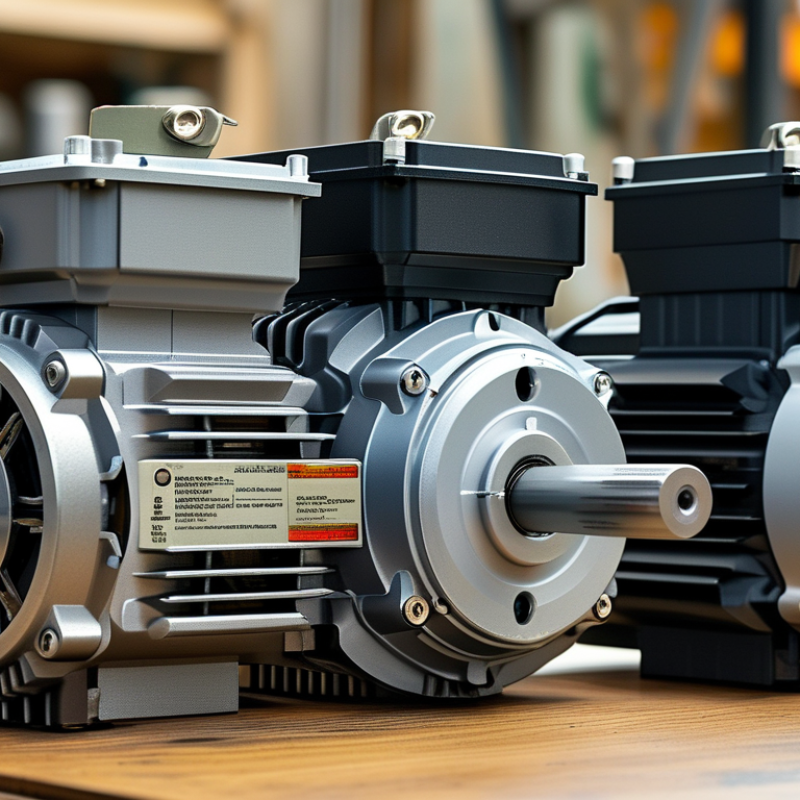
Low power motors are essential in various applications, from household appliances to industrial equipment. Understanding their specifications and features is vital for selecting the right motor. A low power motor typically operates below 1 horsepower. These motors come in different types, including DC, AC, and stepper motors. Each type has performance characteristics tailored for specific purposes. For instance, DC motors offer good speed control, while stepper motors excel in precise positioning.
When choosing a low power motor, consider factors like torque requirements, speed range, and efficiency. It’s essential to match the motor specifications with your project needs. For example, if your application requires high torque at low speeds, you might lean towards a gear motor. Sometimes, users overlook the importance of heat dissipation in motor performance. Insufficient cooling can lead to reduced efficiency and lifespan.
Also, it's wise to assess the environment where the motor will be used. Humidity, dust, and temperature can significantly affect motor performance. A motor rated for a specific environment may be necessary, but these options can be pricier. Reflecting on these aspects can lead to wiser choices, ensuring your low power motor meets expectations without unnecessary costs.
Identifying your specific power requirements is crucial when selecting a low power motor. Begin by assessing the load the motor will drive. Determine the weight and the type of material the motor will work with. This information helps you calculate the torque needed. For instance, if you're moving a heavy object, the required torque will be significant. Conversely, lighter loads will demand far less. Understanding these nuances will guide your choice effectively.
Next, consider the speed requirements for your application. Motors can operate at various RPMs. If your task requires rapid movements, you might need a motor with higher RPM capabilities. However, higher speeds can lead to increased energy consumption. Balance your need for speed with efficiency. It’s crucial to reflect on whether you truly need high speed or if a slower, more energy-efficient option will suffice. Making these distinctions may feel overwhelming but can lead to a more suited motor choice.
When selecting a low power motor, understanding efficiency ratings is crucial. Efficiency tells you how well a motor converts electrical energy into mechanical energy. A higher percentage indicates less energy wasted as heat. Performance metrics go beyond efficiency. They include torque, speed, and load capacity. Each metric plays a role in the motor's suitability for specific tasks.
It’s tempting to focus solely on efficiency numbers. However, consider the motor's operational environment. A motor that excels in one application may fall short in another. For example, a motor with high torque might not work well in high-speed scenarios. Evaluate your requirements carefully. Look for balance in efficiency and performance metrics. Each application has unique demands.
One area that often needs attention is noise levels. Some high-efficiency motors can be loud under load. This can be a disadvantage in noise-sensitive environments. Consider your specific needs and weigh all factors. A motor might seem perfect on paper but falter in real-world tasks. Take the time to assess what works best for you.
When exploring low power motors, one should consider various types that fit specific applications. For instance, brushed DC motors are widely used due to their simple design and ease of control. According to a recent industry report, these motors can operate efficiently in small devices. They typically range from 1W to 100W, making them suitable for toys and small appliances.
On the other hand, brushless DC motors are gaining popularity. They offer higher efficiency and longer lifespans compared to brushed variants. This is particularly important in applications like drones and electric vehicles. A 2022 study found that brushless motors can achieve up to 90% efficiency, compared to 70% for brushed motors. This significant difference showcases the benefits of selecting the right motor type for energy-conscious projects.
Another option is stepper motors, often employed in precision control applications. They allow for exact positioning, which is crucial in 3D printers and robotics. Despite their advantages, stepper motors can be complex to control and may require additional components. Users must weigh these complexities against their project demands. Overall, understanding these motor types is essential for optimal performance in low power applications.
| Motor Type | Power Rating (W) | Voltage (V) | Max Speed (RPM) | Applications |
|---|---|---|---|---|
| Brush DC Motor | 10 - 100 | 6 - 24 | 3000 | Toys, Robotics |
| Stepper Motor | 5 - 50 | 12 - 24 | 200 - 400 | 3D Printers, CNC Machines |
| Brushless DC Motor | 20 - 300 | 12 - 48 | 4000 | Drones, Electric Vehicles |
| AC Induction Motor | 50 - 500 | 110 - 240 | 1500 - 3000 | Pumps, Fans |
When selecting a low power motor, assessing cost-effectiveness and longevity is crucial. A report from the Electric Power Research Institute indicates that operational costs can account for up to 80% of total lifecycle expenses. This emphasizes the need for careful consideration of energy efficiency. Motors with high efficiency ratings can significantly reduce energy consumption. Long-term savings can outweigh the initial investment for more efficient models.
Longevity is also an essential factor. According to the Motor Systems Market Assessment, motors with robust designs can last over 20 years with regular maintenance. However, lower-quality options might fail within just a few years. This variability can lead to unexpected replacement costs and downtime. A poor choice could eventually impact overall productivity. In some instances, users report that they underestimated maintenance needs, which resulted in increased expenses. Evaluating both initial costs and long-term savings will yield the best results.
Understanding these points is essential. An informed decision will balance initial outlay with the expected operational costs. It’s easy to overlook the importance of longevity when focusing on upfront costs. A holistic approach can prevent future complications and ensure that the motor chosen truly meets your needs.
: Motor efficiency measures how well a motor converts electrical energy into mechanical energy.
Performance metrics like torque, speed, and load capacity determine if a motor suits specific tasks.
Yes, some high-efficiency motors can produce significant noise, which may be problematic in quiet environments.
Brushed DC motors are easy to control and efficient for small devices, typically ranging from 1W to 100W.
Brushless DC motors are more efficient and have longer lifespans, crucial for applications like drones and electric vehicles.
No, stepper motors can be complex to control and often require additional components for precise applications.
Each application has unique needs; a motor may excel in one area but fail in another.
Consider efficiency, performance metrics, noise levels, and operational environments to find the right motor.
Yes, a motor may appear ideal on paper but fail during actual use, so real-world assessments are vital.
Many focus only on efficiency numbers, ignoring other crucial metrics and the operational context.
Choosing the best low power motor for your needs involves a comprehensive understanding of various factors. First, it is crucial to identify your specific power requirements, as this will guide you in selecting a motor that meets your operational demands. Evaluating efficiency ratings and performance metrics helps in ensuring that the motor not only fits your needs but also operates effectively to minimize energy consumption.
Additionally, exploring the different types of low power motors available in the market can provide insight into which design would best suit your application. Cost-effectiveness and longevity are also vital considerations, as a more durable motor can lead to long-term savings on replacement and maintenance. By taking these aspects into account, you can make an informed decision on the most suitable low power motor for your project.
