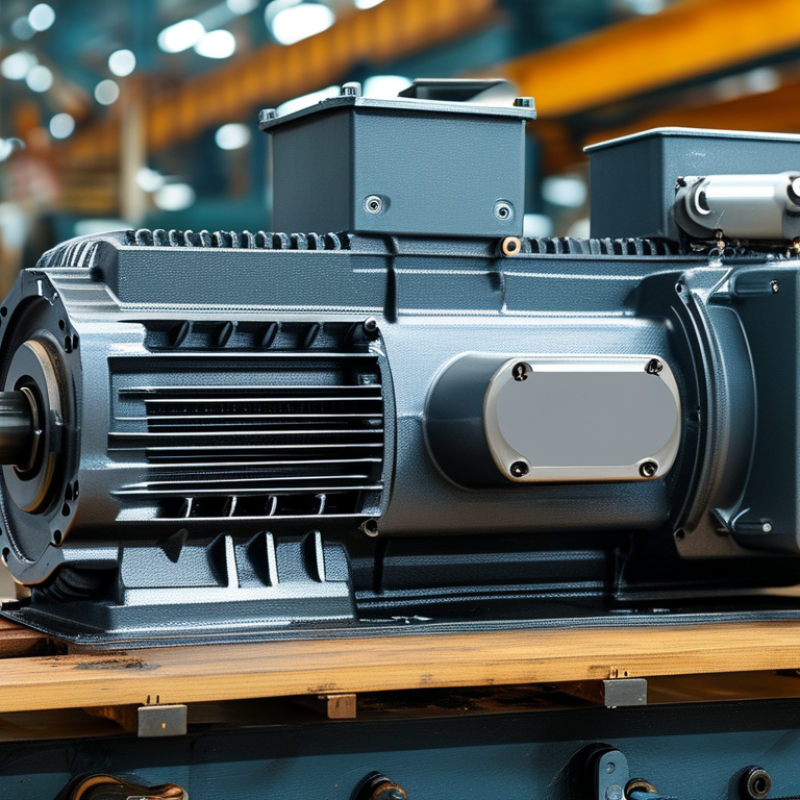
In today's competitive market, businesses seek efficient solutions. One such solution is the Industrial Gear Motor. This device combines a motor with a gearbox, providing high torque and speed reduction. Its robust design enhances durability in demanding environments.
The Industrial Gear Motor benefits various industries, from manufacturing to agriculture. It offers precision in movement, translating to improved productivity. Companies often notice reduced energy consumption, leading to cost savings. The versatility allows for various applications, making it a reliable choice.
However, it’s crucial to assess specific needs before investing. Not all Industrial Gear Motors are the same. Performance can vary based on application requirements. Therefore, careful consideration is essential to ensure alignment with business goals.
Understanding the Basics of Industrial Gear Motors
Industrial gear motors are essential in many manufacturing processes. They combine the motor and gearbox into a single unit, providing efficiency and reliability. These devices convert electrical energy into mechanical power, useful in applications that require precise control over speed and torque. Understanding how they function helps businesses select the right model for their needs.
The basic components of an industrial gear motor include the electric motor, gearbox, and output shaft. The motor generates rotational force, while the gearbox adjusts this force to improve performance and efficiency. Gear ratios play a crucial role in determining the output speed, which can greatly affect operational efficiency. A well-matched gear motor can lead to reduced energy consumption and less wear on equipment.
Not every application will need an industrial gear motor. Some processes may benefit from alternative drive systems. It's important to assess the specific requirements of your operation before making a decision. Consideration of factors like load, speed, and environment can prevent costly mismatches. Regular evaluation can ensure that the chosen gear motor continues to meet evolving business demands effectively.
Key Advantages of Industrial Gear Motors for Businesses
Industrial gear motors offer distinct benefits that can significantly enhance business operations. One major advantage is their efficiency. Gear motors convert electrical energy into mechanical power effectively. This conversion leads to reduced energy consumption, which is beneficial for cost savings. Additionally, they provide high torque at low speeds. This feature is essential for various applications, especially in manufacturing processes.
When selecting an industrial gear motor, consider the load requirements. Calculate the torque needed for your specific application. This assessment ensures you choose a motor that meets your operational demands. Proper sizing can prevent overloading, which can damage equipment over time.
Another critical factor is the environment where the motor will operate. If your business involves harsh conditions, ensure your gear motor is built for durability. Resistance to dust, moisture, and extreme temperatures can prolong the motor's lifespan. Regular maintenance checks are also vital. Scheduled inspections can identify potential issues before they escalate, ensuring smooth operations.
Key Advantages of Industrial Gear Motors for Businesses
Applications of Industrial Gear Motors Across Various Industries
Industrial gear motors find applications across various industries due to their versatility and reliability. In manufacturing, these motors drive conveyor systems efficiently. They translate rotary motion into linear motion, minimizing energy loss. In the automotive sector, gear motors facilitate assembly lines, ensuring smooth operations. Their compact design allows them to fit in tight spaces, a crucial factor in space-limited environments.
In the food and beverage industry, gear motors are used in mixing, filling, and packaging machines. They ensure consistent performance, essential for maintaining product quality. Some may overlook maintenance, thinking these motors are indestructible. Regular checks and lubrication can enhance longevity and efficiency. It's worth considering how neglect can lead to costly breakdowns.
In the renewable energy sector, industrial gear motors support wind turbines and hydroelectric systems. Their robust nature withstands harsh conditions, crucial for sustainable operations. However, using insufficiently rated gear motors can lead to unanticipated failures. Understanding load capacities is vital. Choosing the right industrial gear motor may seem straightforward, but a lack of expertise can lead to miscalculations. Investing time in research pays off.
Factors to Consider When Choosing an Industrial Gear Motor
Choosing the right industrial gear motor can significantly impact operational efficiency. There are several crucial factors to consider. First, evaluate the load requirements. The motor must meet the specific weight and size of the load it will handle. It’s essential to calculate the torque needed for your application. Many underestimate this aspect, which leads to system failures.
Another vital element is environmental conditions. Motors may be exposed to dust, moisture, or extreme temperatures. Selecting a motor with a suitable protection rating can prevent damage. Additionally, consider the power source available. Electric motors are common, but hydraulic or pneumatic options might suit certain applications better.
Compatibility with existing systems is also critical. Sometimes, a new motor may not seamlessly integrate, leading to performance issues. Reflecting on your system's architecture can avoid costly adjustments later. Lastly, after examining these factors, think about maintenance needs. A reliable motor will require less frequent servicing. Consider the long-term cost implications of maintenance when making your decision.
Maintenance Tips for Longevity of Industrial Gear Motors
When it comes to industrial gear motors, proper maintenance is key to ensuring their longevity. Regular inspections can catch early signs of wear and tear. Look for unusual noises and vibrations during operation. These can indicate that something is not functioning correctly. It's important to address these issues before they escalate.
Lubrication is another critical aspect of maintenance. Use the right type of lubricant for your specific motor model. Over-lubricating can be just as harmful as under-lubricating. Check lubrication levels routinely. A consistent schedule will help keep the motor running smoothly. Make sure to use quality lubricants that meet the manufacturer's recommendations.
Monitor the surrounding environment. Excessive dust or moisture can affect performance and reduce the lifespan of your gear motor. Ensure it’s placed in a clean, dry area. Regular cleaning can prevent build-up and corrosion. Creating a maintenance log can also be useful. Documenting each maintenance activity helps track performance trends over time.
FAQS
: Various industries use them, including manufacturing, automotive, and food and beverage sectors.
They efficiently drive conveyor systems, translating rotary to linear motion with minimal energy loss.
Regular maintenance enhances longevity and efficiency. Neglect can result in costly breakdowns.
Look for unusual noises or vibrations. These signals may indicate potential issues.
Use the right lubricant type. Check levels routinely. Avoid over-lubricating or under-lubricating.
Yes, excessive dust and moisture can hinder performance. Keep them in clean, dry areas.
Yes, insufficiently rated motors may lead to unexpected failures. Understand load capacities well.
It's a document that tracks maintenance activities. It helps in monitoring performance trends.
They may think gear motors are indestructible. This belief can create issues over time.
Regular maintenance checks and quality lubricants help maintain performance and avoid issues.
Conclusion
The article "Why Choose an Industrial Gear Motor for Your Business Needs?" explores the essentials of Industrial Gear Motors, emphasizing their significance in various business applications. It outlines the fundamental concepts behind these motors and highlights their key advantages, such as improved efficiency, enhanced torque, and reliability, making them ideal for demanding industrial environments.
The article further delves into the diverse applications of Industrial Gear Motors across multiple industries, showcasing their adaptability and versatility. Additionally, it addresses critical factors to consider when selecting an Industrial Gear Motor, including power requirements and size compatibility. Finally, the article offers maintenance tips to ensure the longevity and optimal performance of these motors, ultimately reinforcing their value for businesses looking to enhance operational efficiency and productivity.