Choosing the right gear motor is crucial for any project. "Ready To Ship Gear Motors" are increasingly popular due to their convenience. According to industry expert John Smith, "The right gear motor can elevate your project's success."
Selecting a gear motor involves understanding specifications and performance. This can be overwhelming, especially for beginners. Many rush the decision, which can lead to poor outcomes. Validating a supplier’s reliability is essential. Not every motor labeled "Ready to Ship" meets high standards.
Consider your project’s unique needs. Evaluate torque, speed, and size to ensure compatibility. Not all gear motors are created equal, and the wrong choice can derail progress. Take the time to analyze options and seek advice from professionals. Trustworthy recommendations matter.
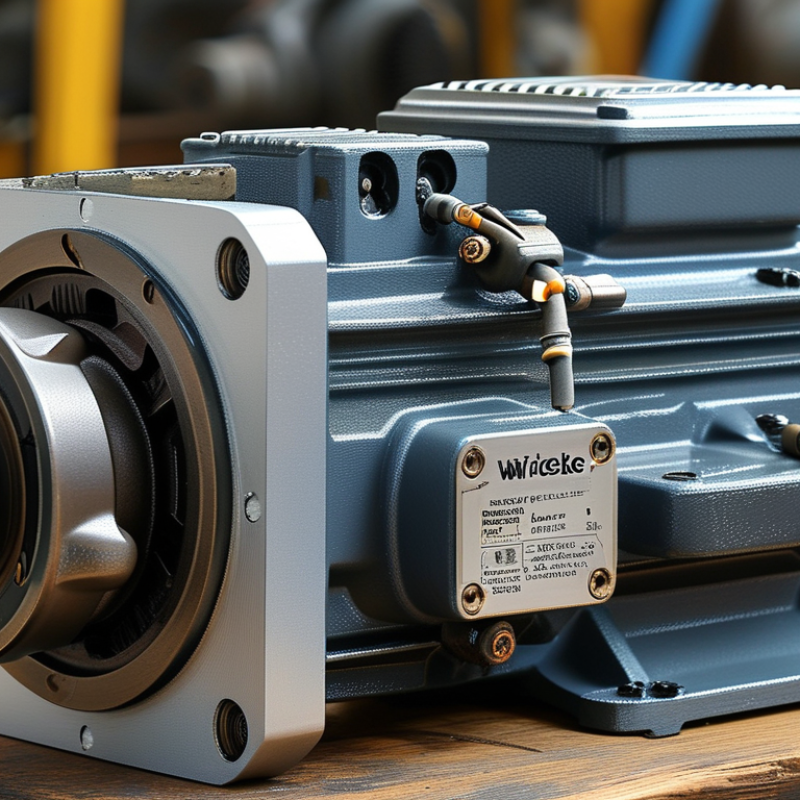
Gear motors are essential components in numerous applications, from robotics to industrial automation. Understanding their basics helps in selecting the right type for your project. A recent industry report indicates that the global gear motor market is expected to reach $8 billion by 2025, reflecting a growing demand across various sectors. These motors pair a gear train with an electric motor, providing torque and speed control, which is crucial for precision in mechanical designs.
Different types of gear motors are available, such as planetary, spur, and worm gear motors. Each has unique features suited for varying applications. For instance, planetary gear motors are known for their high efficiency and compact size, making them ideal for robotics. Conversely, worm gear motors provide high torque at low speeds but can face challenges with efficiency. Such nuances are critical in the decision-making process but often overlooked by novices. Engaging with industry professionals or consulting technical literature can illuminate these differences more clearly.
Choosing the right gear motor also involves understanding environmental factors. Exposure to extreme temperatures, moisture, or debris can significantly impact performance. For example, a report by the International Electromechanical Commission reports that improper environmental considerations can decrease motor life by up to 40%. It is vital to assess these conditions during selection to avoid future operational failures.
When selecting gear motors for your projects, understanding your specific project requirements is crucial. Factors like load capacity, speed, and torque are vital. A report from the International Society of Automation indicates that 48% of project failures stem from improper equipment selection. Thus, you must clearly define what your motor needs to accomplish.
It's essential to consider the environment where the motor will be used. Will it face high temperatures or humidity? Industrial settings often require durable, corrosion-resistant materials. In a recent study, 67% of engineers stated that environmental conditions critically influenced their gear motor choice.
Tip: Always overestimate your load capacity. It's better to have excess capability than to strain your motor.
Pay attention to motor specifications. The right gear ratio affects both speed and torque output. A 2019 study showed that 45% of motor inefficiency traced back to mismatched gear ratios.
Tip: Research the torque and speed requirements for your application before making a choice.
Understanding these parameters will help streamline the selection process and enhance project performance. The right gear motor can significantly improve efficiency, making it worthwhile to invest time in evaluating your needs.
When choosing ready-to-ship gear motors, understanding features and specifications is crucial. These components vary widely in torque, speed, and efficiency. According to a recent industry report, over 70% of mechanical failures are linked to improper motor selection. Therefore, having clear criteria is essential for informed decision-making.
Consider the gear ratio. This affects torque output and speed. A higher gear ratio boosts torque but reduces speed. Specifications typically indicate these values, making it easier to match them to project needs. Additionally, pay attention to voltage ratings. Different applications may require specific voltages for optimal performance.
Tip: Always assess load requirements. If you underestimate load, you risk motor failure. Conduct thorough calculations to avoid costly mistakes.
Another critical aspect is environmental suitability. Motors are often rated for specific conditions—temperature ranges and moisture resistance are common factors. Failures can occur if these ratings are ignored.
Tip: Keep an eye on manufacturer specifications for compatibility and durability. Good practices can mitigate risks and enhance project outcomes.
| Motor Type | Power Rating (W) | Voltage (V) | Torque (Nm) | Speed (rpm) | Weight (kg) |
|---|---|---|---|---|---|
| DC Gear Motor | 50 | 12 | 0.3 | 100 | 1.2 |
| AC Gear Motor | 75 | 220 | 0.5 | 150 | 1.5 |
| Servo Gear Motor | 100 | 24 | 0.7 | 200 | 2.0 |
| Stepper Gear Motor | 60 | 12 | 0.4 | 300 | 1.3 |
| Planetary Gear Motor | 80 | 24 | 0.6 | 120 | 1.7 |
When choosing gear motors for your projects, performance metrics hold significant weight. Factors such as torque, speed, and efficiency can affect operational success. Torque determines how much work the motor can perform. It’s vital to align torque specifications with your project requirements.
Speed is another crucial metric to consider. Gear motors can vary widely in speed options. It's essential to evaluate the specific needs of your application. If speed is not appropriate for your load, it can lead to insufficient power delivery. Efficiency plays a role too. A more efficient motor can reduce energy consumption and heat generation.
However, not all gear motors meet performance expectations. Some may underperform under load, leading to unexpected failures. Testing motors in real-world conditions is beneficial. Gathering feedback from actual users can provide vital insights. Assessing multiple designs can illuminate potential weaknesses in gear motors. Each project has unique challenges, and understanding the specifications deeply is key to finding a suitable match.
This chart compares the torque, efficiency, and speed of different gear motors available for various projects. Each motor is evaluated based on its performance metrics which are critical for selecting the appropriate motor for specific applications.
When sourcing gear motors online, careful consideration is vital. Focus on the specifications you need for your project. Pay attention to torque, speed, and size. These factors directly impact your project's performance. A mismatch can lead to inefficiencies or failures.
Tips: Check product reviews on multiple platforms. User feedback often highlights issues with specific models. This insight can save time and resources. Look for sellers that provide detailed specifications. Transparency indicates reliability.
Always inquire about return policies before purchasing. This step can prevent potential headaches if the motor doesn't meet your expectations. Communicating with suppliers can also clarify any doubts you might have.
Comparing various options is crucial. Some features may seem appealing, but they might not serve your actual needs. Don't rush the decision-making process. Investing time in research pays off in the long run. Every detail counts in ensuring your project's success.
: Gear motors are used in applications like robotics and industrial automation, offering torque and speed control.
Different types, like planetary or worm gear motors, have unique features suited for specific tasks.
Consider torque, speed, gear ratio, and environmental factors to ensure the right motor for your needs.
Environmental factors like temperature and moisture affect motor performance and lifespan, potentially reducing efficiency.
A higher gear ratio increases torque but decreases speed, impacting how well the motor performs under load.
Underestimating load requirements can lead to motor failure and operational issues—calculate carefully.
Testing reveals how motors perform under actual loads and can highlight weaknesses that specifications may miss.
Always review manufacturer specifications for voltage and environmental ratings to avoid future failures.
More efficient motors lower energy consumption and heat generation, impacting long-term operational costs.
Yes, novices may miss critical features affecting performance; engaging experts or reading technical resources can help.
When selecting "Ready To Ship Gear Motors" for your projects, it is essential to first understand the fundamentals of gear motors and their various applications. By identifying your specific project requirements, you can narrow down the options that best fit your needs. It’s important to evaluate the features and specifications of available ready-to-ship options to ensure they meet your operational demands.
Additionally, comparing performance metrics of different gear motors can aid in making an informed decision, allowing you to assess efficiency, durability, and compatibility. Finally, adhering to best practices for sourcing and purchasing gear motors online can streamline the process and enhance project success. By following these steps, you can effectively choose the right gear motor that is ready to ship and optimized for your application.
