Why Choose Stepper Gear Motors for Your Project Needs?

Time:2026-07-24 Author:Henry
0%

In the world of automation and robotics, the choice of motors is crucial. Renowned engineer Dr. Emily Carter, an expert in mechatronics, emphasizes the importance of using the right components for efficiency. She once stated, “Stepper Gear Motors offer precision and control like no other.” As projects demand more accuracy, the appeal of Stepper Gear Motors grows.

These motors combine the benefits of stepper technology with gear reduction. The result is enhanced torque and positioning precision. When dealing with applications ranging from 3D printers to CNC machines, having a reliable motor is vital. Stepper Gear Motors stand out for their ability to provide consistent performance under varying loads.

Yet, not all applications may benefit from them. It's important to consider factors like speed and required torque. Understanding your project's specific needs can lead to better decision-making. Stepper Gear Motors are an excellent choice, but they aren’t universally ideal. The challenge lies in matching the right motor to your project demands.
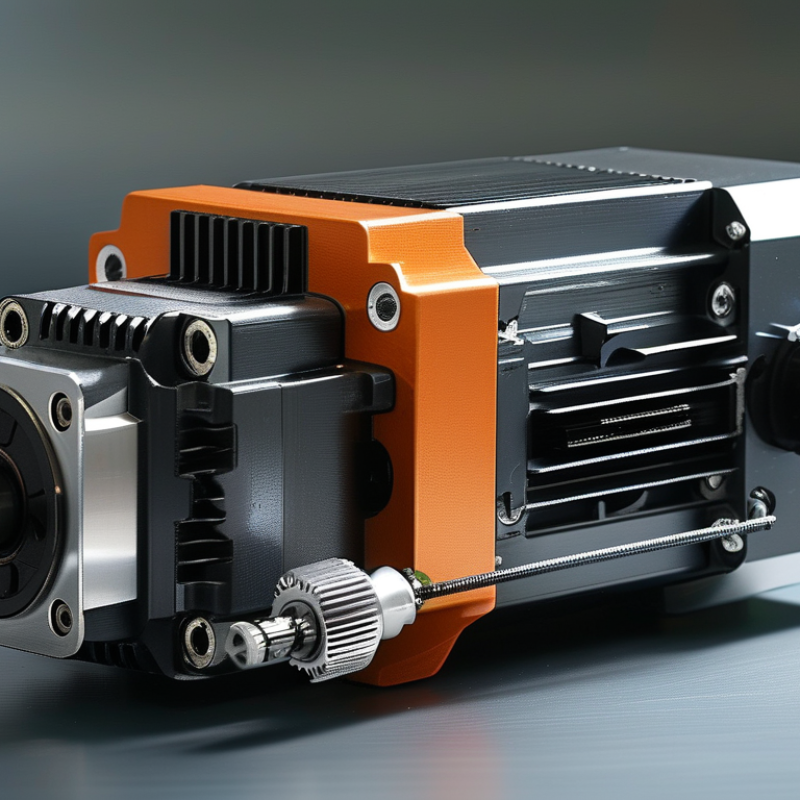
Why Choose Stepper Gear Motors for Your Project Needs?

Benefits of Stepper Gear Motors in Precision Applications

Stepper gear motors are gaining popularity in precision applications due to their unique benefits. These motors combine the precision of stepper technology with the power of a gear reduction mechanism. According to a report by MarketsandMarkets, the market for stepper motors is expected to reach $7.6 billion by 2025. This growth is driven by increased demand in various sectors, including industrial automation and robotics.

One of the key advantages of stepper gear motors is their ability to provide accurate control over movement. They can operate with a resolution as fine as 1.8 degrees per step. This level of precision is critical in applications such as CNC machines and 3D printers. For instance, a stepper motor can position a tool to the exact point needed for intricate cuts. However, it’s essential to note that the performance can vary based on load conditions and environmental factors.

Reliability is another crucial aspect. A study from the International Journal of Advanced Manufacturing Technology indicates that stepper motors show minimal wear over time. They can maintain consistent performance without regular maintenance. Users should remain aware of their limitations, such as reduced torque under high-speed conditions. It’s vital to choose the right setup to optimize their capabilities while avoiding potential pitfalls. Proper integration ensures harnessing their full potential in any precision application.

Key Advantages: High Torque and Accurate Positioning Capabilities

Stepper gear motors are gaining traction across various industries, primarily due to their high torque and precise positioning capabilities. These motors excel in applications that require accurate control, such as robotics and CNC machinery. According to a 2022 market analysis by ResearchAndMarkets, the demand for stepper motors is expected to grow significantly, reaching around $5.3 billion by 2027. This growth is driven by their ability to provide reliable torque throughout a wide range of speeds.

High torque is vital for applications that demand powerful performance without compromising precision. In scenarios like 3D printing, stepper gear motors maintain stable torque even at low speeds, ensuring consistent layer resolution. Additionally, a study from the Institute of Electrical and Electronics Engineers highlights that stepper motors can achieve an accuracy level of 1.8 degrees per step. This allows engineers to develop systems with enhanced reliability and minimal positional errors.

While stepper motors offer substantial benefits, it's essential to be aware of their limitations. They can lose steps under excessive load, which may lead to positioning errors. Users must carefully assess their application requirements and motor specifications. Balancing torque and load capacity is crucial for optimizing performance in real-world applications. Thus, a deeper understanding of stepper motor characteristics can help designers leverage their strengths effectively.

Market Demand: Growth Statistics in Automation and Robotics Sectors

The automation and robotics sectors are experiencing rapid growth. Industries are adapting to new technologies. This shift creates a surge in the demand for efficient machinery, including stepper gear motors. They provide precise control and reliable performance. Their role in automation is pivotal, making them essential for many projects.

Market statistics reveal a striking trend. The global automation industry is expected to expand at a compound annual growth rate (CAGR) of over 9% in the next five years. Robotics, a crucial part of this growth, is projected to grow even faster. This increase highlights the need for advanced components that can meet rising demands. It also emphasizes the importance of understanding different motor types available.

While stepper gear motors are widely recognized, they are not without challenges. Sometimes they may require precise tuning for optimal performance. Not all projects benefit equally from their use. Engineers must evaluate the specific requirements of each application. This ensures the right choice for each unique project.

Why Choose Stepper Gear Motors for Your Project Needs? - Market Demand: Growth Statistics in Automation and Robotics Sectors

Year Global Automation Market Size (USD Billion) Growth Rate (%) Stepper Motor Market Share (%) Robotics Market Growth Rate (%)
2021 165.5 10.5 25 12.8
2022 183.2 10.1 27 13.5
2023 201.3 9.3 30 14.0
2024 220.0 9.3 32 15.0
2025 240.5 9.3 35 15.5

Common Applications: Industries Relying on Stepper Gear Motors

Stepper gear motors are versatile components found across various industries. Their precision and control make them ideal for applications that require accurate positioning. In manufacturing, these motors power CNC machines and 3D printers. They allow fine-tuned movements essential for creating high-quality products.

In robotics, stepper gear motors enable precise movements in robotic arms and mobile platforms. They're crucial for tasks that require repeatability and exactness. This helps industries like automation and defense achieve their goals efficiently.

Tips: When selecting stepper gear motors, consider the torque and speed requirements specific to your application. Always check compatibility with your control systems. Keep in mind that while these motors excel in accuracy, they may require cooling in high-load situations. Regular maintenance can prevent performance issues.

Comparison with Other Motor Types: Efficiency and Performance Metrics

When choosing motors for projects, efficiency is crucial. Stepper gear motors stand out due to their precise control and high torque capabilities. These motors excel at low speeds, providing reliable responsiveness. Unlike brushed DC motors, stepper motors do not rely on brushes, enhancing longevity and reducing maintenance. Their ability to maintain position accurately is vital in applications like robotics and CNC machines.

In contrast, brushless DC motors offer higher speeds and less torque at low RPMs. They also tend to be more efficient overall. However, their complexity can require extensive control systems. This could lead to increased project costs and troubleshooting time. For many projects, the ease of control in stepper motors proves invaluable despite potential drawbacks, such as lower maximum RPMs compared to brushless options.

While stepper motors offer excellent performance, they are not without limitations. They can lose steps under excessive load, impacting precision. Users should understand their specific needs. Considering the trade-offs between performance metrics helps in choosing the right motor for a project.

FAQS

: What are the main benefits of stepper gear motors?

: Stepper gear motors offer accurate movement control and high torque for precision applications.

How precise are stepper gear motors?

They can operate with a resolution as fine as 1.8 degrees per step.

In which applications are stepper gear motors commonly used?

They are mainly used in CNC machines, 3D printers, and robotics.

How reliable are stepper gear motors over time?

They show minimal wear and maintain performance without regular maintenance.

What are some limitations of stepper gear motors?

They can experience reduced torque at high speeds and may lose steps under excessive load.

How can users optimize the performance of stepper gear motors?

Proper integration and understanding of load conditions can enhance their capabilities.

Do stepper gear motors require regular maintenance?

Generally, they don't require frequent maintenance due to their reliability.

Why is high torque important in stepper gear motors?

It ensures powerful performance while maintaining precision, especially in low-speed applications.

What should users consider when selecting a stepper motor?

Users need to balance torque, load capacity, and application requirements for optimal performance.

Can stepper motors experience positioning errors?

Yes, they may encounter positioning errors if overloaded or improperly set up.

Conclusion

Stepper Gear Motors are increasingly favored for precision applications due to their high torque and accurate positioning capabilities. These motors effectively meet the growing market demand in automation and robotics sectors, showcasing significant growth statistics. Their unique design allows for precise control and efficient performance, making them ideal for industries such as manufacturing, healthcare, and aerospace.

In comparison to other motor types, Stepper Gear Motors stand out for their efficiency and performance metrics, ensuring reliable operation in various applications. As industries continue to innovate, the reliance on Stepper Gear Motors is expected to increase, solidifying their role as a vital component in modern technological advancements.

Henry

Henry

Henry is a dedicated marketing professional with a profound expertise in the company's offerings. With years of experience in the industry, he possesses an impressive understanding of the market dynamics and consumer behaviors that drive success. Henry is committed to sharing his insights through......