Choosing the right Other Gear Motor is crucial for efficiency and performance in various applications. The global demand for these motors is projected to grow by 5.3% annually, according to a recent industry report from Research and Markets. Factors such as power requirements, torque specifications, and installation space can greatly influence your decision.
Expert in the field, Dr. Emily Chen, emphasizes, "Selecting the correct gear motor is not just about specifications; it's about understanding your unique needs." Her insights highlight the importance of aligning the motor's capabilities with the intended use. Consider the impact of misalignment. An inappropriate choice can lead to inefficiencies and increased operational costs.
While the market offers diverse options, navigating them can be overwhelming. Each application comes with unique demands. It’s essential to evaluate performance metrics thoroughly. Reflect on past choices. Have they met your expectations? Revisiting your criteria is often necessary for optimized selection.
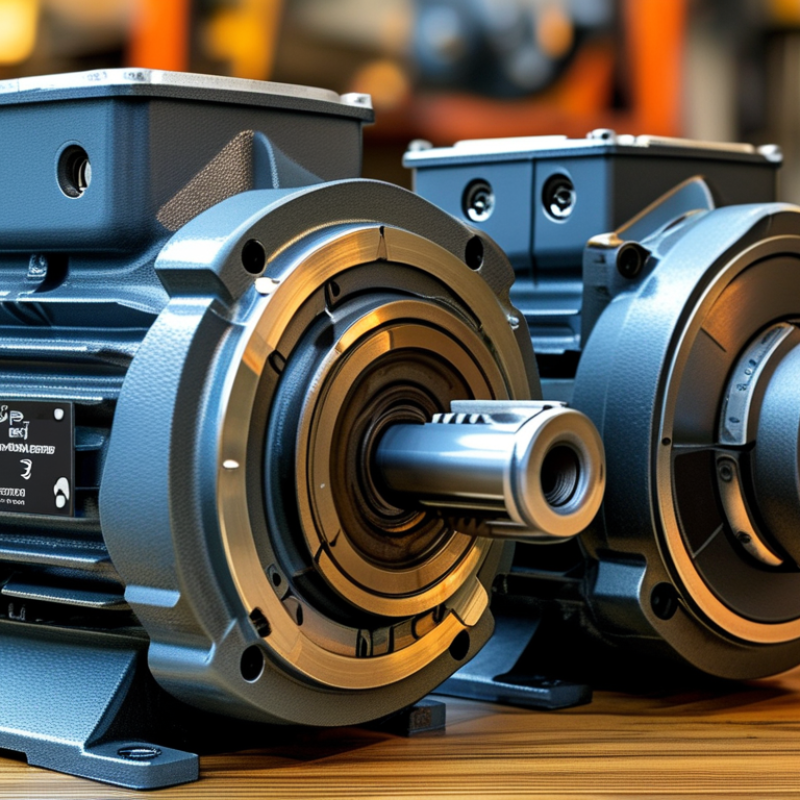
When exploring gear motors, it's important to recognize the variety available in the market. Different types cater to numerous applications. According to a report by Allied Market Research, the global gear motor market was valued at over $23 billion in 2020 and is projected to grow. Users often face challenges finding the right motor to fit their specific needs. This includes considering factors like torque, speed, and efficiency.
Among the types of gear motors, DC gear motors are popular for their simplicity and control. They are suitable for applications requiring variable speed. On the other hand, AC gear motors are robust and ideal for continuous operations. The choice of construction, whether hypoid, helical, or planetary, also impacts performance and durability. While planetary gears offer high efficiency, they can sometimes be more complex, necessitating careful consideration of maintenance and integration.
Efficiency is crucial. The right gear motor can improve energy usage by up to 30%, as stated in some industry studies. However, improper selection may lead to excessive energy consumption or mechanical failure. Reflecting on these aspects is essential for making informed decisions. Data suggest that many businesses overlook the potential long-term savings of optimizing gear motor selection.
When evaluating power and torque for your application, understanding your needs is crucial. The right motor provides efficiency and performance. Torque is vital in determining how much force is applied. Assess the load your application will handle to find the suitable specifications.
Tips: Always assess the peak torque requirements. It’s often higher than average needs. Consider the duty cycle as well. Continuous operation may require different specifications than intermittent use.
Analyze your workspace constraints too. Size and weight of the motor affect usability. Sometimes a smaller motor suffices. Reflect on these aspects to avoid complications later. It’s essential to balance power and space without compromising performance. Understanding these factors leads to better choices and optimized results.
When selecting an other gear motor, speed control options deserve careful consideration. Proper speed control impacts efficiency and functionality, influencing your overall project success. Different applications may require unique speed configurations, making choice critical. If exact speed regulation is necessary, consider using feedback systems. These systems provide real-time adjustments for precision tasks.
Tips: Always assess your project's specific needs. Understand whether variable speeds could enhance performance. Check how your motor choice interacts with other components. This knowledge aids in selecting the ideal gear motor.
Another element to consider is torque requirements. Some applications may need high torque at low speeds. Others may demand the opposite. Balancing these factors is essential for optimal performance. Reflect on your application’s demands to avoid underperformance or inefficiency. Overlooking torque specs can lead to operational issues.
Tips: Analyze load behavior before making decisions. Don’t compromise on torque; it can disrupt your project. Think about how changing speeds might affect your entire system. Being proactive can save time and resources.
When selecting an other gear motor, environmental factors play a crucial role. Motors can be exposed to dust, humidity, and extreme temperatures. According to a 2022 industry report, 42% of motor failures were linked to adverse environmental conditions. Thus, understanding the specific environment is essential.
For instance, in outdoor applications, motors must resist corrosion and moisture. Choosing motors with specific coatings can enhance durability. Similarly, if your application operates in extreme heat, thermal management becomes vital. Heat can significantly impact motor efficiency and longevity, leading to possible failures.
Mounting configurations are equally critical. The motor's orientation affects cooling and performance. A vertical mount can lead to overheating if not properly ventilated. Conversely, a horizontal mount may trap dust and debris. A study from the International Association of Engineers highlighted that incorrect mounting reduced motor performance by an average of 20%. Evaluating your operational context thoroughly can help in making informed decisions.
When selecting a gear motor, budgeting plays a crucial role. A recent industry report shows that roughly 40% of buyers prioritize cost over quality. This approach can lead to inadequate performance and higher long-term expenses. For example, while a lower-priced motor may fit initial costs, it often lacks durability. This can result in unexpected breakdowns, increased maintenance, and higher replacement costs.
Quality matters significantly. Investing in a higher-quality gear motor can ensure better efficiency and longevity. According to a study by the American Gear Manufacturers Association, gear motors with higher efficiency ratings can reduce overall energy consumption by up to 20%. While the upfront cost is higher, the savings on energy bills and maintenance can offset this expense over time.
It's essential to balance cost and quality carefully. Sometimes, overemphasis on budget can lead buyers to overlook essential specifications. Ensure that the chosen motor meets the load requirements and environmental conditions. Relying solely on price can result in performance issues and stress on the equipment, highlighting the need for thoughtful decision-making in gear motor selection.
This chart compares the cost and quality ratings of different types of gear motors, highlighting the trade-off between budget and performance.
: Speed control affects efficiency and functionality, impacting project success.
Feedback systems provide real-time adjustments for precision tasks.
Torque needs vary; some applications require high torque at low speeds and vice versa.
Ignoring torque specs can lead to operational issues and project inefficiency.
Motors can fail due to dust, humidity, and extreme temperatures; awareness is crucial.
Specific coatings can help resist corrosion and moisture in outdoor applications.
Incorrect mounting can lead to overheating or dust accumulation, decreasing performance.
Heat impacts efficiency and can lead to motor failures over time.
Analyzing load behavior is key; speed changes can affect the entire system.
Orientation affects cooling; improper mounting can trap debris or cause overheating.
When selecting the right Other Gear Motor for your specific needs, it's essential to understand the various types available in the market, each designed for different applications. Start by evaluating the power and torque requirements to ensure that the motor can handle your task efficiently. Speed control options play a crucial role in optimizing performance, making it vital to assess what level of control is necessary for your application.
Additionally, consider environmental factors and the necessary mounting configurations, as these aspects can significantly impact motor performance and longevity. Lastly, budgeting is key; you must weigh the cost against quality to find a balance that meets your needs without compromising on reliability. With careful consideration of these factors, you can select an Other Gear Motor that perfectly aligns with your operational requirements.
