In today's industrial landscape, successfully sourcing a Dc Gear Motor can be a complex task. Expert engineer John Smith emphasizes, "Understanding your specific needs is crucial for finding the right Dc Gear Motor." This insight highlights the importance of clarity in requirements when dealing with various suppliers.
When selecting a Dc Gear Motor, it’s essential to consider factors such as voltage, torque, and speed. Many businesses overlook these details. Without clarity on specifications, companies risk purchasing underperforming products. Additionally, verifying the reputation of suppliers is vital. An unreliable supplier can lead to costly delays and inefficiencies.
Moreover, it’s easy to become overwhelmed by the options. There are numerous brands and models available. Reflecting on past experiences can aid in making informed decisions. Learning from previous sourcing mistakes can lead to better outcomes. Engaging with experts and conducting thorough research can refine the search for the perfect Dc Gear Motor. This process is crucial for long-term success in any project.
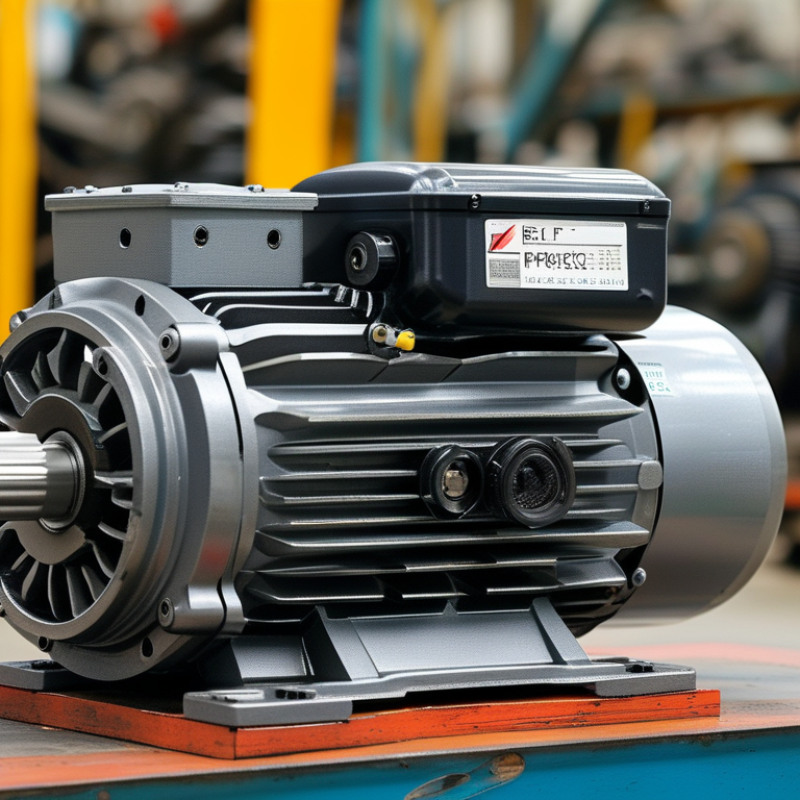
DC gear motors are integral to various applications. They convert electrical energy into mechanical energy, often utilized in robotics, automotive, and industrial machinery. Understanding their basics helps you make informed choices when sourcing them. The construction of a DC gear motor involves a DC motor and a gear train that alters speed and torque.
When selecting a DC gear motor, consider the required speed, torque, and voltage. These parameters vary based on the application. For instance, a slower speed may be necessary for precise movements, while higher torque is crucial for lifting heavy loads. Sometimes, the best option isn't immediately clear. Testing different models can reveal surprising results.
Attention must be paid to the quality of materials used in the gear motor construction. Plastic gears may wear out faster than metal ones. It’s essential to check reviews and user experiences to gauge reliability. Choosing a motor may involve trial and error. Keeping a notebook with notes on various outputs can guide future decisions. Experimenting with different sources can lead to unexpected insights. They may not always meet initial expectations, highlighting the learning curve in sourcing DC gear motors effectively.
Identifying your requirements is crucial when sourcing DC gear motors. Start by defining the application. Consider factors like load, speed, size, and environment. For instance, a motor suited for robotics may differ significantly from one used in conveyor systems. According to a recent industry report, over 70% of sourcing failures stem from unclear specifications.
Understanding torque requirements is essential. If you underestimate the torque, your motor may falter under load. The typical torque range for DC gear motors varies from 0.5 Nm to over 100 Nm. This variance can influence performance and lifespan. Additionally, think about gear ratio. A higher ratio means more torque but less speed. Balancing these parameters is vital for optimal functionality.
Don’t forget energy efficiency. The global market for electric motors is projected to reach $118 billion by 2027, driven by demand for eco-friendly solutions. Selecting an energy-efficient motor not only reduces operational costs but also supports sustainable practices. As you evaluate your options, remember that minor miscalculations can lead to significant operational issues. Regularly revisit your requirements to adapt to changing performance needs.
When evaluating the quality and reliability of DC gear motor suppliers, experience plays a pivotal role. A supplier with significant industry experience is more likely to understand the complexities of motor performance. Look for suppliers who have been in the market for several years. Their longevity often reflects their ability to provide reliable products. Reviews and testimonials from previous customers can also provide critical insights into a supplier's reputation.
Additionally, assessing the quality of materials and manufacturing processes is essential. Reliable suppliers prioritize high standards in their production lines. Inspecting certifications and compliance with industry standards can offer further assurance. It's beneficial to request samples, as they allow you to evaluate the motor's performance firsthand. During this assessment, look for any inconsistencies, such as vibrations or noise levels, which may indicate underlying issues.
Communication is another key factor. A responsive supplier demonstrates their commitment to customer satisfaction. If they are willing to address questions and concerns promptly, it bodes well for future interactions. Evaluate their ability to provide technical support, as this can be essential for resolving problems down the line. Relationships with suppliers should foster trust, and a time investment in these connections can yield better outcomes.
| Supplier Criteria | Rating (1-5) | Lead Time (Weeks) | Warranty Period (Years) | Compliance Certificates |
|---|---|---|---|---|
| Production Capacity | 4 | 6 | 2 | ISO 9001 |
| Quality Assurance | 5 | 4 | 3 | RoHS |
| Customer Support | 4 | 8 | 1 | CE |
| Pricing Competitiveness | 3 | 5 | 2 | UL |
| Technology & Innovation | 5 | 7 | 2 | IEC |
When sourcing DC gear motors, understanding costs and features is crucial. Variations can significantly affect your project's budget and performance. Start by identifying the specifications you need. Factors such as torque, speed, and efficiency will guide your choices. Compare various models to see how their features align with your requirements.
Cost is often a crucial factor. While some motors look cheaper upfront, their longevity and efficiency may vary. A higher initial cost might mean lower maintenance expenses over time. Conducting a cost-benefit analysis offers insight into whether saving upfront makes sense for your project goals.
Tips for effective sourcing include engaging with suppliers who provide detailed specs. Transparency from manufacturers can highlight the true value of their products. Look for online forums where users share experiences. Their insights can shed light on performance across different brands. Always consider customer reviews, even though they may not always be reliable. Balancing cost and quality is key, but it requires thorough research.
Building long-term relationships with DC gear motor manufacturers is vital for success. Trust and communication are fundamental. A good relationship leads to reliable supply chains and better product quality. Regular meetings can help ensure alignment on expectations and goals. Frequent communication encourages transparency and quick problem resolution.
When sourcing DC gear motors, prioritize manufacturers with a proven track record. Consider their experience in the industry. Look for companies that prioritize quality control. Examine their certifications and customer feedback. Engaging in detailed discussions about your specific needs can uncover potential issues. It’s essential to ask the right questions regarding technical specifications.
Don't overlook the importance of post-purchase support. A reliable manufacturer should offer support even after the sale. Establishing rapport with your supplier can facilitate this. Reflect on past interactions and learn from any miscommunications. Continuous improvement in these relationships can yield significant benefits over time, ensuring you both grow together in the industry.
: Clear specifications help avoid sourcing failures. Identify application, load, speed, size, and environment to ensure compatibility.
Underestimating torque can cause motors to falter. Typical ranges are 0.5 Nm to over 100 Nm. Balance is key.
Higher gear ratios yield more torque but less speed. Finding the right balance ensures optimal performance.
Energy-efficient motors lower operational costs. They also support sustainable practices, which are increasingly demanded in the market.
Look for suppliers with significant industry experience and a track record of reliability. Reviews can reveal their reputation.
High-quality materials lead to better performance and reliability. Certifications can confirm adherence to industry standards.
Responsive suppliers show commitment and can help resolve issues. Good relationships can enhance trust and future interactions.
Testing samples helps assess performance. Look for inconsistencies like vibrations or noise, which may indicate issues.
Regularly review and adapt your requirements. Minor miscalculations can lead to major operational problems over time.
Yes, investing time in building relationships fosters trust and can lead to better outcomes in the long run.
When sourcing a DC gear motor, it is crucial to first understand the fundamentals of these motors and their various applications. This knowledge aids in accurately identifying your specific requirements, such as torque, speed, and size, which will guide your sourcing process.
Evaluating potential suppliers for quality and reliability is essential, ensuring that the DC gear motors meet industry standards and your operational needs. Additionally, comparing costs and features across different options can help you find the best value. Finally, establishing long-term relationships with reputable manufacturers can lead to better support and continuous improvement in performance and costs over time, ensuring your projects run smoothly and efficiently.
