In the dynamic landscape of commerce, "Hot Sale Products" represent more than just trending items; they illustrate consumer behavior and market demands. Dr. Li Wei, an expert in Chinese market trends, states, “Understanding hot sale products is key to unlocking potential profits.” His insights remind us that these products are not simply fads; they are indicators of shifting consumer preferences.
China’s marketplace is vast and diverse, showcasing a variety of hot sale products each year. These items attract attention due to their innovation, quality, and affordability. Recent years have highlighted electronics, beauty products, and health items as frontrunners. However, it isn’t just about what's popular. It’s vital to analyze why certain products thrive while others fade away. Brands must consider consumer feedback, market trends, and cultural shifts.
The allure of hot sale products can sometimes lead companies astray. Oversaturation and overhype can quickly diminish a product’s appeal. Businesses must reflect on their strategies and ensure a balance between creativity and market readiness. Thus, exploring the realm of hot sale products requires keen observation and a thoughtful approach.
China’s retail market has undergone significant transformation in recent years. According to a report by the National Bureau of Statistics, online retail sales reached approximately $1.8 trillion in 2022, showcasing robust growth. E-commerce continues to dominate, representing over 30% of total retail sales. Mobile shopping, in particular, is a major driver as consumers prefer convenience and speed.
The rise of “new retail” is noteworthy. This model integrates online and offline experiences, allowing consumers to interact seamlessly across various platforms. Data from McKinsey indicates that 75% of consumers expect personalized shopping experiences. However, companies are still grappling with delivering tailored services. Despite advancements, many retailers struggle to accurately predict consumer preferences.
Moreover, sustainability is gaining traction. A recent survey revealed that 65% of consumers prefer brands with eco-friendly practices. Yet, achieving true sustainability can be complex, as many businesses find it challenging to balance profitability and environmental impact. The evolving landscape presents both opportunities and challenges for retailers aiming to stay relevant in a competitive marketplace.
China's consumer market is dynamic and ever-evolving. Several key elements influence the popularity of products. Understanding these factors is crucial for anyone looking to succeed in this fast-paced environment.
One major factor is cultural trends. Consumers are highly influenced by social media and pop culture. Products that resonate with current trends often gain traction quickly. The rise of influencer marketing cannot be ignored. When popular figures endorse products, it sparks interest and drives sales. Many products catch on simply because they are seen frequently in online communities.
Another vital aspect is innovation. Chinese consumers are attracted to new and unique features. Brands that introduce cutting-edge technology or novel designs can easily stand out. However, it’s essential to ensure quality. Innovative products that fail in performance can lead to disappointment. This undermines brand trust and loyalty. Exploring how international trends align with local preferences often reveals opportunities. It requires constant adaptation and keen market awareness. Embracing local nuances while maintaining a global outlook is the key to capturing consumer interest.
In recent years, China has seen a surge in popular products across various categories. Each category showcases unique features that attract consumers. One notable category is home essentials. These include innovative kitchen tools that make cooking easier and more enjoyable. People love multifunctional utensils that can save space and time.
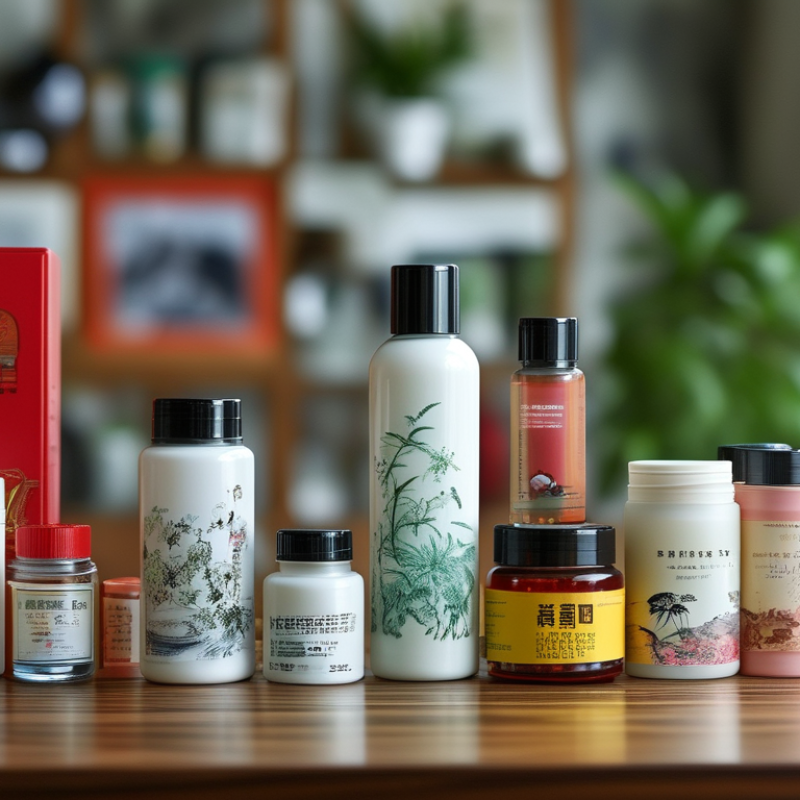
Another growing category is personal care. Many consumers are shifting towards natural products. Options like herbal skincare and organic haircare are gaining popularity. There is a rising awareness about harmful chemicals in beauty products. Customers are becoming more informed, leading them to seek better alternatives.
Tech gadgets also thrive in the Chinese market. Smart devices, including health monitors and wireless earbuds, are in high demand. They offer convenience and enhance daily life. However, the competition is fierce, and not all innovations succeed. Market trends often shift unexpectedly, leaving some products behind. It's vital for sellers to monitor consumer preferences closely and adapt quickly.
Understanding consumer preferences in China reveals significant insights. In recent years, Chinese shoppers have demonstrated a strong inclination towards high-quality products, especially in the tech and beauty sectors. According to a report from Statista, around 62% of consumers prioritize product quality over price, highlighting a shift towards value-driven purchasing. This shows that Chinese consumers are willing to invest more for better quality.
Sustainability is another rising concern. A survey by Nielsen indicates that 73% of Chinese millennials are willing to pay more for eco-friendly products. This trend urges brands to reconsider their packaging and sourcing strategies. However, some shoppers remain skeptical about the authenticity of green claims. Addressing these concerns can enhance brand credibility and strengthen customer loyalty.
Additionally, the role of social media can't be ignored. Data from Digital 2023 suggests that 63% of online shoppers rely on recommendations from social platforms before making purchases. Brands must leverage this influence effectively. Yet, some might feel overwhelmed by the pace of change in consumer behavior, necessitating constant adaptation. Understanding these dynamics will be crucial for staying relevant in the evolving Chinese market.
Launching a product in China is not just about the product itself. Understanding local consumer behavior is crucial. Research shows that digital engagement drives most purchasing decisions here. Brands must adapt their strategies to resonate with Chinese values and preferences. Using social media platforms effectively can enhance visibility. However, not every strategy works universally. Brands need to test and refine their approaches continuously.
Creating a narrative that connects emotionally with consumers can foster loyalty. Storytelling is powerful in this market. It’s essential to highlight product benefits while considering local cultural nuances. Conducting surveys and focus groups can provide valuable insights. However, interpretations can vary, and the findings may not always align with market realities. Brands must remain vigilant and ready to pivot strategies based on feedback.
Utilizing influencers can amplify reach, but selecting the right partners is critical. Their audience must align with the target demographic. Successful partnerships often lead to higher engagement. Yet, there are pitfalls. An influencer’s misalignment with the brand message can backfire. Continuous evaluation of marketing tactics helps in avoiding these missteps. Brands should be prepared for a dynamic market landscape that requires constant adaptation.
: Cultural trends and social media significantly impact product popularity. Influencer endorsements can drive sales rapidly.
Many Chinese consumers prioritize quality over price. About 62% prefer investing in high-quality products.
Yes, 73% of Chinese millennials are willing to pay more for eco-friendly products. However, some skepticism exists.
Around 63% of online shoppers rely on social media recommendations. Brands need to harness this influence effectively.
Multifunctional kitchen tools and space-saving utensils are highly favored. They make cooking easier and enjoyable.
Innovative features attract Chinese consumers. However, poor performance can damage brand trust and loyalty.
There is a shift toward natural skincare and organic haircare products. Consumers are concerned about harmful chemicals.
Market trends often shift unexpectedly. Sellers must closely monitor preferences to remain relevant and succeed.
No, competition is fierce. Not all tech gadgets thrive, highlighting the unpredictability in consumer preferences.
Businesses must adapt global trends to resonate with local tastes. This balance is essential for capturing consumer interest.
The article titled "Top 10 Hot Sale Products in China What You Need to Know" delves into the dynamic landscape of China’s retail market, highlighting current trends and consumer behaviors. It identifies key factors that contribute to the popularity of various products, including cultural influences, technological advancements, and the growing demand for innovative solutions.
The core of the article presents a curated list of the top 10 hot sale products across different categories, showcasing examples that resonate with Chinese shoppers. Additionally, it explores consumer preferences, emphasizing what motivates Chinese consumers in their purchasing decisions. Finally, effective marketing strategies for launching products in this competitive market are discussed, offering insights into creating successful campaigns tailored to local tastes and expectations.
