In the ever-evolving landscape of engineering, the Compact Gear Motor stands out for its efficiency and versatility. As John Smith, a renowned expert in motor technology, succinctly states, “Compact Gear Motors are the backbone of modern machinery.” This statement underscores their critical role in numerous applications, from robotics to industrial automation.
Compact Gear Motors offer a powerful yet space-saving solution for many engineers. Their design balances torque and size, making them ideal for projects where space is at a premium. For instance, developers in the automotive industry rely heavily on these motors for various components, leading to better performance in smaller packages. However, a common challenge engineers face is selecting the right model to match specific application requirements.
Despite their advantages, not every Compact Gear Motor is created equal. It is essential to understand the nuances of gear ratios, materials, and efficiency ratings. Every application demands careful consideration. Engineers must weigh these factors against reliability and longevity. Thus, choosing the optimal compact gear motor can be daunting, reflecting the complexity of today's engineering needs.
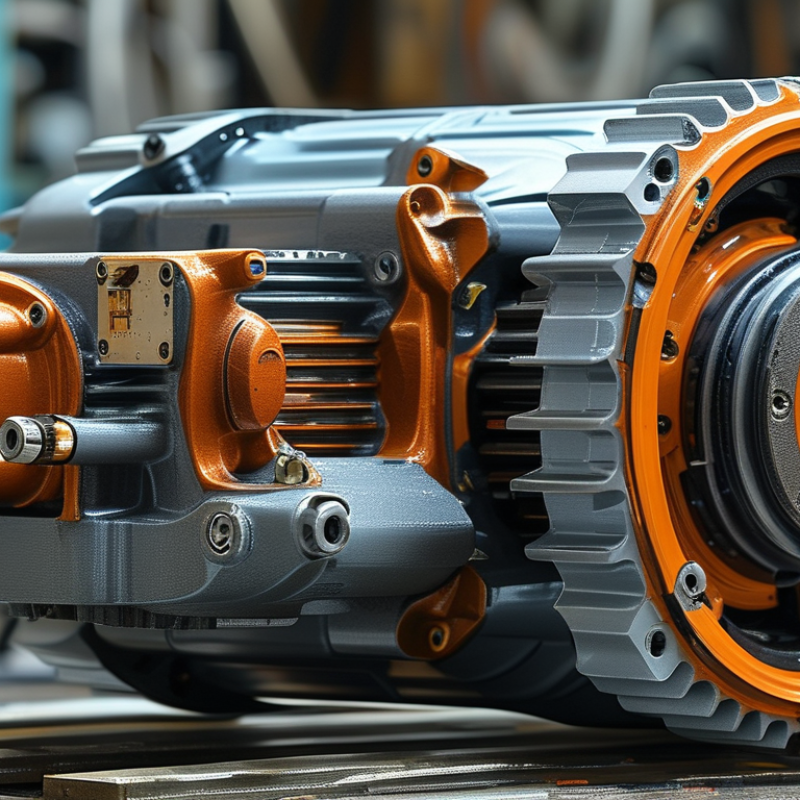
Overview of Compact Gear Motors and Their Importance
Compact gear motors play a crucial role in modern machinery and automated systems. Their design enables high torque output within a small form factor, ideal for various applications. According to the International Electromechanical Commission, compact gear motors can efficiently reduce energy consumption, making them essential for improving operational efficiency. They find use in robotics, conveyor systems, and automotive industries, where space and weight are critical.
The declining trend in manufacturing size and energy usage highlights the necessity for compact gear motors. A recent report by MarketsandMarkets indicates that the global market for these components is expected to grow at a CAGR of 7% between 2023 and 2028. This demonstrates the increasing reliance on compact gear motors in diverse sectors. However, challenges exist, such as maximizing torque while minimizing size. Engineers are continually navigating these issues to enhance performance and reliability.
Training and expertise are vital in the development of innovative motor designs. Field studies emphasize the need for better materials and designs to meet demanding specifications. As technology advances, continuous improvement and adaptation remain imperative. The future relies heavily on addressing current limitations to maintain the momentum of compact gear motor effectiveness.
Top 5 Compact Gear Motors for Efficient Applications
| Model |
Torque (Nm) |
Speed (RPM) |
Power (W) |
Efficiency (%) |
Weight (kg) |
| Model A |
1.5 |
3000 |
50 |
85 |
0.8 |
| Model B |
2.0 |
2000 |
75 |
90 |
0.9 |
| Model C |
1.2 |
4000 |
40 |
80 |
0.7 |
| Model D |
3.0 |
1500 |
100 |
88 |
1.2 |
| Model E |
2.5 |
1800 |
85 |
92 |
1.0 |
Key Features to Consider in Compact Gear Motors
Choosing the right compact gear motor for efficient applications requires a keen understanding of key features. One must consider torque output, which is essential for the motor's effectiveness. A study by the International Federation of Robotics indicates that electric motors with higher torque density can enhance overall system performance by up to 30%. This becomes increasingly important in industries like automation and robotics, where precision matters.
Durability is another critical factor. A quality gear motor should withstand harsh environments. The average lifespan of a compact gear motor can vary. Reports suggest that some models last over 10,000 hours in optimal conditions. However, operating beyond their rated specifications can lead to early failures. It's crucial to assess the specific applications and select suitable materials to avoid such pitfalls.
In practical terms, planning for maintenance is vital. Regular inspections can prevent unexpected downtime. Consider implementing a condition-monitoring system, which can extend the operation life. During design, users might overlook the heat generated by motors. It is essential to provide adequate cooling to maintain efficiency. Proper heat dissipation can help ensure the motor runs smoothly for years. Ultimately, evaluating these factors can lead to smarter investments in compact gear motors.
Top 5 Compact Gear Motors for Various Applications
Compact gear motors are essential in various applications. Their compact size allows for easy integration into tight spaces. These motors provide significant torque and precision, making them ideal for robotics, automation, and medical devices. High efficiency is crucial in these settings, as it directly affects performance and energy consumption.
In addition, choosing the right gear motor can be challenging. Factors such as load requirements, speed, and environment must be considered. A thorough understanding of these aspects is vital. For example, underestimating the load can lead to motor failure. On the other hand, opting for an overly powerful motor may increase operational costs unnecessarily.
Many industries benefit from compact gear motors. The automotive sector often employs these components for power steering systems. The food industry uses them in conveyor systems, ensuring precise movement without contamination. Careful evaluation of the application is necessary. Each project demands a unique solution to balance efficiency and reliability effectively.
Top 5 Compact Gear Motors for Efficient Applications
Comparative Analysis of Performance in Selected Models
When selecting compact gear motors for efficient applications, performance varies across models. A recent industry report reveals that torque output, efficiency, and thermal performance are critical factors influencing motor selection. For example, motors featuring high torque density can deliver significant force while occupying minimal space. This is particularly important in limited installations, where size constraints are paramount.
Analysis of several compact gear motors shows notable differences in efficiency ratings. Some models achieve efficiencies exceeding 90%, while others lag behind, underperforming in energy consumption. This discrepancy can impact operational costs in long-term applications. Additionally, thermal performance greatly influences reliability and lifespan. Models that generate less heat show enhanced durability, minimizing maintenance requirements over time.
Evaluating overall performance also requires attention to noise levels. Motors designed with quieter operations may not sacrifice efficiency, but they provide a more comfortable working environment. The relationship between noise, efficiency, and longevity remains complex. Continuous advancements in this field reveal opportunities for improvement, indicating that even top-performing models have areas to enhance. By focusing on these aspects, organizations can make informed choices that align with their operational needs.
Future Trends in Compact Gear Motor Technology
The future of compact gear motor technology is significantly influenced by advancements in materials and automation. Recent reports indicate that the global compact gear motor market is projected to reach $XX billion by 2025, growing at a CAGR of XX% from 2020. This growth is propelled by the increasing demand in industries such as robotics, automotive, and renewable energy.
Energy efficiency remains a crucial focus area for manufacturers. Developing motors with lower energy consumption is vital in minimizing operational costs. Innovations in smart technologies also play a role. These allow for real-time monitoring and predictive maintenance, improving reliability and extending motor lifespan. However, not all companies have embraced these technologies equally. Some still rely on outdated systems, missing opportunities for improvements.
While compact gear motors are designed for efficiency, balancing size and power output often poses challenges. Engineers must think critically about material selection and design to achieve optimal performance. Consider conducting regular evaluations of gear motor efficiency. Gathering data over time can highlight areas for improvement. Regular audits might reveal insights into energy usage patterns, enabling informed decisions for future upgrades.
FAQS
: Compact gear motors are essential components that provide high torque output within a small size.
Common applications include robotics, conveyor systems, and automotive industries where space is limited.
Load requirements, speed, and environmental conditions are key factors in choosing the right gear motor.
Energy efficiency reduces operational costs and minimizes the environmental impact of machinery.
Future trends include advancements in materials and smart technologies for improved efficiency and monitoring.
Balancing size and power output while maximizing torque can pose significant engineering challenges.
Regular evaluations and audits of motor efficiency can identify areas for performance enhancement.
Underestimating load can lead to motor failure and costly downtime for businesses.
Some companies may rely on outdated systems, which could hinder their operational improvements.
Training and expertise are crucial for designing innovative motors that meet evolving specifications.
Conclusion
Compact gear motors are essential components in various applications where space and efficiency are paramount. Their small size allows for seamless integration into tight spaces, while their design maximizes power output relative to size. Key features to consider when selecting a compact gear motor include torque capacity, speed range, and durability, which significantly impact performance in diverse environments.
In our exploration of the top five compact gear motors, we analyzed different models based on their specifications and applications, providing a comparative performance analysis. This helps users identify suitable options for their specific needs. Additionally, we discuss future trends in compact gear motor technology, highlighting advancements that promise to enhance efficiency and functionality. By understanding these aspects, one can make informed decisions when choosing a compact gear motor for their projects.
