In recent years, China has established itself as a global hub for motor application in various industries. The vast market offers numerous opportunities for global buyers seeking innovative solutions. From automotive sectors to industrial machinery, the demand for advanced motor technology is soaring.
Understanding the different motor applications in China is crucial for successful market entry. Each sector presents unique challenges and requirements. For instance, electric vehicles (EVs) heavily rely on high-performance motors to meet energy efficiency standards. Meanwhile, manufacturing industries look for precision in motor applications to enhance productivity.
Navigating these complexities requires insight and expertise. Buyers must be aware of local trends and technological advancements. However, the rapidly evolving market can be overwhelming. Reflecting on these challenges is essential for making informed decisions in motor applications.
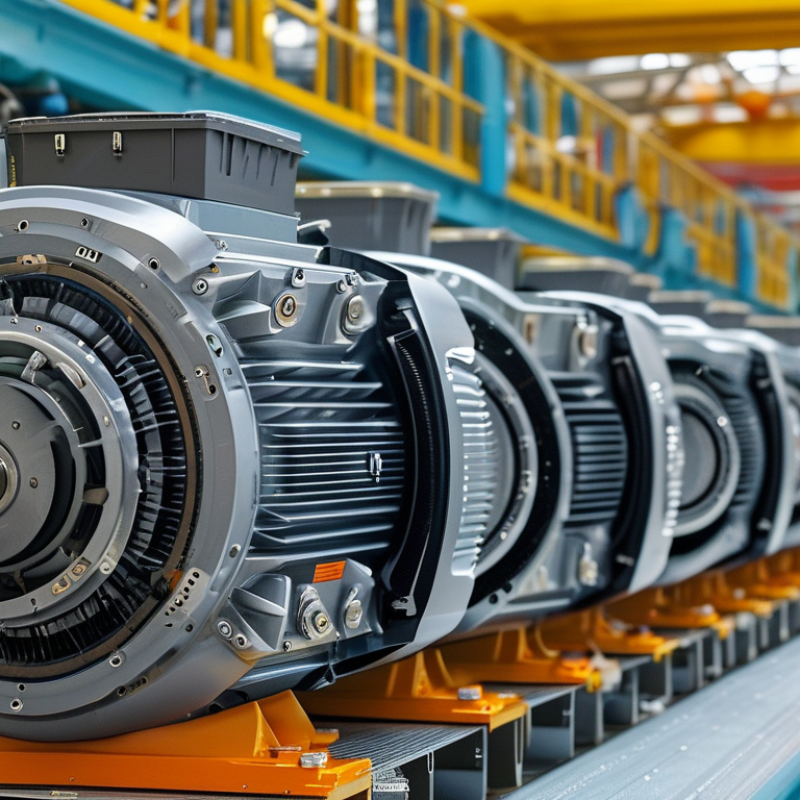
The motor industry in China is booming, attracting global buyers eager to tap into diverse applications. Key sectors include electric vehicles, consumer electronics, and industrial automation. Each application offers unique challenges and opportunities for international companies.
Electric vehicles are reshaping transportation in China. Many manufacturers are focusing on developing efficient electric motors. This shift requires a deep understanding of local regulations and market preferences. Buyers must navigate a complex landscape of suppliers and technologies.
Consumer electronics also present vast opportunities. Products like smartphones and home appliances rely on compact and efficient motors. Companies must adapt to rapid technological advancements in this sector.
Industrial automation is another critical area. Chinese factories are increasingly automating production lines. Motors play a vital role in robotic systems and conveyor belts. Global buyers should consider the varying quality among manufacturers. Selecting reliable partners is crucial. Each potential collaboration comes with risks, including quality assurance and timely delivery. Global buyers must conduct thorough research to make informed decisions.
The motor industry in China continues to evolve rapidly. This growth is driven by the demand for electric vehicles and renewable energy solutions. Motor applications range widely, from industrial machinery to household appliances. Buyers are keen on efficient motors that reduce energy consumption.
Recent data shows a surge in investments in motor technologies. Companies are exploring innovations in efficiency and sustainability. Various sectors are utilizing advanced motors for automation processes. However, challenges remain, such as fluctuating raw material prices and regulatory changes.
The competitive landscape is heating up, with both local and global players vying for market share. Buyers must navigate these complexities carefully. It's essential to evaluate suppliers based on reliability and technological advancement. As China solidifies its position as a motor manufacturing hub, understanding these dynamics is crucial for global buyers.
In recent years, China has emerged as a powerhouse in motor applications. This surge is fueled by advancements in various motor technologies, significantly impacting industries from automotive to robotics. Electric motors, for instance, have revolutionized transportation with greater efficiency and sustainability. The integration of smart technologies further enhances their functionality, making them indispensable in modern applications.
It’s essential to stay informed about ongoing trends. Engage with industry webinars and courses. These resources can provide valuable insights and updates on innovations. An understanding of technology will allow global buyers to make informed decisions.
Innovation is not without its challenges. The rapid pace of development can lead to unnecessary complexity. Manufacturers must balance advanced features with usability. A focus on simplicity can sometimes yield better results. Regular assessments of technology performance help identify areas for improvement. Adaptability in implementation can turn challenges into opportunities for growth.
China's motor market is crucial for various industries, especially automotive and manufacturing. The automotive sector has experienced rapid growth. In 2022, motor vehicle production in China reached over 27 million units, creating a significant demand for electric motors. These motors power essential systems, from propulsion to safety features. Over 50% of the global electric vehicle motors are produced in China, reflecting both expertise and scale.
Manufacturing is another key sector utilizing motors. In 2021, nearly 30% of China's GDP came from manufacturing. Motors drive automation in factories, improving efficiency and output. They are integral in assembly lines and CNC machines. However, challenges exist. The reliance on motor technology can lead to increased energy consumption and maintenance issues.
Beyond these sectors, the renewable energy market is expanding. Wind turbines and solar energy systems increasingly rely on advanced motors. The growth in these areas raises questions about sustainability and reliability. The complexity of supply chains also complicates effective motor implementation in new technologies. Balancing innovation and practical limitations remains a pivotal challenge for China’s motor application landscape.
China's motor market presents numerous opportunities for global investors. The demand for electric vehicles (EVs) is rapidly increasing. This trend relates to local environmental policies promoting clean energy. Industry experts predict that motors will evolve to support more sustainable technologies.
Investors should focus on sectors like automation and renewable energy. These areas show robust growth potential. Additionally, the integration of artificial intelligence (AI) into motor systems is a significant trend. It enhances efficiency and operational flexibility. Such innovations invite global players to collaborate with local manufacturers.
Tip: Establish partnerships with local businesses to navigate the market's complexities. Local insights will facilitate better decision-making. Analyze regulations carefully; local compliance is crucial.
China's commitment to innovation boosts its motor industry. However, one must be cautious about the pace of change. A rushed entry could lead to missed opportunities or costly mistakes. Patience is vital when assessing prospects in this dynamic market. Evaluate long-term trends while remaining aware of short-term disruptions. Balancing foresight and adaptability will yield the best outcomes.
: Key sectors include electric vehicles, consumer electronics, and industrial automation. Each offers unique challenges.
The electric vehicle market is booming. Manufacturers focus on developing efficient motors for transportation.
Reliability and technological advancement are crucial. Varying quality among manufacturers requires thorough research.
Understanding local regulations is essential. Compliance can significantly impact business operations and success.
Fluctuating raw material prices and regulatory changes pose challenges. Companies must navigate these complexities.
Innovations focus on efficiency and sustainability. The integration of AI enhances operational flexibility.
Investors should target automation and renewable energy sectors. These areas have robust growth potential.
Establishing partnerships with local businesses is beneficial. Local insights assist with better decision-making.
A rushed entry may lead to missed opportunities or costly mistakes. Assess prospects carefully before acting.
Evaluate long-term trends and short-term disruptions. This balance can lead to the best outcomes in the market.
The article "Top Motor Applications in China for Global Buyers" explores the dynamic landscape of motor applications in China, highlighting the current market outlook and the technologies that are driving innovation within the sector. It provides insights into key sectors leveraging motor technologies, particularly in automotive and manufacturing industries, which are crucial as the country progresses towards advanced industrialization.
Furthermore, the discussion emphasizes future trends and investment opportunities in China's motor market, showcasing the potential for global buyers to engage with innovative motor applications that could reshape industry standards. This overview not only addresses the economic growth in this sector but also serves as a guide for investors looking to capitalize on the burgeoning motor application market in China.
