Portable electric motors turn electrical energy into motion in tools, pumps, fans, and compact machinery. Their value is practical: steady torque, manageable heat, and dependable performance in a small housing. For buyers comparing Chinese suppliers, a low quoted price is only one part of the picture. Winding quality, insulation, bearing choice, noise, and access to replacement parts matter on the factory floor.
Nikola Tesla, an electrical engineer and inventor, expressed a broader ideal: “The desire that guides me in all I do is the desire to harness the forces of nature to the service of mankind.” That principle suits motor design, where useful power must be controlled, efficient, and safe. This guide to the Top 10 Portable Electric Motor Manufacturers in China introduces makers for different applications and purchasing needs. It considers product range, customization, production capability, quality documentation, and communication with buyers. Details should still be checked directly with each manufacturer.
A catalogue can look impressive. A sample under load tells a clearer story. Ask about rated voltage, duty cycle, temperature rise, and test procedures; compare like with like. Not every supplier publishes the same level of technical detail, and that makes ranking imperfect. Some promising companies may have limited public records. Use this list as a starting point, then verify certifications, sample performance, lead times, and service commitments before choosing a Portable Electric Motor partner.
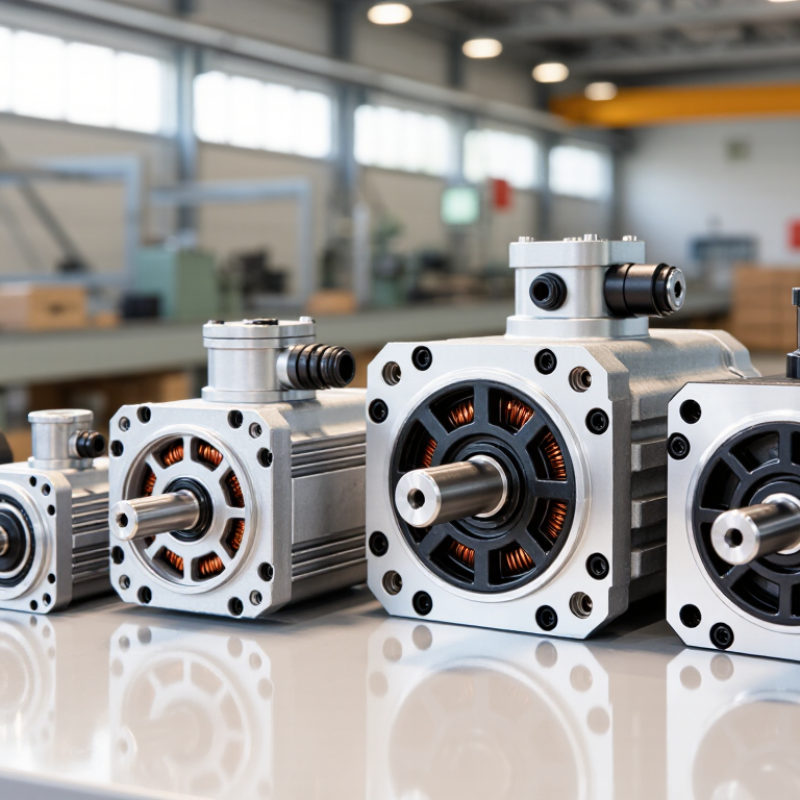
Portable Electric Motors in China: Types and IEC 60034-1 Ratings
China’s portable motor market includes several designs. Universal motors are common in corded hand tools because they deliver high speed in a compact body. Single-phase induction motors suit small pumps and workshop equipment. Brushless DC motors are widely used in cordless tools, where electronic control helps manage speed and battery use. Each type behaves differently under load. A motor that spins freely may slow sharply when driving a cutting disc.
IEC 60034-1 covers ratings and performance for rotating electrical machines. It is not a complete safety approval for a portable appliance. Check the nameplate for rated output, voltage, frequency, current, speed, and duty type. S1 means continuous duty under specified conditions; intermittent work needs closer attention to its duty cycle. Temperature rise and insulation details also matter. Read them with the manufacturer’s stated ambient conditions, not in isolation.
A rating plate can be useful. It cannot predict every workshop condition. IEC 60034-1 does not specify enclosure IP protection; that is addressed separately under IEC 60034-5. For a portable motor, compare the rating with the actual supply and workload, then check cooling and enclosure details. Small mismatch, real heat. I would still treat a catalogue figure cautiously: test conditions and the finished machine’s design affect practical performance.
China’s Top 10 Manufacturers: Product Ranges and Applications
Across China’s portable electric motor sector, manufacturers commonly offer compact AC induction motors, brushless DC units, geared motors, and customized assemblies. These products serve portable pumps, ventilation fans, small compressors, workshop tools, agricultural sprayers, and mobile cleaning equipment. Frame size, voltage, speed, and mounting options vary by application. A motor suited to a fan may not handle a pump’s frequent starts. Loads vary.
Some suppliers also provide sealed housings, thermal protection, speed controls, and cable or shaft adaptations. These details matter on dusty job sites, where poor heat dissipation can shorten service life. Compare rated output with the real load, not just the listed wattage. Ask for duty-cycle data, noise figures, insulation class, and test records. Specifications can look tidy on paper. Field conditions are less tidy.
Tips: Match motor type to the driven load and expected run time. Confirm dimensions, supply voltage, starting current, and enclosure protection before ordering samples. Test it onsite, if possible. A catalog rarely tells the whole story; treat unusual performance claims as questions to verify, not proof.
Compare Motor Data: kW, rpm, Voltage, Frequency, and IP Code
When comparing portable electric motors from Chinese manufacturers, read kW alongside the intended load. A higher rating does not guarantee better performance if the motor is oversized or poorly matched to the equipment. The IEA’s 2011 report, Energy-Efficiency Policy Opportunities for Electric Motor-Driven Systems, estimates motor-driven systems consume about 45% of global electricity. That makes efficiency and correct sizing practical purchasing considerations, not minor details.
Check rpm against frequency and pole count. At 50 Hz, a two-pole induction motor has a synchronous speed of 3,000 rpm; a four-pole motor, 1,500 rpm. Actual running speed is lower because of slip, so compare rated rpm rather than relying on the theoretical figure. Numbers need context. Also confirm voltage and frequency on the nameplate match the available supply; a 60 Hz motor may not deliver the same speed or output on 50 Hz power.
IP codes describe enclosure protection under IEC 60529, not overall motor durability. For example, IP54 indicates protection against harmful dust deposits and water splashes, while IP55 adds protection against water jets. Check the actual working environment: a dusty workshop, wet outdoor use, and frequent cleaning place different demands on an enclosure. IP ratings do not describe corrosion resistance or safe immersion. A specification table helps, but it can still omit duty cycle, cooling method, and starting current. Ask for those details before comparing prices.
Efficiency Grades: GB 18613-2020 Levels 1–3 for Three-Phase Motors
For buyers comparing portable electric motor manufacturers in China, GB 18613-2020 offers a useful way to read efficiency claims. It sets three efficiency grades for covered three-phase asynchronous motors. Level 1 represents the highest efficiency; Level 3 is the least efficient grade within the standard. The grade is not a ranking of manufacturers.
Check the motor’s nameplate and technical sheet. Output power, pole count, and operating conditions affect which efficiency limit applies, so comparing percentages without matching specifications can mislead. A small motor powering a portable pump may face different requirements from a larger workshop unit. Details matter.
Ask for test data tied to the exact model, not just a general catalogue statement. Confirm that the quoted grade refers to GB 18613-2020 and the motor’s rated configuration. Also consider whether frequent starts, heat, or a variable-speed drive will shape real-world energy use. Standards provide a clear benchmark, but actual performance deserves a closer look. I would not treat a grade alone as proof of lower lifetime cost.
Top 10 Portable Electric Motor Manufacturers in China - Efficiency Grades: GB 18613-2020 Levels 1–3 for Three-Phase Motors
This table provides a manufacturer-neutral comparison checklist, not a verified ranking of manufacturers. GB 18613-2020 defines energy-efficiency requirements and grades for motors within its scope; the applicable efficiency limit depends on motor specifications such as rated output and number of poles. Confirm the relevant standard entry and test documentation for each motor.
| No. |
Comparison dimension |
What to check in the product data |
Relevant standard or selection note |
| 1 |
Efficiency grade |
Declared grade and rated efficiency for the exact motor model |
Check the applicable GB 18613-2020 entry; grade limits vary with motor ratings and configuration. |
| 2 |
Rated output power |
Rated mechanical output, stated in kW or W |
Use the rated output shown on the nameplate and technical datasheet when comparing efficiency requirements. |
| 3 |
Number of poles and speed |
Pole configuration and rated speed in revolutions per minute |
Efficiency limits and synchronous speed depend in part on pole count and supply frequency; rated speed is lower than synchronous speed under load. |
| 4 |
Supply and phase |
Rated voltage, frequency, phase, and connection information |
Match the motor’s nameplate ratings to the available electrical supply; do not assume every portable motor is three-phase. |
| 5 |
Ingress protection |
IP rating stated for the complete motor assembly |
Select protection appropriate to dust, water, and the installation environment; an IP rating does not by itself establish suitability for every condition. |
| 6 |
Cooling method |
Cooling arrangement and any required airflow or clearance |
Follow the manufacturer’s installation instructions so cooling is not obstructed during operation. |
| 7 |
Duty rating |
Declared duty type and any stated operating-cycle limits |
Choose a duty rating suited to the application; portable equipment may operate intermittently or continuously depending on its design. |
| 8 |
Insulation and temperature limits |
Insulation class and permitted ambient or operating conditions |
Compare the stated limits with the expected environment and the motor’s operating instructions. |
| 9 |
Mounting and portability |
Dimensions, mass, mounting arrangement, and handling provisions |
Assess portability together with the intended mounting, guarding, and safe handling requirements. |
| 10 |
Compliance evidence |
Nameplate, test report, declared efficiency, and model identification |
Verify that documents identify the same motor model and rating being evaluated, and that the cited test basis is applicable. |
Compliance Checks: IEC 60034-5 IP Ratings and S1–S10 Duty Classes
For China’s portable electric motor manufacturers, compliance starts with the complete enclosure, not just the motor body. IEC 60034-5 defines IP protection: the first numeral addresses solid objects, while the second covers water ingress. An IP55 rating, for example, indicates dust protection and resistance to water jets under specified test conditions; it does not mean waterproof. Check cable entries, terminal covers, and cooling openings too. Small details matter. A rating on a datasheet may not describe the assembled unit.
Duty class matters just as much. IEC 60034-1 defines ten duty types, S1 through S10, from continuous running to changing loads and speeds. A motor used in repeated start-stop work may need a different thermal assessment from one running steadily. The IEA’s 2011 report, Energy-Efficiency Policy Opportunities for Electric Motor-Driven Systems, estimates motor-driven systems use about 46% of global electricity. That figure makes operating conditions worth checking, not guessing. Ask suppliers for test records, rated duty, and temperature-rise data matched to the intended load. Sometimes the label is clear, but the application is not. That gap deserves a second look.
Conclusion
This overview explores China’s portable electric motor market by explaining common motor types and the performance ratings defined under IEC 60034-1. It outlines how to assess leading manufacturers without focusing on brand names, considering product ranges and applications across industrial equipment, pumps, fans, and other portable machinery. Buyers can compare key specifications—including rated power in kW, speed in rpm, voltage, frequency, and enclosure protection—to determine whether a motor suits its operating environment and equipment requirements.
The guide also summarizes efficiency grades for three-phase motors under GB 18613-2020, covering Levels 1–3 and their role in energy-conscious selection. For compliance checks, it explains how IEC 60034-5 IP ratings indicate protection against dust and water, while S1–S10 duty classes describe operating patterns such as continuous, intermittent, and periodic service. Together, these factors provide a practical framework for evaluating a Portable Electric Motor for performance, protection, and intended use.
