Why Choose an Electric Motor Drive for Your Business?

Time:2026-09-07 Author:Madeline
0%

For many businesses, an Electric Motor Drive offers a practical way to improve machine performance and control operating costs. It converts electrical energy into controlled mechanical motion for pumps, conveyors, fans, compressors, and production equipment. A well-selected system can adjust speed and torque instead of running every motor at full capacity. That matters.

In a packaging line, for example, the drive can slow a conveyor during product changes and accelerate it during peak production. Operators may notice smoother starts, reduced belt stress, and fewer sudden stops. Less wasted energy. Modern drives also provide useful operating data, including current, temperature, overload conditions, and fault history. These details help maintenance teams identify problems before a bearing failure stops production. However, performance depends on correct sizing, installation, ventilation, and programming. A drive is not a magic box.

Experienced engineers usually review the motor load, duty cycle, ambient temperature, cable length, and required control accuracy before recommending equipment. They also consider harmonics, electromagnetic compatibility, safety functions, and local electrical standards. A lower purchase price may become expensive if cooling, maintenance, or replacement parts are overlooked. The best decision includes the full lifecycle cost.

Businesses should also test the proposed system under real operating conditions. Measure energy use, startup behavior, noise, and temperature at the motor cabinet. Results may differ from supplier estimates. That uncertainty deserves attention. With documented commissioning, trained operators, scheduled inspections, and reliable technical support, an Electric Motor Drive can support safer, more efficient, and more predictable business operations. Still, every application requires careful evaluation rather than a one-size-fits-all promise.
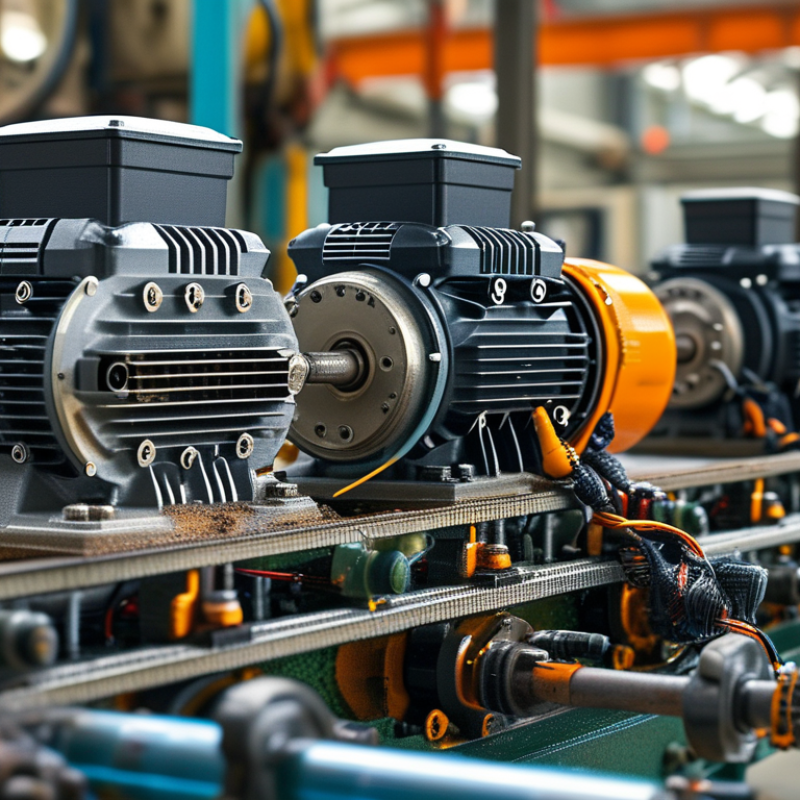
Why Choose an Electric Motor Drive for Your Business?

What Is an Electric Motor Drive?

Why Choose an Electric Motor Drive for Your Business?

What Is an Electric Motor Drive?

An electric motor drive controls how an electric motor starts, runs, and stops. It uses electronic components to regulate speed, torque, and direction. Many systems include a controller, inverter, motor, and feedback sensors. Together, they respond to changing production demands.

For example, a conveyor can start smoothly instead of jolting products forward. A pump can adjust its speed as water demand changes. This may reduce mechanical stress and unnecessary energy use. However, a drive is not magic. Poor sizing can cause overheating, unstable operation, or disappointing savings. Load type, motor rating, duty cycle, ambient temperature, and ventilation all matter. A qualified technician should review these details before installation. I have seen small specification errors create expensive delays.

Tips: Match the drive to the motor and application. Check starting torque, operating hours, enclosure protection, and maintenance access. Keep records of faults and temperature readings. They reveal problems early. Allow space around the drive for cooling. Shorter cable runs can also reduce installation complications. Some businesses focus only on purchase price, but that can be a costly habit. A practical assessment should include energy use, downtime risk, service requirements, and operator training.

How Electric Motor Drives Operate

Why Choose an Electric Motor Drive for Your Business?

An electric motor drive controls motor speed, torque, and direction electronically. It normally receives incoming AC power through a rectifier. The rectifier converts AC into DC. A capacitor then smooths the DC link. Next, an inverter creates controlled output pulses for the motor. These pulses adjust frequency and voltage, changing shaft speed without mechanical throttling. Sensors may measure current, temperature, or position. The controller uses this feedback to correct performance in real time.

The energy impact can be substantial. The International Energy Agency reports that electric motor-driven systems consume nearly half of global electricity. In pump and fan applications, the U.S. Department of Energy identifies common variable-speed-drive savings of 20% to 50%. The reason is simple: reducing speed can sharply reduce power demand. A pump running slightly slower may still meet process needs while avoiding unnecessary pressure. That difference appears on the meter.

Good operation depends on setup, not only equipment selection. Engineers should check motor insulation, load patterns, cooling, grounding, and harmonic effects. A drive can expose weak wiring or poor ventilation. It is not magic. Measurements before and after installation make the business case more reliable. I have seen estimated savings fall when operators keep the motor near full speed. The calculation is not always neat. Still, trend data, commissioning records, and regular maintenance reveal whether the drive is delivering practical value.

Why Choose an Electric Motor Drive for Your Business? - How Electric Motor Drives Operate

Data Dimension How It Works Typical Data or Range Business Relevance
Primary Function An electric motor drive converts electrical power into controlled motor speed, torque, and direction. Controls induction, permanent-magnet, and other compatible AC or DC motors. Provides more precise and flexible machine control than direct-on-line starting.
Main Operating Stages The drive rectifies incoming AC to DC, smooths the DC link, and uses high-speed switching to recreate a controlled AC waveform. AC input → rectifier → DC link → inverter → motor. Enables controlled acceleration, operation, and deceleration.
Speed Control The inverter changes output frequency and voltage to regulate motor speed and maintain the required torque. Variable speed from near zero to the motor’s rated speed, subject to motor and load limits. Matches motor output to actual process demand and reduces unnecessary running speed.
Starting Current The drive ramps the motor frequency and voltage instead of applying full supply voltage immediately. Direct-on-line motors commonly draw approximately 5–8 times rated current during starting; a drive can substantially reduce this inrush. Reduces voltage dips, mechanical shock, and stress on electrical equipment.
Energy-Saving Potential The drive lowers motor speed when full flow or pressure is not required. For centrifugal fans and pumps, affinity laws indicate that power can vary approximately with the cube of speed; actual savings depend on the system. Can reduce energy consumption in variable-torque applications compared with throttling or mechanical control.
Torque Control Control algorithms adjust motor current and magnetic field to produce the required torque. Scalar control is commonly used for basic loads; vector or field-oriented control provides more accurate torque response. Supports conveyors, compressors, hoists, mixers, and other applications with changing loads.
Acceleration and Deceleration Programmable ramps gradually increase or decrease motor speed. Ramp time is adjustable according to motor size, load inertia, and process requirements. Helps prevent belt slip, water hammer, product movement, and sudden mechanical loading.
Protection Functions Sensors and software monitor electrical and thermal conditions and stop or limit operation when unsafe conditions occur. Common functions include overcurrent, overload, overvoltage, undervoltage, overheating, phase-loss, and ground-fault protection. Supports equipment protection and reduces unplanned downtime when correctly configured.
Regenerative Braking During braking, the motor can act as a generator and send energy back through the drive system. Requires a suitable regenerative system or braking arrangement; otherwise excess energy may be dissipated through a braking resistor. Useful for elevators, hoists, downhill conveyors, centrifuges, and high-inertia machinery.
Process Integration The drive can receive reference signals and transmit operating data to a control system. Common signals include digital inputs, analog speed references, status outputs, and industrial communication networks. Improves automation, remote monitoring, production consistency, and troubleshooting.
Maintenance Considerations The drive records alarms and operating conditions while controlling the motor electronically. Routine tasks may include cleaning ventilation paths, checking connections, reviewing fault history, and inspecting cooling components. Diagnostic information can shorten fault-finding time, although installation and parameter settings must be correct.
Best-Fit Applications The drive adjusts motor output to match the operating profile of the machine. Fans, pumps, conveyors, compressors, mixers, machine tools, packaging equipment, and material-handling systems. Particularly valuable where speed varies, starts are frequent, or precise control is required.

Note: Performance, energy savings, and current reduction depend on motor type, load profile, drive settings, installation conditions, and applicable electrical standards.

Key Benefits for Business Operations

Why Choose an Electric Motor Drive for Your Business?

Electric motor drives can improve daily operations through precise speed and torque control. In practical facility reviews, this control often reduces wasted energy during changing workloads. A conveyor may run slowly during product changes, then increase speed during peak production. The motor adjusts without repeated manual intervention. This supports smoother output and can reduce mechanical stress on belts, pumps, and gears.

Operators also gain clearer control over starting and stopping cycles. That matters in warehouses, workshops, and processing areas where sudden movement creates delays or safety concerns. Less wear is helpful. It is not a universal fix.

Reliable performance depends on correct sizing and installation. Engineers should examine load patterns, duty cycles, ventilation, ambient temperature, and required acceleration. A drive that is too large may increase purchase and operating costs. One that is too small may overheat under continuous demand.

Monitoring current, temperature, and fault records can reveal problems before a shutdown occurs. However, readings need context. A single abnormal value does not always prove equipment failure. Maintenance teams should compare trends with operating conditions and manufacturer specifications.

Tips: Record energy use before installation. Test the drive under light, normal, and peak loads. Keep terminals clean and connections secure. Train operators to respond to alarms instead of resetting them repeatedly. Review performance after several weeks, because early expectations can be wrong. Small adjustments often produce measurable gains.

Factors to Consider Before Choosing a Drive

Why Choose an Electric Motor Drive for Your Business?

Before choosing a drive, examine the motor’s real operating conditions, not its nameplate rating. The International Energy Agency reports that electric motor systems use about 53% of global electricity. The U.S. Department of Energy also estimates that motor-driven equipment consumes roughly 70% of industrial electricity. These figures make efficiency important, but efficiency alone is not enough.

Start with the load profile. A conveyor running continuously needs different control logic from a pump with frequent speed changes. Check starting torque, acceleration time, duty cycle, ambient temperature, and enclosure protection. Harmonic distortion also deserves attention, especially in facilities with sensitive control equipment. A properly sized drive can reduce mechanical stress and energy waste. An oversized unit may increase purchase costs without delivering practical benefits. That mistake is common.

Tips:

Measure current speed and load before selecting equipment. Compare annual energy use, not only purchase price. Request efficiency data at several operating points.

Confirm compatibility with the motor, braking system, and electrical network. IEC 61800 guidance can support technical evaluation, but local installation rules still matter. Leave room for maintenance access.

A crowded cabinet looks efficient until technicians need to open it. Review the decision after three months of operation; actual loads often differ from design assumptions.

Common Business Applications and Use Cases

Why Choose an Electric Motor Drive for Your Business?

Electric motor drives support many daily business operations. In manufacturing, they control conveyors, pumps, mixers, fans, and cutting equipment. Operators can adjust speed for each production stage. This reduces sudden starts and unnecessary mechanical stress. A packaging line may need slow movement during filling, then faster motion during sealing. One drive can manage both tasks with accurate control.

Warehouses use electric motor drives in lifts, sorting systems, and automated doors. Their steady torque helps move heavy loads without jerky acceleration. In agriculture, they power irrigation pumps, grain handling systems, and ventilation fans. Commercial buildings also use them for air circulation and water distribution. From practical experience, the best results come from matching motor size, load patterns, and operating conditions. An oversized system may waste energy. An undersized one may overheat. That detail is easy to miss.

Tips: Check the load before selecting a drive. Review starting torque, duty cycles, temperature, and maintenance access. Keep control panels clean and dry. Test emergency stops regularly. Record unusual noise or vibration early. Small warnings matter. A trained technician should verify wiring and protection settings. Businesses should also compare measured energy use, not just purchase cost. Real savings depend on operating hours, equipment condition, and staff habits. Even careful planning can miss something, so review performance after installation and adjust responsibly.

Why Choose an Electric Motor Drive for Your Business?

Electric motor drives are widely used in pumps, fans, HVAC systems, compressors, conveyors, and other industrial equipment. For centrifugal pumps and fans, reducing motor speed can significantly lower power demand because power is approximately proportional to the cube of speed.

How to read this chart: The values show theoretical power demand relative to full speed. At 80% speed, a centrifugal pump or fan may require approximately 51.2% of full-speed power; actual savings depend on system pressure, flow requirements, motor efficiency, and operating conditions.

FAQS

: Why should a business use an electric motor drive?

: It controls motor speed, torque, and acceleration. This can reduce mechanical stress and energy waste. A packaging line may move slowly while filling, then speed up during sealing. The benefits depend on operating hours and load conditions.

What should be checked before choosing a drive?

Check starting torque, acceleration time, duty cycle, temperature, and enclosure protection. Measure the motor’s actual speed and load. Do not rely only on the nameplate rating. That mistake is common.

How does the load profile affect drive selection?

A continuously running conveyor needs different control logic from a frequently changing pump. Record speed changes throughout a normal workday. Note heavy starts, pauses, and repeated stops. The design assumption may be wrong.

Can an oversized drive cause problems?

Yes, an oversized drive can raise purchase costs without useful performance gains. It may also complicate cabinet layout and maintenance. Choose capacity for real operating conditions, with reasonable allowance. More capacity is not always better.

What problems can an undersized drive create?

An undersized drive may overheat under heavy or repeated loads. It can struggle during startup and acceleration. Watch for excessive temperature, unusual noise, or vibration. Small warnings matter.

Where are electric motor drives commonly used?

Common uses include conveyors, pumps, mixers, fans, lifts, sorting systems, and automated doors. Agricultural sites may use them for irrigation and ventilation. Commercial buildings may use them for air circulation and water distribution. Each application needs different settings.

How can a drive improve warehouse or production equipment?

It provides smoother acceleration for heavy loads. This can reduce jerky movement and mechanical impact. A lift may start gently instead of pulling suddenly. Operators can match speed to each production stage.

What installation details should a business review?

Confirm motor, braking system, wiring, protection settings, and electrical network compatibility. Keep control panels clean and dry. Leave enough space for technicians to open cabinets safely. A crowded cabinet looks efficient until maintenance begins.

How should energy savings be evaluated?

Compare annual energy use, not only purchase price. Request efficiency information at several operating points. Review actual readings after installation. Projected savings can disappoint.

When should performance be reviewed after installation?

Review performance after about three months of operation. Compare actual speed, load, energy use, temperature, and maintenance records. Adjust settings when conditions differ from the original plan. It depends.

Conclusion

An Electric Motor Drive is a system that controls the speed, torque, and direction of an electric motor to match the needs of a machine or production process. It operates by adjusting the electrical power supplied to the motor, allowing equipment to start smoothly, run efficiently, and respond accurately to changing demands. This level of control can help businesses reduce energy consumption, limit mechanical stress, improve process consistency, and lower maintenance requirements.

Before choosing a drive, businesses should consider motor compatibility, power capacity, operating conditions, control features, installation requirements, safety, and total ownership costs. The right solution should also be flexible enough to support future expansion and easy for staff to monitor and maintain. Electric Motor Drive systems are commonly used in manufacturing equipment, pumps, fans, compressors, conveyors, heating and cooling systems, and automated machinery. By selecting a suitable drive, organizations can improve operational reliability, enhance productivity, and achieve more efficient long-term performance.

Madeline

Madeline

Madeline is a dedicated marketing professional with a wealth of expertise in our company's core offerings. With a keen understanding of the industry, she brings a unique perspective to her role, consistently delivering high-quality content that highlights the superior aspects of our products. As......