In today's rapidly evolving technology landscape, selecting the right components is crucial for project success. Coreless DC Motors are gaining popularity due to their unique design and performance benefits. According to recent market research, the demand for efficient motor solutions is expected to grow by 7.5% annually until 2025. This rise is driven by the increasing automation needs in various industries.
Coreless DC Motors stand out because they are lightweight and compact. This is particularly important in applications like robotics and drones, where weight directly affects performance. These motors also offer improved response times and efficiency, making them ideal for precision tasks. A recent report highlighted that over 40% of engineers cite efficiency as a primary factor in motor selection.
However, despite their advantages, Coreless DC Motors are not without challenges. They may come with higher costs compared to traditional motors. Some users might find them less durable under specific heavy-load conditions. Understanding these trade-offs is essential for making an informed decision. By weighing the benefits against potential limitations, engineers can choose the right solution for their specific needs.
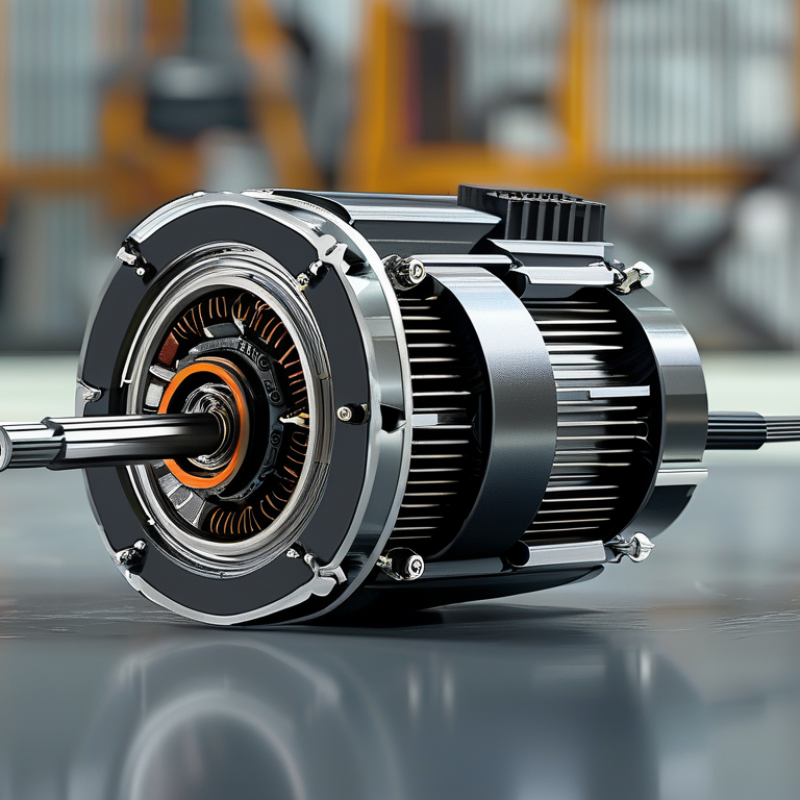
Coreless DC motors have gained traction in various industries due to their distinct advantages. These motors, designed without a traditional iron core, offer lighter weight and increased efficiency. According to a report from ResearchAndMarkets, the global brushless DC motor market is projected to reach $36 billion by 2027, highlighting the growing preference for advanced technologies.
One key benefit of coreless DC motors is their high responsiveness. With a reduced inertia, they can achieve rapid acceleration and deceleration. This characteristic is essential in applications such as robotics and automation, where precision is critical. Additionally, their compact size allows for innovative designs in limited spaces, though achieving optimal thermal management remains a challenge in high-performance conditions.
Moreover, coreless DC motors operate quieter than their conventional counterparts. This feature is particularly advantageous in consumer electronics. Yet, potential drawbacks include higher manufacturing costs and sensitivity to overheating. It’s crucial for engineers to carefully assess these factors when integrating coreless motors into their projects. Reliable data and insights from industry reports can aid in making informed decisions that align with project goals.
| Feature | Coreless DC Motor | Standard DC Motor |
|---|---|---|
| Weight | Lighter | Heavier |
| Efficiency | Higher | Lower |
| Torque | Consistent | Variable |
| Speed Control | Excellent | Moderate |
| Noise Level | Quieter | Noisier |
| Cost | Moderate | Lower |
Coreless DC motors are gaining traction across various industries due to their compact design and high efficiency. These motors are particularly beneficial in applications where size and weight are critical factors. They excel in medical devices, robotics, and drones, where precision and responsiveness are paramount. For instance, a recent industry report noted that the medical device market for coreless DC motors is projected to grow at a CAGR of 7.5% through 2026.
In robotics, coreless DC motors enable lighter designs and improved maneuverability. Robots used in assembly lines, for example, heavily rely on these motors for quick response times. The high torque-to-weight ratio reduces energy consumption significantly, which can lead to lower operational costs. According to a market analysis, the demand in robotics is expected to increase as more companies embrace automation.
These motors are also making strides in consumer electronics. They are used in devices like cameras and electric toothbrushes, where precise rotation is necessary. Yet, manufacturers face challenges such as heat management and durability. The need for ongoing innovation is essential to address these issues, ensuring that coreless DC motors continue to meet the evolving demands of various sectors.
Coreless DC motors offer distinct advantages over traditional DC motors. They feature a unique design that eliminates the need for a core, which reduces weight and size. This makes them ideal for applications requiring high efficiency and compactness. According to a 2021 industry report, coreless motors can achieve up to 90% efficiency in specific conditions, compared to around 80% for traditional counterparts. This boost in efficiency translates into reduced energy consumption.
The torque-to-weight ratio of coreless motors is also notably superior. They provide rapid acceleration and deceleration, which is essential in robotics and automation. A study from a leading engineering journal noted that projects utilizing coreless motors reported a 30% increase in performance metrics. However, it’s essential to consider the cost. Coreless motors can be more expensive than traditional models, which might not be suitable for all projects. Engineers often face decisions on budget versus performance.
Another point of reflection is maintenance. Coreless motors generally require less maintenance due to the absence of brushes, a common failure point in traditional motors. However, they can be more sensitive to environmental conditions. This sensitivity can lead to reduced reliability if not properly managed. Balancing these factors is crucial for project success.
When selecting coreless DC motors, certain factors must be considered. One of the main advantages is their lightweight design. This feature is crucial for projects where space and weight are limited. Coreless DC motors eliminate the iron core, which reduces inertia and enhances responsiveness. This design leads to better performance in applications requiring quick adjustments.
Tips: Assess your project's speed and torque requirements. Higher speed needs may favor specific designs. Torque is equally important; ensure you balance both for optimal performance.
Another key factor is efficiency. Coreless motors are known for their high efficiency, leading to extended battery life in portable devices. They generate less heat compared to traditional motors, making them suitable for delicate operations. Understand your power source and ensure it aligns with the motor's efficiency.
Tips: Test various models before making a final decision. Small variances can impact overall efficiency. Consider the environmental conditions too, as they can affect performance outcomes.
Lastly, the mounting and size of the motor are essential. Coreless DC motors come in various dimensions. Choosing the right size ensures seamless integration into your project. Be mindful of your design’s constraints and how the motor will fit within them.
Tips: Create mock-ups to visualize the motor placement. Adjustments may be necessary after testing the fit in your design.
Coreless DC motors are evolving rapidly, driven by technological advancements. Their unique design allows for higher efficiency and reduced weight. This makes them ideal for various applications, including robotics and medical devices. As industries seek lighter and more efficient solutions, the coreless design stands out.
The trend towards miniaturization is clear. Manufacturers are focusing on creating smaller motors that still pack a punch. Innovations in materials are leading to enhanced performance. These motors are becoming quieter, offering smoother operation. However, there are challenges. As motors shrink, heat management becomes crucial. Ensuring durability while maintaining efficiency is no easy feat.
We see an increased demand for customization. Engineers want motors tailored to specific applications. This leads to innovative designs, pushing the boundaries of what's possible. Still, the need for rigorous testing remains. As we innovate, we must also consider reliability. Each advancement should be met with caution, ensuring it meets industry standards. The future of coreless DC motors is bright but requires careful navigation.
: Coreless DC motors are motors without an iron core, making them lighter and more efficient.
They offer high responsiveness, compact design, and quieter operation compared to traditional motors.
They are widely used in medical devices, robotics, drones, and consumer electronics.
Their lightweight design is crucial for applications where size and weight constraints are significant.
Key challenges include heat management, durability, and higher manufacturing costs compared to conventional motors.
They enable lighter designs and improve maneuverability, leading to quick response times.
Assess speed, torque requirements, efficiency, and the motor's size for integration into your project.
External factors like temperature and humidity may impact efficiency and functionality of coreless motors.
Continuous improvement is needed to address challenges and meet the evolving demands of various industries.
Test various models to find the best fit, as small variances can lead to significant performance differences.
Coreless DC motors are an innovative solution that offer significant advantages over traditional DC motors, primarily due to their lightweight design and higher efficiency. These motors operate without a core, which results in faster response times and improved torque-to-weight ratios. Key applications span various industries, including robotics, medical devices, and aerospace, where precision and reliability are paramount.
When selecting a coreless DC motor for your project, it's crucial to consider factors like size, power requirements, and specific application demands. As technology progresses, future trends indicate potential advancements in materials and smart motor integration, positioning coreless DC motors as a frontrunner in modern engineering solutions. This makes them an excellent choice for next-generation projects seeking optimal performance and innovation.
