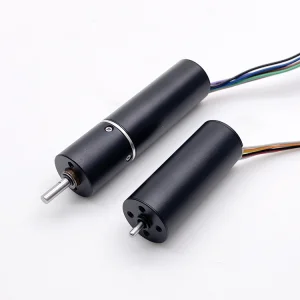
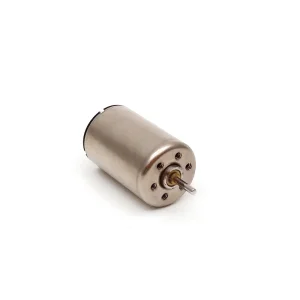
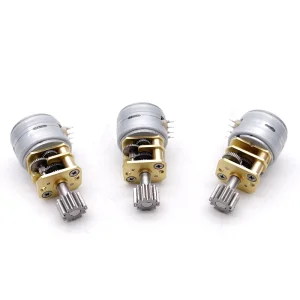
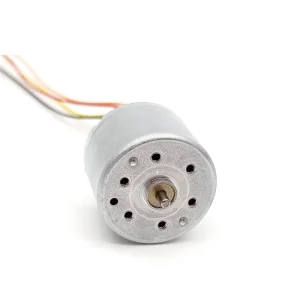
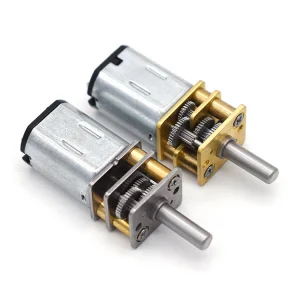
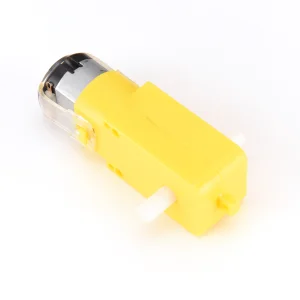
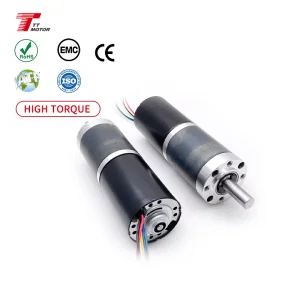
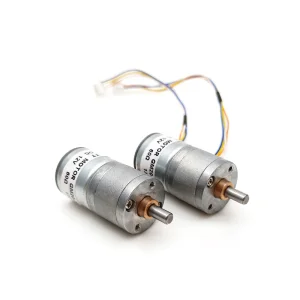
Premium Marine Micro Drive Solutions
Explore our foundational range of precision micro motors, heavy-duty planetary gear systems, and customized coreless actuators designed for subsea control and marine robotics.
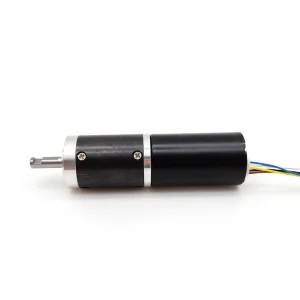
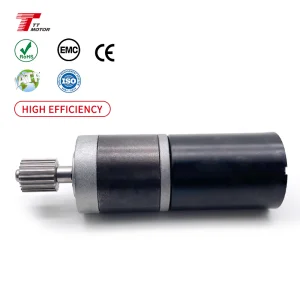
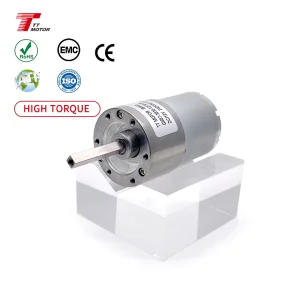
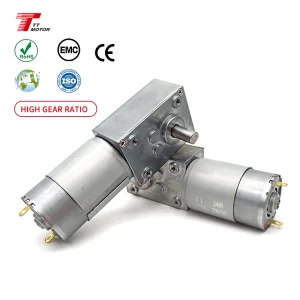
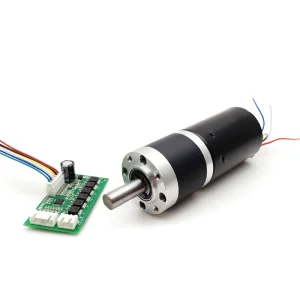
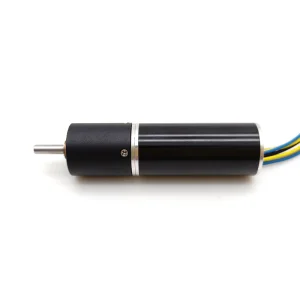
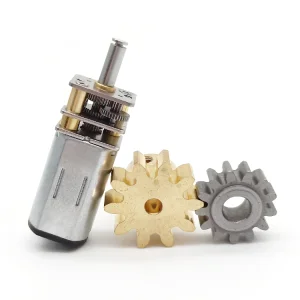
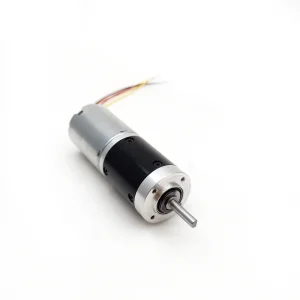
Global Marine Electrification & The Micro-Drive Revolution
The global marine sector is experiencing a monumental paradigm shift. Heavy auxiliary hydraulic systems are rapidly being phased out, replaced by lightweight, efficient, and precise marine electric micro-motors. In applications ranging from deep-sea scientific robotics, automated acoustic sensors, to yacht cabin automation and electric valve actuators, miniature drive technology acts as the critical neurological pathways of modern vessels.
Operating in high-humidity, salt-laden environments requires drive systems that exhibit impeccable mechanical endurance. Precision-wound coreless motors and highly sealed planetary gearboxes are the only reliable mechanisms capable of operating without mechanical degradation under these harsh variables. At Intertek Motor, we balance high-performance expectations with ruggedized sealing and advanced heat dissipation to secure your marine supply chains.
By shifting from conventional systems to high-speed BLDC and coreless marine designs, marine operators drastically reduce overall vessel displacement, enhance battery system efficiency, and achieve sub-millimeter positioning accuracy. Our engineers specialize in mapping out these demanding requirements to deliver tailored, robust performance.
Understanding Micro-Mechanical Excellence: The Intertek Standard
Mastering the Micro-Universe: The Intertek Motor Standard
At Intertek Motor, we measure our success in micrometers and decibels. We understand that inside a premium robotic joint, a medical dosing pump, or a high-end smart lock, space is the ultimate luxury. Our mission is to pack maximum torque, unyielding durability, and near-silent acoustics into the most compact footprints imaginable.
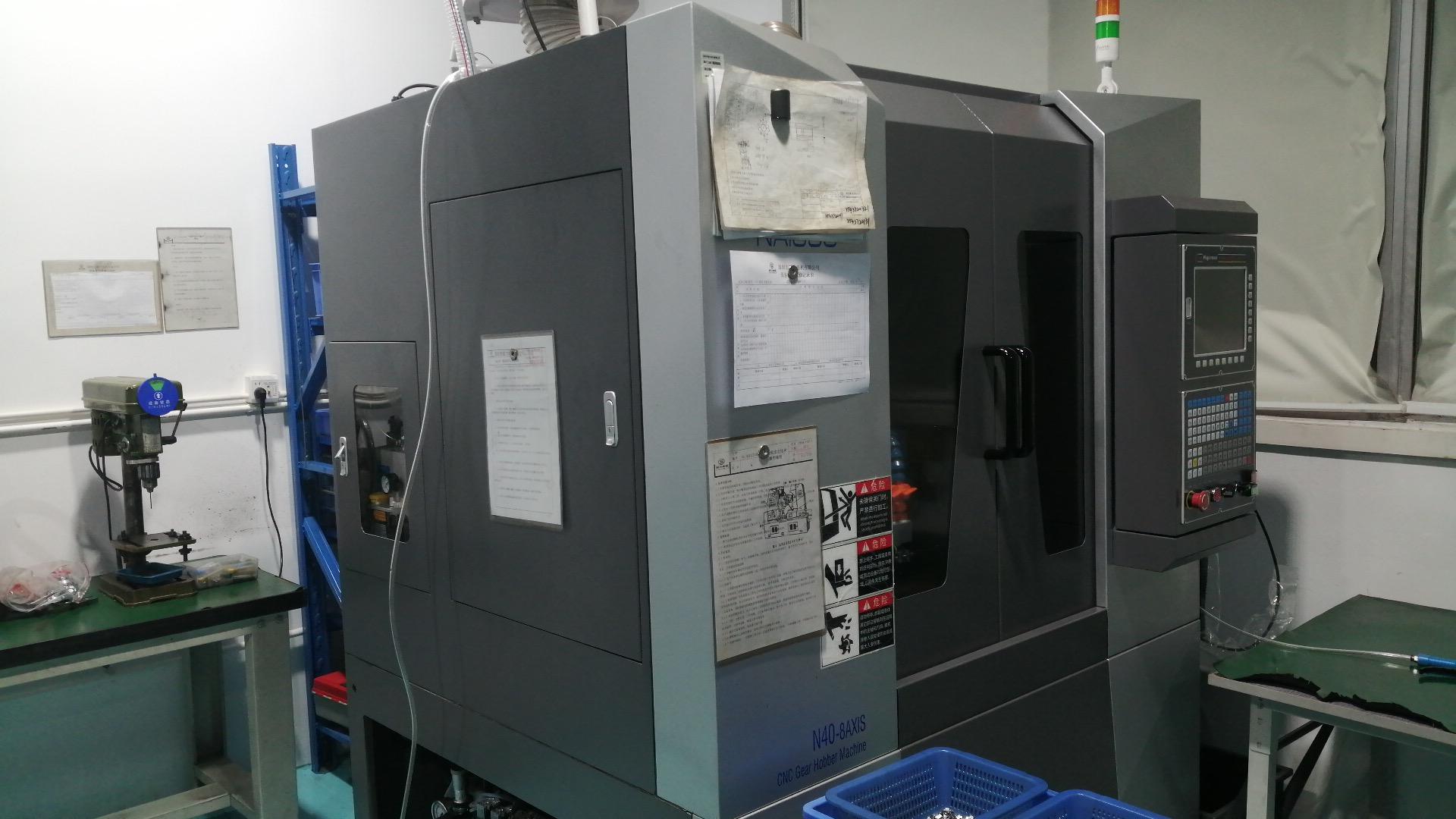
Our expertise lies in the harmony of miniature engineering. From precision-wound rotors and high-purity copper commutators to custom-designed planetary gearheads, every component inside an Intertek micro motor is optimized for low energy consumption and a friction-free lifespan. We constantly push the limits of micro-drive tech, utilizing advanced automated Swiss-style hobbing and Japanese dynamic balancing to ensure that our internal gear trains operate with zero-backlash precision. When the integrity of your high-tech device hangs on repeated mechanical perfection, Intertek Motor delivers the silent power that anchors your design.
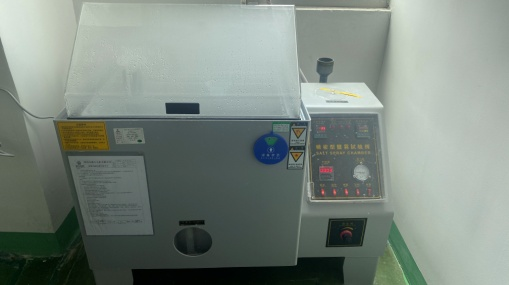
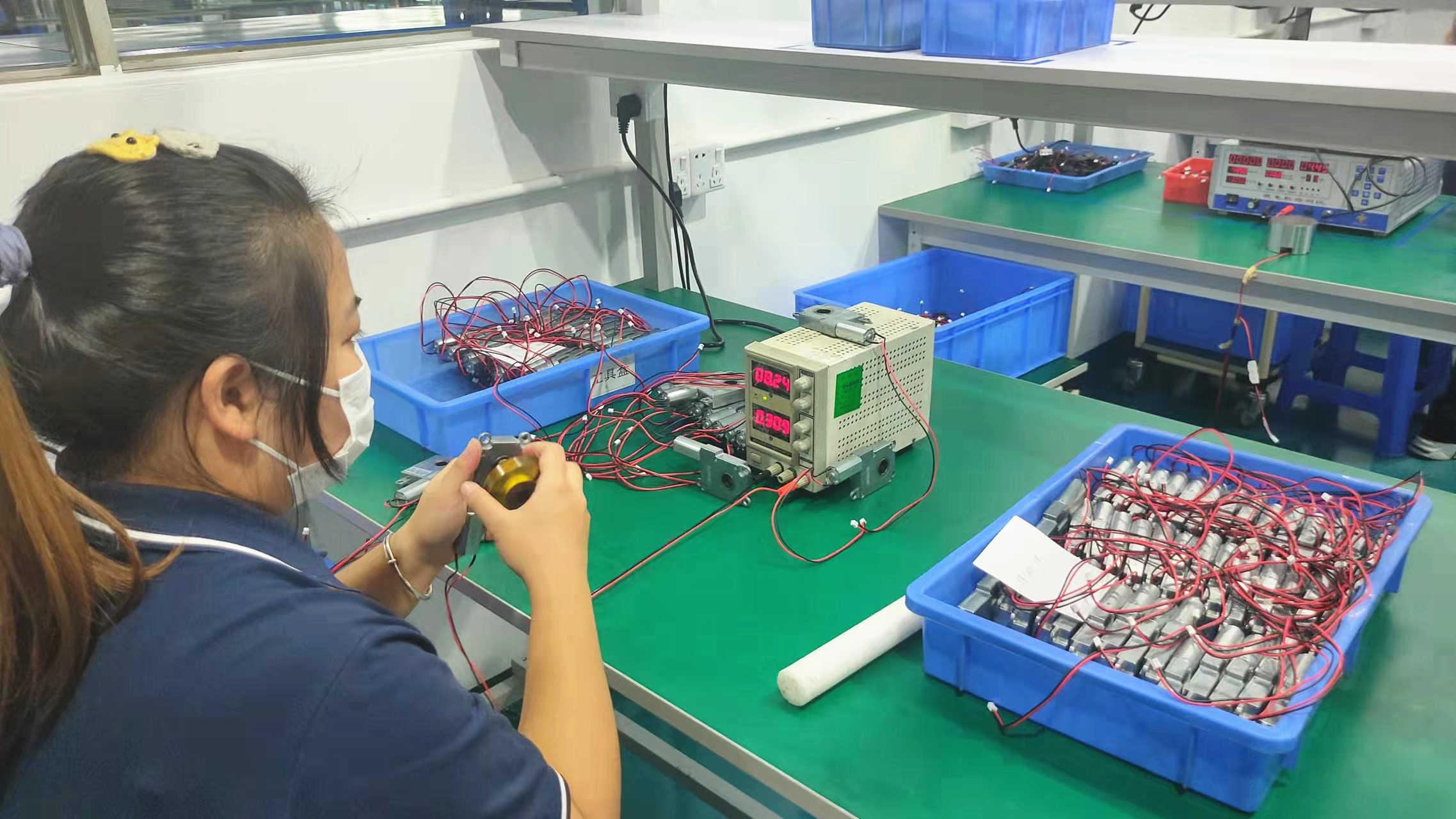
Uncompromising Quality Control & Laboratory Testing
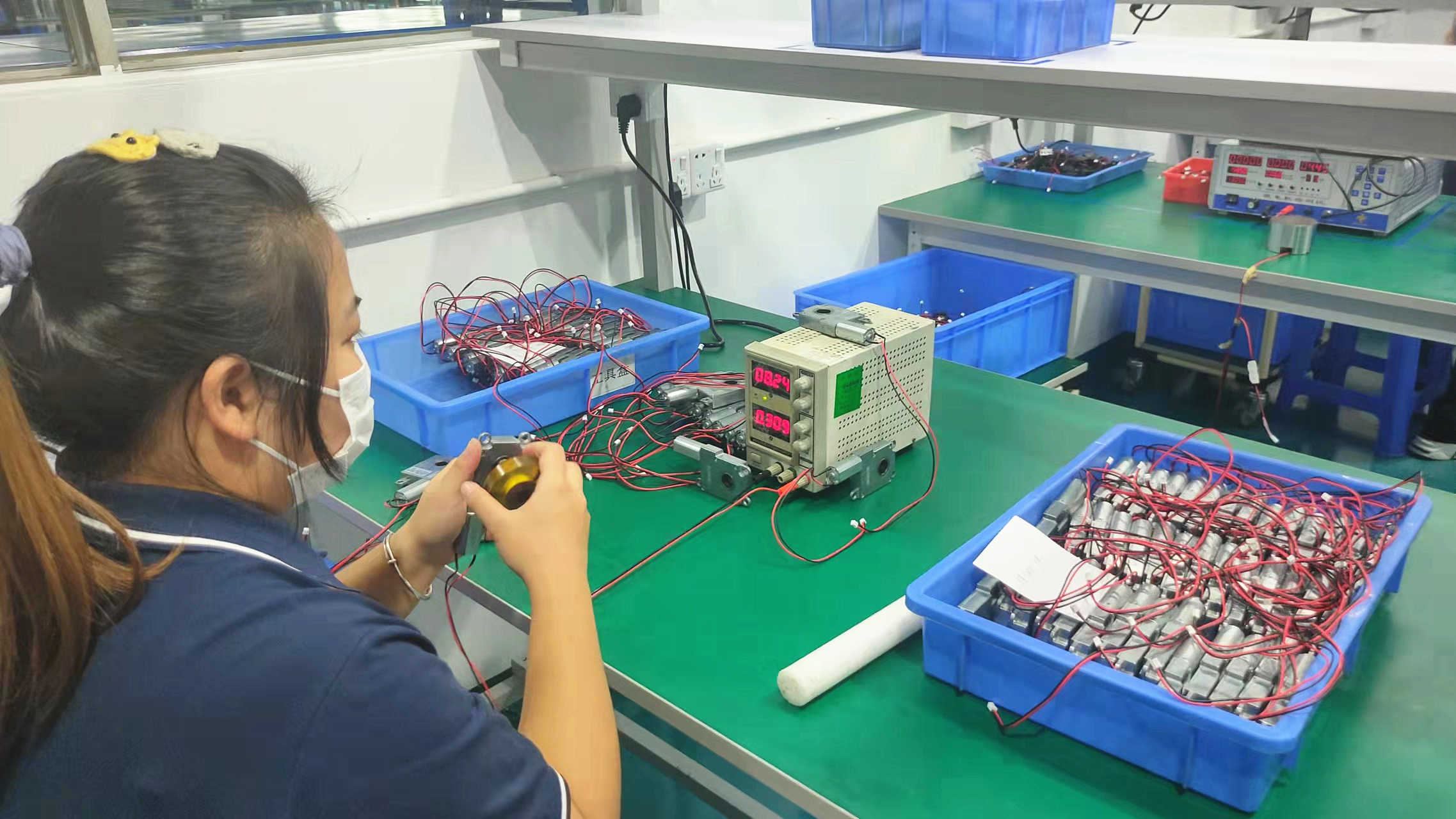
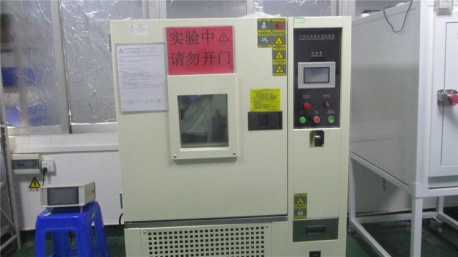
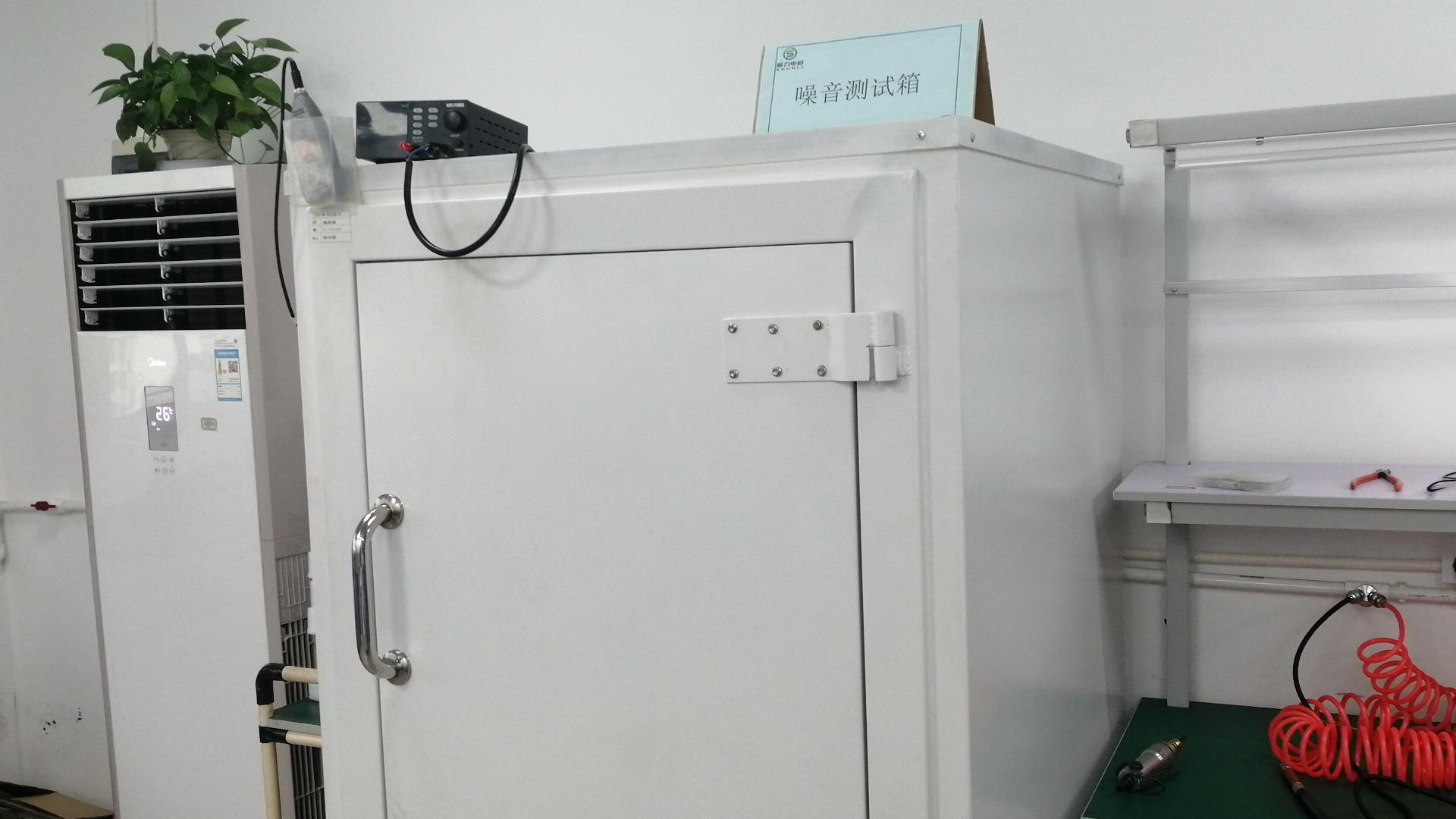
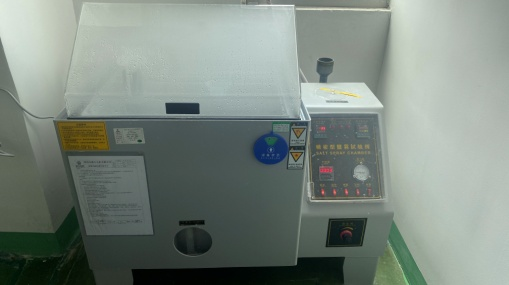
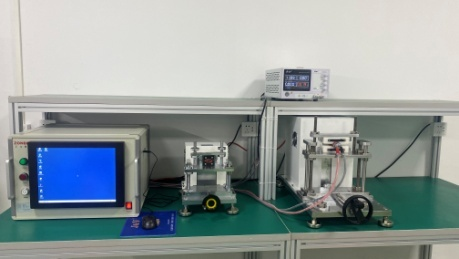
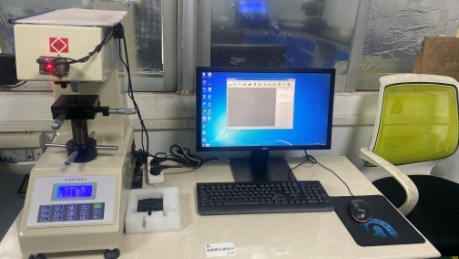
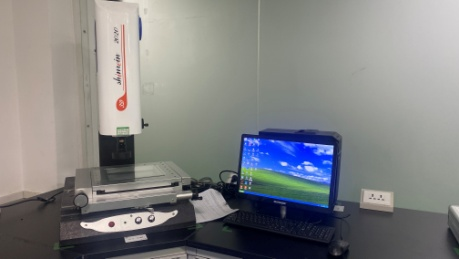
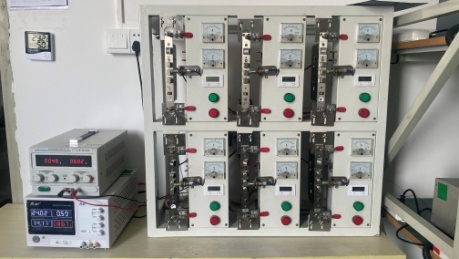
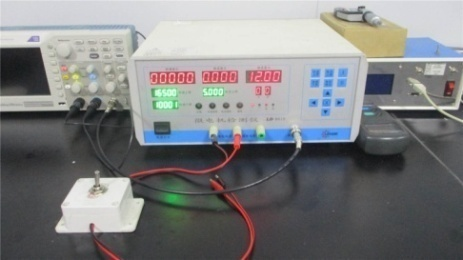
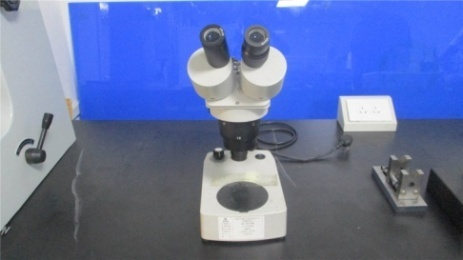
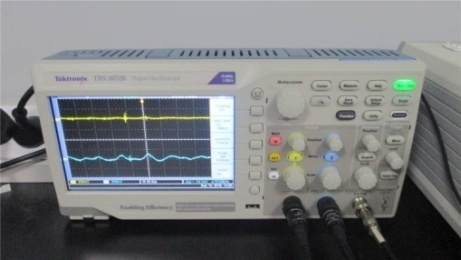
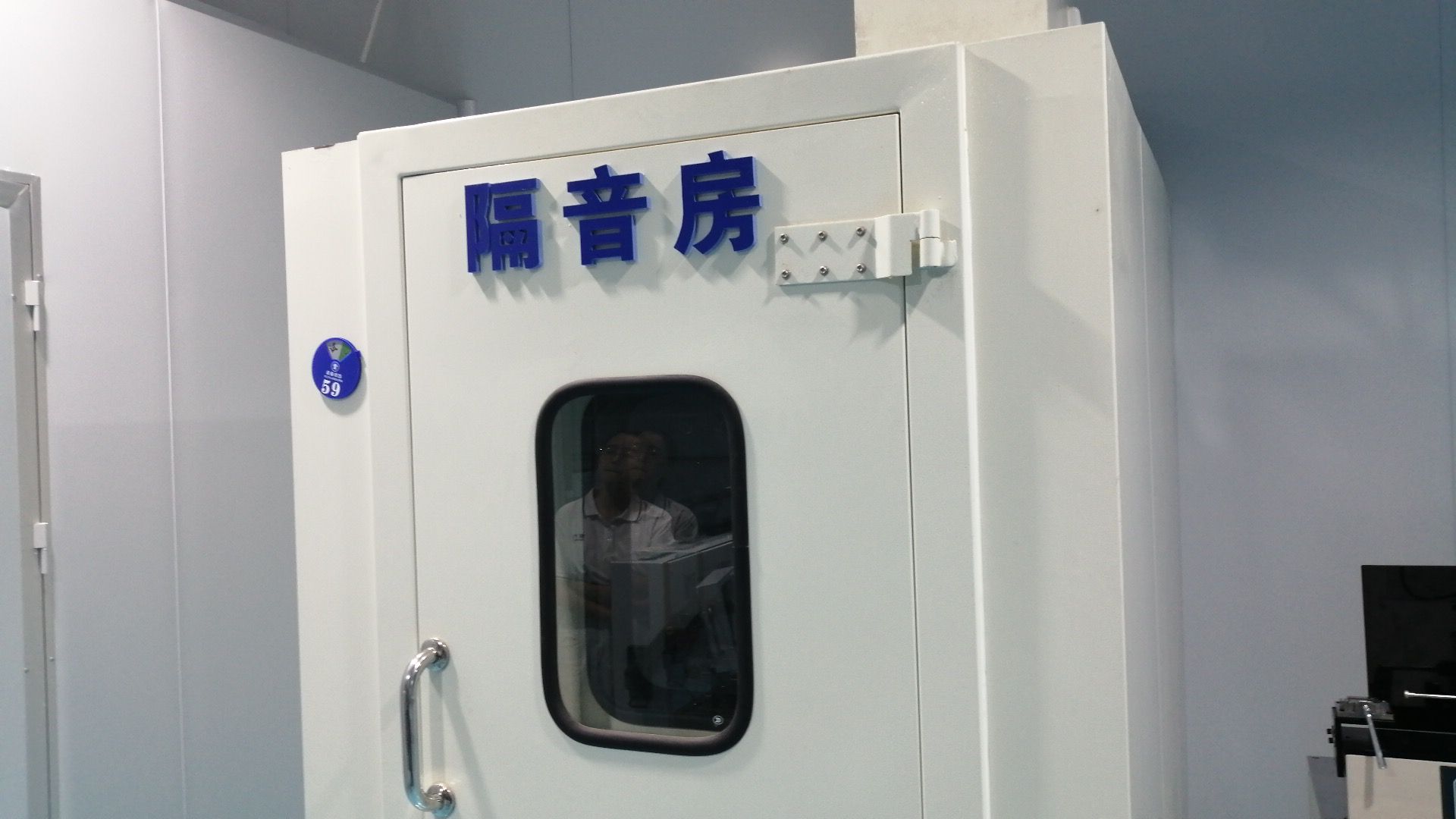
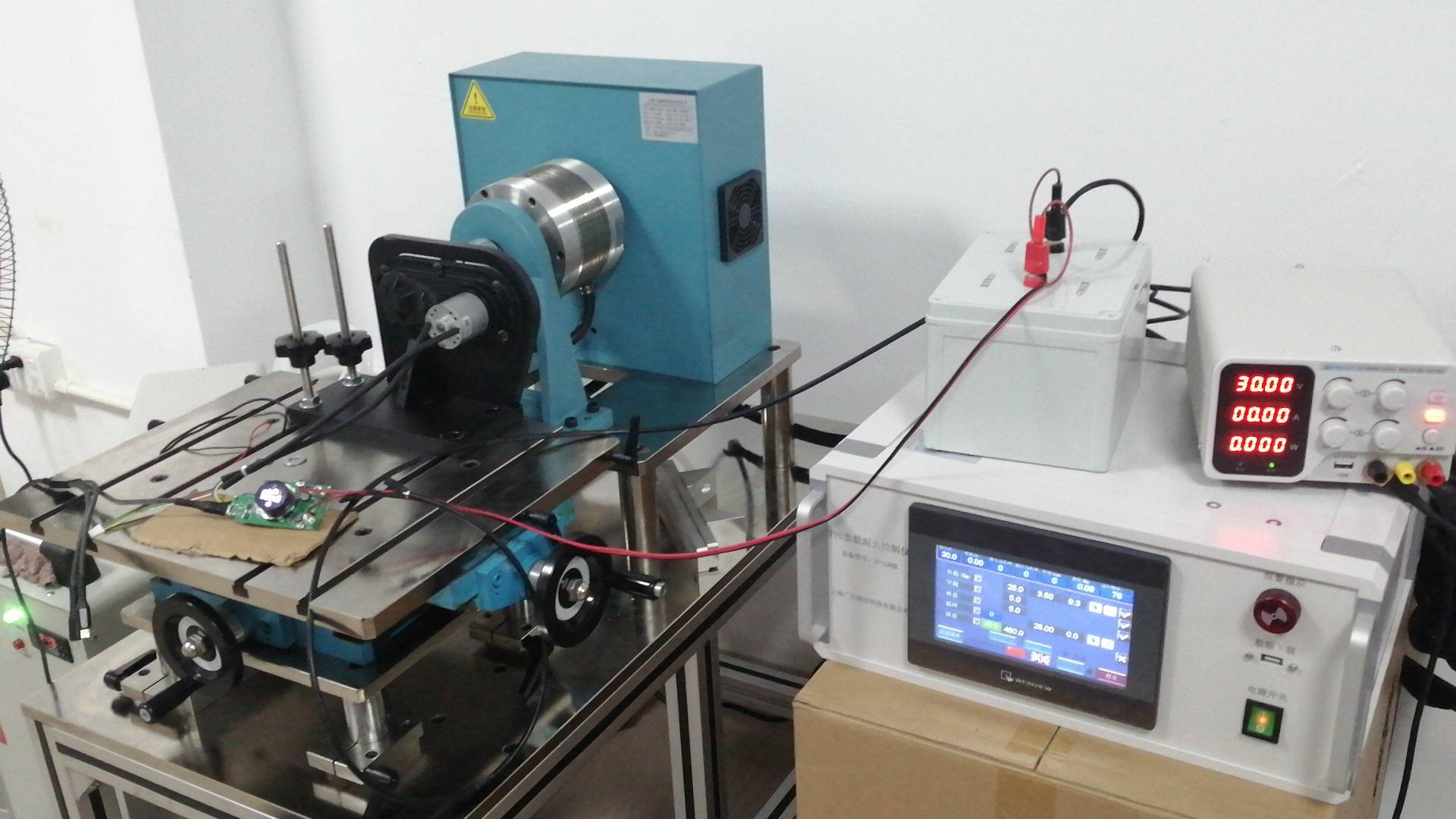
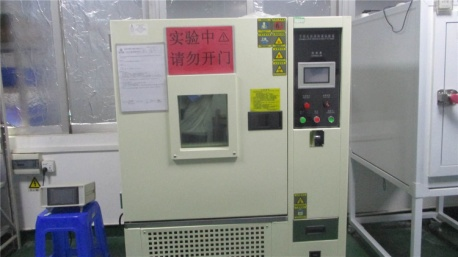
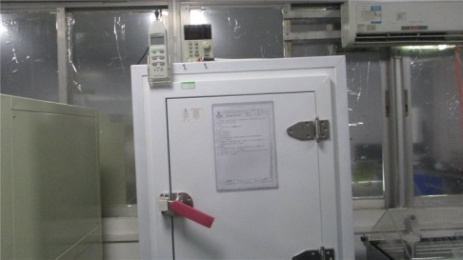
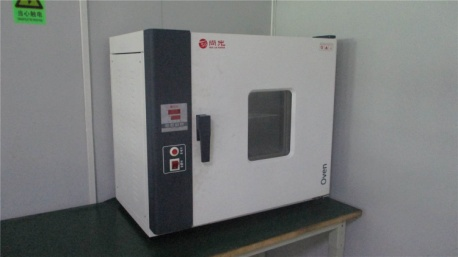
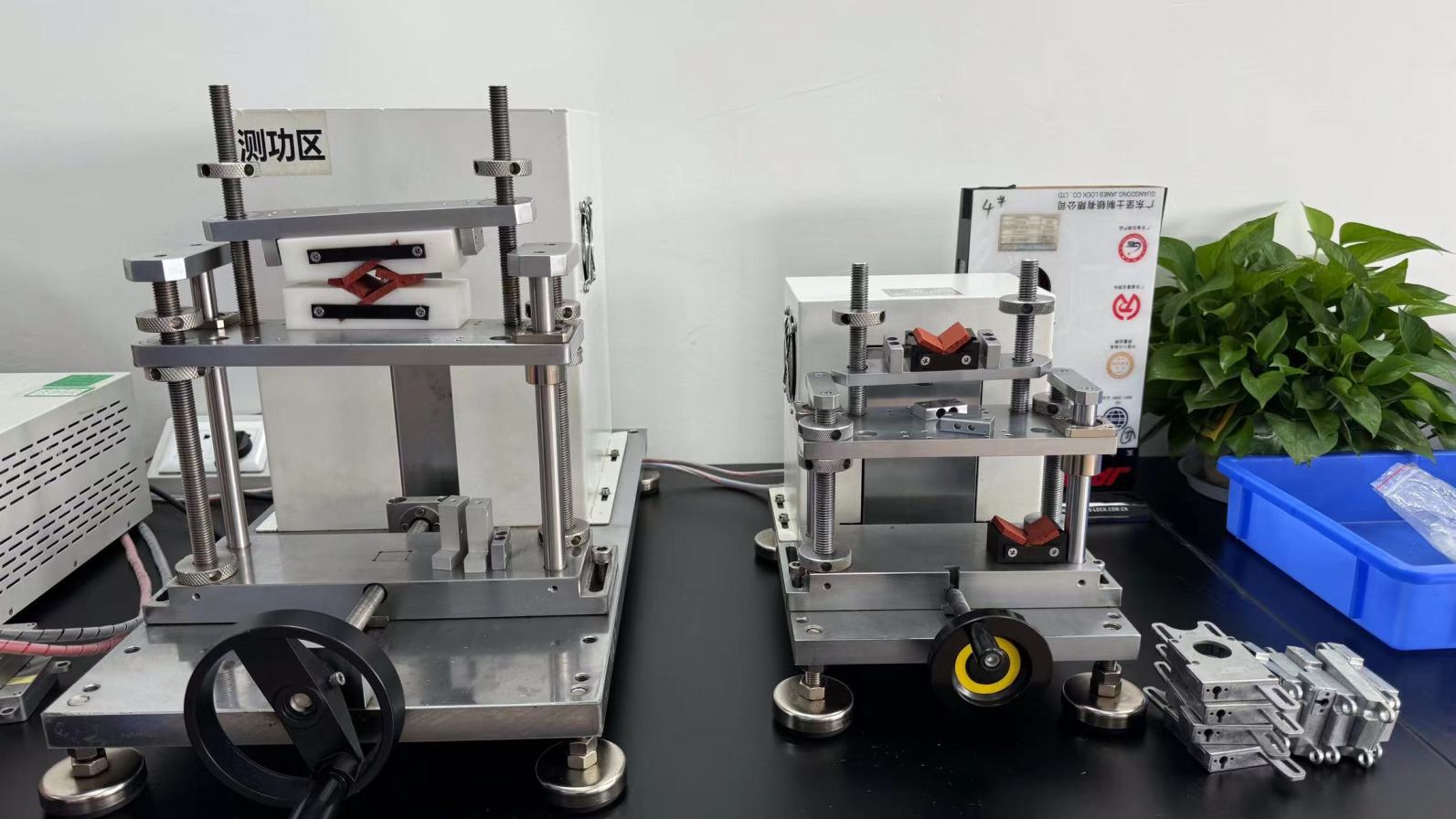
Before any micro drive assembly leaves our facility, it undergoes a rigid, battery-based inspection regime using world-class laboratory apparatuses to simulate lifetime exposures in subsea and marine conditions.
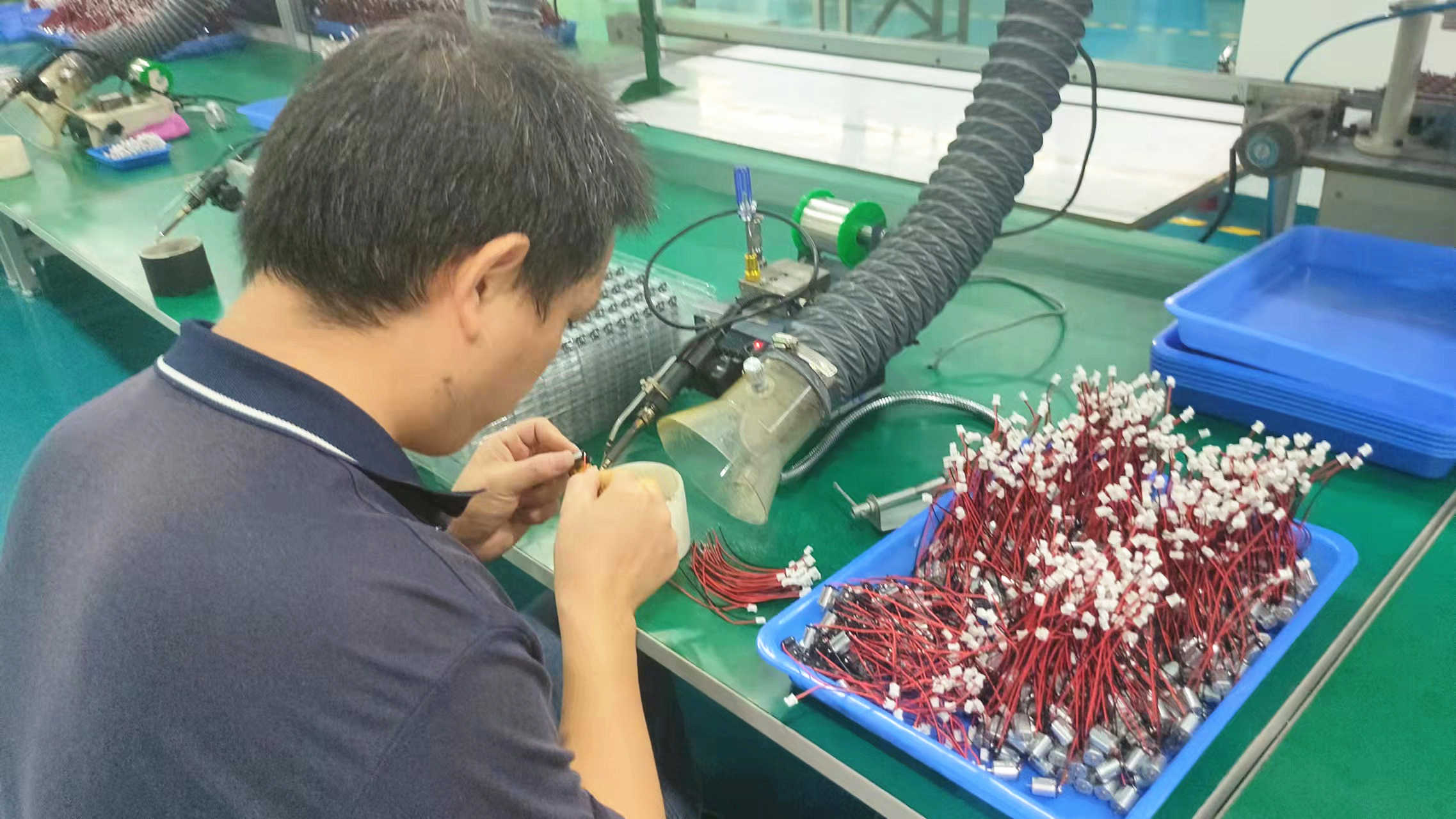
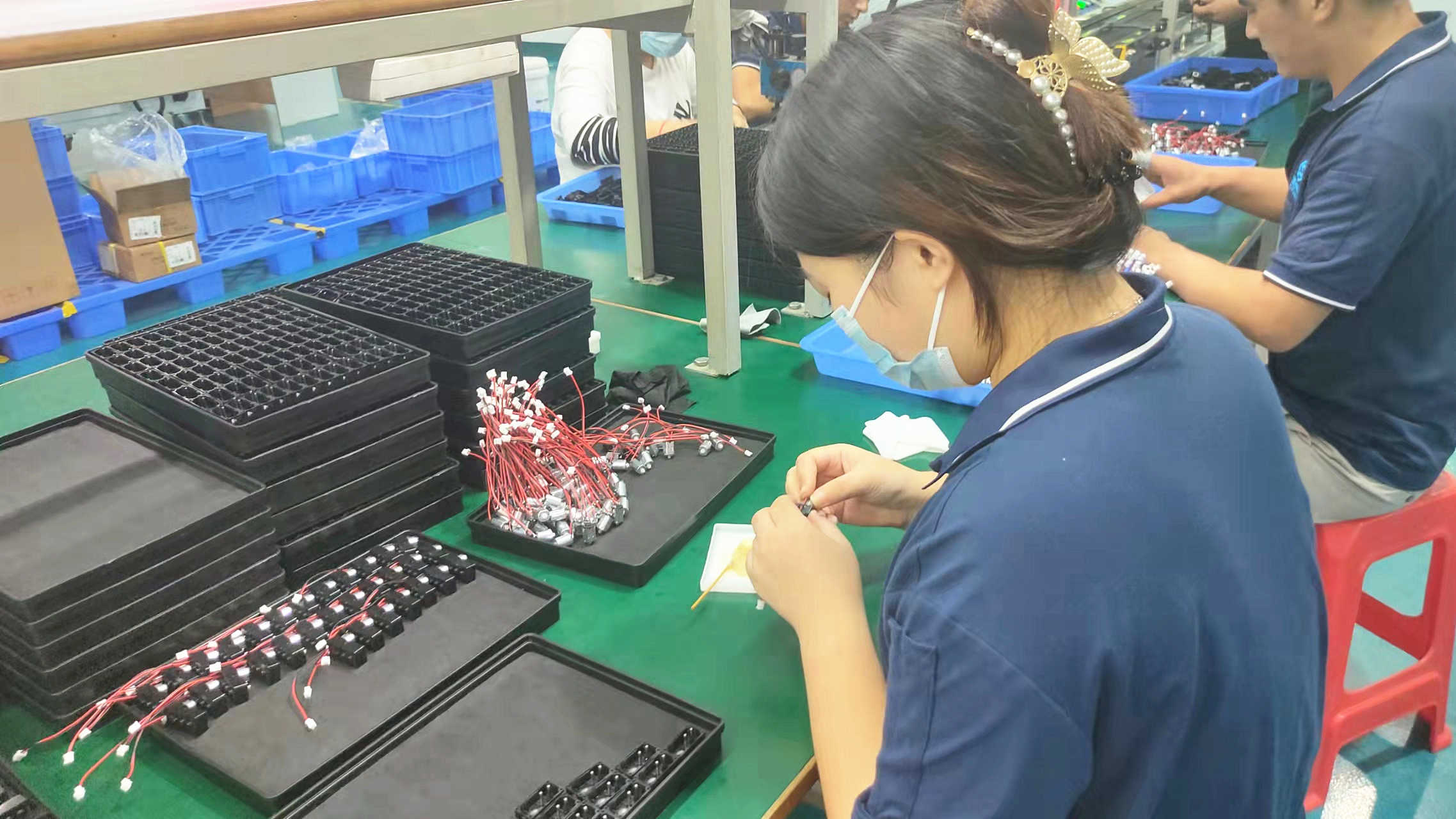
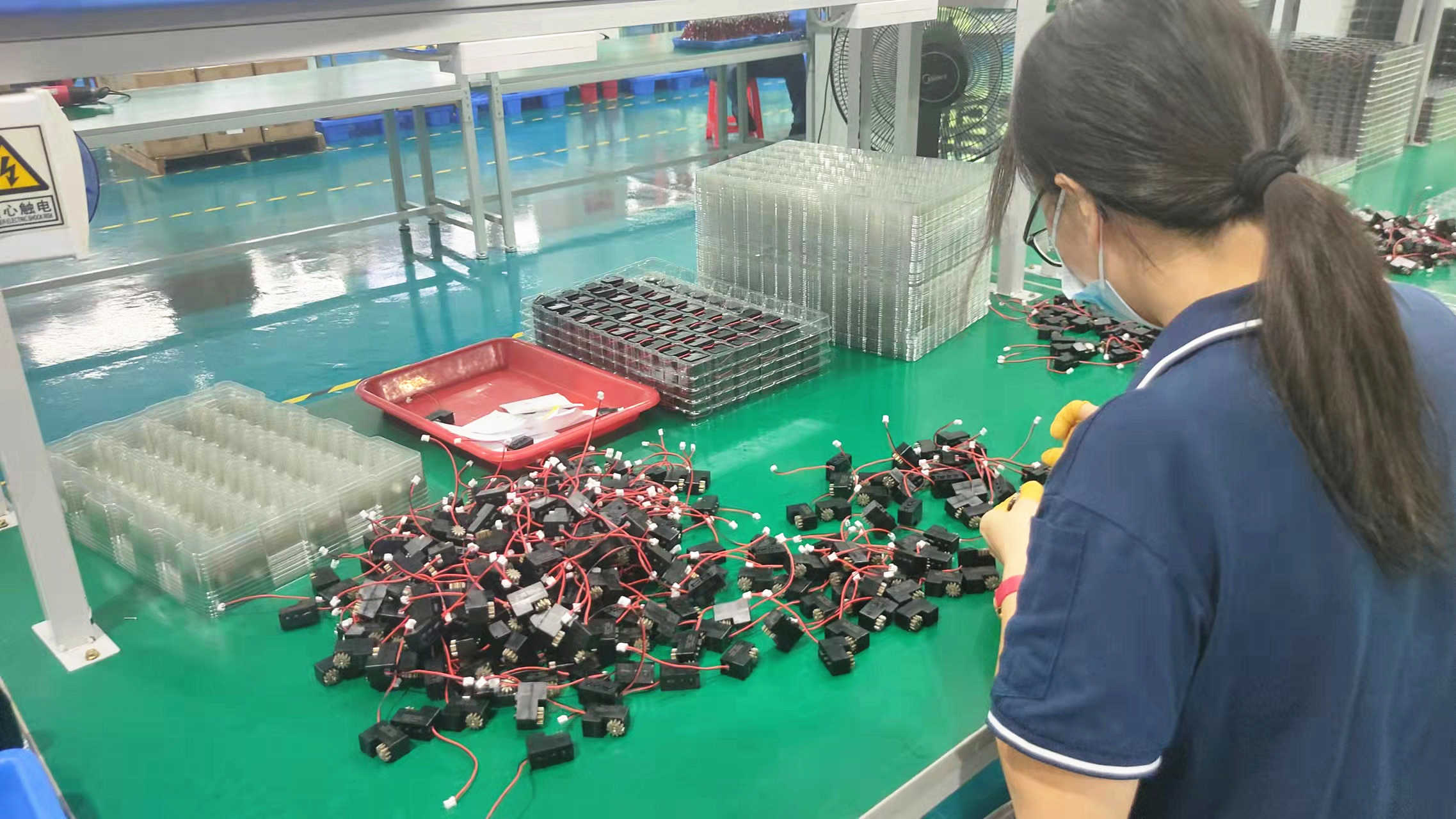
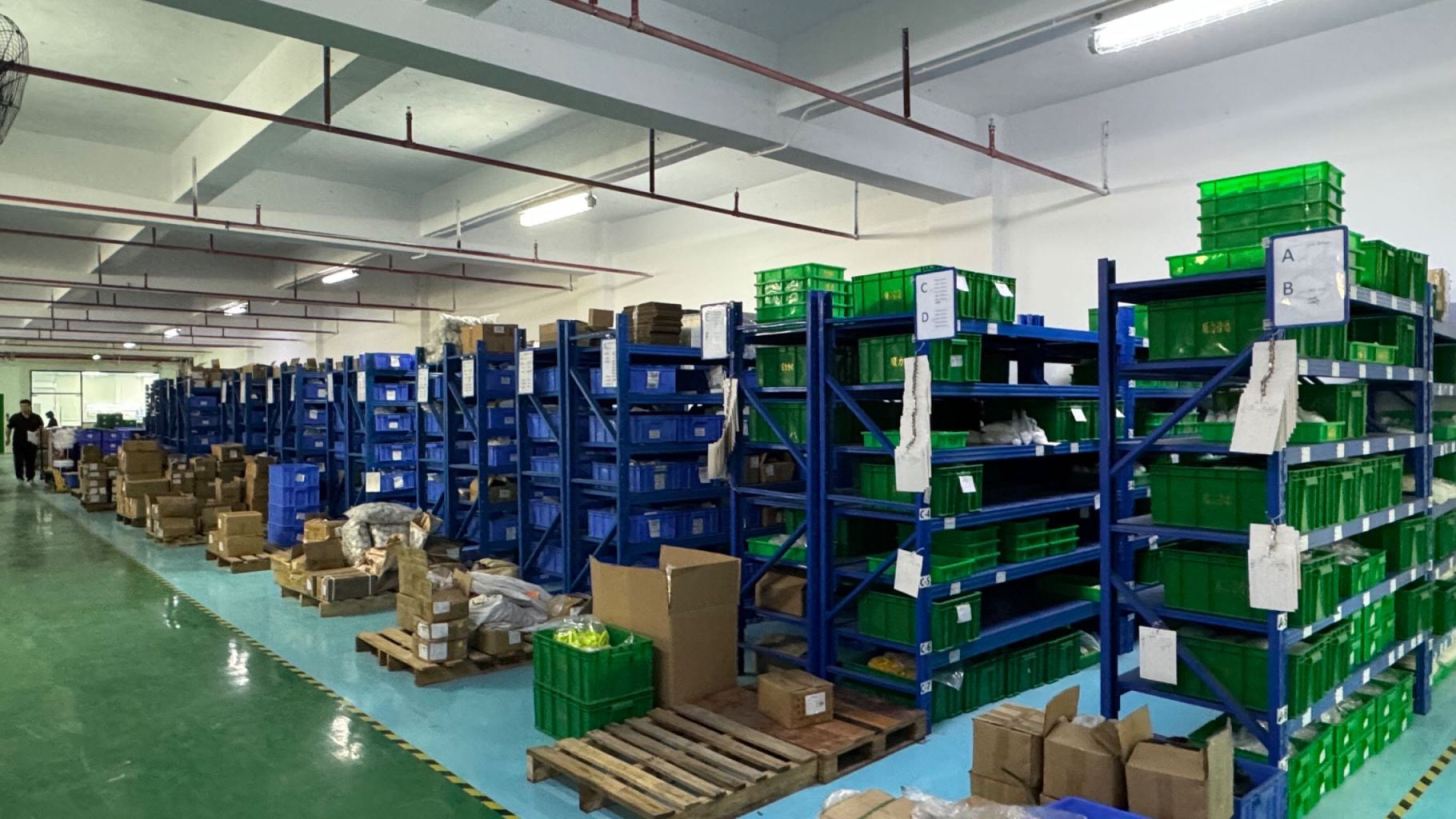
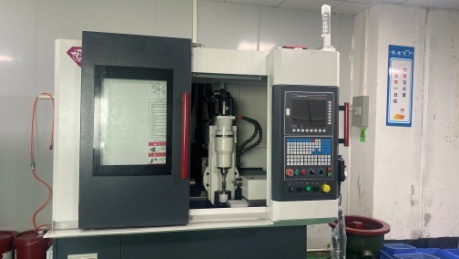
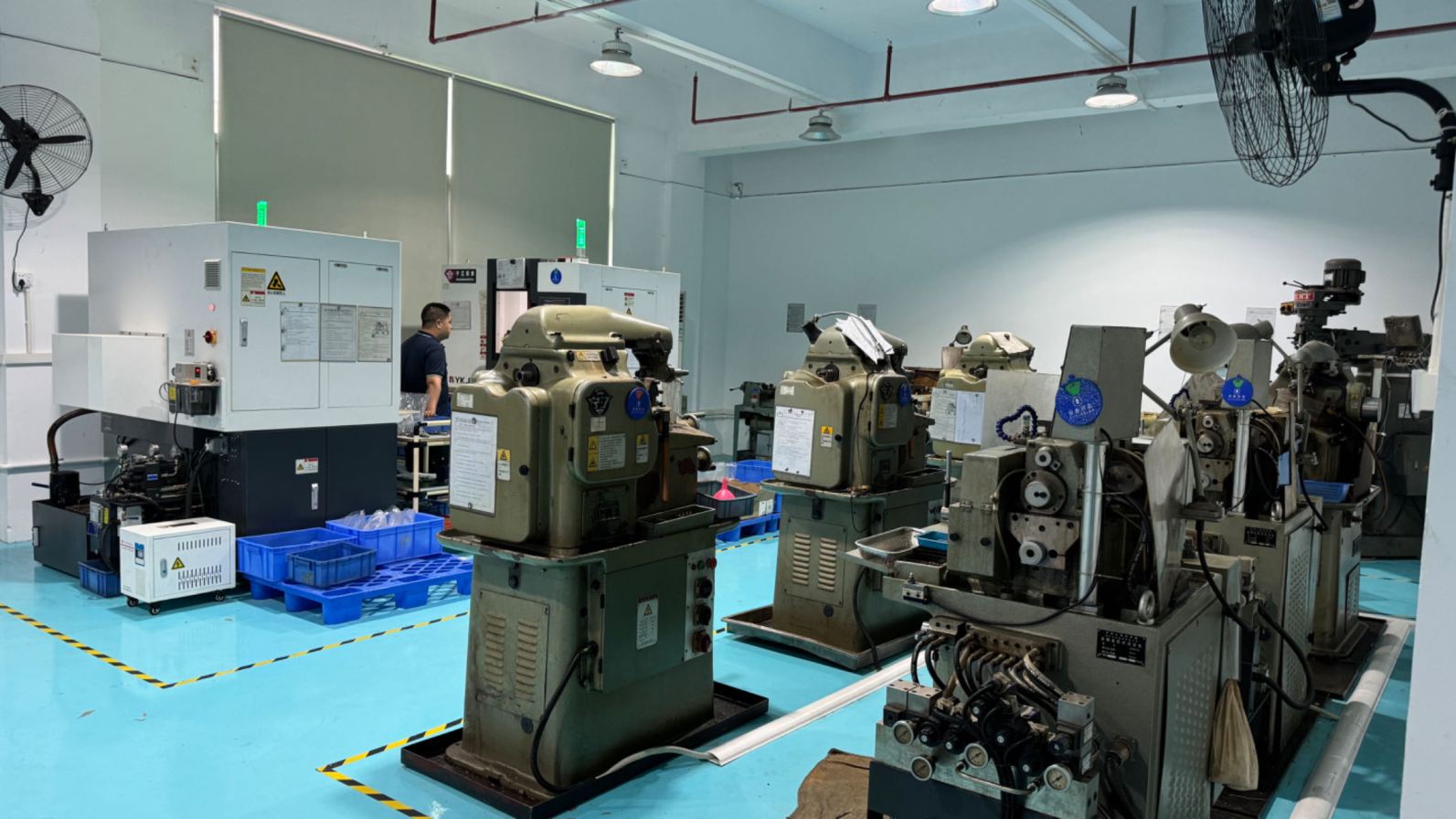
Unrivaled Production Capacity & Advanced Machining
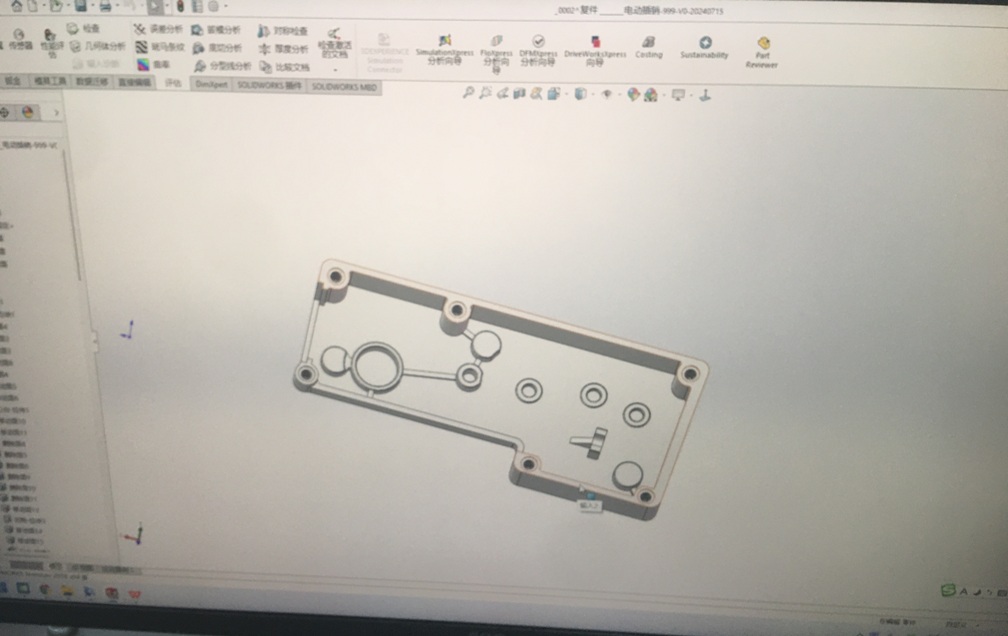
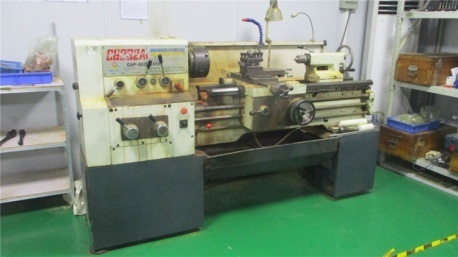
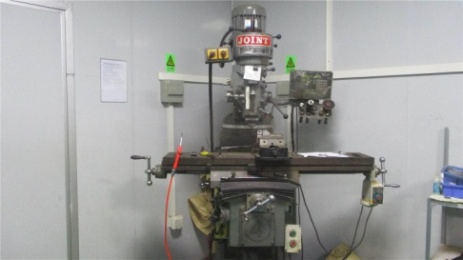
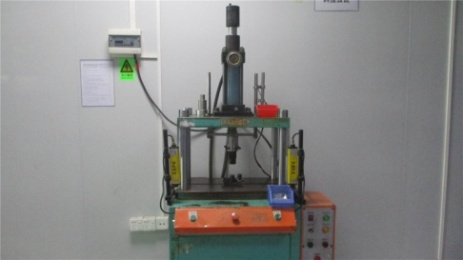
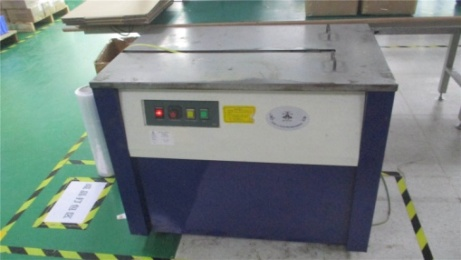
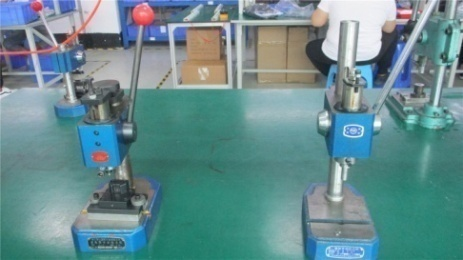
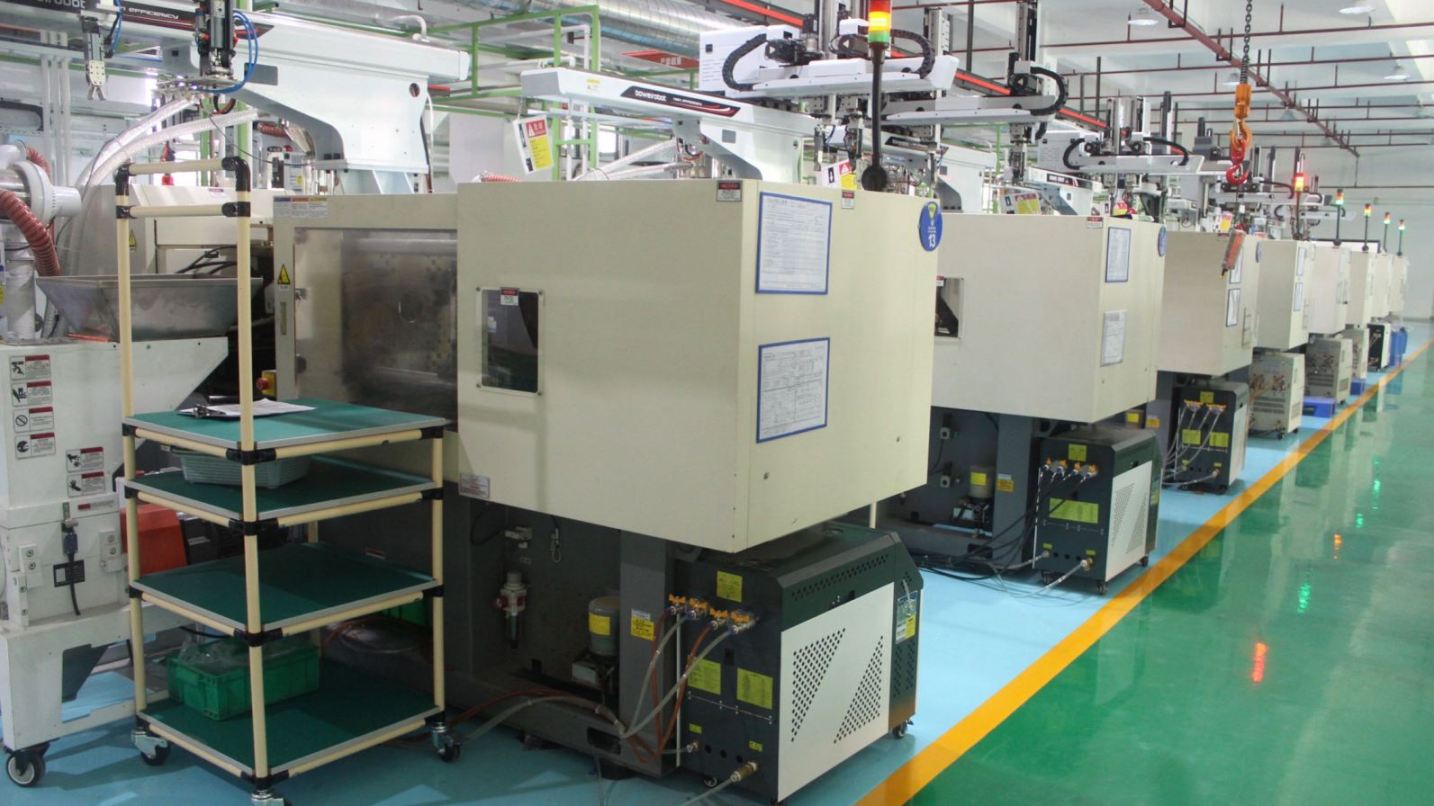
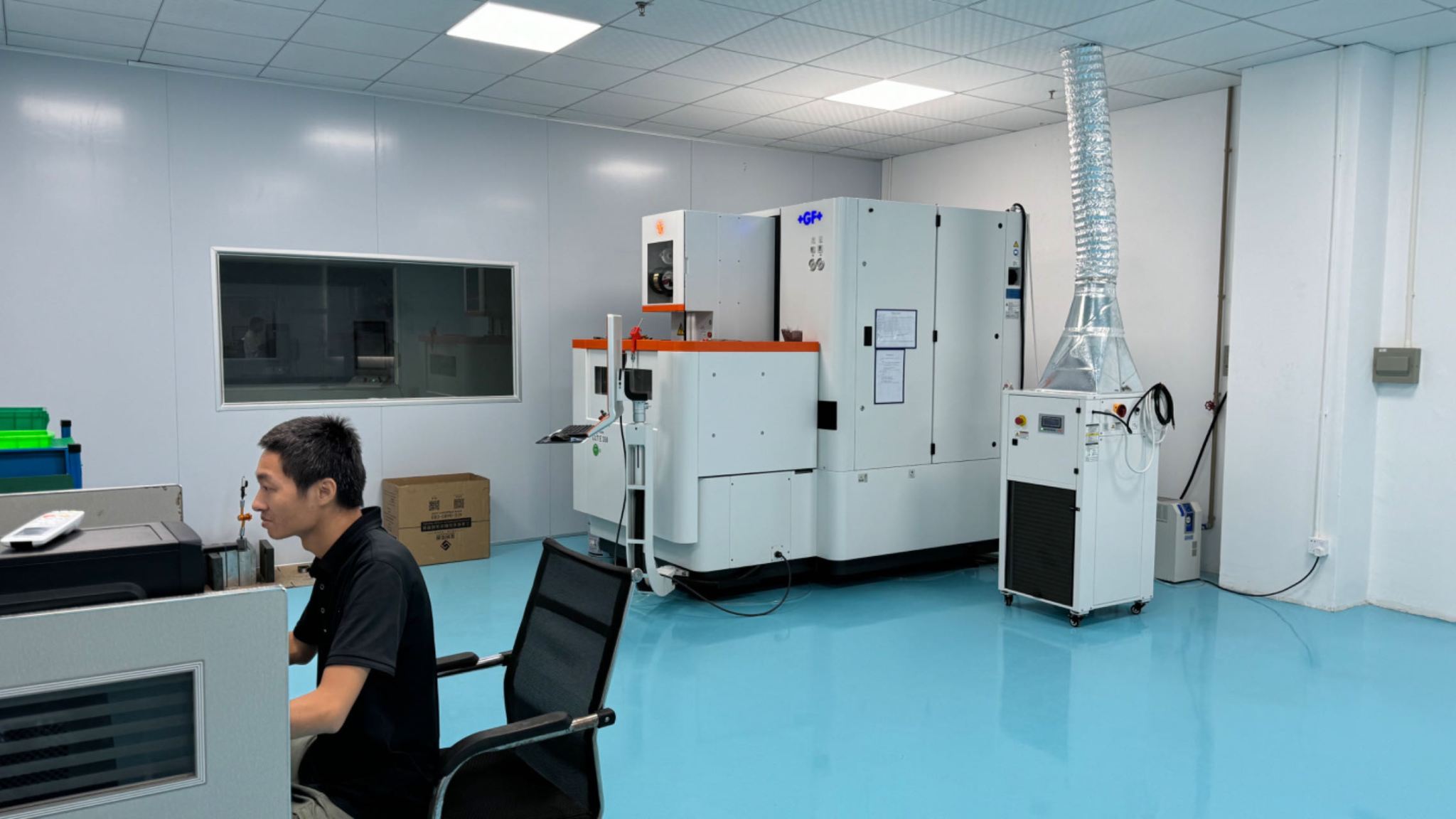
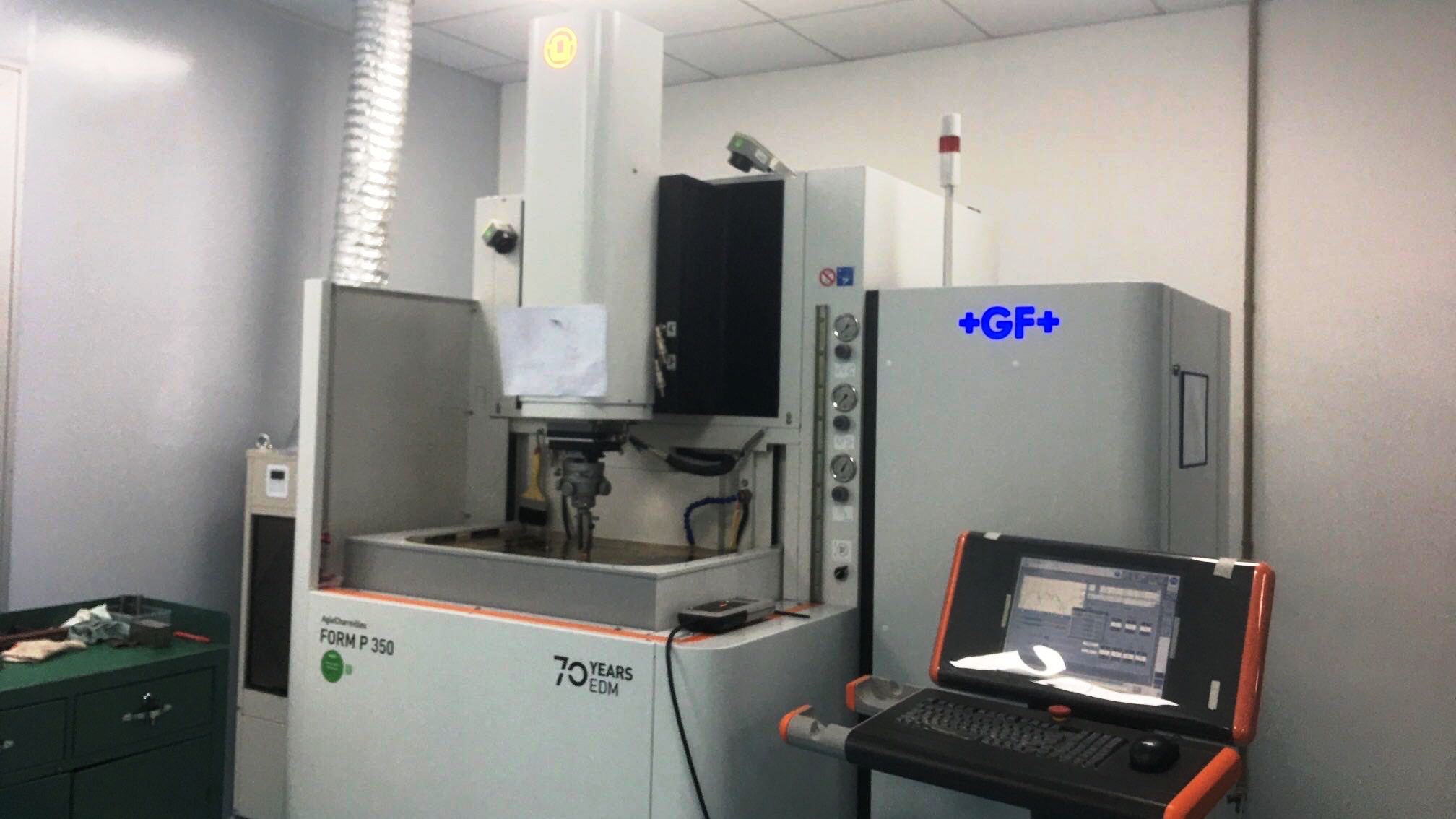
From architectural blueprints to large-scale robotic assembly lines, our manufacturing floor houses high-precision CNC machinery and automated lines to optimize production speed without sacrificing quality standards.

China's Advanced Manufacturing & Supply Chain Dominance
Why do leading maritime technology developers source their micro-motors from specialized Chinese hubs? The reason lies in a mature industrial ecosystem combining precision machining capabilities with vertical supply chain integration. In regions like Ningbo and Changzhou, the concentration of copper winding suppliers, planetary gear cutting facilities, and advanced metal surface processing centers allows manufacturers to prototype rapidly and produce custom configurations at scale.
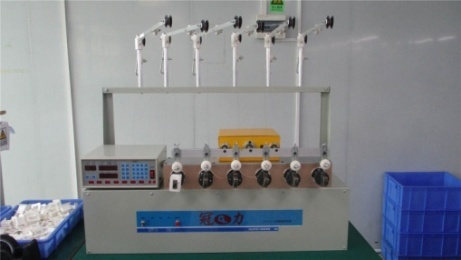
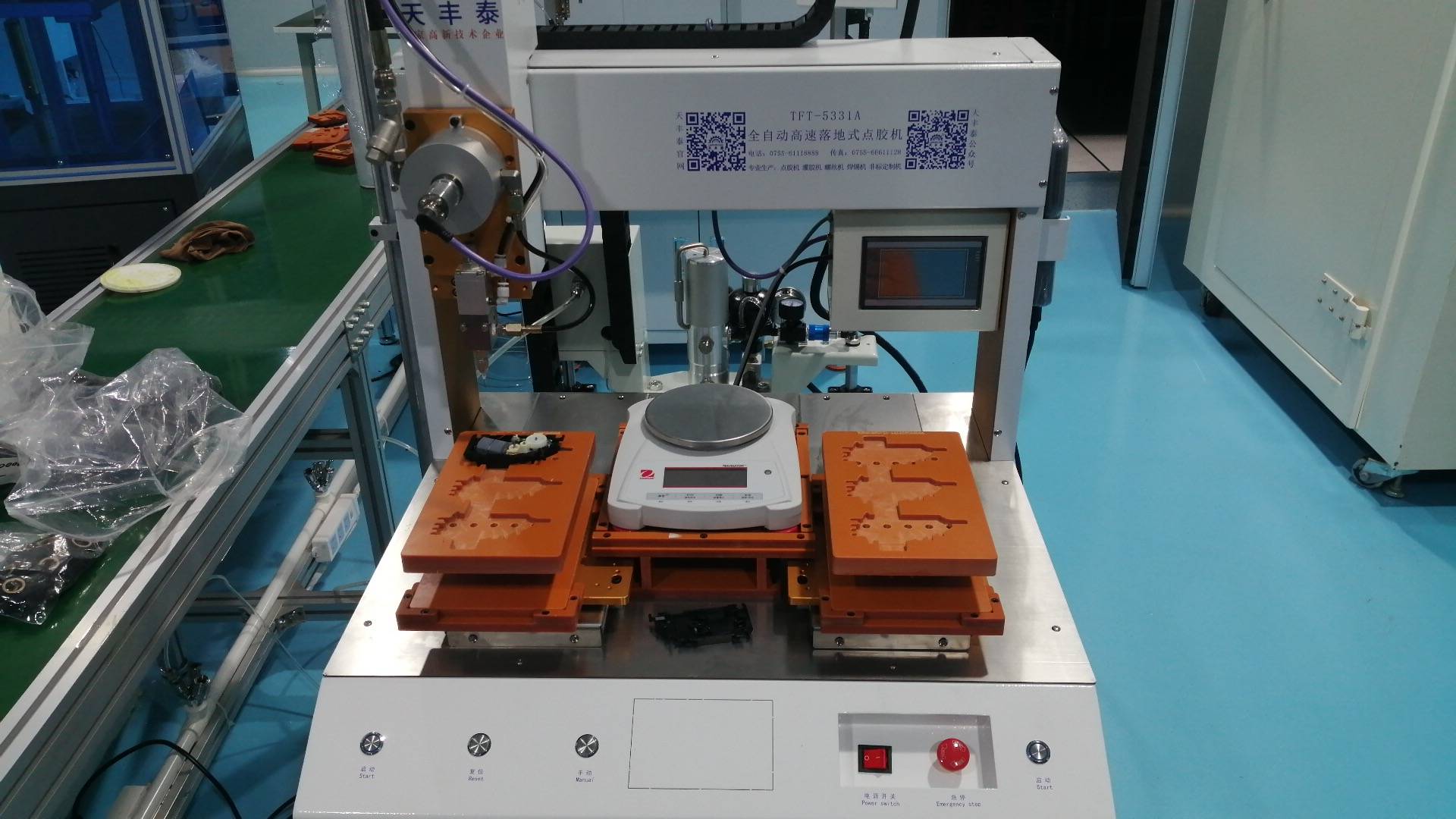
At Intertek Motor, we leverage this geographic advantage to offer unmatched speed-to-market. By integrating raw material sourcing, automated Japanese winding systems, Swiss-designed gear hobbing platforms, and state-of-the-art metrology tools under one roof, we eliminate production delays. This structured assembly system minimizes lead times, ensures absolute part-to-part consistency, and significantly lowers unit costs.
Our facility relies on specialized processing machinery including slow-feeding NC wire-cut machines and high-precision EDM systems to achieve sub-micron dimensional tolerances on all gear teeth. This high-precision approach yields minimal internal friction, reduces heat buildup, and extends product lifespan—critical requirements for drives installed in sealed maritime equipment.
Localized Integration Scenarios in Modern Maritime Systems
Miniature marine electric motors must adapt to a variety of specialized onboard systems. For example, remote-operated oceanographic camera housings require small, vibration-free stepper or coreless DC motors to manage pan-and-tilt stabilizing assemblies. In these systems, minimal electrical noise and zero mechanical backlash are essential to prevent image distortion and signal corruption.
Additionally, automated climate management systems on modern ships use compact planetary geared motors to control duct damper positions. These micro motors must run silently and endure continuous cycling in warm, damp ventilation zones without lubrication degradation.
In subsea operations, micro actuators drive remote hydraulic valves and robotic manipulator arms. These setups use fully encapsulated, oil-filled brushless motors that withstand severe ambient pressure variations. By choosing specific gear ratios and high-grade neodymium magnets, our motors deliver the necessary static holding torque to keep valve stems securely closed against high line pressures, ensuring reliable operation without continuous power consumption.
Technical Reference & procurement FAQ
Expert answers addressing the primary design considerations, materials science, and testing standards for specifying marine micro electric motors.
Highly Specialized Motor Variants
Engineered for specific operational parameters, these miniature BLDC motors, linear actuators, and high-rpm drives offer dependable performance for demanding applications.