Premium Electromagnetic Drives & Components
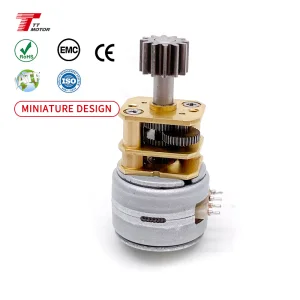
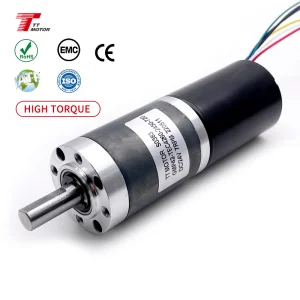
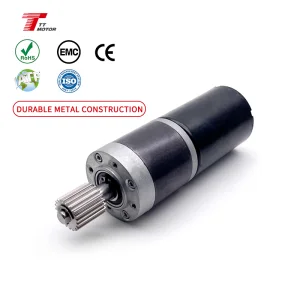
Explore our leading catalog of high-efficiency brushless stator designs, micro planetary systems, and customized gearboxes designed to perform in space-constrained micro-configurations.
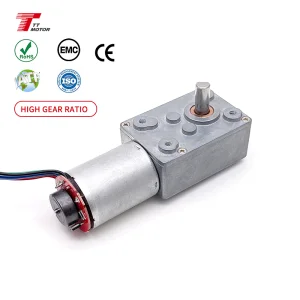
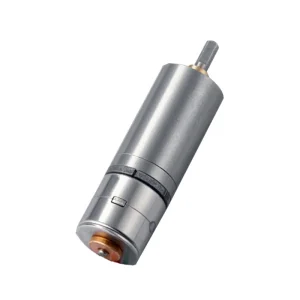
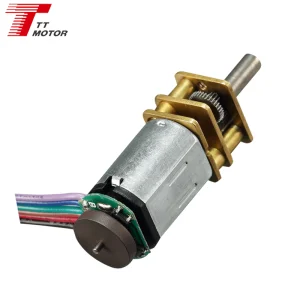
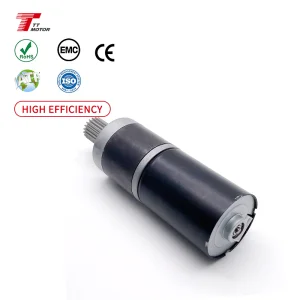
Mastering the Micro-Universe: The Intertek Motor Standard
At Intertek Motor, we measure our success in micrometers and decibels. We understand that inside a premium robotic joint, a medical dosing pump, or a high-end smart lock, space is the ultimate luxury. Our mission is to pack maximum torque, unyielding durability, and near-silent acoustics into the most compact footprints imaginable.
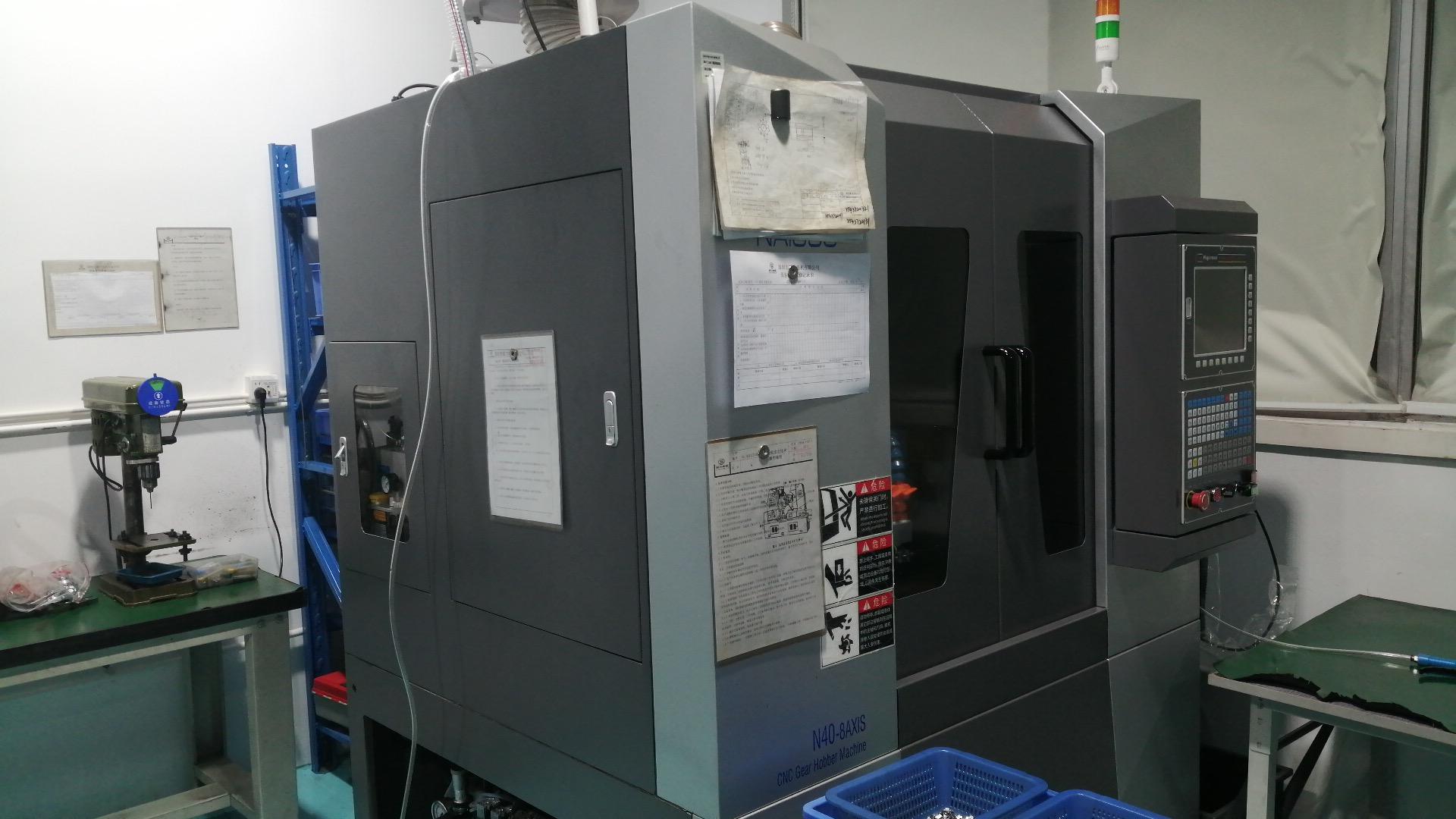
Our expertise lies in the harmony of miniature engineering. From precision-wound rotors and high-purity copper commutators to custom-designed planetary gearheads, every component inside an Intertek micro motor is optimized for low energy consumption and a friction-free lifespan. We constantly push the limits of micro-drive tech, utilizing advanced automated Swiss-style hobbing and Japanese dynamic balancing to ensure that our internal gear trains operate with zero-backlash precision. When the integrity of your high-tech device hangs on repeated mechanical perfection, Intertek Motor delivers the silent power that anchors your design.
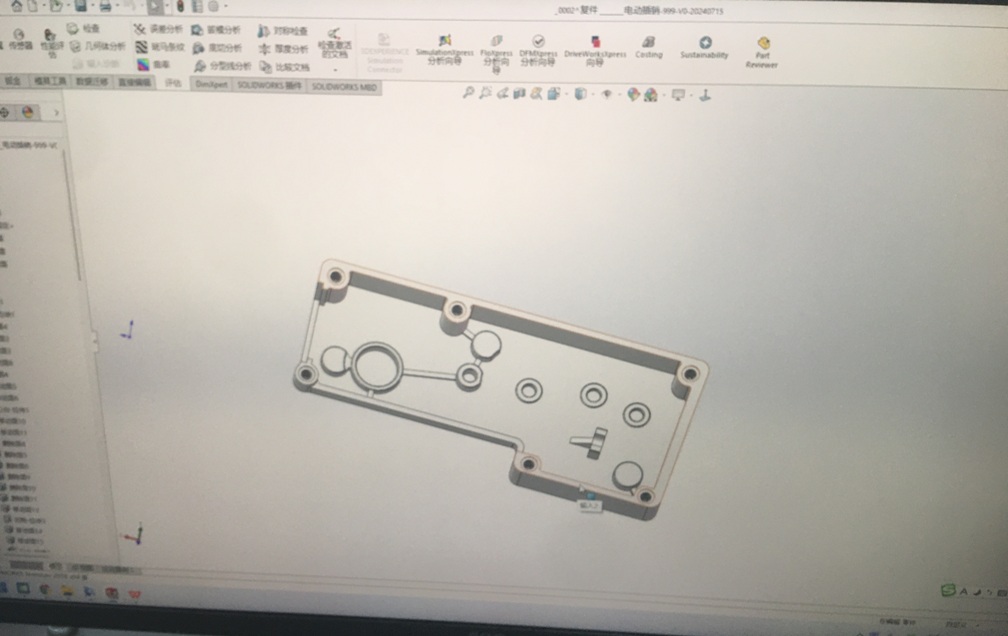
Global Sourcing Demands for Robust Motor Stators
Understanding electromagnetic efficiency, thermal limits, and reliability thresholds in high-density industrial and consumer electronics.
High Winding Fill Factor
Global procurement teams prioritize stators with high copper fill factor. Advanced needle winding technologies minimize dead space, enhancing the electromagnetic torque density without increasing the stator's outer envelope dimension.
Optimized Core Laminations
To curb core losses (eddy current and hysteresis), robust stators require ultra-thin silicon steel sheets (0.2mm to 0.35mm grades). Premium sourcing mandates Japanese or German standard cold-rolled non-oriented electrical steels.
H-Class Insulation Systems
Continuous-duty operation in aerospace and industrial actuators calls for dynamic insulation barrier systems. Custom slot liners, high-temperature varnish coatings, and polyamide coverings guarantee dielectric strength at operating temperatures exceeding 180°C.
20+
Years of Engineering Expertise
< 0.05%
Field Return Rate (PPM Optimized)
100%
Automated CNC & Testing Integration
ISO9001
Certified Management & QC Workflows
Macro-Industry Solutions & System Integration
How stator structural integrity determines drive performance across diverse automation, medical, and robotic sectors.
Robotics & Exoskeletons
Frameless stator designs are embedded directly into joint assemblies. Low-cogging-torque stator slot geometries reduce torque ripple, ensuring smooth motion trajectories, high position accuracy, and optimal back-drivability.
Automotive Auxiliary Pumps
In electric vehicle (EV) thermal management systems, auxiliary coolant and oil pumps require robust stators that can withstand harsh operating liquids, extreme vibratory forces, and high ambient engine bay heat.
Precision Medical Instruments
For surgical handpieces and automated medication delivery systems, micro stators must operate with absolute zero EMI (Electromagnetic Interference) leakage and zero-tolerance dimensional variation.
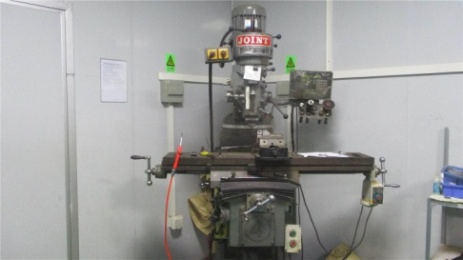
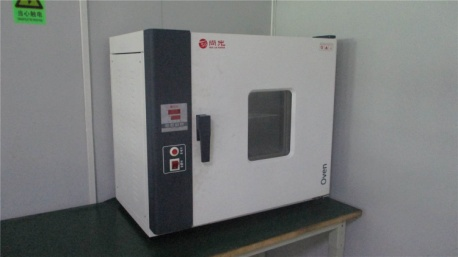
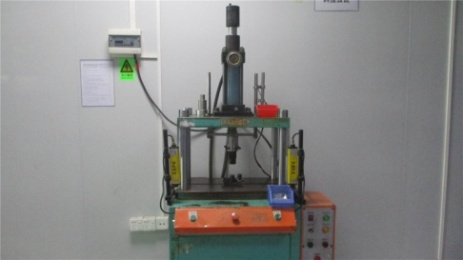
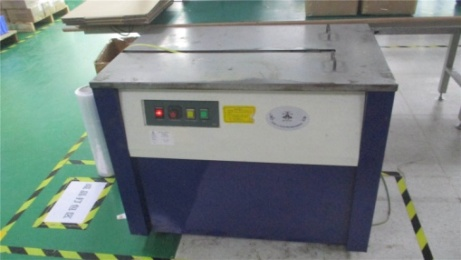
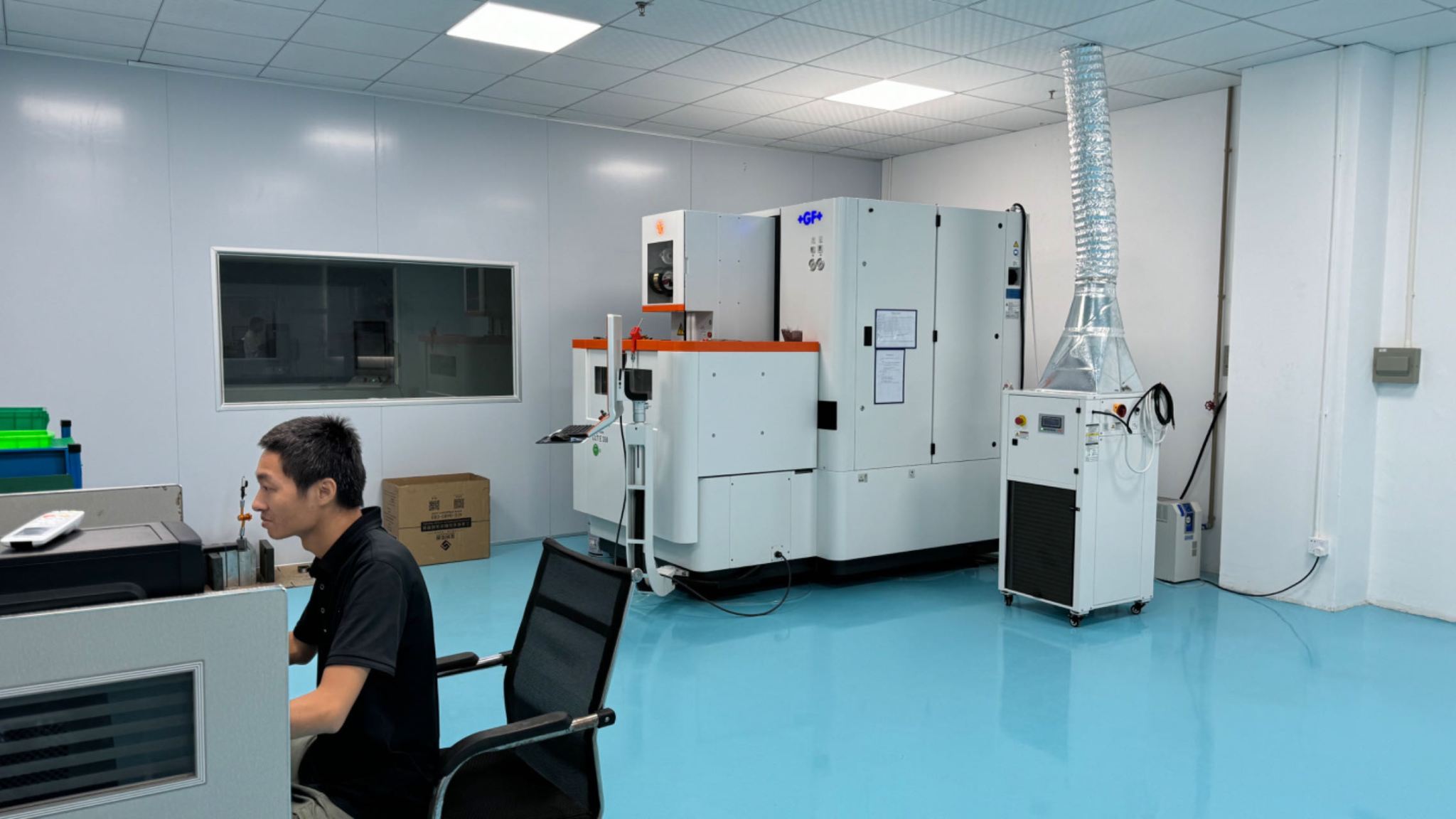
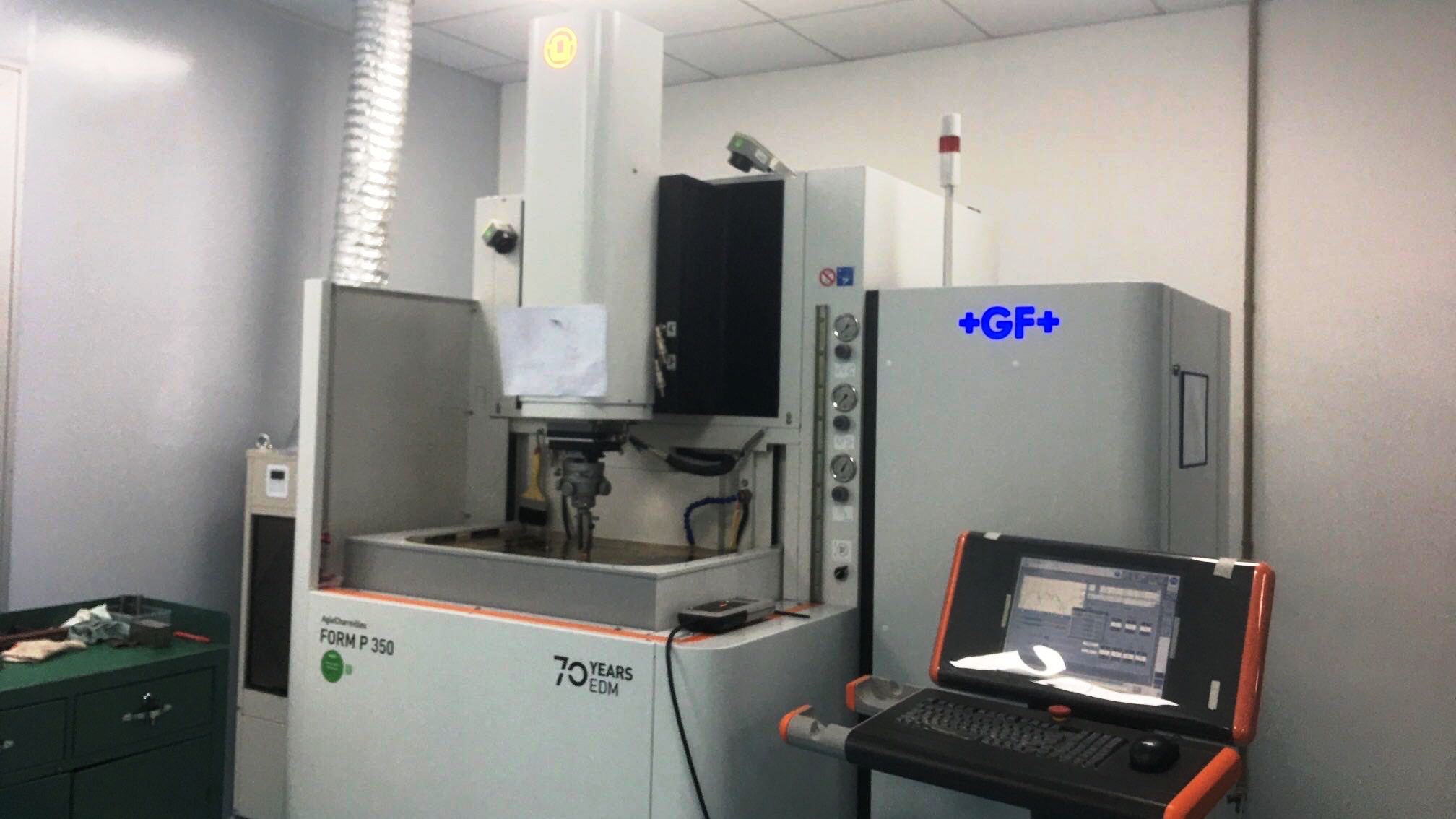
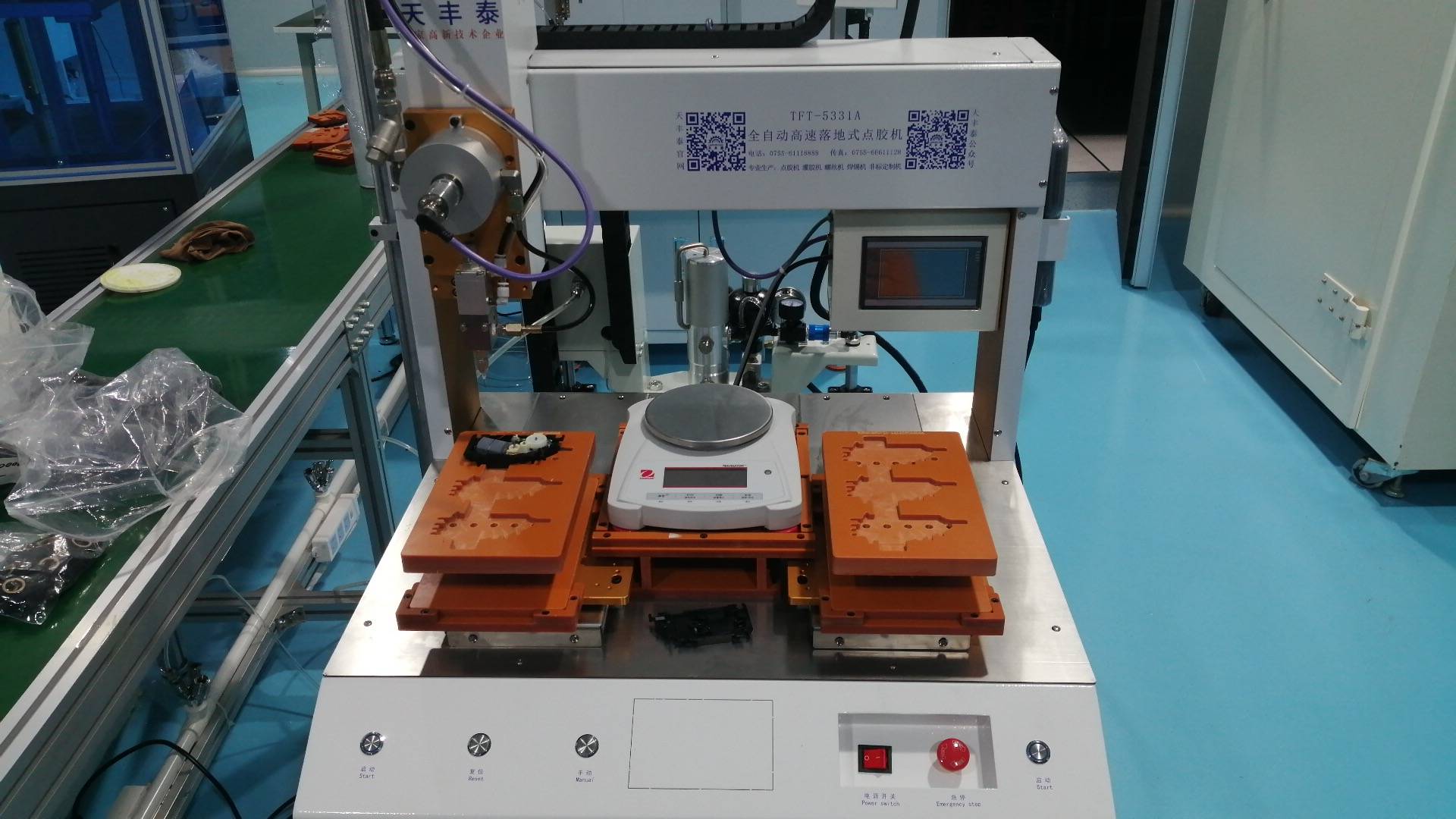
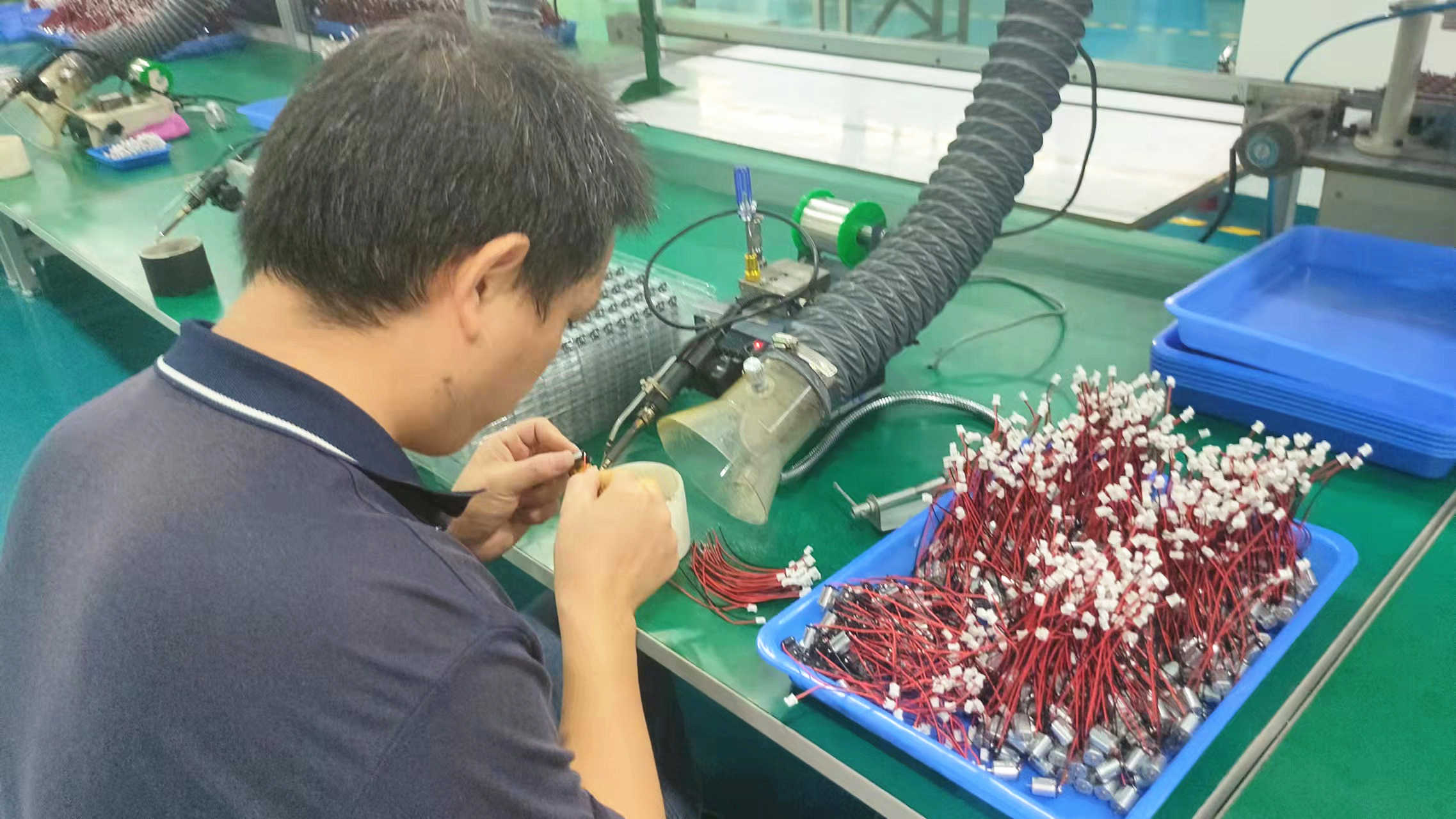
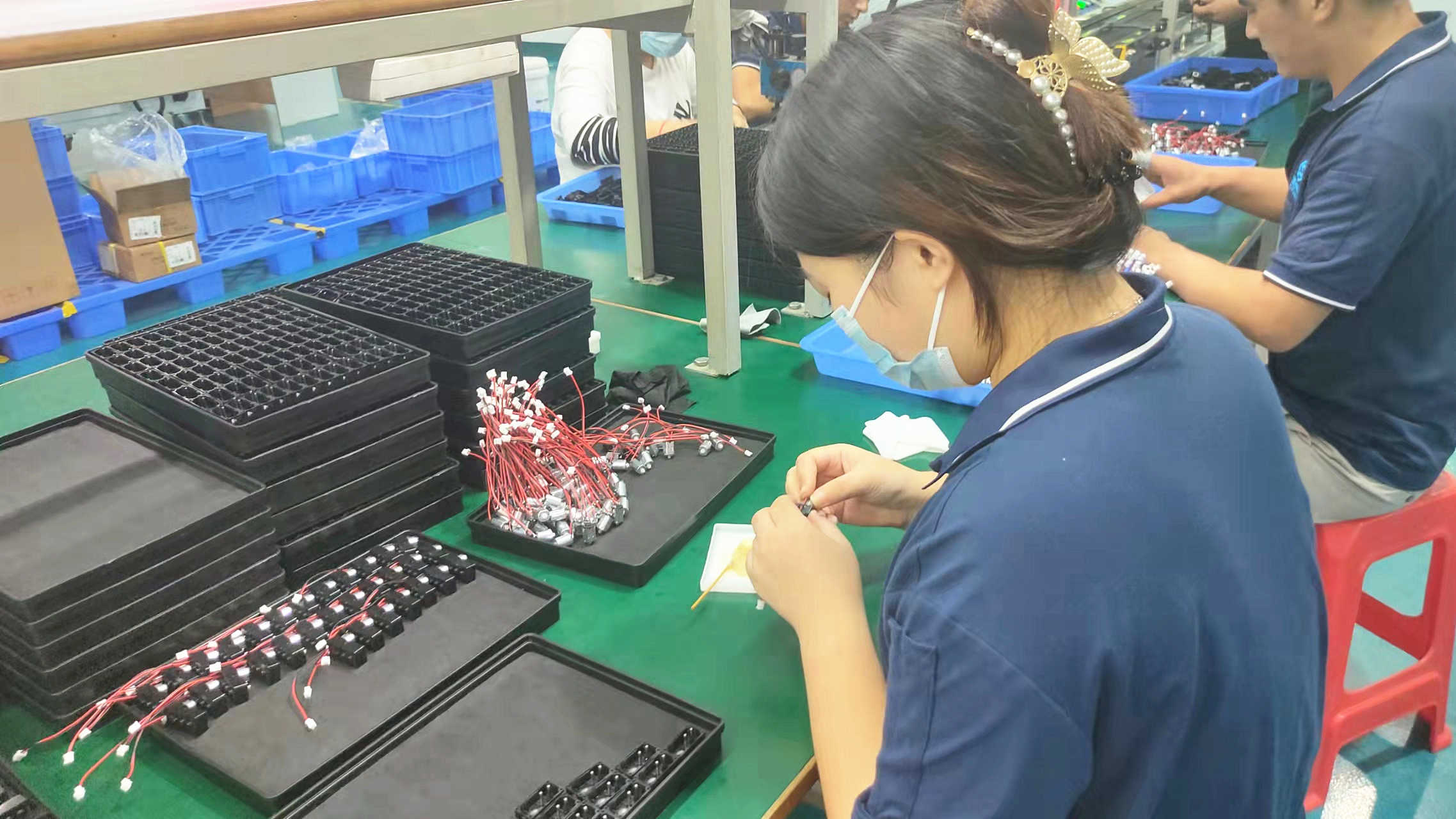
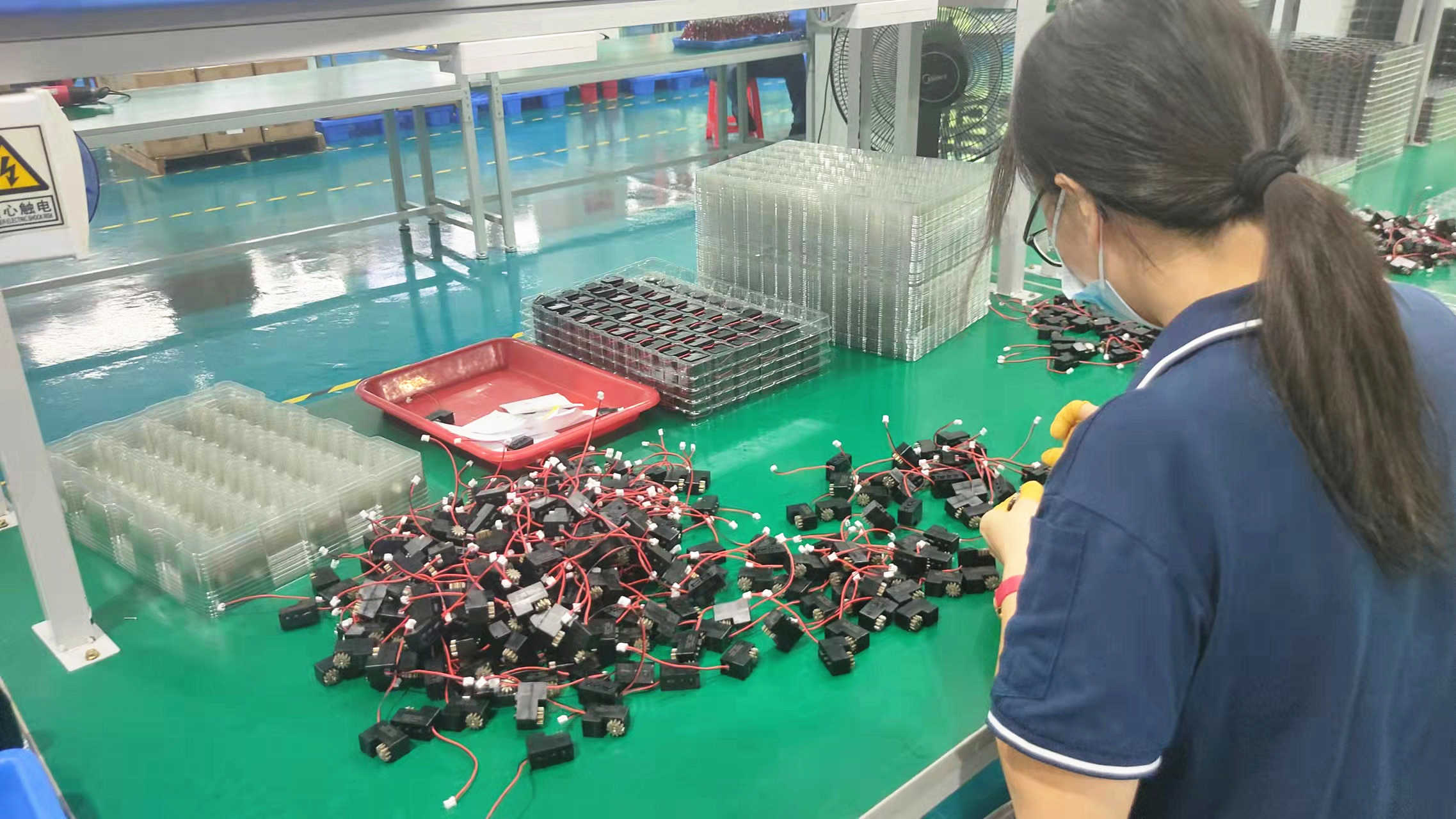
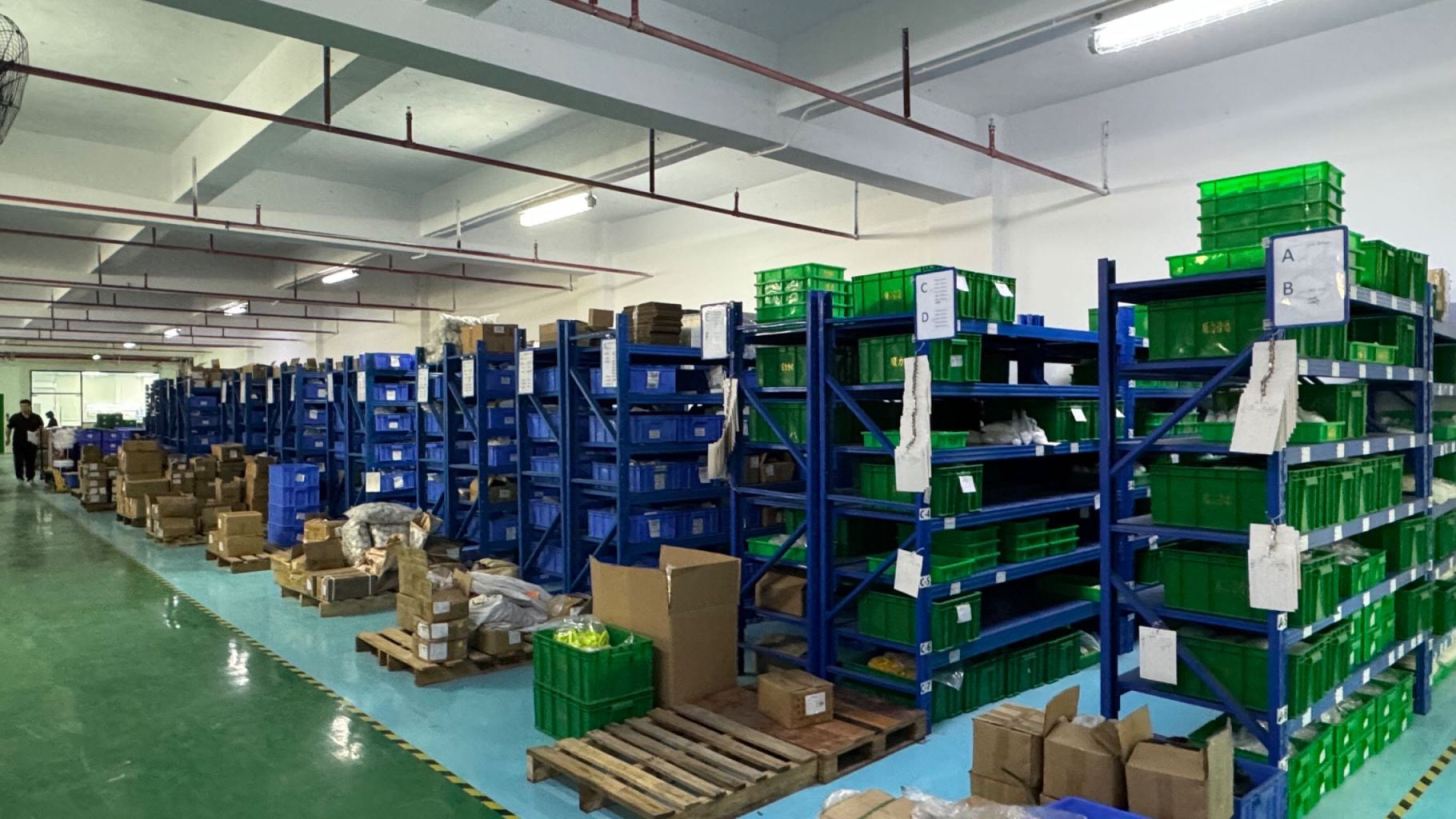
Manufacturing Infrastructure & High-Precision Machinery
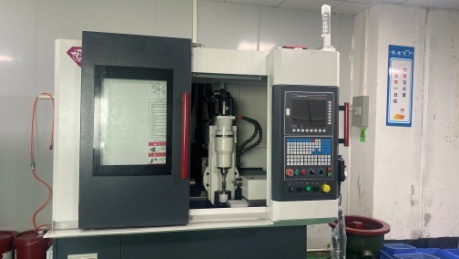
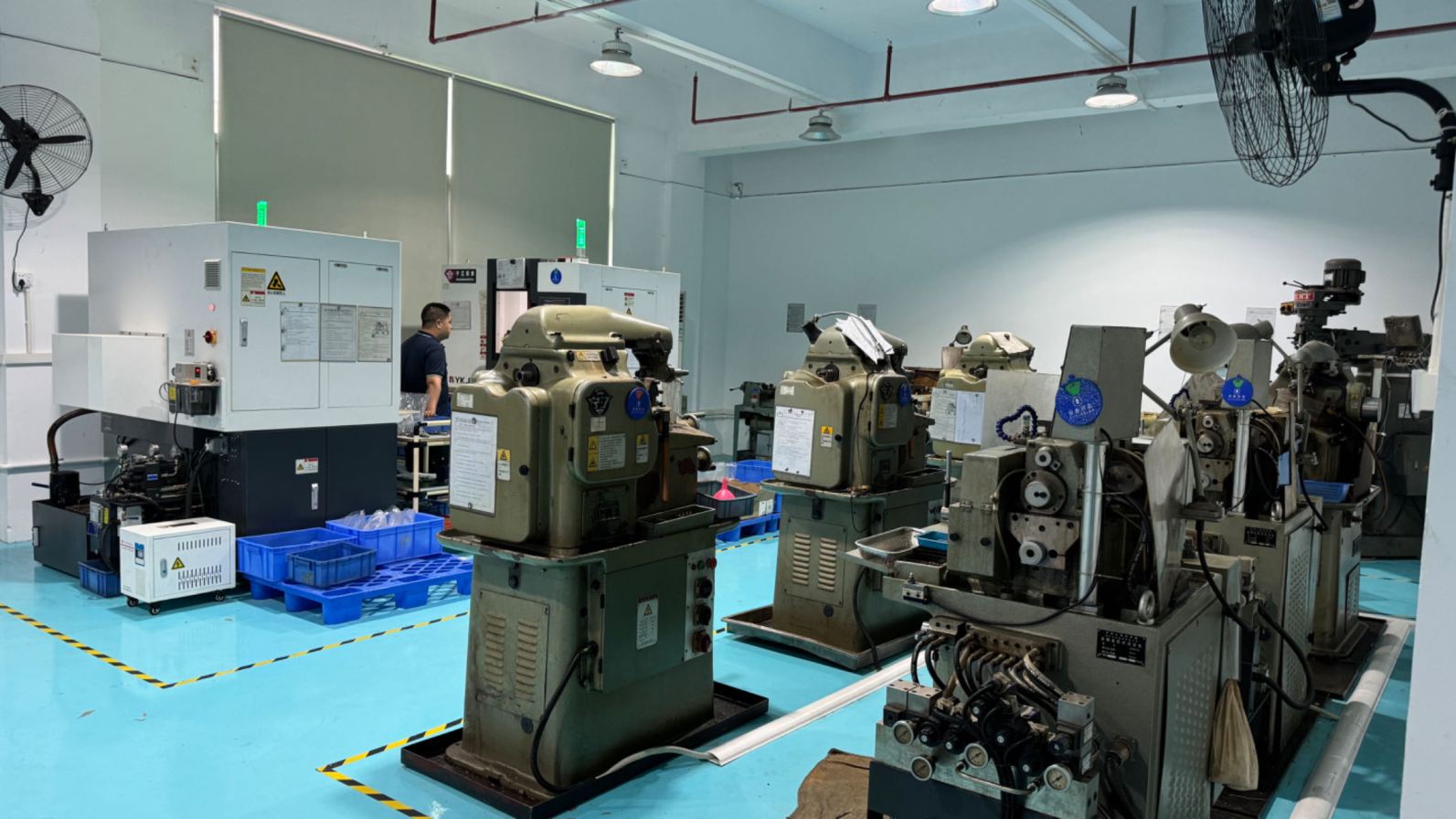
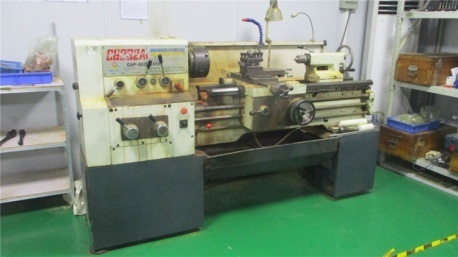
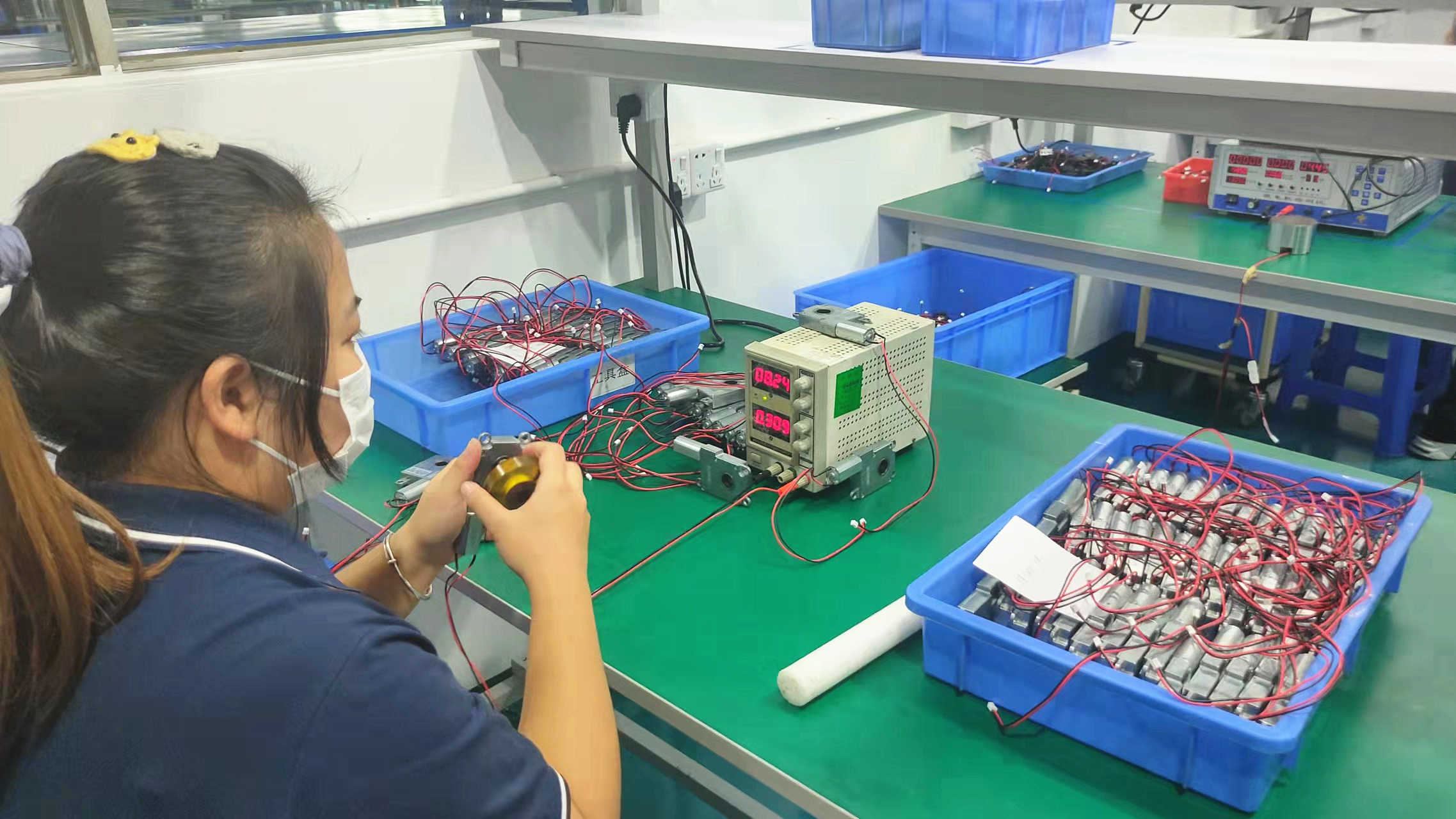
Our workshop houses high-precision CNC tooling, automatic winding systems, and advanced Swiss and Japanese machining centers.
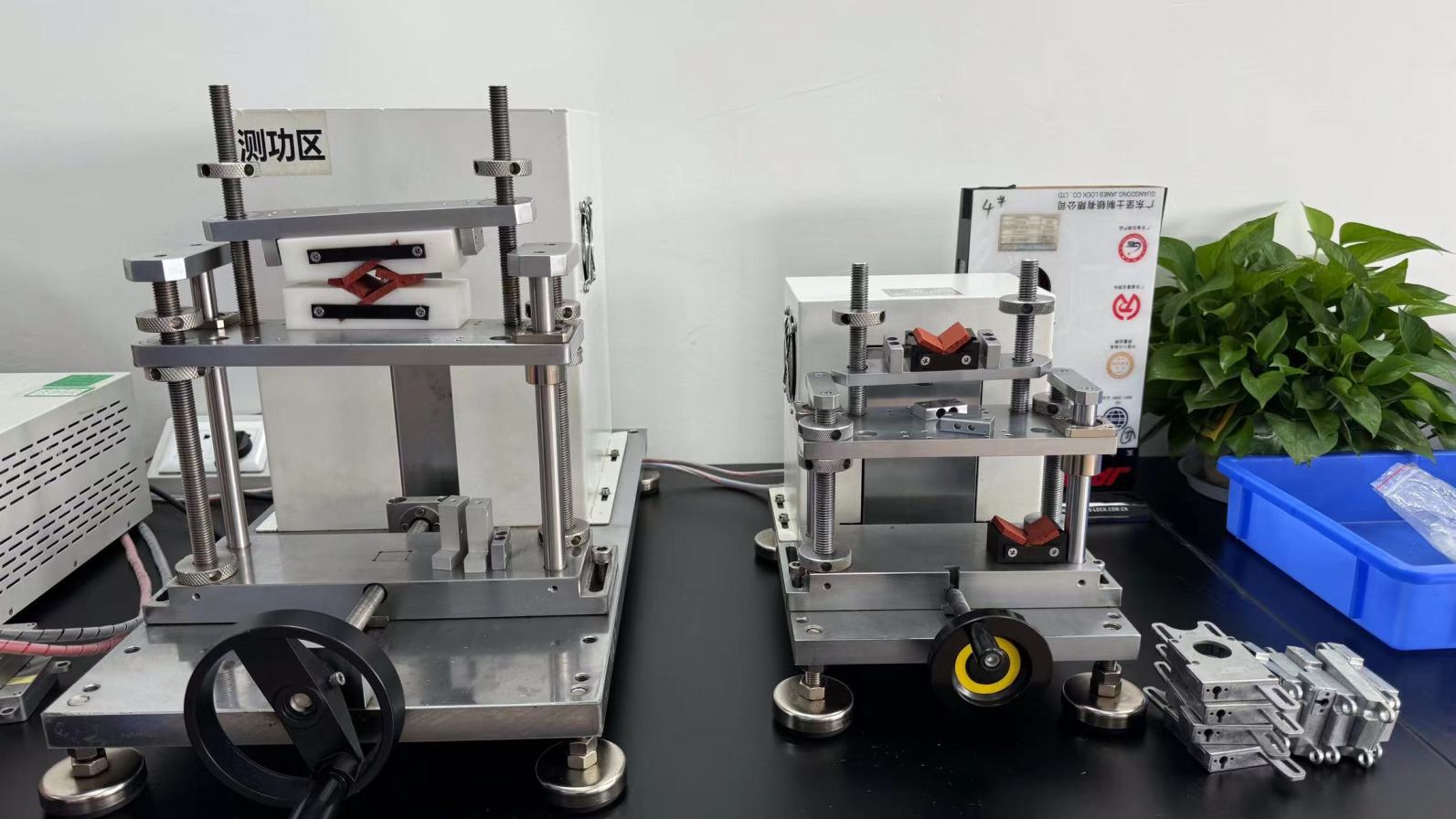
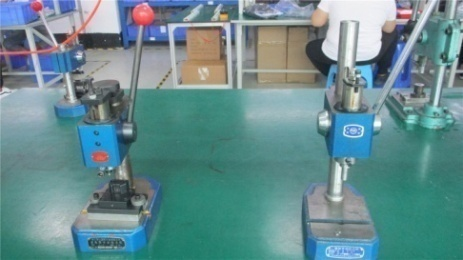
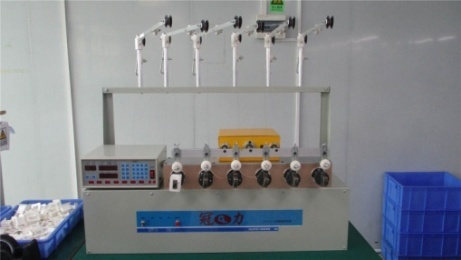
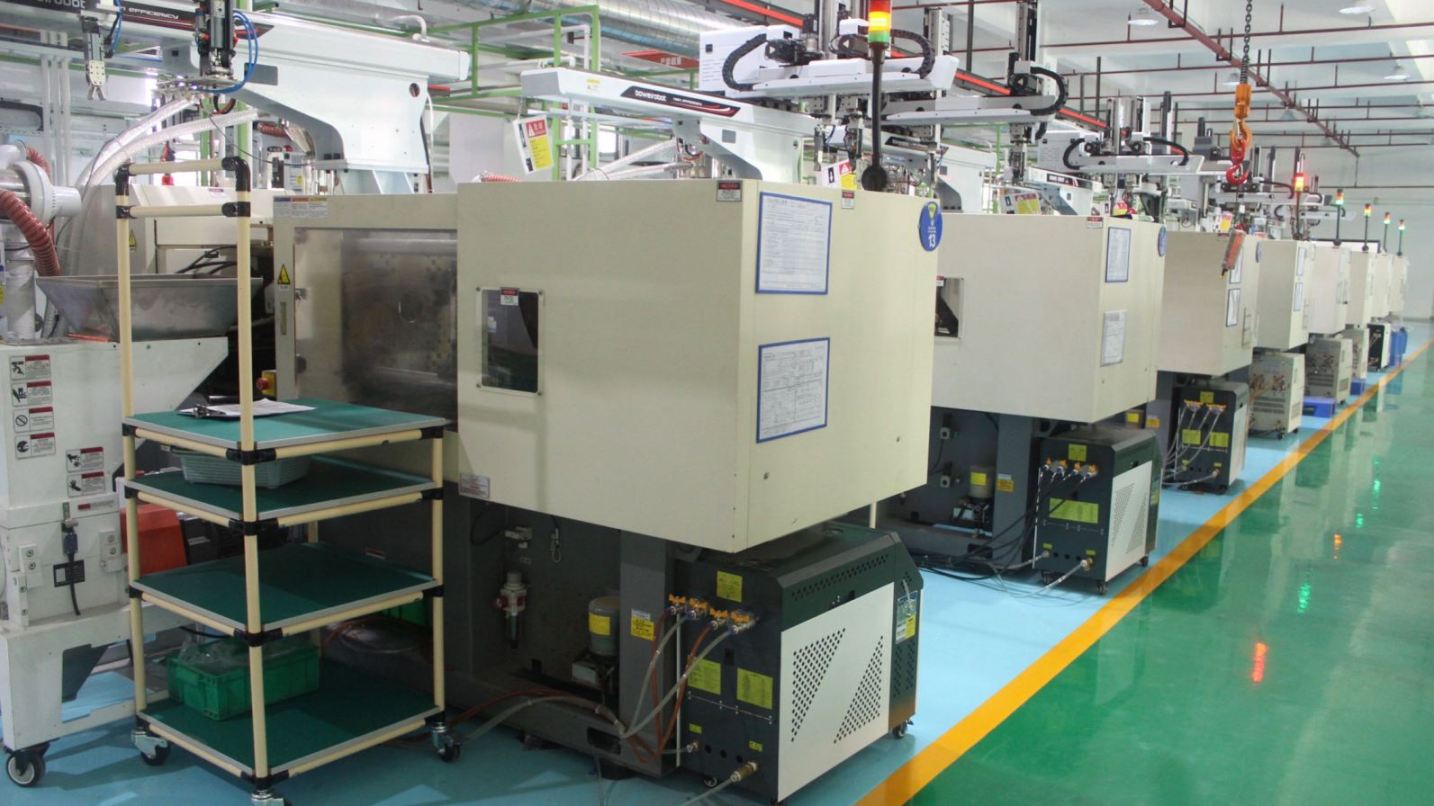
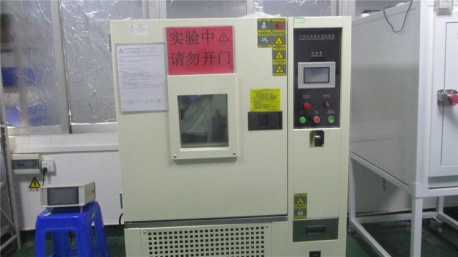
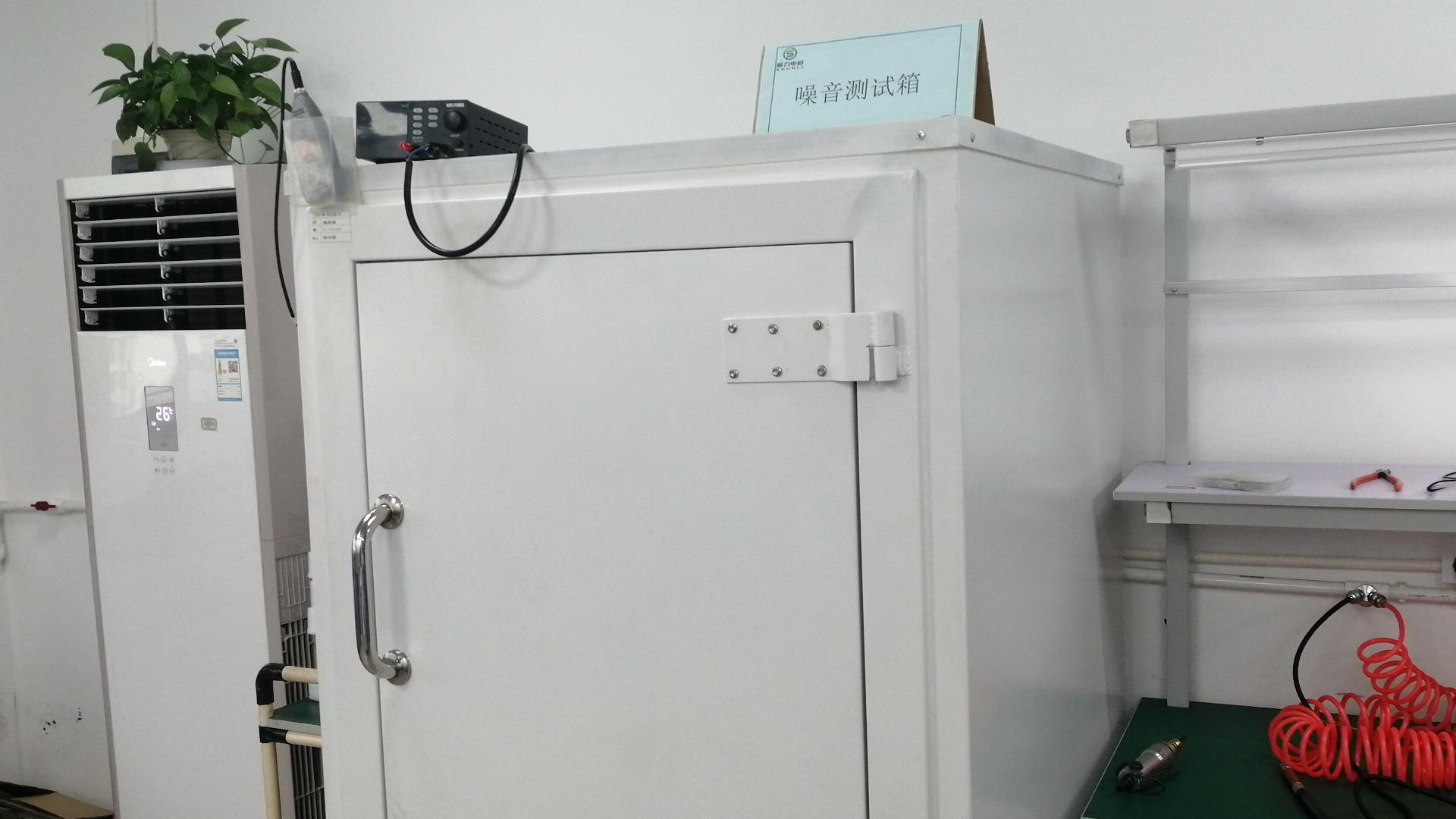
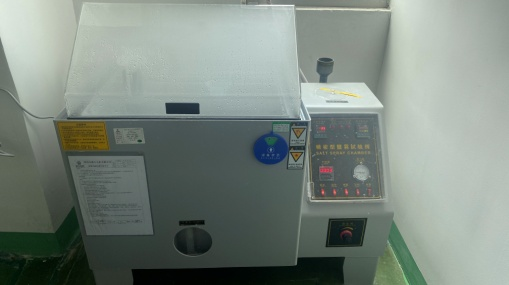
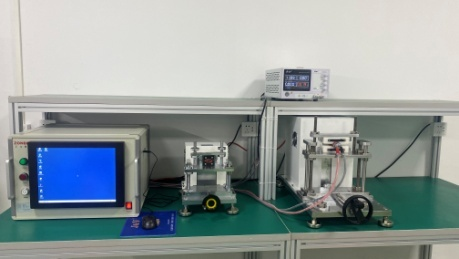
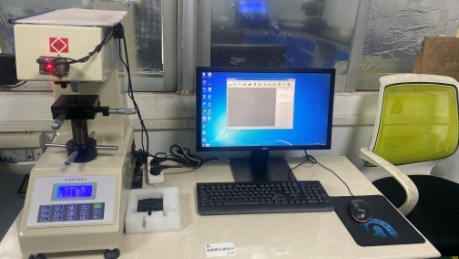
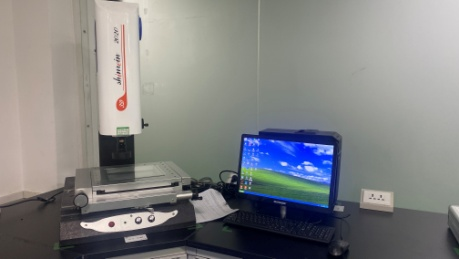
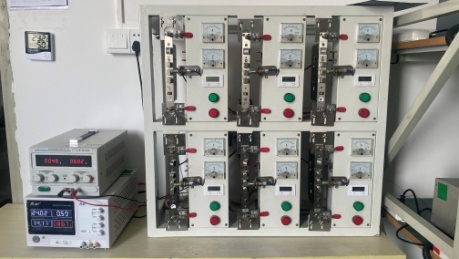
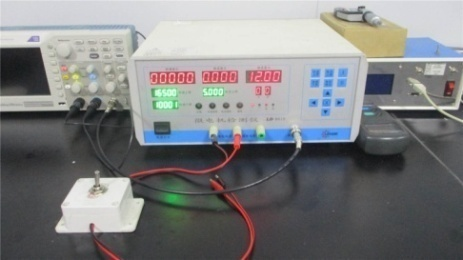
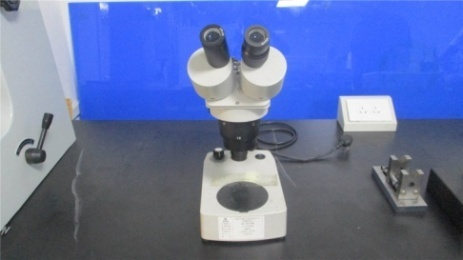
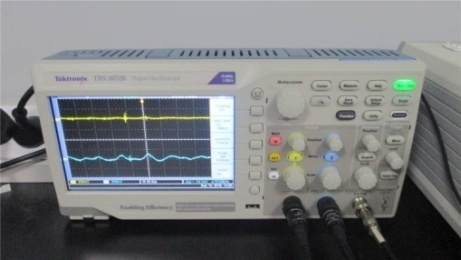
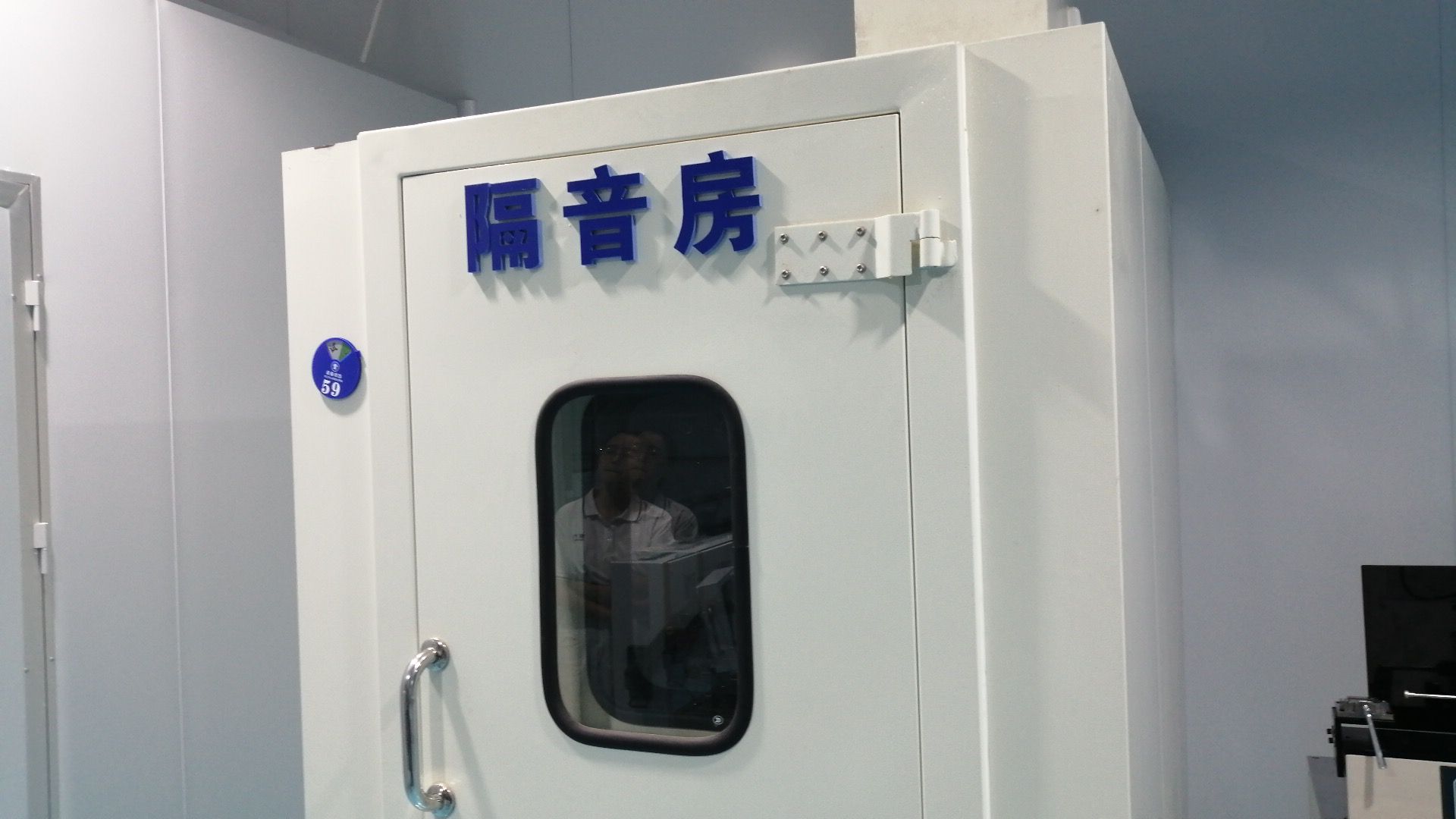
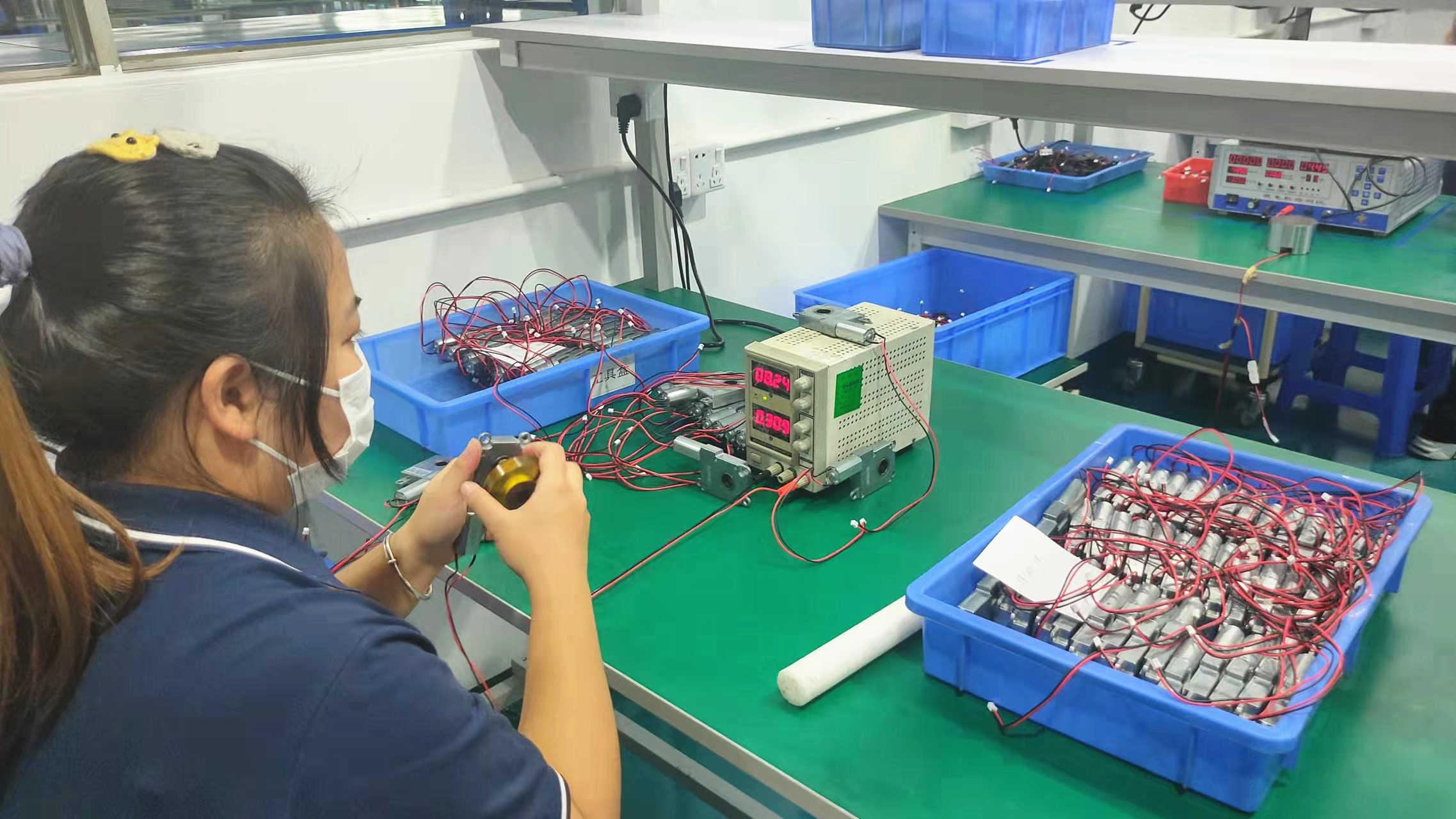
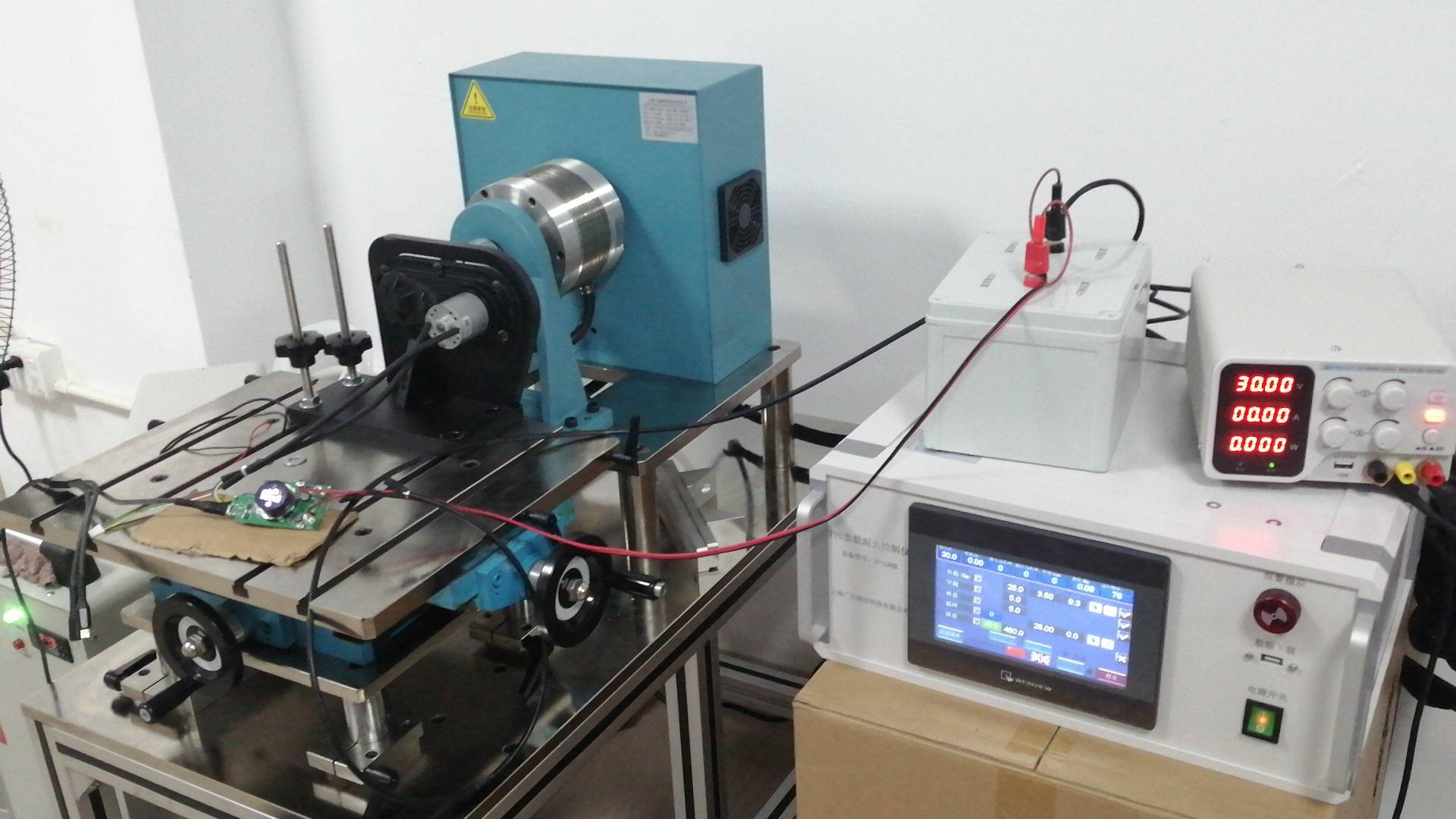
Metrology Lab & Quality Assurance Framework
A look into our validation laboratories verifying magnetic properties, dimensional tolerances, and environmental survivability.
End-to-End Processing Workflow
From metallurgical verification to final delivery logistics, transparency is embedded in every manufacturing layer.

2025-2030 Technical Roadmap for Robust Motor Stators
The transition toward highly integrated, high-speed motor topologies requires stator development to adapt on three fronts: additive manufacturing core patterns, specialized insulation coatings, and automated assembly integrations.
Additive Core Manufacturing: Conventional laminations face physical limits when handling customized 3D flux directions in axial flux motors. Intertek's development path incorporates Soft Magnetic Composite (SMC) materials, allowing isotropic magnetic properties and reducing complex tooling requirements.
High-Performance Polyimide Winding Insulation: Moving from standard Class F towards Class N (200°C) allows motors to safely sustain thermal spikes during high overload cycles. This transition protects the stator winding insulation from early breakdown, significantly extending the lifespan of precision industrial drives.
Global Supply Chain & Regulatory Compliance
Ensuring cross-border compliance, chemical safety, and international quality standards for reliable global integration.
CE & UL Standards
Our stator assemblies and drives conform to UL 1004 standards for electric motors. We ensure that creepage distances, dielectric strength tests, and ground path connections exceed global requirements.
RoHS & REACH Compliance
Environmental compatibility is fundamental. Our laminations, magnet wires, coatings, slot liners, and lead connections are certified free of toxic materials, meeting European REACH and RoHS directives.
Custom OEM Partnerships
We provide comprehensive engineering services, from initial magnetic simulations (using Finite Element Method Magnetics) to custom lead wire harnesses and custom mounting flanges for direct integration into your end systems.
Frequently Asked Questions (FAQ)
Technical guidance and design advice for engineers and procurement specialists sourcing high-reliability motor stators.
Explore Our Specialized Micro-Drive Configurations
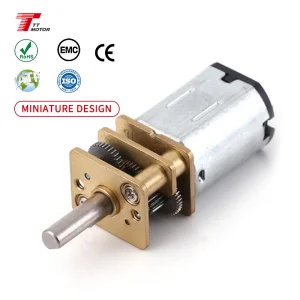
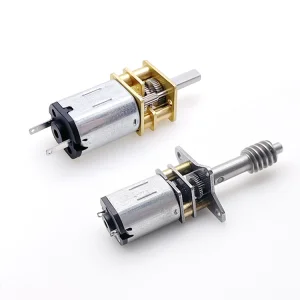
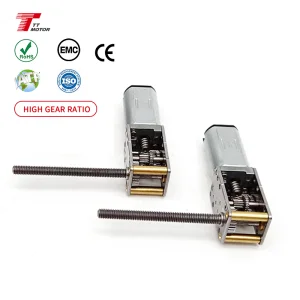
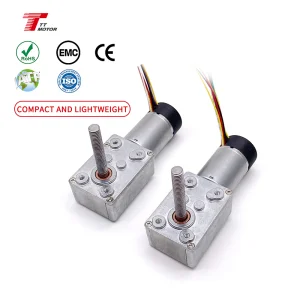
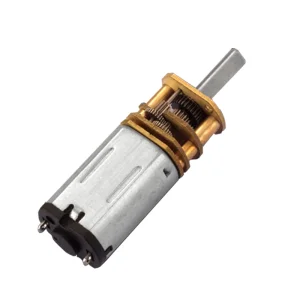
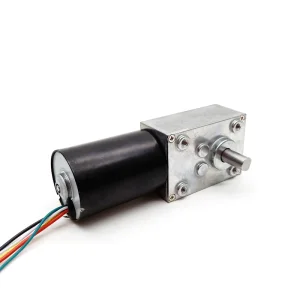
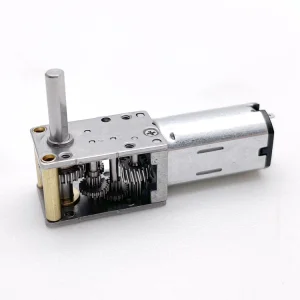
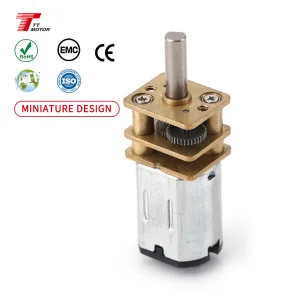
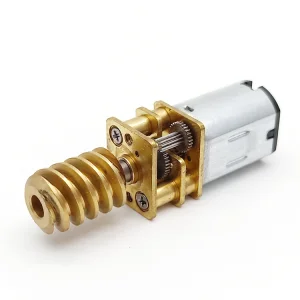
Select from our array of micro-planetary gearmotors, low-speed worm gear reducers, and high-performance brushless actuators.