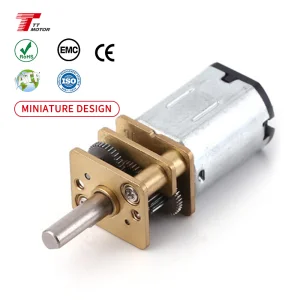
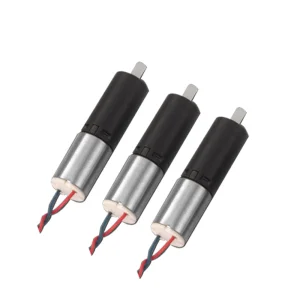
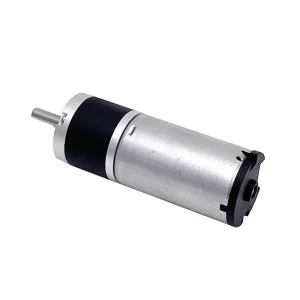
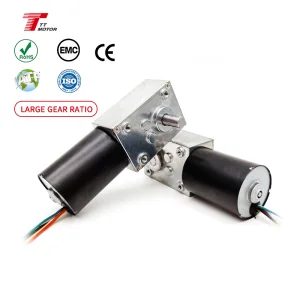
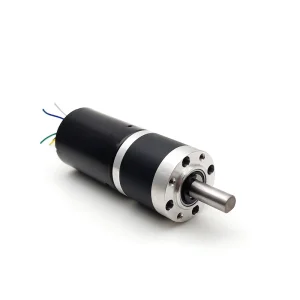
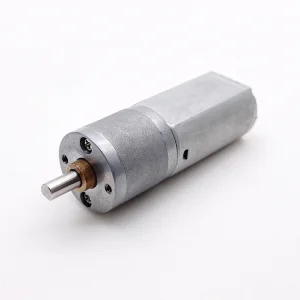
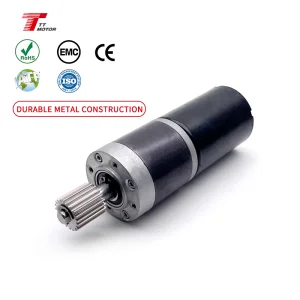
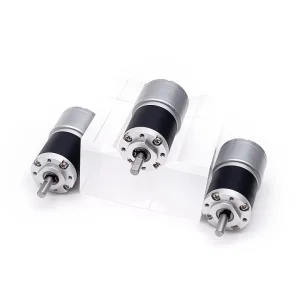
Engineered for long lifespan, dynamic performance, and thermal resilience under constant operation.
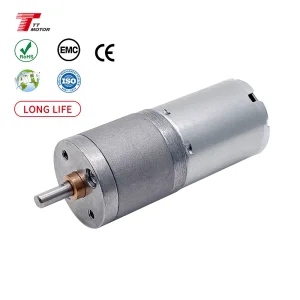
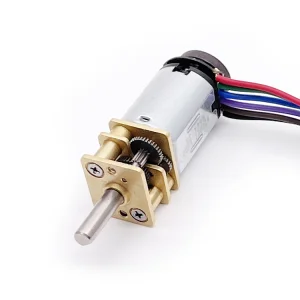
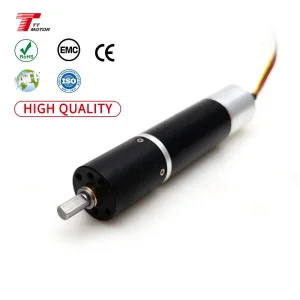
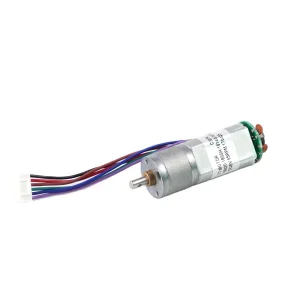
Understanding S1 Continuous Duty Classifications in High-Demand Systems
In modern motion control engineering, the distinction between standard intermittent power transmission and continuous duty performance (IEC S1 Duty Cycle) defines the reliability and lifetime of industrial applications. A continuous duty motor is engineered to run indefinitely at its rated load without exceeding its safe thermal equilibrium limit. While intermittent (S2 to S8) duty cycles rely on cooling intervals to dissipate heat, S1 continuous-run systems must manage thermal dissipation in real-time, relying on superior materials, optimized stator geometry, and low internal electrical resistance.
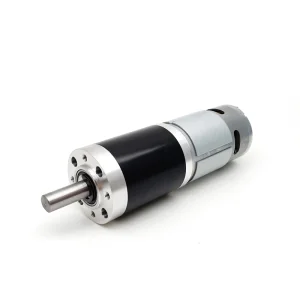
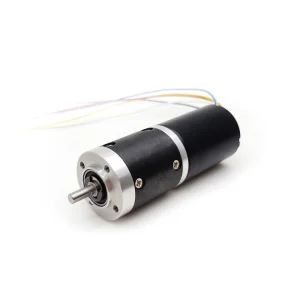
Whether it is a planetary brushless DC (BLDC) motor driving a high-capacity medical syringe pump, or a heavy-duty actuator powering automation equipment, selecting the appropriate continuous duty manufacturer requires auditing their core engineering competencies. Industrial designers must assess dynamic thermal stability, magnetic circuit efficiency (utilizing grade NdFeB magnets), and commutation longevity to ensure system down-times are reduced to near-zero metrics.
Strategic Matrix: Key Factors Defining Premium Continuous Duty Motors
A premium continuous duty motor is more than just a set of copper coils and magnets. Dynamic thermal dissipation is critical. The rate of heat generated through I²R loss must match the rate of heat dissipation. Premium exporters use high-grade silicon steel laminations and advanced structural casings to maximize surface area cooling.
Advanced Coreless Winding Tech
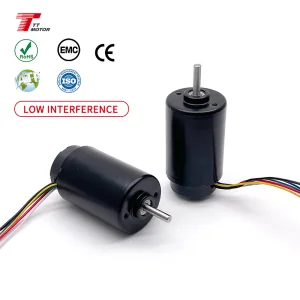
Eliminates cogging torque and iron losses, providing extremely smooth rotation, high efficiency, and minimal thermal build-up during long-duration operations.
Precision Planetary Gearbox
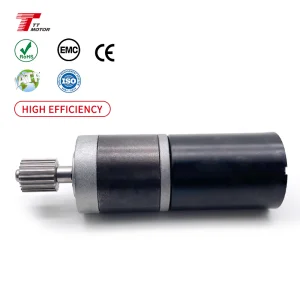
Engineered for high torque density and minimal backlash. Incorporates Swiss-style hobbing and Japanese dynamic balancing to guarantee long-term gearmesh integrity.
Magnetic Circuit Optimization
Utilizing high-coercivity NdFeB magnets ensures consistent magnetic field density under elevated operating temperatures, preventing thermal demagnetization.
Mastering the Micro-Universe: The Intertek Motor Standard
At Intertek Motor, we measure our success in micrometers and decibels. We understand that inside a premium robotic joint, a medical dosing pump, or a high-end smart lock, space is the ultimate luxury. Our mission is to pack maximum torque, unyielding durability, and near-silent acoustics into the most compact footprints imaginable.
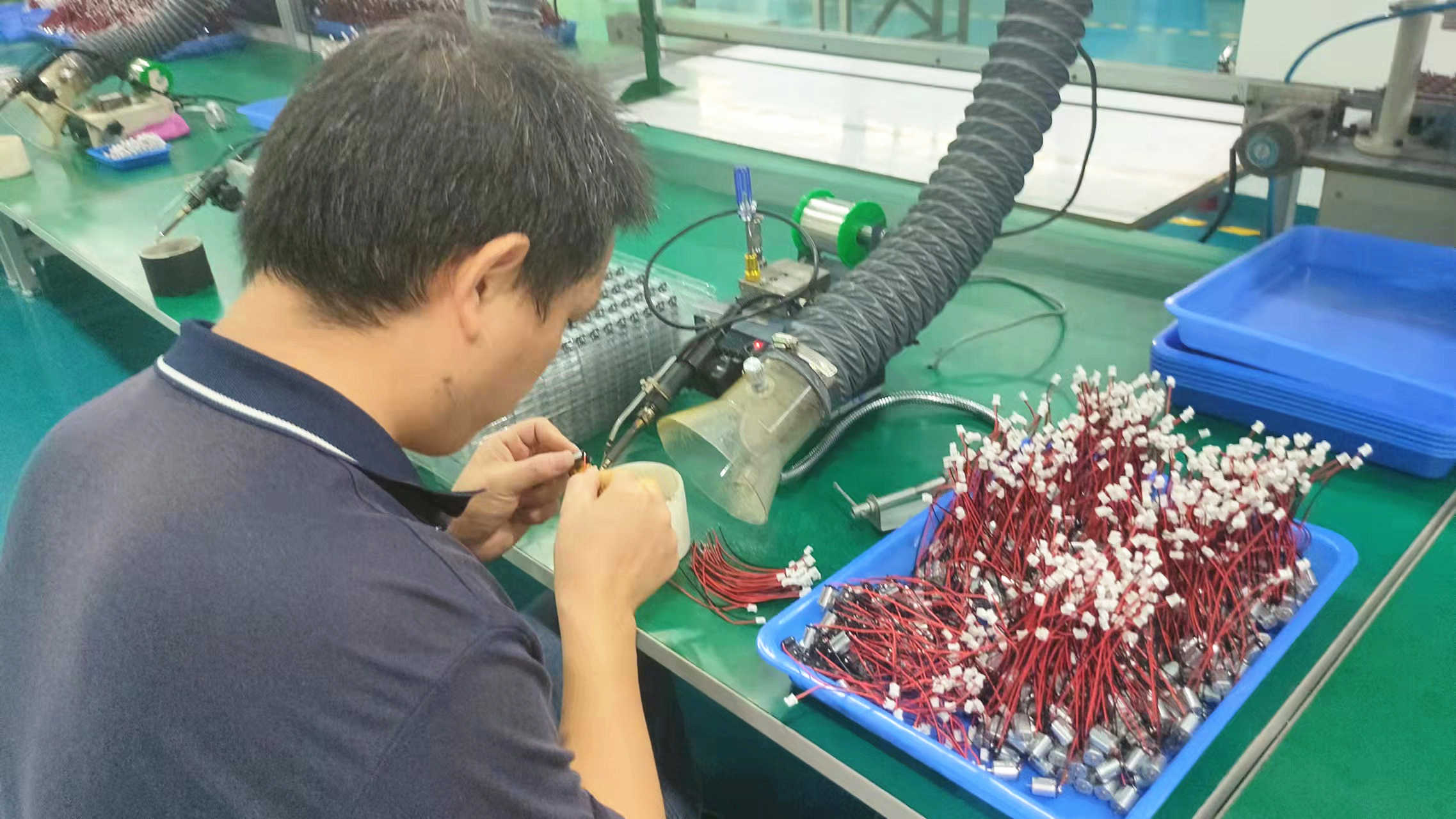
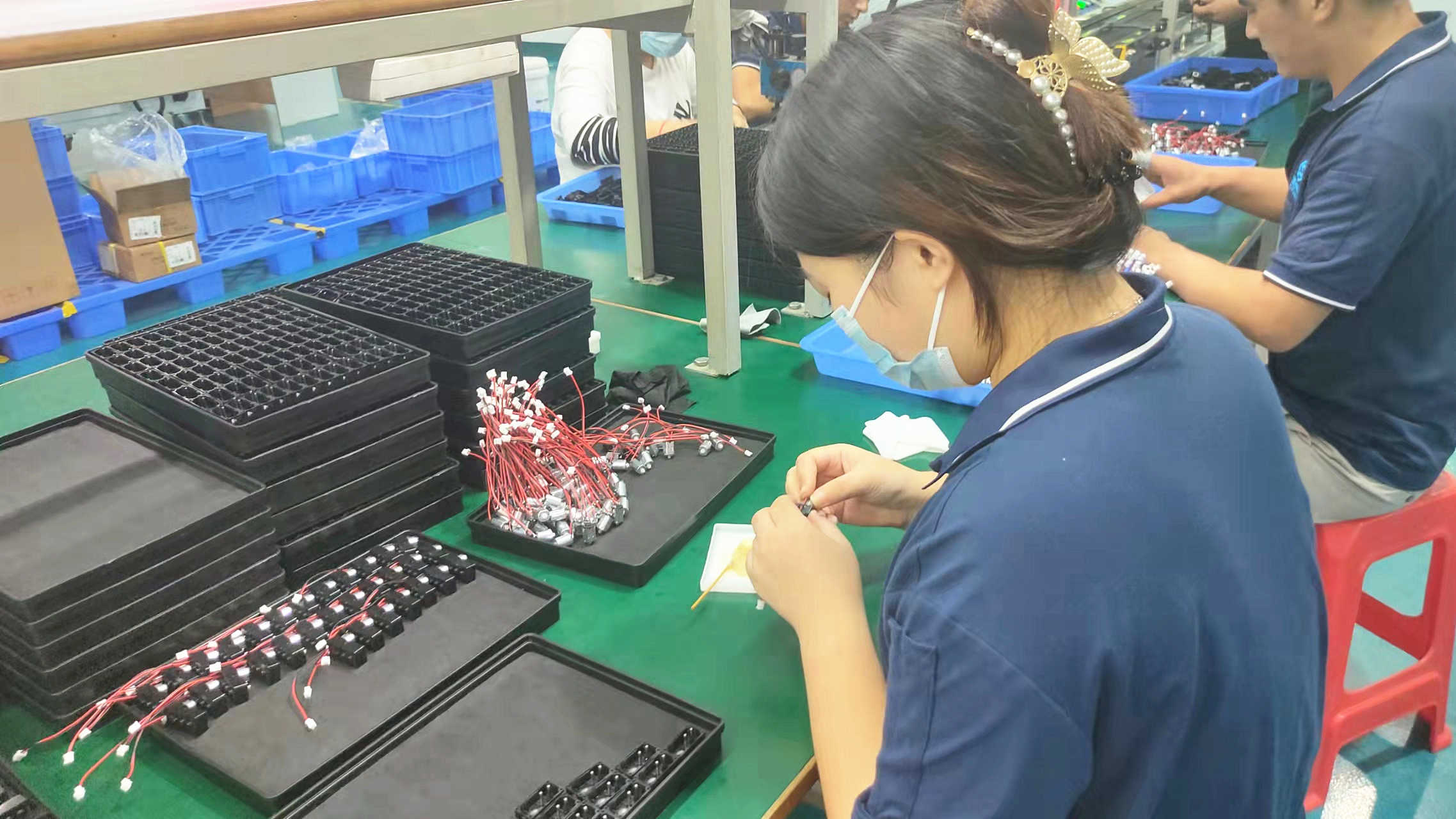
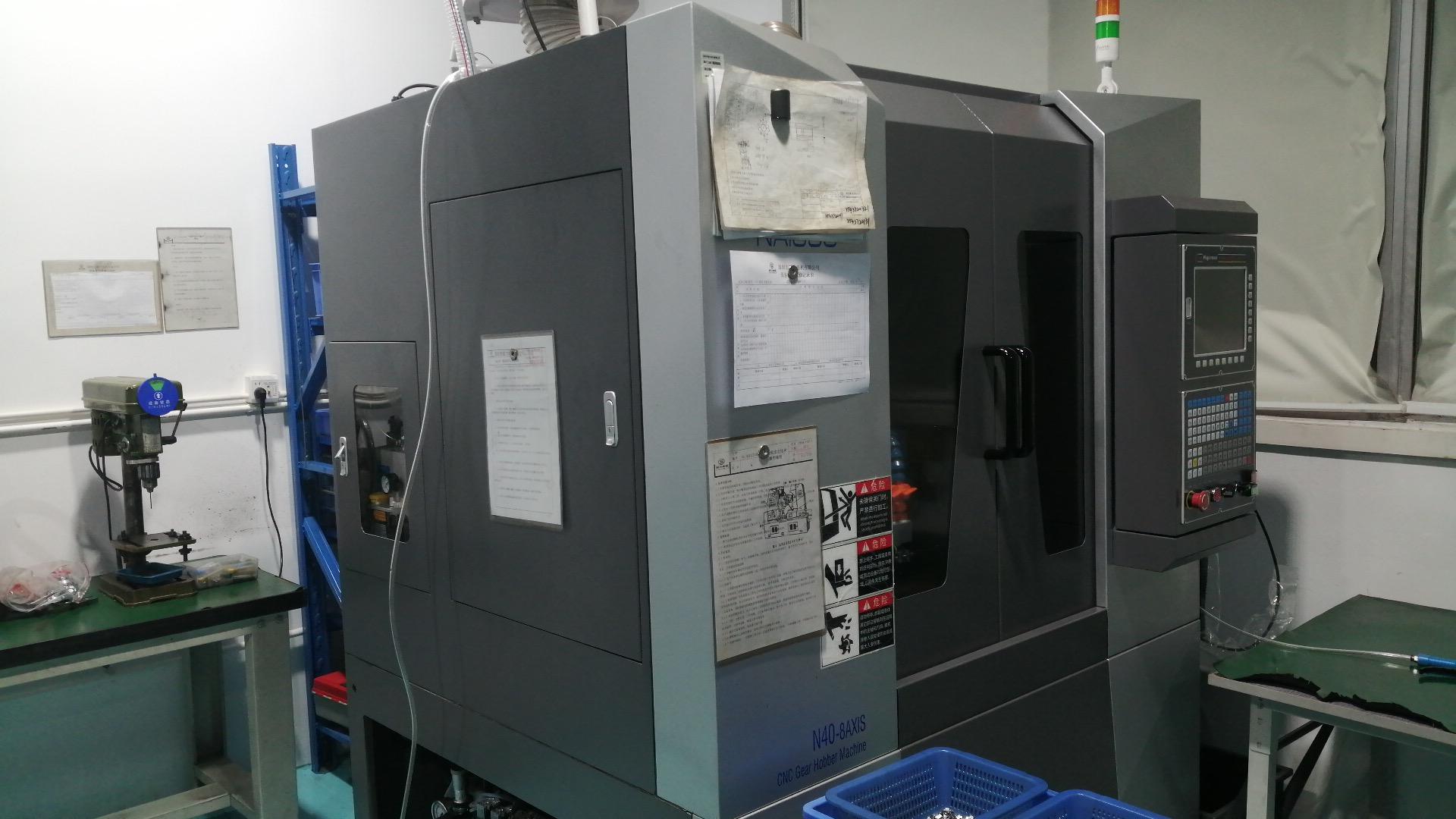
Our expertise lies in the harmony of miniature engineering. From precision-wound rotors and high-purity copper commutators to custom-designed planetary gearheads, every component inside an Intertek micro motor is optimized for low energy consumption and a friction-free lifespan. We constantly push the limits of micro-drive tech, utilizing advanced automated Swiss-style hobbing and Japanese dynamic balancing to ensure that our internal gear trains operate with zero-backlash precision. When the integrity of your high-tech device hangs on repeated mechanical perfection, Intertek Motor delivers the silent power that anchors your design.
Unlocking Value: The Strategic Advantages of China's Micro-Motor Manufacturing Ecosystem
For international sourcing directors, partnering with top-tier Chinese motor manufacturers offers competitive advantages that extend far beyond labor costs. Today, the Pearl River Delta and Yangtze River Delta regions represent the world's most integrated and technically advanced precision motor supply chains. This provides several direct advantages:
Raw Material Access
China refines over 80% of global rare-earth metals. Manufacturers have direct access to high-grade NdFeB magnets, ensuring stable prices and premium-grade materials.
Advanced R&D Scaling
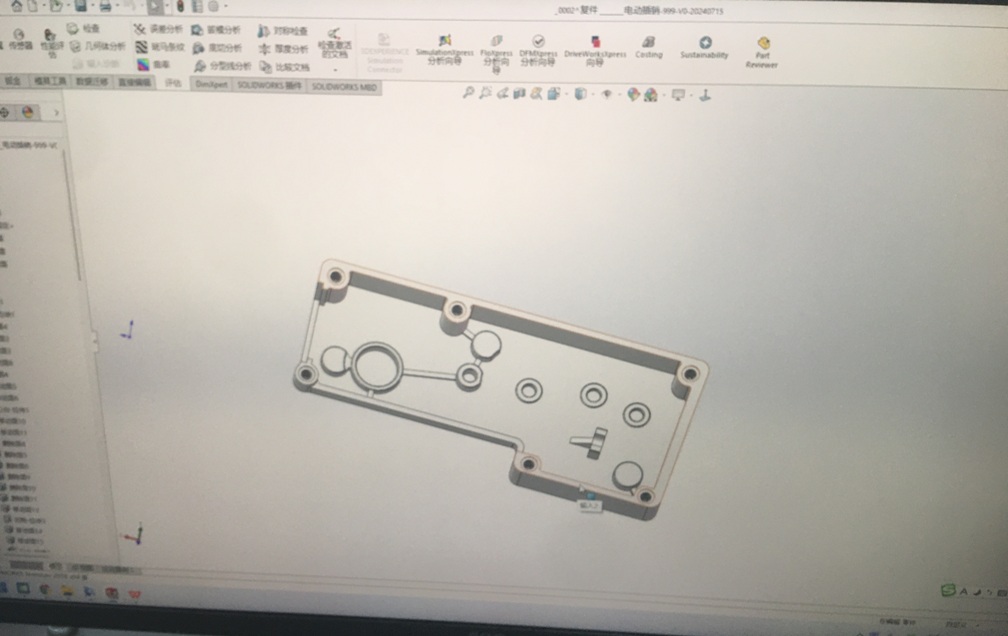
Rapid prototyping cycles allow custom electromagnetic and mechanical iterations to move from CAD design to physical testing in weeks instead of months.
Rigorous Quality Integration
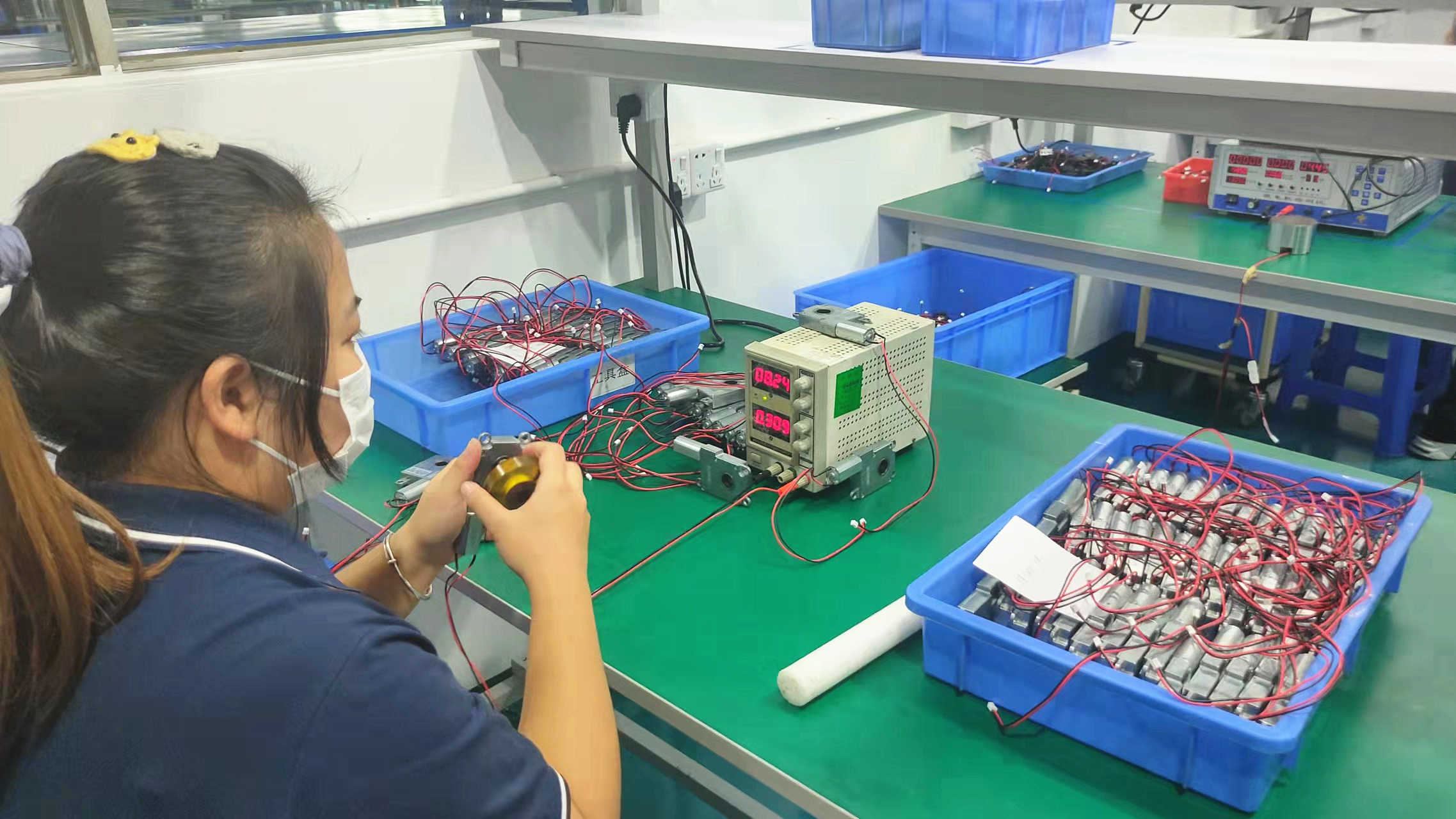
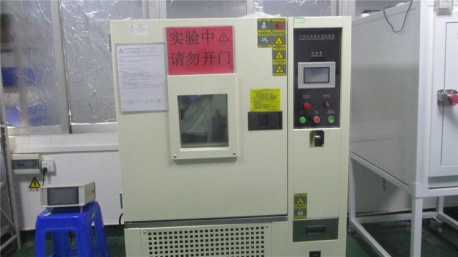
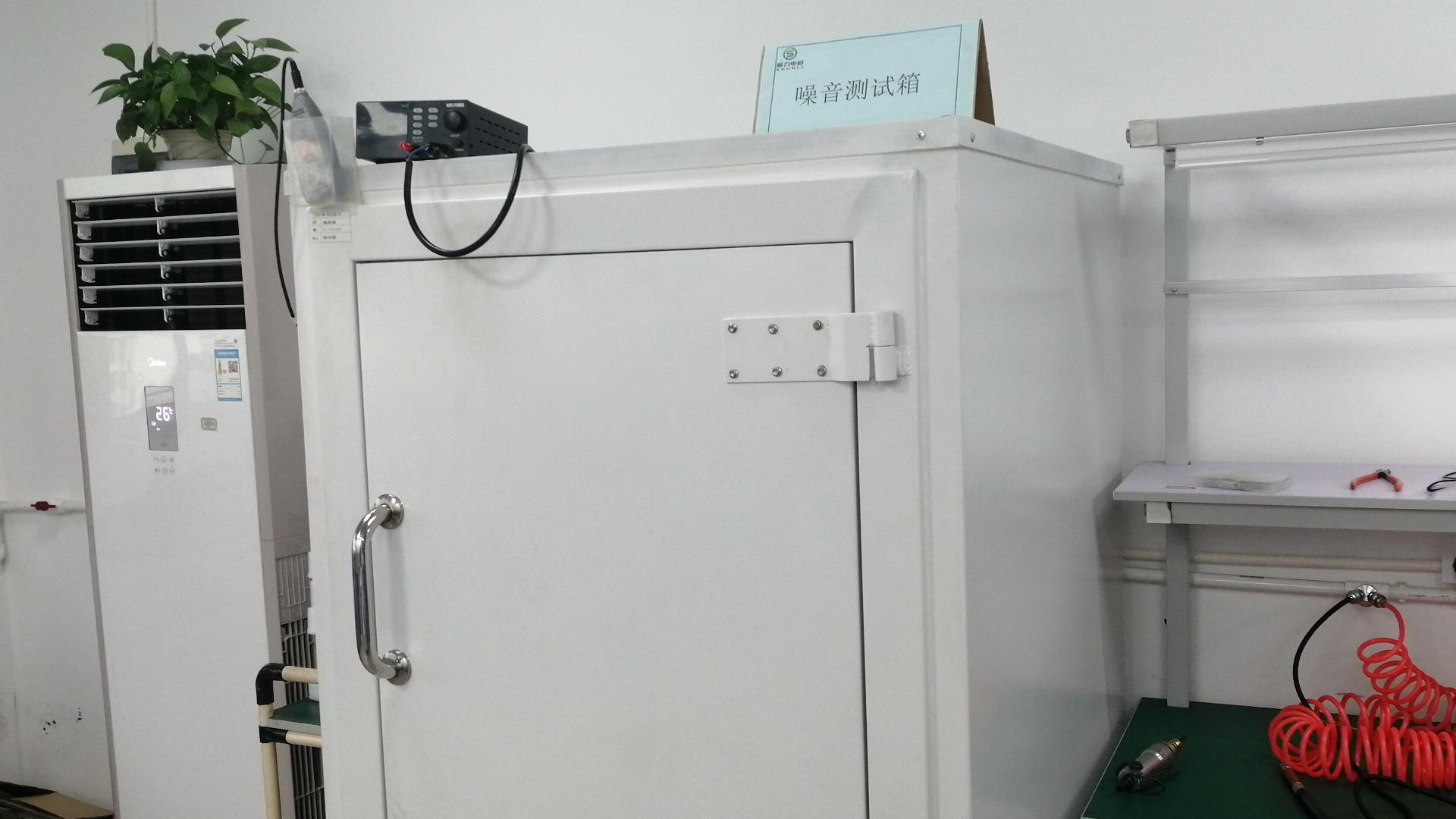
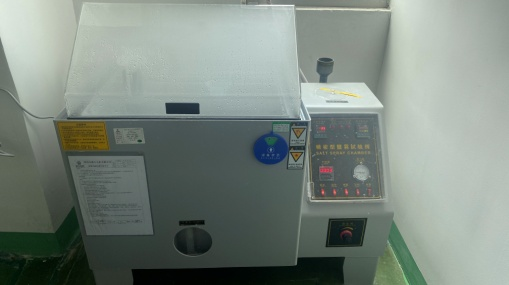
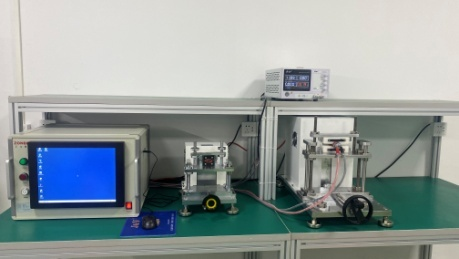
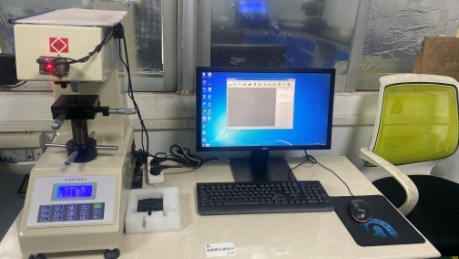
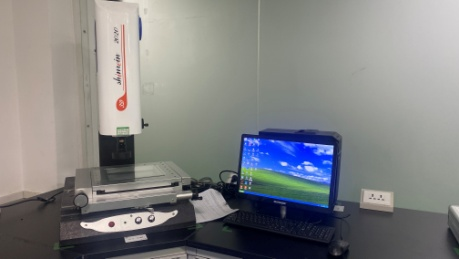
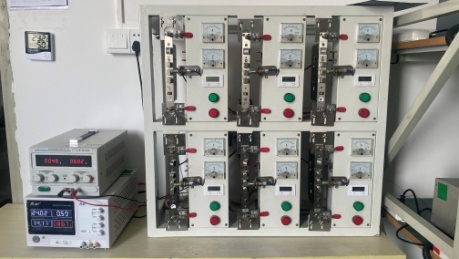
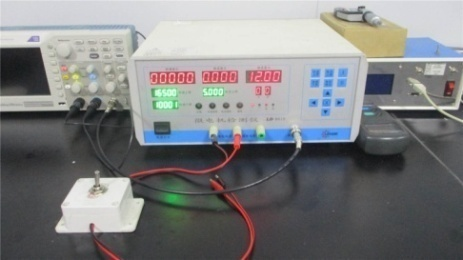
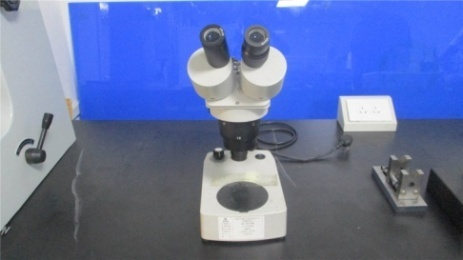
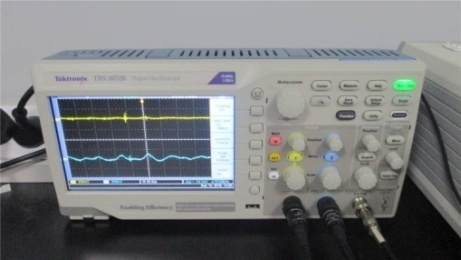
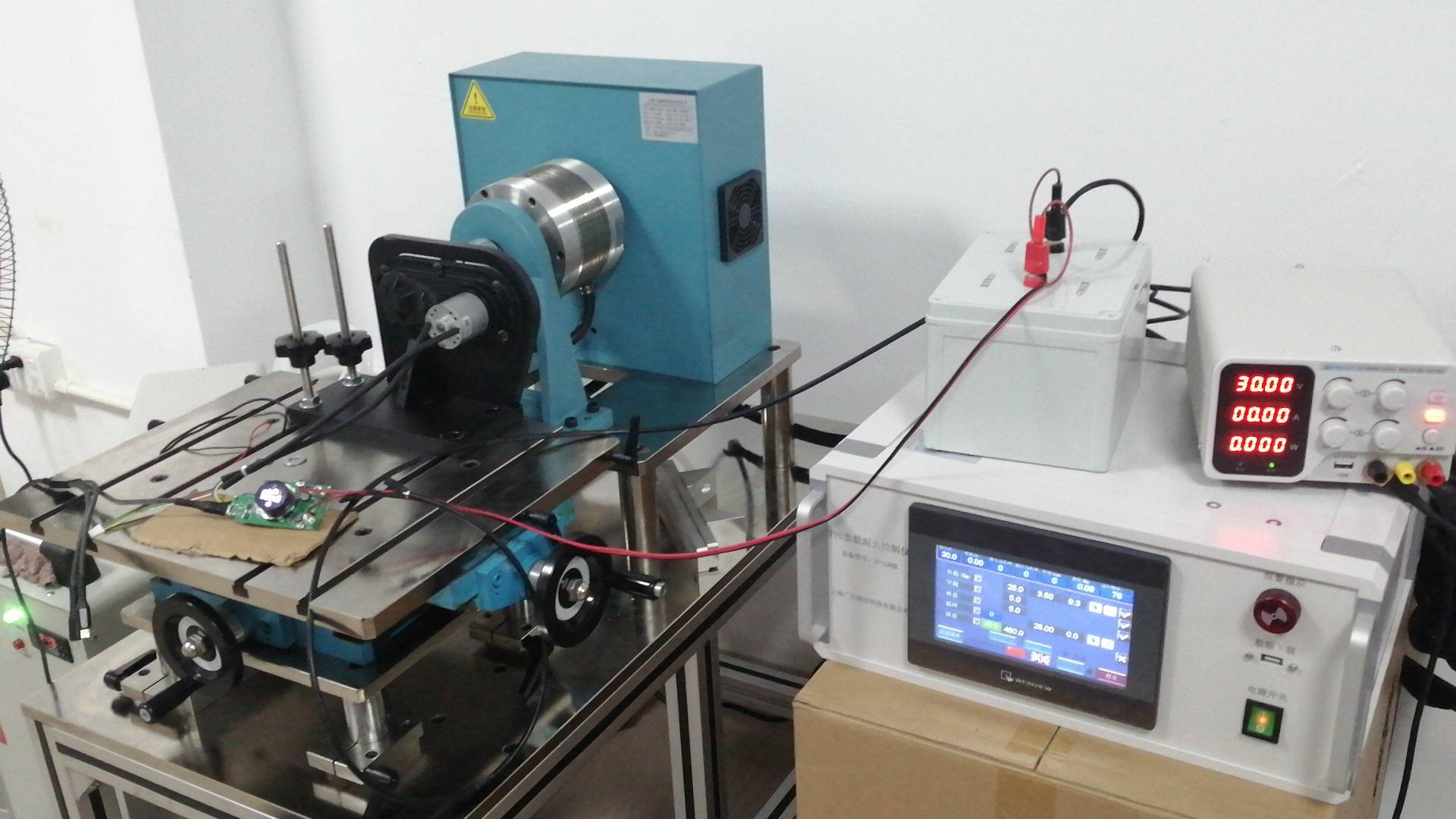
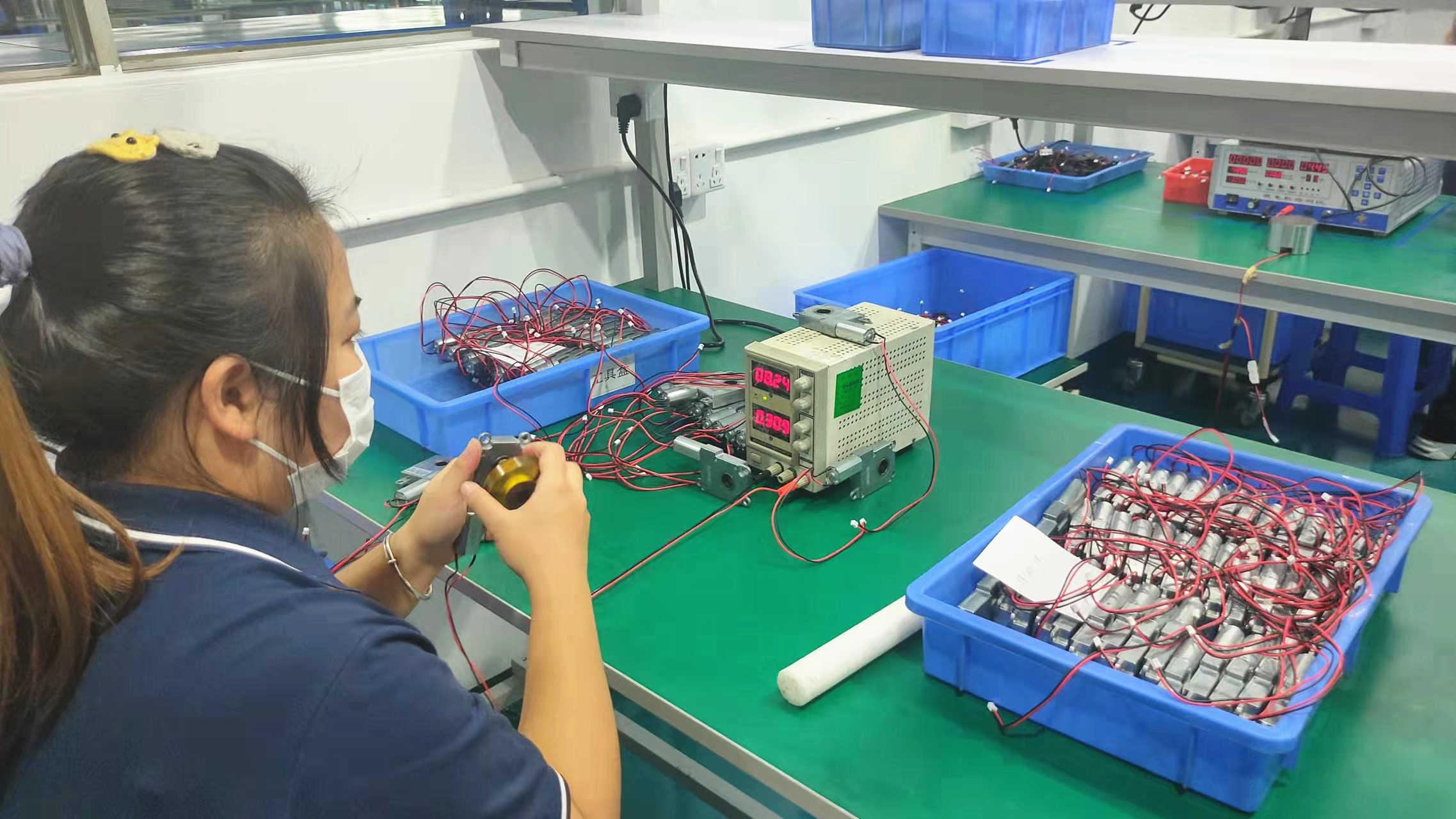
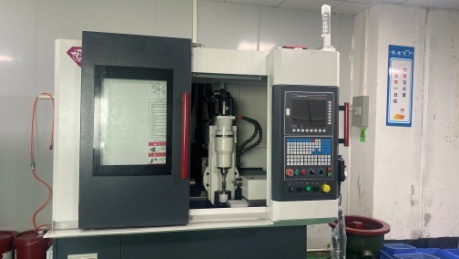
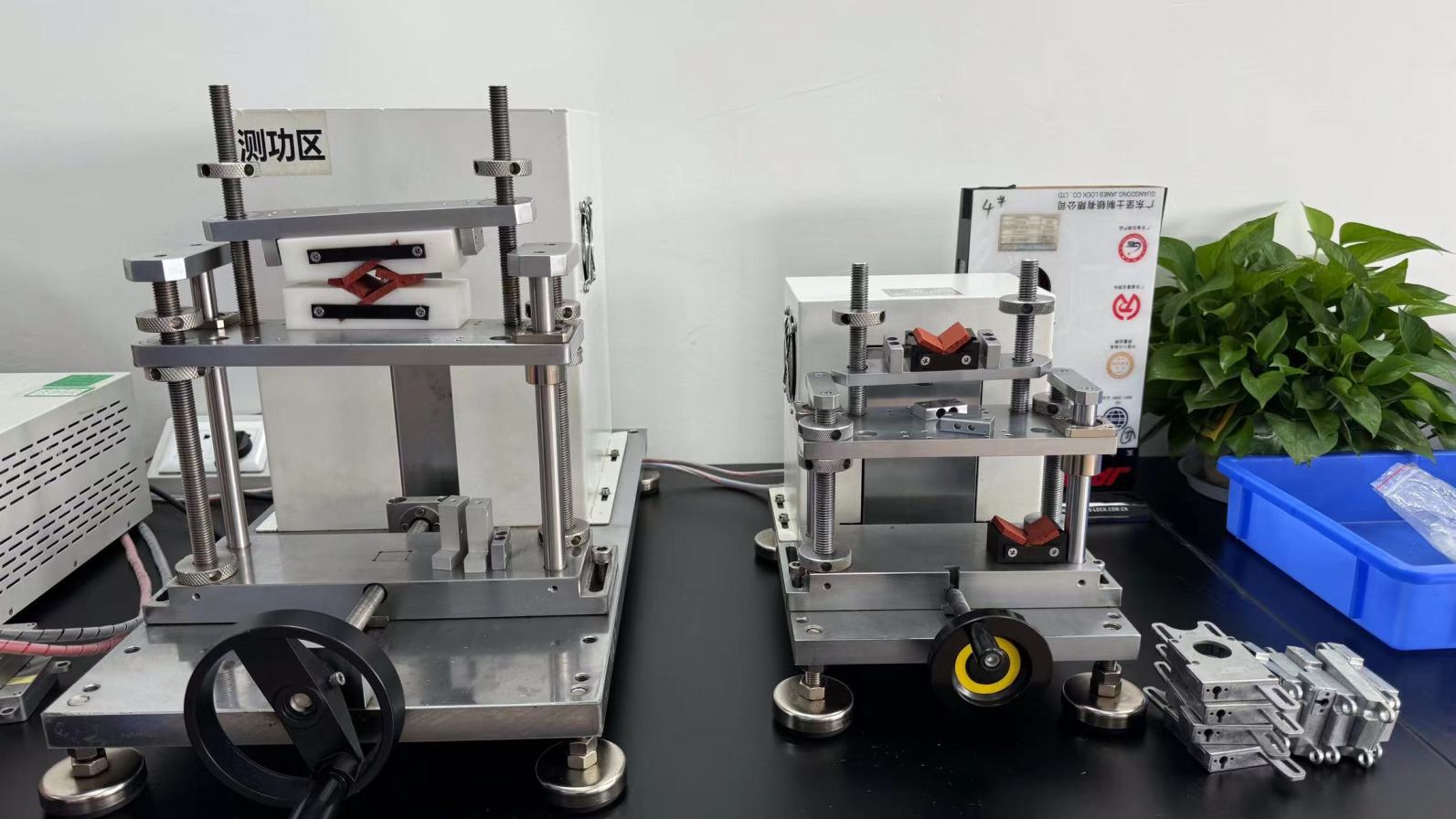
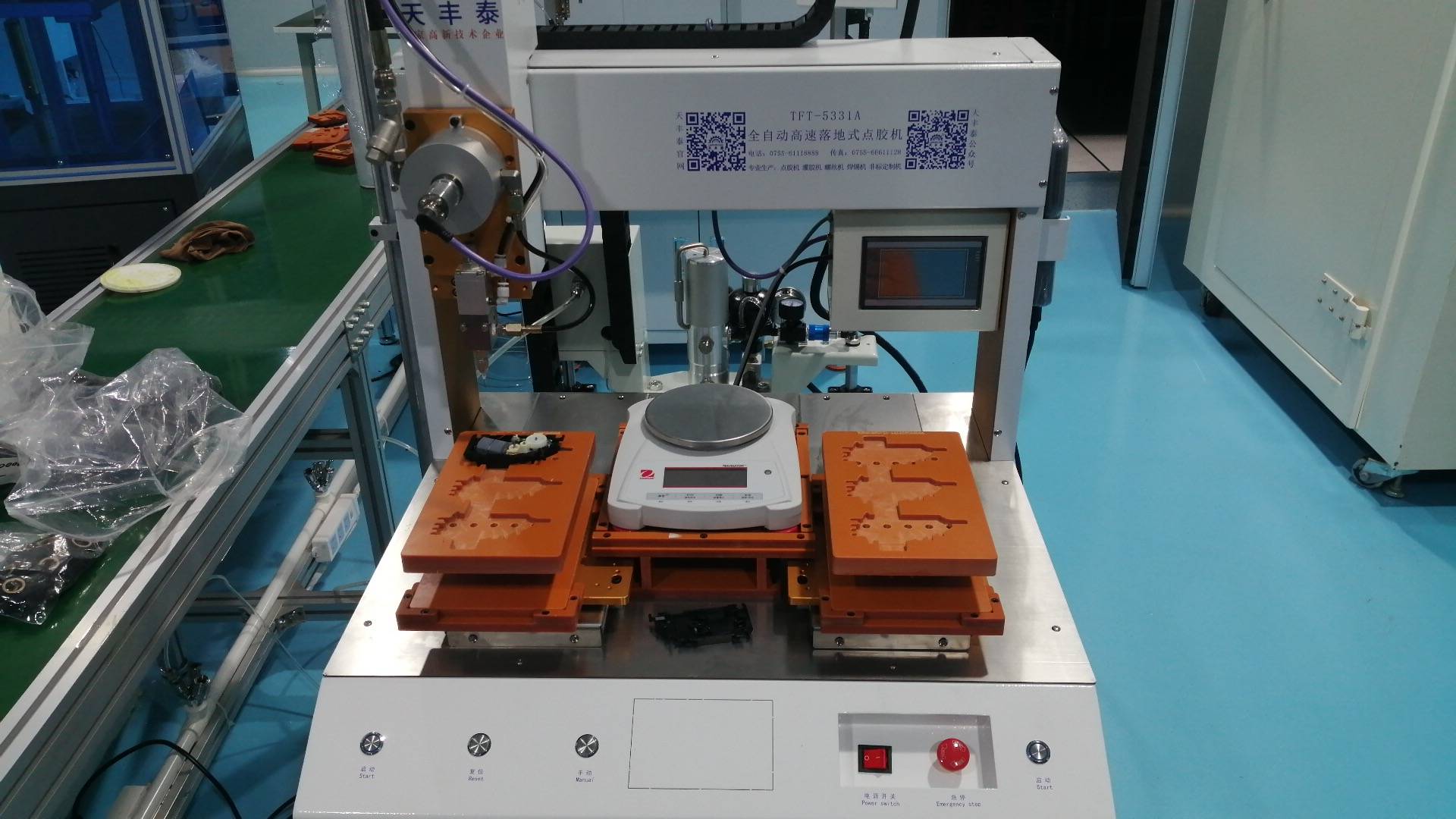
Equipped with state-of-the-art diagnostic machinery—from dynamic testing systems to microscopic coordinate measuring machines—to meet strict RoHS and CE guidelines.
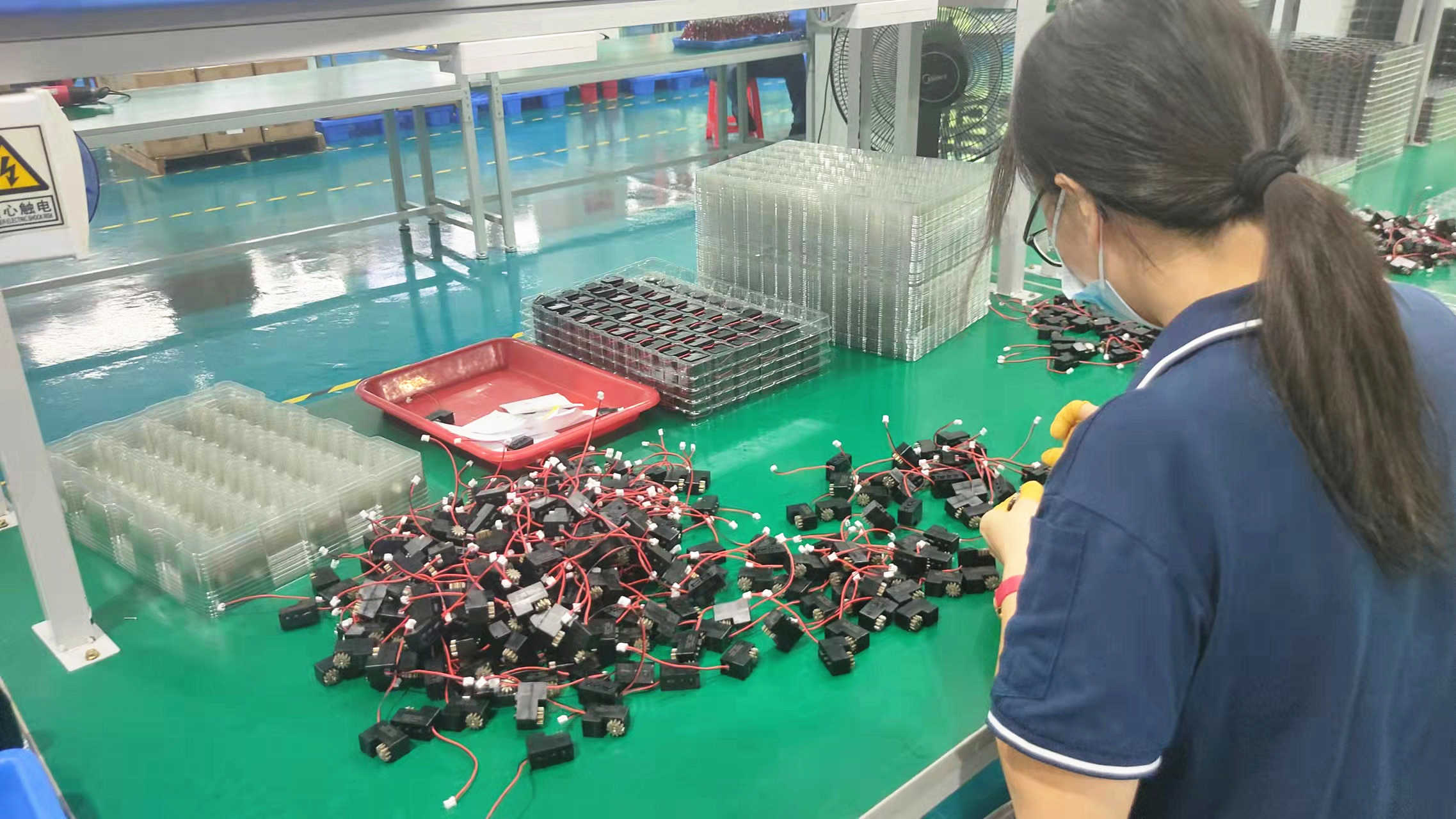
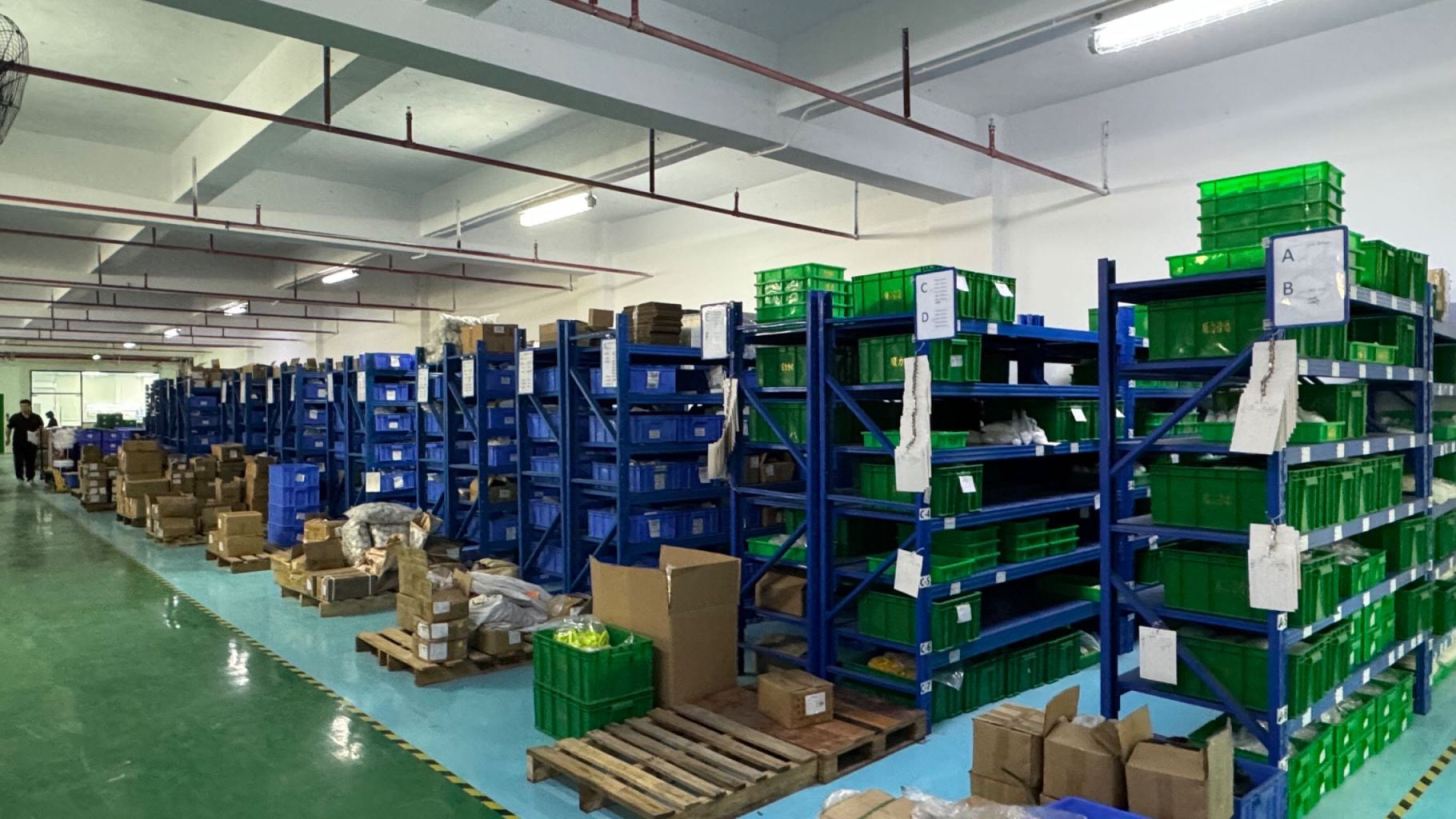
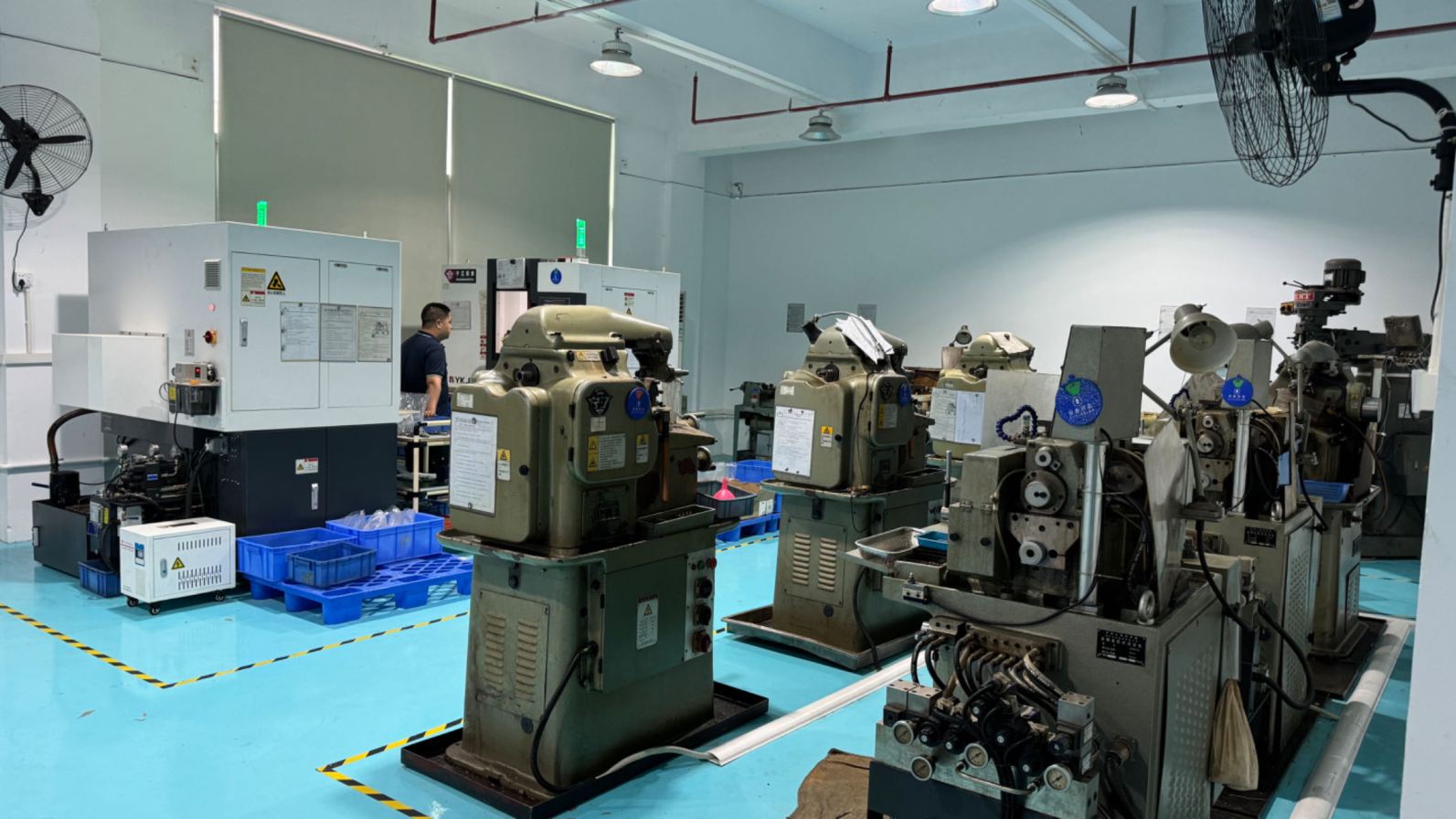
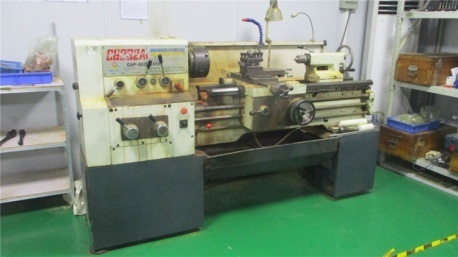
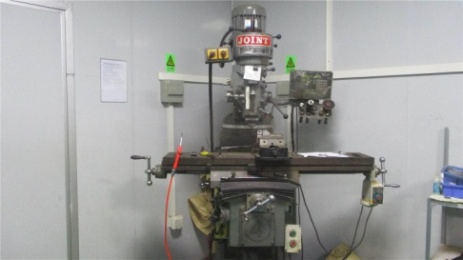
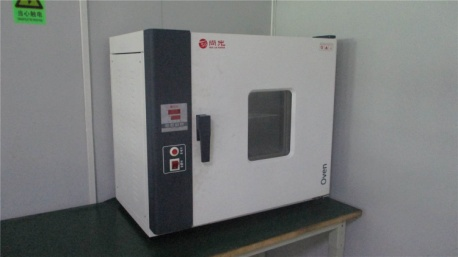
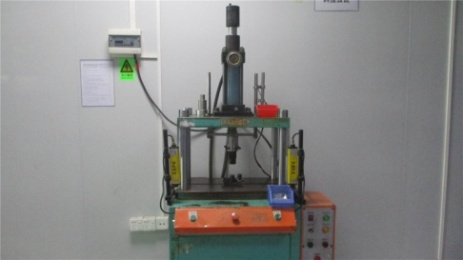
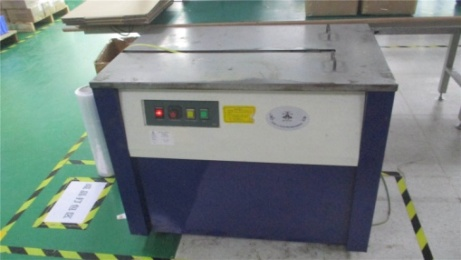
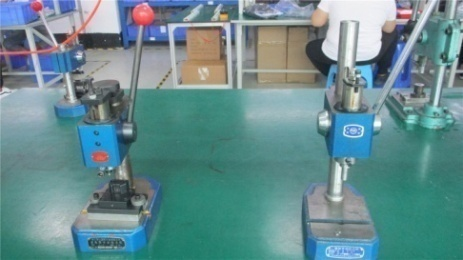
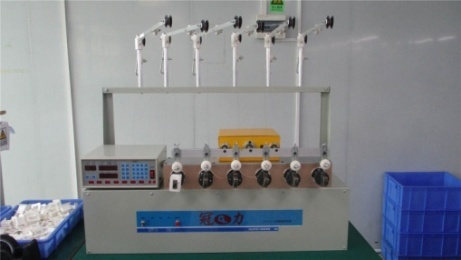
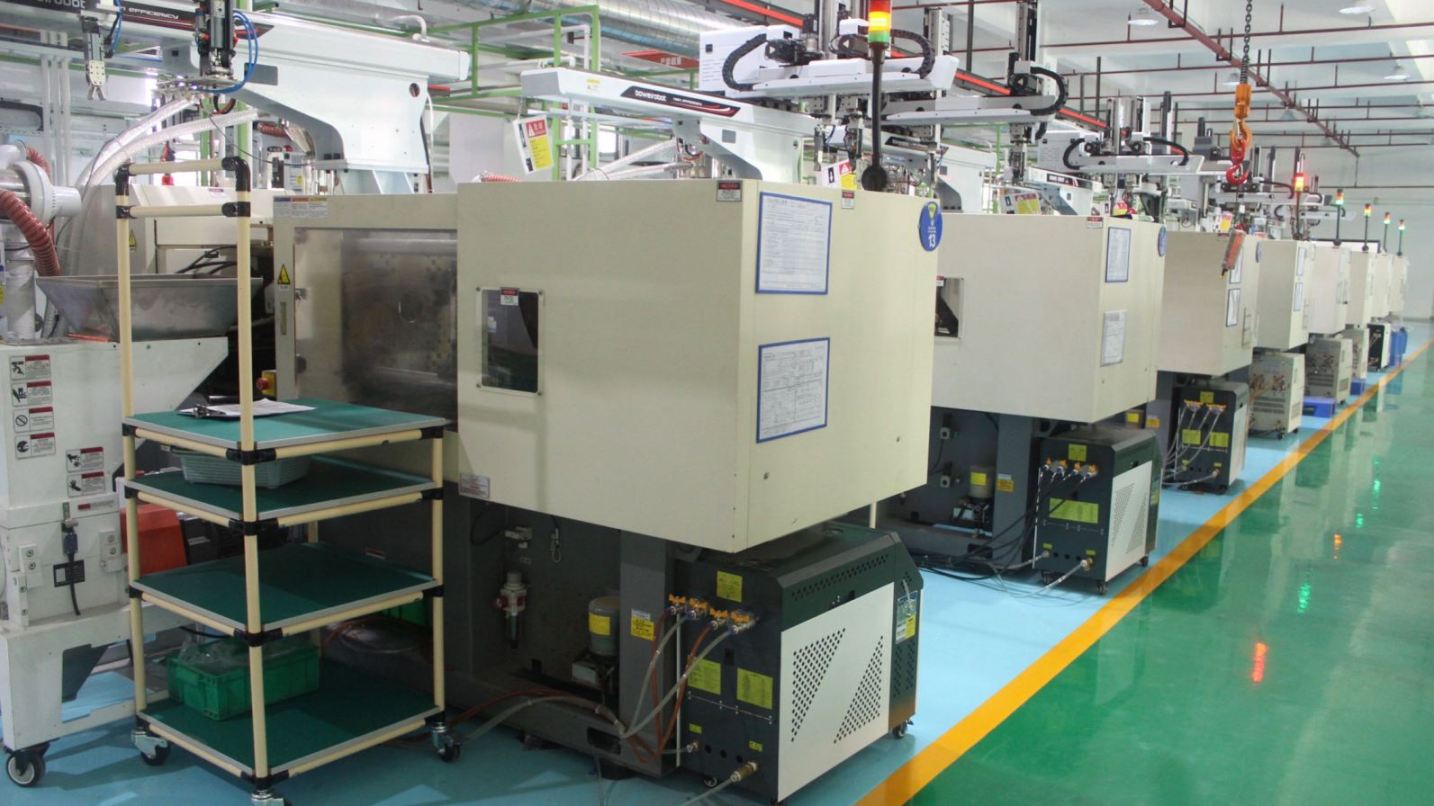
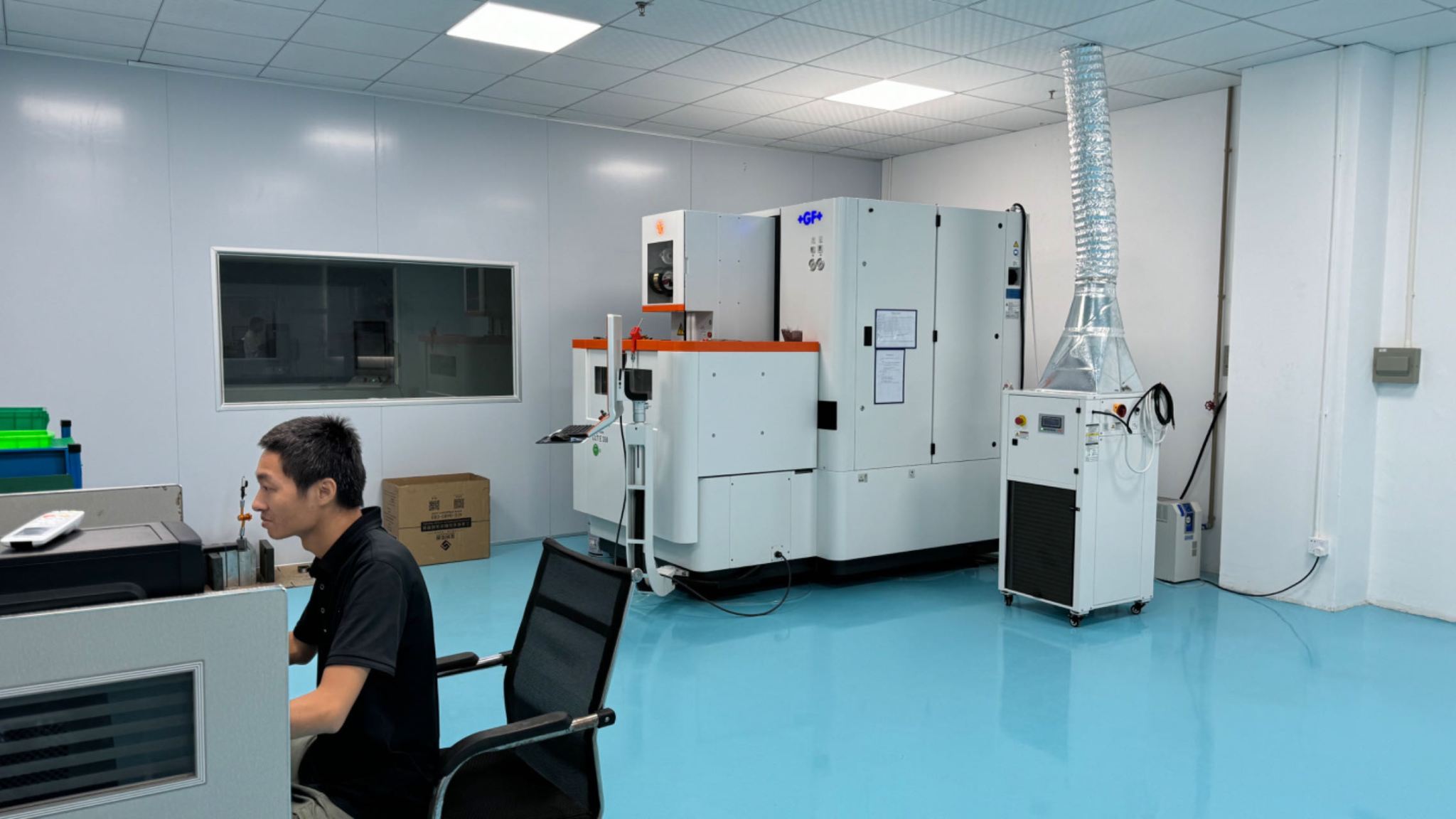
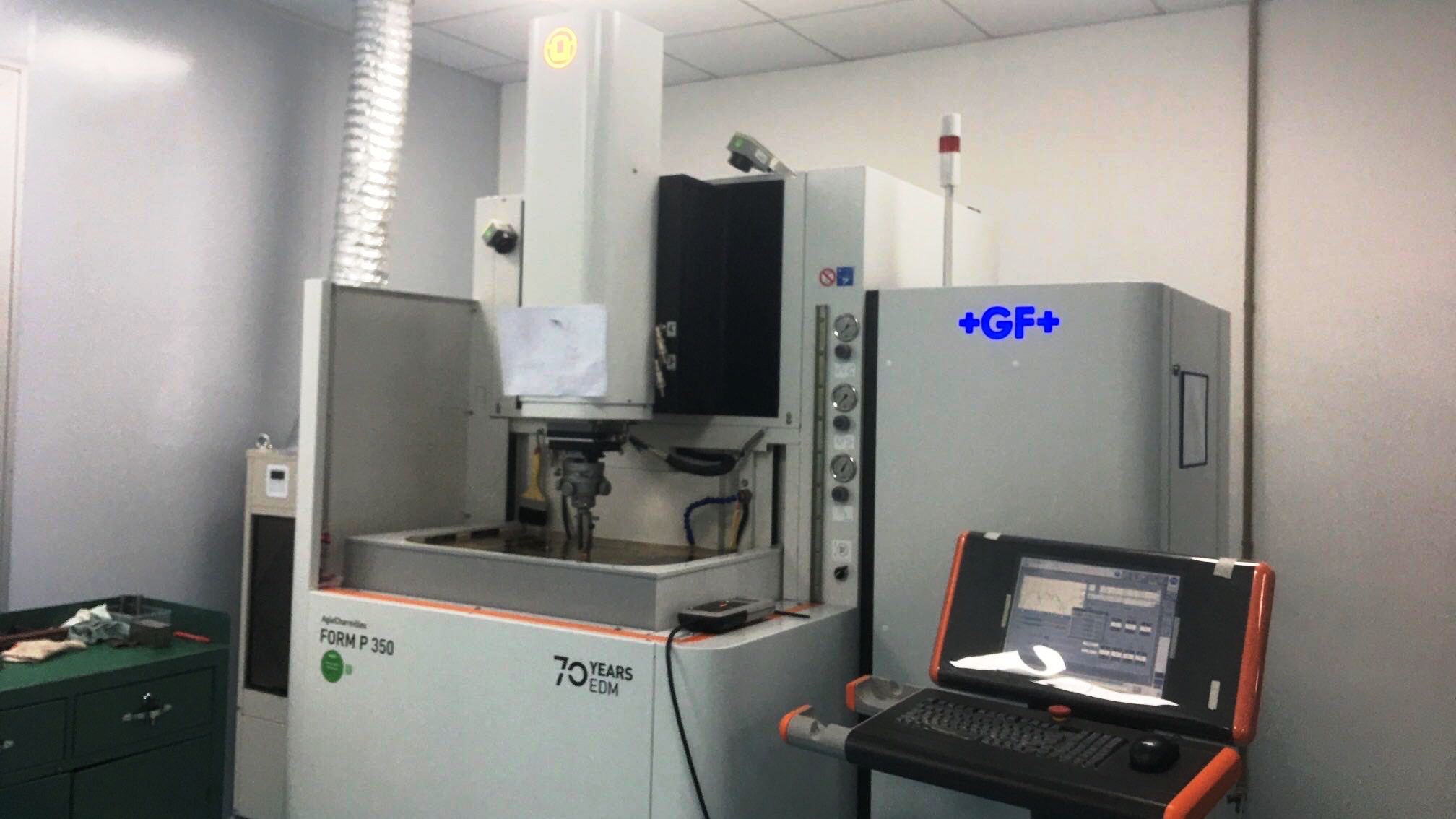
Every continuous duty drive system undergoes extensive validation cycles inside our QA and machining facilities.

Emerging Trends in the Continuous Duty Motor Market
The continuous duty motor market is shifting toward ultra-high efficiency (IE4 and IE5 standards) and digitalization. High-duty cycle industrial drives are no longer simple power sources; they are intelligent nodes in cyber-physical systems. Key trends reshaping global supply chains include:
- Brushless Migration (BLDC): Brushless DC configurations are replacing brushed variants in S1 applications to eliminate brush wear friction, reduce acoustic interference, and extend standard operating lifespans to over 50,000 hours.
- Integrated Smart Feedback: The adoption of magnetic and optical rotary encoders allows high-resolution position and speed feedback, critical for servo-control loops.
- Thermal Safety Optimization: Integrating NTC thermistors directly into stator windings allows real-time thermal monitoring, protecting the motor against accidental overloads.
Localized Application Scenarios
From sub-zero storage systems to high-temperature medical autoclaves, continuous duty drive units must operate reliably in diverse environments.
Medical Diagnostics & Pumps
Continuous duty syringe and peristaltic pumps require constant torque to deliver exact chemical dosages. Our 12mm and 16mm micro coreless motors provide quiet, precise fluid delivery.
Smart Automation & Valves
Industrial flow control relies on continuous-duty actuators to handle fluctuating system pressures. Our high-torque planetary geared motors are built to withstand high axial and radial loads.
Robotics & AGV Drive Joints
Autonomous Guided Vehicles (AGVs) demand highly reliable drive wheels that operate constantly in distribution centers. This requires efficient heat dissipation and robust planetary reduction gears.
Global Procurement Sourcing Requirements
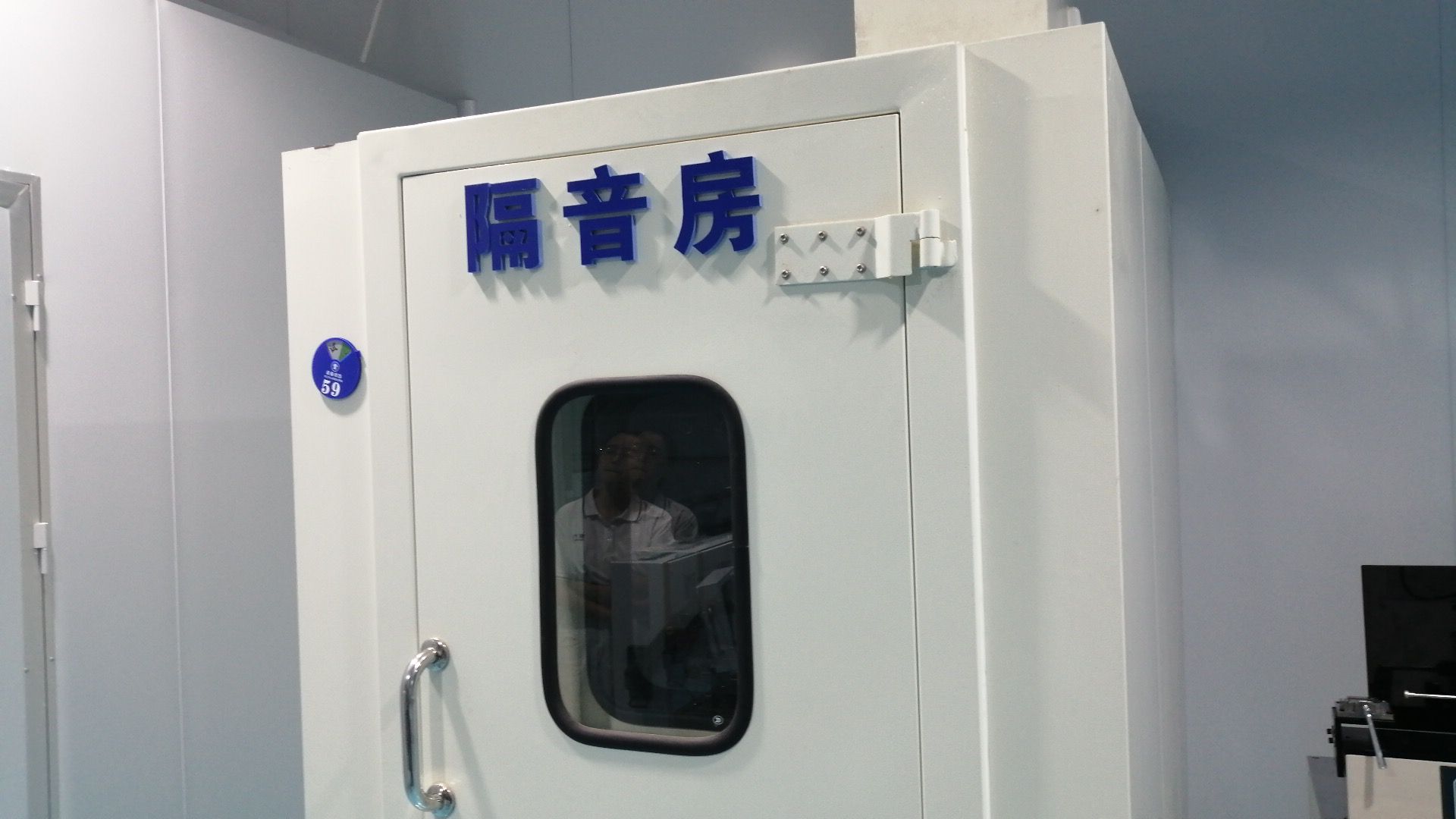
Sourcing teams must look beyond unit prices when selecting a manufacturing partner. Comprehensive quality systems (ISO 9001, IATF 16949) are essential to prevent batch-to-batch variance. Environmental compliance certifications, such as RoHS and REACH, are required for export to European and North American markets. Additionally, supplier validation must confirm that design specifications are verified using dynamometer load mapping, salt-spray resistance, and acoustic analysis in soundproof chambers.
Technical insight into standard, custom-engineered, and high-performance continuous duty drive configurations.
Industrial-grade miniature drivetrains and planetary gearmotors designed for continuous operation.