Global Commercial & Industrial Landscape
Analyzing the paradigm shift in motion control towards integrated sensory torque intelligence.
Evolution of Torque-Sensing Integration
The industrial motion control sector is undergoing a significant transition. Traditional open-loop and closed-loop motor designs that rely strictly on current sensing are no longer sufficient for complex, collaborative applications. Advanced torque-sensing motors integrate strain gauge elements, magnetic encoders, or magnetoelastic sensors directly inside the stator frame or output assembly. This direct measurement capability eliminates errors introduced by transmission windup, gear backlash, and internal friction loss, resulting in ultra-fast millisecond response loops.
Market Drivers and Supply Chain Needs
The rise of lightweight electric mobility (E-bikes, E-scooters), surgical surgical robotics, collaborative robots (Cobots), and precision aerospace test benches drives the demand for specialized torque-sensing motor manufacturers. System integrators require motor solutions that minimize axial space while offering high torsional stiffness, exceptional dynamic bandwidth, and robust thermal insulation. Sourcing from verified exporters and factories is essential to ensure consistent torque signal output and long-term mechanical reliability.
Technical Roadmap & Future Outlook
The integration of micro-electro-mechanical systems (MEMS) and smart telemetry within micro-motor housings.
Sensor Architectures: Contact vs. Non-Contact
Next-generation torque motors utilize non-contact magnetoelastic sensing technologies. By placing a specialized ferromagnetic coating on the rotating motor shaft, changes in the magnetic field lines under torsional shear can be measured directly by high-resolution magnetic sensor ICs. This design is highly robust and avoids the wear associated with traditional physical slip rings. It also exhibits superior resistance to electromagnetic interference (EMI) generated by the high-frequency switching frequency of silicon carbide (SiC) or gallium nitride (GaN) motor drives.
Embedded AI & Diagnostic Telemetry
Leading factories are integrating AI algorithms directly into local microcontrollers. Embedded firmware can process raw torque signals in real-time, performing calculations that detect mechanical misalignments, gearbox tooth wear, and bearing anomalies before failures happen. This shifts the drive system from simple execution to acting as an intelligent node on the industrial Internet of Things (IoT) network. This capability is critical for achieving zero-downtime manufacturing targets.
| Torque Technology Type | Typical Accuracy | Dynamic Response Rate | EMI Immunity Rating | Optimal Application Scenarios |
|---|---|---|---|---|
| Magnetoelastic Surface Sensors | ±0.5% FS | Very High (< 0.5 ms) | Excellent | Automotive Steering, Precision E-Bikes |
| Strain Gauge Axis Arrays | ±0.1% FS | Medium (1 ms to 2 ms) | Moderate (requires shielding) | Robotic Joints, Aerospace Metrology Labs |
| Optical Phase-Shift Systems | ±0.2% FS | High (0.8 ms) | Total | Explosion-Proof Chemical Mixing |
| Hall-Effect Current Estimation | ±3.0% FS | Slow (> 5 ms) | Poor | Consumer Power Tools, Low-cost Pumps |
Mastering the Micro-Universe: The Intertek Motor Standard
Precision and reliability engineered at the micrometer and decibel level.
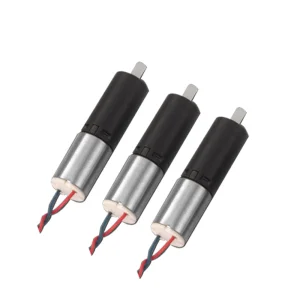
At Intertek Motor, we measure our success in micrometers and decibels. We understand that inside a premium robotic joint, a medical dosing pump, or a high-end smart lock, space is the ultimate luxury. Our mission is to pack maximum torque, unyielding durability, and near-silent acoustics into the most compact footprints imaginable.
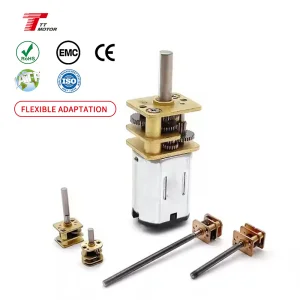
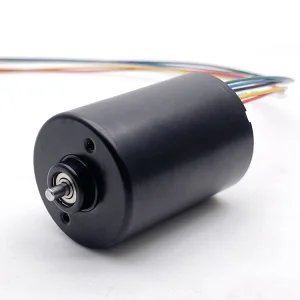
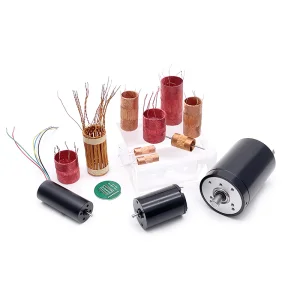
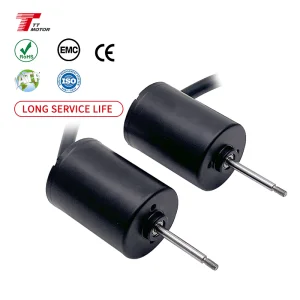
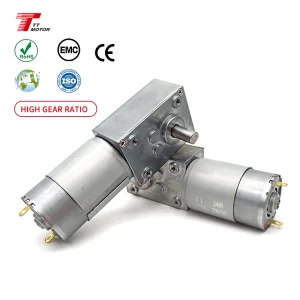
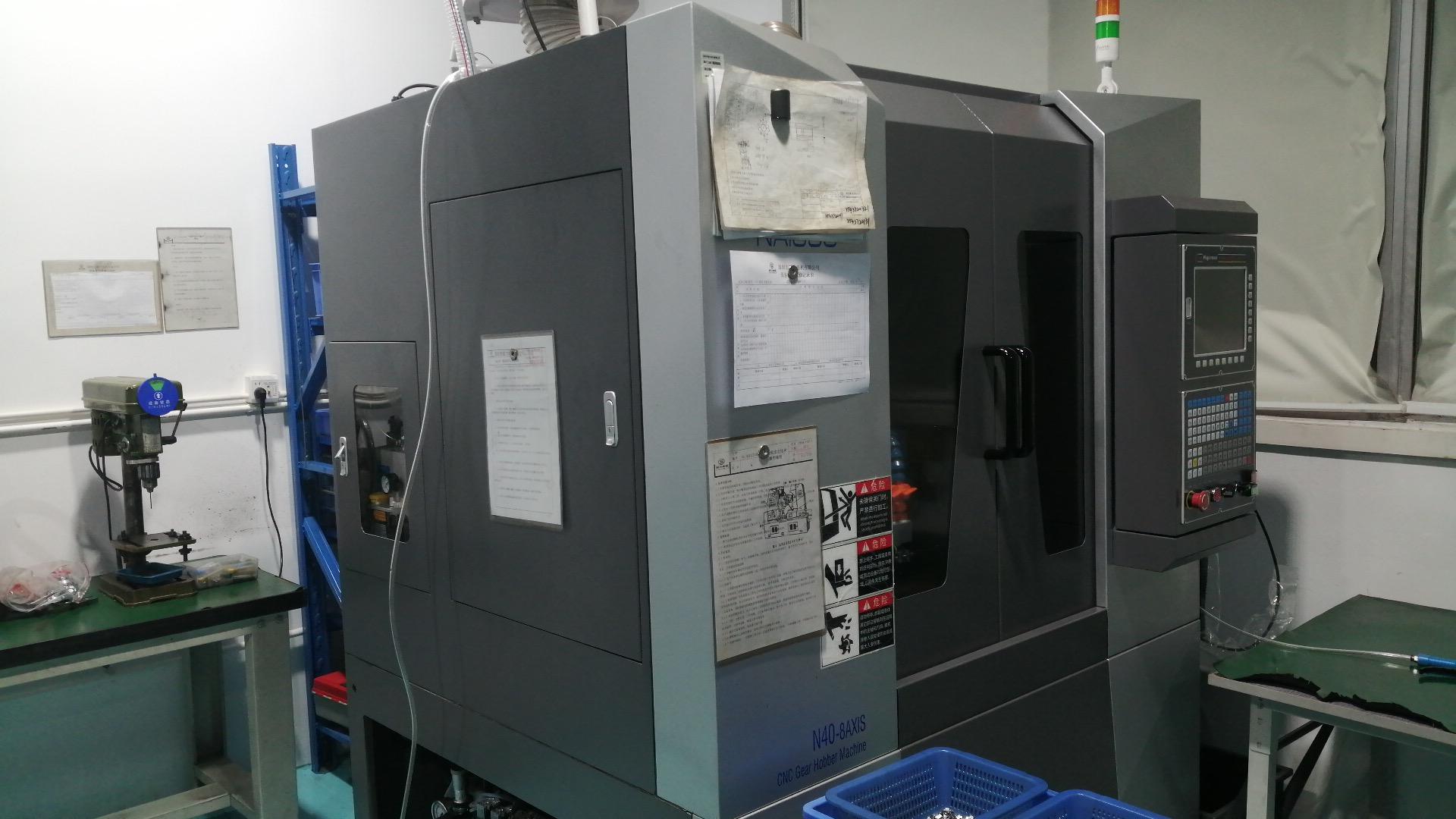
Our expertise lies in the harmony of miniature engineering. From precision-wound rotors and high-purity copper commutators to custom-designed planetary gearheads, every component inside an Intertek micro motor is optimized for low energy consumption and a friction-free lifespan. We constantly push the limits of micro-drive tech, utilizing advanced automated Swiss-style hobbing and Japanese dynamic balancing to ensure that our internal gear trains operate with zero-backlash precision. When the integrity of your high-tech device hangs on repeated mechanical perfection, Intertek Motor delivers the silent power that anchors your design.
China's Manufacturing Resilience & Supply Chain Integration
Why sourcing from leading Chinese precision clusters guarantees scalability and cost advantages.
Vertical Integration of Raw Materials
The proximity of Chinese manufacturing clusters to critical rare-earth refining hubs offers significant supply chain advantages. Dysprosium and Neodymium (NdFeB) magnets, which are critical for high-density motor stators, are sourced, processed, and assembled within highly localized ecosystems. This geographical proximity reduces transit times and buffers global partners against price fluctuations, ensuring stable production capacity even during volatile market cycles.
Rapid Engineering Iteration (DFM)
Chinese factories are optimized for Design for Manufacturability (DFM). Utilizing advanced CAM simulation software, engineering teams can convert customized mechanical drawings into production-ready configurations within days. This rapid prototyping cycle allows Western system designers to refine their physical prototypes, perform bench tests, and move to volume production ahead of market competitors.
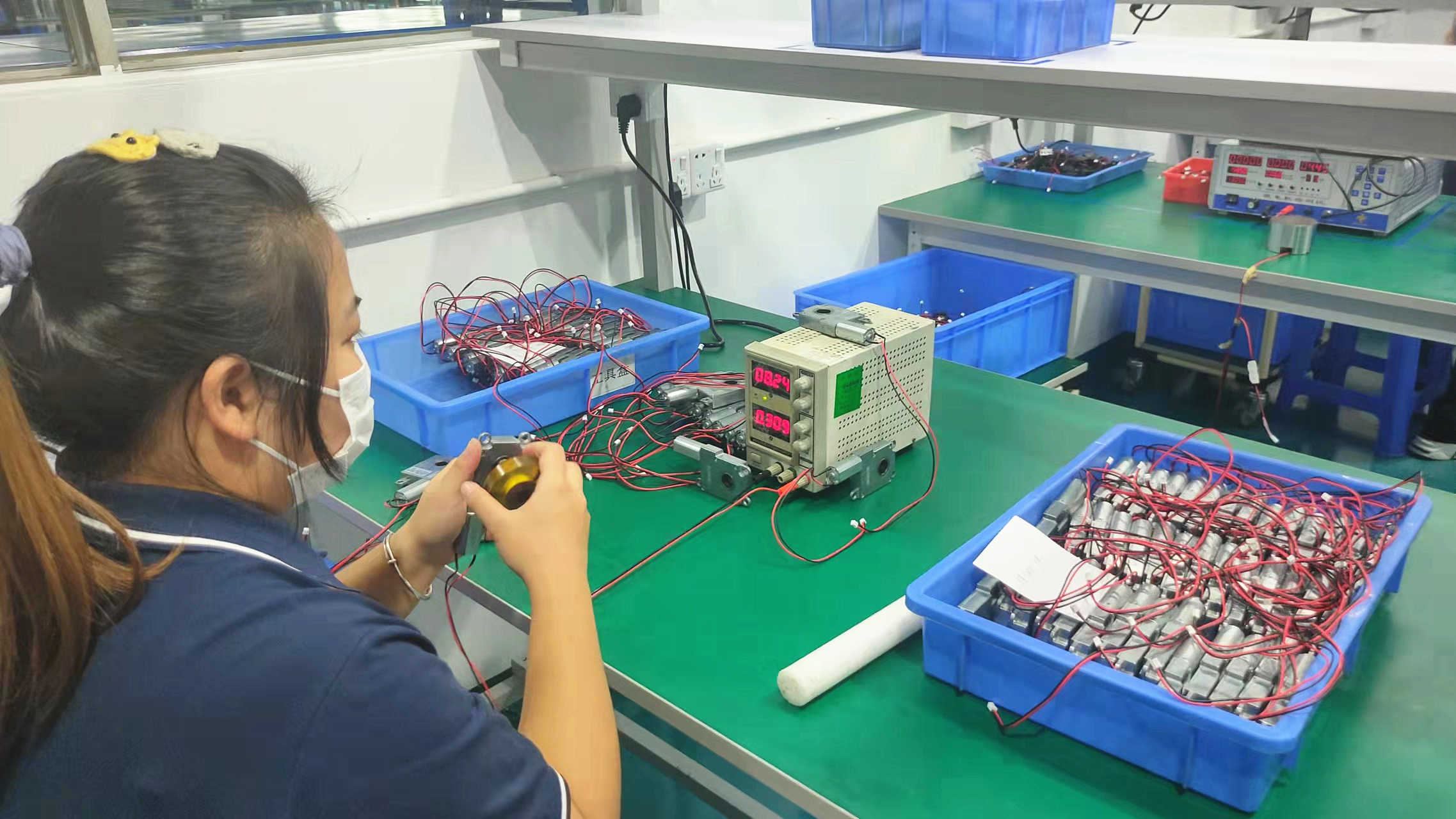
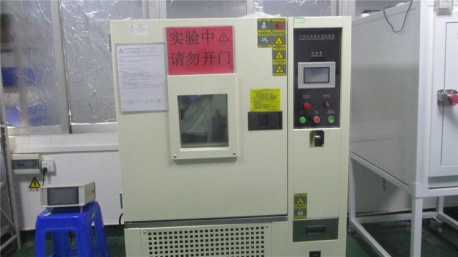
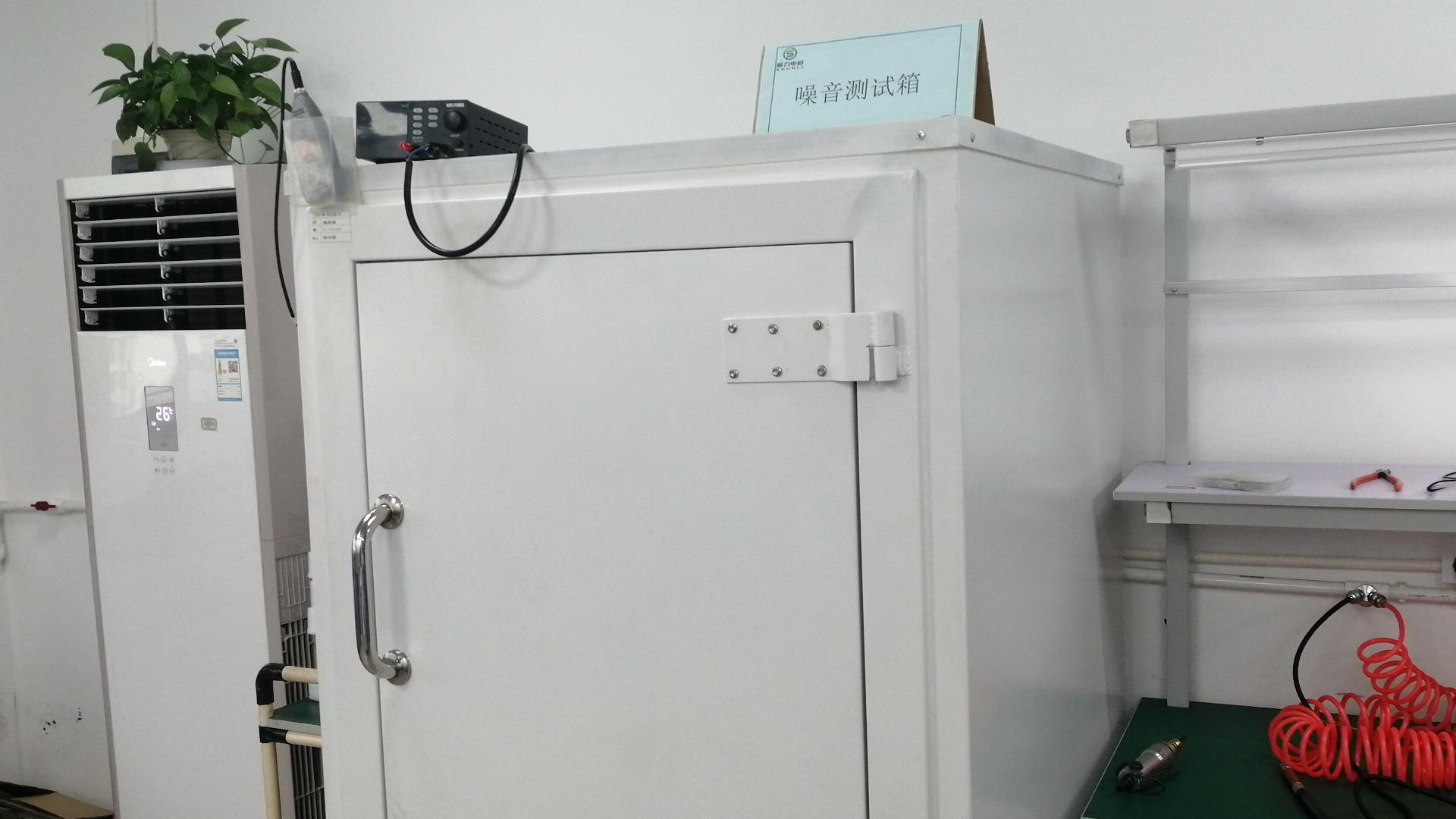
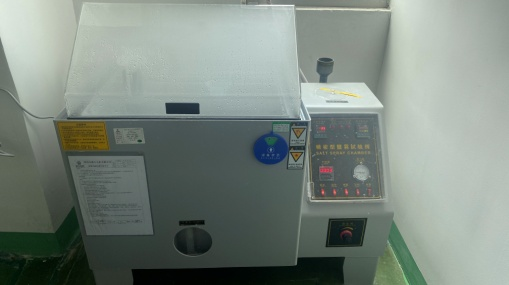
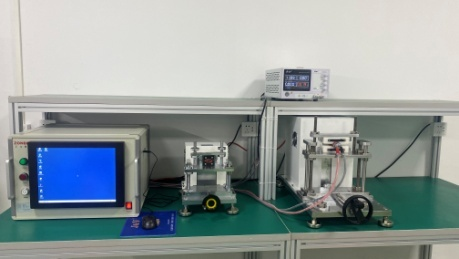
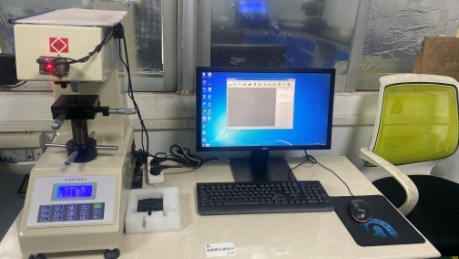
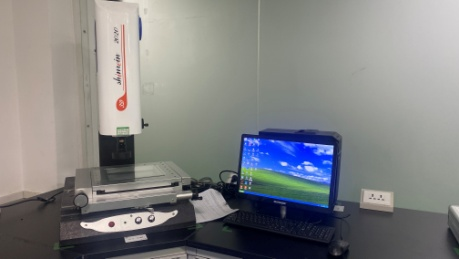
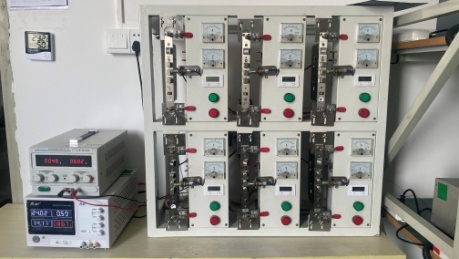
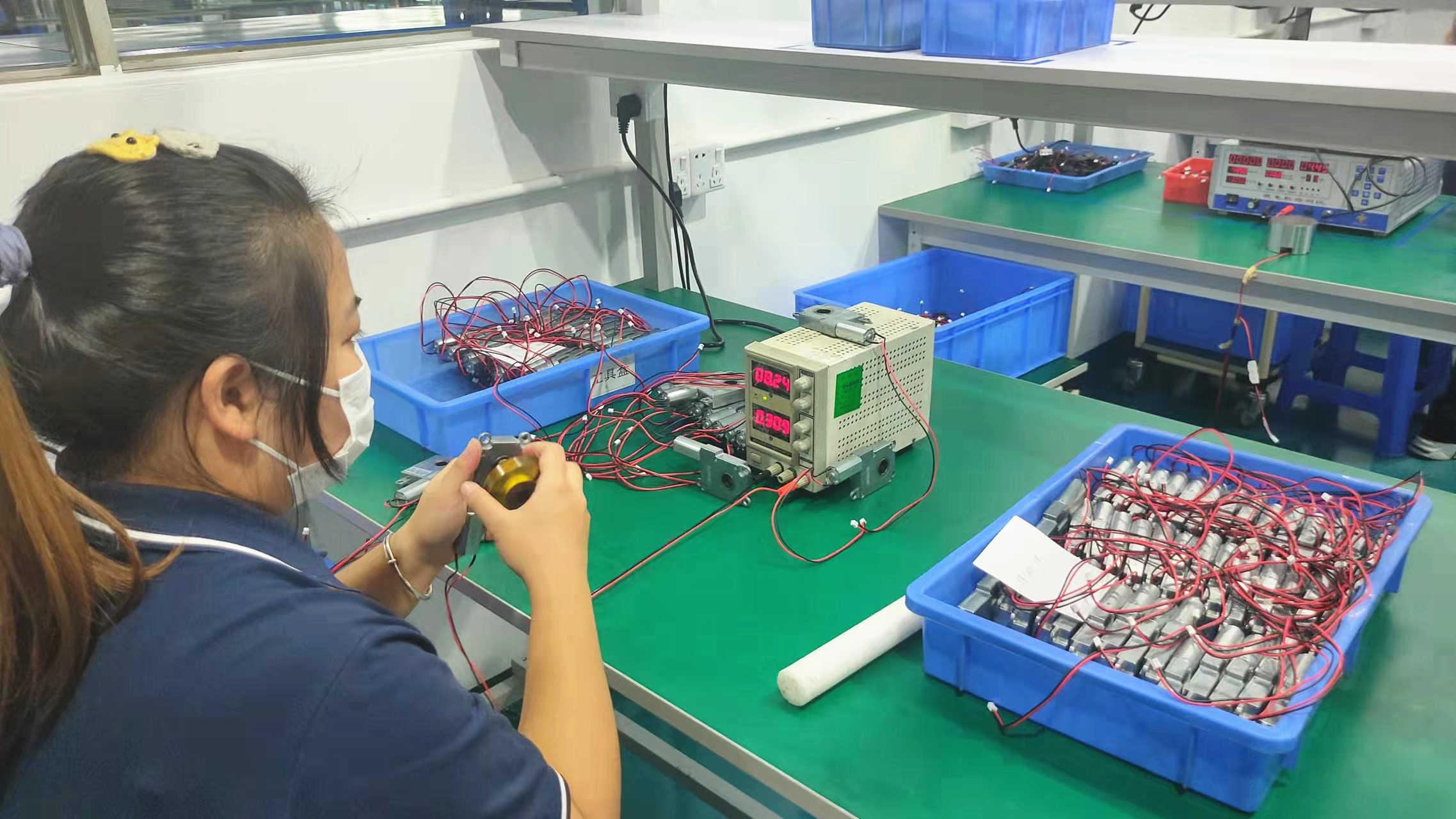
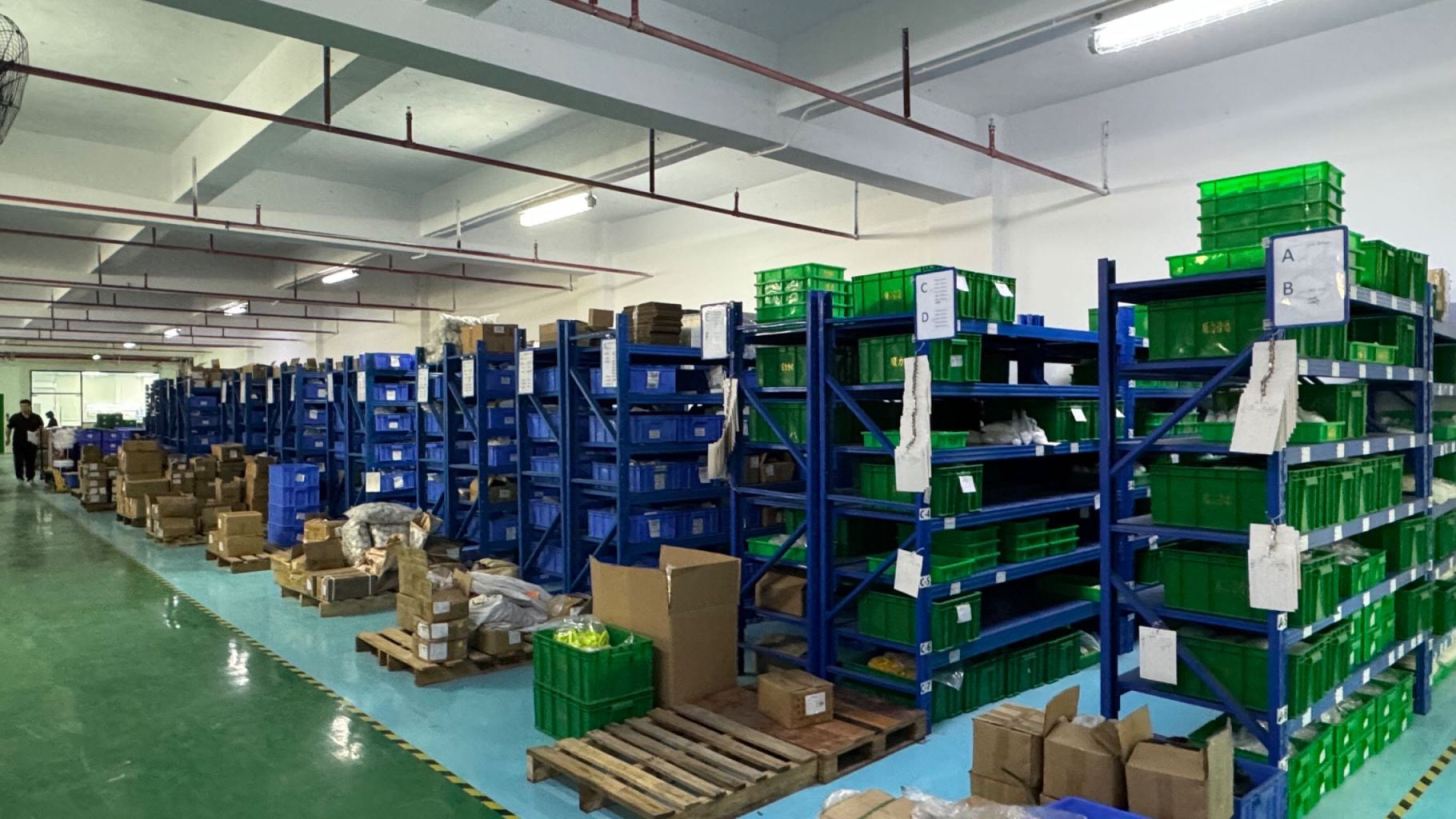
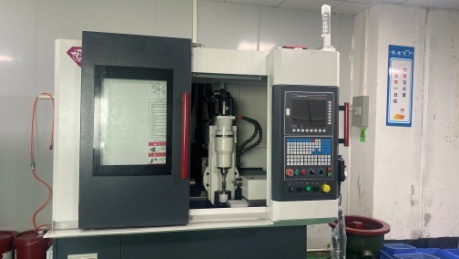
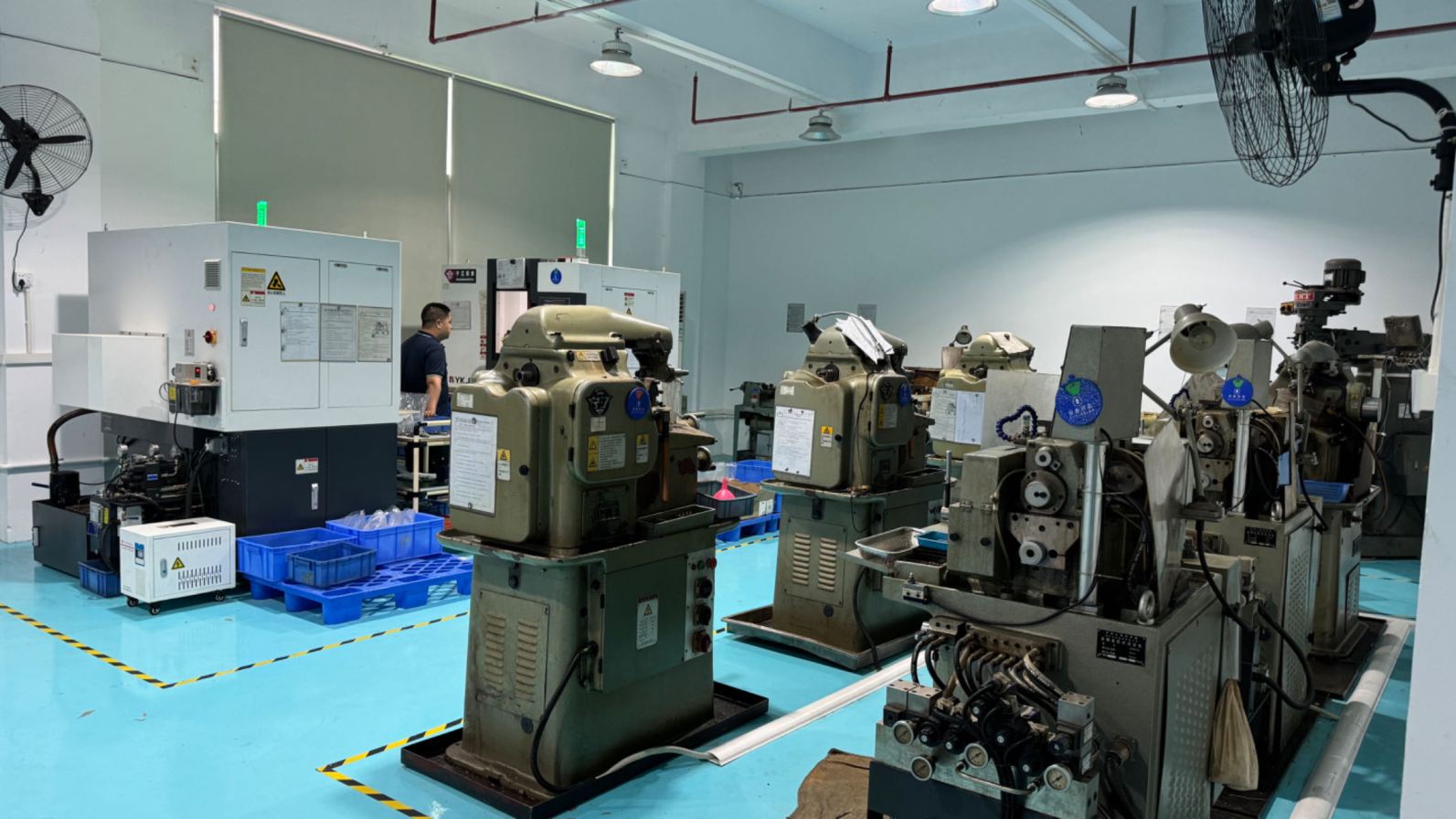
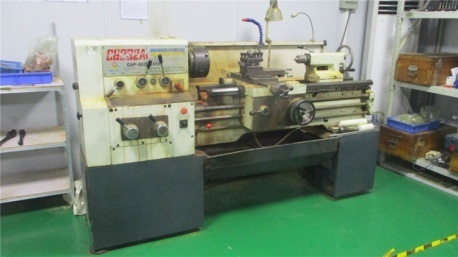
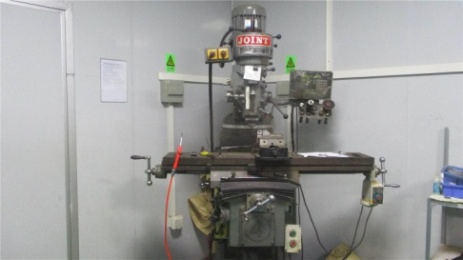
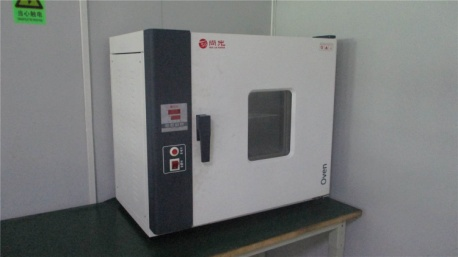
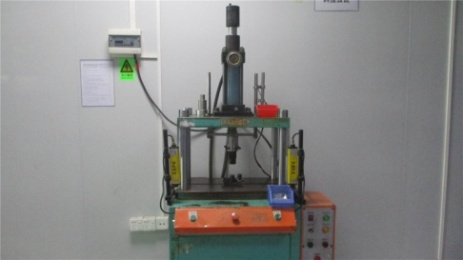
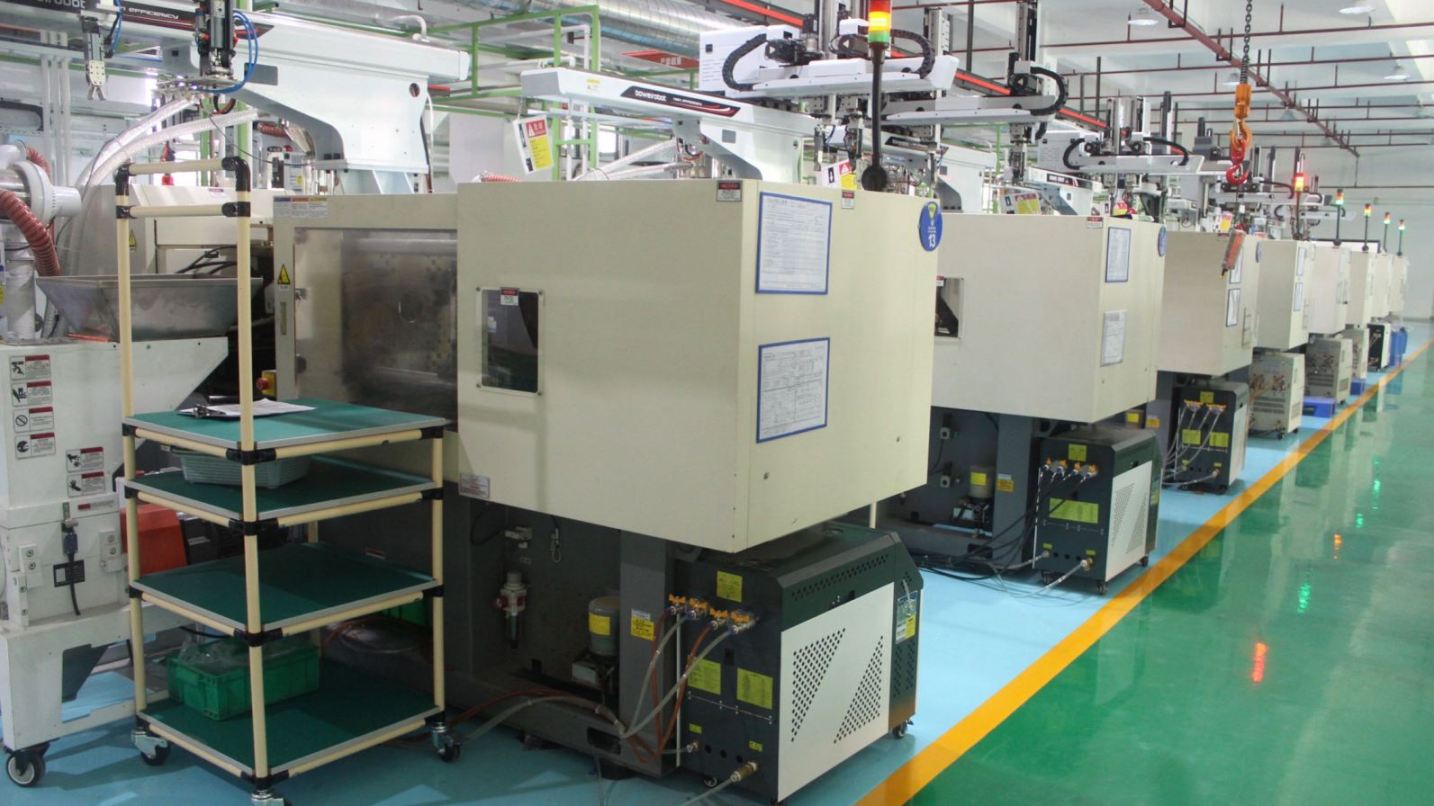
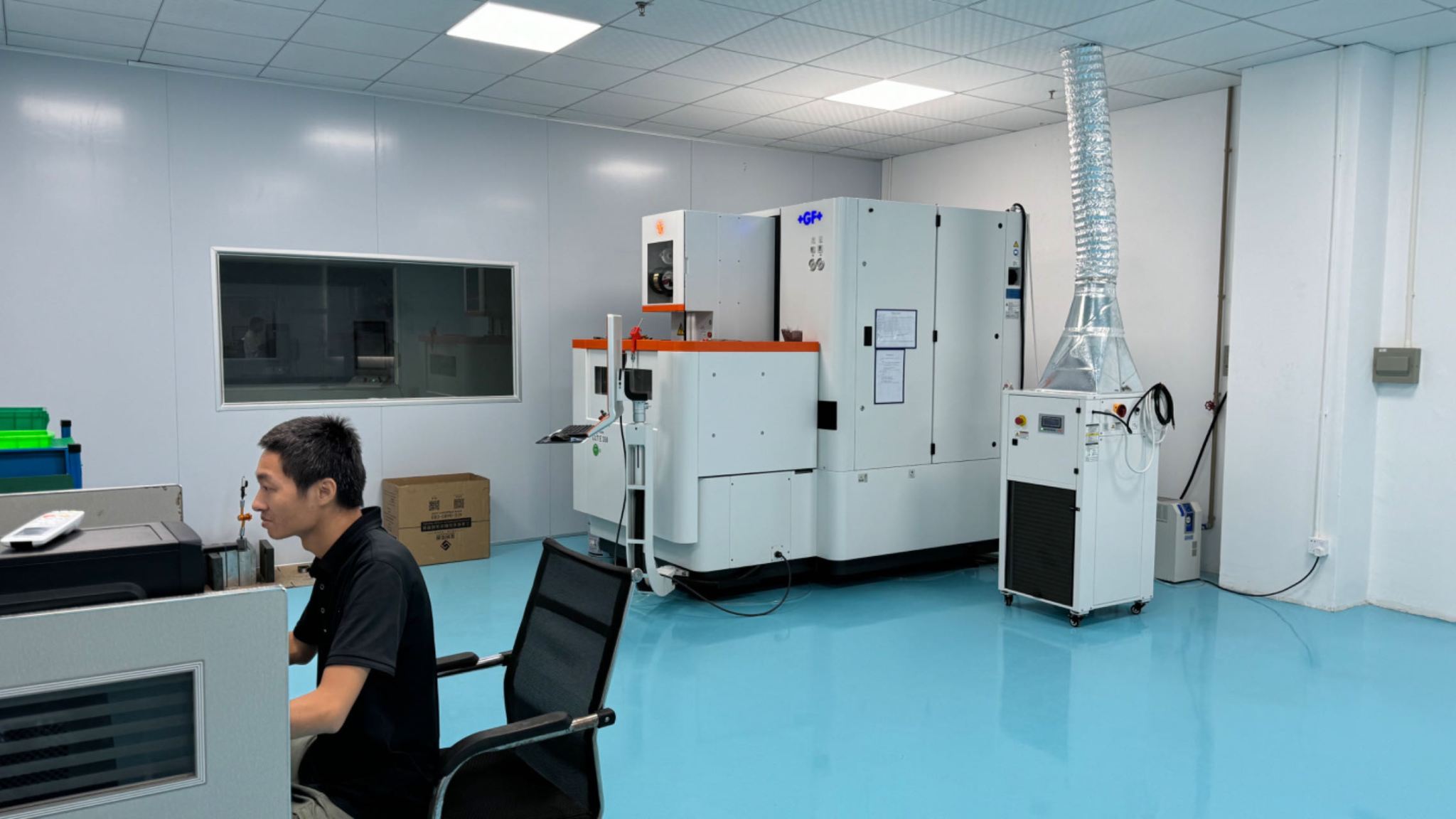
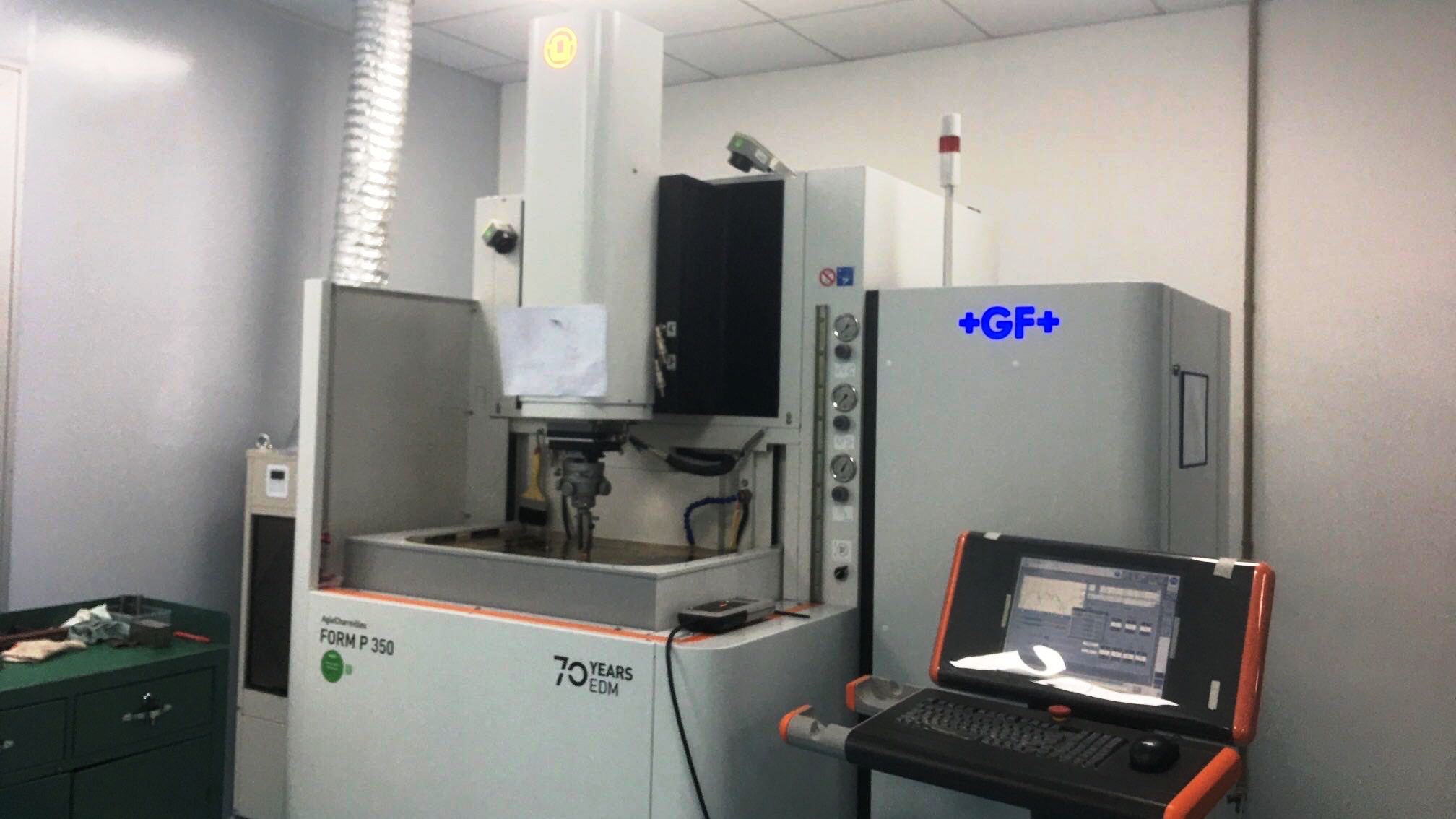
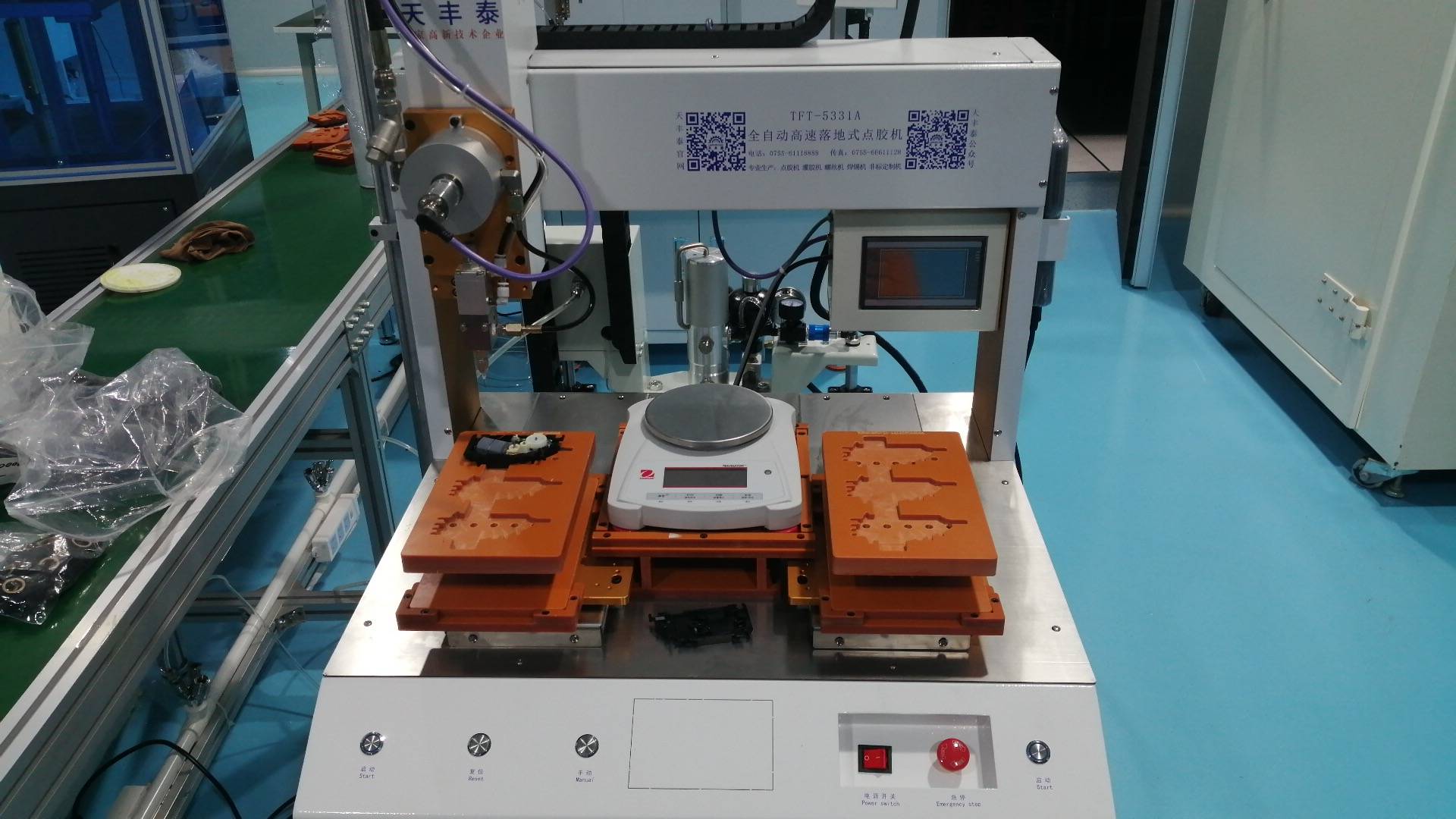
Advanced Manufacturing & Testing Facilities
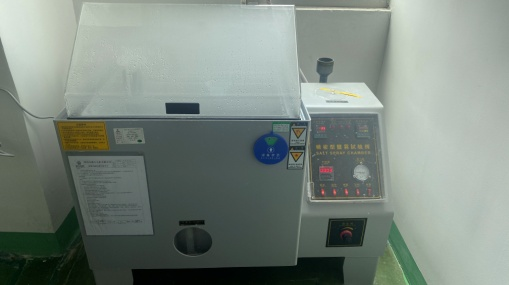
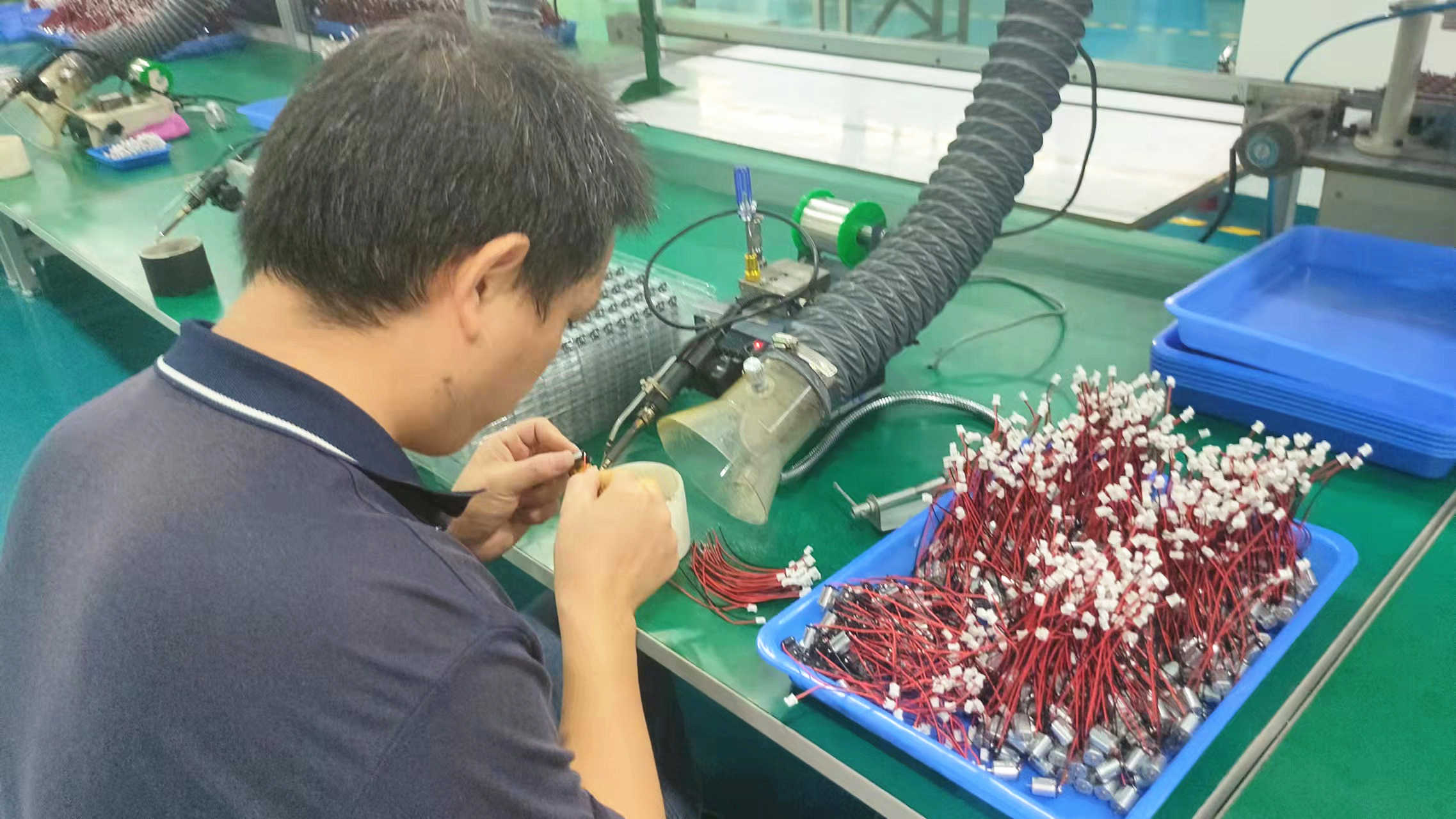
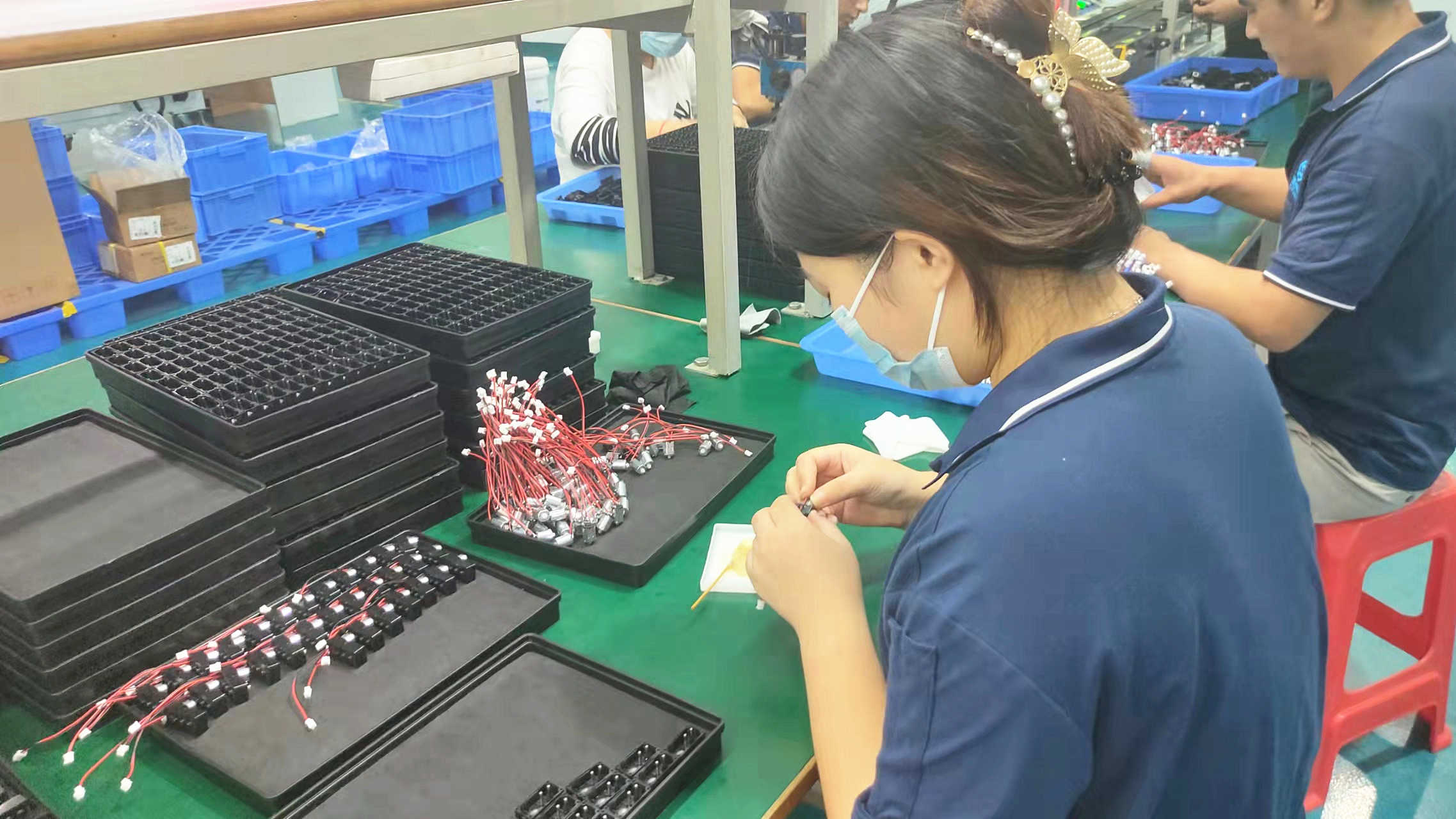
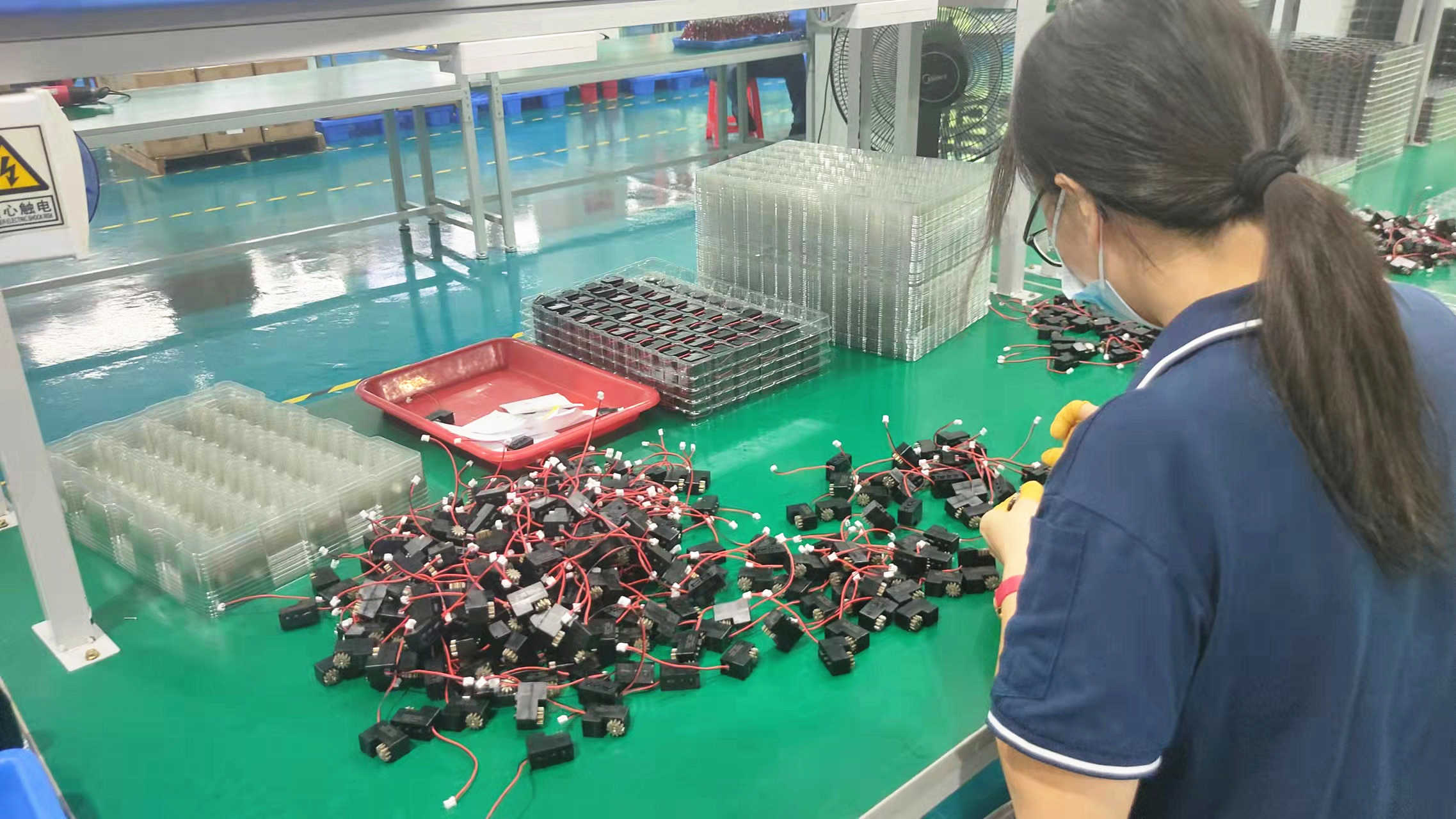
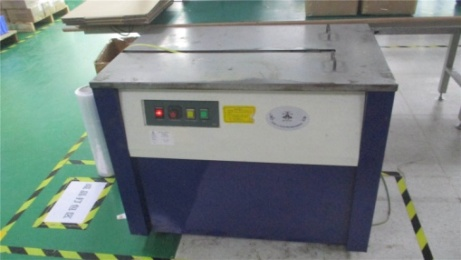
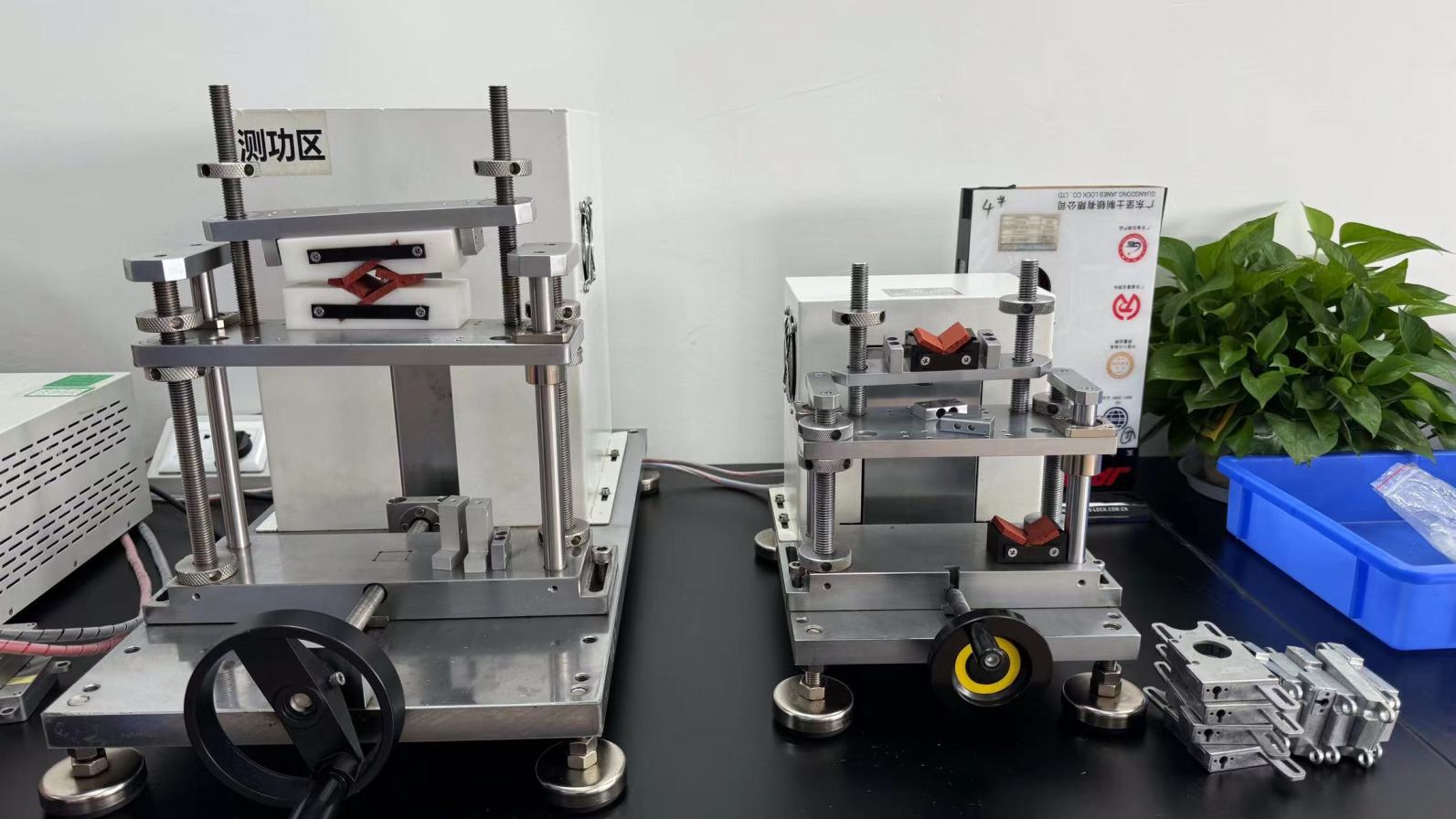
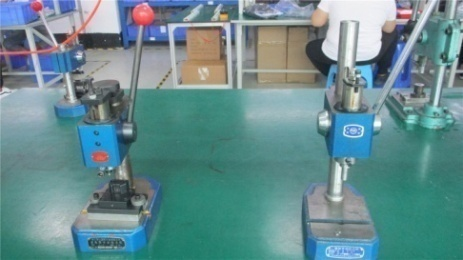
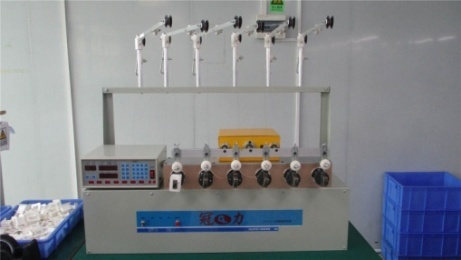
Explore our internal manufacturing assets, metrology systems, and environmental chambers.
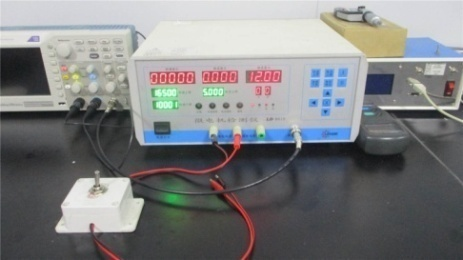
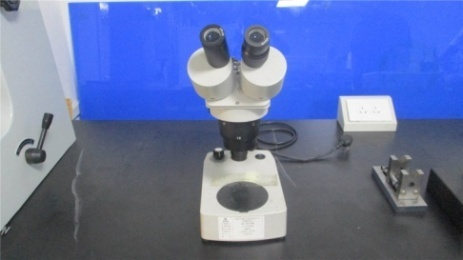
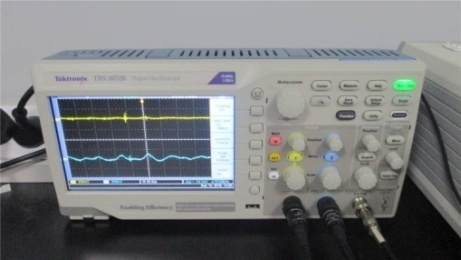
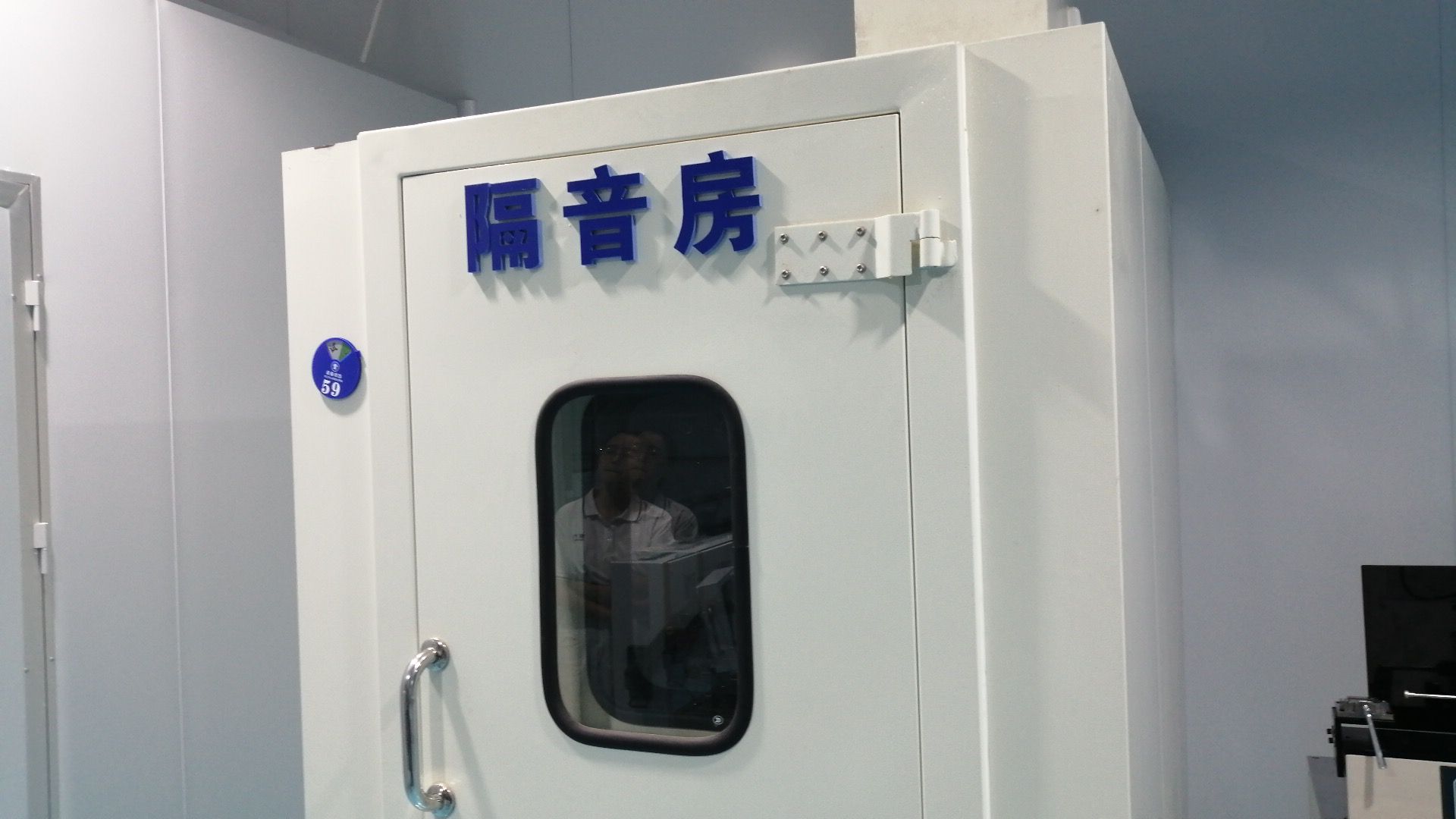
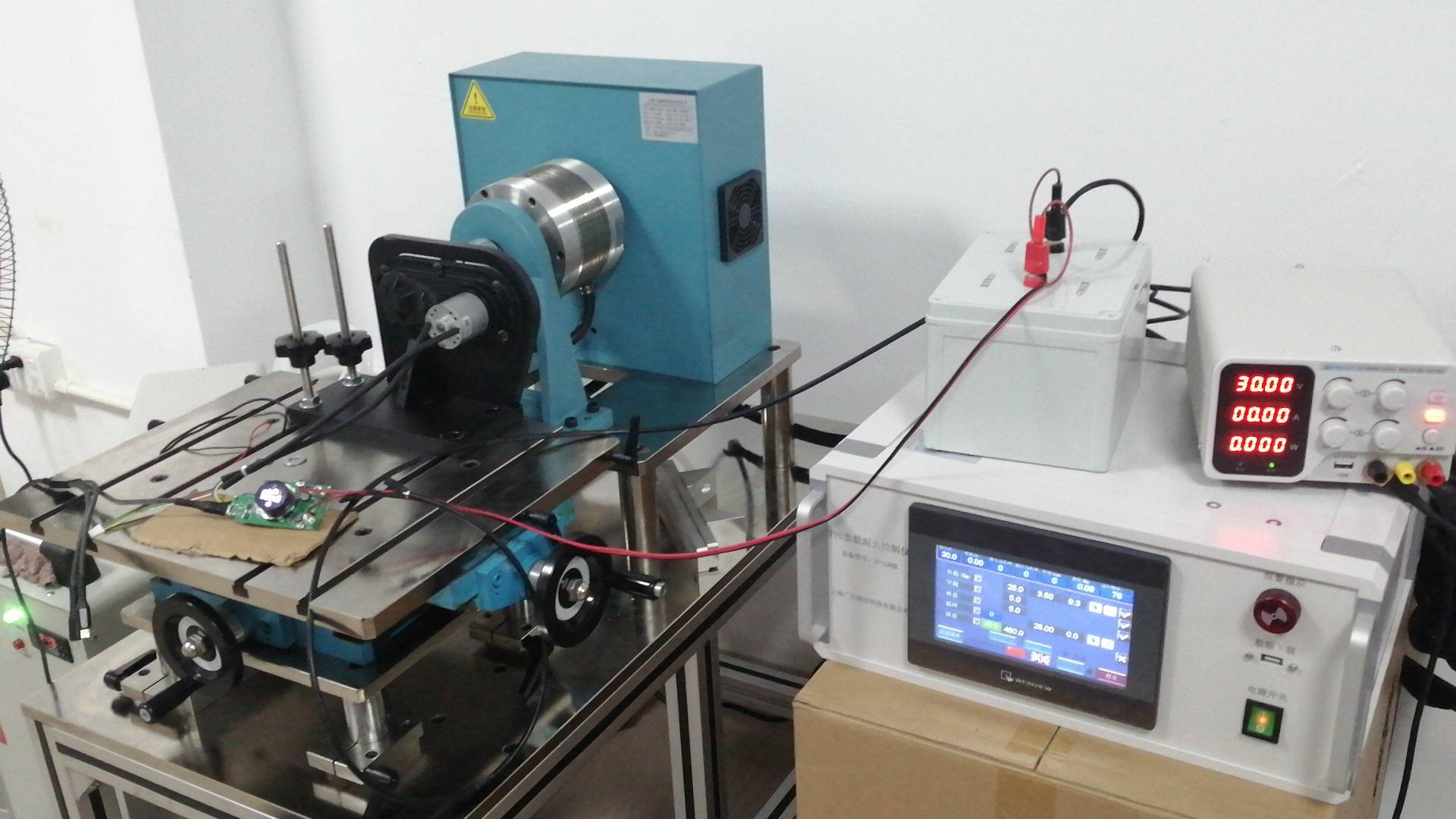
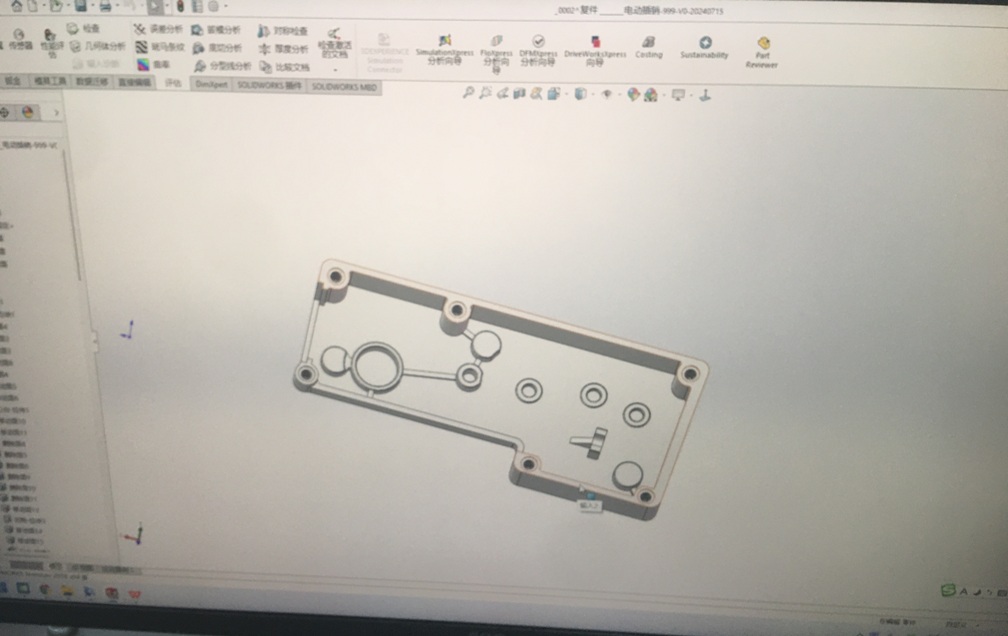
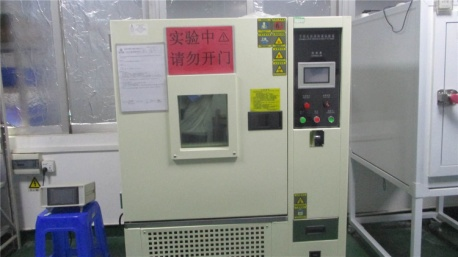
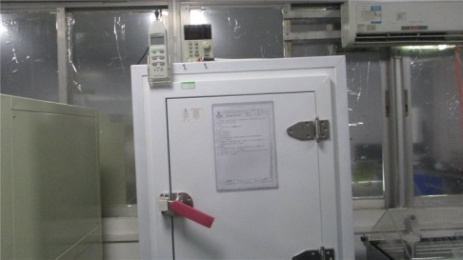

Localized Application Scenarios
How torque-sensing motors optimize efficiency across specialized international markets.
North American & European E-Mobility (E-Bikes)
In regions with strict regulations, like the EN15194 standard in Europe, torque-sensing motors are critical for EPAC (Electrically Power Assisted Cycles). Instead of relying on a lag-prone cadence sensor, our integrated torque sensor measures the force applied to the pedals. This provides an intuitive, instantaneous motor boost that aligns with human effort, extending battery range by up to 28% compared to cadence-only systems.
Surgical Robotics and Medical Exoskeletons
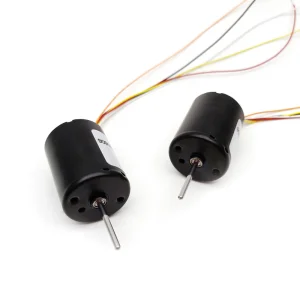
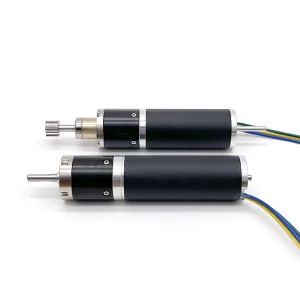
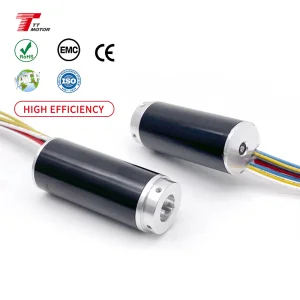
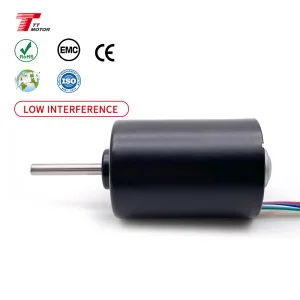
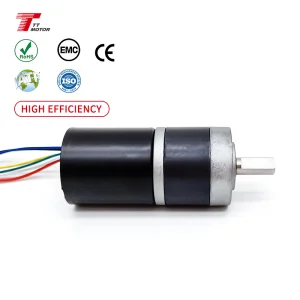
Medical automation requires extreme precision. The integration of high-resolution brushless DC planetary geared motors with torque sensors ensures surgeons receive tactile feedback during minimally invasive procedures. Our coreless motor architectures prevent cogging torque, enabling smooth rotation even at ultra-low speeds. This level of control is essential for delicate operations.
Global Support, Regulatory Certifications & Field Assurance
Ensuring compliance, environmental standards, and technical alignment for international trade.
Environmental and Technical Standards Compliance
Entering EU and North American markets requires compliance with strict environmental regulations. Leading exporters guarantee that all raw materials—ranging from copper wires to potting epoxies—comply with the RoHS Directive (Restriction of Hazardous Substances) and REACH regulations. This commitment prevents hazardous heavy metals from entering sensitive applications like medical tools or consumer home appliances.
Field Application Engineering (FAE) & Custom Integration
Successful motor integration relies on strong technical support. Modern factories provide Field Application Engineering (FAE) teams to assist with integration challenges. From optimizing CANopen/Modbus communication protocols in motor controllers to resolving vibration issues in planetary gearheads, these engineers bridge the gap between design and mass manufacturing.
Frequently Asked Technical Questions (FAQ)
Direct technical answers addressing the key issues faced by engineering and procurement teams.