Melbourne Industrial Front-Runners
Engineered to excel in Australia's high-demand robotics, precision healthcare machinery, and automated assembly sectors.
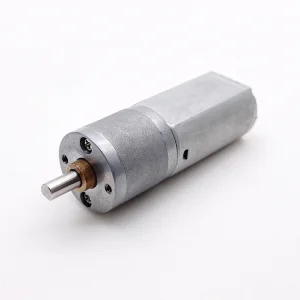
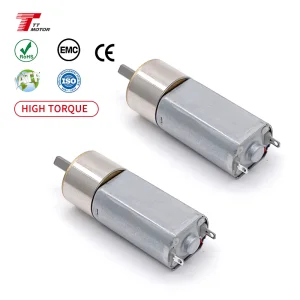
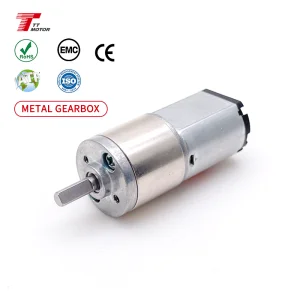
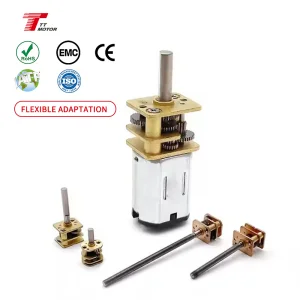
Driving Melbourne's Industry 4.0 Transformation
A comprehensive analysis of sub-fractional horsepower motor integration in the Victorian industrial landscape.
The industrial dynamic of Melbourne, Victoria, is undergoing a profound structural transition. As Australia's premier center for advanced manufacturing, biotechnology, and food processing, the region is rapidly substituting legacy mechanical designs with automated cyber-physical systems. At the core of this transition are sub-fractional horsepower DC gear motors. These devices serve as the physical actuators driving the automated joints, precision dispensers, sorting lanes, and smart control systems across Melbourne's sprawling logistics hubs in Dandenong, Campbellfield, and the Monash science precinct.
Melbourne's Advanced Manufacturing & Biotech Needs
In high-tech sectors like biomedical technology (concentrated around the Parkville Medical Precinct), micro-dosing systems and lab analyzers require drive systems that maintain structural integrity and precision over millions of cycles. In these systems, standard off-the-shelf motors do not suffice. Engineers demand precise torque profiles, low electromagnetic interference (EMI) profiles, and specific materials that comply with Therapeutic Goods Administration (TGA) cleanroom demands.
Similarly, the modern warehousing facilities that support Melbourne's growing e-commerce boom rely heavily on Automated Guided Vehicles (AGVs) and Autonomous Mobile Robots (AMRs). The drivetrains of these mobile platforms demand high torque density, reliable dynamic balancing, and optimal thermal management. Integrating brushless DC (BLDC) motors equipped with planetary gearboxes provides these systems with the long battery-powered runtimes and high starting torque required to transport heavy payloads through tightly configured warehouses.
Global Procurement Integrity & Compliance Standards
For procurement officers in Melbourne looking to source high-performance motors, compliance and technical traceability are paramount. Importers and machinery builders must adhere to strict Australian regulatory standards, including the Regulatory Compliance Mark (RCM), which encompasses safety and electromagnetic compatibility (EMC) regulations set by the ACMA. Ensuring that a supplier can offer certification (such as CE, RoHS, and ISO 9001) is critical to avoiding import delays and system failures during commissioning.
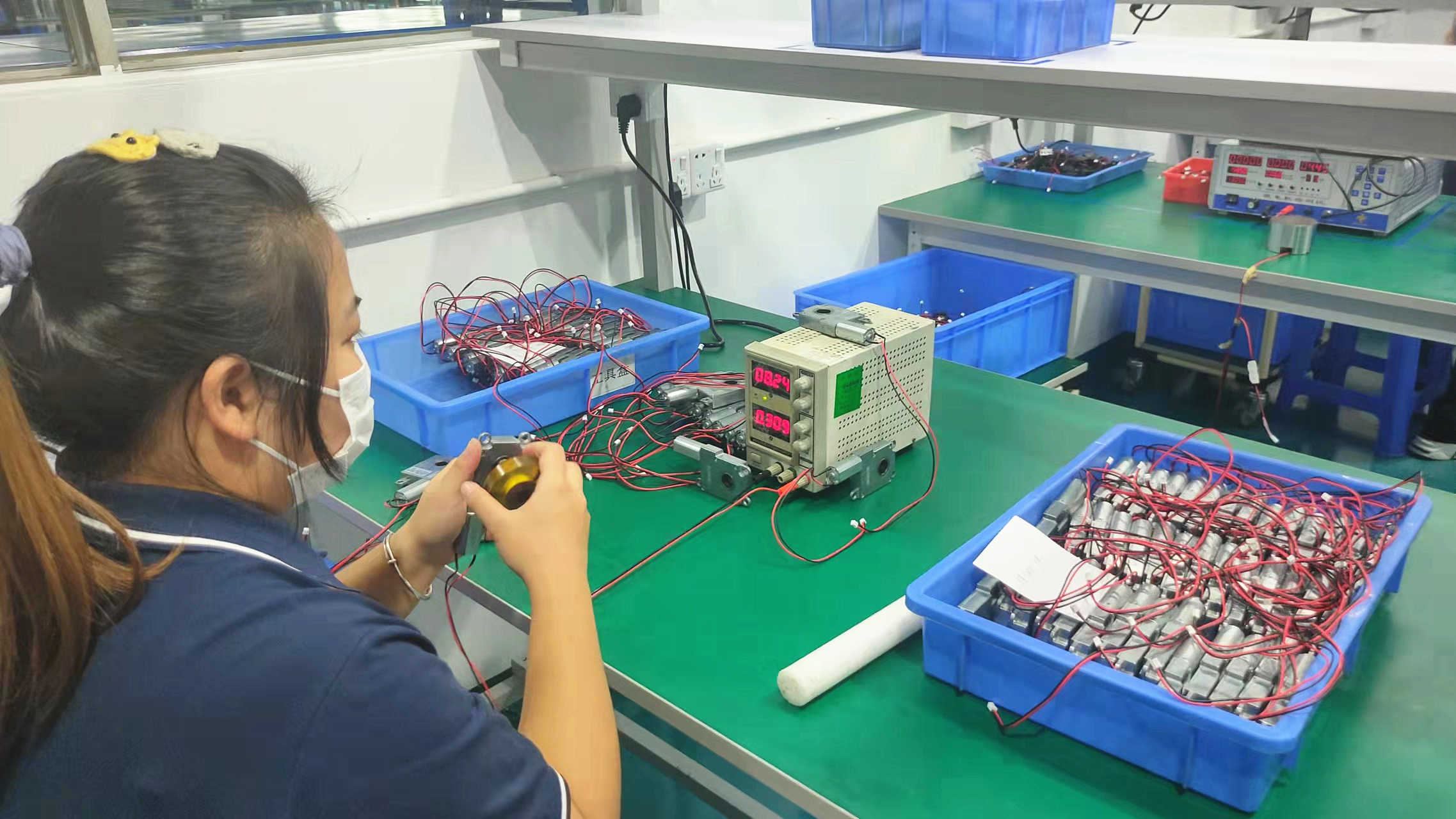
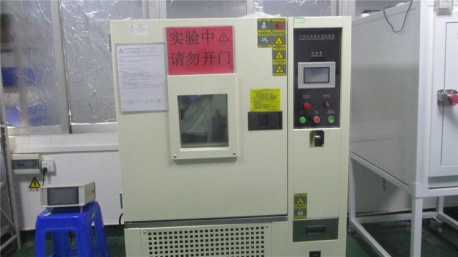
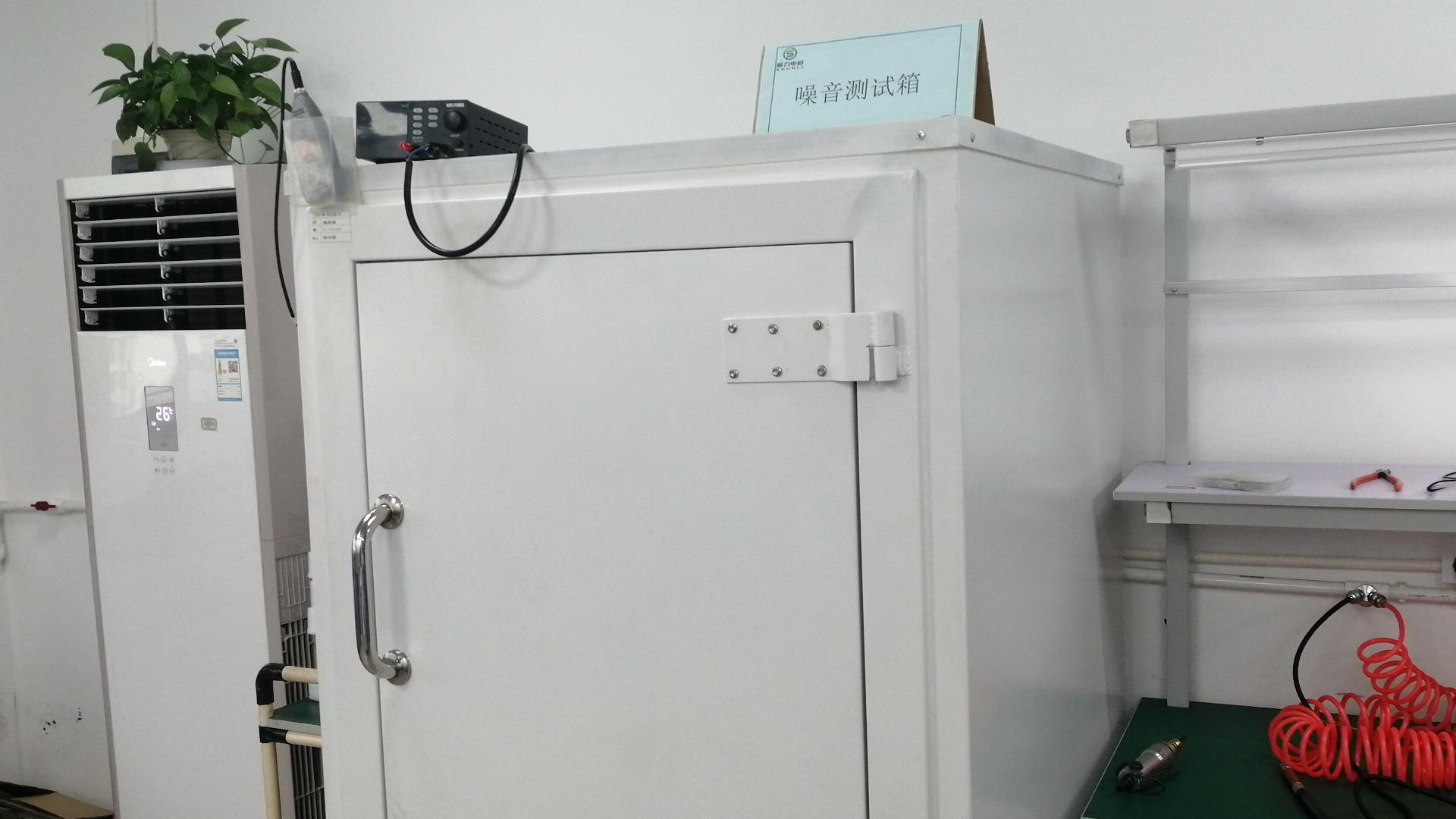
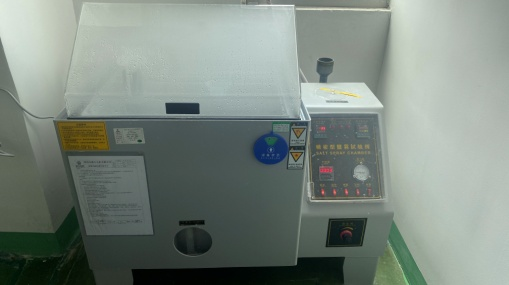
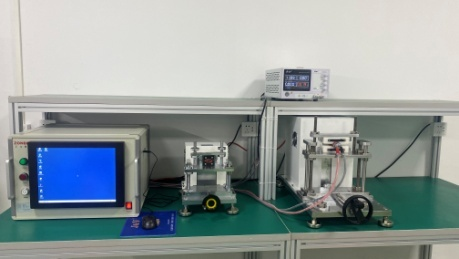
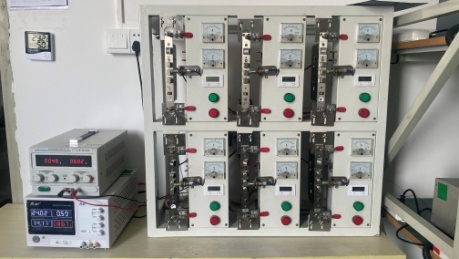
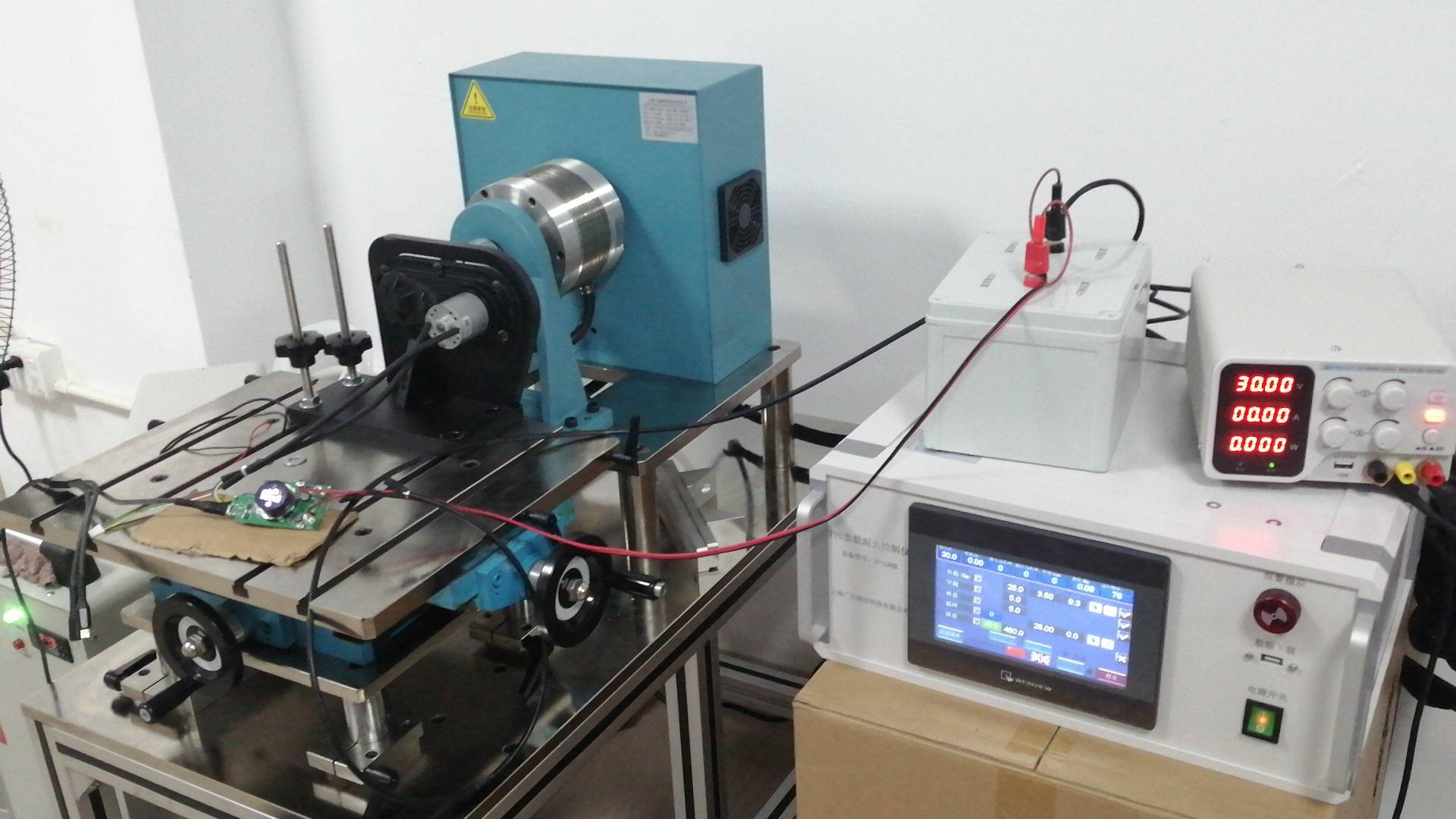
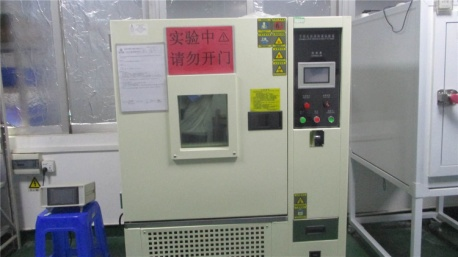
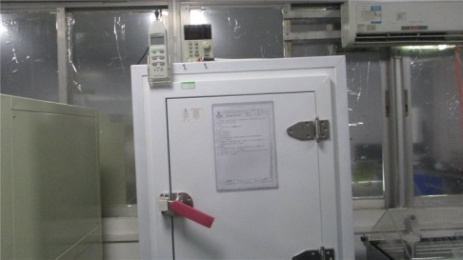
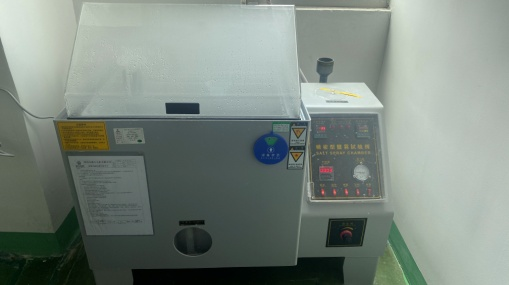
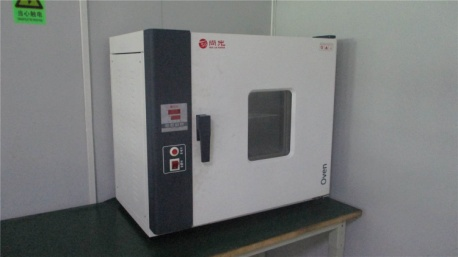
Our engineering support infrastructure guarantees that the miniature and micro-drives delivered to Melbourne are rigorously validated against these standards. Through environmental exposure tests, salt spray validation for coastal environments, and dynamic balancing procedures, we deliver motors optimized for the challenging operational realities of Australia.
Engineered to Unyielding Standards
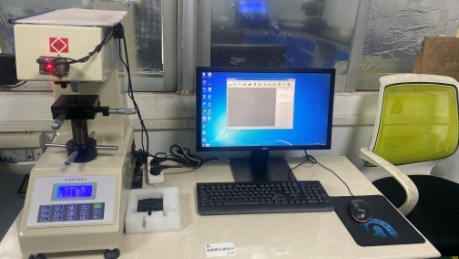
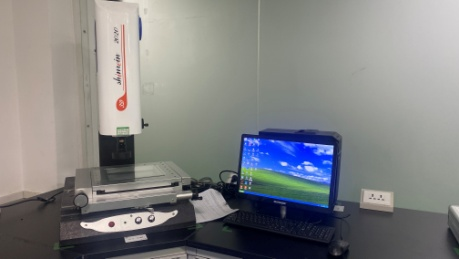
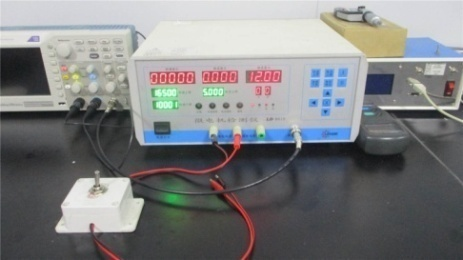
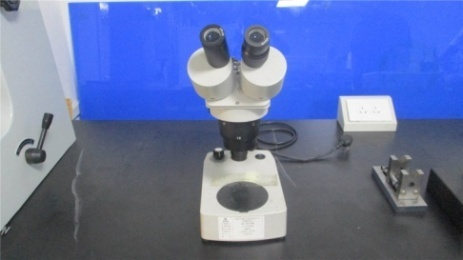
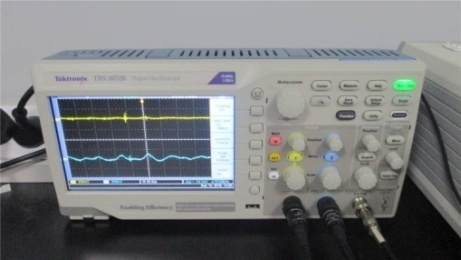
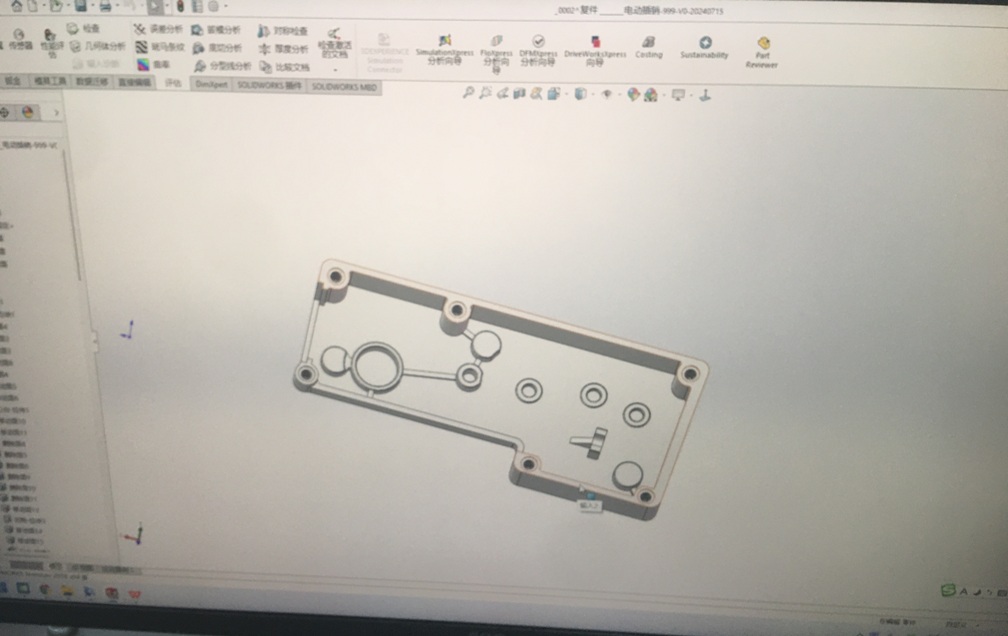
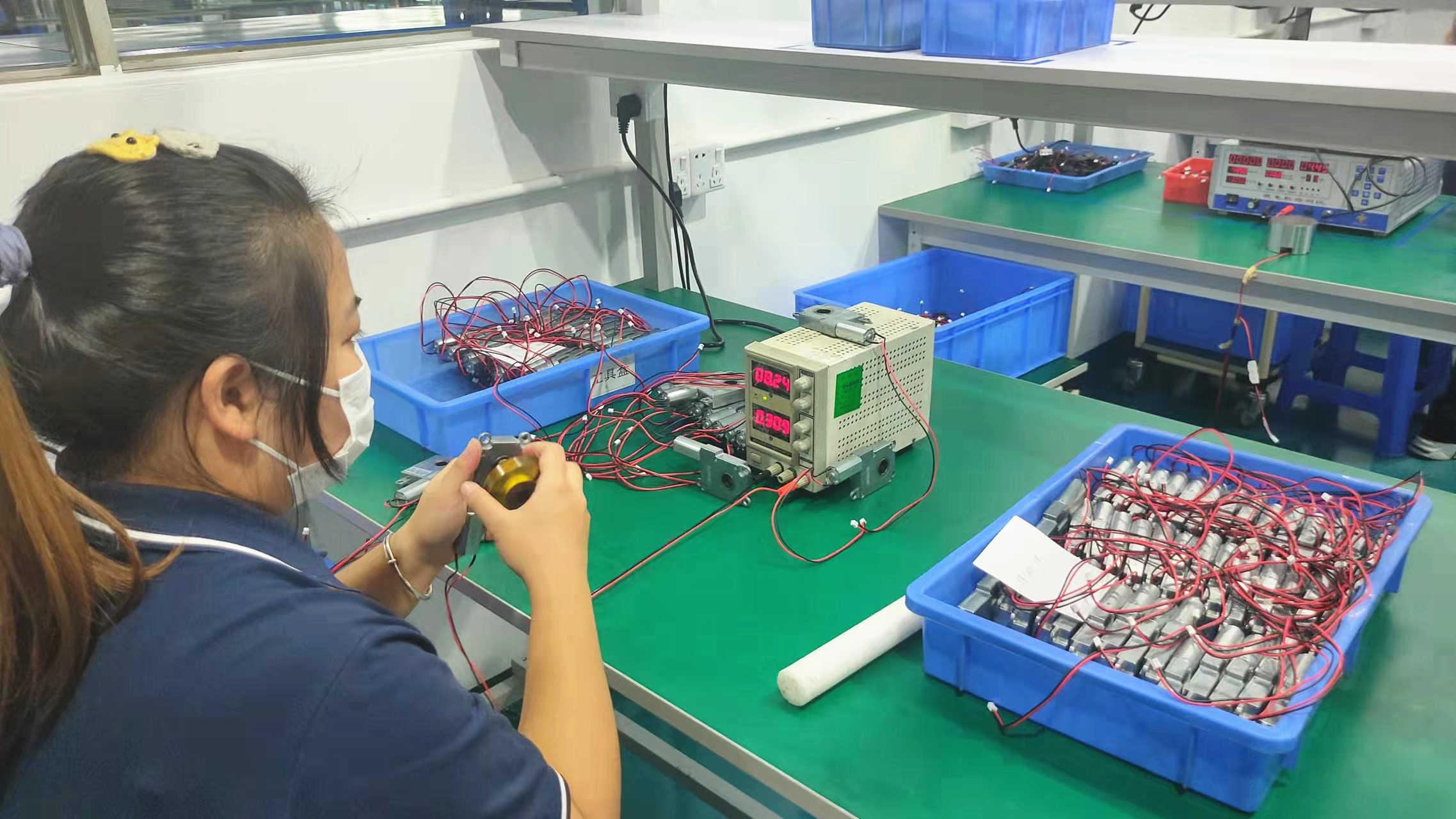
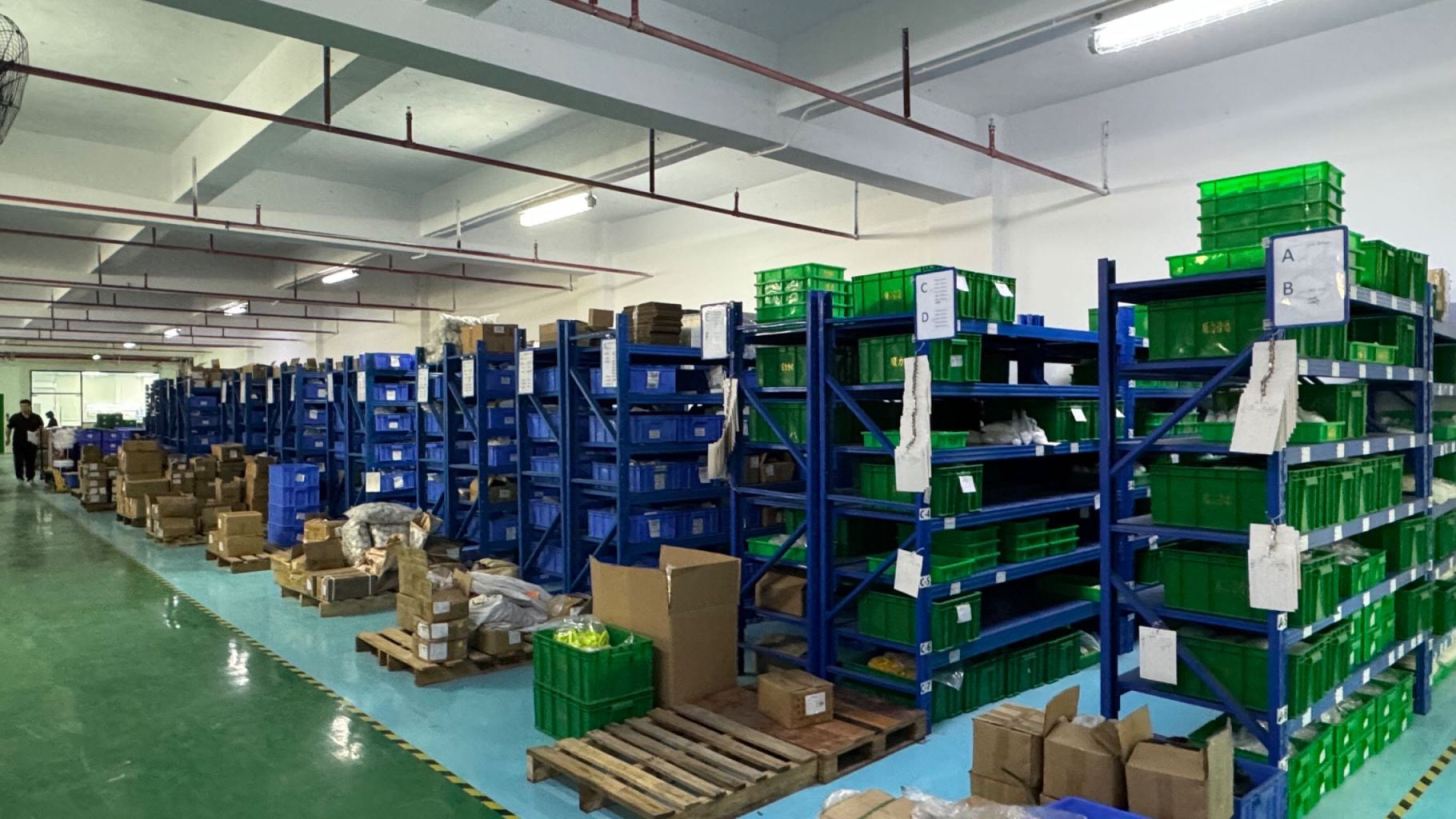
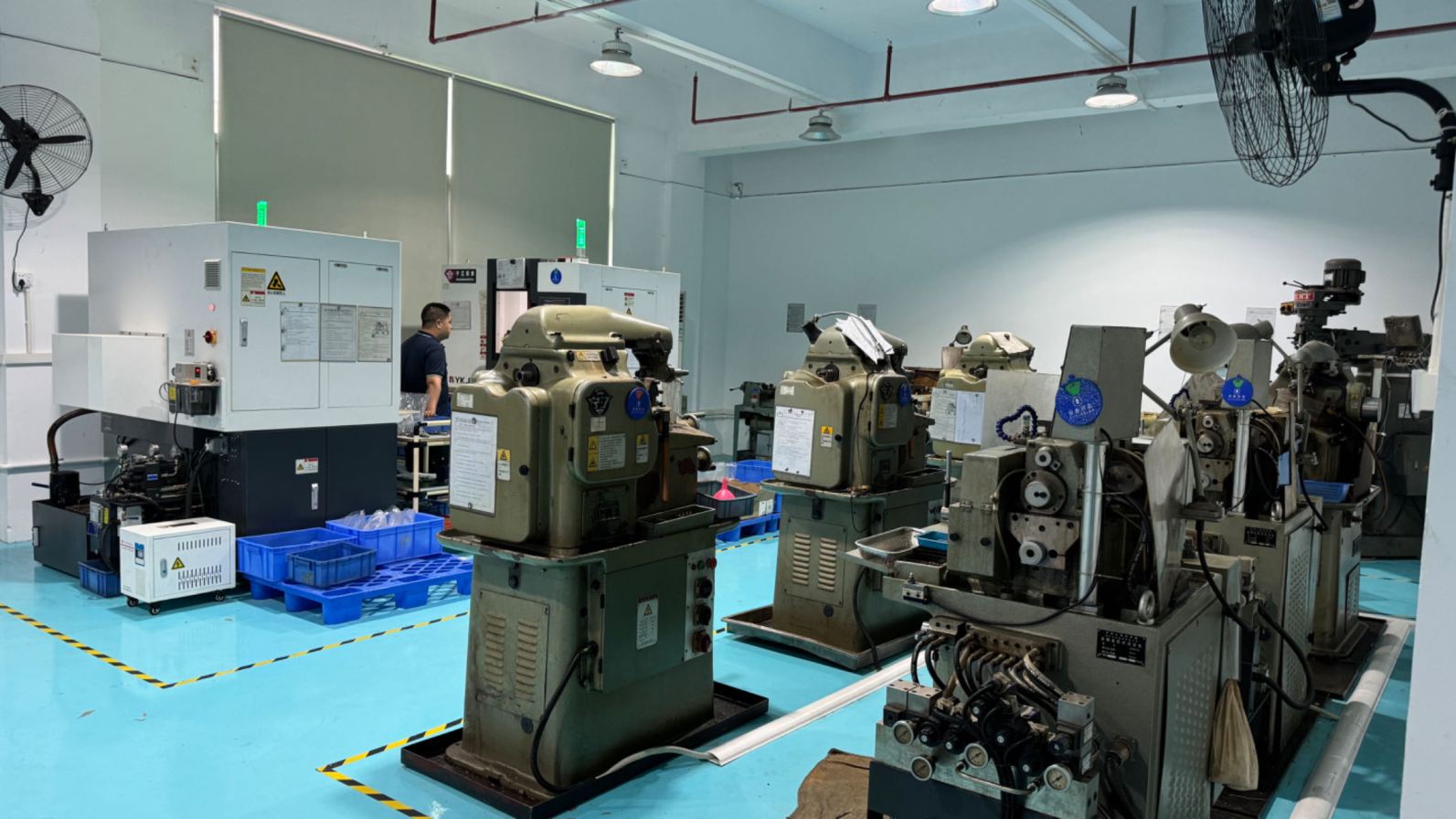
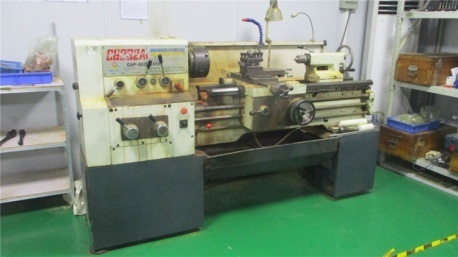
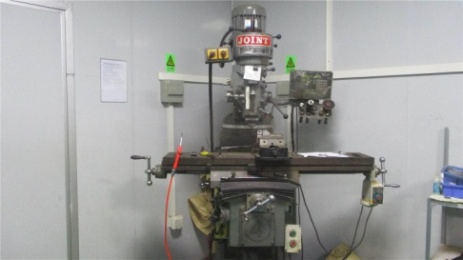
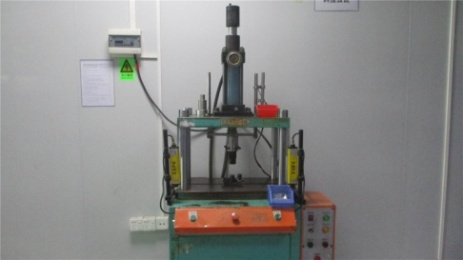
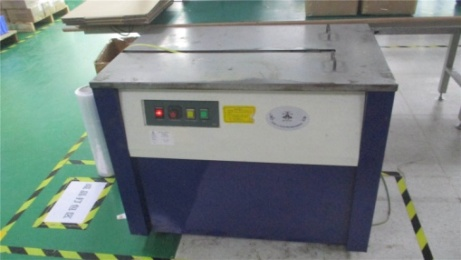
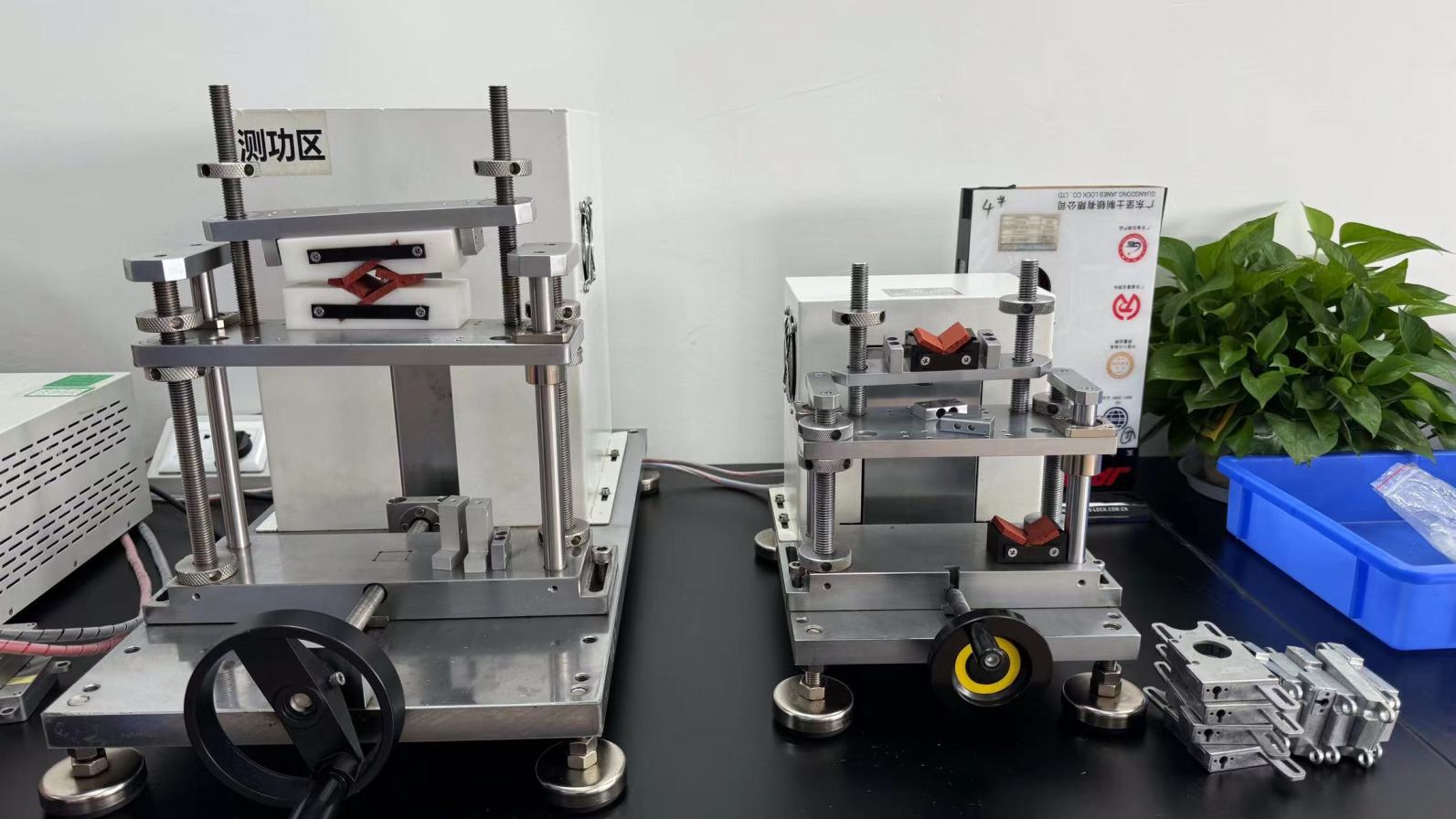
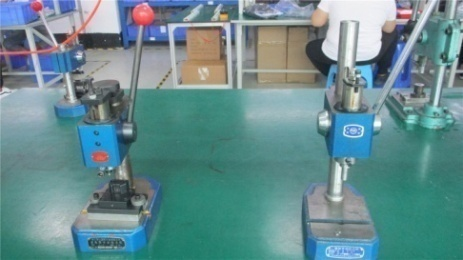
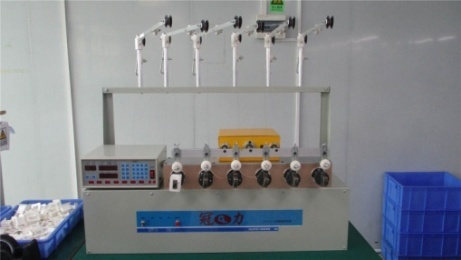
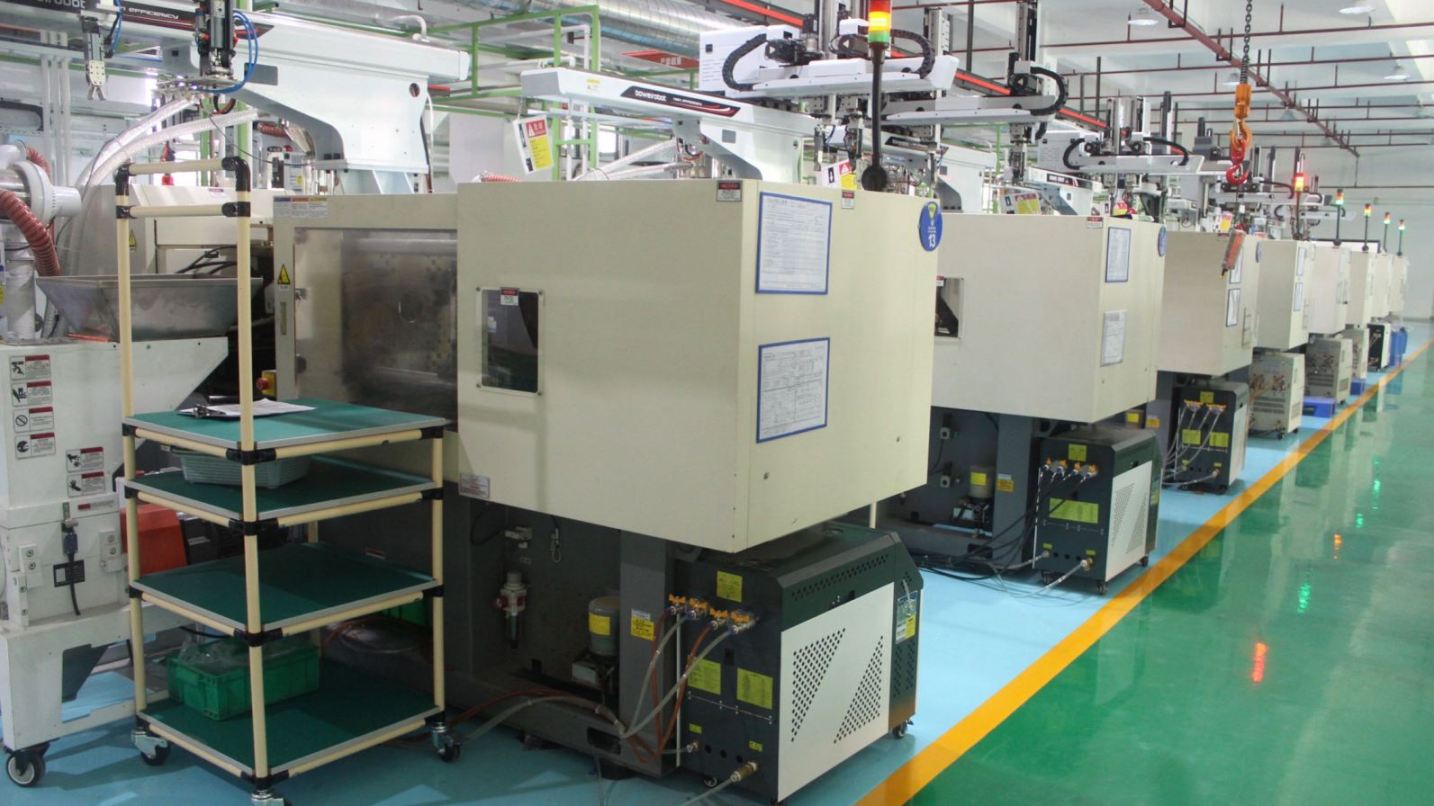
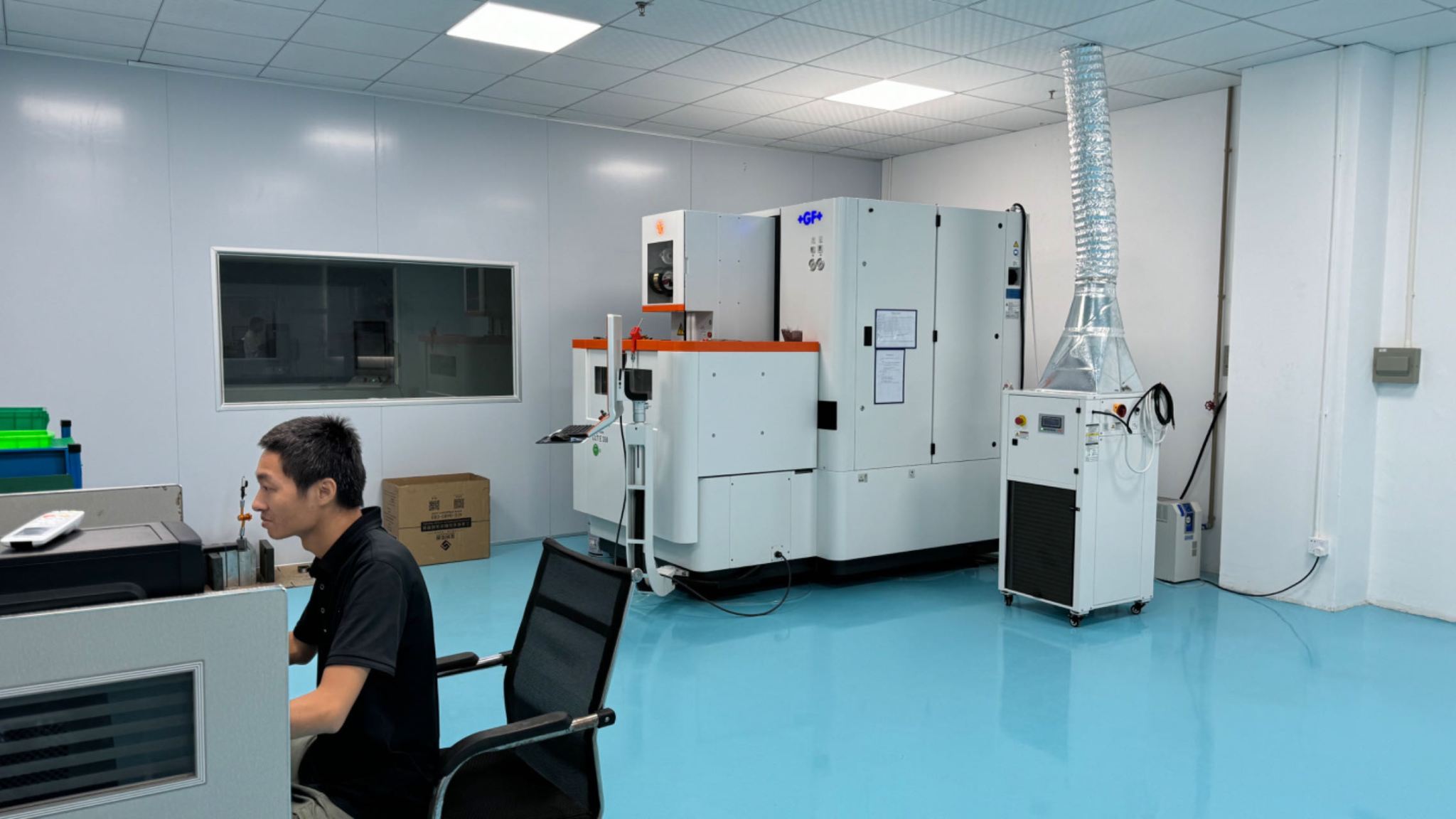
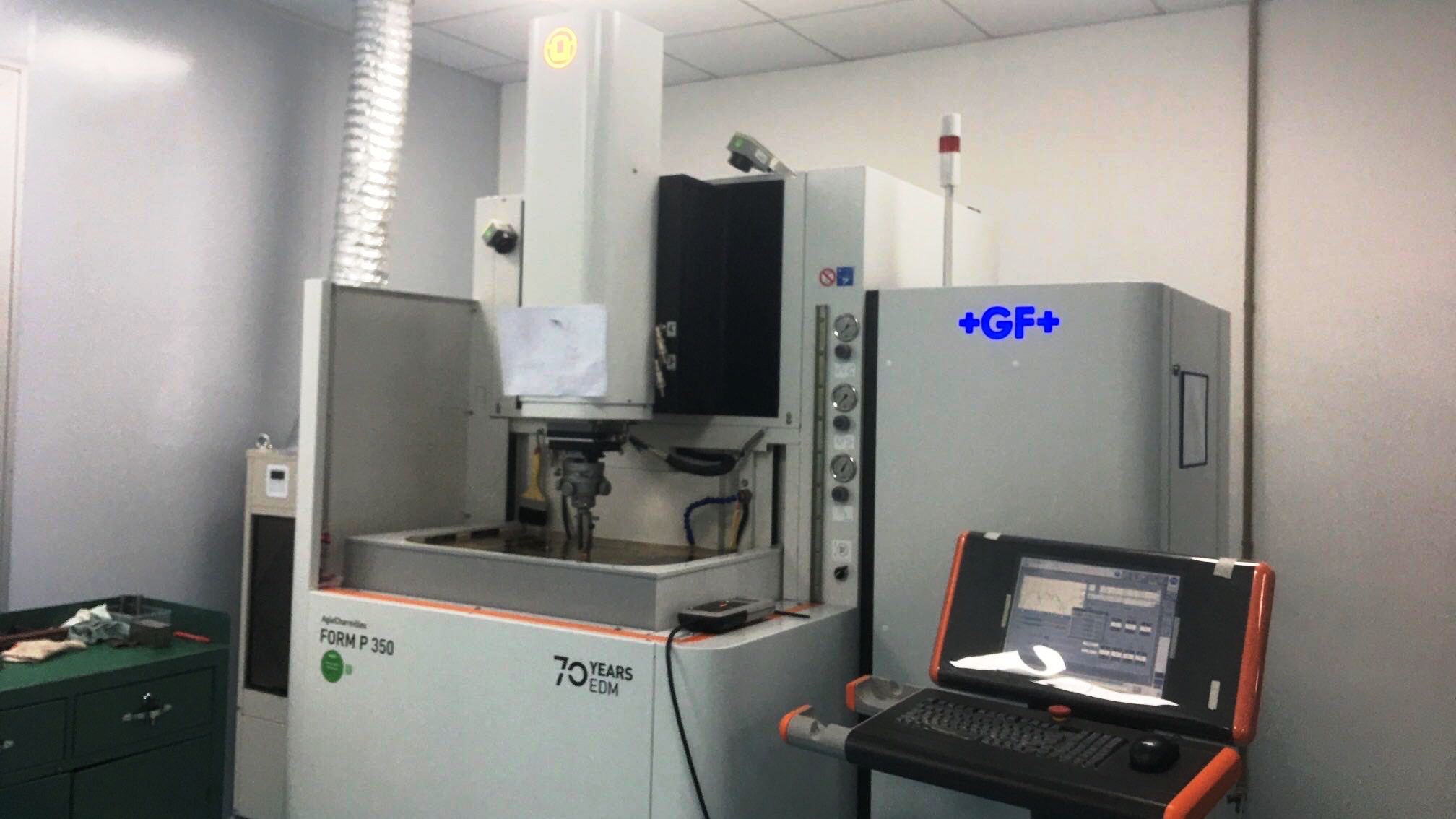
Our global manufacturing excellence is reflected in every high-precision micrometer we cut and test.
Micro-Scale Systems for Specialty Devices
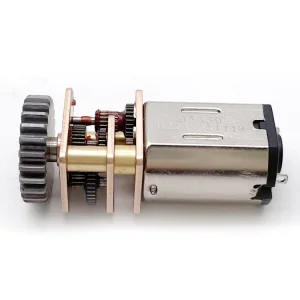
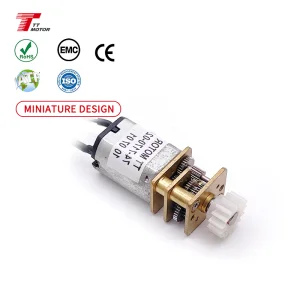
Miniature drives designed for smart lockers, balance systems, and DIY robotics development projects.
Mastering the Micro-Universe: The Intertek Motor Standard
At Intertek Motor, we measure our success in micrometers and decibels. We optimize every component inside our micro motors for minimal energy consumption and friction-free lifespans.
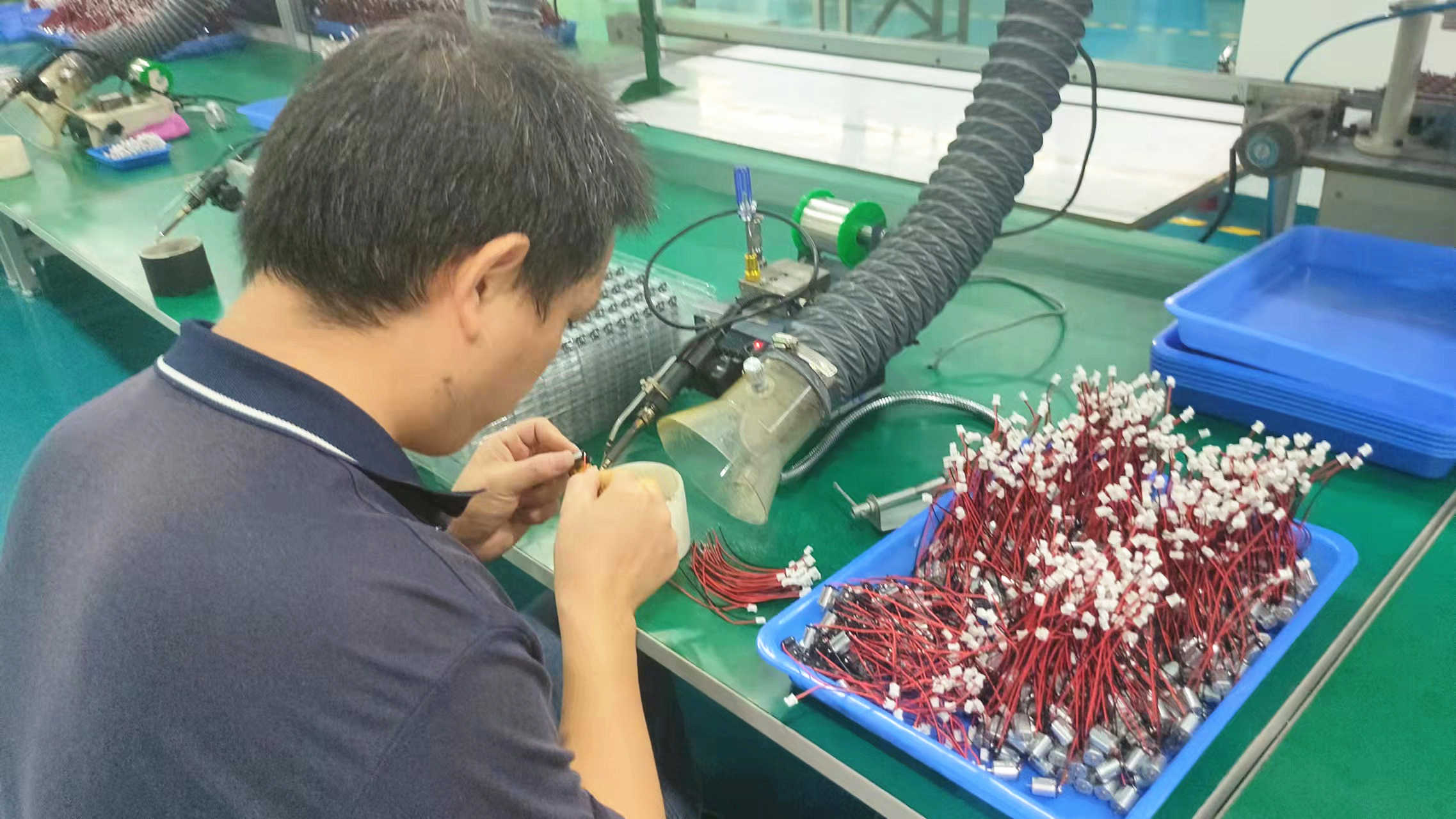
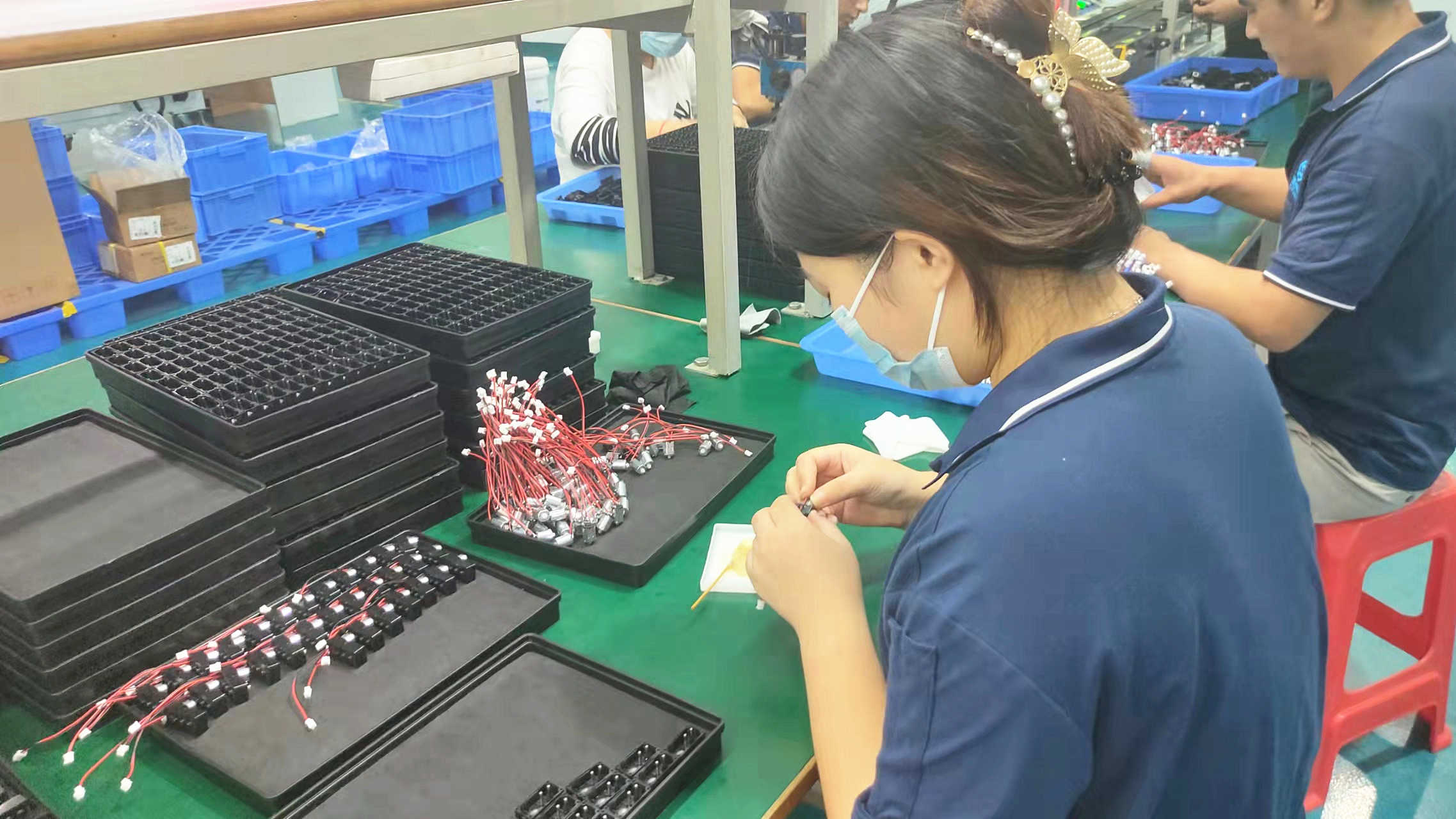
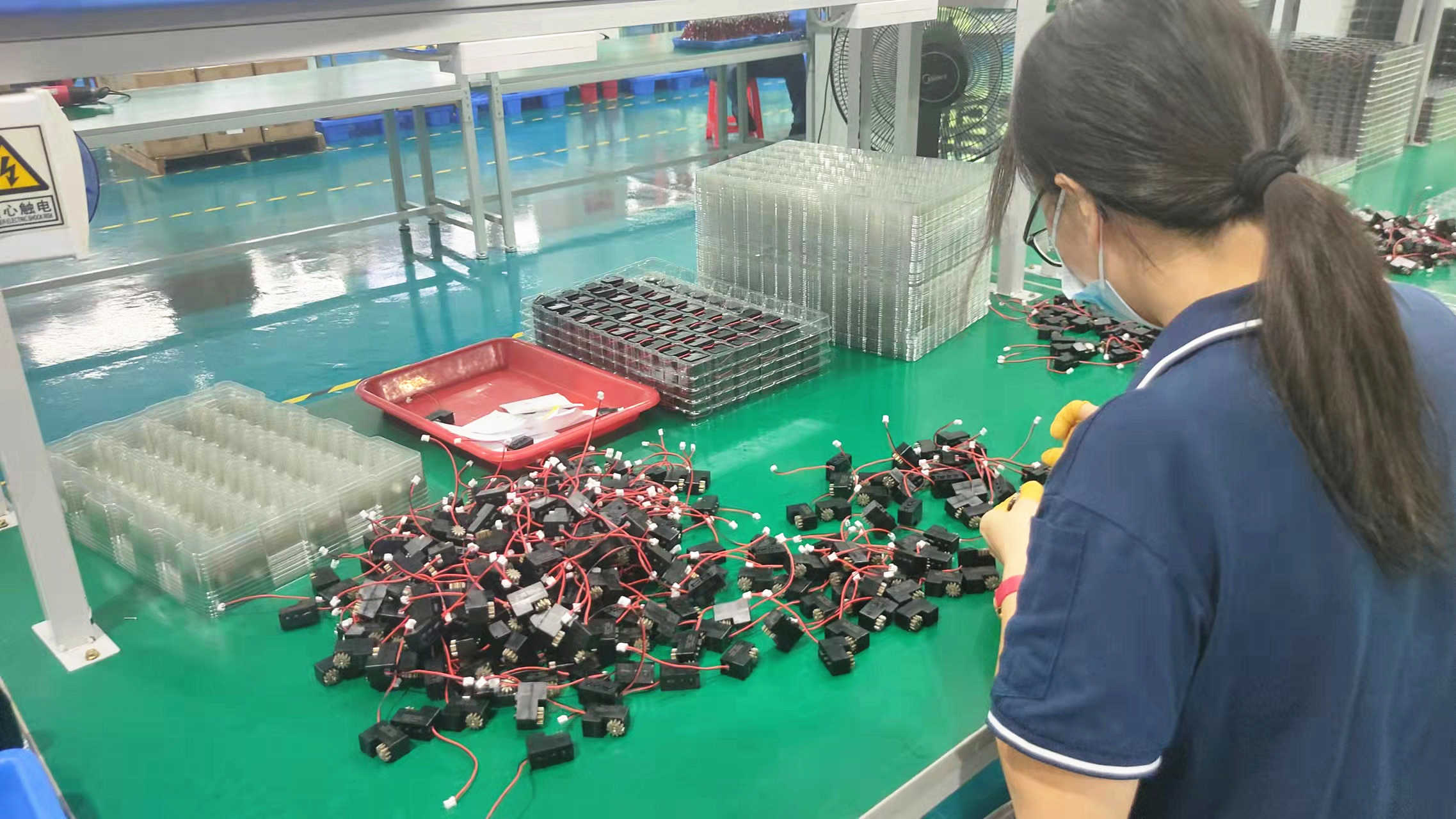
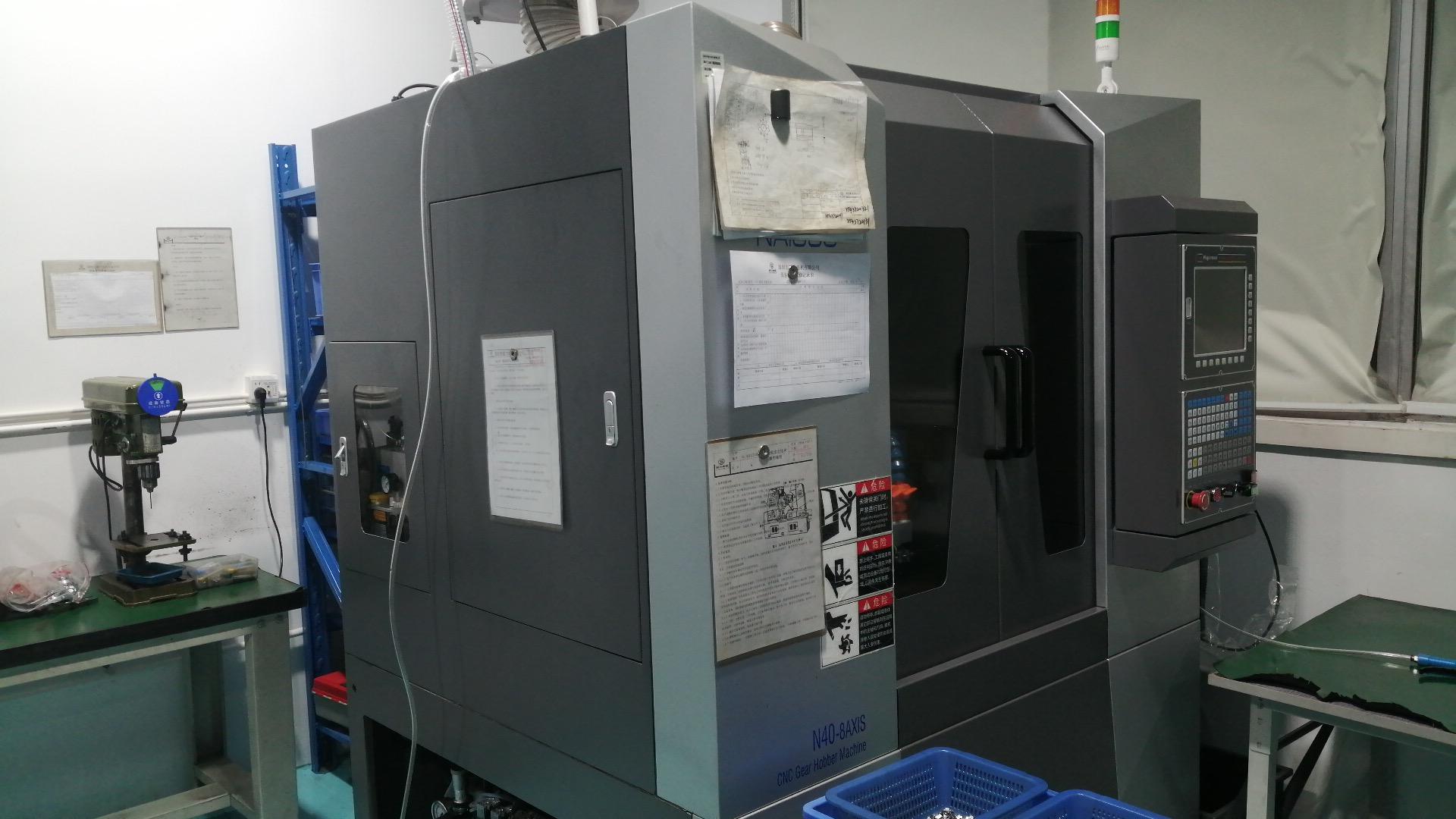
Our expertise lies in the harmony of miniature engineering. From precision-wound rotors and high-purity copper commutators to custom-designed planetary gearheads, we constantly push the limits of micro-drive tech, utilizing advanced automated Swiss-style hobbing and Japanese dynamic balancing to ensure that our internal gear trains operate with zero-backlash precision. When the integrity of your high-tech device hangs on repeated mechanical perfection, Intertek Motor delivers the silent power that anchors your design.

The Evolution of Micro-Geared Actuation
Anticipating engineering requirements for the next generation of industrial automation.
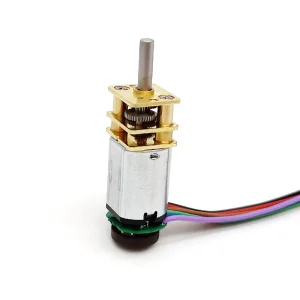
The design roadmap of micro DC motors is steering toward integrated intelligence. By building magnetic and optical encoders directly into the back-bell of the motor housing, we provide closed-loop position and velocity feedback without increasing the overall axial length of the assembly. This is vital for space-constrained applications such as robotic prosthetic hands, medical infusion pumps, and compact sorting systems.
Additionally, gear design is shifting from standard spur gear geometries to advanced planetary configurations using high-grade engineering polymers (like PEEK and POM) combined with sintered metal gears. This hybrid design significantly reduces acoustic emissions while retaining the torque capability required for high-frequency start-stop cycles. For Melbourne machinery builders targeting international markets, adopting these advanced drives ensures their equipment meets strict international efficiency and noise regulations.
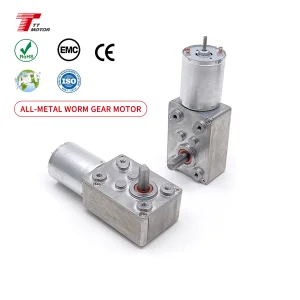
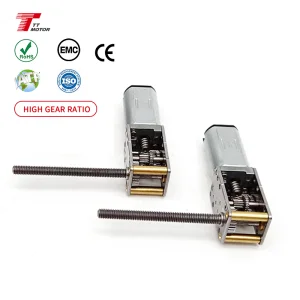
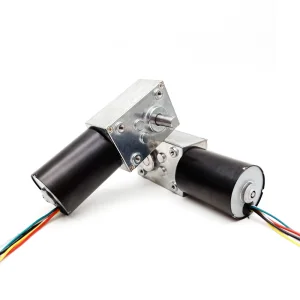
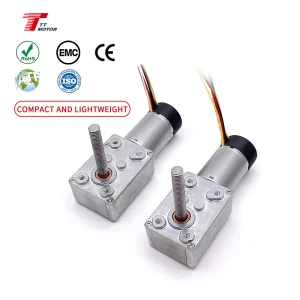
Industrial Geared Drive Inventory
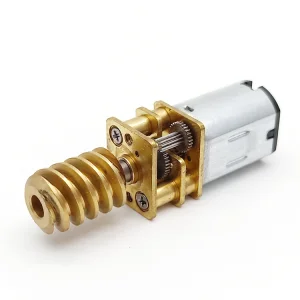
Our complete range of worm gear, planetary, and micro-brushed DC drive solutions.
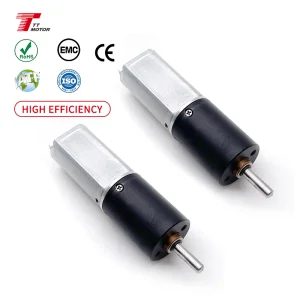
Melbourne Procurement Q&A
Addressing standard technical queries from Australian engineering and procurement teams.
Yes. Our DC gear motors are designed and tested to comply with international electromagnetic compatibility (EMC) regulations, facilitating smooth integration into systems requiring the Australian Regulatory Compliance Mark (RCM). We provide comprehensive testing documentation upon request.
Absolutely. We specialize in custom manufacturing. We can customize the output shaft diameter, length, flat surface processing (D-cut), and mounting hole dimensions to fit your existing machinery design without requiring extensive redesigns.
Standard sample batches are prepared within 7-10 working days. Bulk production orders typically range between 20 to 30 days. We offer both sea freight (into the Port of Melbourne) and express air courier options to match your project milestones.
We leverage high-precision Swiss hobbing machinery to ensure gear teeth profiles match exactly. Additionally, we integrate self-lubricating synthetic gears in the first gear stage to decouple acoustic noise without degrading torque performance.