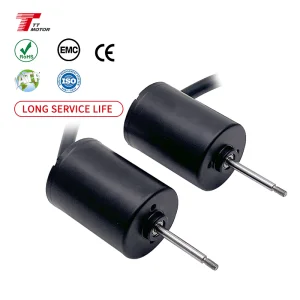
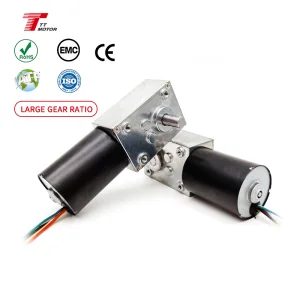
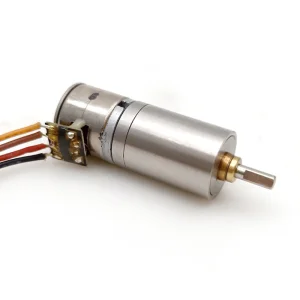
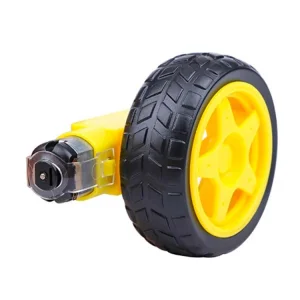
Premium Electric Motors Portfolio
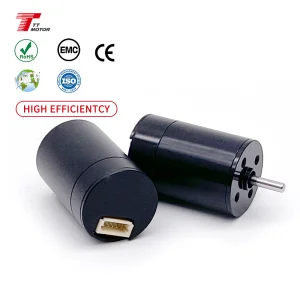
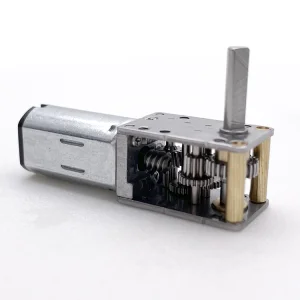
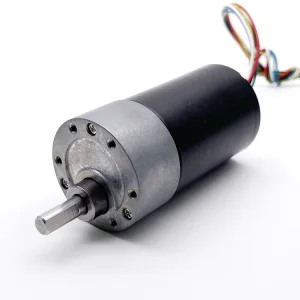
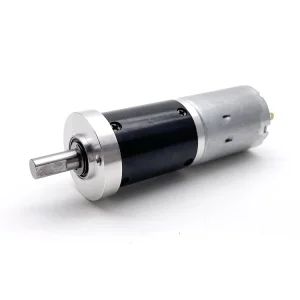
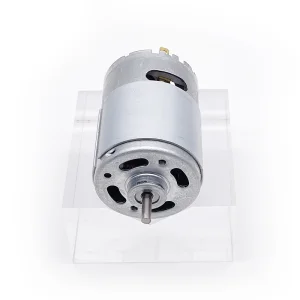
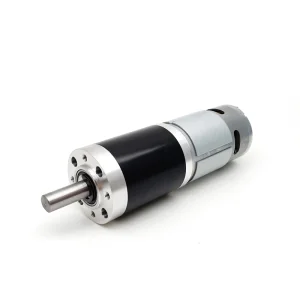
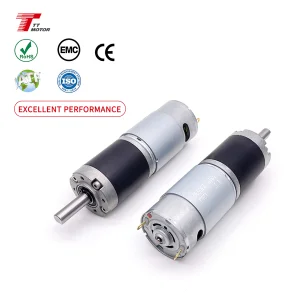
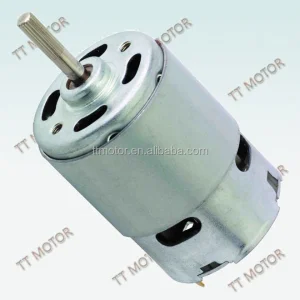
Explore our high-performance miniature DC, brushless, and planetary geared configurations designed for low-noise operational integrity.
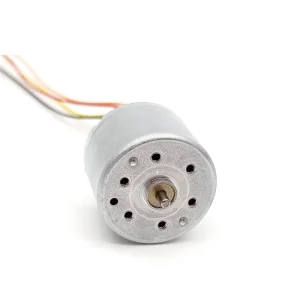
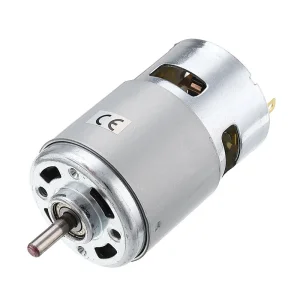
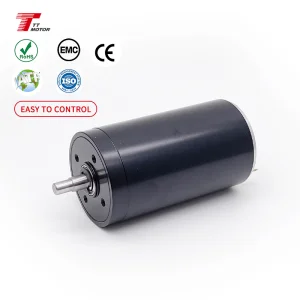
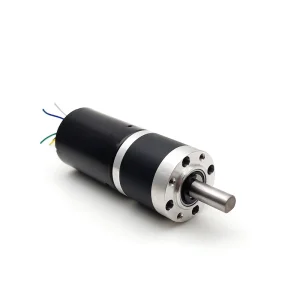
<35 dB
Acoustic Target Limit
99.8%
Production Qualification
30+
Patent Engineering Designs
100%
Precision Automated QC
Mastering the Micro-Universe: The Intertek Motor Standard
At Intertek Motor, we measure our success in micrometers and decibels. We understand that inside a premium robotic joint, a medical dosing pump, or a high-end smart lock, spatial constraints are the ultimate design challenge. Our mission is to engineer maximum dynamic torque, unyielding structural durability, and near-silent acoustics into the most compact envelopes imaginable.
Our expertise lies in the harmony of miniature engineering. From precision-wound rotors and high-purity copper commutators to custom-designed planetary gearheads, every component inside an Intertek micro motor is optimized for low energy consumption and a friction-free operational lifespan. We constantly push the limits of micro-drive technology, utilizing advanced automated Swiss-style hobbing and Japanese dynamic balancing to ensure that our internal gear trains operate with zero-backlash precision. When the integrity of your high-tech device depends on repeated mechanical perfection, Intertek Motor delivers the silent power that anchors your system designs.
Architecting Silent Drive Technology: An Industry Whitepaper
As smart systems, medical robotics, and premium consumer devices evolve, the demand for low-noise micro electric motors has experienced exponential growth. Designers are no longer just looking for mechanical power; they demand sensory refinement. In applications like surgical equipment or autonomous home assistants, noise levels are a critical differentiator of product quality. Designing motors that operate below 35dBA while maintaining robust torque density requires deep manufacturing and material science expertise.
1. Physics of Noise in Miniature Motors
Acoustic emissions in electric motors stem from three distinct sources: electromagnetic, mechanical, and aerodynamic forces. Electromagnetic noise arises from radial force waves and torque ripple that stimulate the stator and frame structures. Mechanical noise originates from bearing friction, imbalance of the rotating elements, and the interlocking tooth contact of gear teeth. Aerodynamic noise, though minor in micro motors, comes from turbulent airflow when high rotative speeds are reached.
"By moving to slotless BLDC structures and incorporating helical dynamic geometry in our gear teeth, we mitigate the primary excitation frequencies that lead to resonance."
2. China Factory Supply Chain Advantage
Securing competitive OEM/ODM partnerships relies heavily on robust vertical supply chains. Based in the heart of China’s high-precision manufacturing corridors, Intertek Motor harnesses direct local access to rare earth materials (high-energy NdFeB magnets), specialized high-purity electrolytic copper wire, and automated sub-assembly machinery. This geographic localization allows us to dramatically compress lead times, quickly deploy customized tooling, and execute rapid prototyping protocols that would take months elsewhere. By running advanced computerized wire winding and high-precision horizontal gear hobbing under one roof, we eliminate intermediate supply chain delays and enforce strict quality control at every link.
3. Global Compliance & Regulatory Standards
Navigating international regulatory frameworks is critical for global enterprises. We maintain comprehensive certifications including RoHS, REACH, and CE to guarantee environmental safety and compliance. Furthermore, our manufacturing processes align with quality systems like ISO 9001 and IATF 16949 for automotive grade micro-drive components. For medical equipment manufacturers, we provide complete Material Data Sheets and full trace documentation to streamline FDA and MDR compliance.
4. Procurement Demands & Collaborative Engineering
Global procurement teams face challenges beyond component unit cost; they must mitigate risk. The total cost of ownership (TCO) is influenced by failure rates, delivery consistency, and engineering support. At Intertek Motor, we establish co-engineering setups directly with clients' R&D teams during the initial DFM (Design for Manufacturability) phase. Our teams utilize electromagnetic design software and finite element analysis (FEA) to verify thermal performance and shaft load capacity before structural tooling is finalized.
Comparison Matrix: Low Noise vs. Standard Drives
A systematic comparison showing how precision engineering influences motor operational metrics and lifespan.
| Performance Feature | Standard Commercial Motors | Intertek Low Noise Systems | Engineering Benefit |
|---|---|---|---|
| Rotor Balancing Tolerance | G6.3 ISO Standard | G1.0 - G2.5 High-Precision | Minimizes structural bearing wear and resonance. |
| Stator & Rotor Winding | Conventional slotted winding | Coreless / Slotless custom wind | Eliminates cogging torque completely. |
| Gearbox Tooth Form | Straight-cut spur gears | Optimized helical & plastic hybrid | Increases tooth contact ratio, lowering noise. |
| Brush & Commutator System | Standard copper/carbon brushes | Precious metal alloy / Brushless (BLDC) | Eliminates mechanical brush noise and contact wear. |
| Lubricant Formula | Standard mineral-based grease | Fluorinated synthetic low-noise grease | Consistent viscosity across high temp swings. |
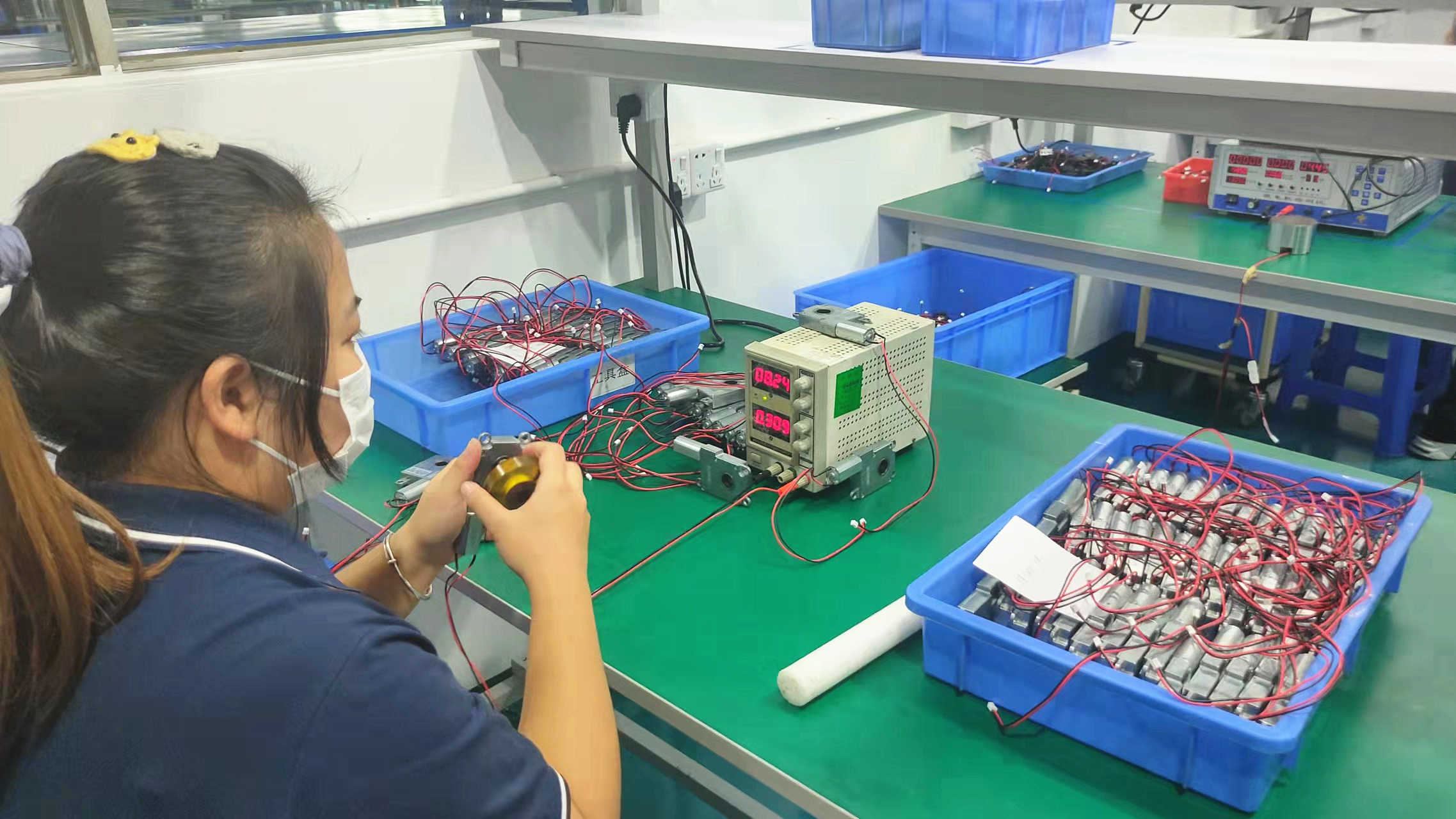
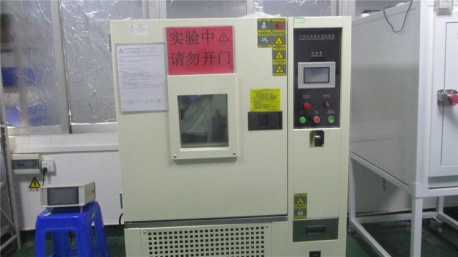
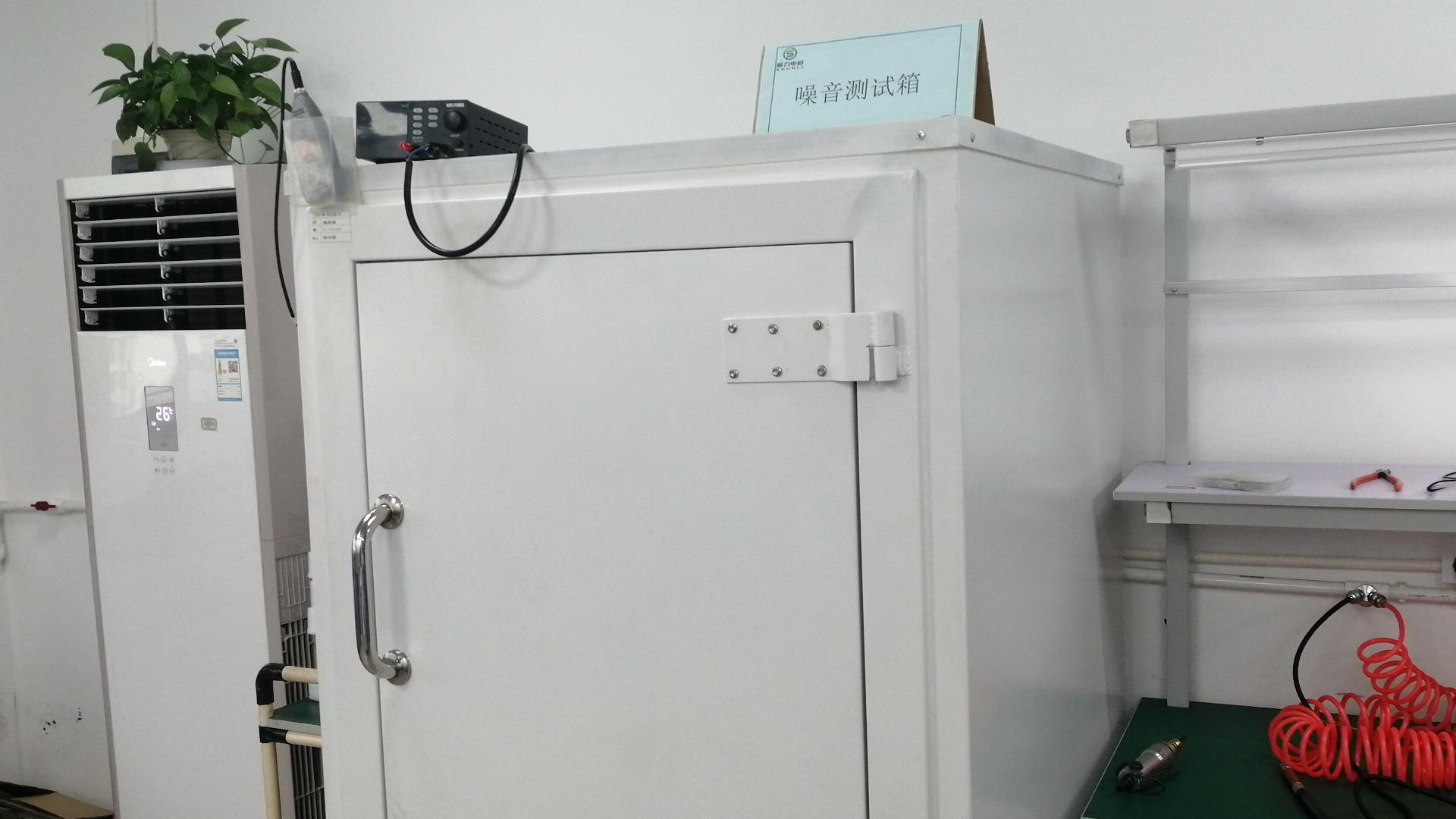
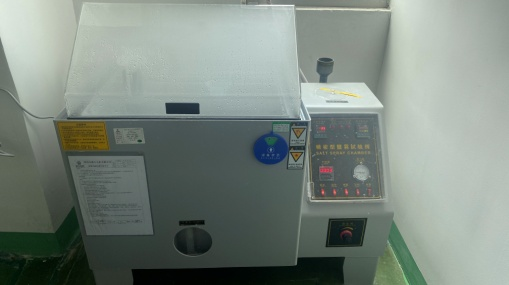
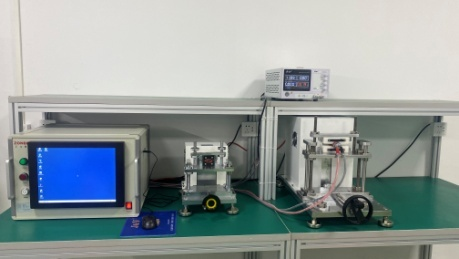
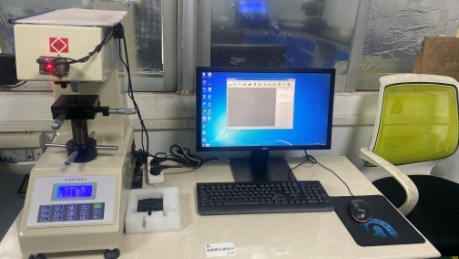
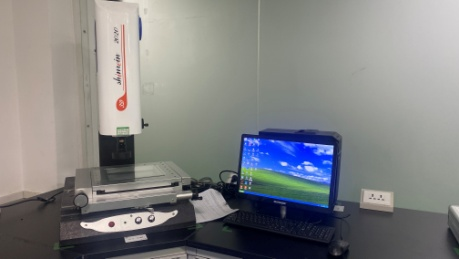
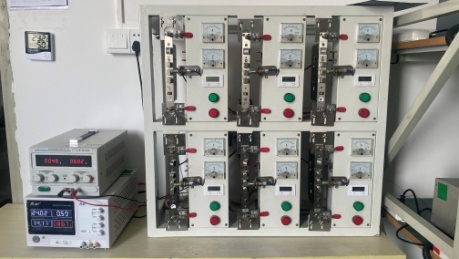
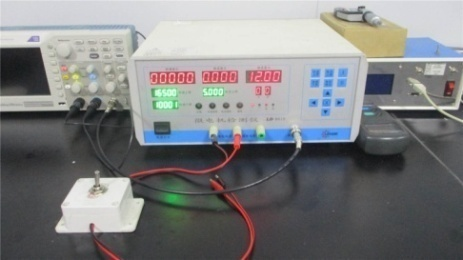
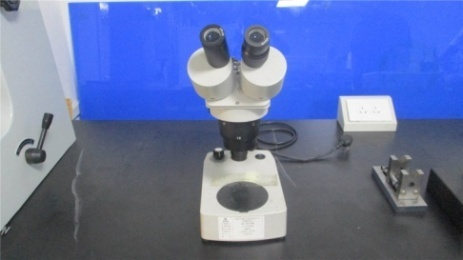
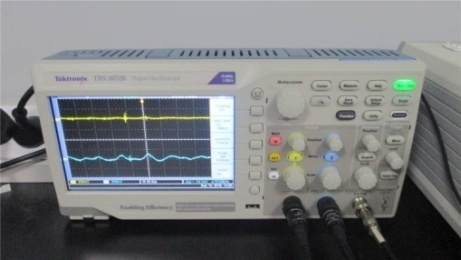
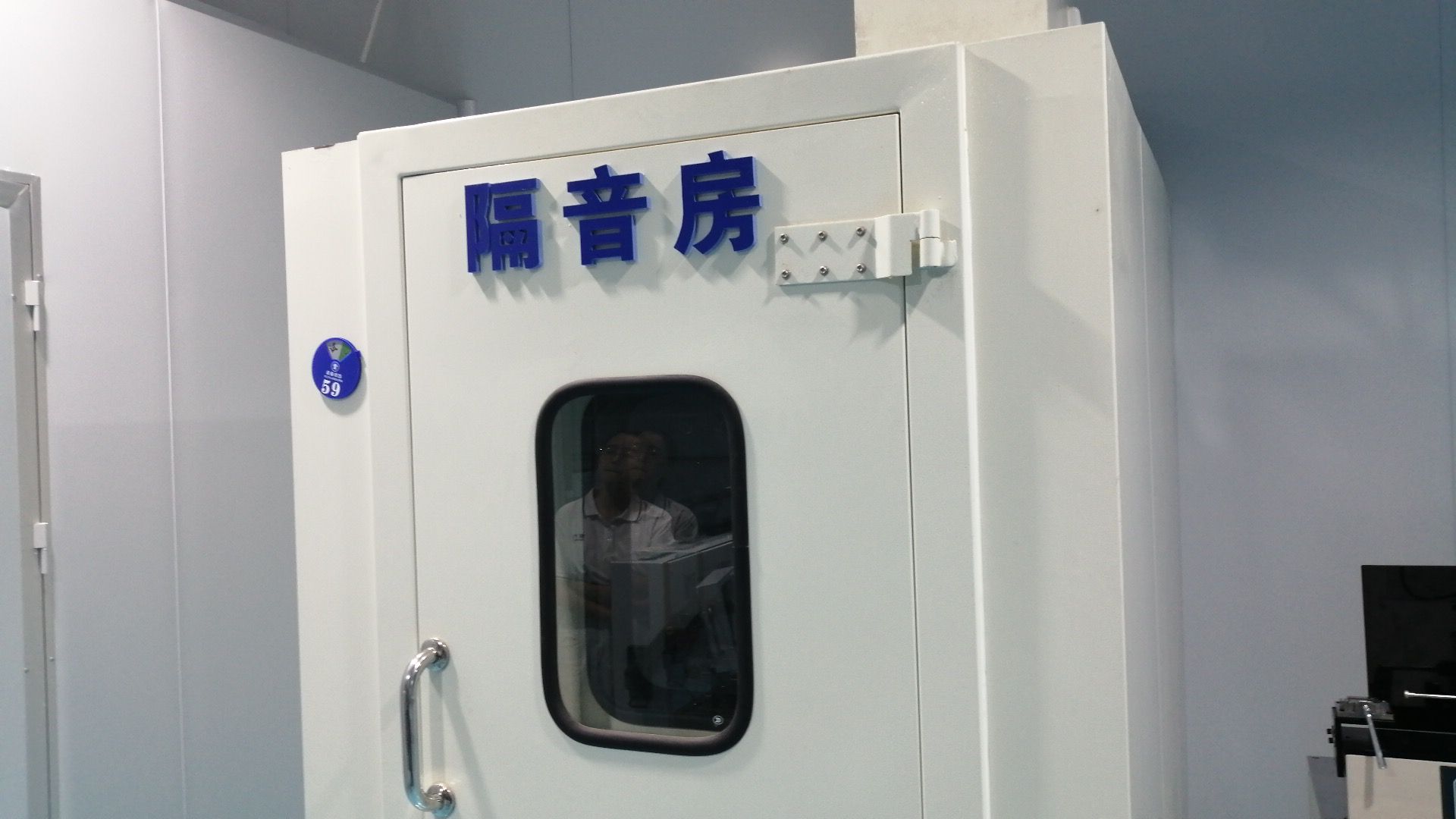
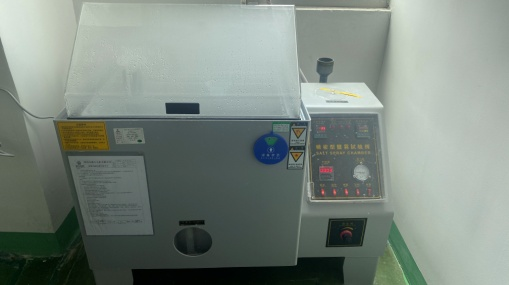
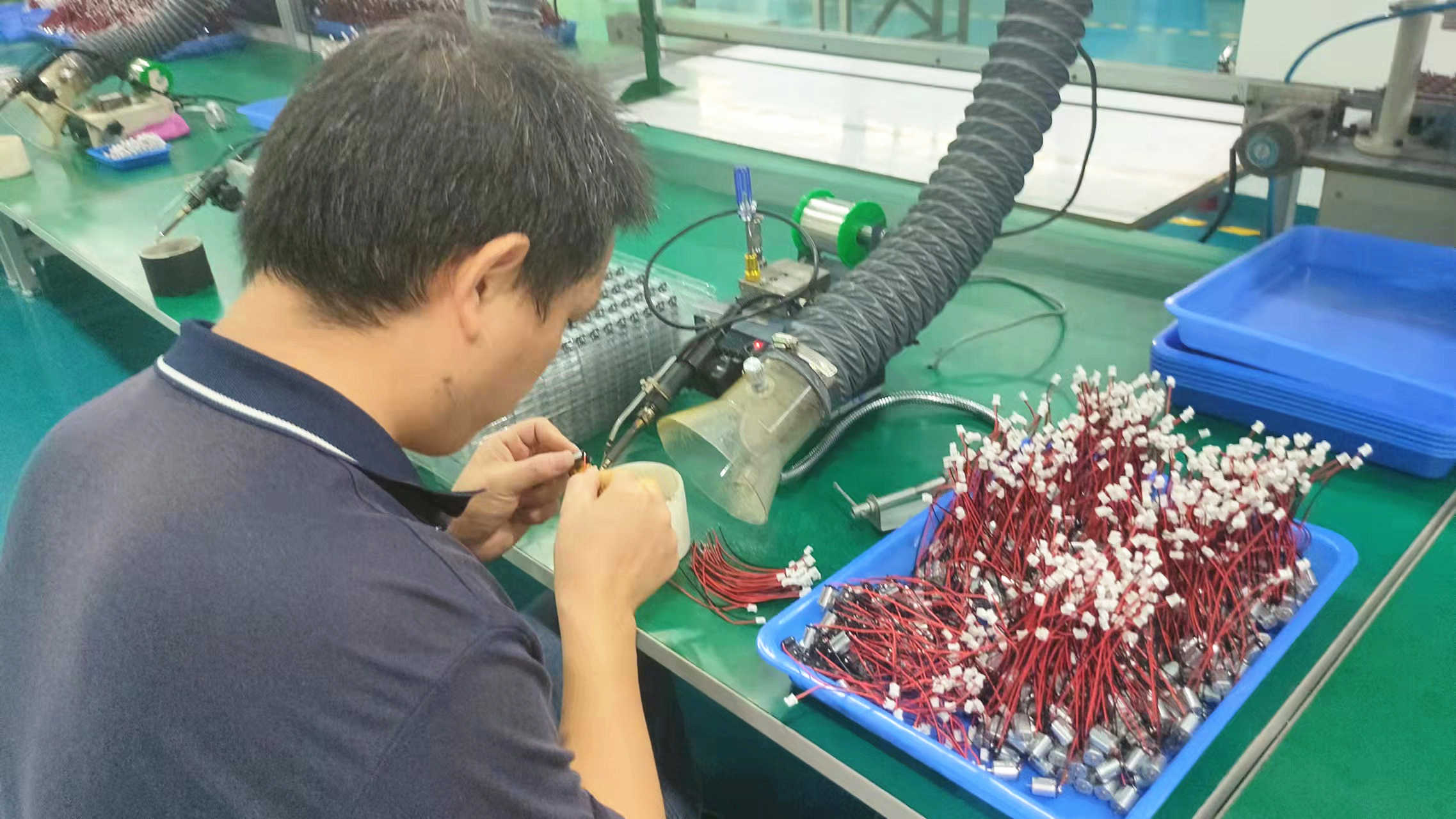
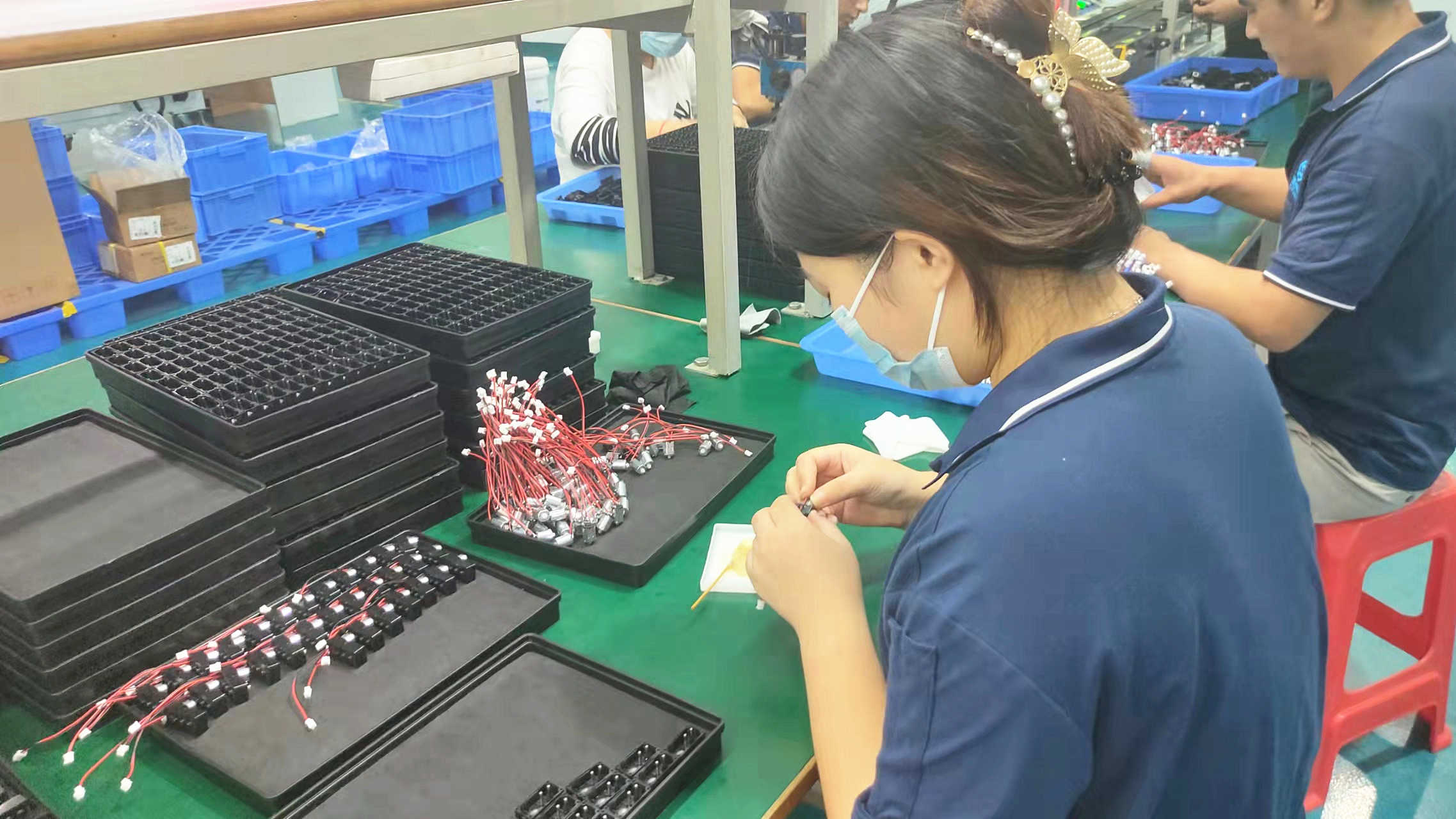
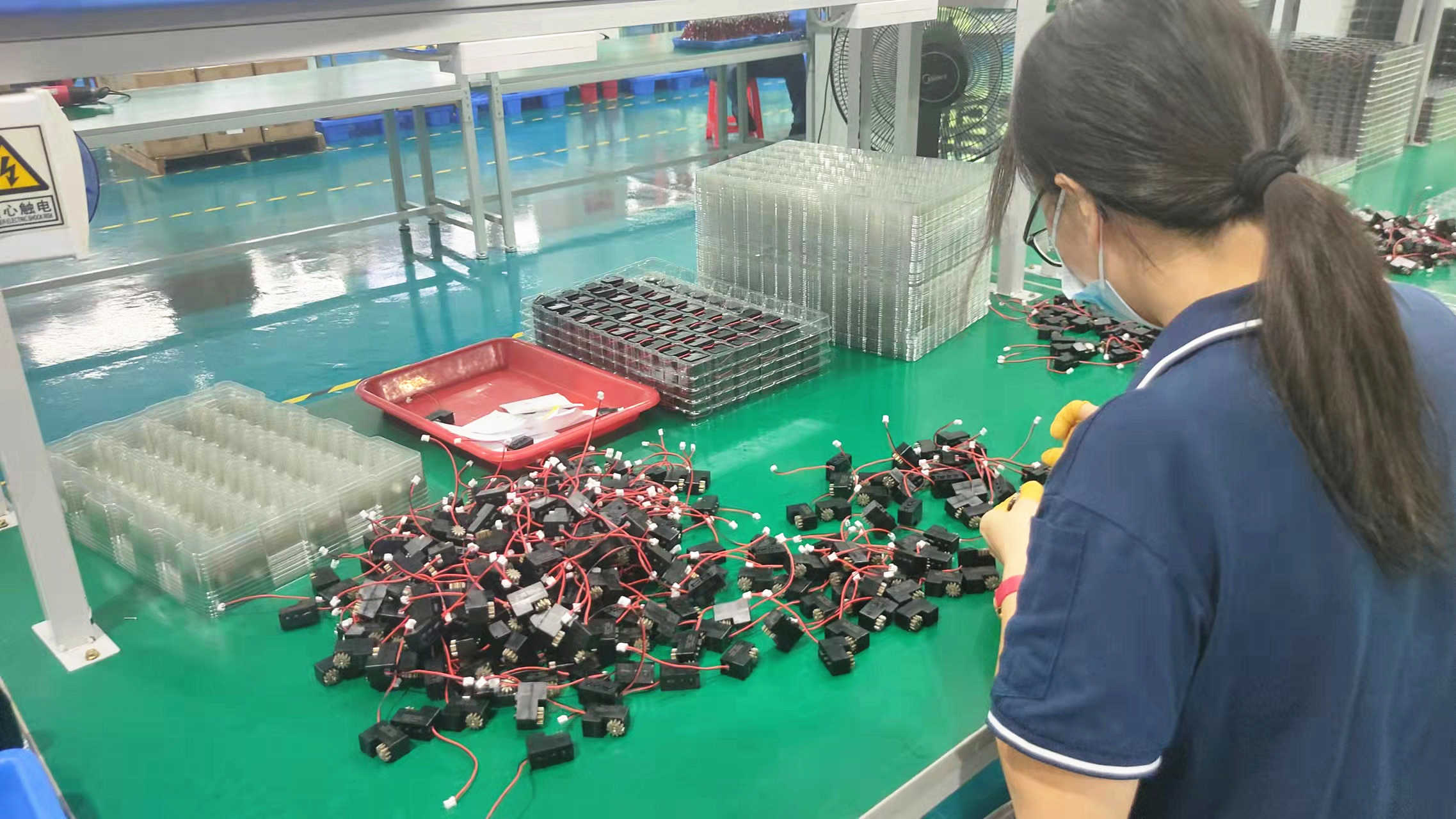
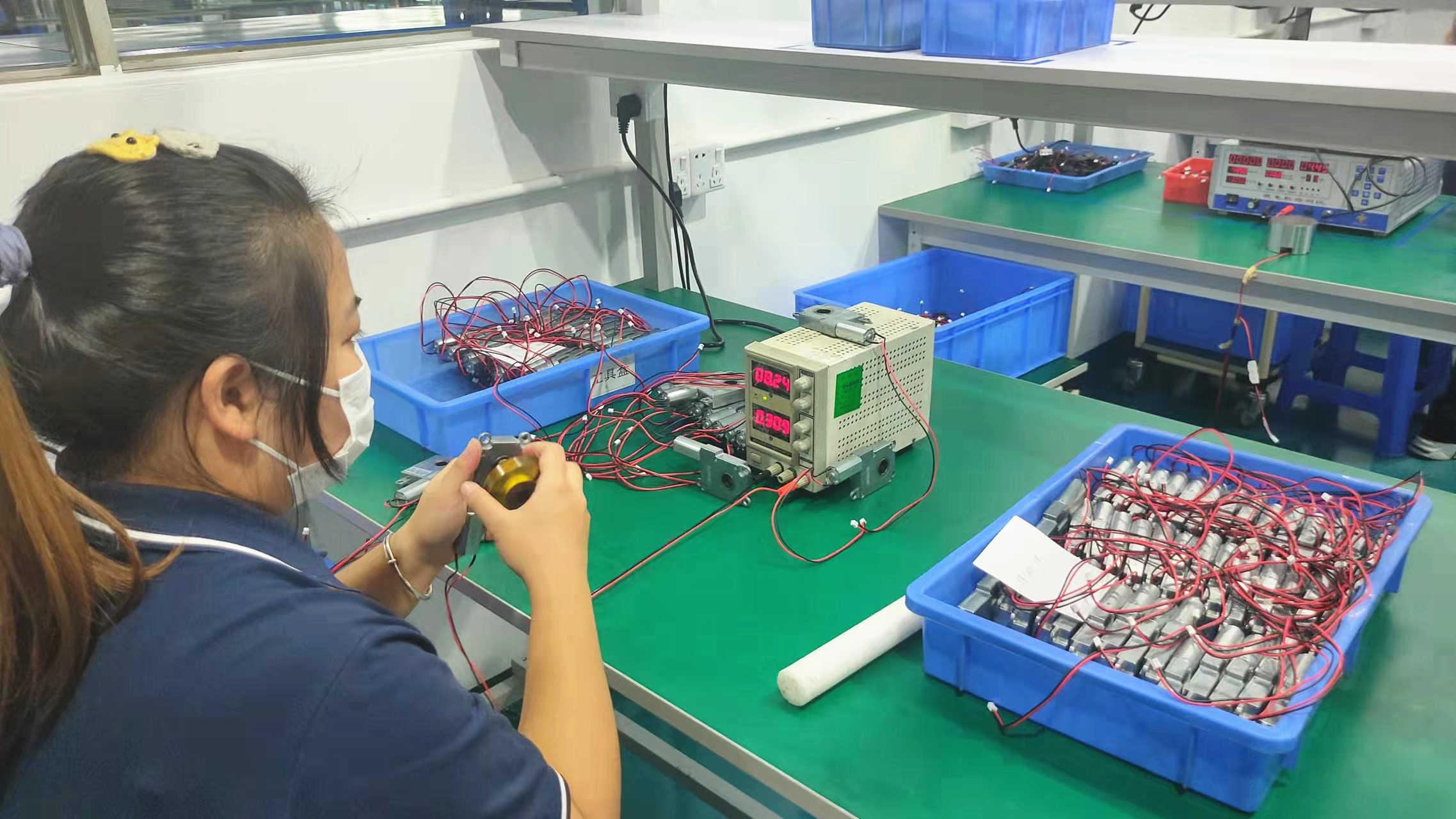
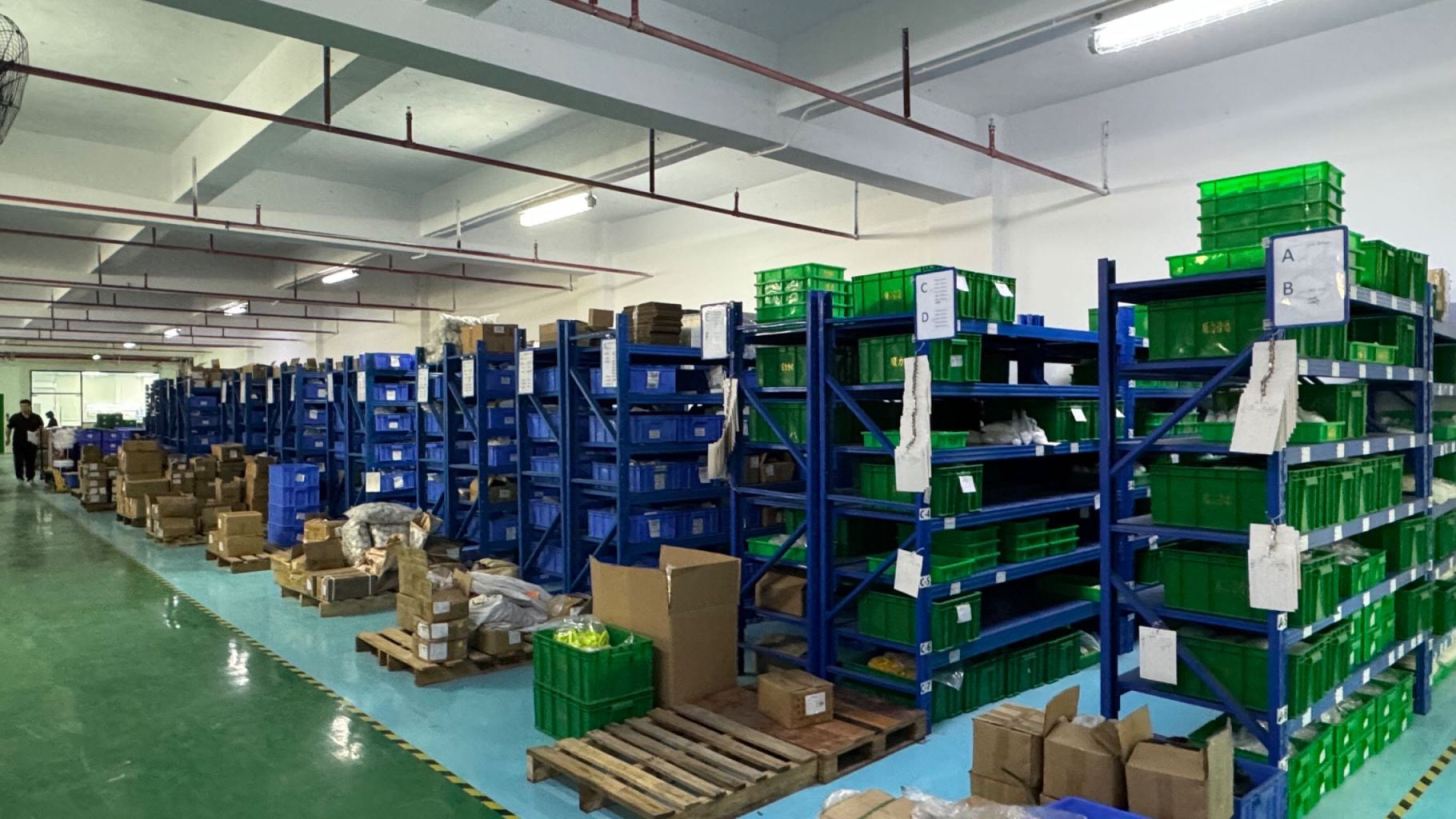
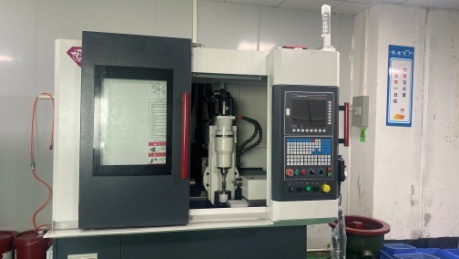
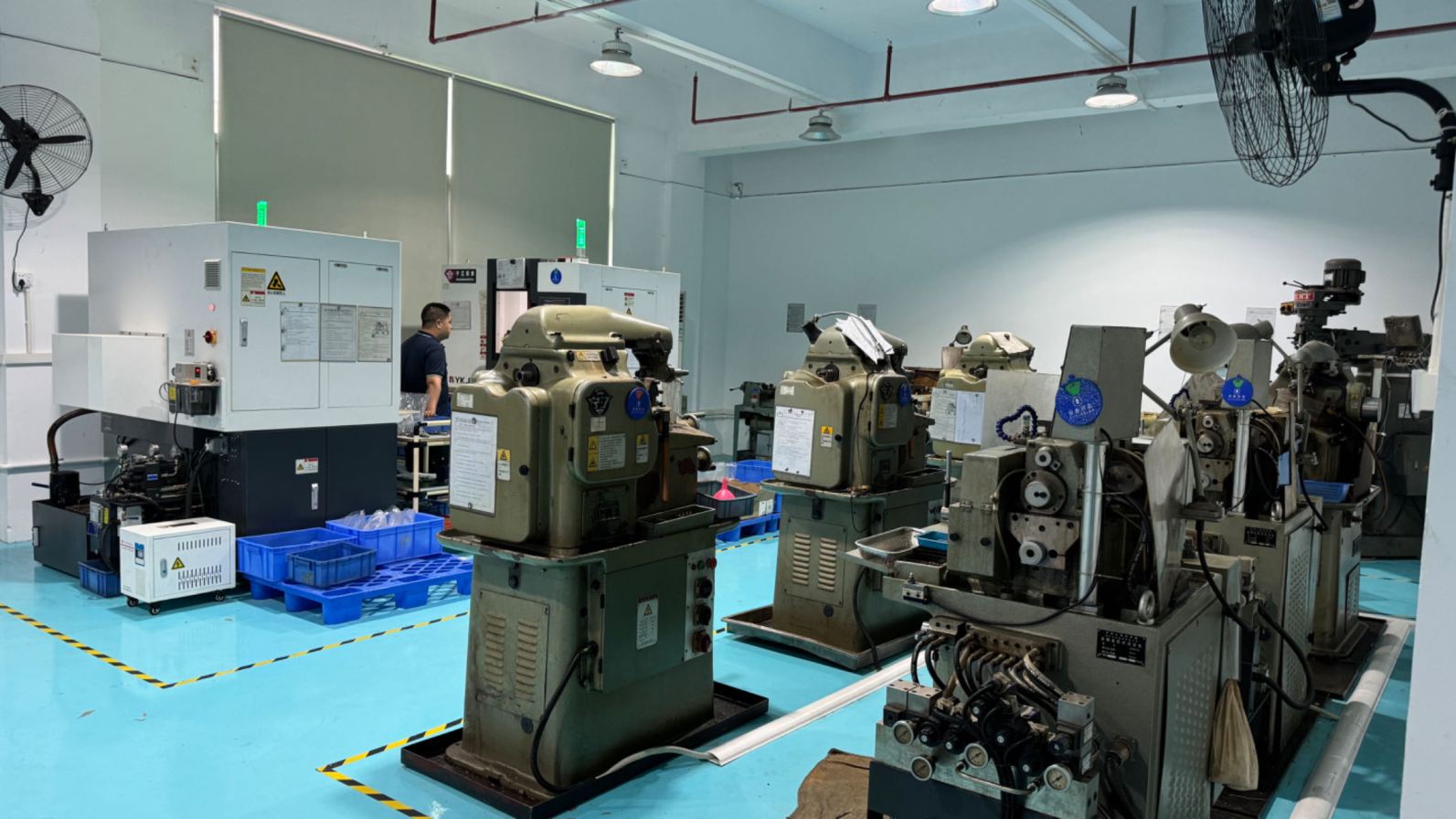
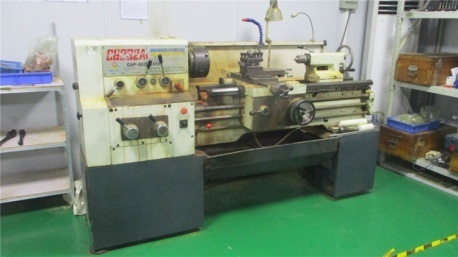
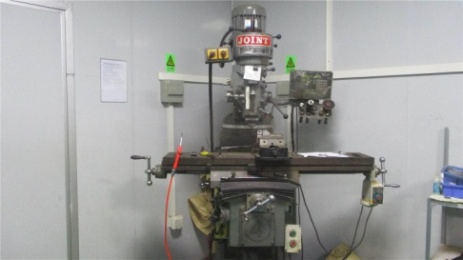
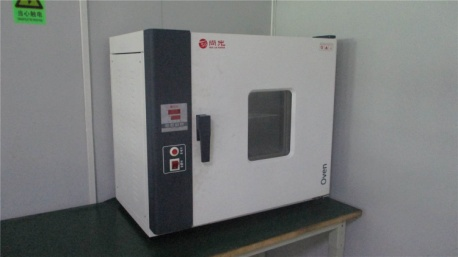
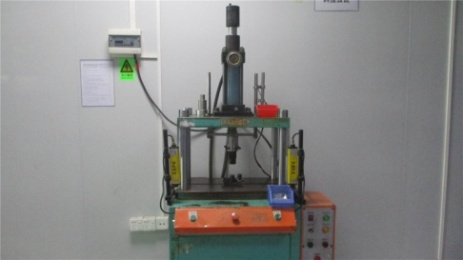
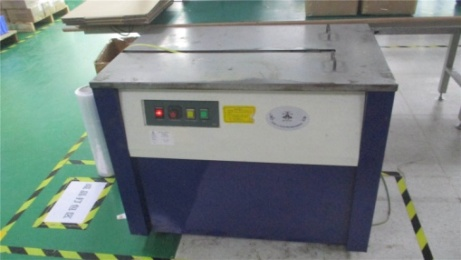
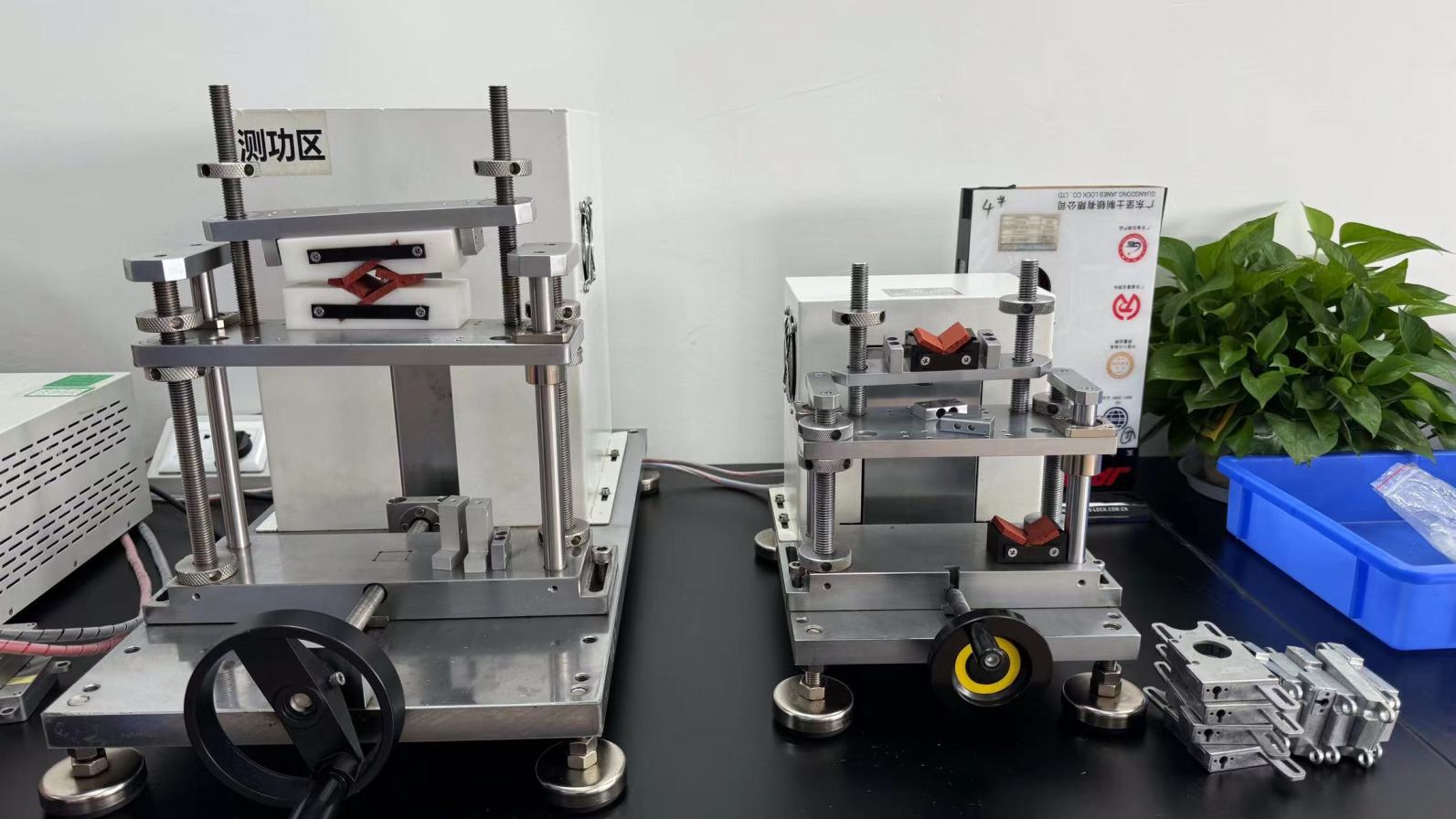
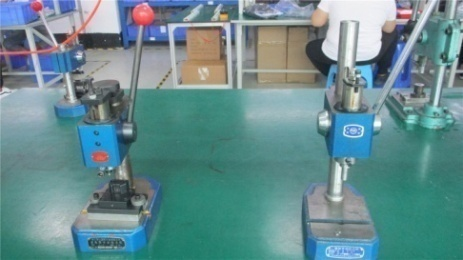
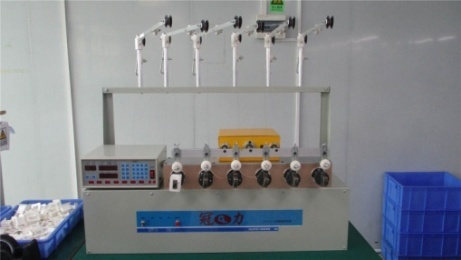
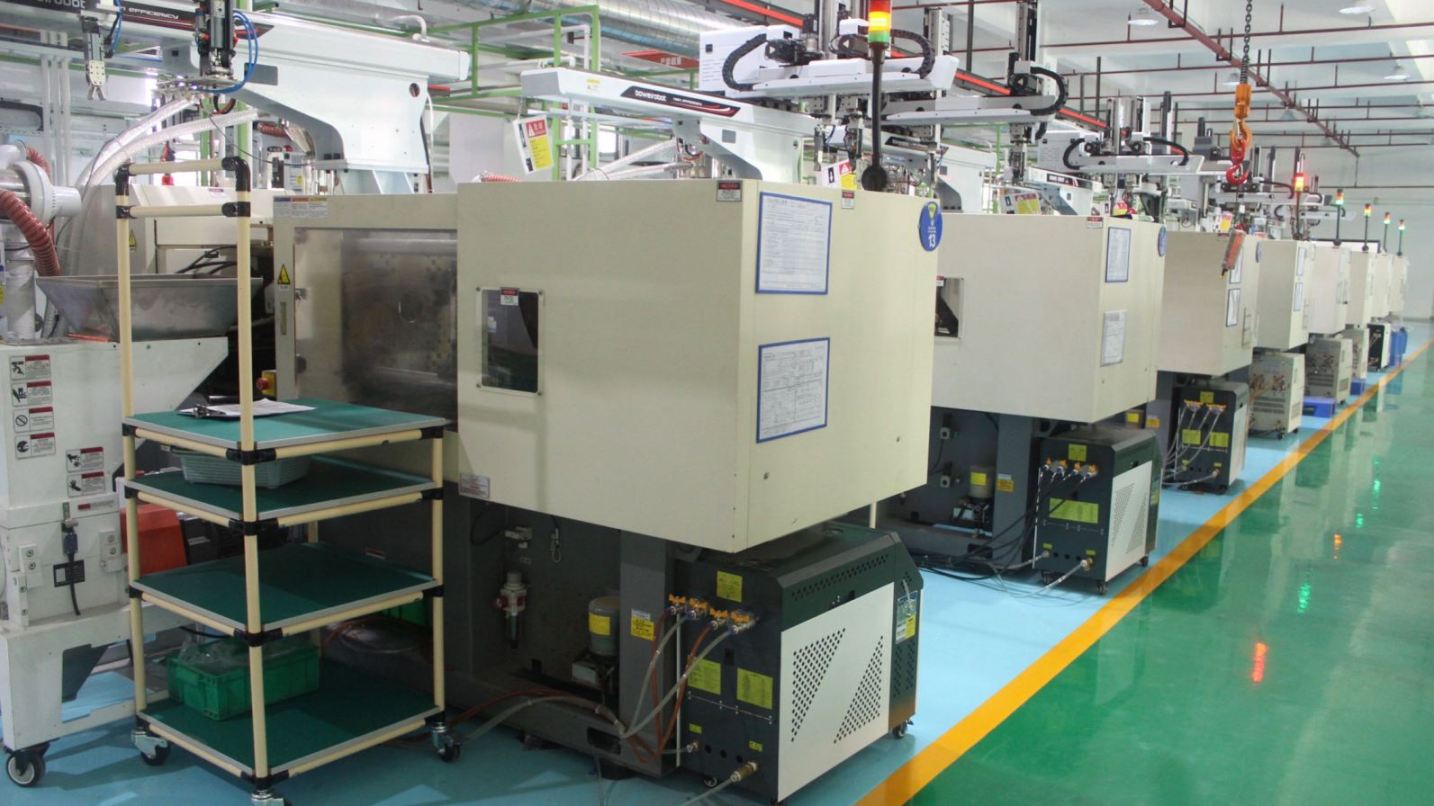
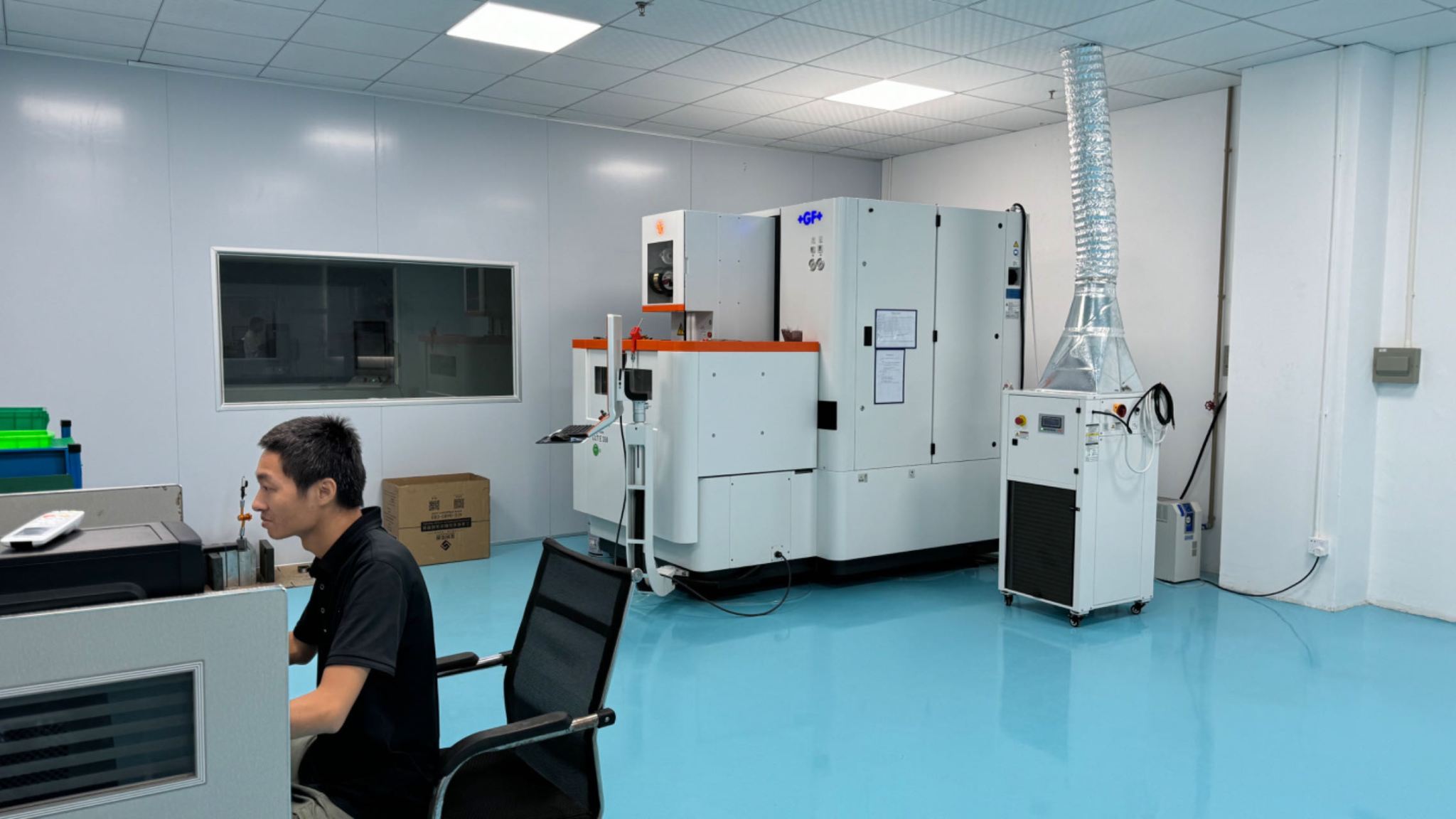
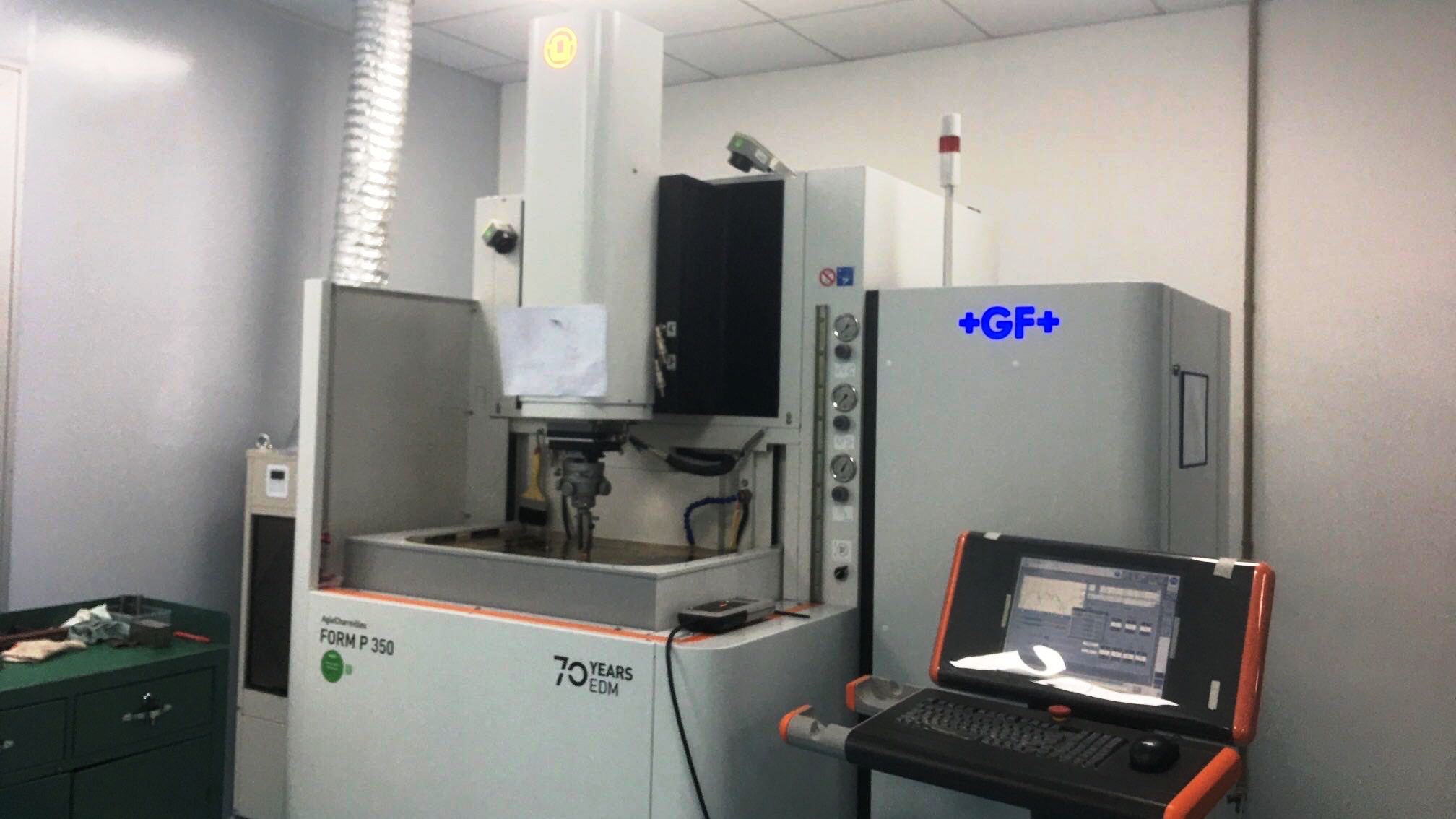
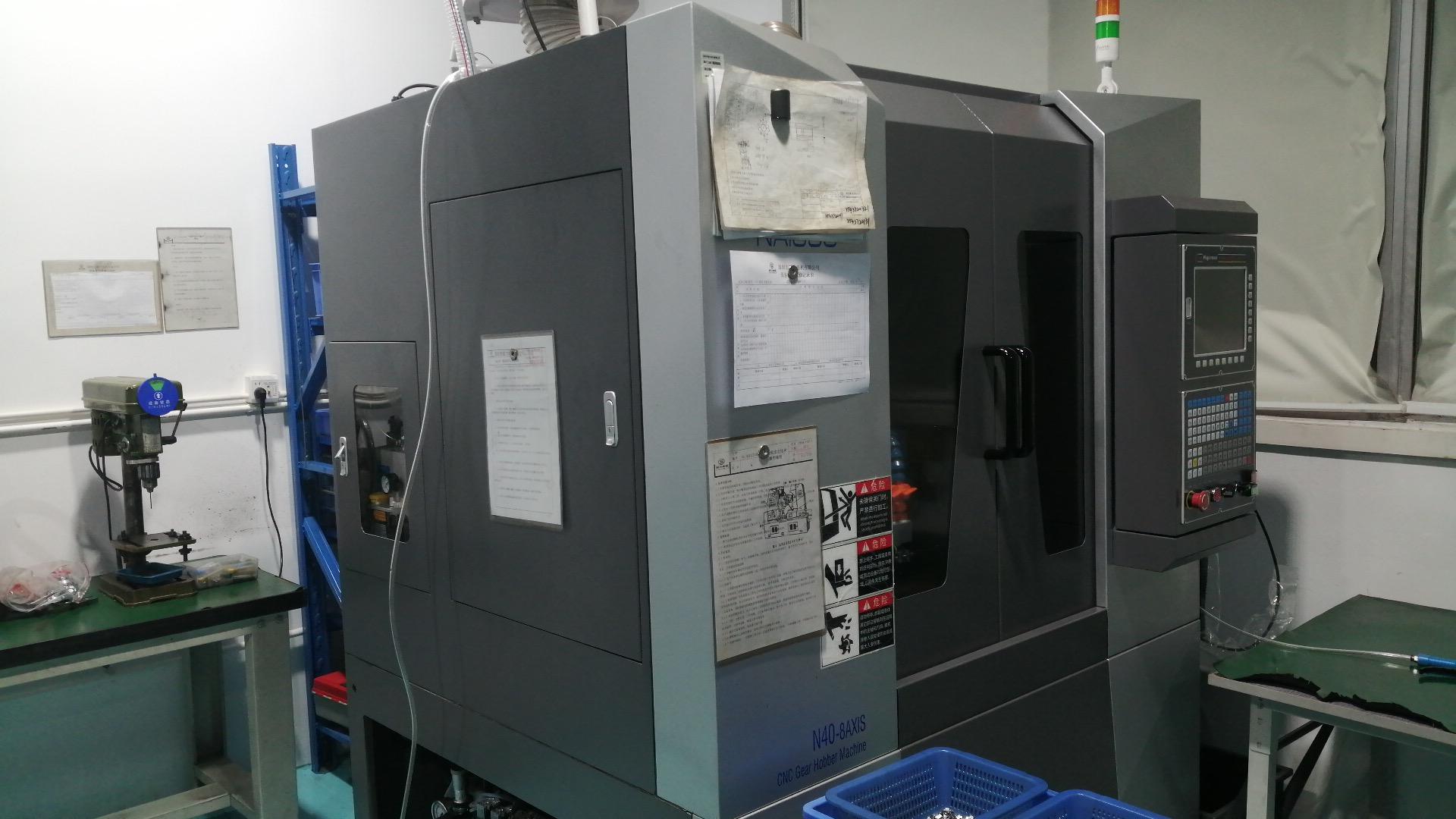
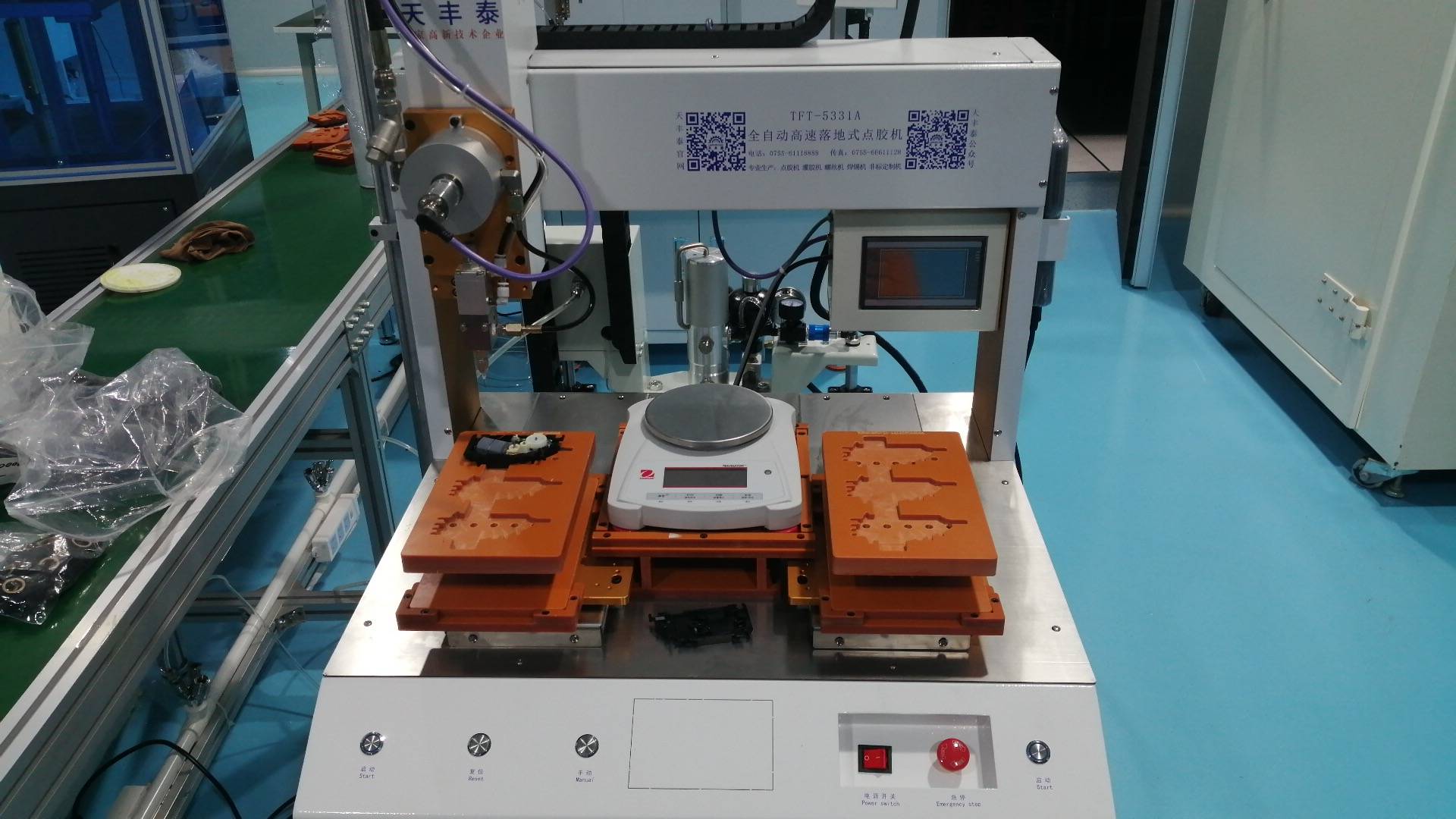
Advanced Production Line & Testing Lab Showcase
Take a virtual look inside our ISO-certified facilities, where automated machinery and advanced labs guarantee reliability.
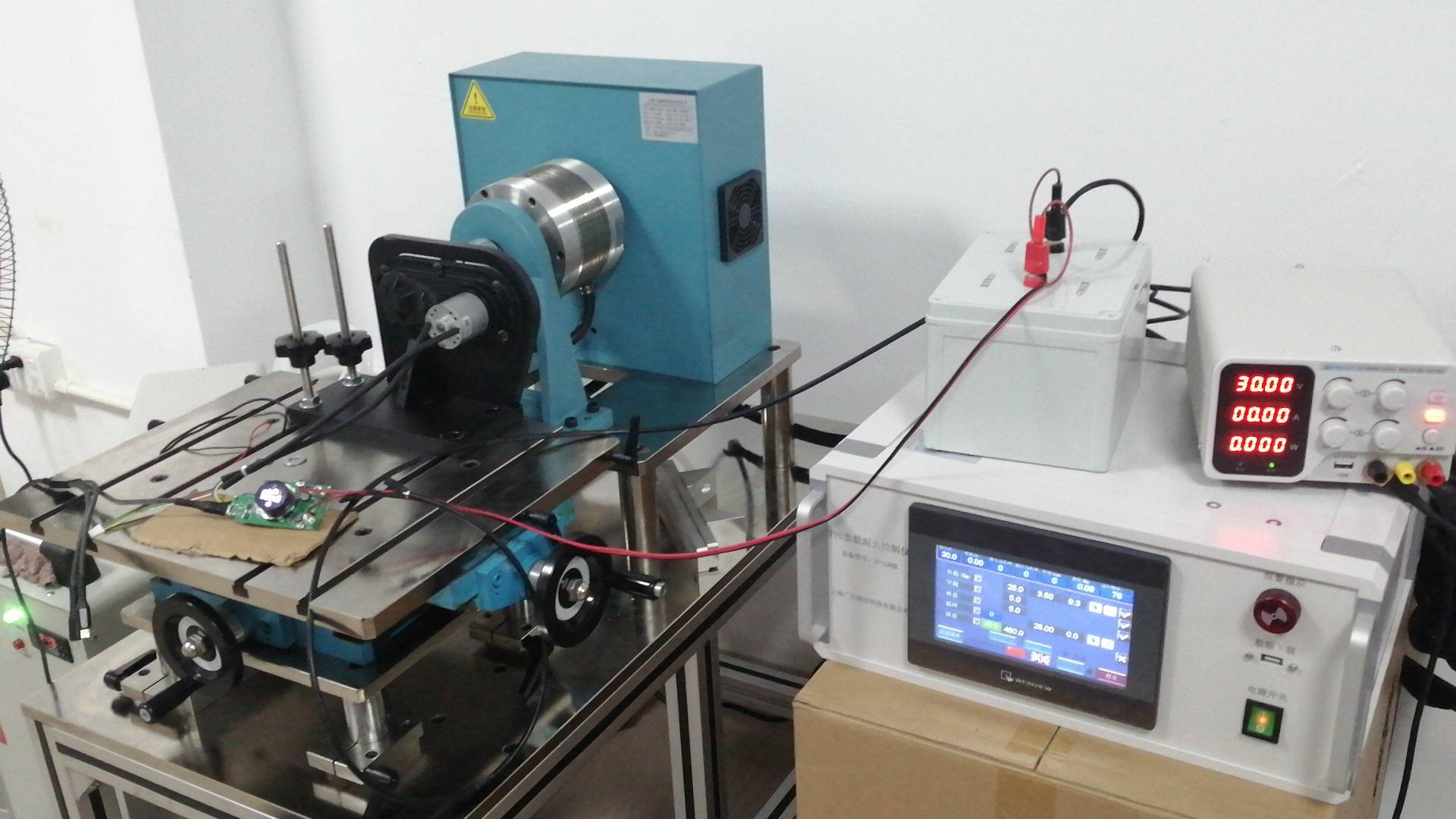
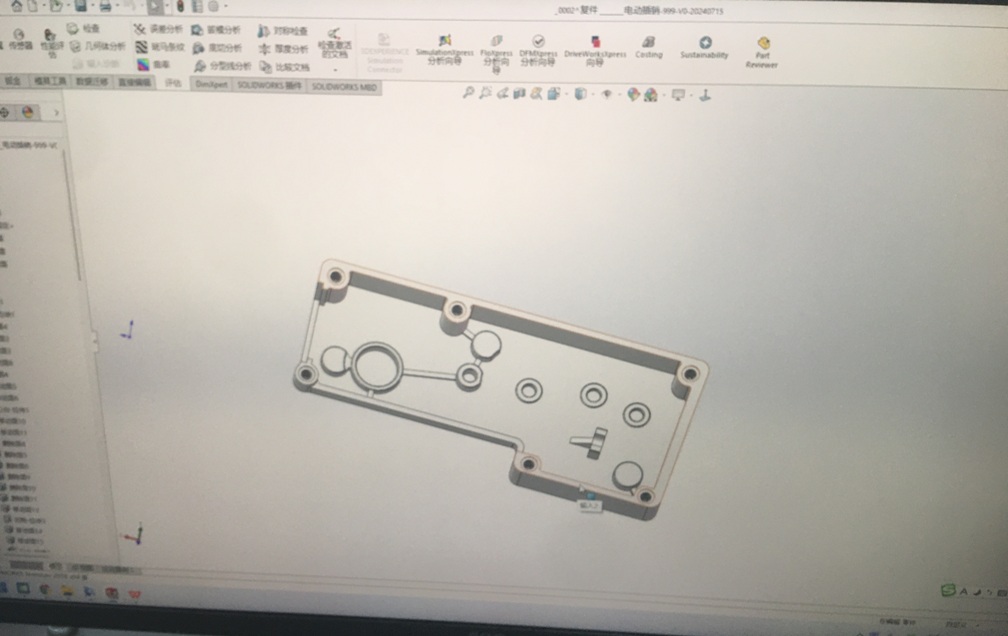
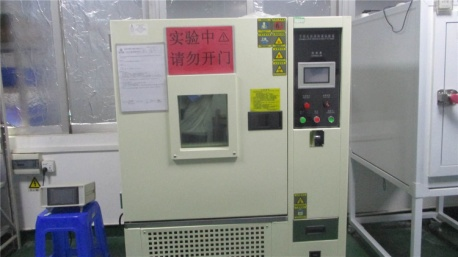
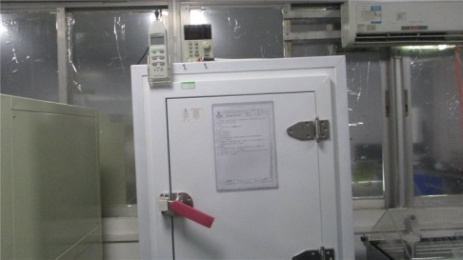

Pioneering Trends in Micro-Drive Engineering
A look at how we adapt to global requirements, technological updates, and local support strategies.
High Power Density Solutions
Modern applications require smaller drives that deliver higher torque. By integrating high-grade sintered NdFeB magnets and optimized slot fill factors, our micro motors achieve high power density indicators. This allows system engineers to reduce design weights without compromising peak load capabilities.
Integrated Smarter Control
The industry is transitioning toward smart, self-sensing drives. Intertek integrated driver solutions combine magnetic encoders and closed-loop control boards directly onto the motor's rear cap. This reduces external wiring complexity and shields analog signals from electromagnetic interference.
Local Engineering Support
We provide localized engineering support across North America, Europe, and Asia. From initial DFM evaluation to physical failure analysis and testing, our engineering teams help resolve integration issues, ensuring smooth, low-risk product launches.
Frequently Asked Questions & Technical Insight
Expert answers to common engineering and sourcing questions about low-noise electric motors.
Precision Miniature Motor Catalog
Explore our additional planetary, brushless, worm gear, and stepper motor solutions engineered for high performance.