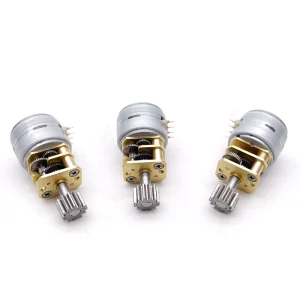
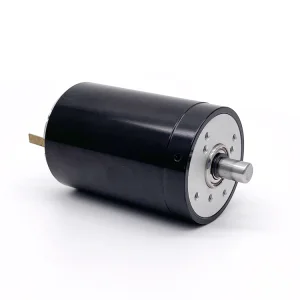
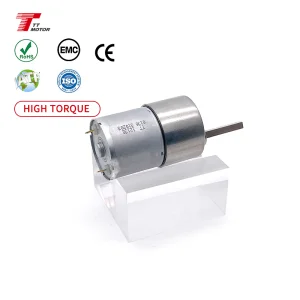
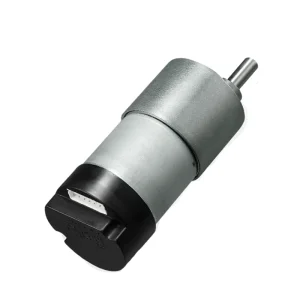
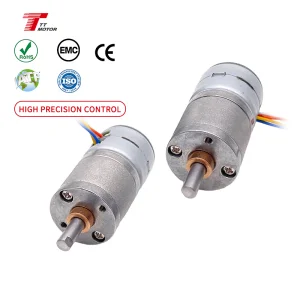
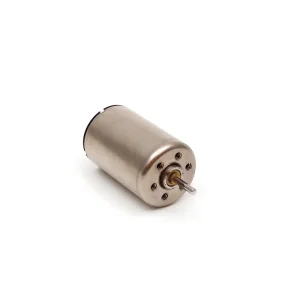
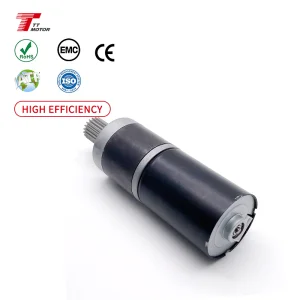
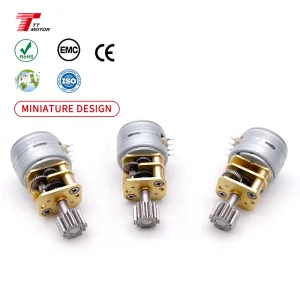
High-Durability Micro Gear Motors - Featured Series
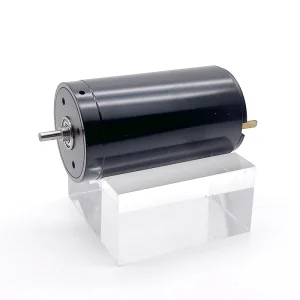
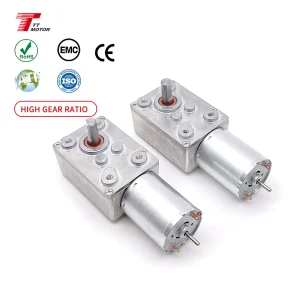
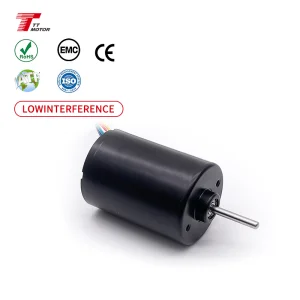
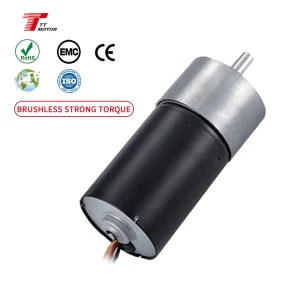
Engineered to meet rigorous international specifications. Select from our primary line of high-torque, brush, brushless, and stepper geared drive configurations.
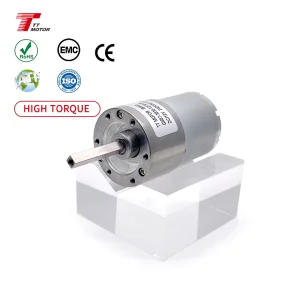
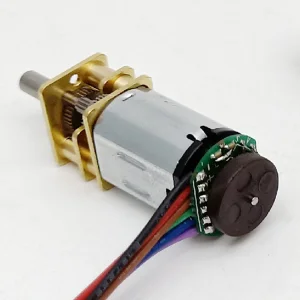
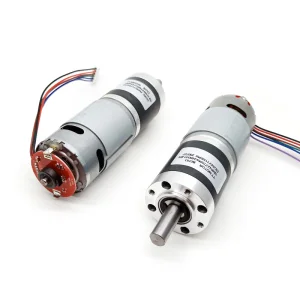
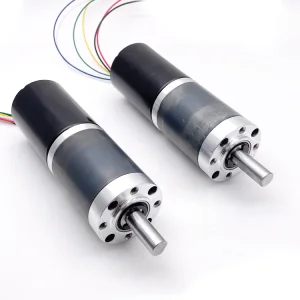
Executive Briefing: The Micro Gear Motor Landscape
Underpinning the mechanics of modern automated systems, precision micro-drives represent a crucial axis of technical stability, reliability, and lifetime operation.
Global Market Integration
The global demand for high-durability gear motors has surged, driven by autonomous mobile robots (AMRs), specialized medical instrumentation, and high-performance smart locks. Modern procurement agents require gear motors capable of continuous duty cycles under fluctuating temperatures, making mechanical efficiency a non-negotiable metric.
Information Gain & Material Quality
True durability is determined at the atomic and microstructural levels. The structural integrity of gear trains relies heavily on alloy selection (such as Japanese standard Sumitomo steel), thermal treatment depth (carburizing and quenching), and high-purity copper windings. By optimizing the tooth profile and coreless rotor dynamics, modern plants reduce friction and maximize torque density.
Advanced Quality Assurance
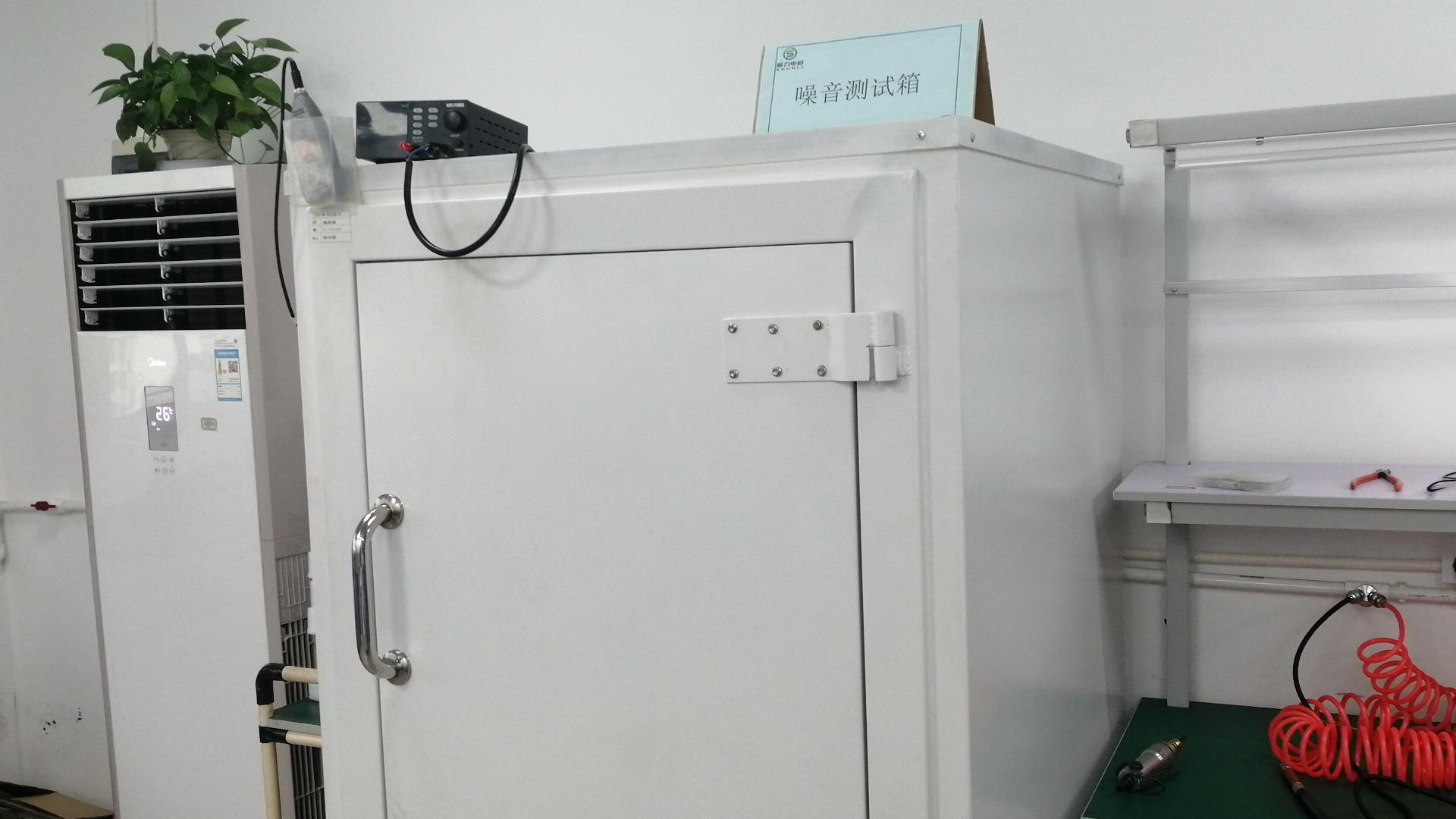
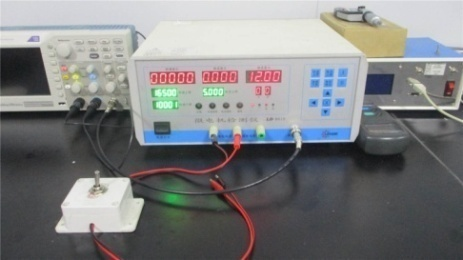
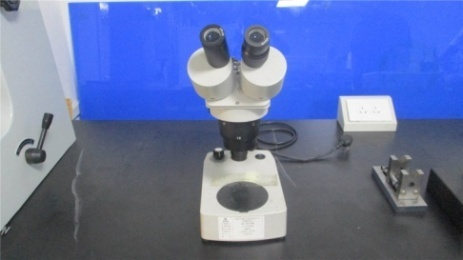
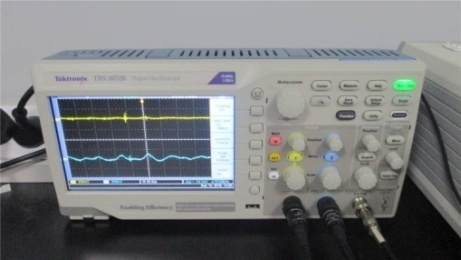
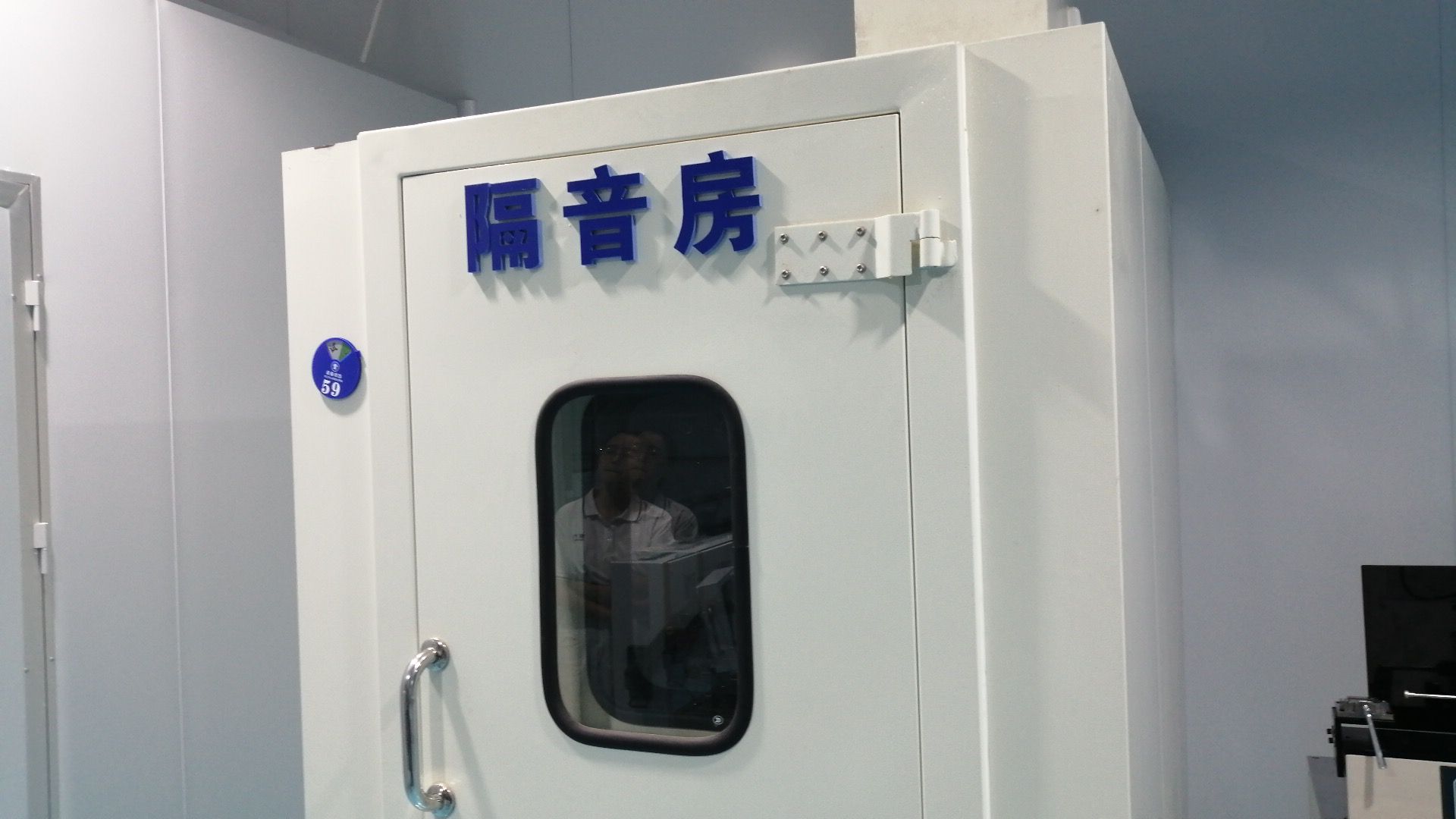
A reliable factory must employ systematic verification. The integration of high-speed dynamometer profiling, automated silent chamber diagnostics, and precise coordinates-measurement machines ensures that every motor exhibits minimized backlash, quiet operational thresholds, and high electrical-to-mechanical conversion ratios.
Mastering the Micro-Universe: The Intertek Motor Standard
Exploring the convergence of micrometer accuracy, silent mechanical acoustics, and persistent torque delivery in tight physical spaces.
At Intertek Motor, success is measured in micrometers and decibels. In high-value industrial sectors, such as precision surgical equipment, complex robotic articulators, aerospace actuators, and high-frequency smart lock mechanisms, volumetric space is the ultimate premium constraint. The target is to package maximum torque capacity, resilient wear lifetimes, and ultra-quiet operation into the smallest dimensions possible.
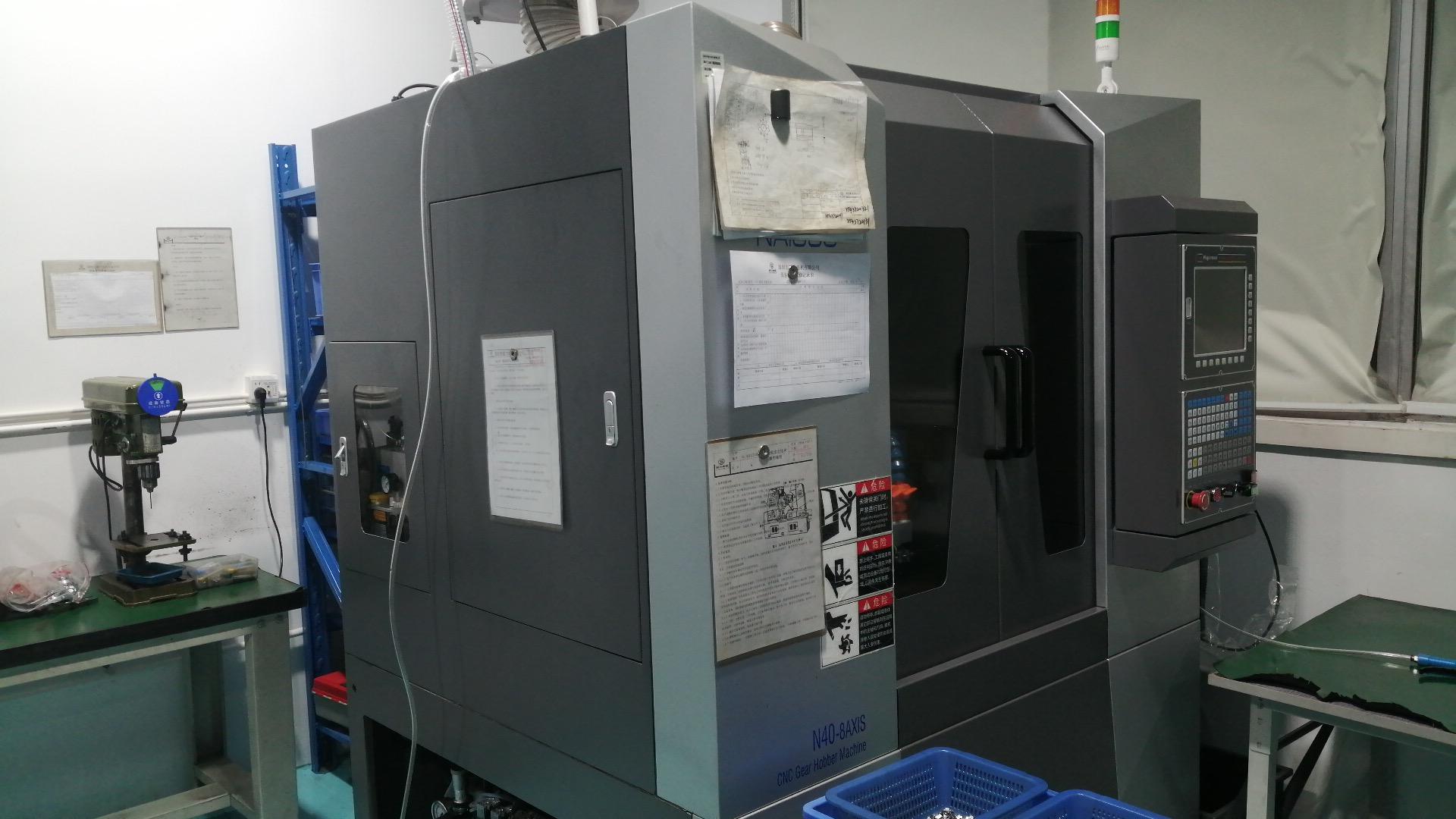
Our engineering expertise centers on miniature precision integration. From high-purity copper wire rotor coils to custom-engineered planetary and worm gearheads, every sub-assembly within our micro motors is developed to optimize power usage and eliminate friction-based wear. We constantly push micro-drive technology boundaries, utilizing automated Swiss-style precision hobbing machines and dynamic balancing equipment from Japan. This ensures that our gear trains operate with zero-backlash tolerances. When operational reliability hinges on mechanical precision, Intertek Motor provides the quiet torque needed for your designs.
Critical Advantages
- Automated Swiss-style high-precision gear hobbing
- Dynamic balancing systems from Japan
- Customizable shafts, gears, and electrical windings
- Strict conformance to CE, RoHS, and ISO9001 standards
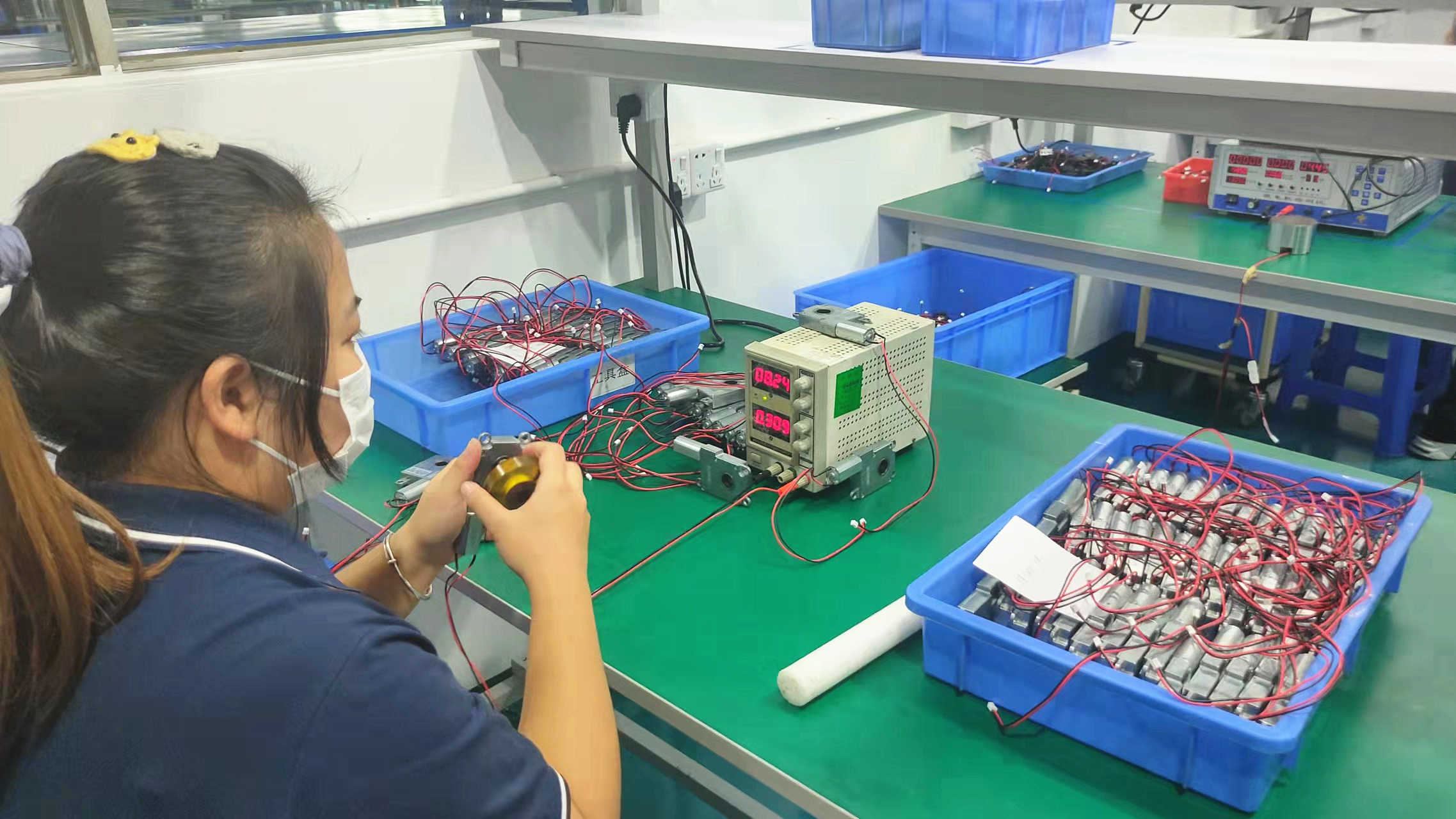
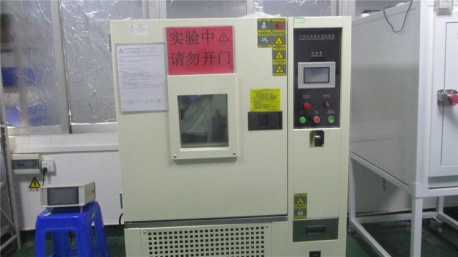
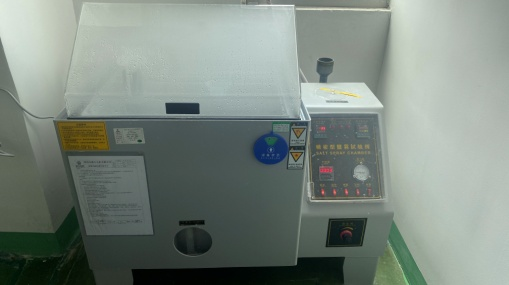
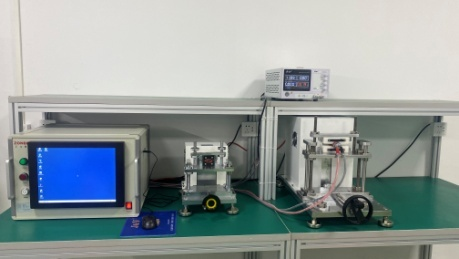
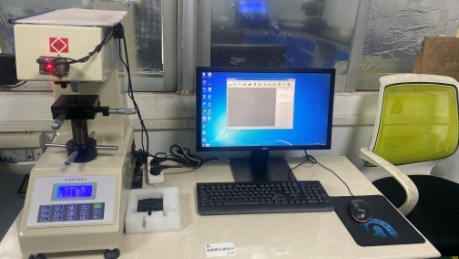
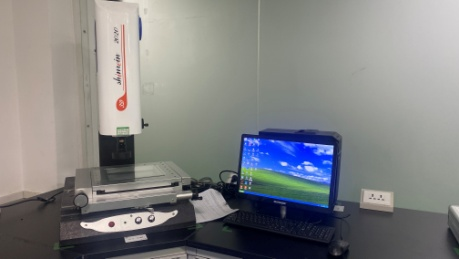
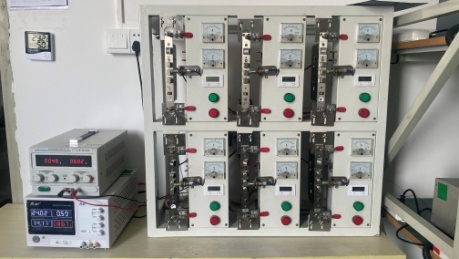
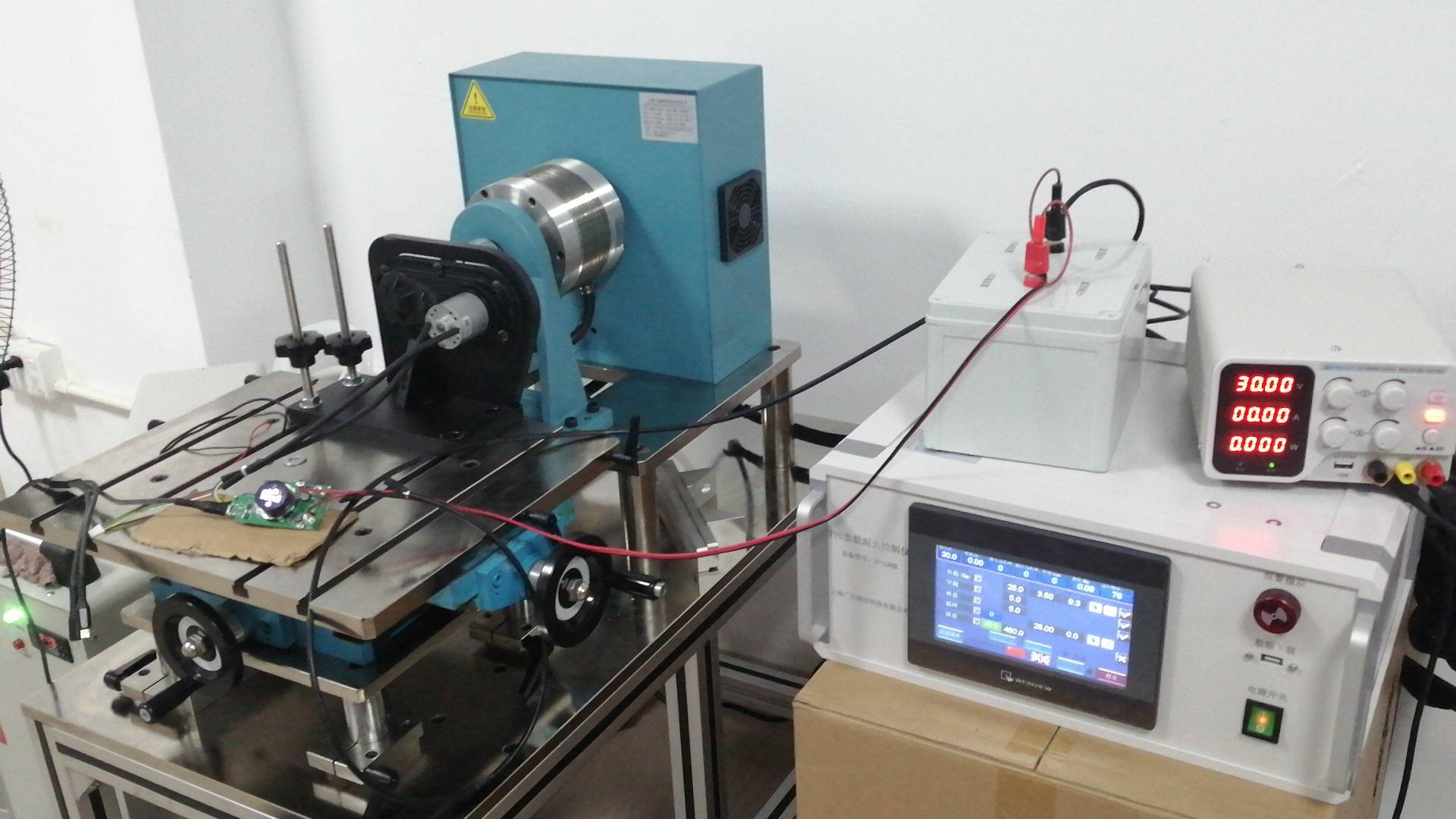
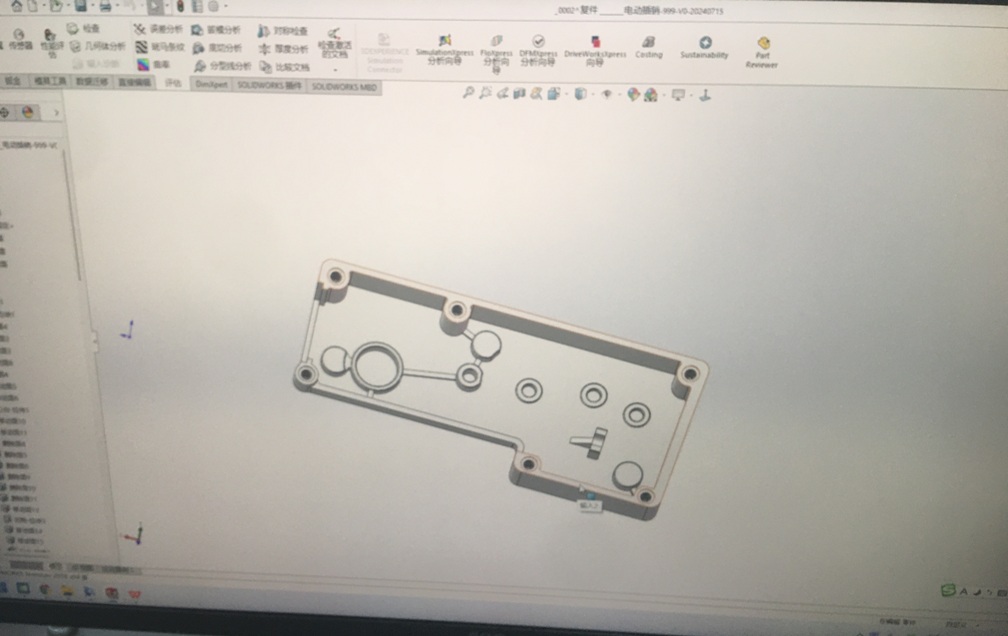
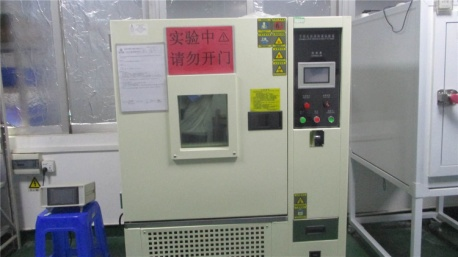
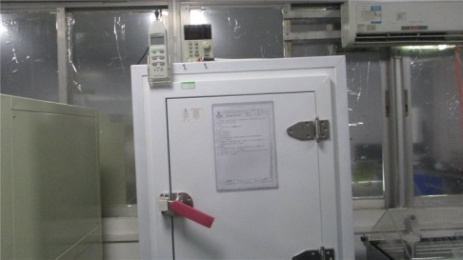
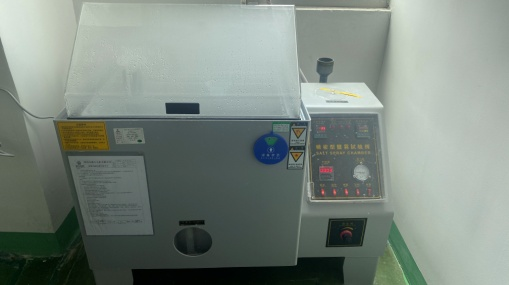
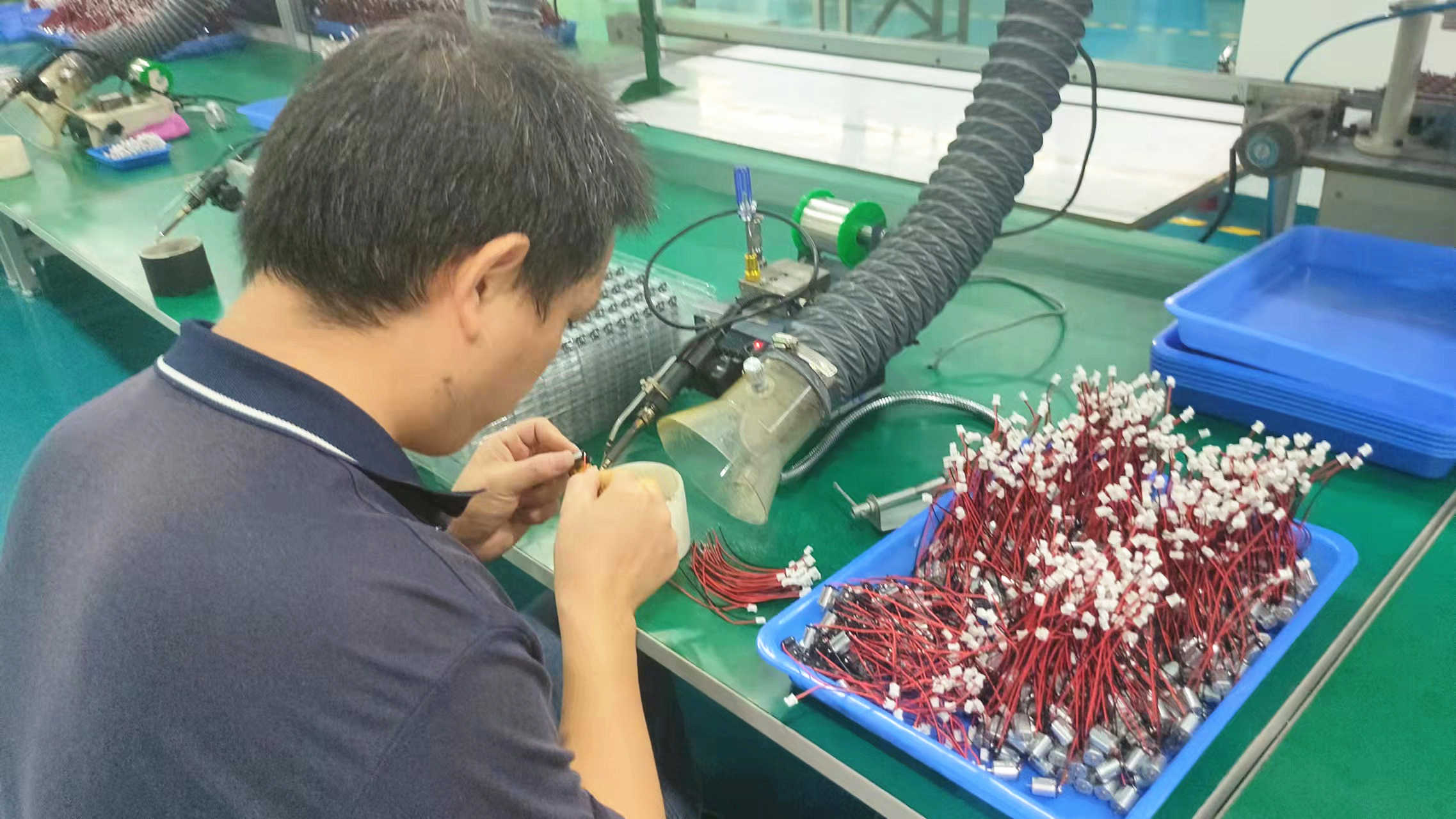
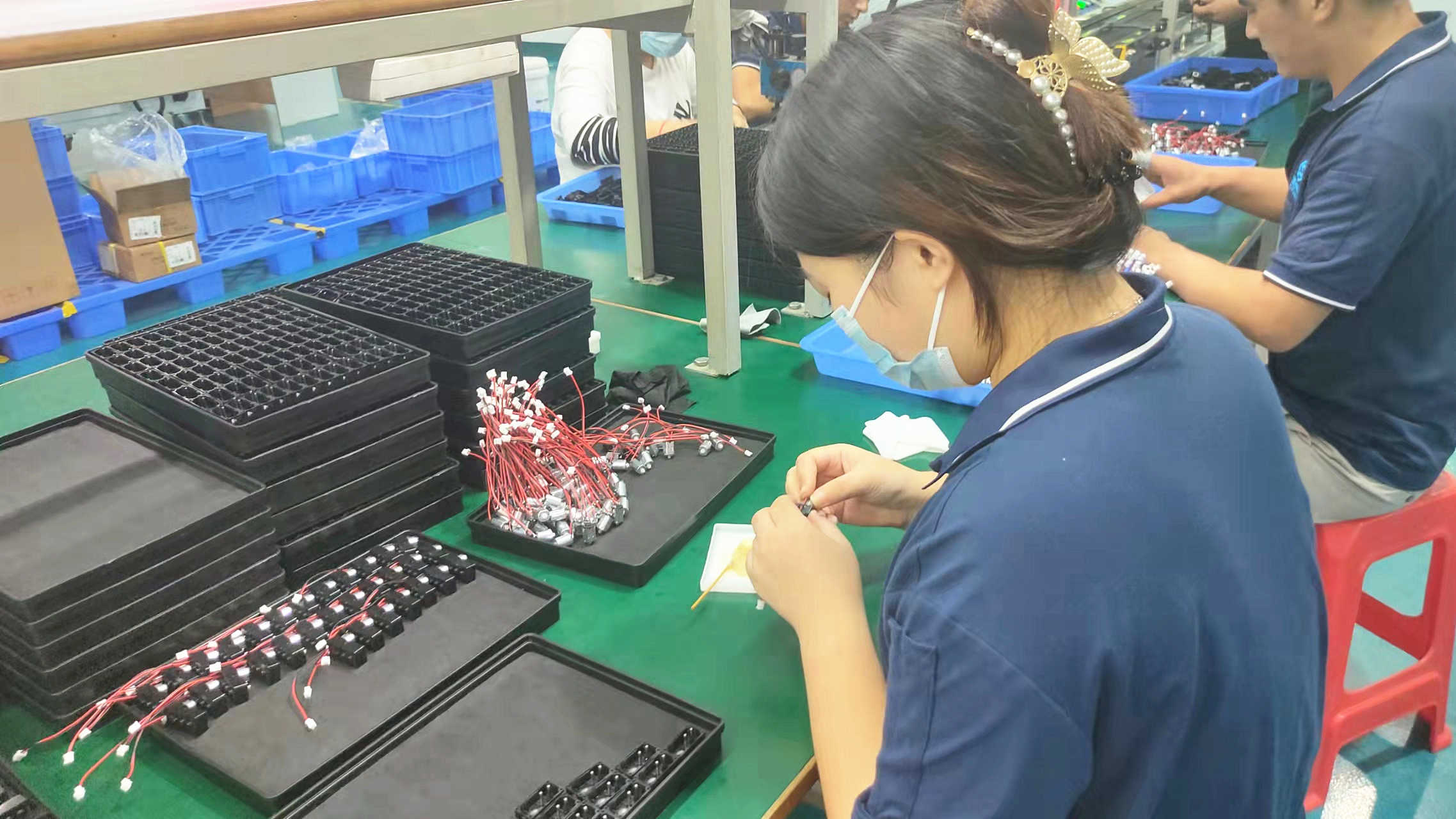
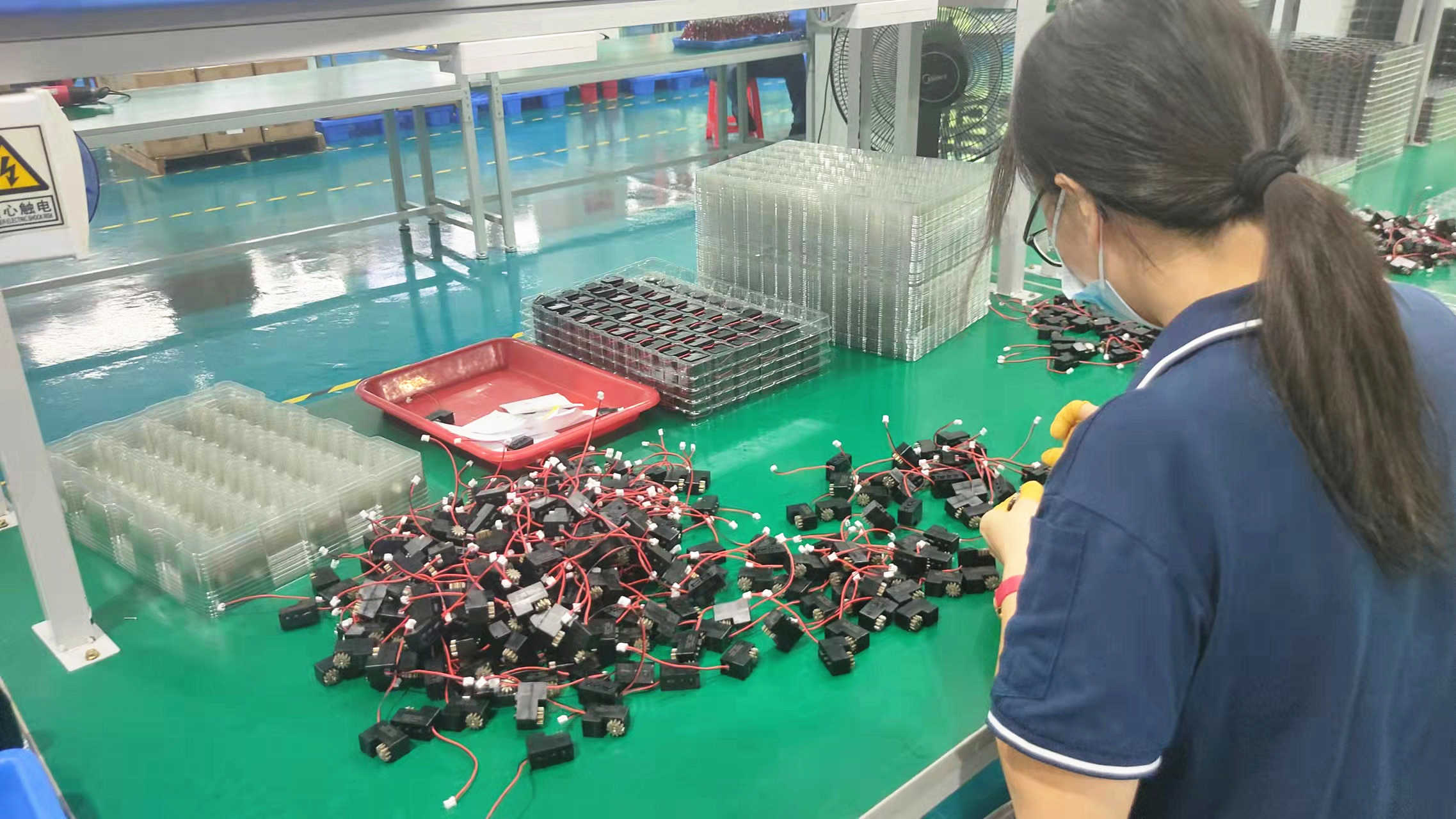
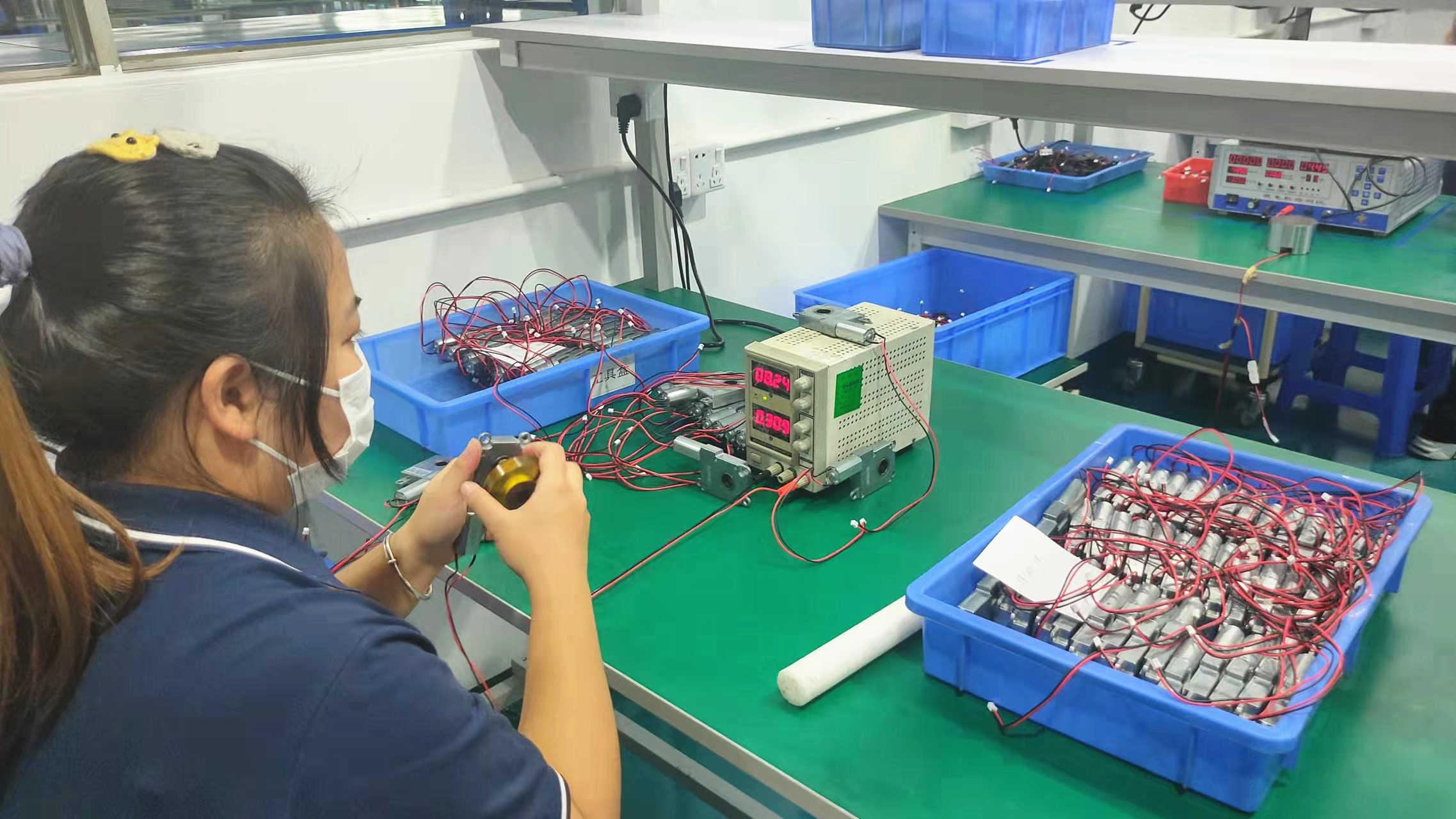
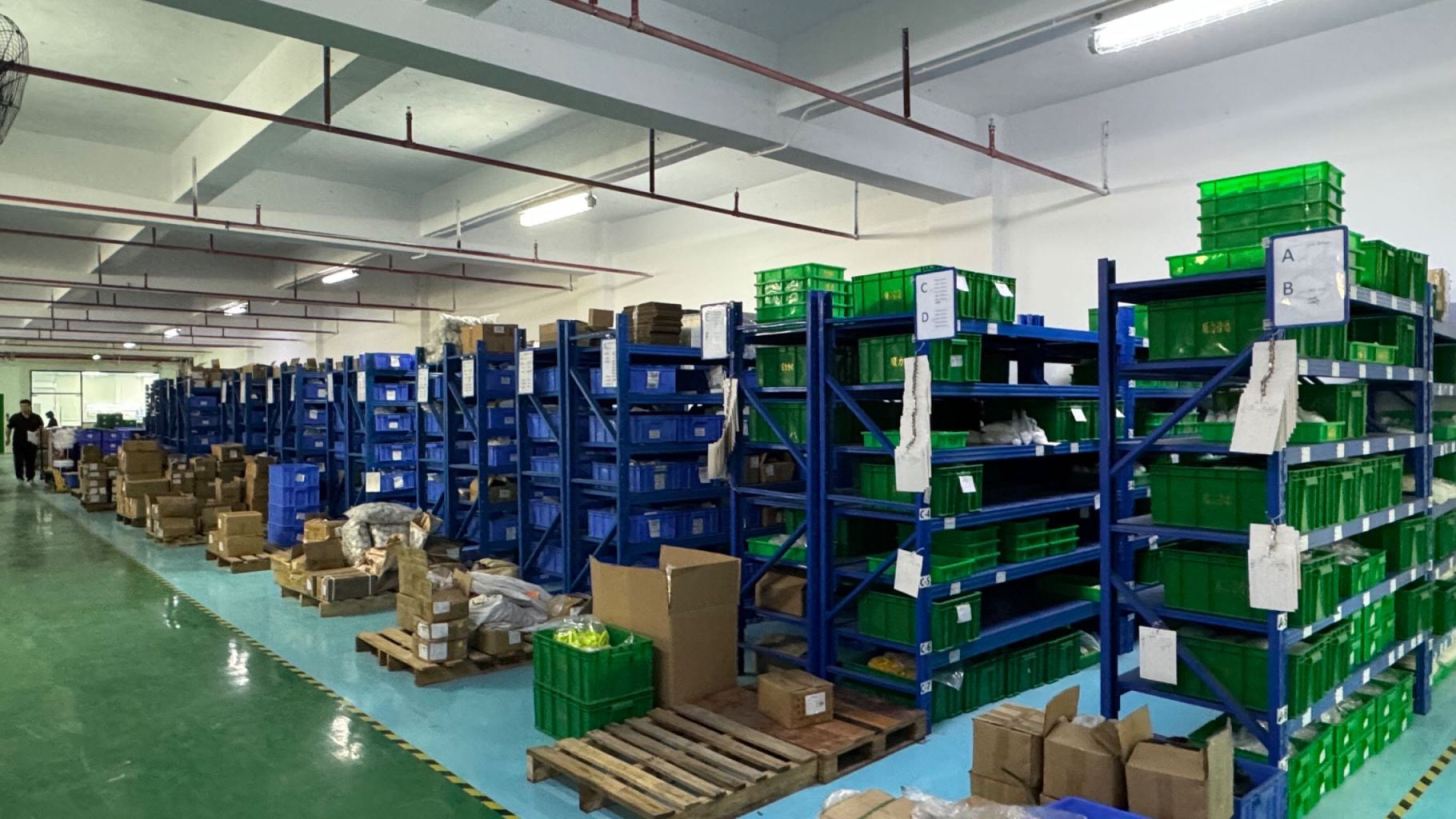
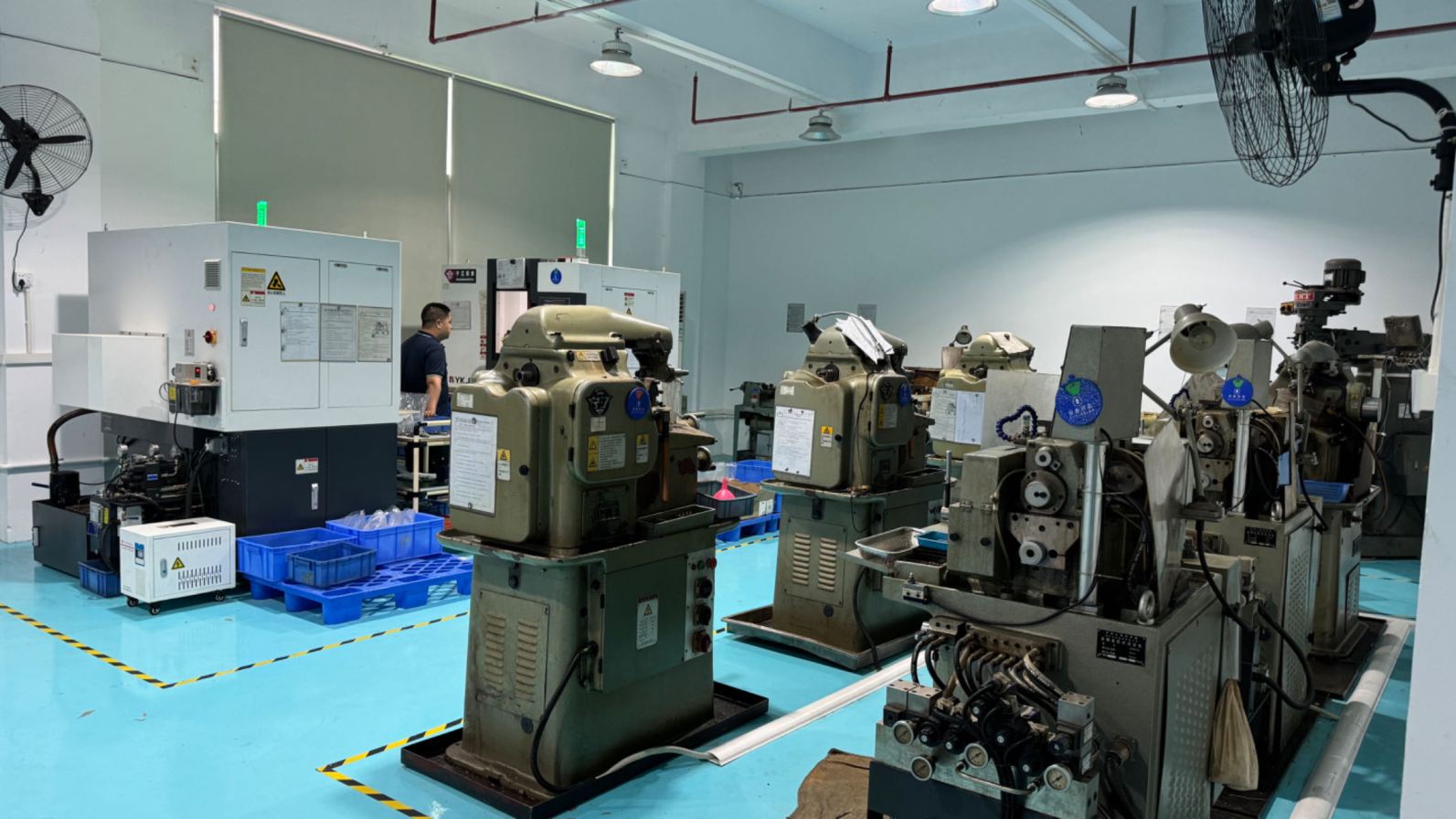
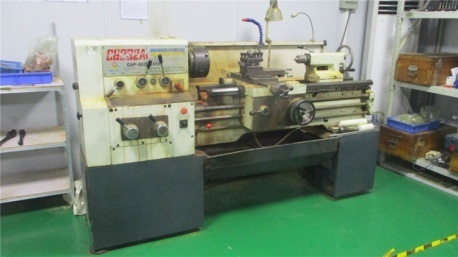
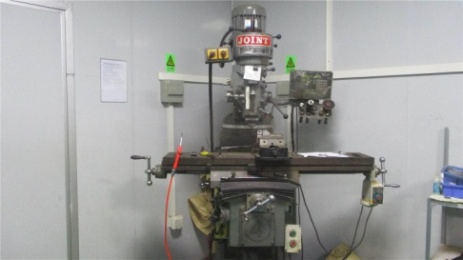
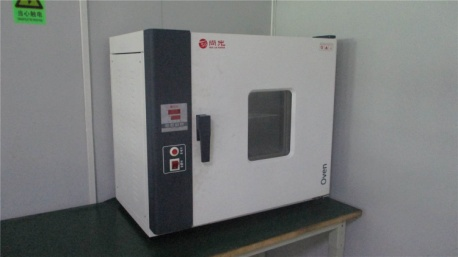
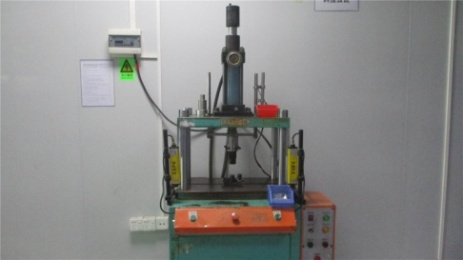
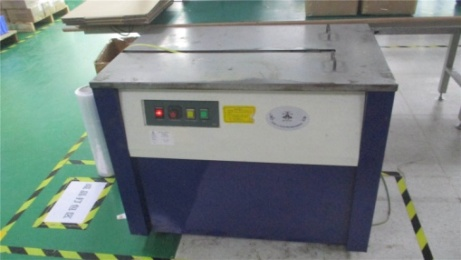
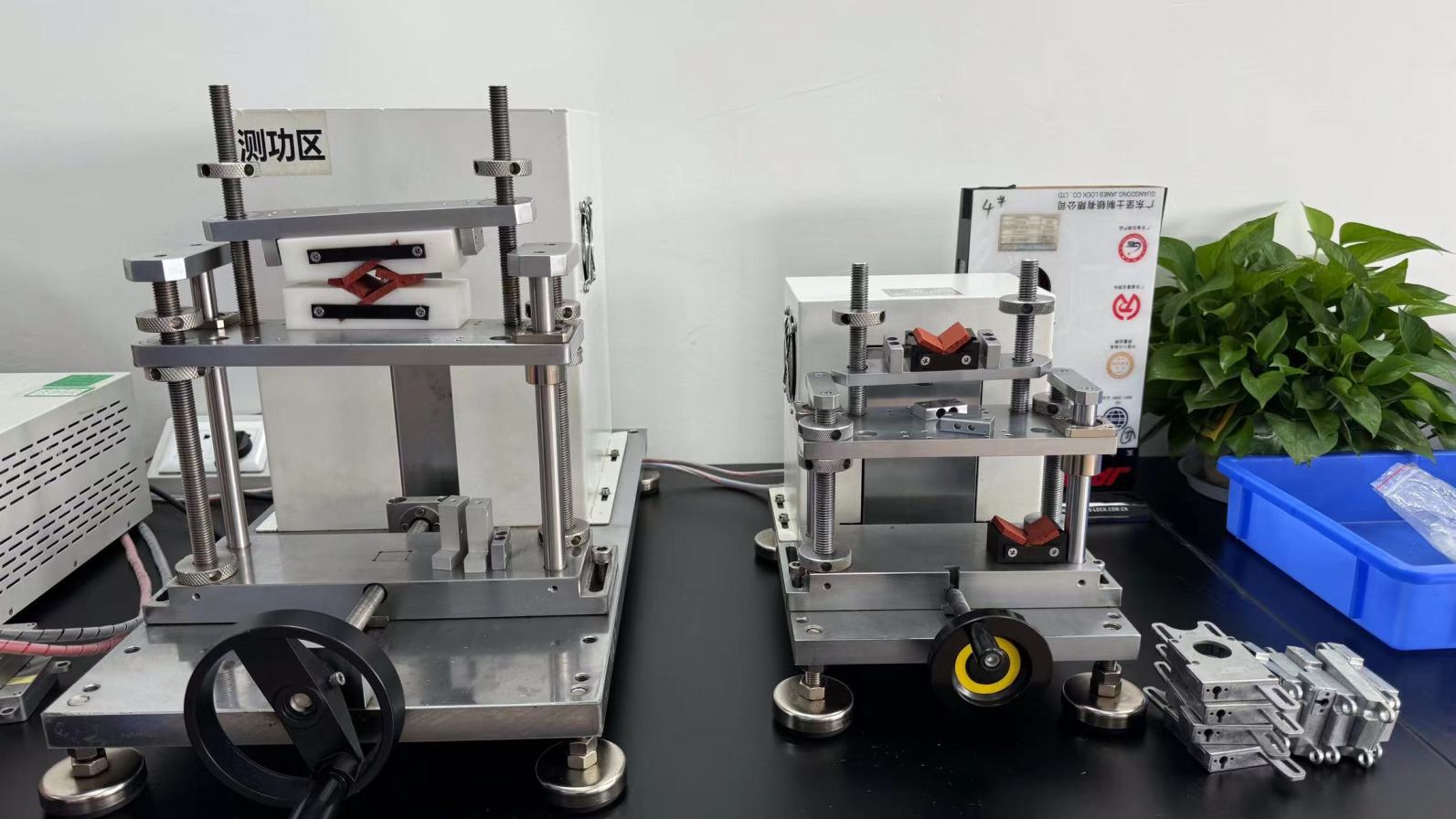
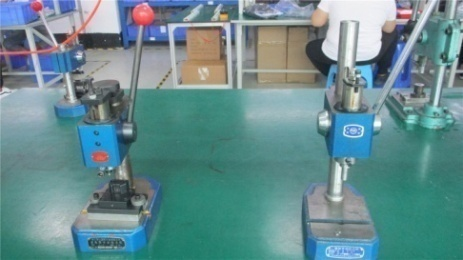
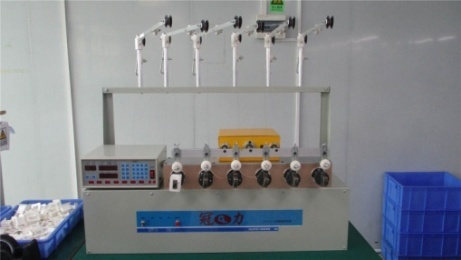
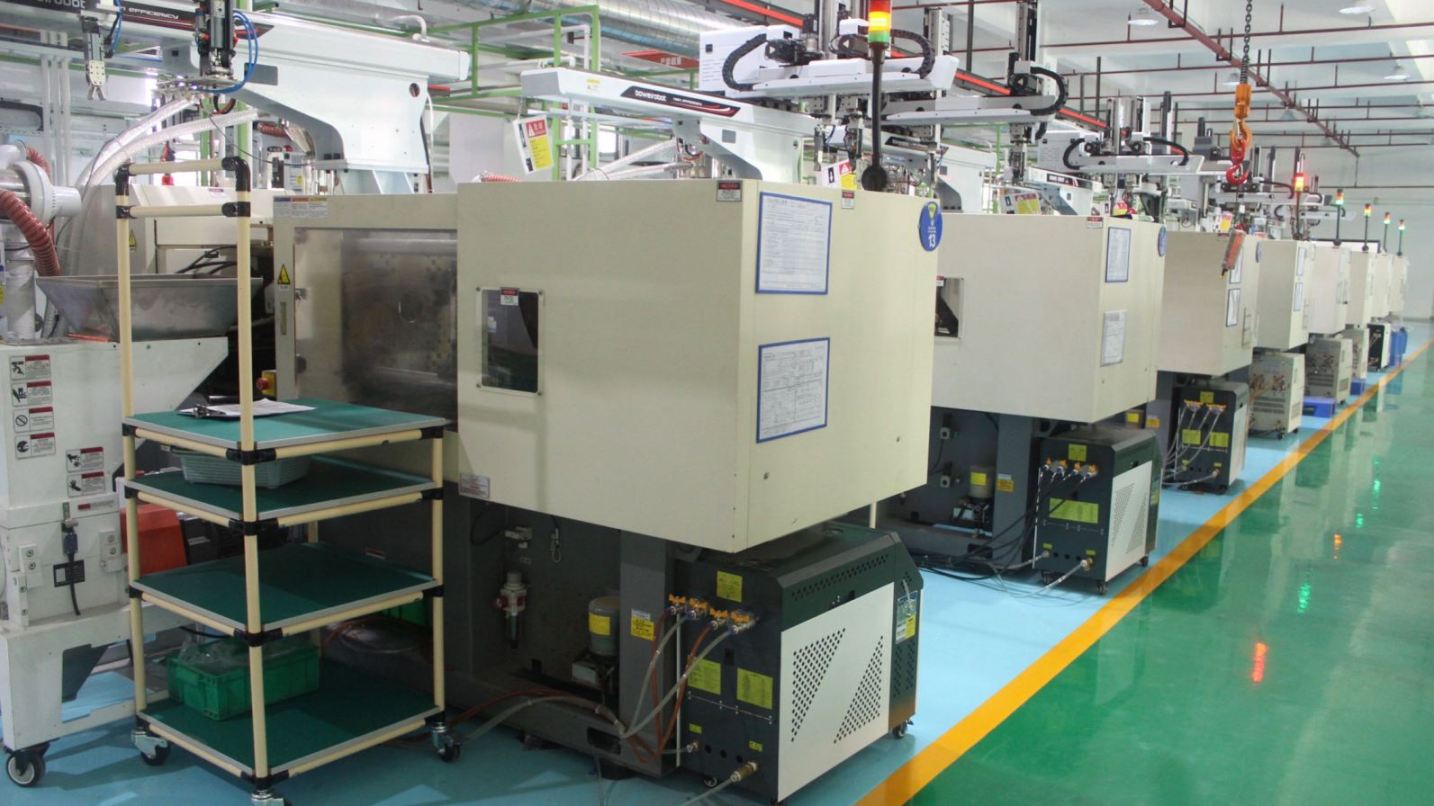
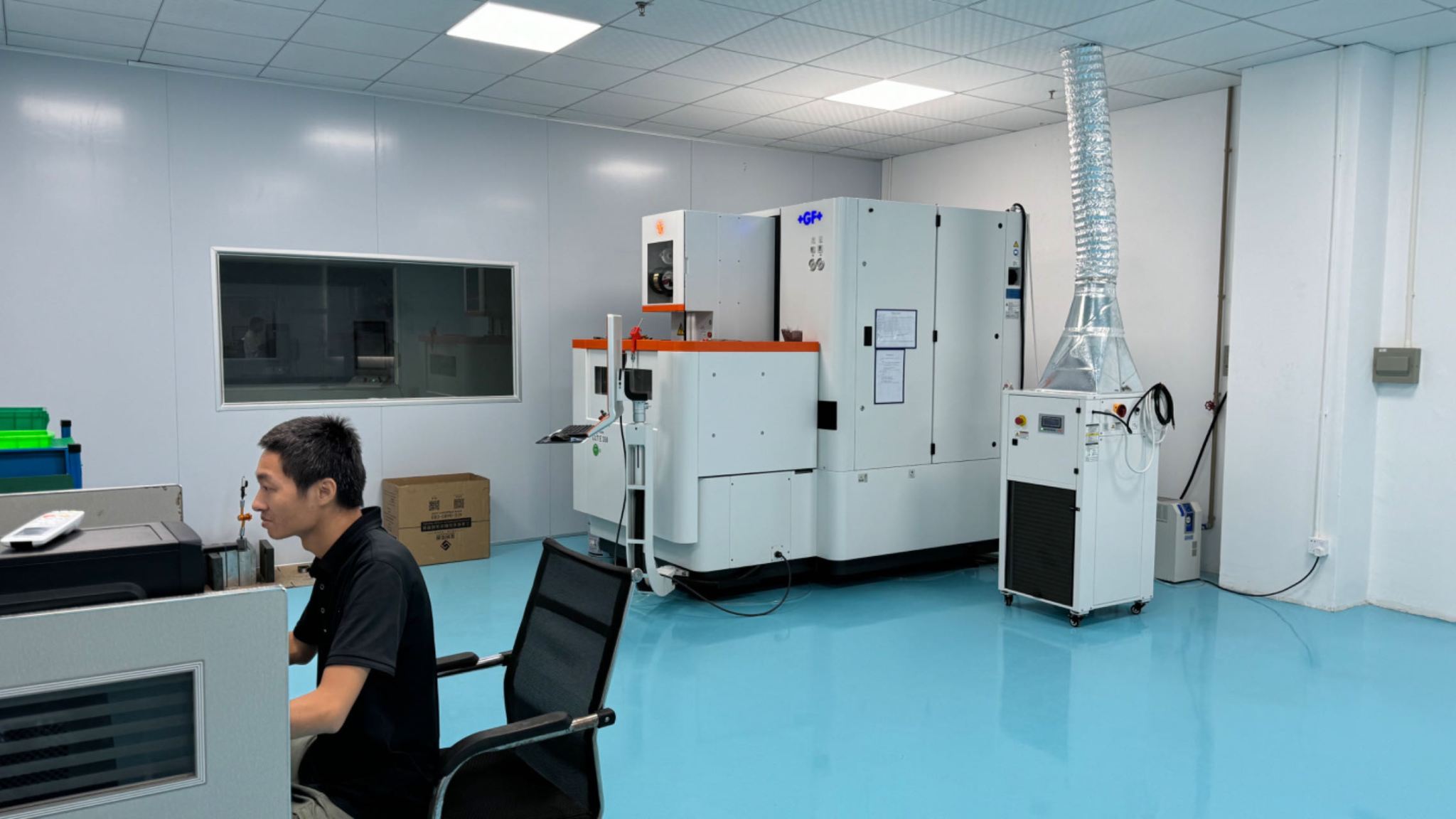
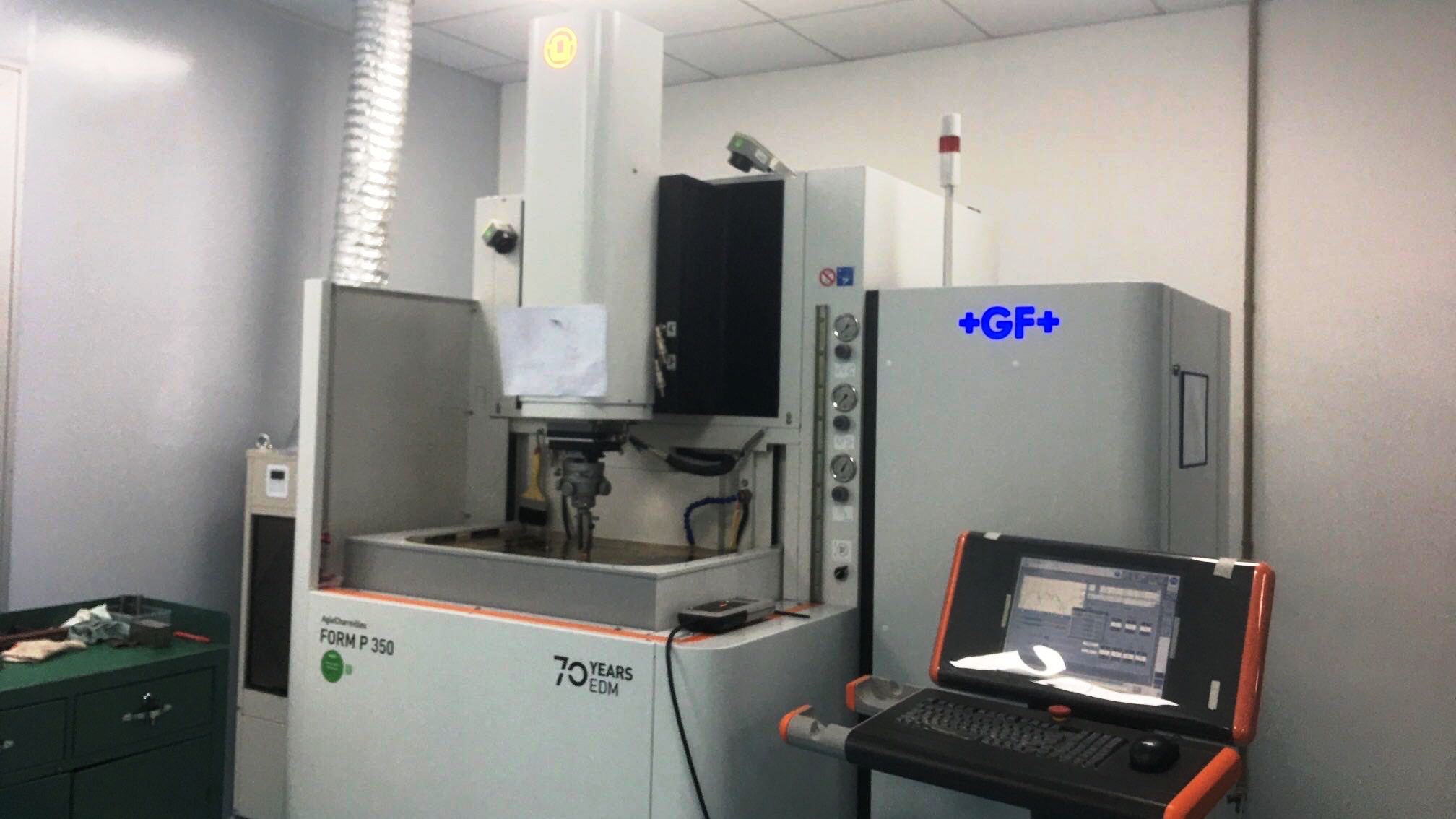
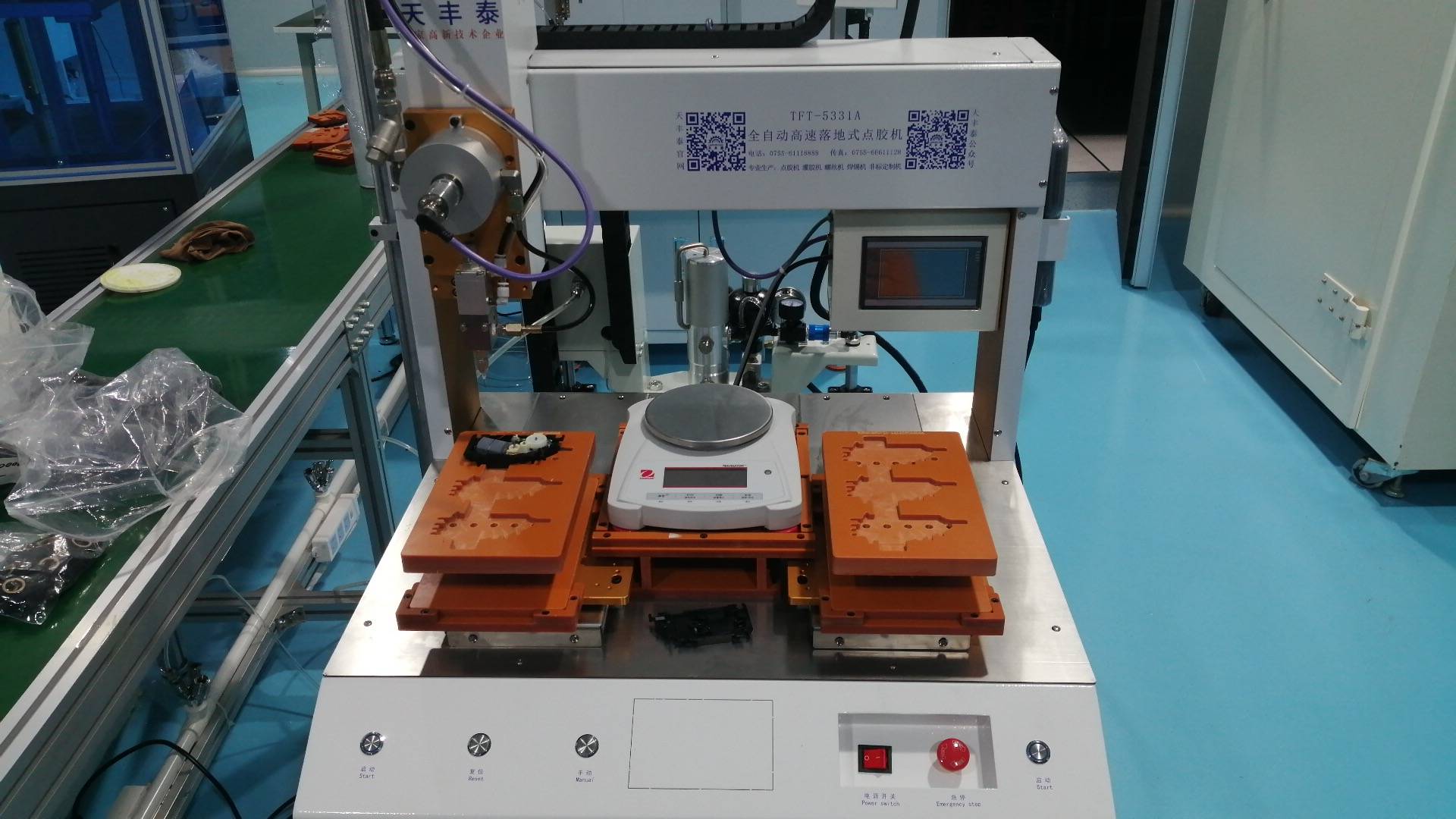
Precision Infrastructure: Live Factory Quality Control & Production Operations
True reliability is verified through testing. Below is an overview of our state-of-the-art testing equipment, tooling, production processes, and QA workflows.

Strategic Competitive Advantages of Chinese Gear Motor Manufacturing
Why sourcing from advanced Chinese industrial clusters delivers optimization in cost, performance, scaling speed, and supply chain resiliency.
1. Fully Integrated Supply Ecosystems
Chinese gear motor manufacturing corridors benefit from deep supply density. Within a 50-mile radius, facilities can source rare-earth magnets (Neodymium-Iron-Boron), specialized silicon steel sheets, automated Swiss-cut hobs, and high-purity copper windings. This density reduces transit times and allows for rapid prototyping adjustments.
2. Precision Customization at Scale
Modern Chinese factories utilize high-precision CNC tooling, wire EDM, and automated injection molding machines. This infrastructure allows companies to easily customize shaft configurations, gear reduction profiles, encoder resolutions, and grease specifications to match client requirements.
3. Rigorous Modern QC Frameworks
Leading Chinese gear motor plants operate with complete quality assurance systems, utilizing 3D coordinate-measurement units, noise isolation chambers, dynamometer speed-torque testbeds, and salt spray exposure units to meet CE, RoHS, UL, and IATF 16949 standards.
Localized Industrial Application Scenarios
How high-durability micro gear motors drive progress across diverse modern industries.
Robotics & AGV Actuators
Joint movement in industrial automation relies on compact gear systems. Brushless motors, equipped with high-resolution magnetic encoders, provide the precise positioning, high torque density, and long-life durability required for automated guided vehicles (AGVs).
Smart Home Locks & Valves
Residential security locksets and automated smart valves require compact drive solutions. Carbon-brush micro motors (like the 12mm N20 series) provide high starting torque in tight spaces, ensuring reliable lock cycles with low current draw.
Medical Dosing & Lab Instruments
Laboratory equipment and precision dosing pumps demand smooth, reliable speed control. Micro planetary stepper systems provide consistent, non-pulsing fluid transfer with minimal electromagnetic interference, meeting strict medical device requirements.
Global Sourcing Guide: Evaluating Gear Motor Suppliers
Critical engineering metrics and audit checkpoints to verify before executing high-volume supply contracts.
1. Gear Material & Metallurgy Audit
Ensure the supplier clarifies gear material grades. For high-load applications, request case-hardened alloy steel. For sound-sensitive applications, confirm if plastic-metal hybrid gears are used.
2. Thermal & Lubrication Limits
Verify the viscosity and temperature rating of the internal grease. High-quality synthetic grease prevents breakdown at temperature extremes, protecting gears from early wear.
3. Testing & Data Verification
Always request performance reports, including torque-speed curves, noise levels (expressed in dBA), temperature rise characteristics, and salt spray exposure data.
Technological Trends in Micro-Drive Engineering
The shift towards smart, energy-efficient, and highly integrated motion control solutions.
Transition from Brushed to Brushless Systems
Industrial applications increasingly replace brushed motors with Brushless DC (BLDC) motors. Without mechanical brushes, BLDC systems eliminate wear and electrical noise, extending operating life by 5 to 10 times while supporting high-speed cycles.
Integrated Smart Encoders
Modern micro-drives frequently integrate optical or magnetic encoders directly onto the motor shaft, enabling closed-loop position control for precise robotics and automation.
Tooth Profile Optimization
Advanced engineering software allows designers to refine gear tooth profiles, maximizing surface contact to distribute mechanical load, reduce noise, and prevent gear tooth shear.
Frequently Asked Questions
Expert technical answers to common questions about sourcing, operating, and customizing micro gear motors.
Specialized Stepper & Coreless Drive Models
Engineered for precise step resolution, high speed-to-torque responses, and compact installation envelopes.