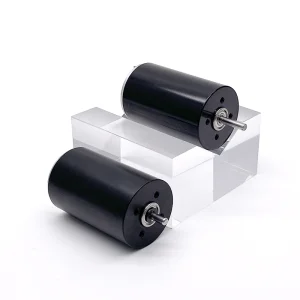
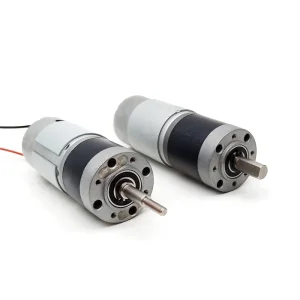
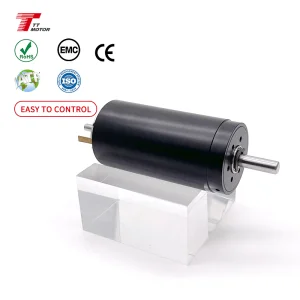
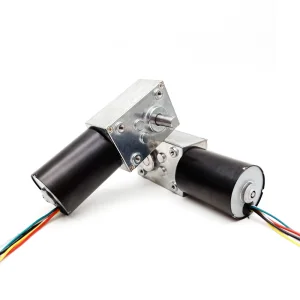
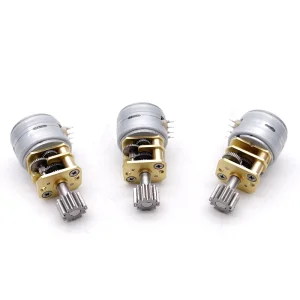
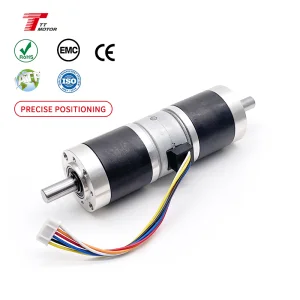
Precision Engineered Micro-Drives Portfolio
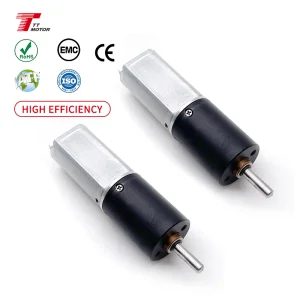
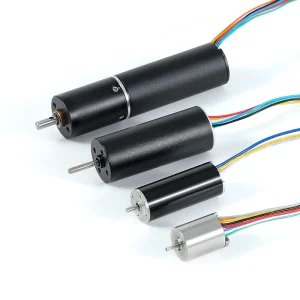
Explore our premium selection of dynamically balanced and high-efficiency micro-motors, optimized for silent operation and long lifespans.
Industrial Whitepaper: The Science of Micro-Dynamic Balancing
Unlocking efficiency, minimizing residual unbalance, and achieving G0.4 grading in high-speed micro electric motors.
In high-speed rotordynamics, unbalance is the primary catalyst for premature mechanical wear, structural resonance, and excessive acoustic emissions. For modern miniature electric motors operating in the range of 10,000 to 50,000 RPM, even a micro-gram millimeter (g·mm) of residual unbalance can induce forces capable of destroying delicate ball bearings, degrading brush systems, and compromising sensory outputs in precision electronics. This is why leading aerospace, medical, and robotics engineers prioritize dynamically balanced motors from qualified Chinese manufacturers who operate strictly under ISO 1940-1 standards.
Dynamic balancing is the process of aligning a rotor's mass center axis with its geometric rotational axis through the addition or removal of mass in multiple planes. Unlike static balancing, which only addresses single-plane gravity centers, dynamic balancing compensates for angular misalignment, preventing the wobbling forces (couples) that emerge solely during operation. Standard manufacturing yields G6.3 balancing grades, but high-end robotic joints and surgical tools demand G2.5 or the extremely precise G1.0 and G0.4 grades. Achieving these metrics requires continuous investment in automated calibration systems, high-rigidity CNC machining centers, and strict environmental testing control rooms.
Mastering the Micro-Universe: The Intertek Motor Standard
At Intertek Motor, we measure our success in micrometers and decibels. We understand that inside a premium robotic joint, a medical dosing pump, or a high-end smart lock, space is the ultimate luxury. Our mission is to pack maximum torque, unyielding durability, and near-silent acoustics into the most compact footprints imaginable.
Our expertise lies in the harmony of miniature engineering. From precision-wound rotors and high-purity copper commutators to custom-designed planetary gearheads, every component inside an Intertek micro motor is optimized for low energy consumption and a friction-free lifespan. We constantly push the limits of micro-drive tech, utilizing advanced automated Swiss-style hobbing and Japanese dynamic balancing to ensure that our internal gear trains operate with zero-backlash precision. When the integrity of your high-tech device hangs on repeated mechanical perfection, Intertek Motor delivers the silent power that anchors your design.
Precision Metrics & Standards
- ISO 1940 G1.0/G0.4 Grade: Balanced to meet surgical and optical scanner tolerances.
- Swiss CNC Hobbing: Zero-backlash planetary gears with sub-micron accuracy.
- Low Acoustic Signature: Operating noise levels maintained below 35 dB(A).
- Extended MTBF: Lifespan ratings exceeding 5,000 continuous hours of operation.
- Optimized Commutation: Advanced silver and gold-alloy precious metal brushes.
Key Balancing Grade Targets
Global Commercial & Industrial Landscape
How supply chain evolution and micro-automation demand are driving advanced motor export standards.
Global Sourcing & Supply Resiliency
Modern B2B purchasing organizations require reliable partners in China who can cross-examine mechanical tolerances. We bridge the gap with standardized quality documents and strict localized compliance.
Technological Integration
With the rise of smart factories and automated warehouses, micro planetary geared motors are integrated directly into actuators, requiring standardized sensor communications and encoder configurations.
Compliance & Environmental Standard
Our materials conform to strict REACH, RoHS, and CE guidelines, ensuring that our motors can be seamlessly exported to Europe, the Americas, and APAC markets without regulatory friction.
Advanced Manufacturing & Quality Assurance Ecosystem
Our state-of-the-art testing laboratories and high-precision production machineries ensure consistent batch-to-batch excellence.
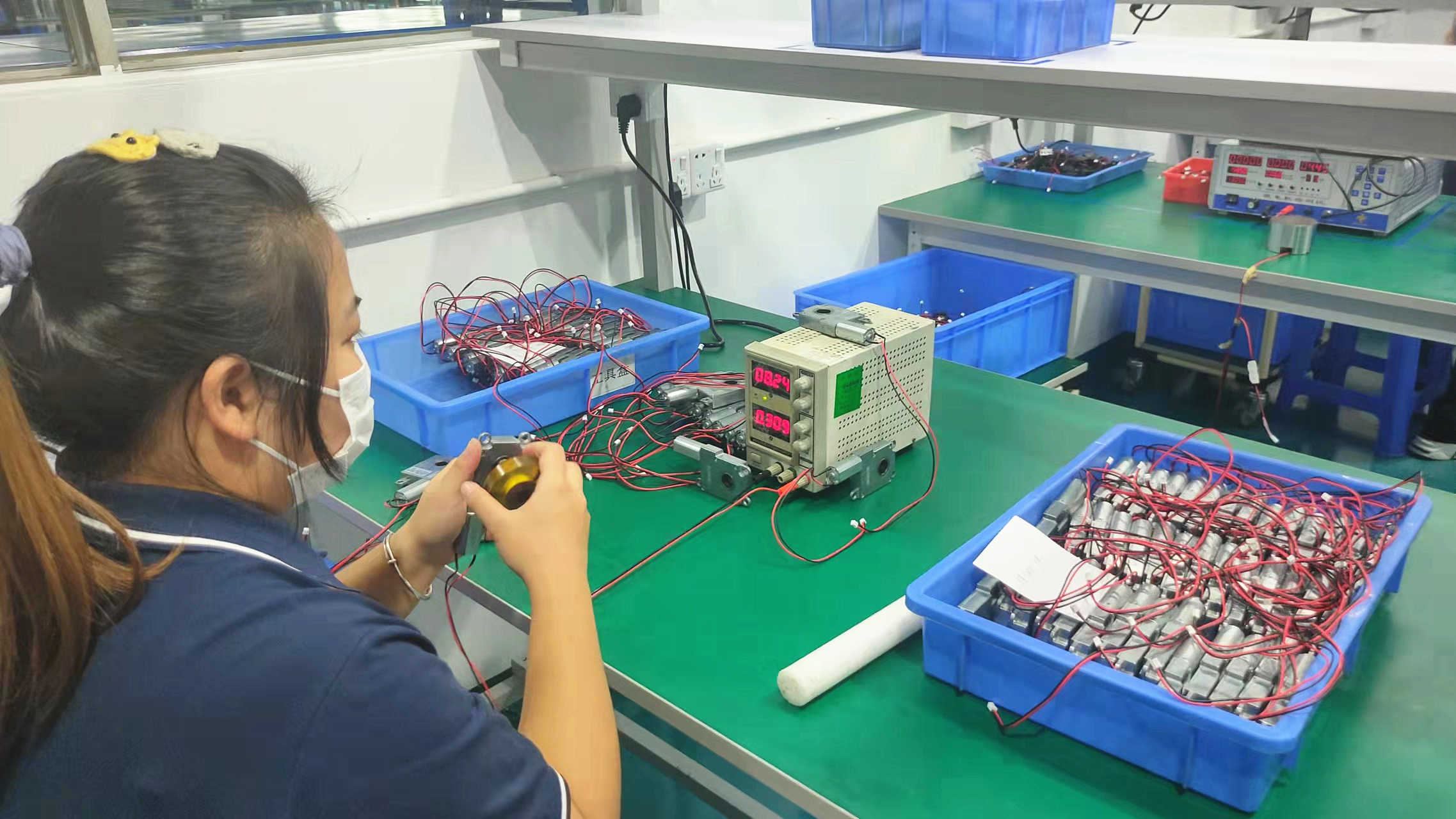
Qc Checking
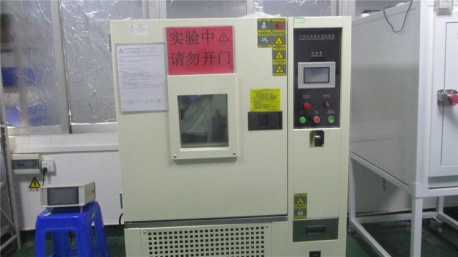
Programmable Constant Temperature & Humidity Testing Chamber
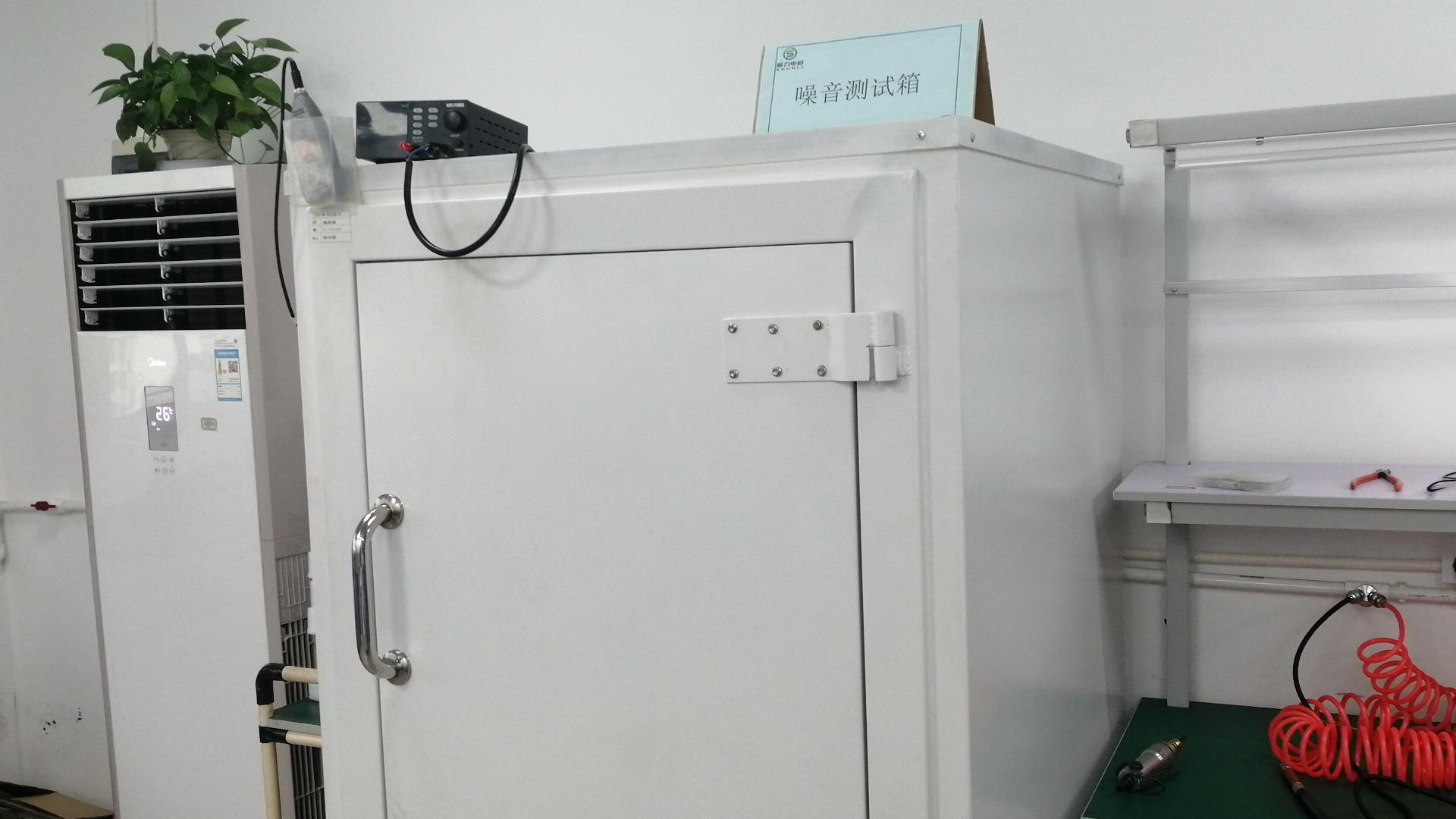
Noise Testing Chamber
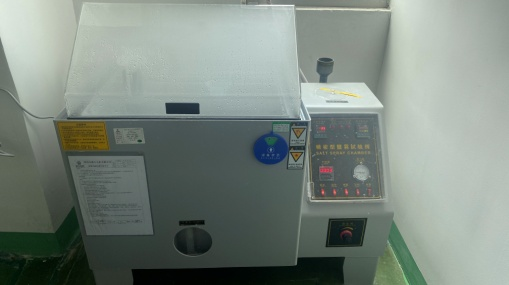
Salt Spray Testing Machine
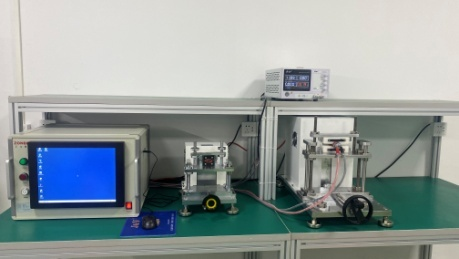
Dynamometer Machine
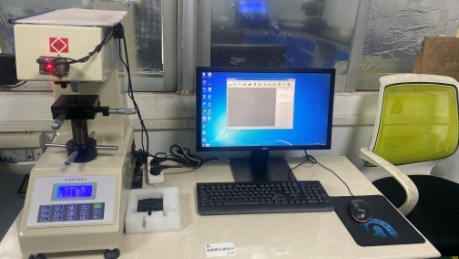
Hardness Tester
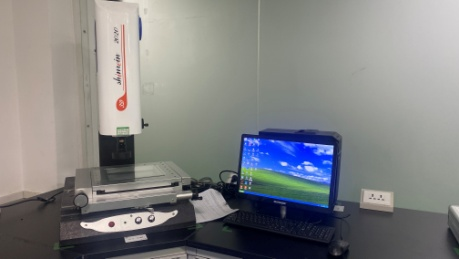
Video Measuring Instrument
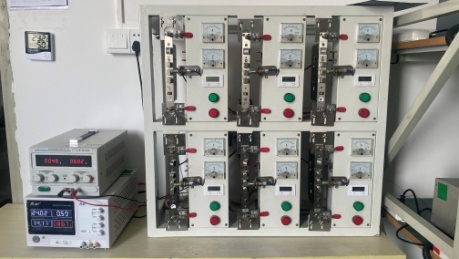
Aging Shelf
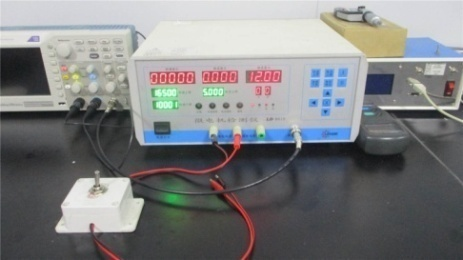
Motor Testing Machine
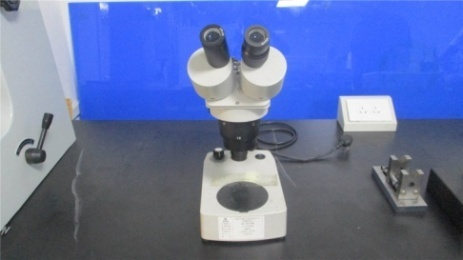
Microscope
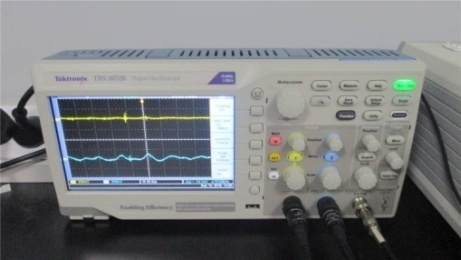
Digital Oscilloscope
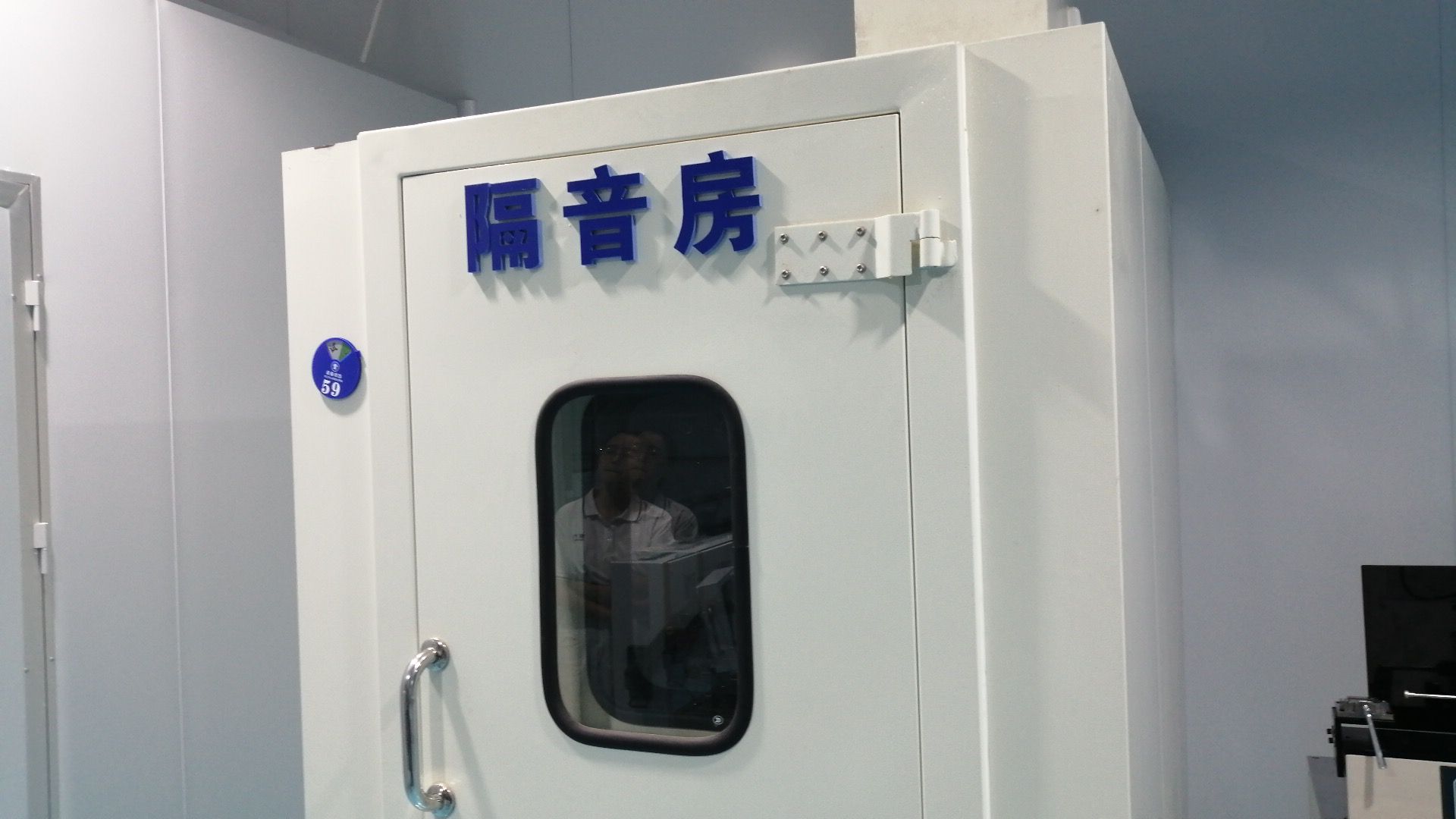
Soundproof Room
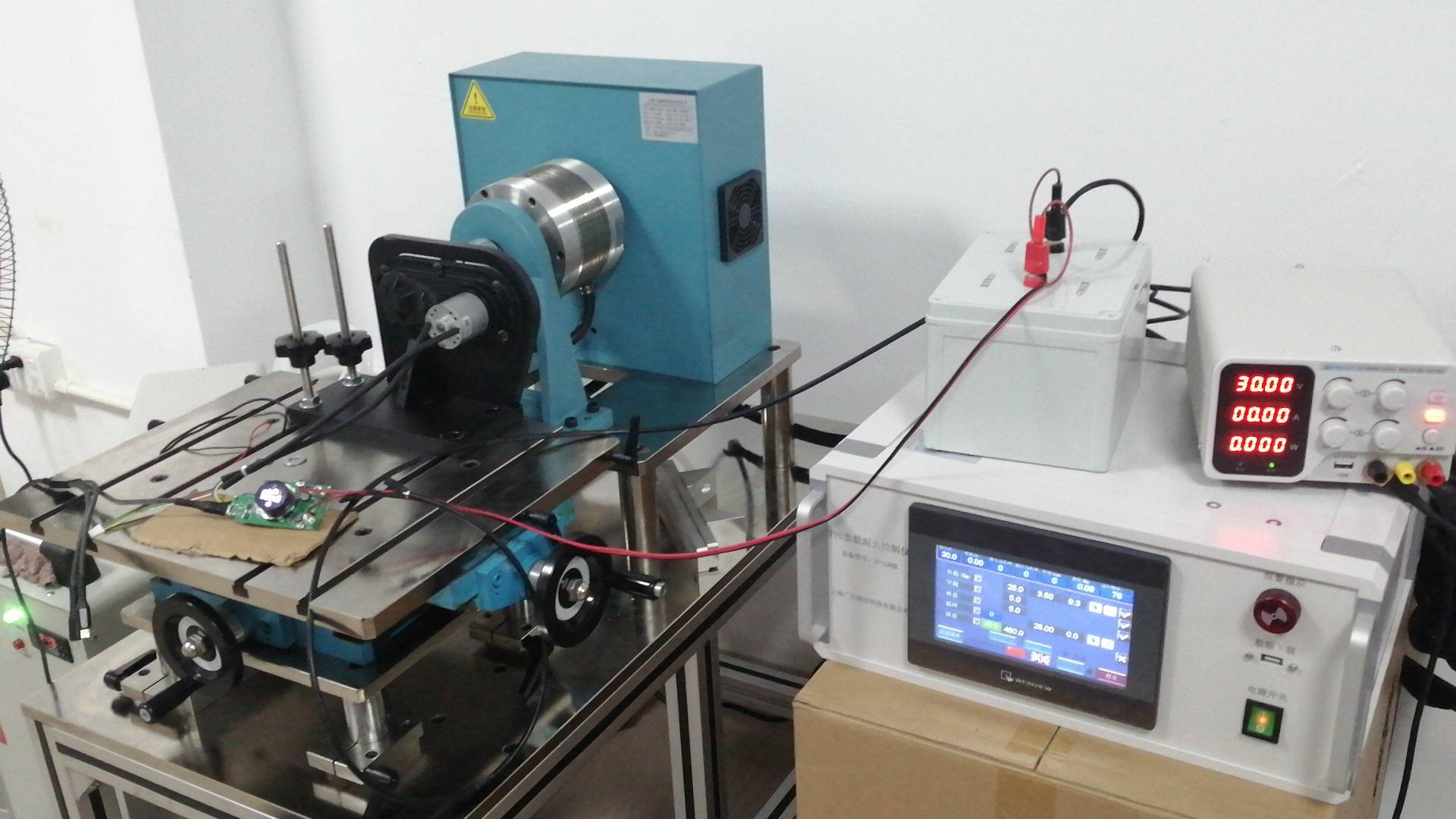
Magnetic Powder Testing Machine
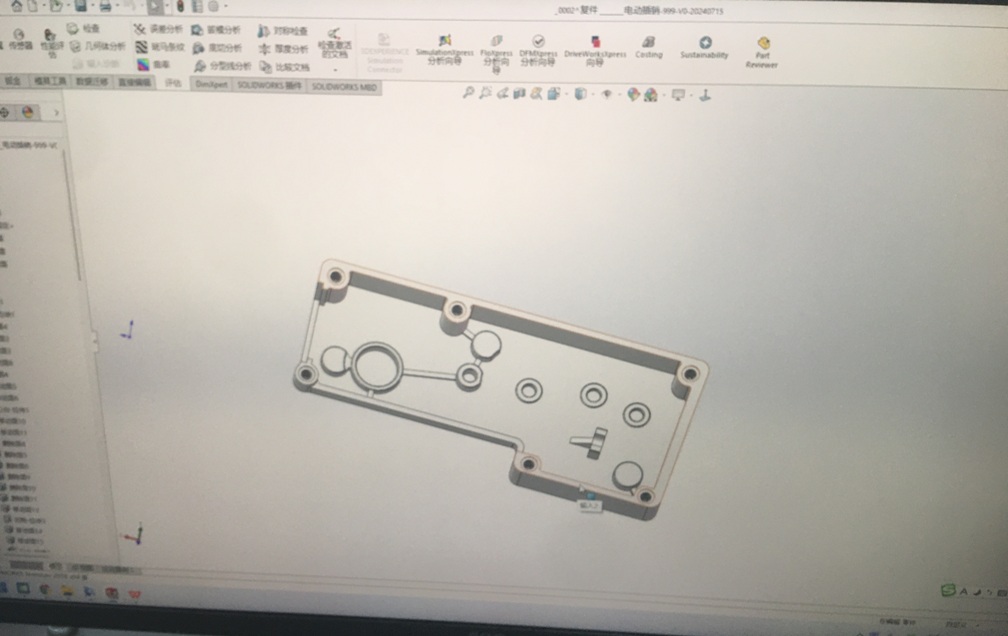
Engineering & Design Lab
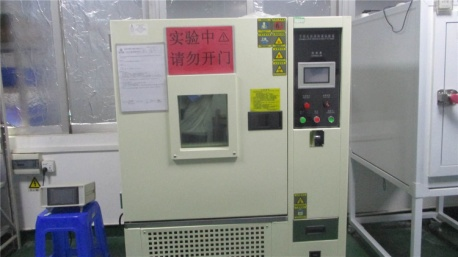
Environmental Chamber II
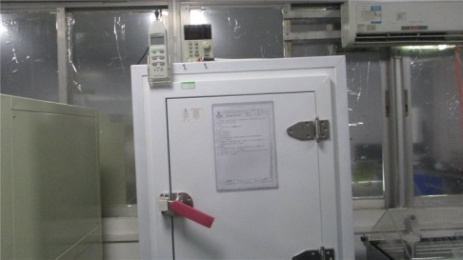
Acoustic Testing Suite
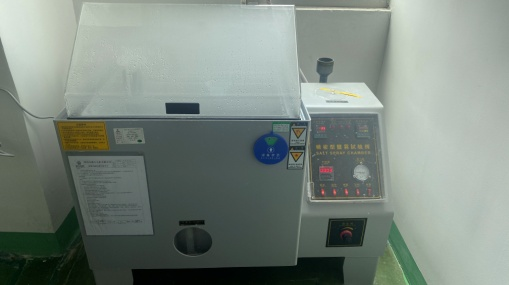
Salt Spray Cabinet II

Raw Material Inspection
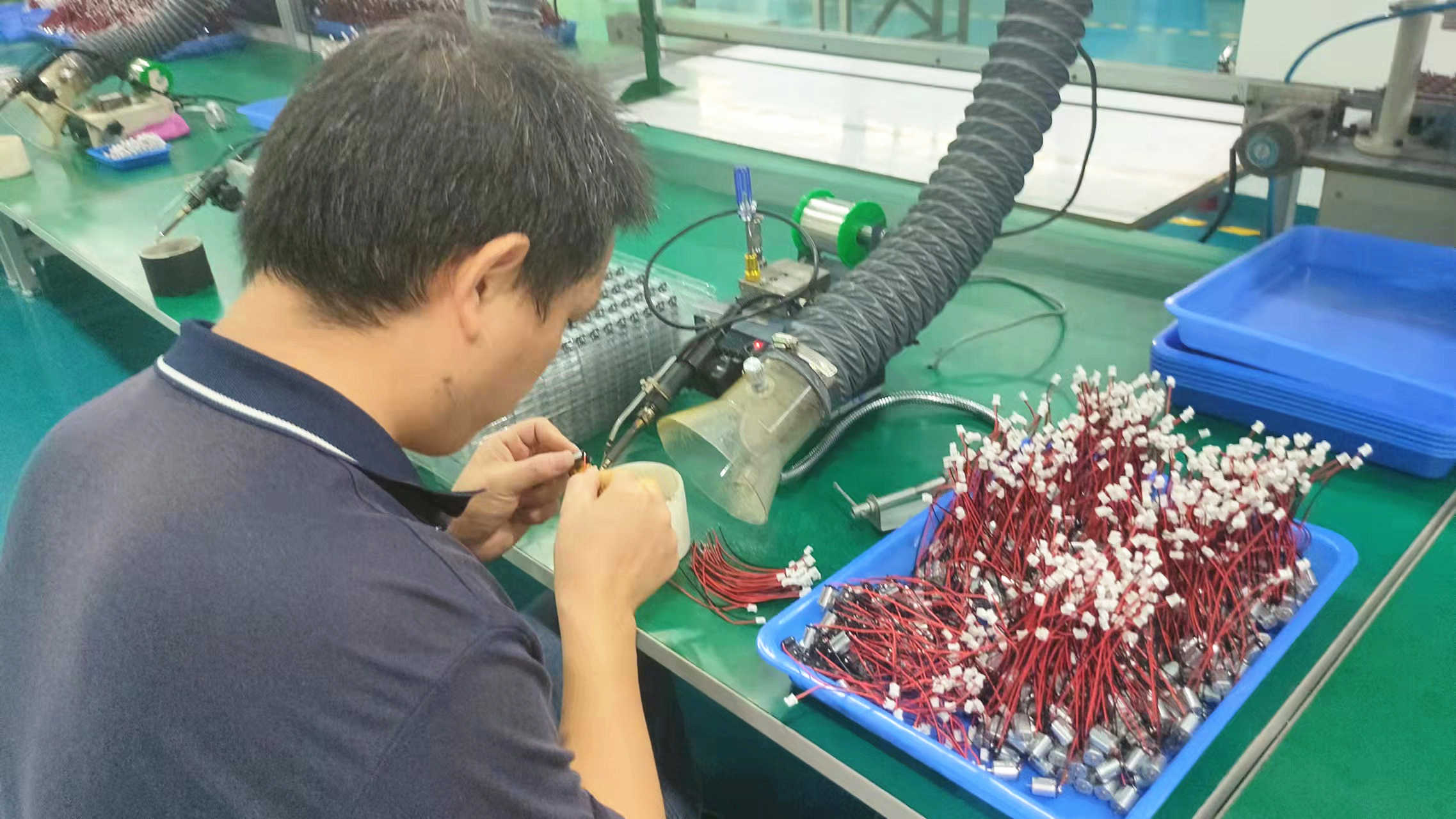
Precision Soldering Station
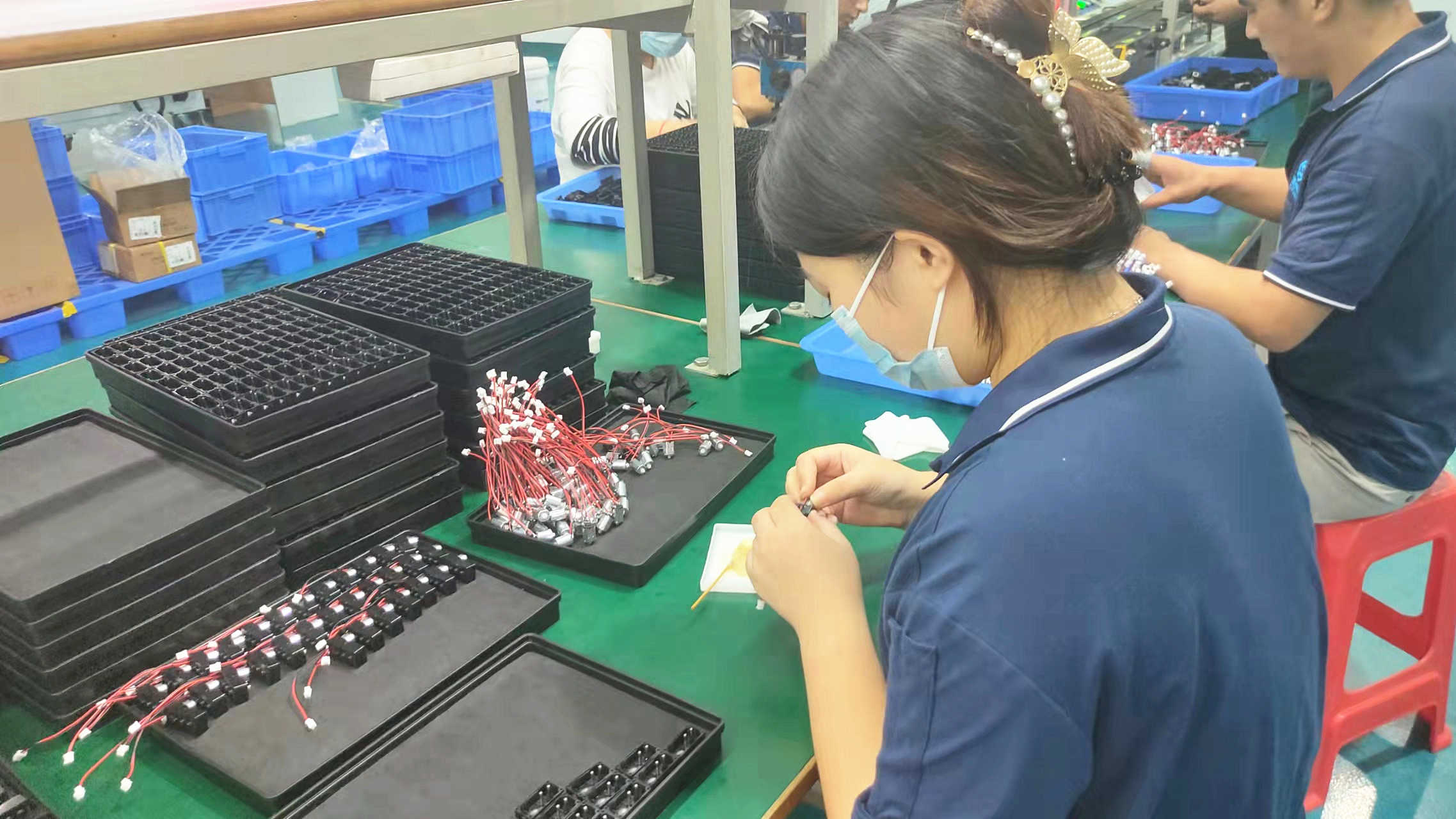
Semi-Automated Assembly
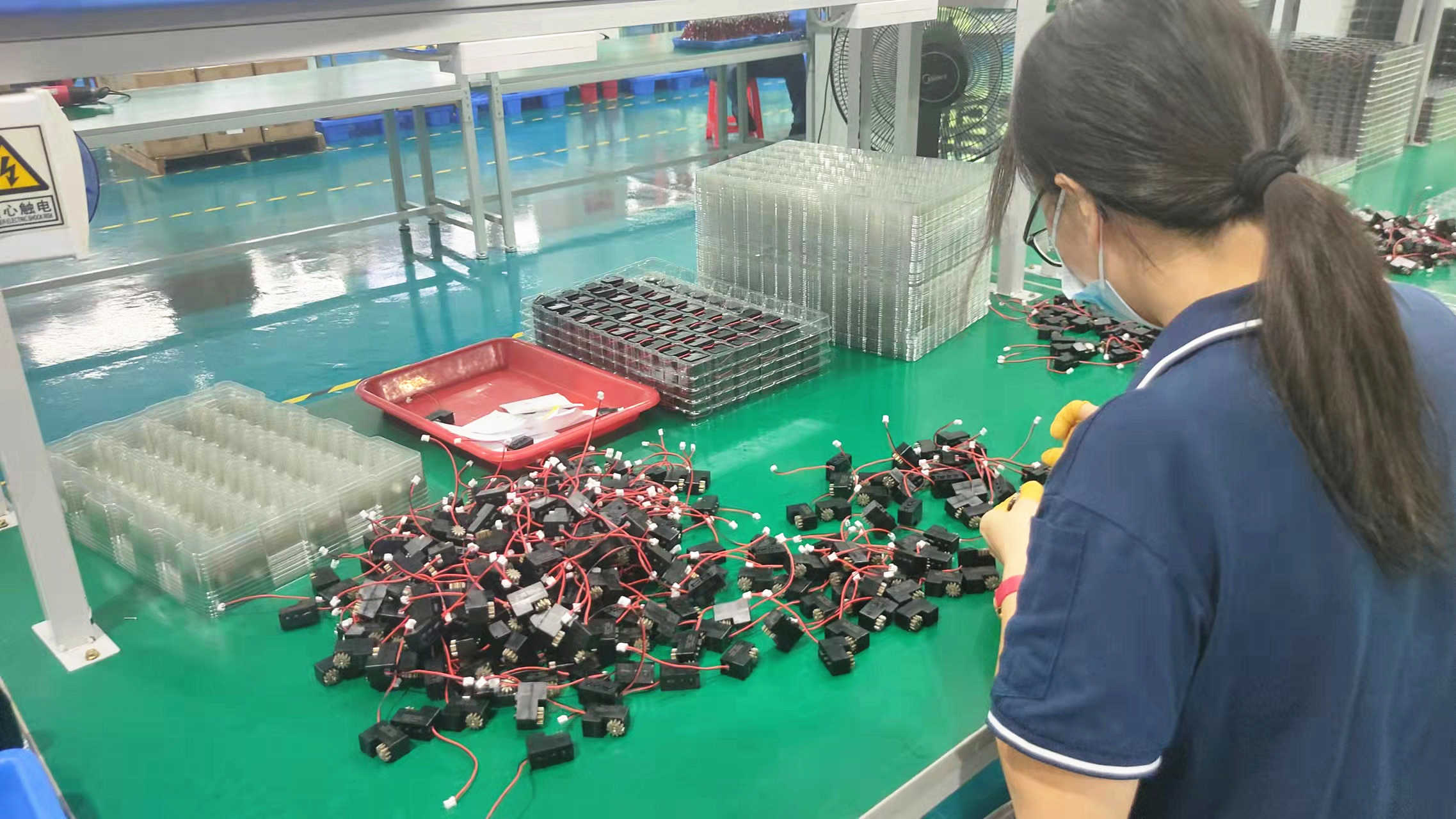
Comprehensive Quality Testing
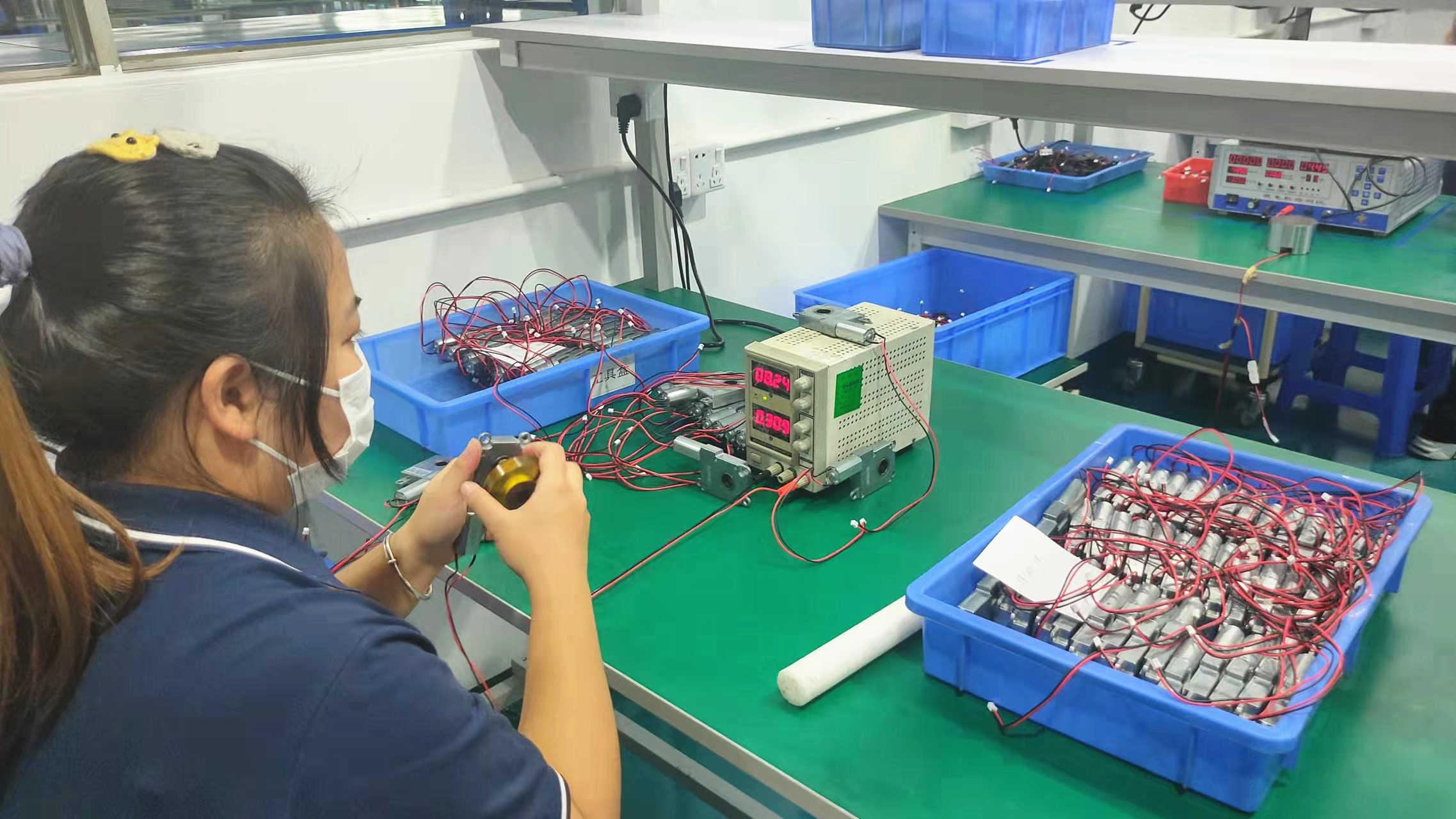
ESD Safe Packaging
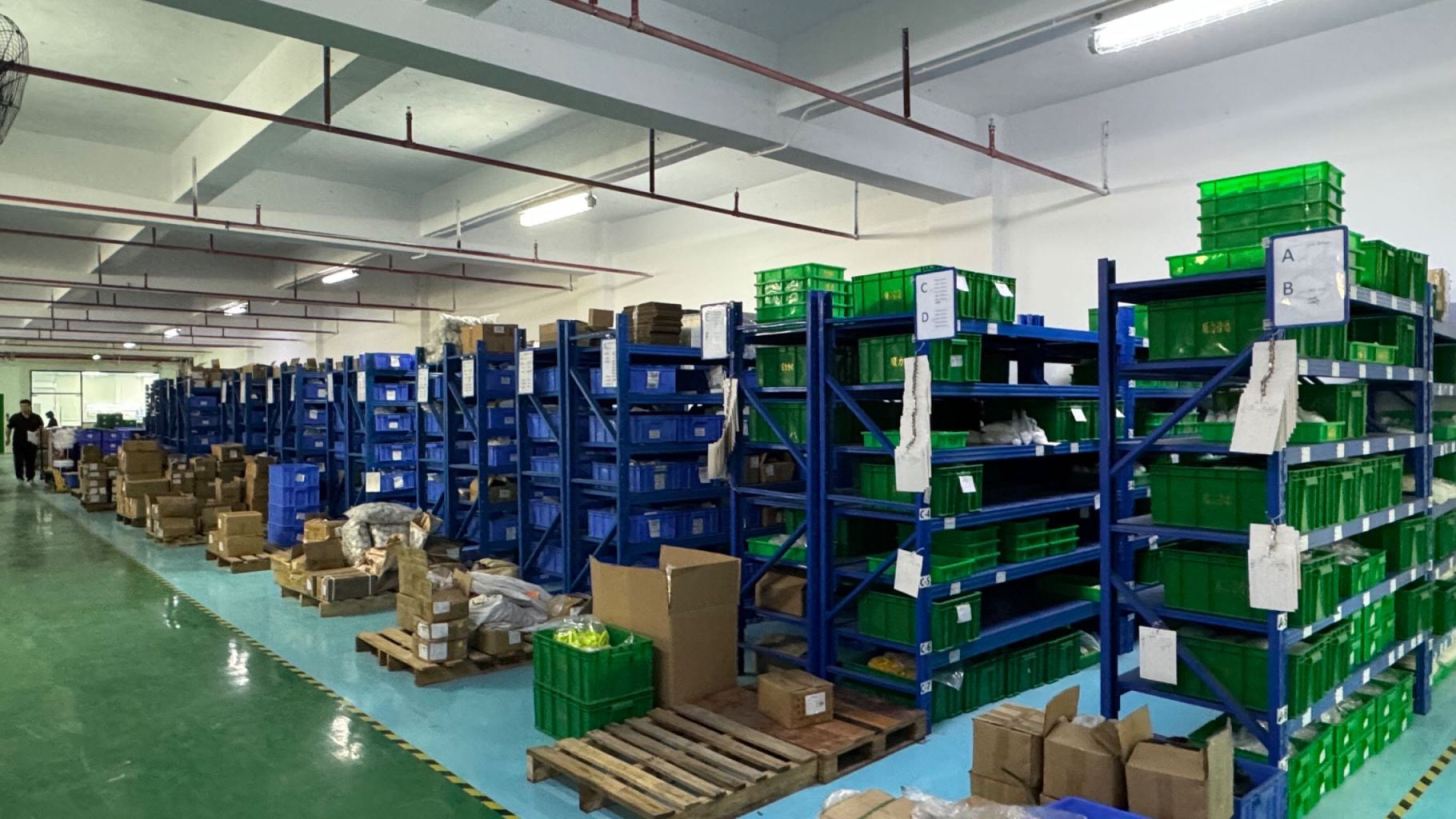
Controlled Storage Facility
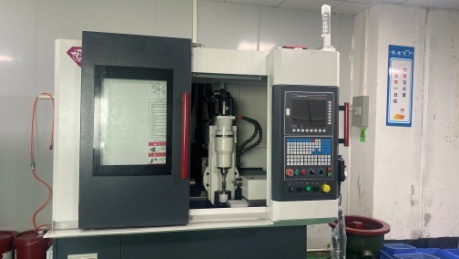
Ningjiang Precision Tooling
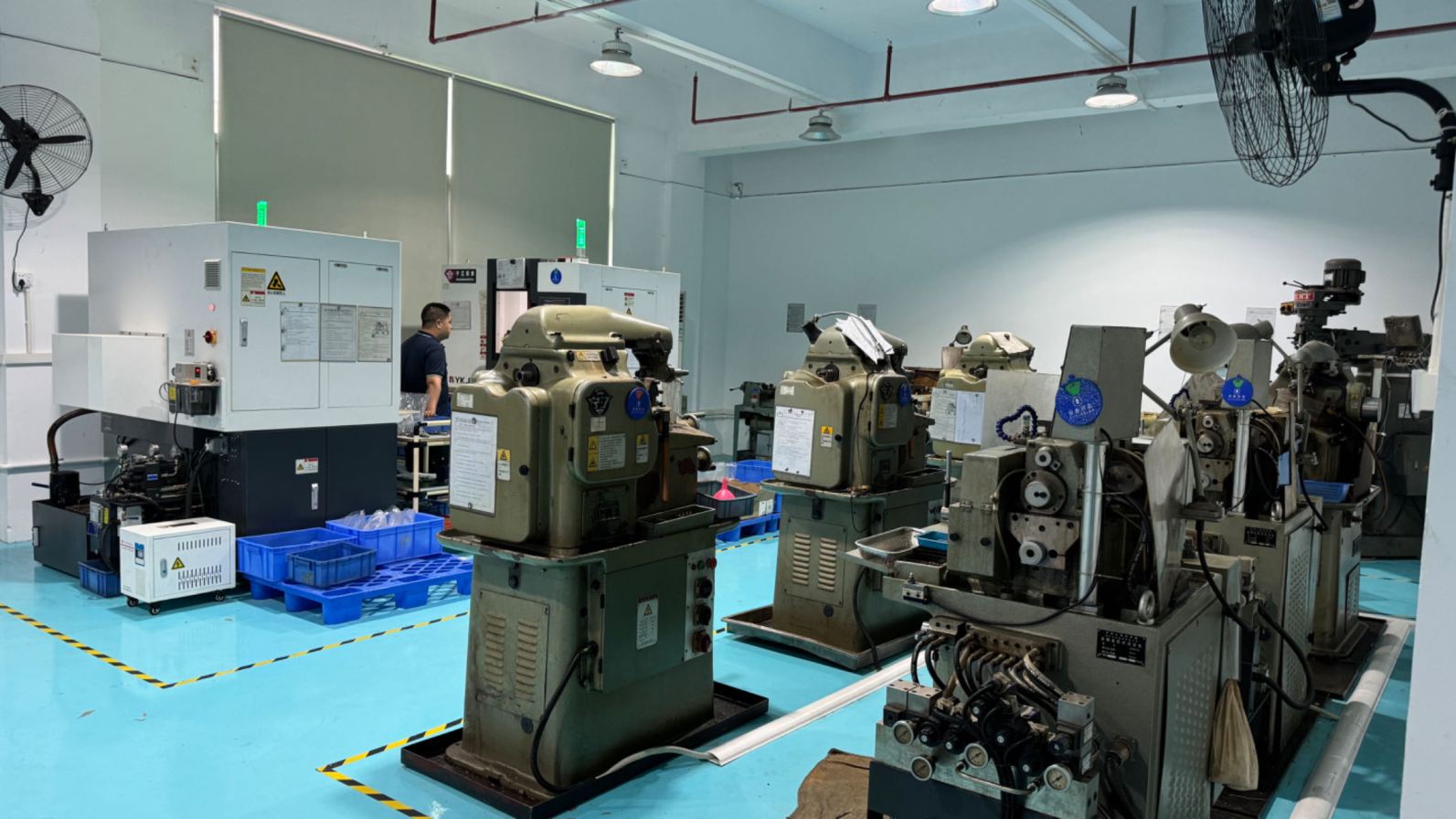
Precision Gear Hobbing
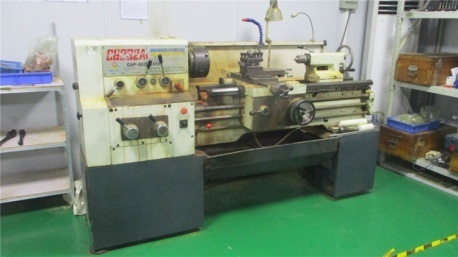
High-Accuracy CNC Lathing
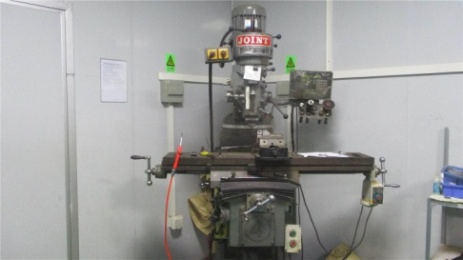
Precision Milling Center
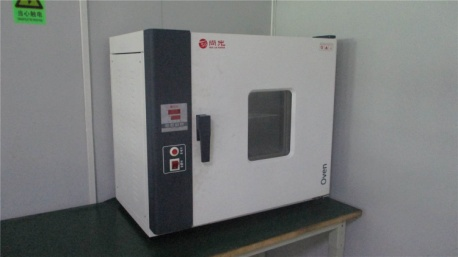
Thermostatic Curing Oven
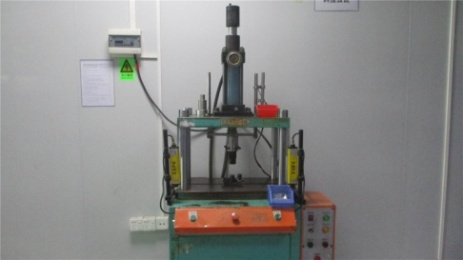
Automatic Gear Riveting
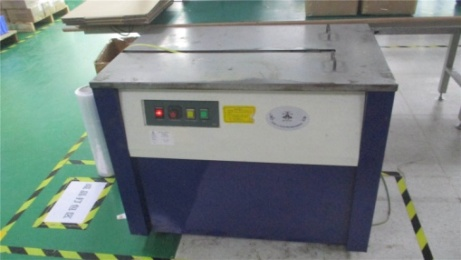
Automated Packaging Unit
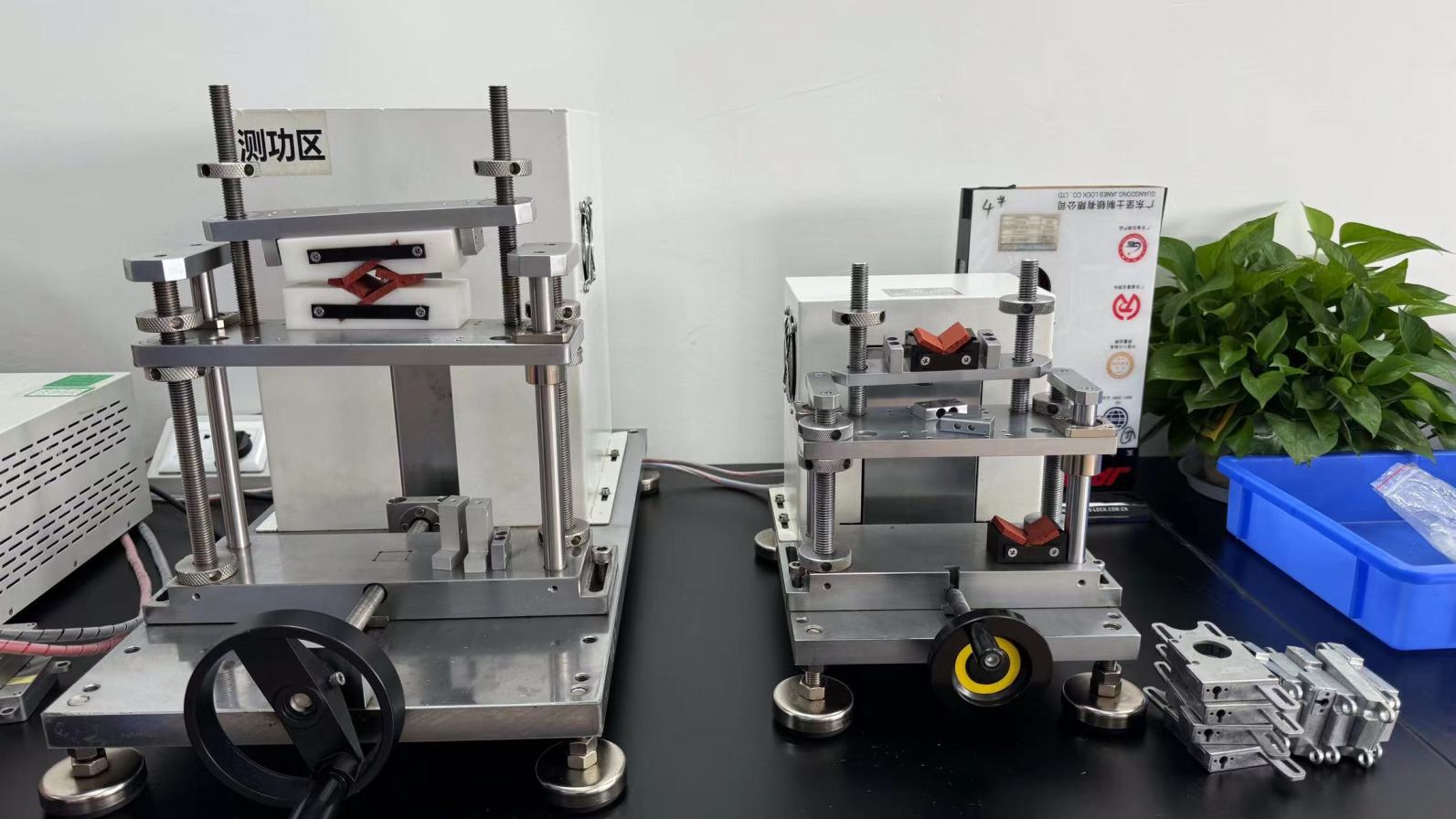
Pneumatic Pressing Station
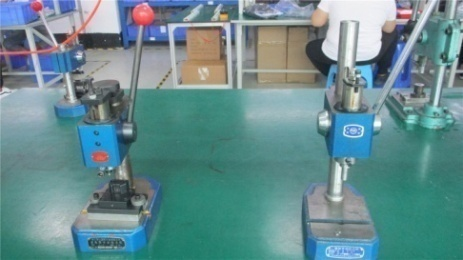
Manual Assembly Bench
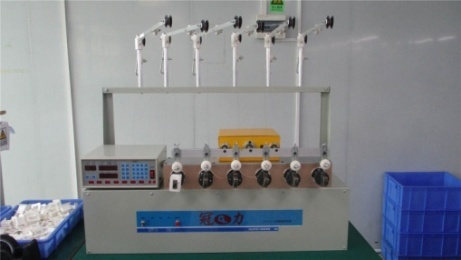
CNC Rotor Winding Machine
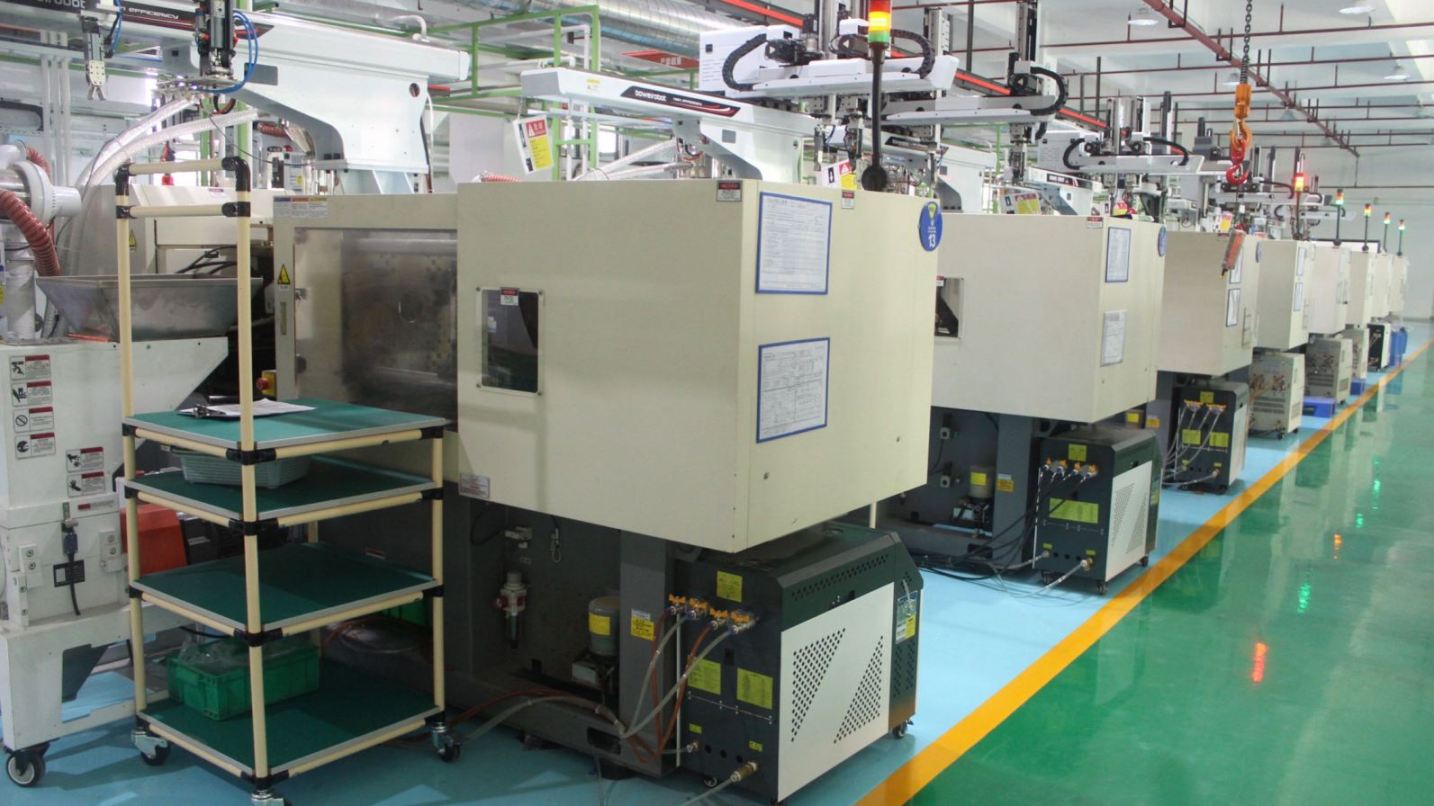
Plastic Gear Injection Molder
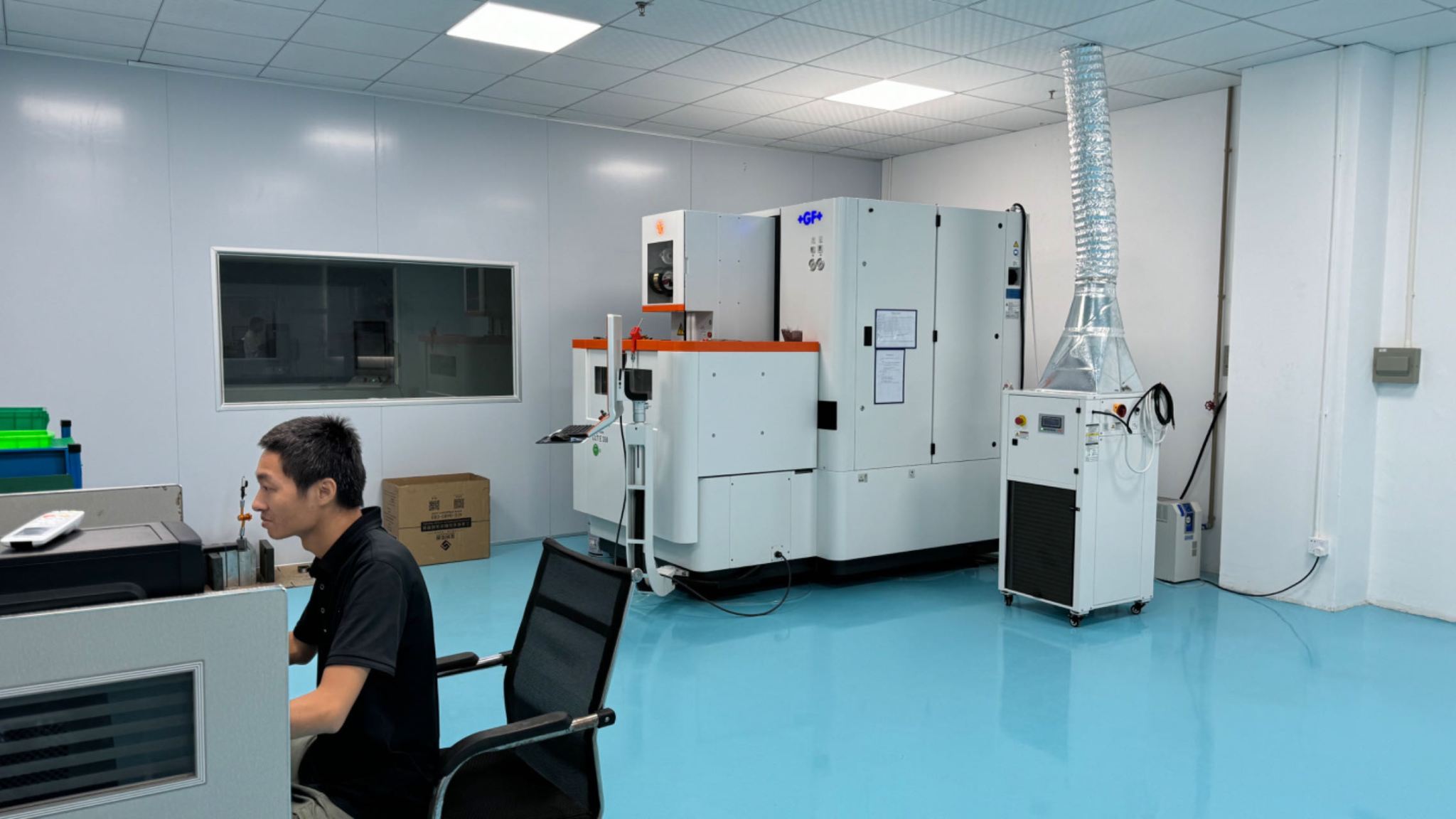
Slow-Feeding NC Wire-Cut Machine
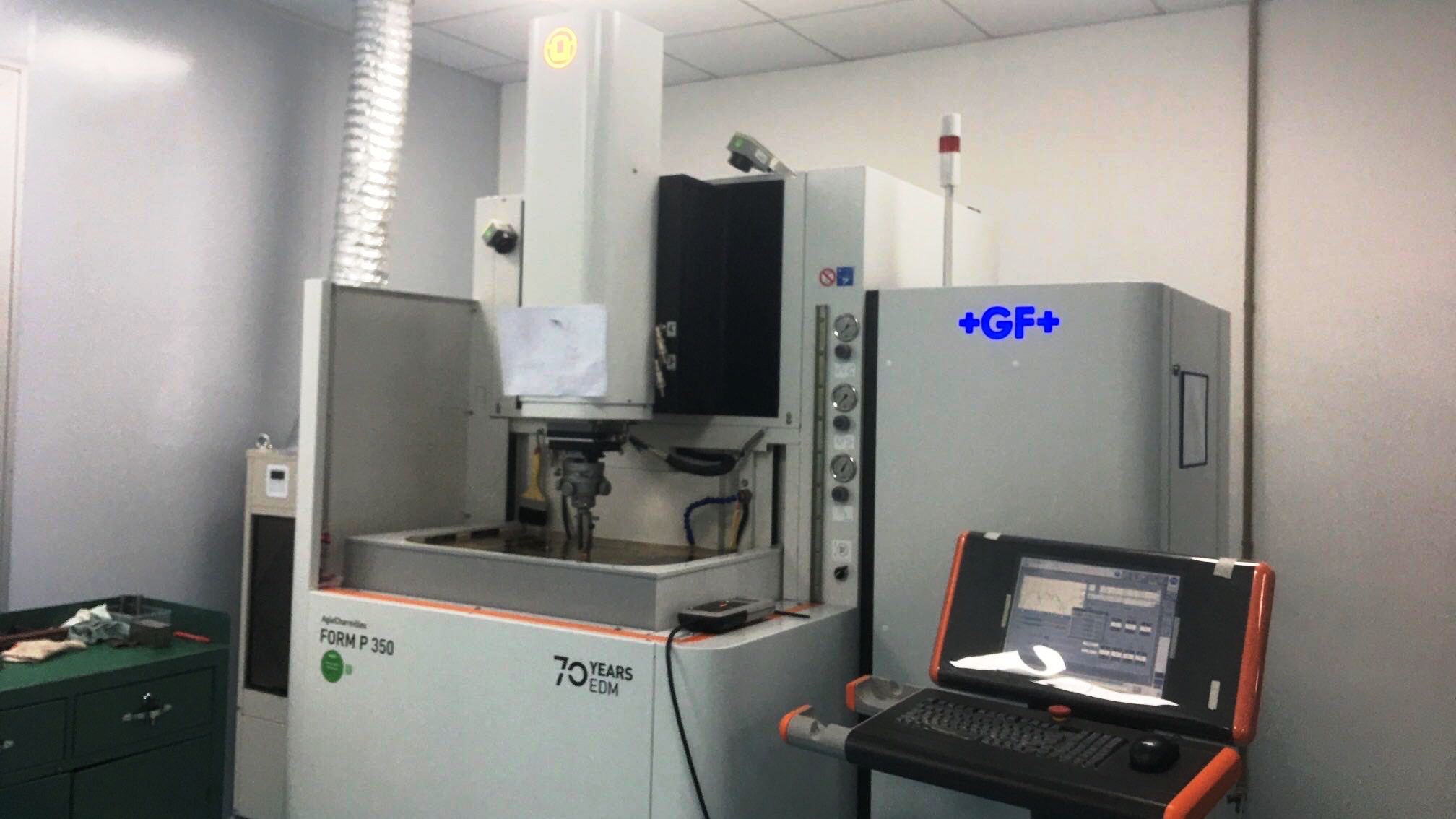
Electrical Discharge Machine (EDM)
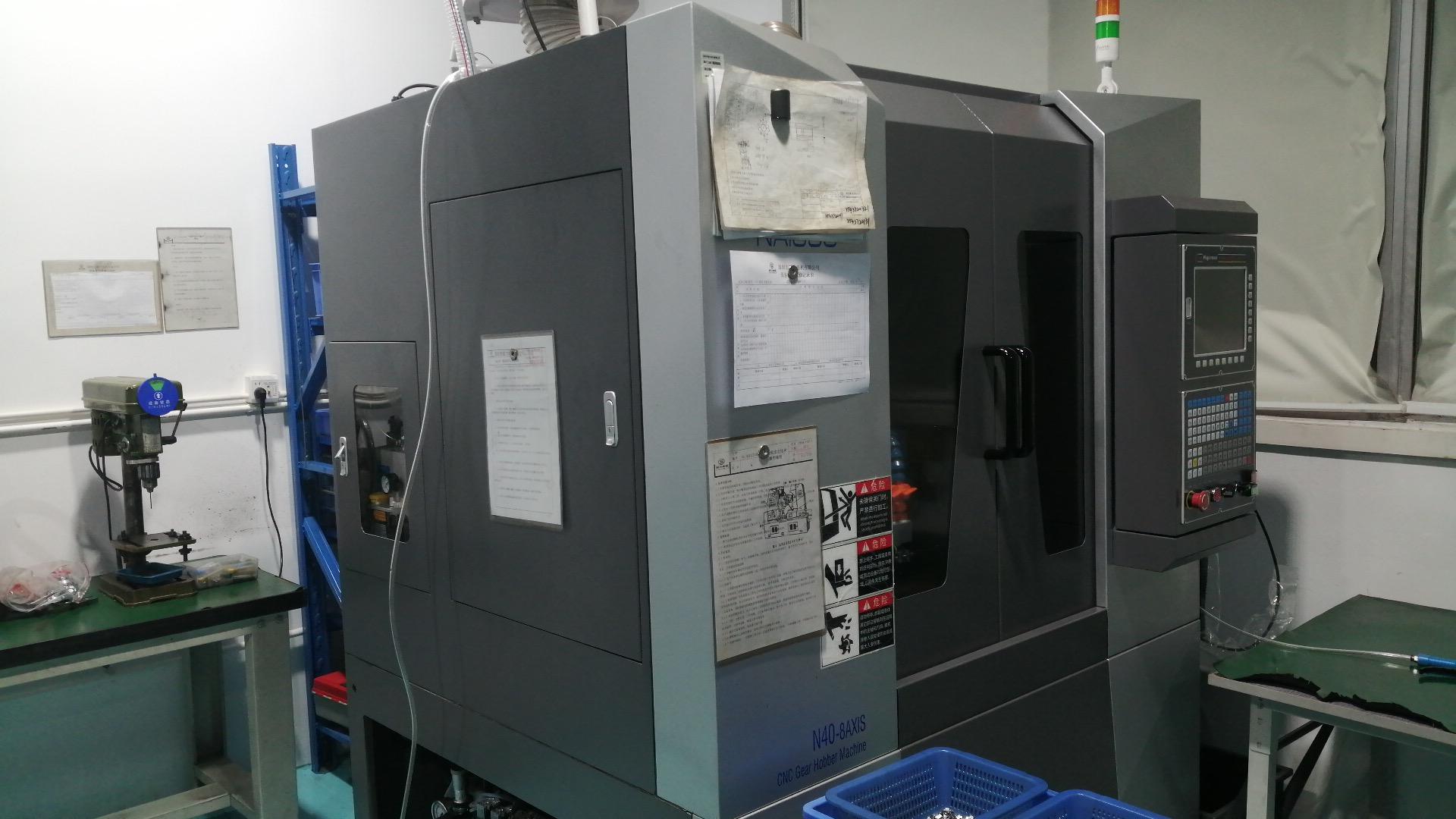
Secondary Gear Hobber
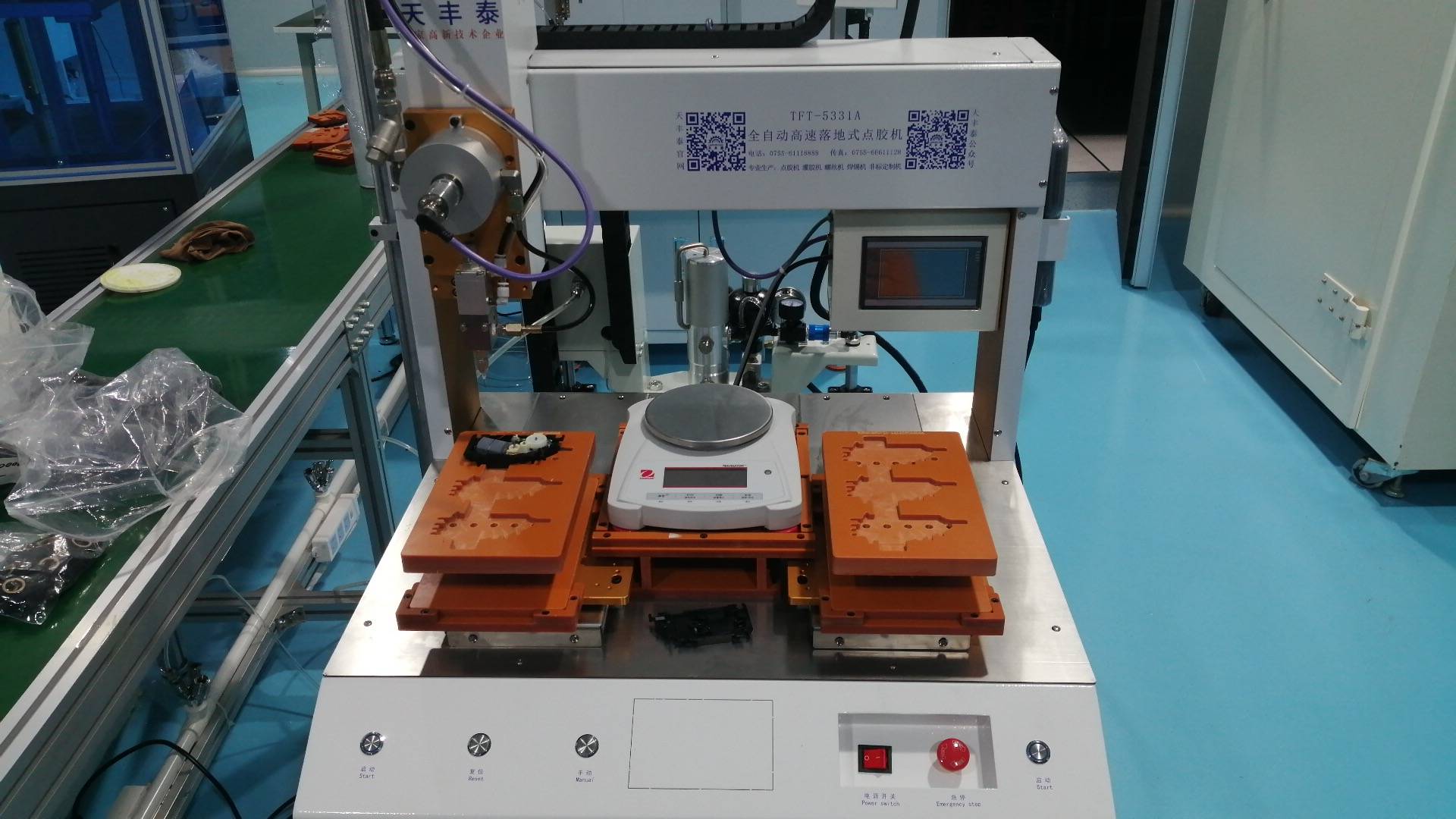
Precision Automated Glue Dispenser
Macro-Industry Solutions & Localized Applications
Bridging high-speed balancing technology with target regional industries.
Medical Technology & Surgical Actuation
Within medical theaters, tools like micro bone drills and precision infusion peristaltic pumps require motor components that do not generate high levels of heat, vibration, or electronic noise. The use of dynamically balanced coreless motors reduces thermal output while achieving speeds up to 40,000 RPM under G1.0 unbalance limits, ensuring comfort for the surgeon and safety for the patient.
Robotic Joints & Logistics Automation
LIDAR sensors on AGVs, along with joints on collaborative robotic arms, depend heavily on low-backlash planetary gearboxes. Backlash in motor gearboxes compromises positioning accuracy. Utilizing Swiss-style CNC hobbing and dynamic balancing mitigates micro-vibrations that can distort laser scanner readings or lead to mechanical drift over high repetitive-cycle lifespans.
Smart Home Security & Electronic Valves
Commercial buildings and luxury residential projects demand smart lock systems and electronic water shut-off valves that operate silently. A motor without dynamic balancing causes casing vibrations, generating audible hums inside doors or pipes. Our specialized 16mm and 20mm geared motors deliver quiet operation (below 35dB) and reliable torque to guarantee long-term performance.
Technological Roadmap & Future Outlook
Our vision for R&D developments in micro-drive technology over the next decade.
AI-Driven Balancing Systems
Integrating real-time laser ablation on dynamic balancing machines. Rotors are automatically balanced down to G0.4 grades within seconds without manual weight additions, dramatically lowering production lead times.
Sensorless FOC Drivers
Embedding micro-electronic Field-Oriented Control (FOC) systems inside BLDC motor caps, enabling smooth torque delivery, high-frequency response, and eliminating the need for bulky Hall sensors.
Carbon-Neutral Manufacturing
Transitioning all materials and production steps to full environmental compatibility, aiming for net-zero carbon footprints across our component supply chain in compliance with upcoming EU carbon border regulations.
Technical Q&A: Sourcing & Engineering Dynamics
Direct answers to the critical engineering and procurement inquiries of system integrators.
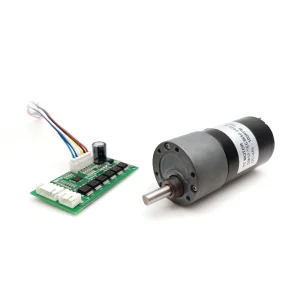
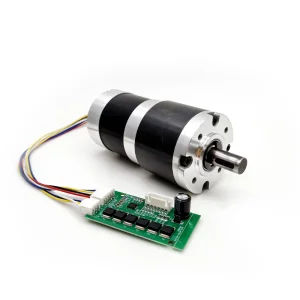
High-Performance Industrial Actuators & Controllers
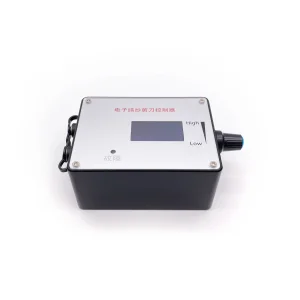
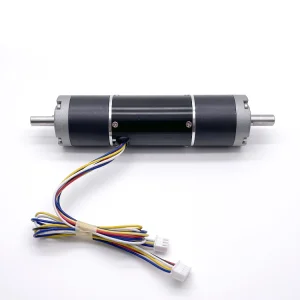
Our advanced controllers and high-torque motor configurations engineered for heavy-duty industrial automation applications.