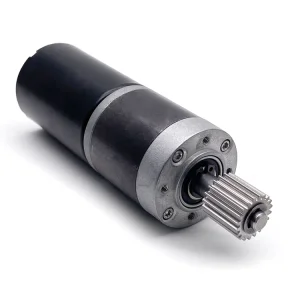
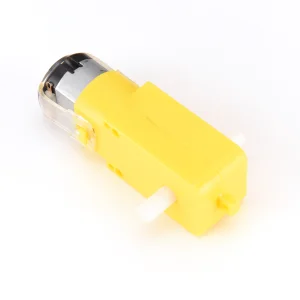
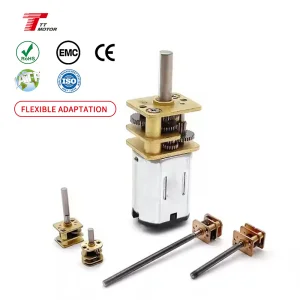
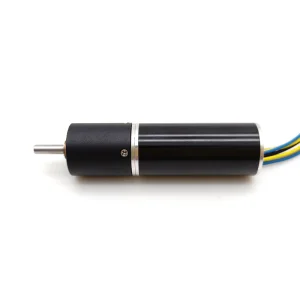
Featured Precision Electric Motor Systems
Engineered for high-efficiency operation, strict tolerance, and long-term durability across industrial drive portfolios.
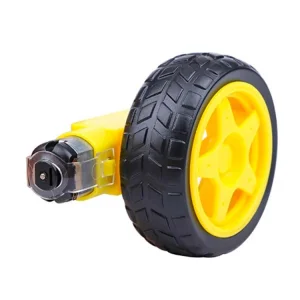
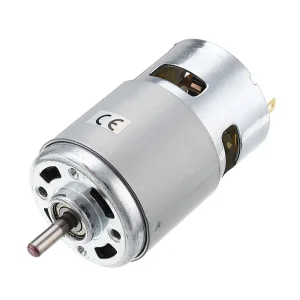
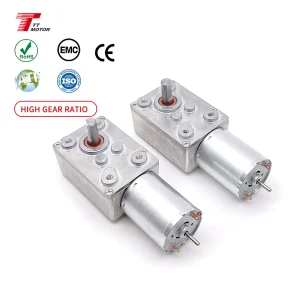
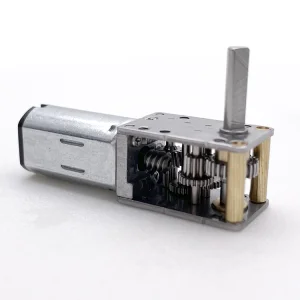
Strategic Briefing: The Evolution of Industrial High Voltage Motor Manufacturing
As global industries commit to decarbonization, the requirements for large-scale powertrain systems have changed. High Voltage (HV) motors—operating from 3kV to 13.8kV and beyond—are the key machines powering heavy-duty applications in petrochemicals, power generation, mining, and municipal infrastructure. Today's procurement departments no longer look for simple motor products; they seek integrated high-efficiency solutions capable of operating continuously in harsh environments.
1. Key Technology Trends Shaping the HV & MV Motor Industry
China's high-voltage motor manufacturing sector has transitioned from copying international designs to leading in material technology and system integration. Several developments are shaping this progress:
- Class H & Class F Insulation Systems: Modern HV motors use advanced mica-epoxy composite tapes designed to withstand extreme thermal stresses. Implementing Class H thermal materials allows manufacturers to design more compact stator cores without reducing power output.
- Integrated Variable Frequency Drive (VFD) Optimization: Running HV motors directly on utility grids is becoming less common. To prevent breakdown from voltage reflections, manufacturers optimize rotor dynamics and stator slots to match the high-speed switching frequencies of modern IGBT and IGCT multi-level inverters.
- Smart Predictive Maintenance Integration: Leading factories build vibration sensors (three-axis accelerometers), stator winding RTDs (Resistance Temperature Detectors), and partial discharge sensors directly into the motor frame. This connects the motor to cloud-based monitoring platforms for real-time health updates.
Mastering the Micro-Universe: The Intertek Motor Standard
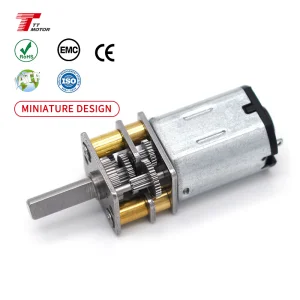
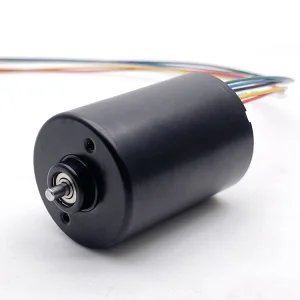
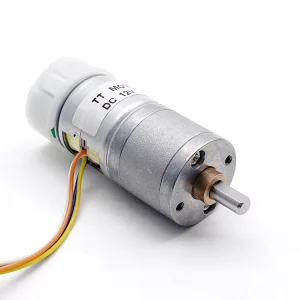
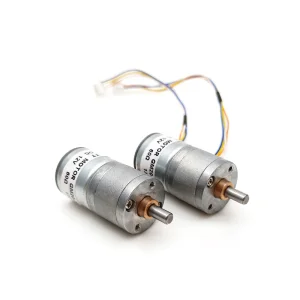
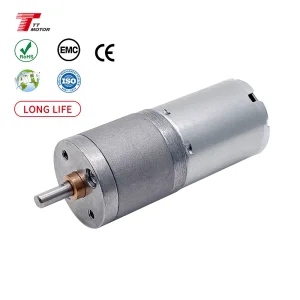
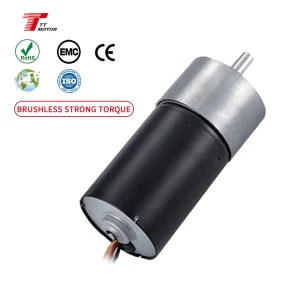
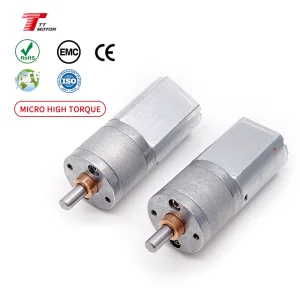
At Intertek Motor, we measure our success in micrometers and decibels. We understand that inside a premium robotic joint, a medical dosing pump, or a high-end smart lock, space is the ultimate luxury. Our mission is to pack maximum torque, unyielding durability, and near-silent acoustics into the most compact footprints imaginable.
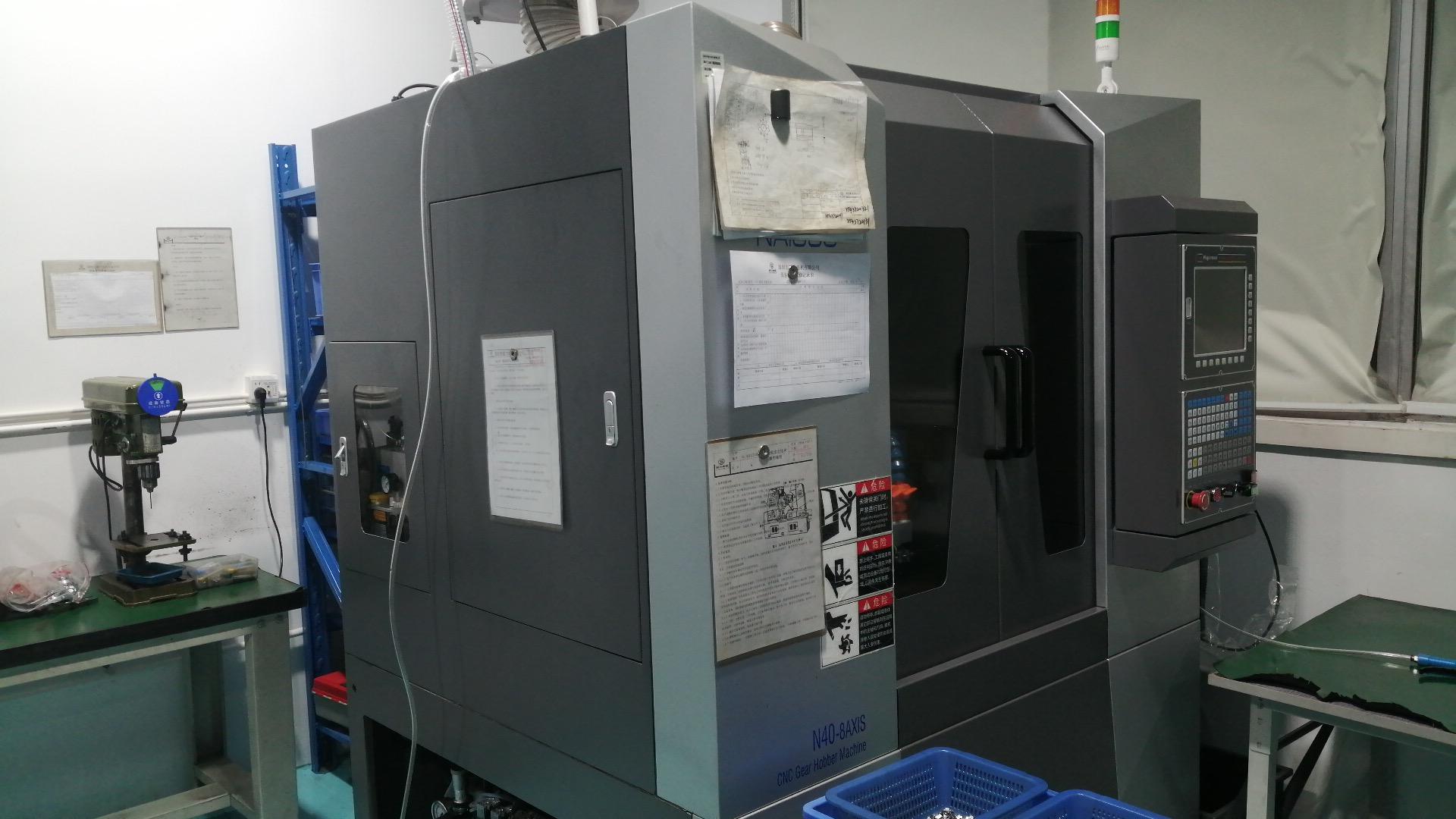
Our expertise lies in the harmony of miniature engineering. From precision-wound rotors and high-purity copper commutators to custom-designed planetary gearheads, every component inside an Intertek micro motor is optimized for low energy consumption and a friction-free lifespan. We constantly push the limits of micro-drive tech, utilizing advanced automated Swiss-style hobbing and Japanese dynamic balancing to ensure that our internal gear trains operate with zero-backlash precision. When the integrity of your high-tech device hangs on repeated mechanical perfection, Intertek Motor delivers the silent power that anchors your design.
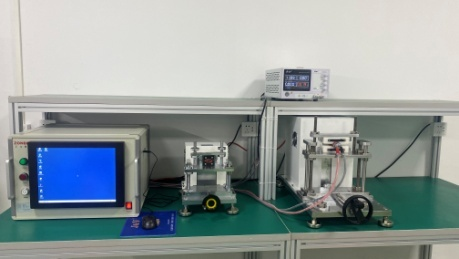
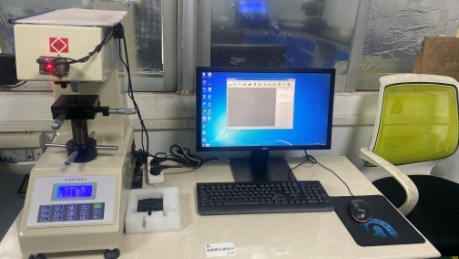
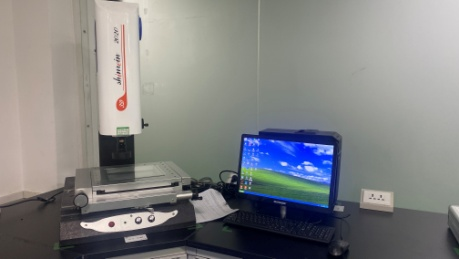
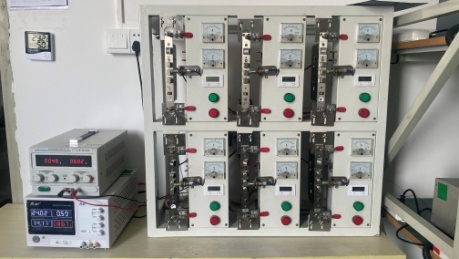
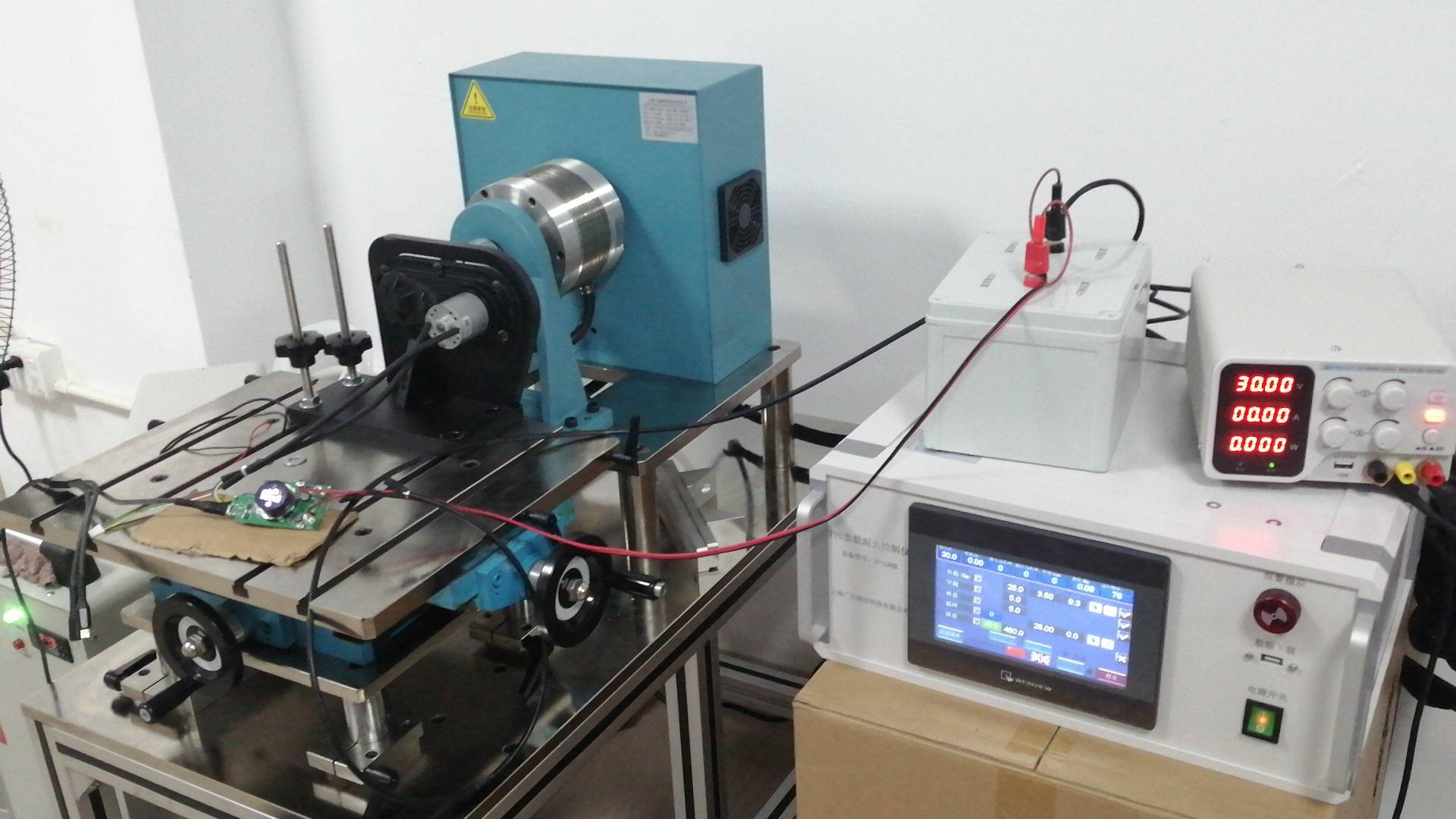
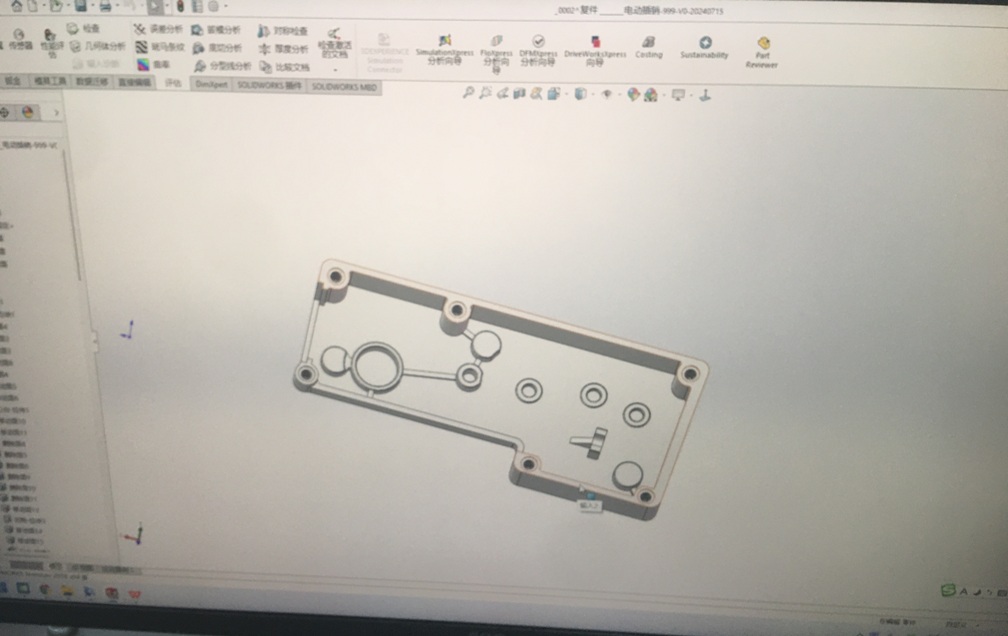
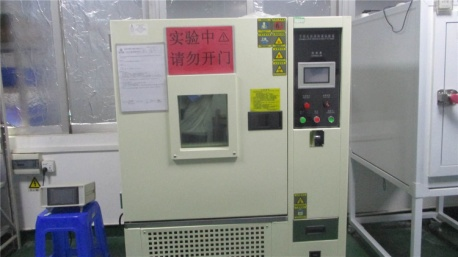
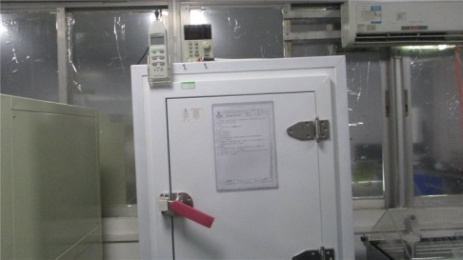
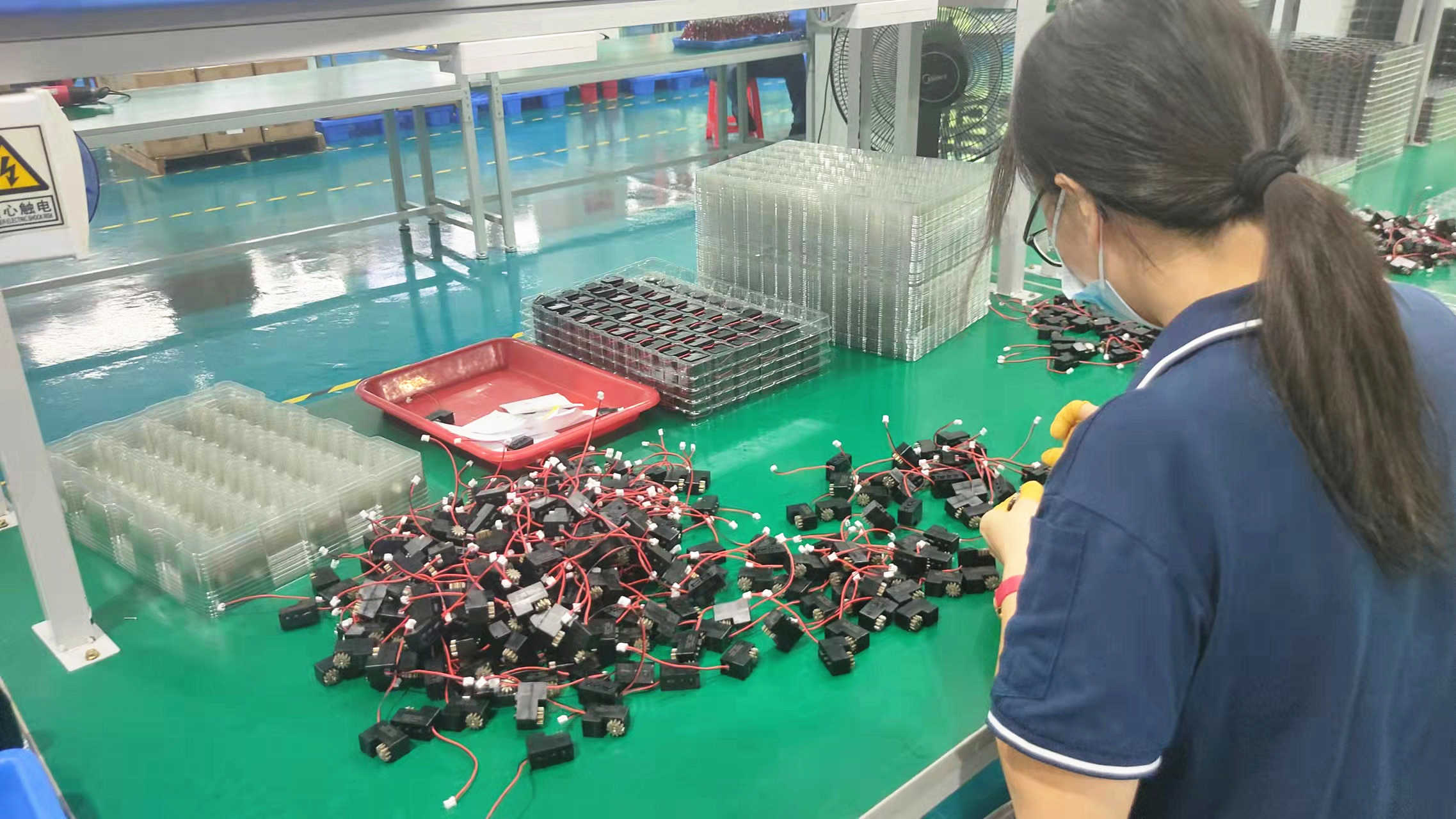
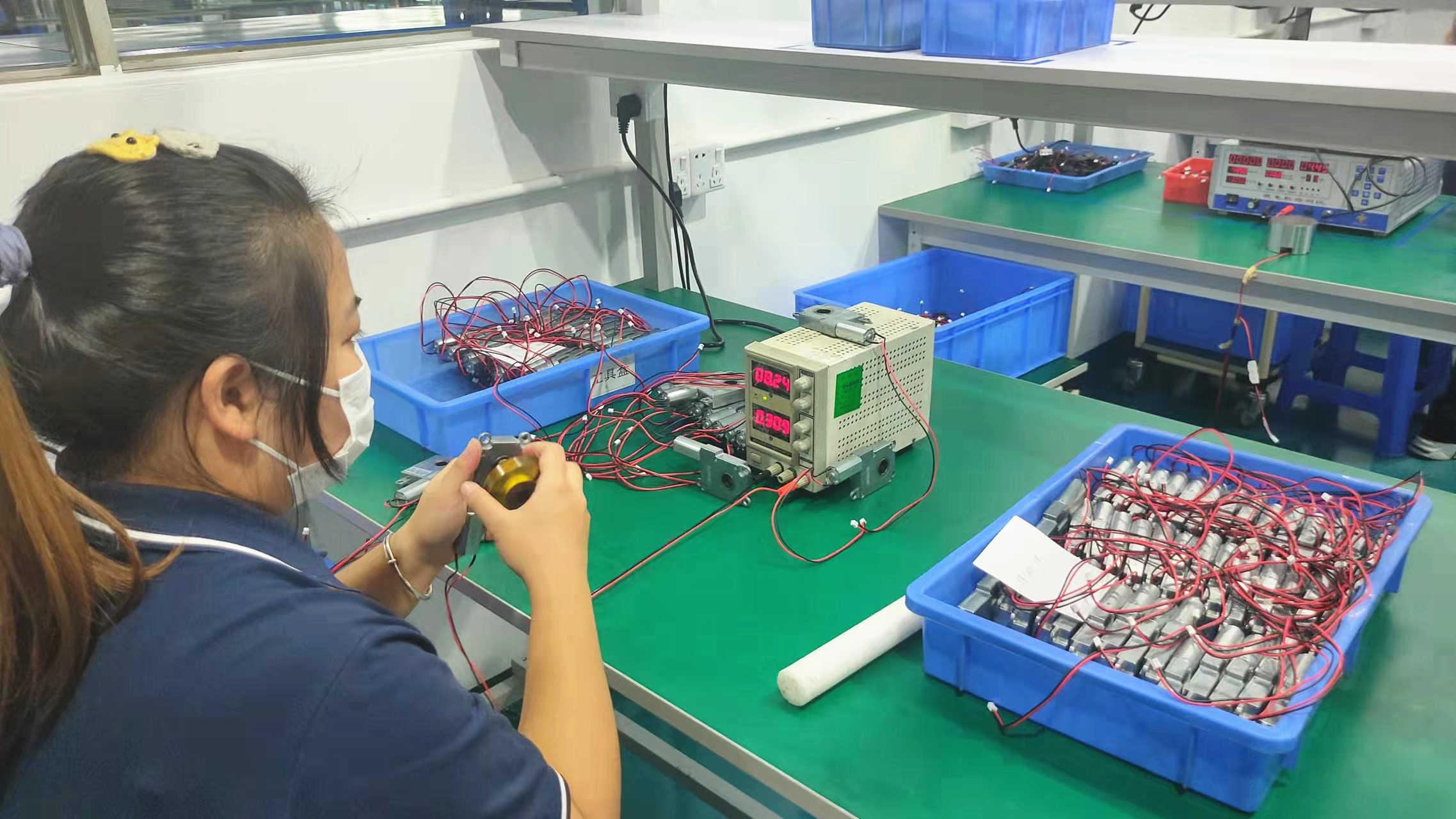
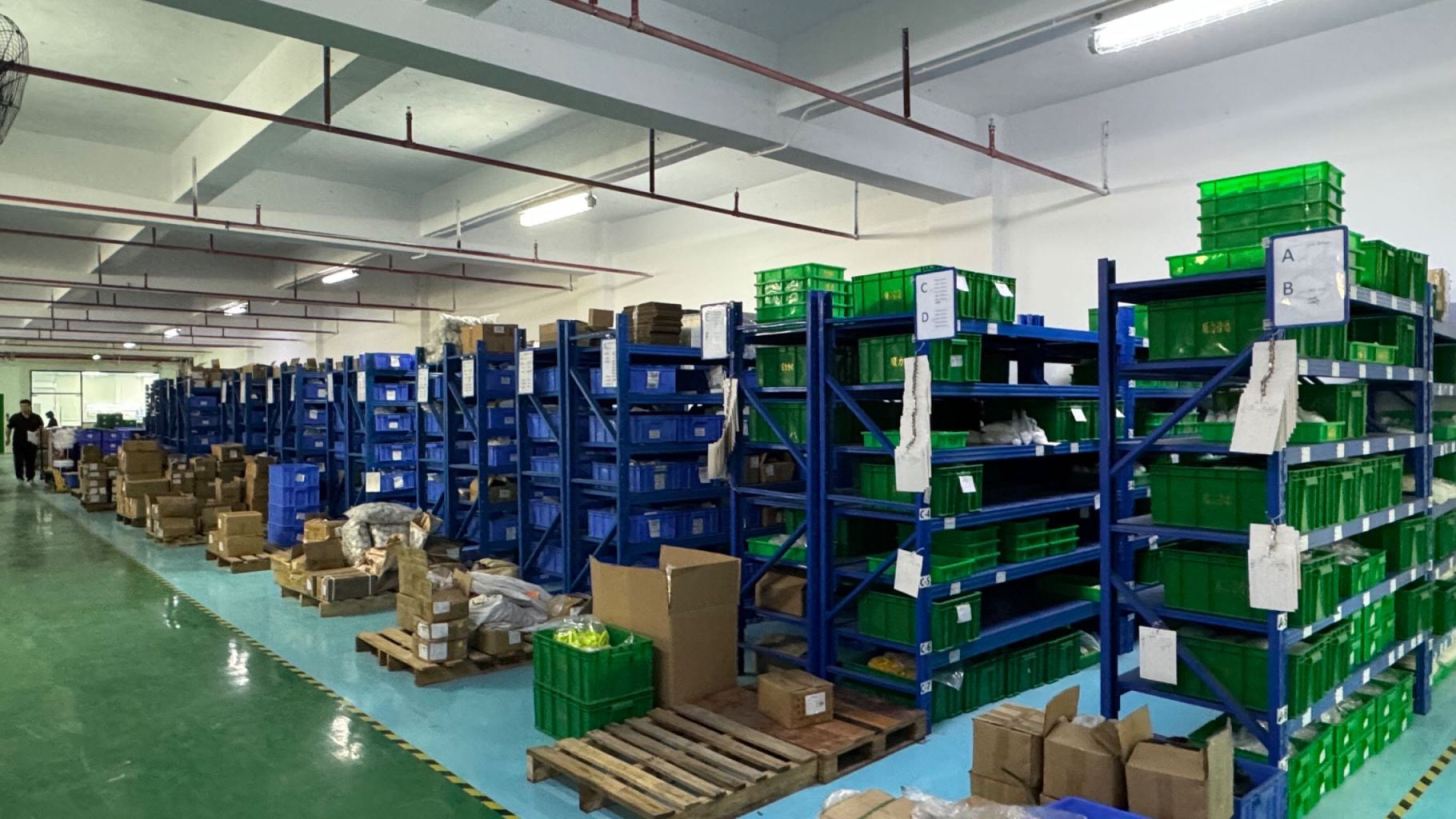
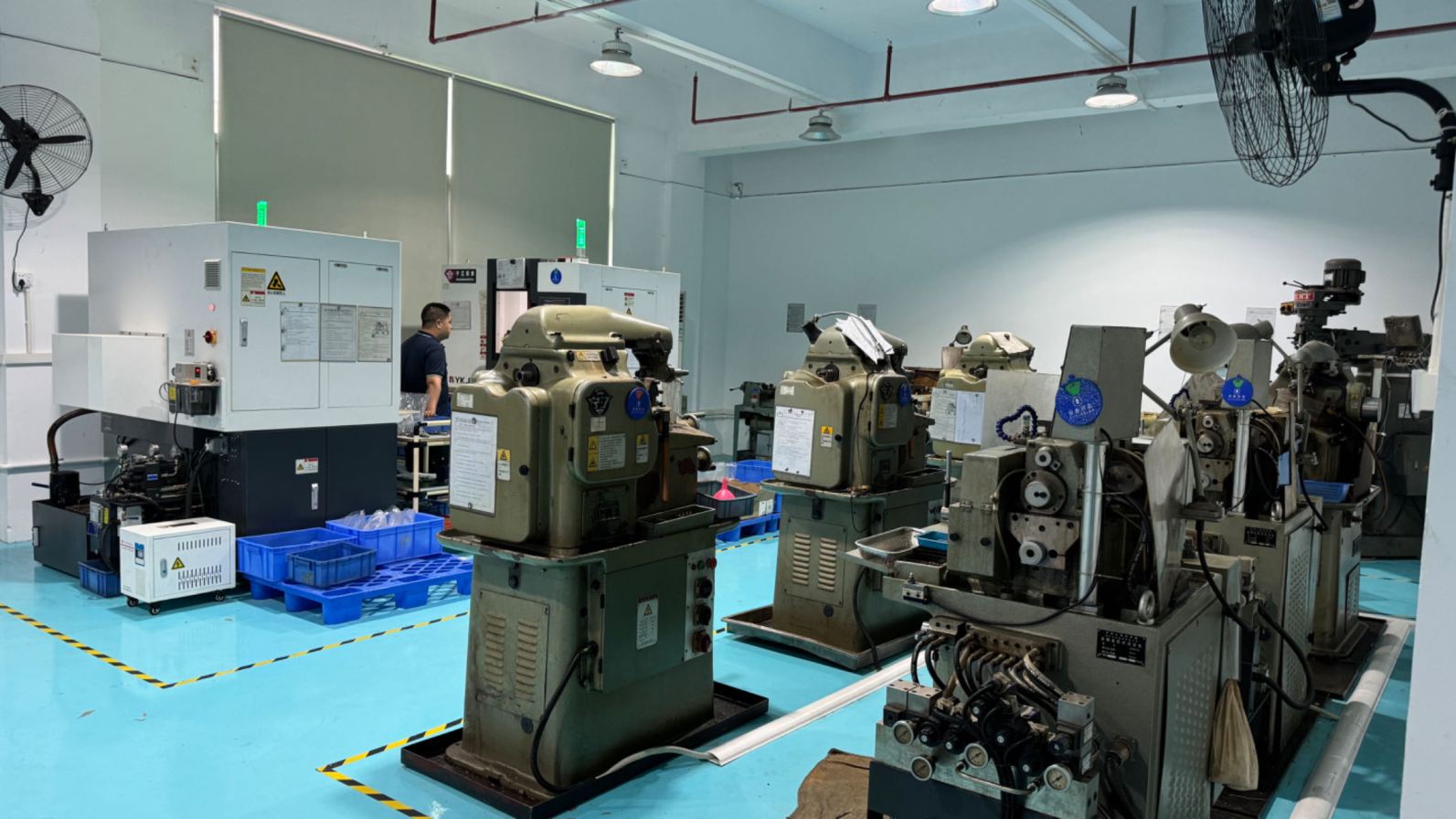
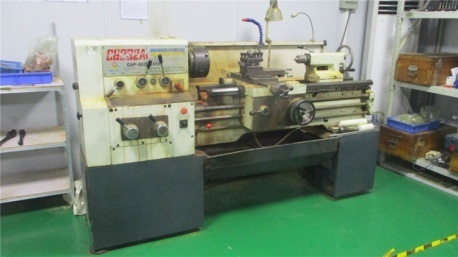
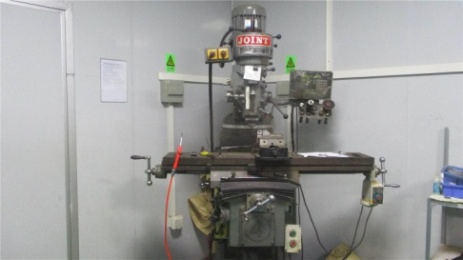
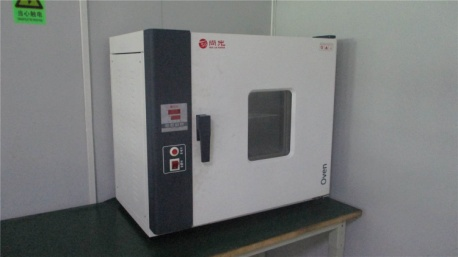
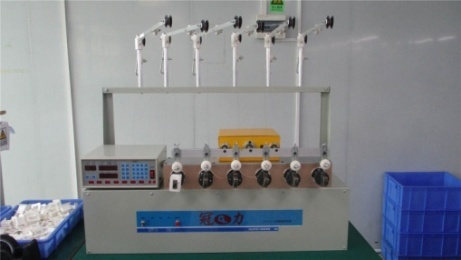
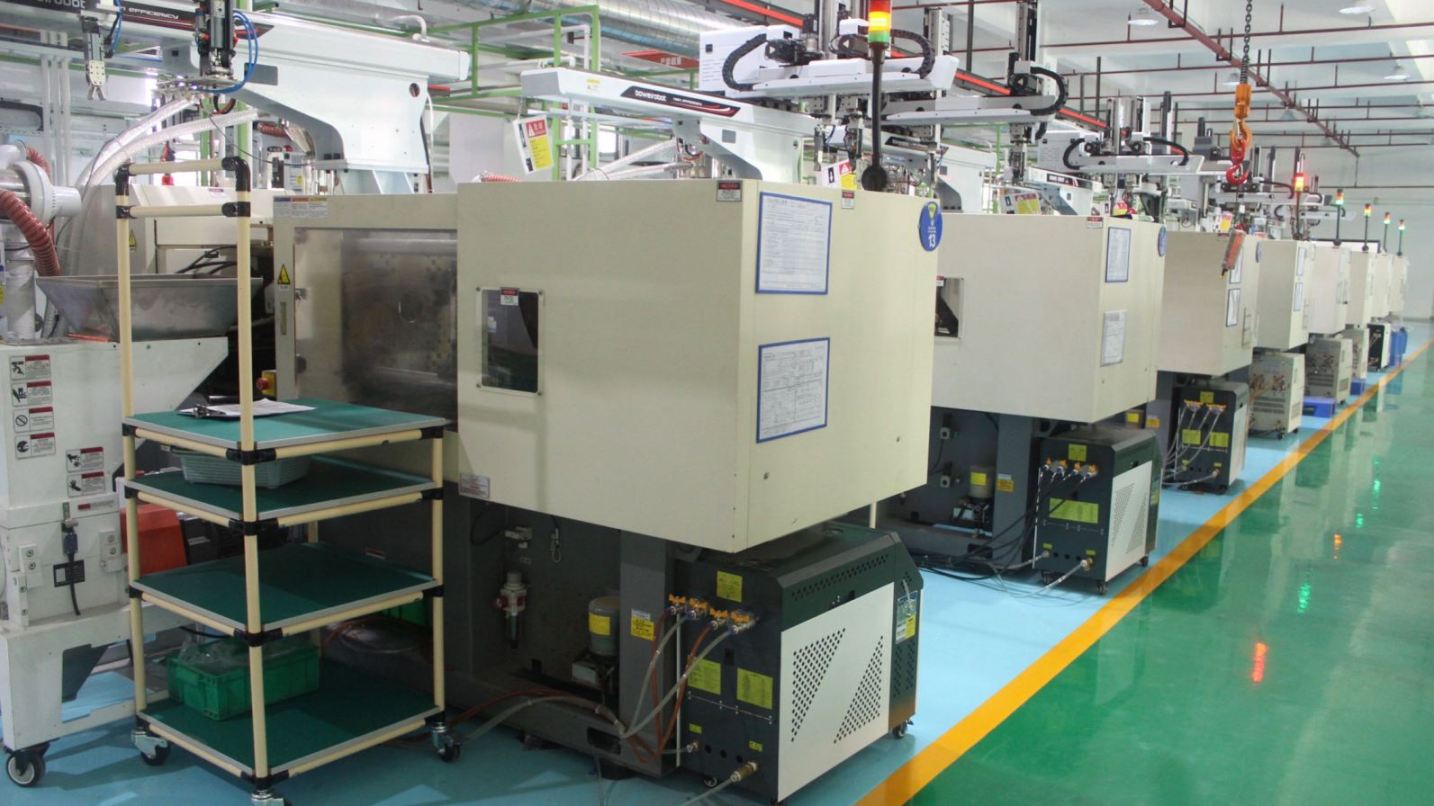
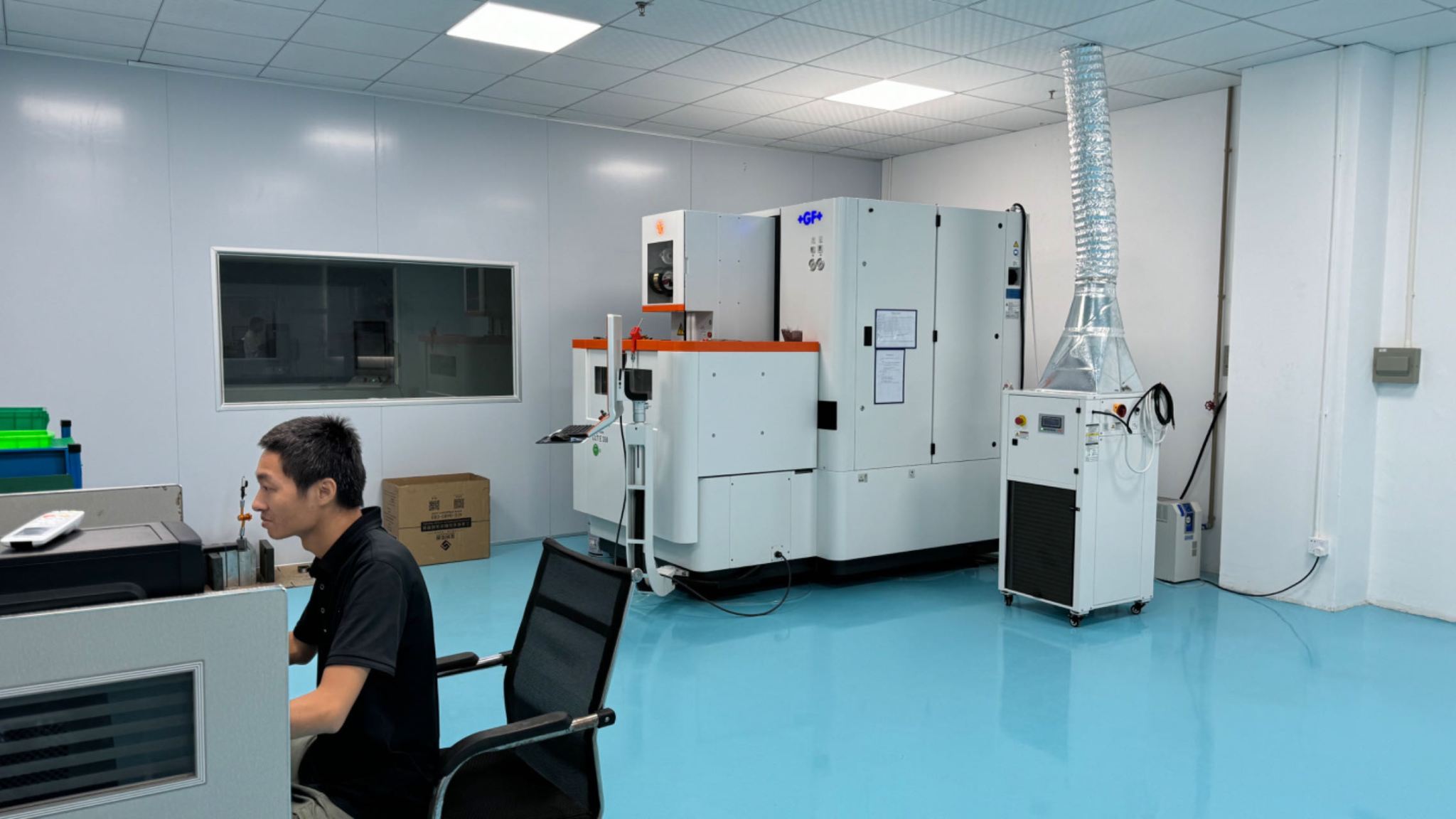
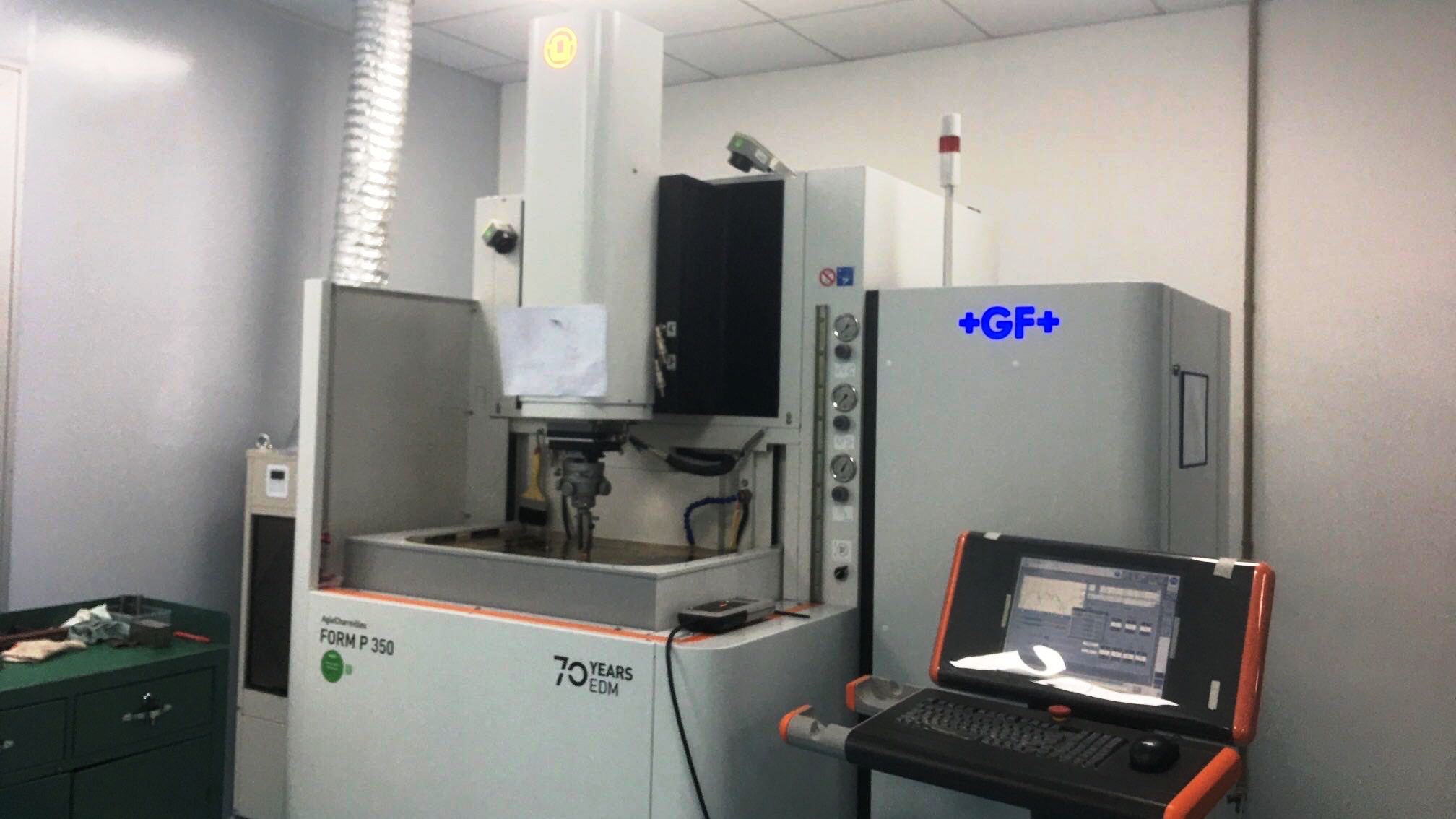
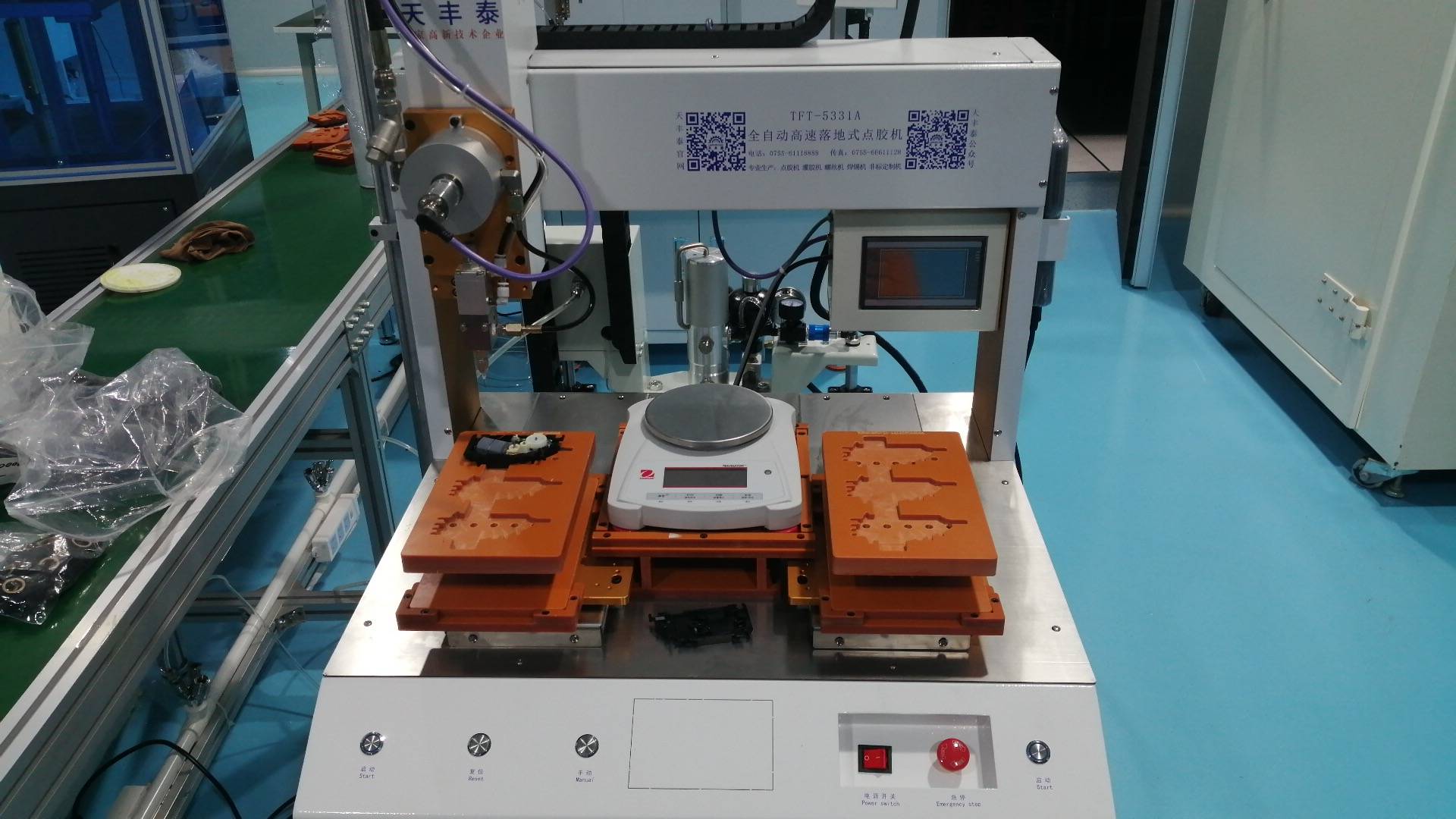
Precision Manufacturing & Testing Infrastructure
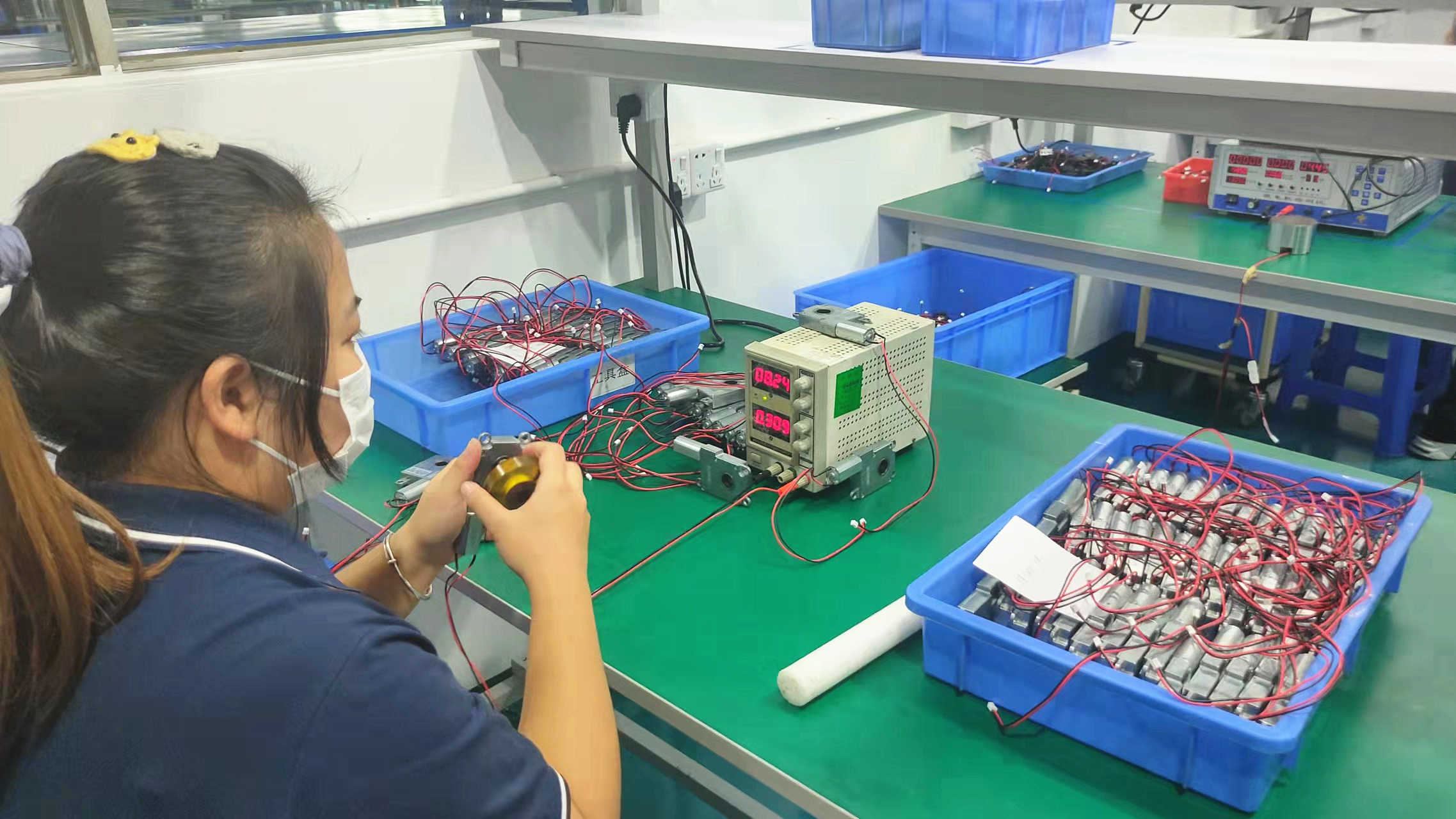
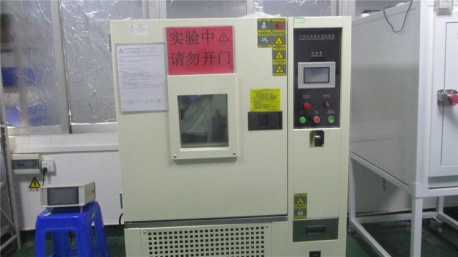
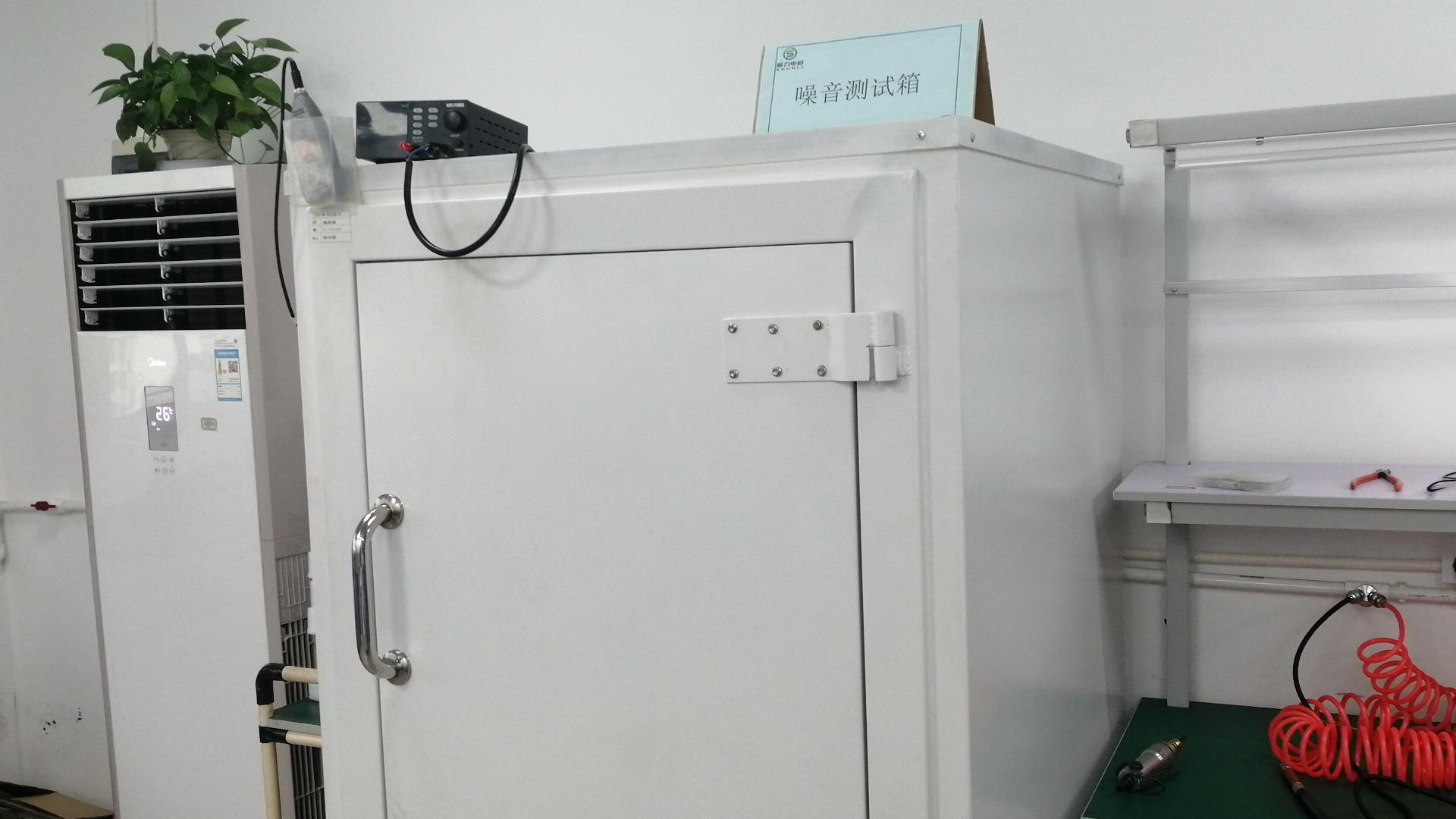
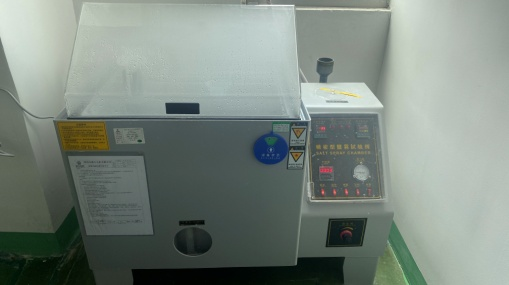
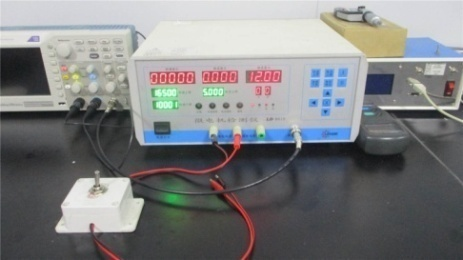
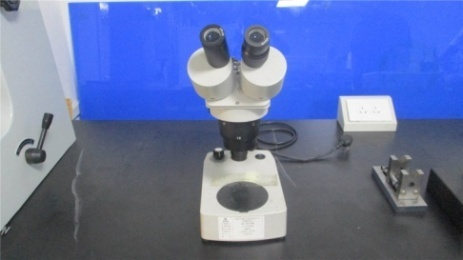
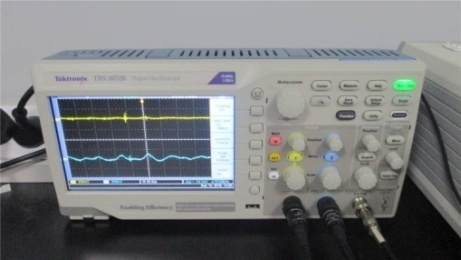
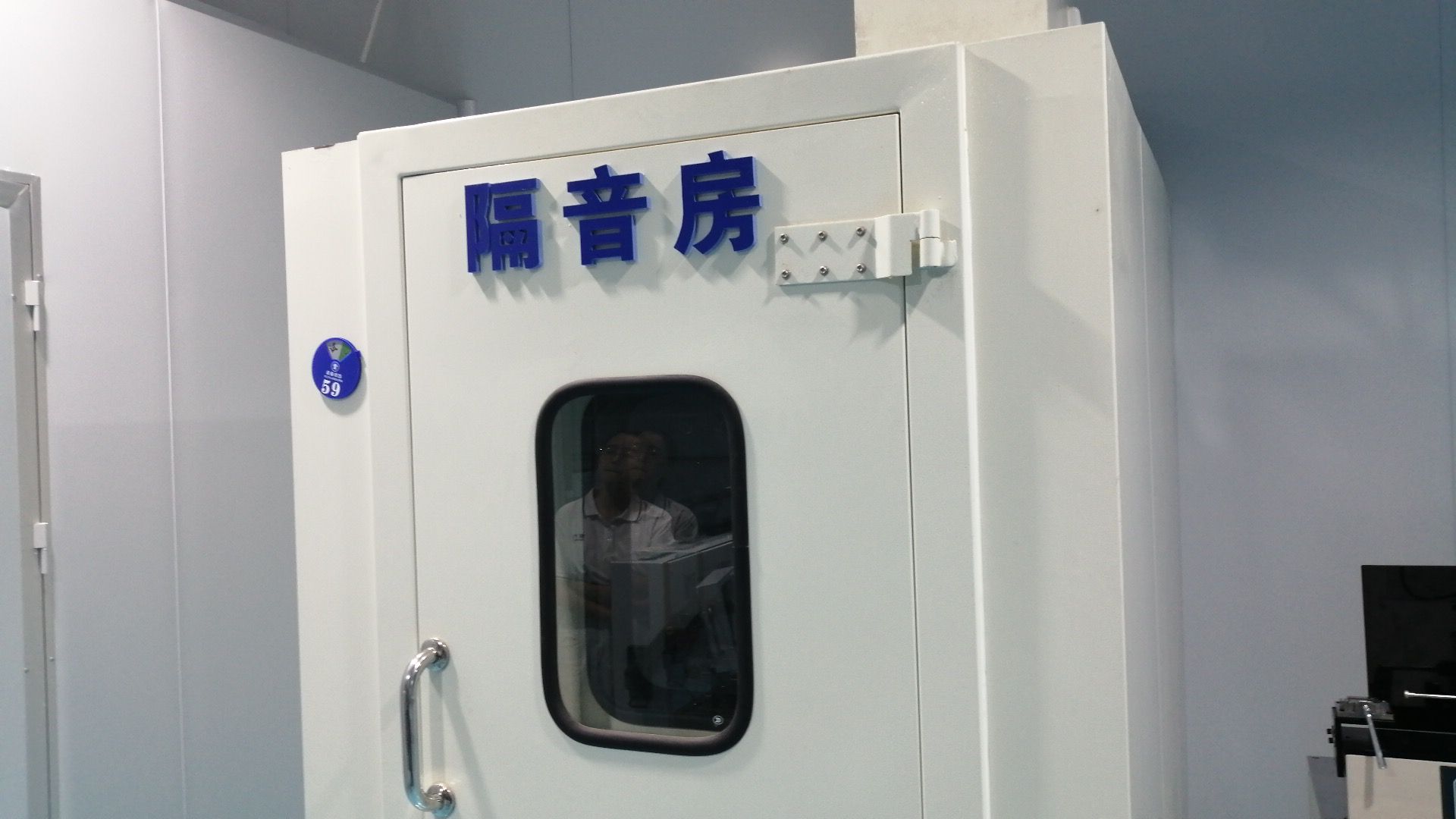
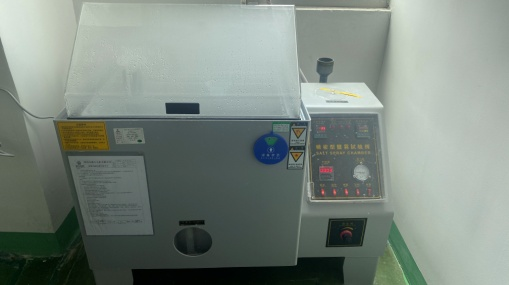
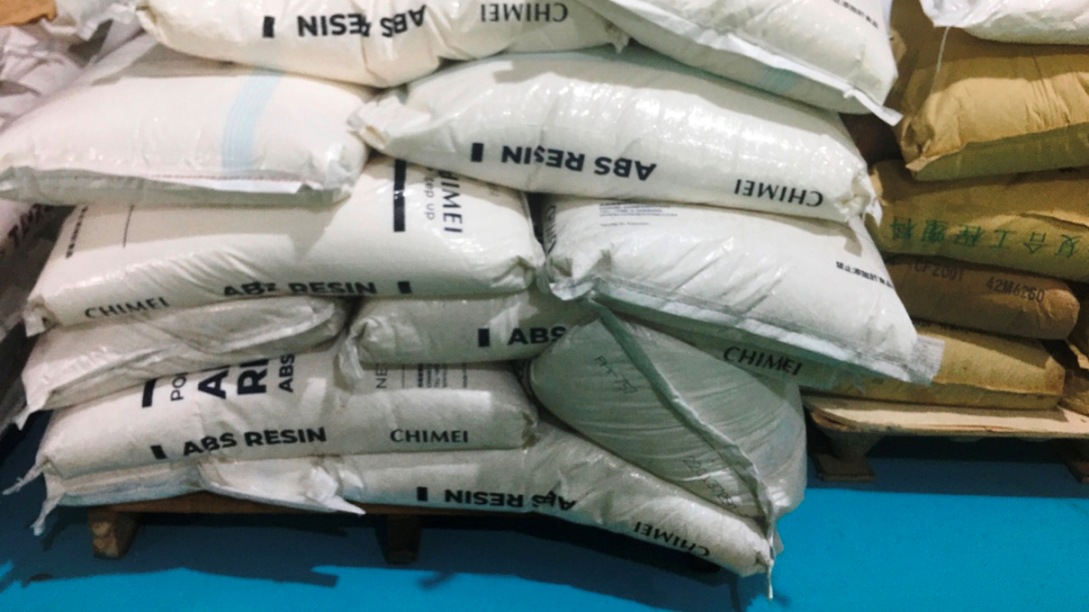
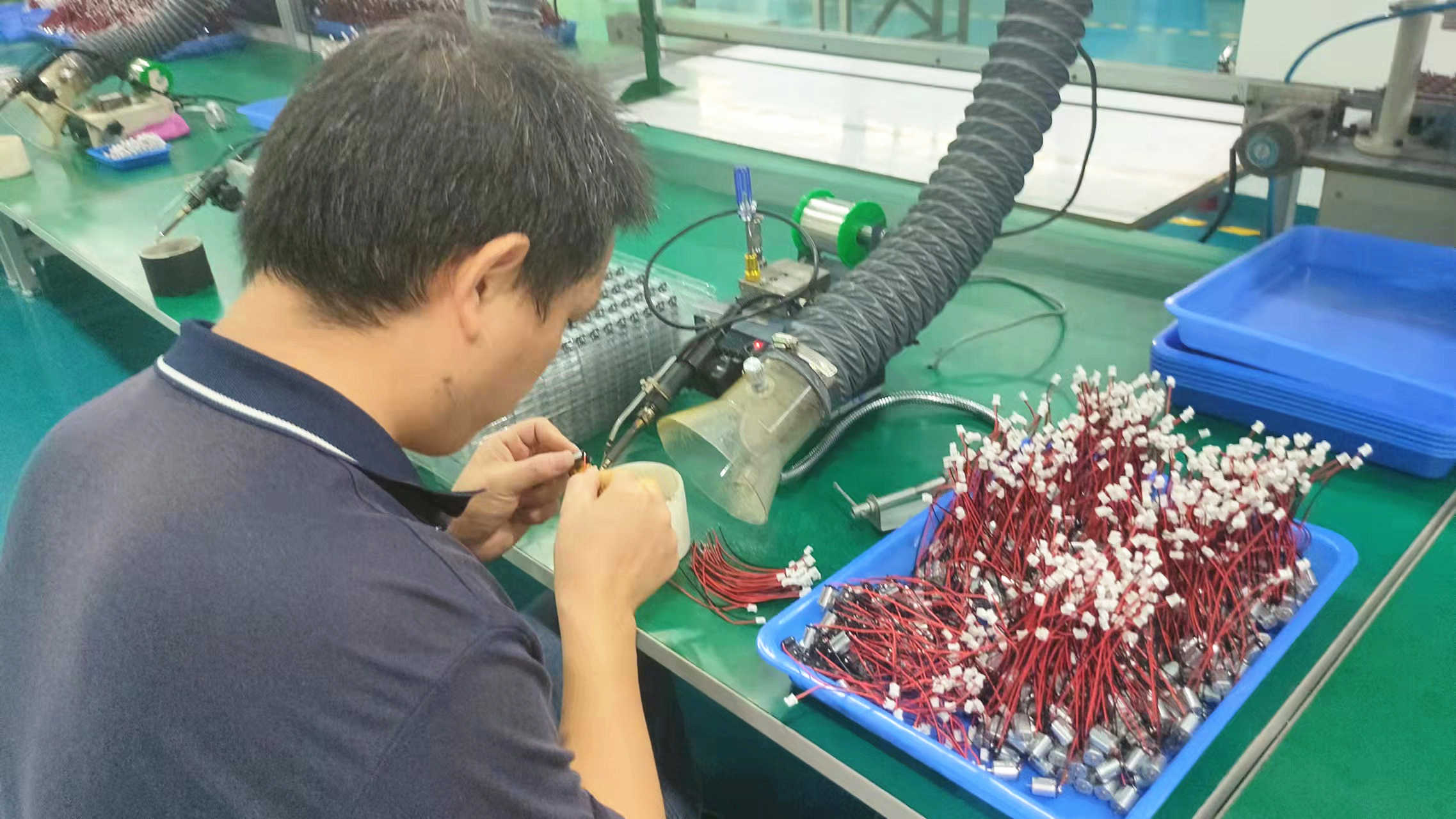
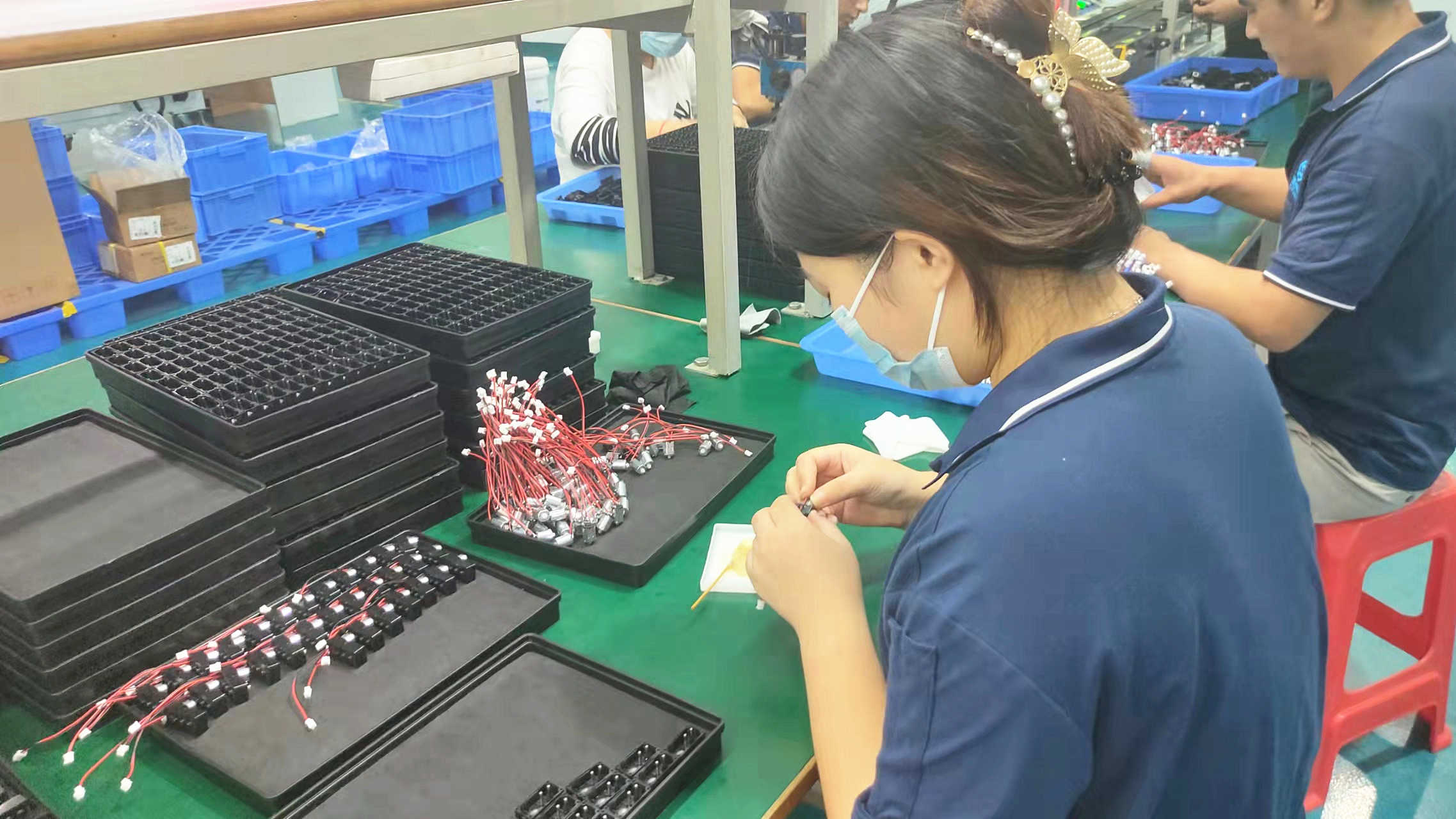
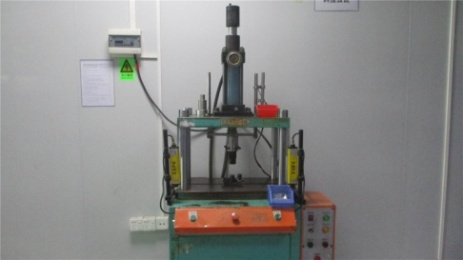
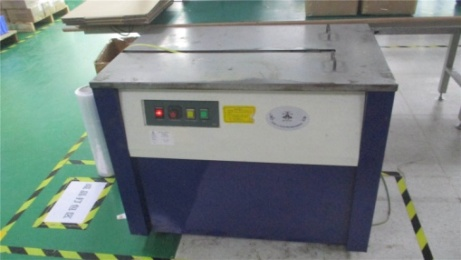
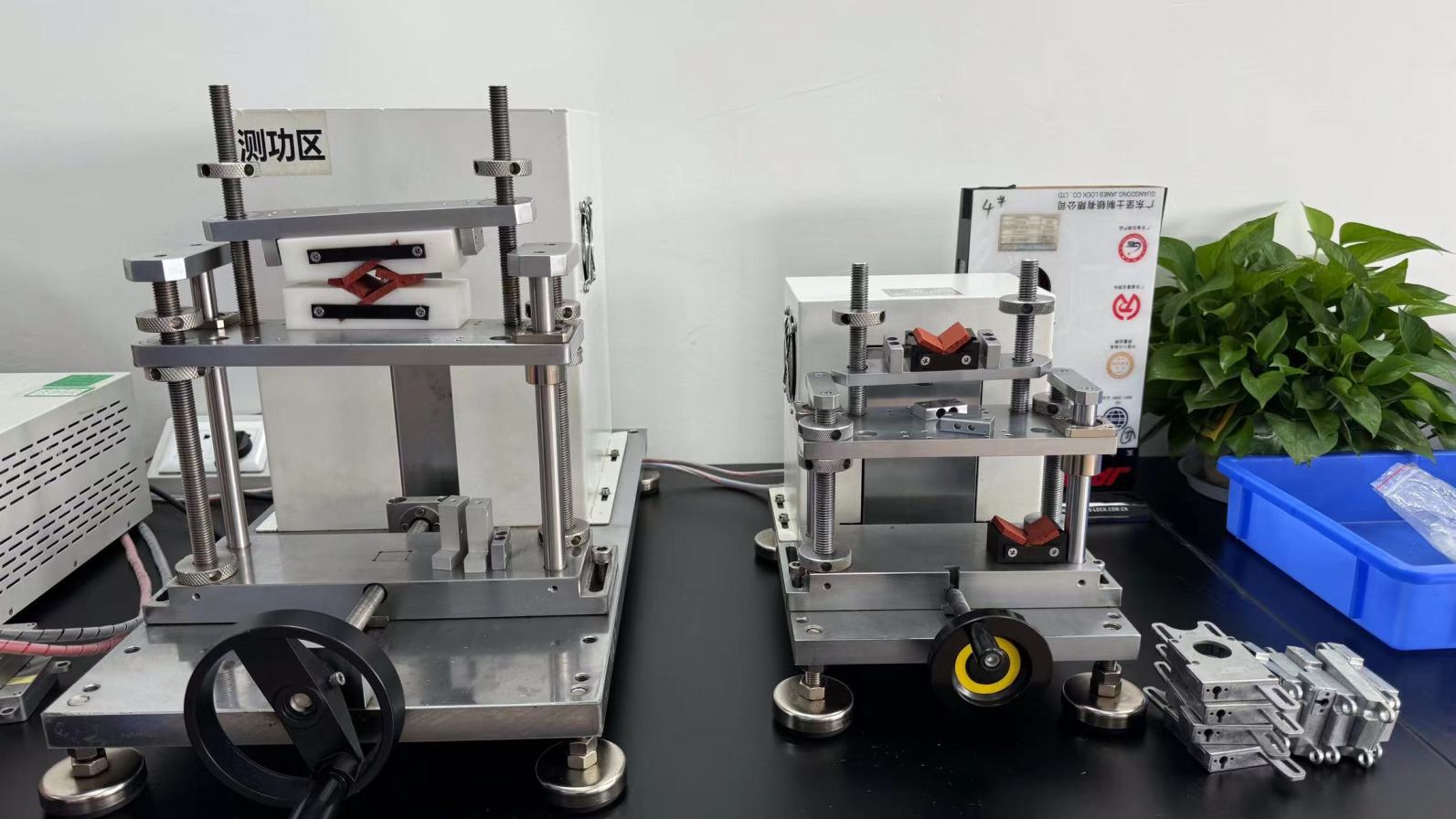
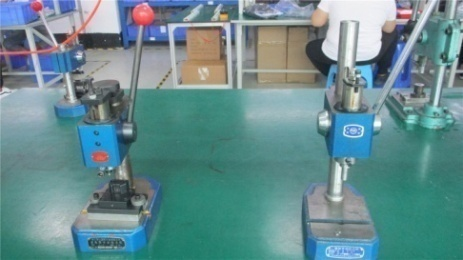
Our manufacturing and quality assurance operations leverage high-precision instrumentation and advanced testing laboratories.
Deep Dive: Global Procurement Specifications & Structural Quality Standards
Procuring heavy industrial motors from China requires balancing initial capital expenditure (CAPEX) with long-term operational costs (OPEX). Large machinery down-time can cost operations up to $50,000 per hour. As a result, technical procurement teams evaluate motor factories based on specific engineering standards.
High Voltage Stator Insulation & Vacuum Pressure Impregnation (VPI)
The lifetime of a high-voltage induction or synchronous motor is determined by its stator winding insulation. High voltage gradients create localized corona discharges that can degrade standard insulating materials. To prevent this, our production partner factories utilize a multi-layered insulation process:
- Corona Shielding Taping: Stator coils are wound with alternating layers of conductive and semi-conductive mica tapes to distribute electrical stress evenly across the slot exits.
- Vacuum Drying Phase: The wound stator core is placed into a VPI chamber, where moisture and air are extracted under deep vacuum conditions down to 1 mbar.
- Resin Impregnation & Pressurization: High-integrity solventless epoxy resins are introduced, filling all microscopic voids under high pressure (typically 7-8 bar).
- Oven Polymerization: The complete stator assembly undergoes controlled curing in a rotating drying oven, ensuring uniform resin distribution and thermal stability.
Oil & Gas / Petrochemical
Explosion-proof high voltage motors (Ex d, Ex e, Ex p) designed for pipeline compressors, water injection pumps, and refinery blowers operating in hazardous environments.
Power Generation
High-capacity synchronous generators and auxiliary motors for boiler feed pumps, draft fans, and coal pulverizers, built for continuous thermal cycling.
Water & Waste Management
Large vertical-shaft induction motors for regional water transfer pump stations, offering high starting torque and corrosion-resistant enclosures.
Technical Roadmap & Future Outlook: Next-Generation Electric Drives
Industrial drive technology is evolving towards higher power density and smarter control systems. Our research and manufacturing partners are focused on several technical initiatives:
Active Magnetic Bearings (AMB) Integration
For high-speed turbo compressor applications, mechanical bearings introduce friction and require ongoing lubrication. Integrating active magnetic bearings allows high-voltage motors to run at speeds up to 20,000 RPM without mechanical wear, reducing maintenance needs for remote gas compression facilities.
Superconducting HV Motors
By using high-temperature superconducting (HTS) wire technology in the rotor windings, current densities can be increased. This allows the physical footprint and weight of high-power motors (above 10MW) to be reduced by up to 50% compared to conventional copper-wound induction machines.
Comprehensive Certification & Standard Compliance
Exporting to global projects requires meeting strict certification standards. Our production partner facilities operate under unified quality and environmental systems to ensure compatibility with worldwide engineering specifications:
- Electrical Integrity: Full compliance with IEC 60034-1 to 60034-30, NEMA MG1, and IEEE 112 testing protocols.
- Explosion Proofing: ATEX, IECEx, and FM certifications for Zone 1 and Zone 2 hazardous areas.
- Marine Class Approvals: Structural verifications from DNV, Bureau Veritas (BV), American Bureau of Shipping (ABS), and Lloyd's Register (LR).
Frequently Asked Questions (FAQ)
Technical guidance on selecting, sourcing, and operating high-voltage industrial motor systems.
Extended Precision Drive Portfolio
High-precision micro-positioning and specialized low-voltage DC drive technologies developed for industrial and commercial systems.