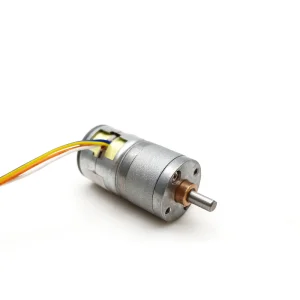
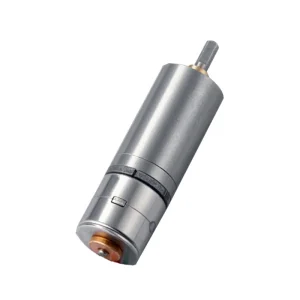
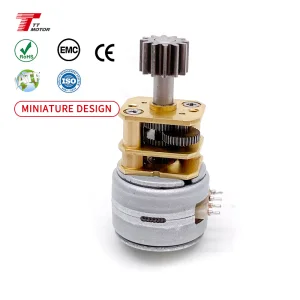
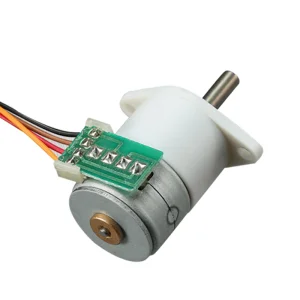
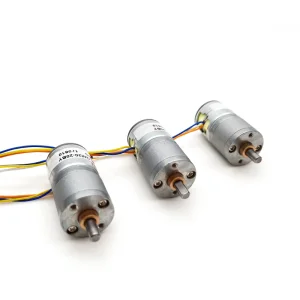
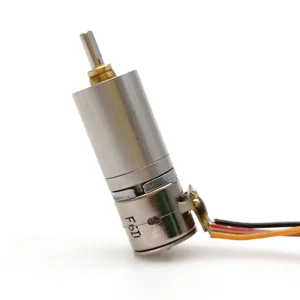
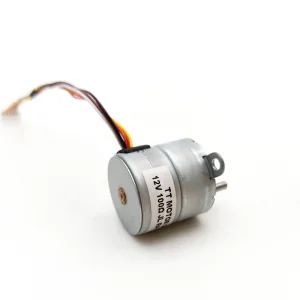
Premium Core Micro-Drive Solutions
Engineered for high positioning accuracy, optimized for local Korean industrial and automotive device demands.
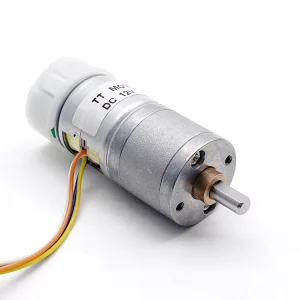
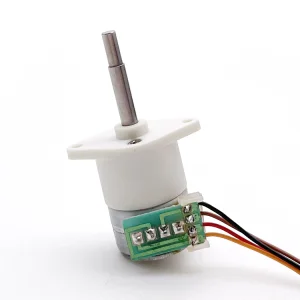
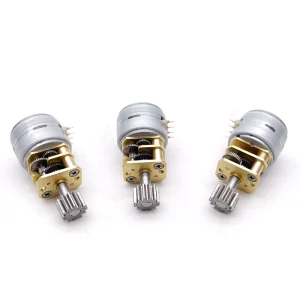
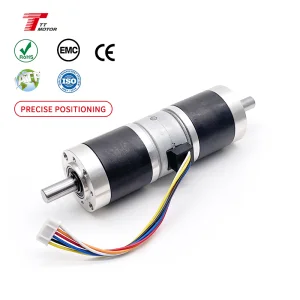
Understanding Korea's High-Tech Micro-Motion Demands
The Republic of Korea is at the global forefront of automation, ranking top in robot density according to the International Federation of Robotics (IFR). Driven by giants like Samsung, LG, Hyundai, and Doosan, the Korean industry requires precision component sourcing that matches rigorous performance profiles. Stepper gear motors, offering high holding torque at low speeds and precise incremental motion control, serve as critical building blocks within Korea's highly automated factories, optical inspection rigs, medical electronics, and semiconductor machinery.
Within hubs such as Gyeonggi-do, Incheon, and Ulsan, technical requirements for stepper gear motors have shifted away from standard commodity motors to highly specialized, low-backlash, and noise-dampened mini gear motors. Engineering firms require suppliers who can seamlessly blend customized mechanical interfaces, advanced gearing ratios, and electronic compatibility (such as EtherCAT and Modbus controls widely used in Korean factory floors).
Mastering the Micro-Universe: The Intertek Motor Standard
At Intertek Motor, we measure our success in micrometers and decibels. We understand that inside a premium robotic joint, a medical dosing pump, or a high-end smart lock, space is the ultimate luxury. Our mission is to pack maximum torque, unyielding durability, and near-silent acoustics into the most compact footprints imaginable.
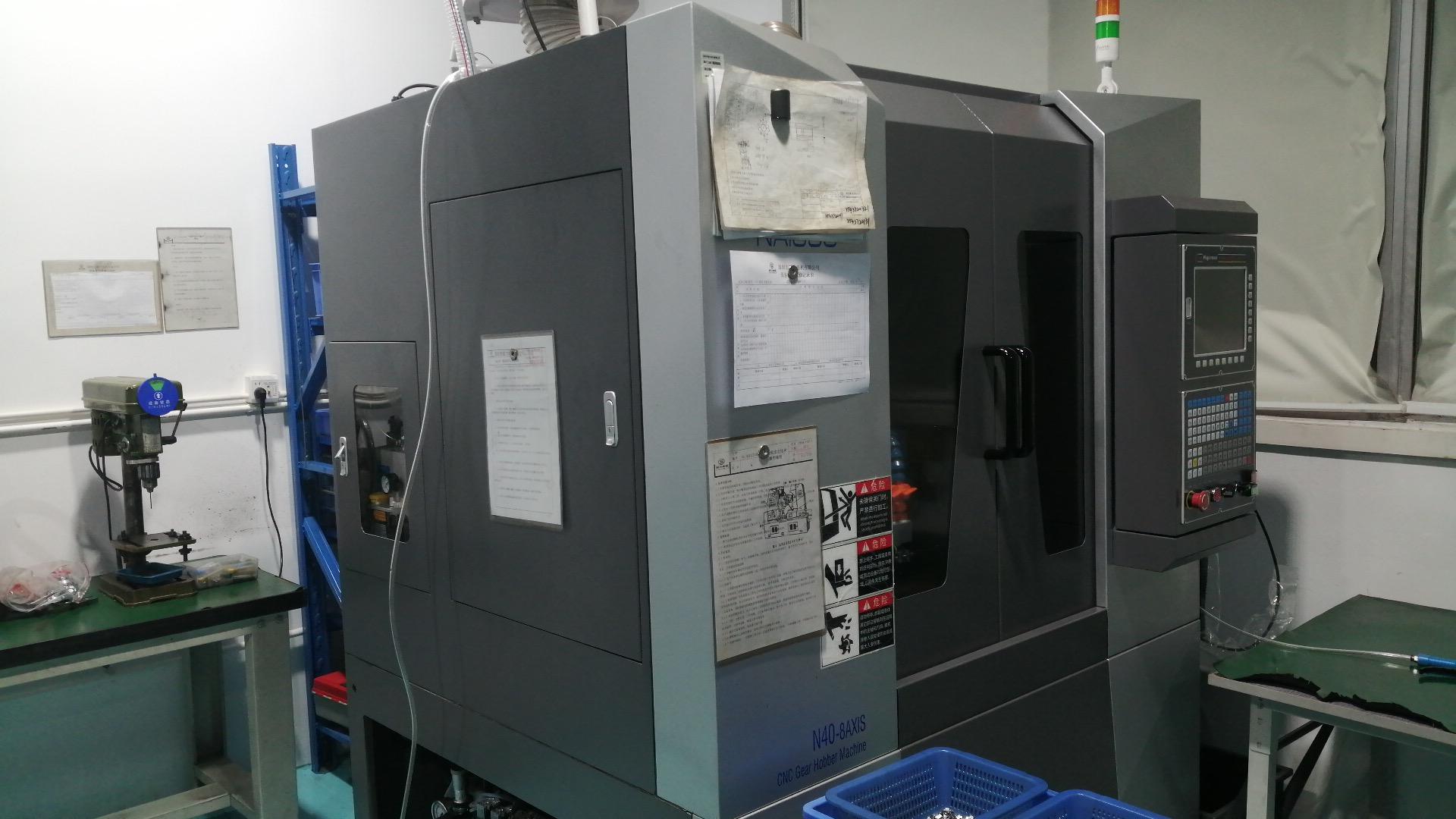
Our expertise lies in the harmony of miniature engineering. From precision-wound rotors and high-purity copper commutators to custom-designed planetary gearheads, every component inside an Intertek micro motor is optimized for low energy consumption and a friction-free lifespan. We constantly push the limits of micro-drive tech, utilizing advanced automated Swiss-style hobbing and Japanese dynamic balancing to ensure that our internal gear trains operate with zero-backlash precision. When the integrity of your high-tech device hangs on repeated mechanical perfection, Intertek Motor delivers the silent power that anchors your design.
Optimized Torque Density
By using neodymium (NdFeB) high-energy magnets and optimized winding techniques, our stepper motors produce exceptional holding torque relative to their physical displacement.
Unmatched Backlash Control
Utilizing high-end dynamic balancing and high-precision gear-cutting methods to reduce mechanical backlash to minimal arcminutes, critical for optical devices and micro-positioning.
Silent Operation & Longevity
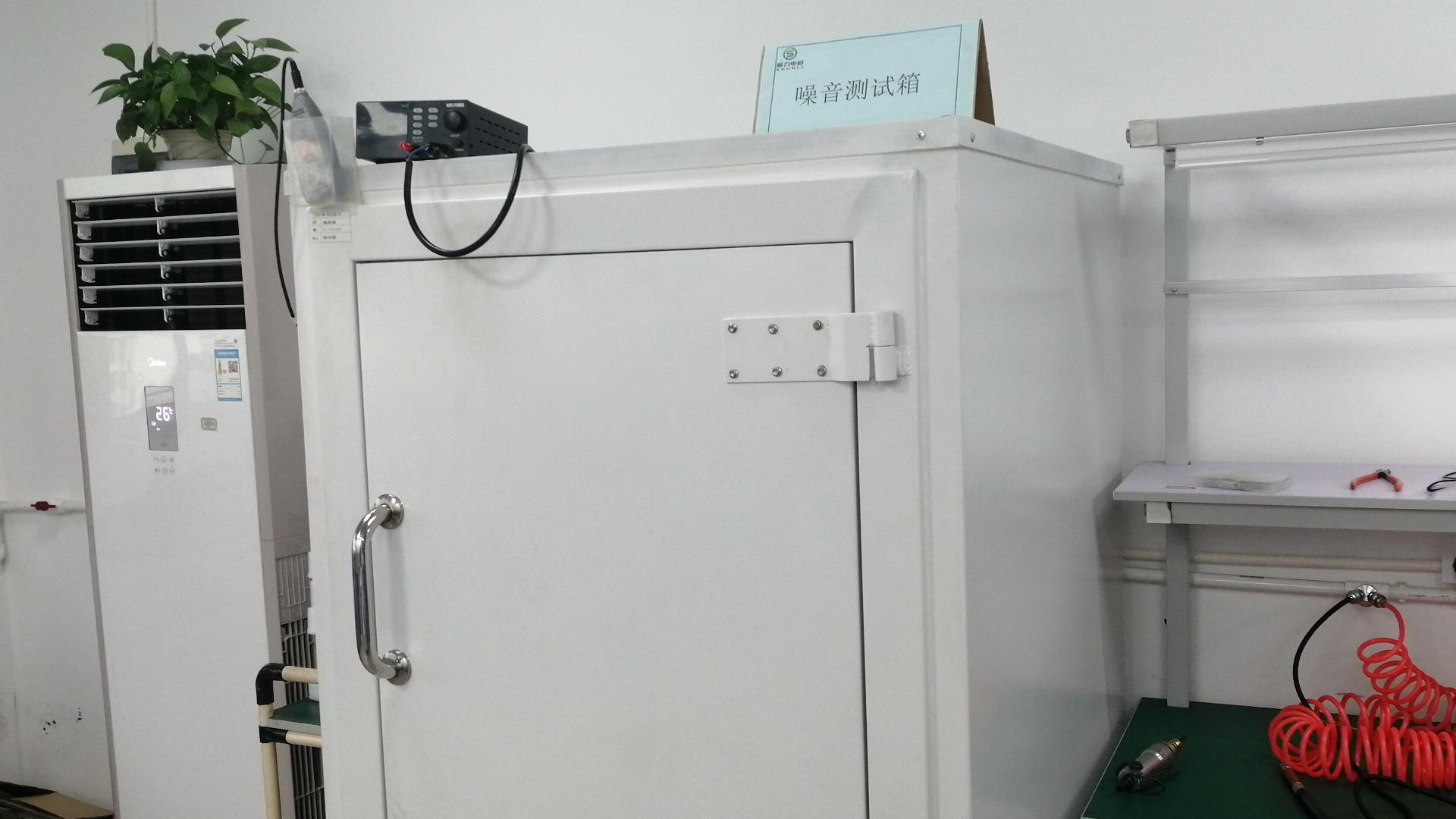
We deploy special synthetic lubrication compounds and micro-machined internal surfaces, cutting noise levels down below 25 decibels for consumer-facing smart devices.
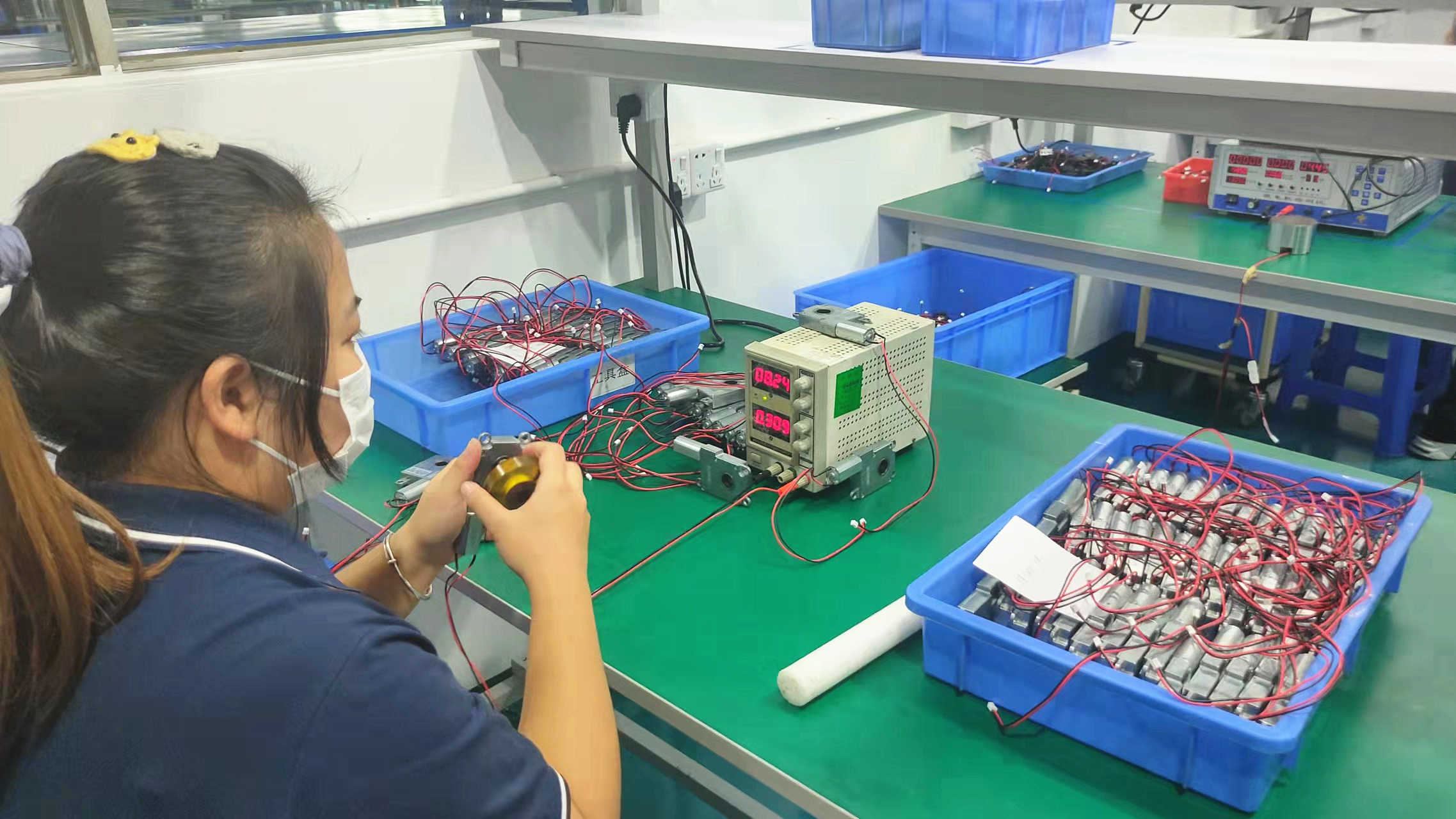
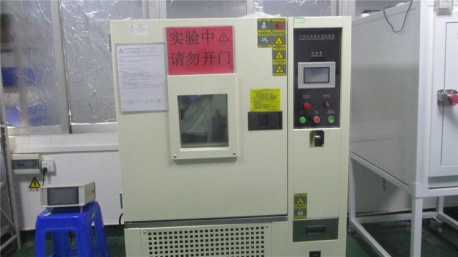
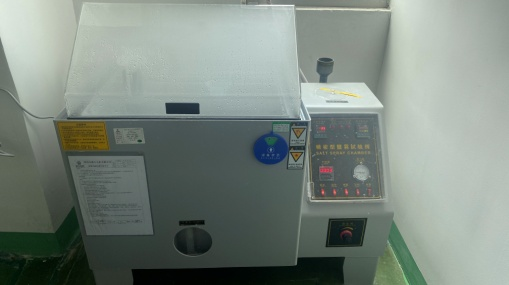
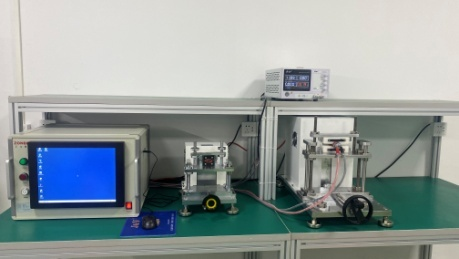
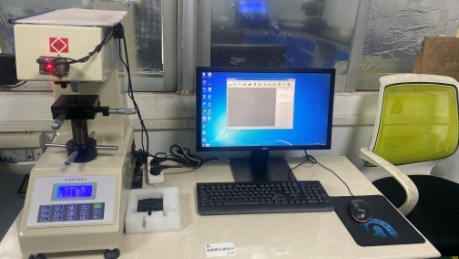
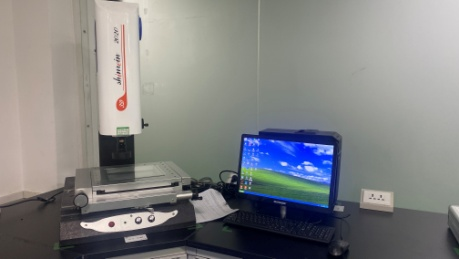
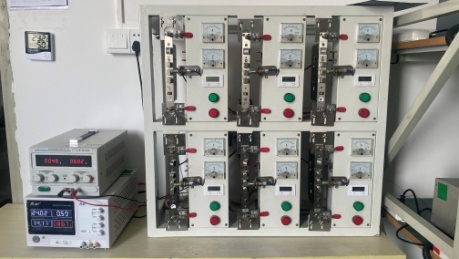
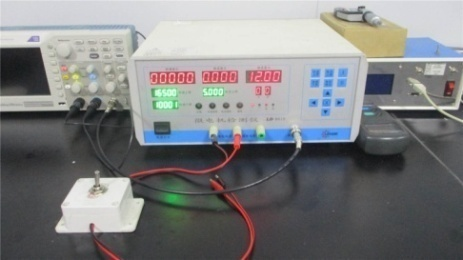
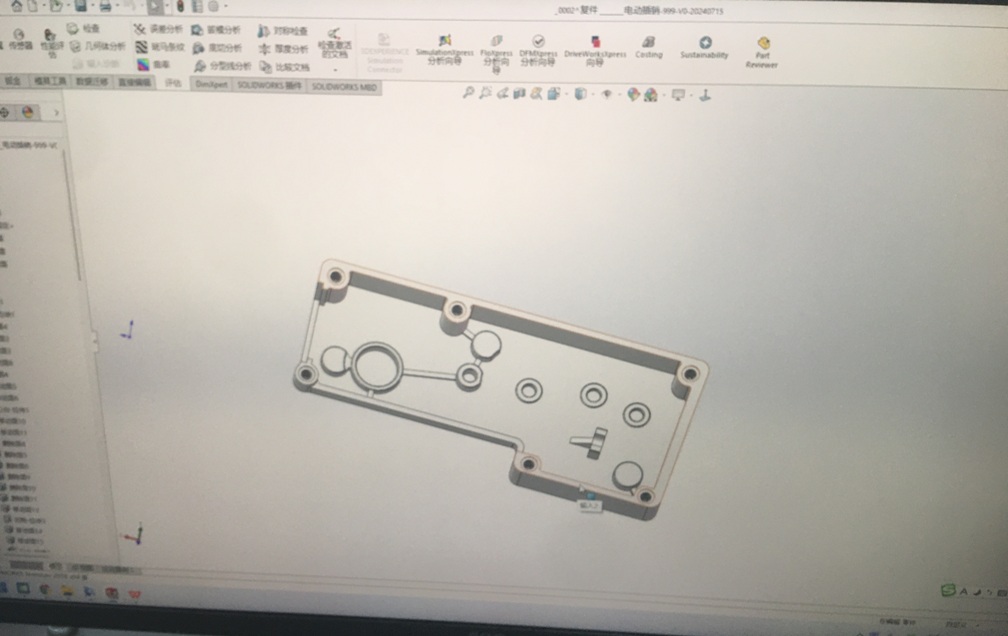
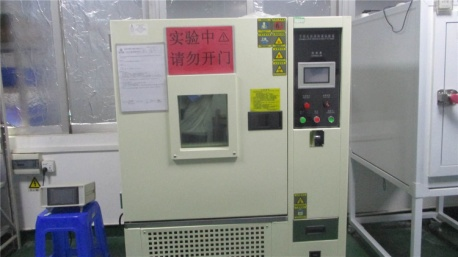
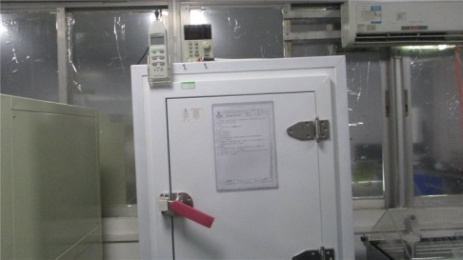
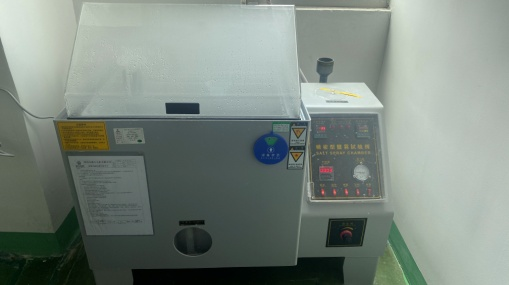
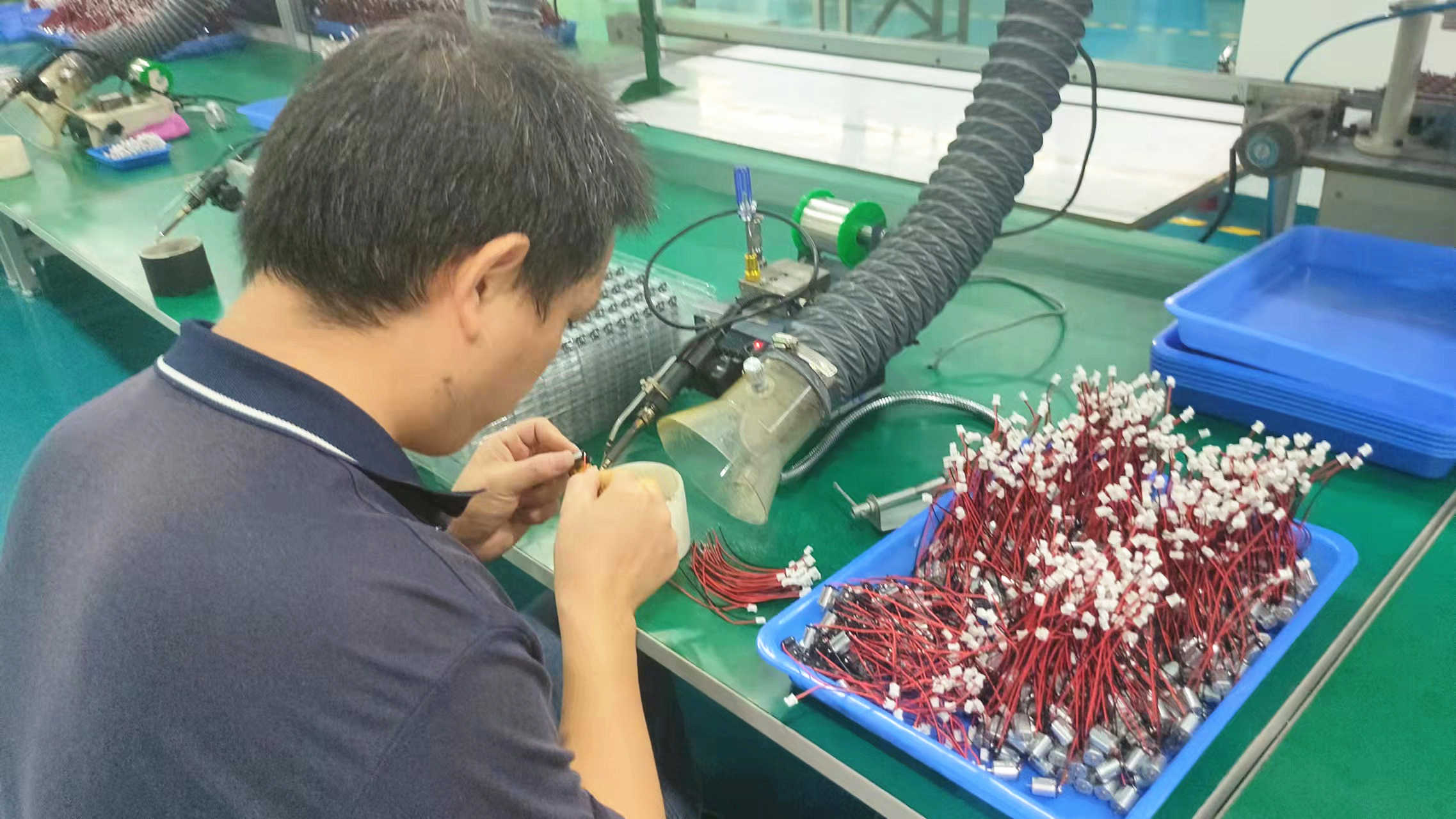
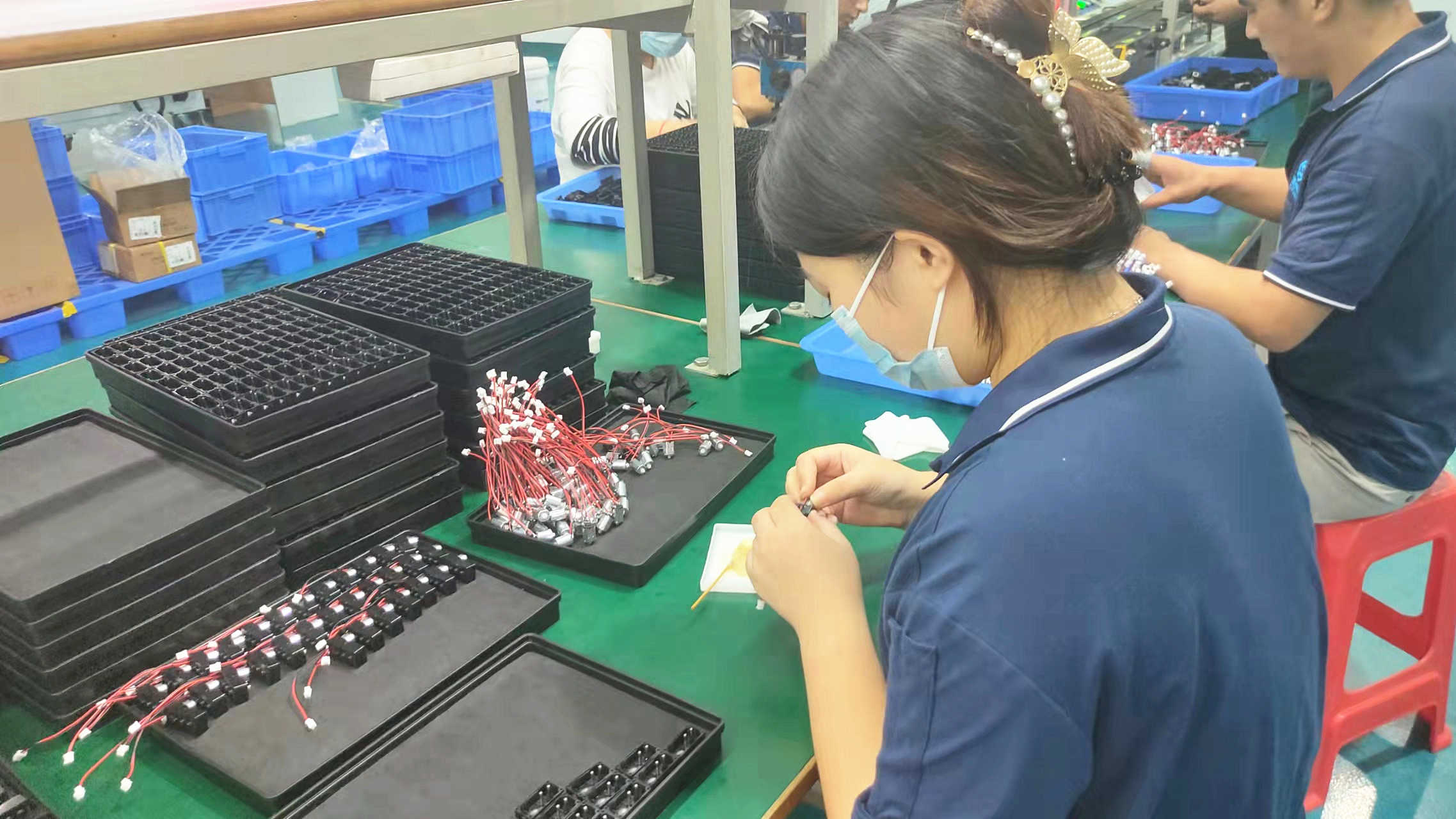
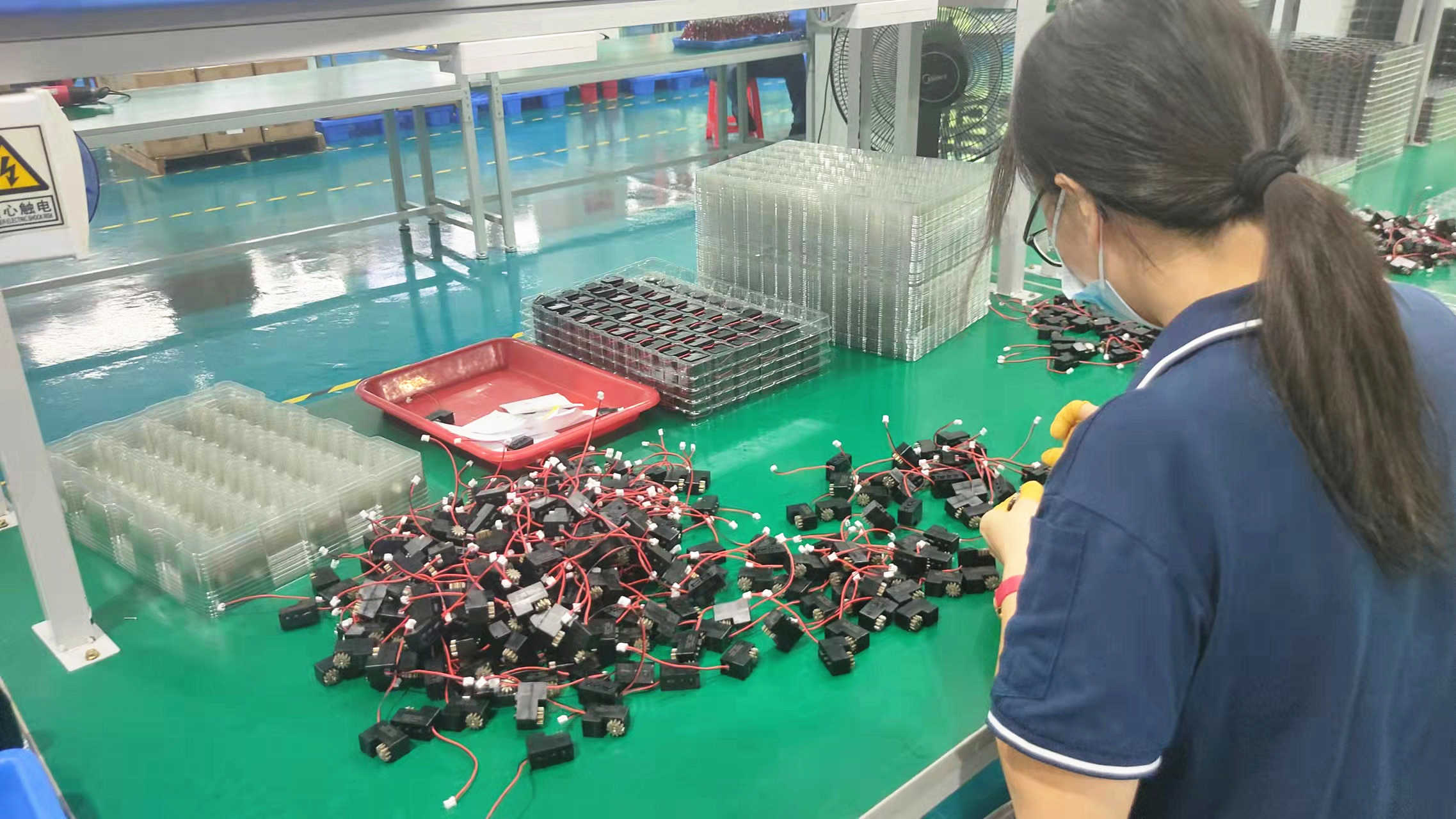
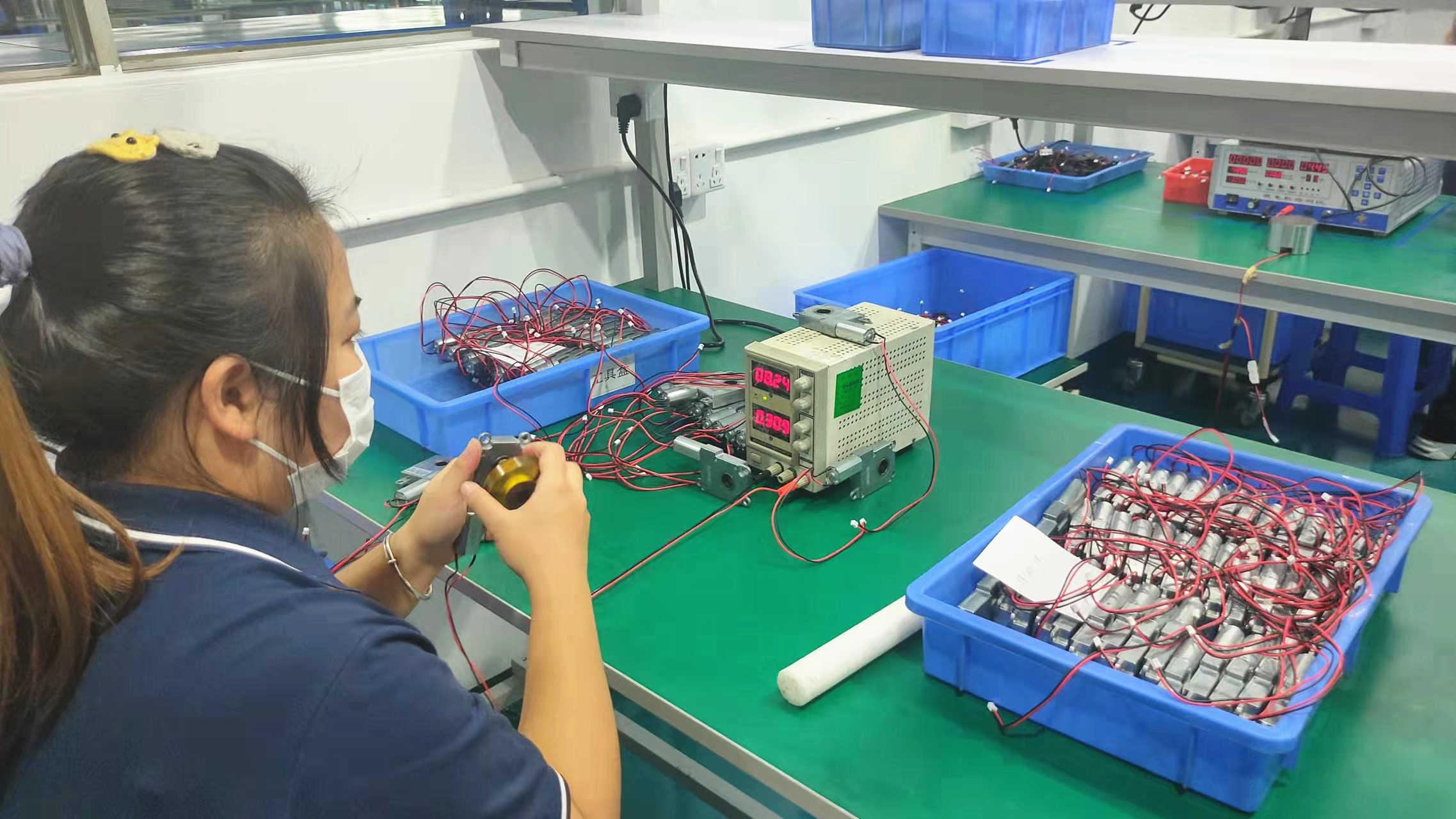
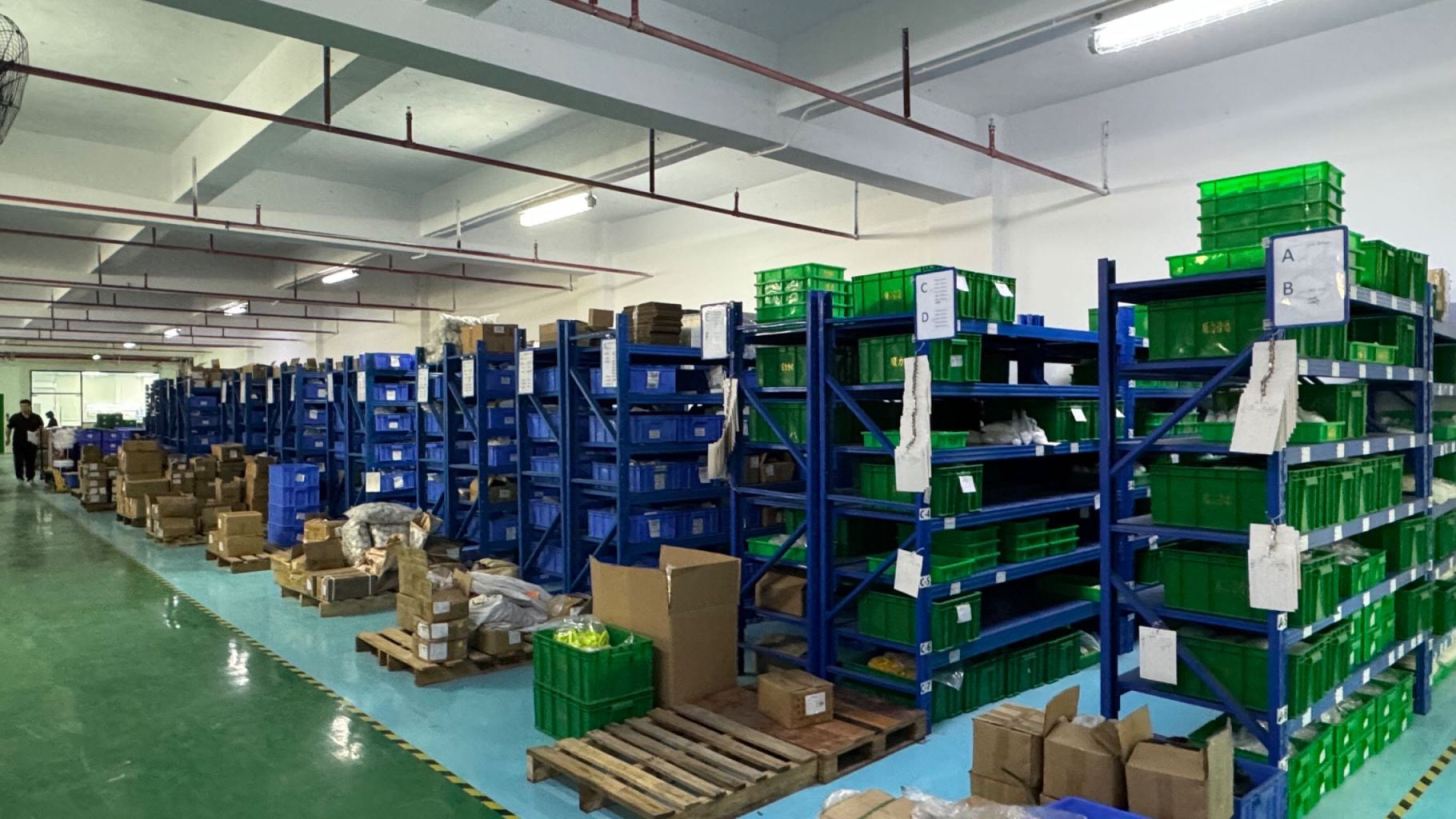
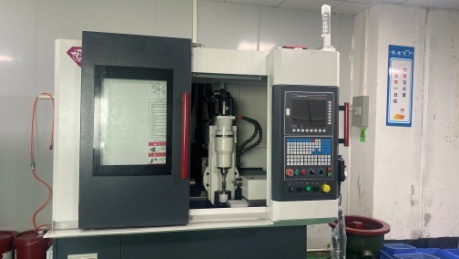
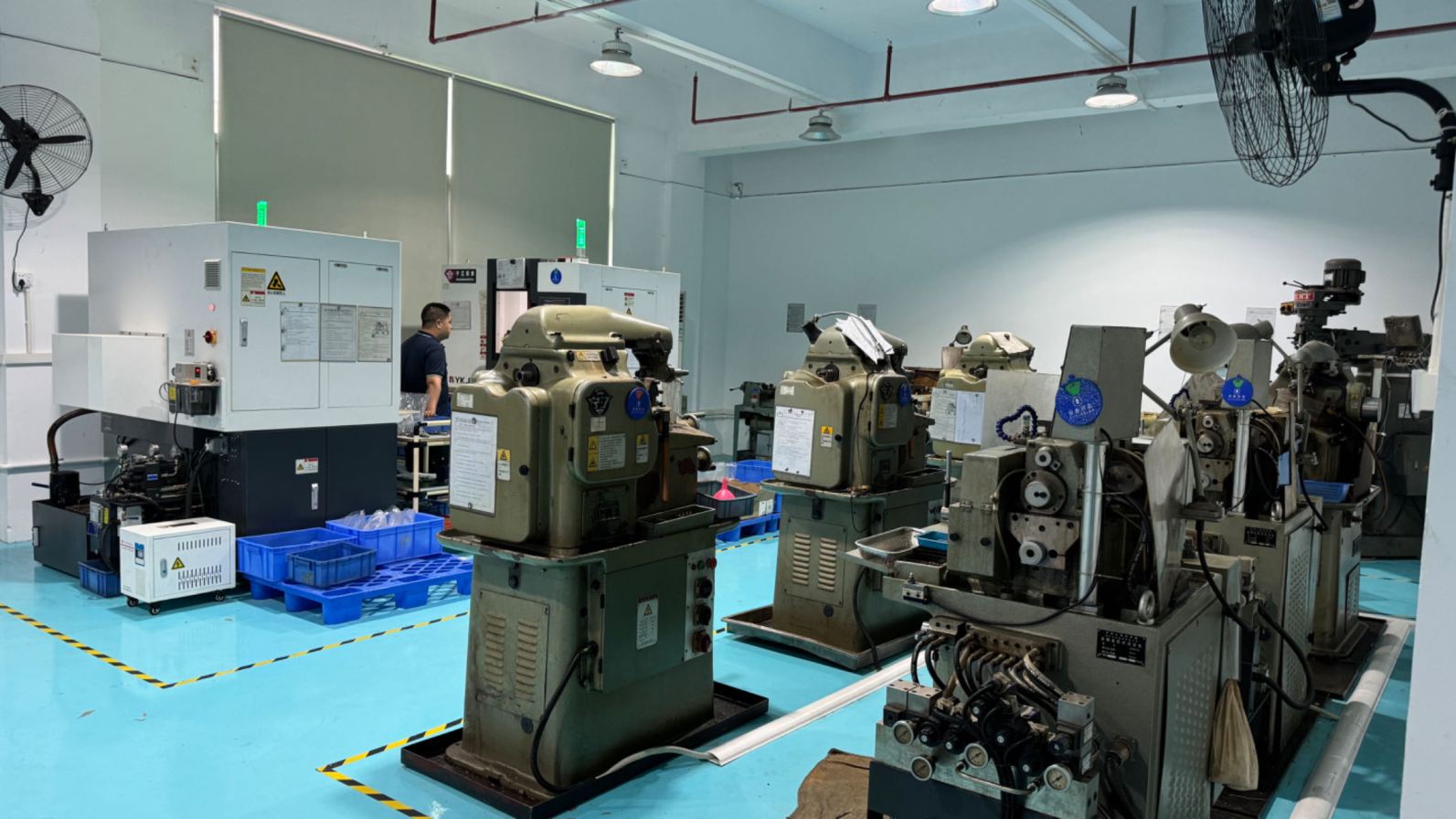
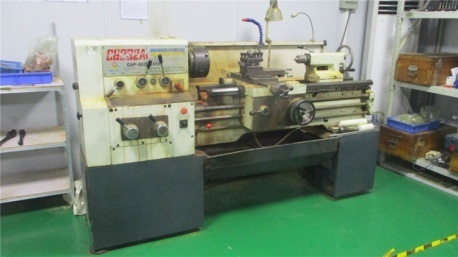
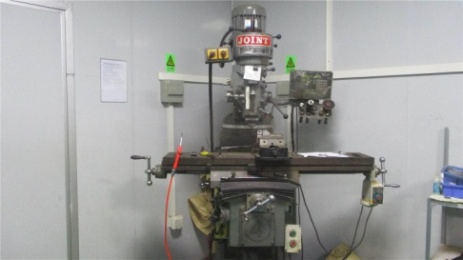
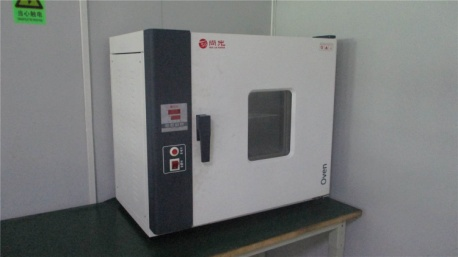
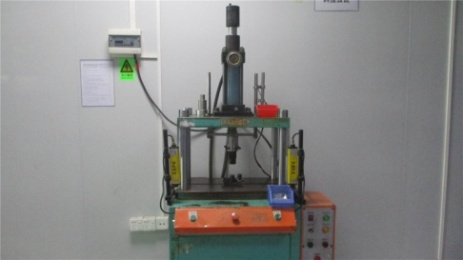
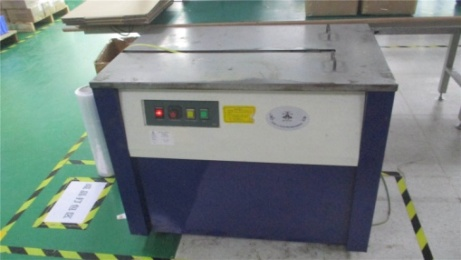
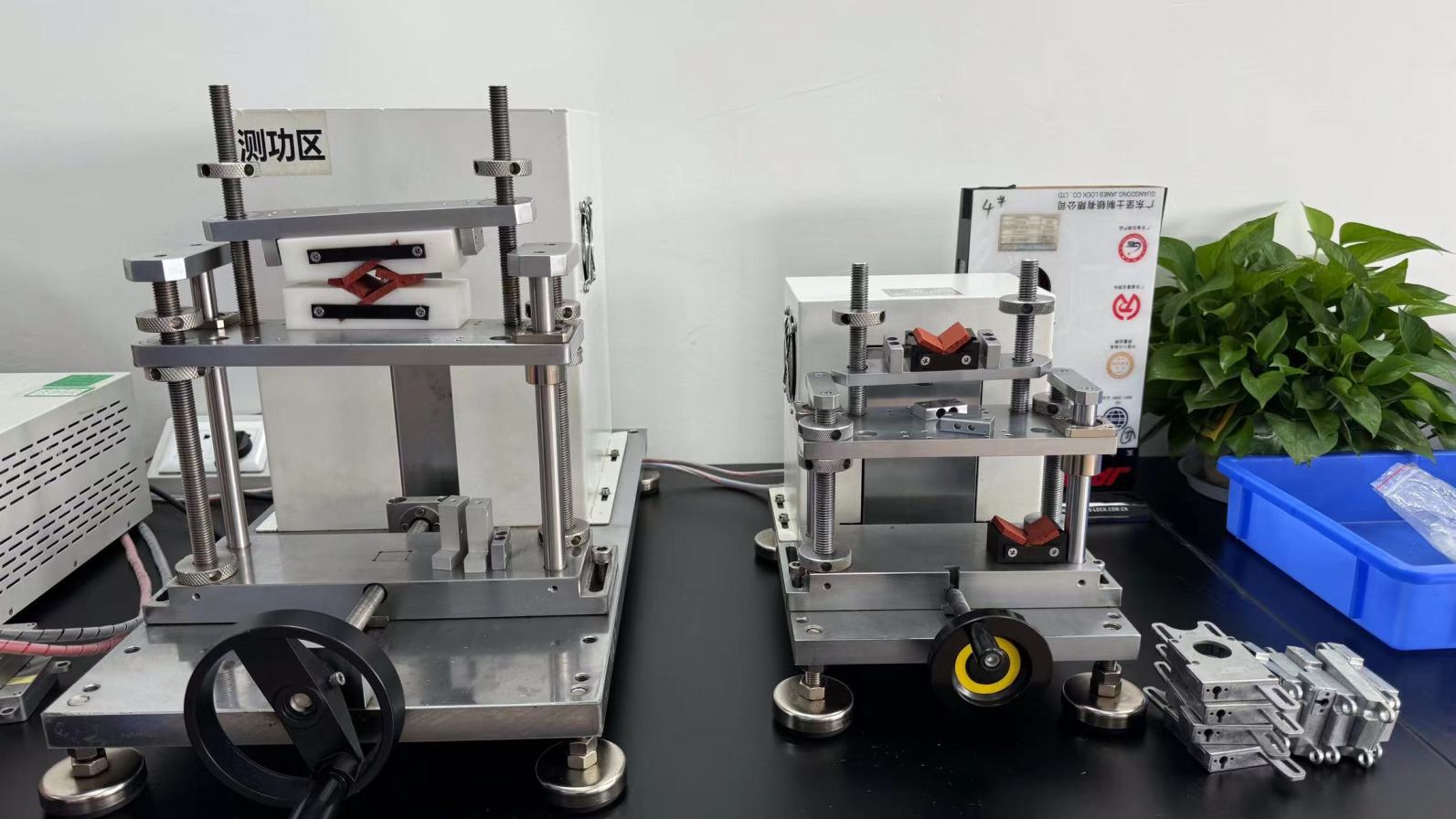
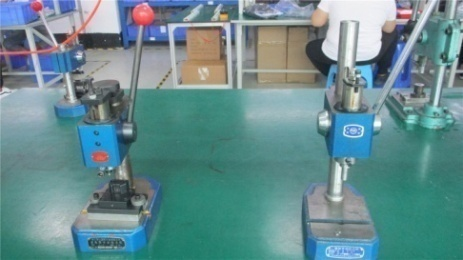
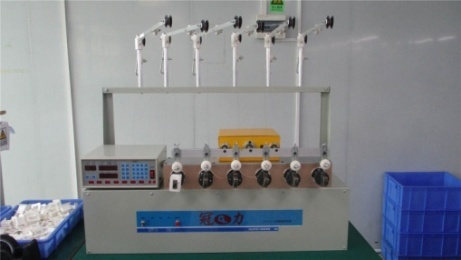
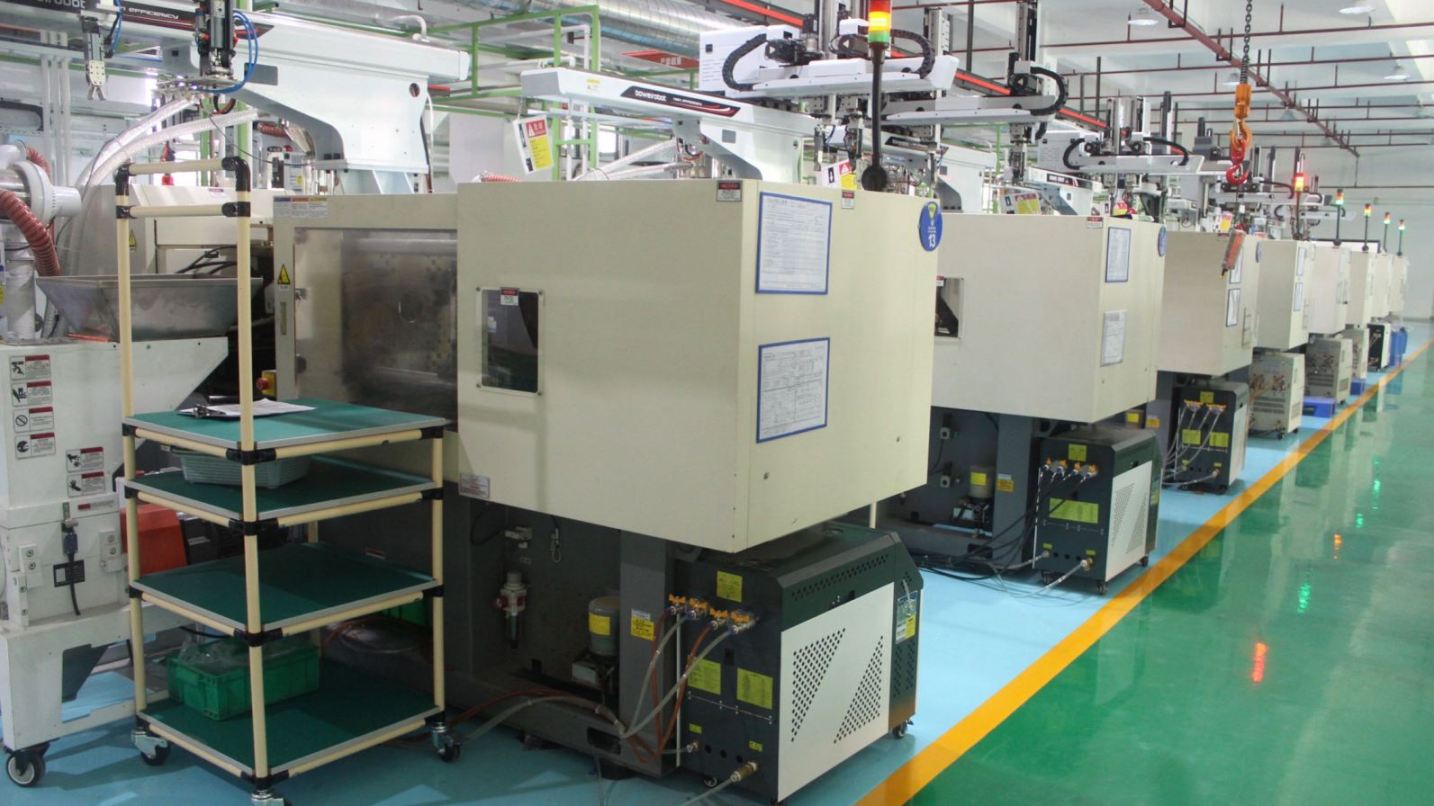
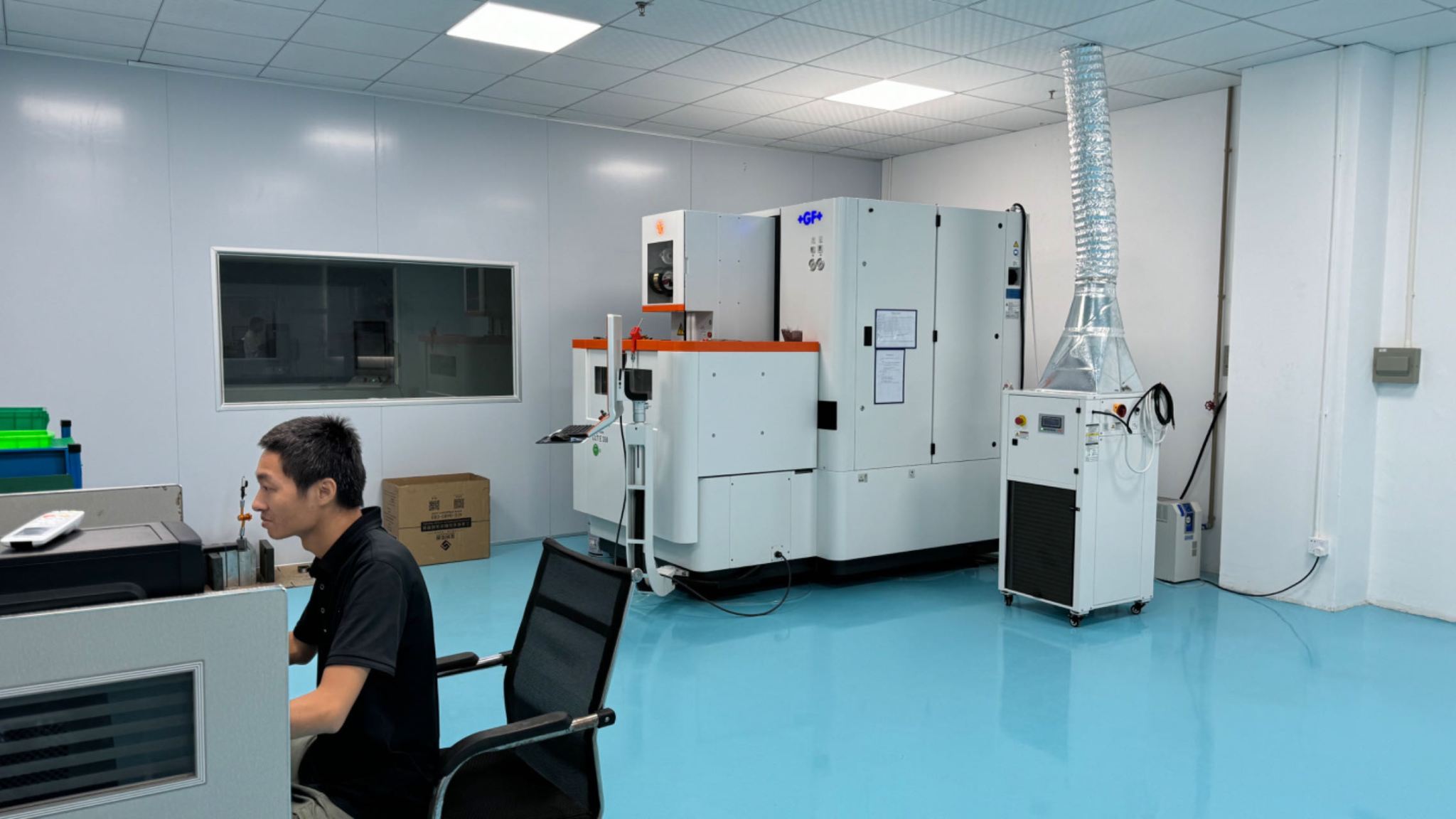
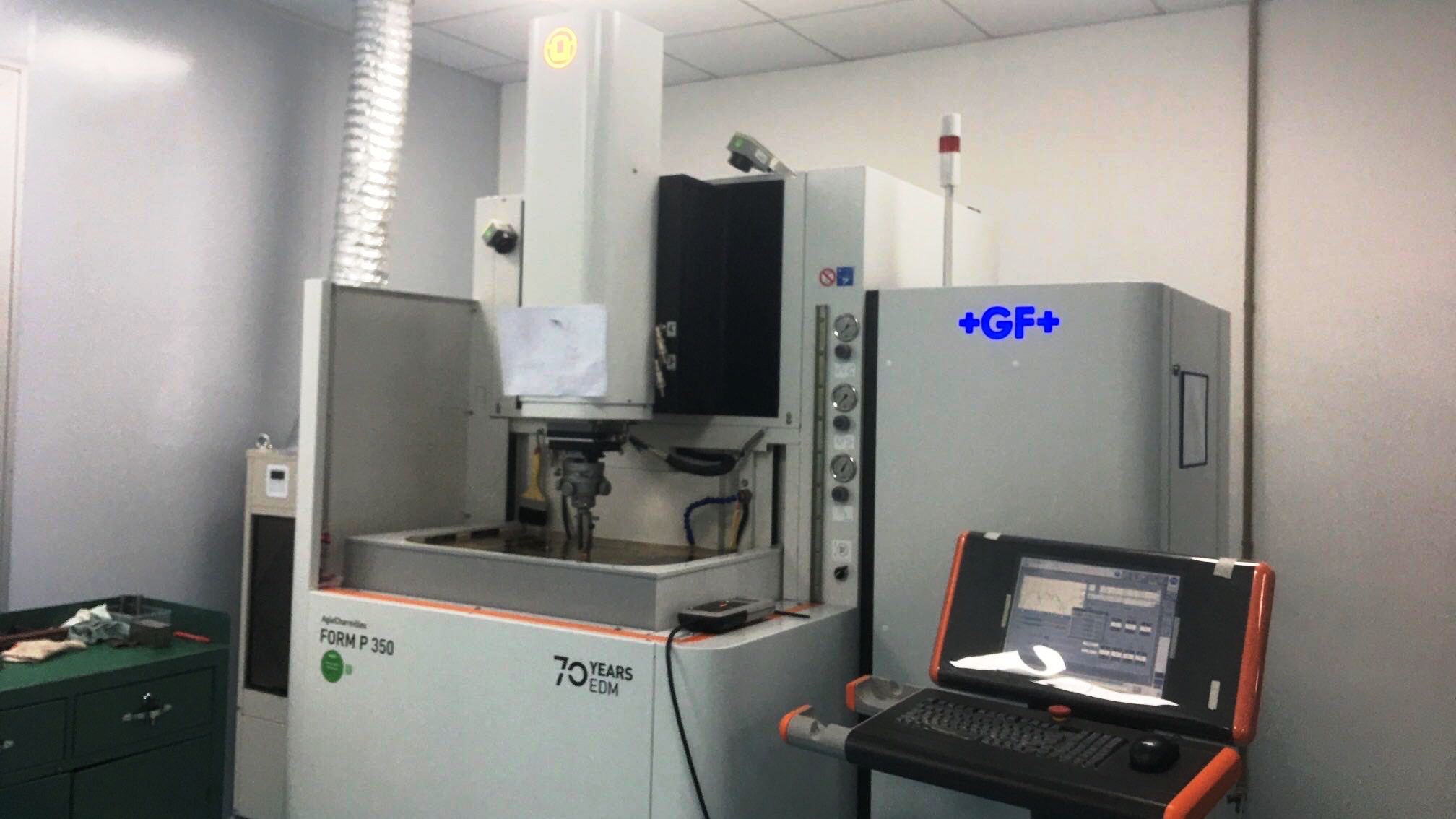
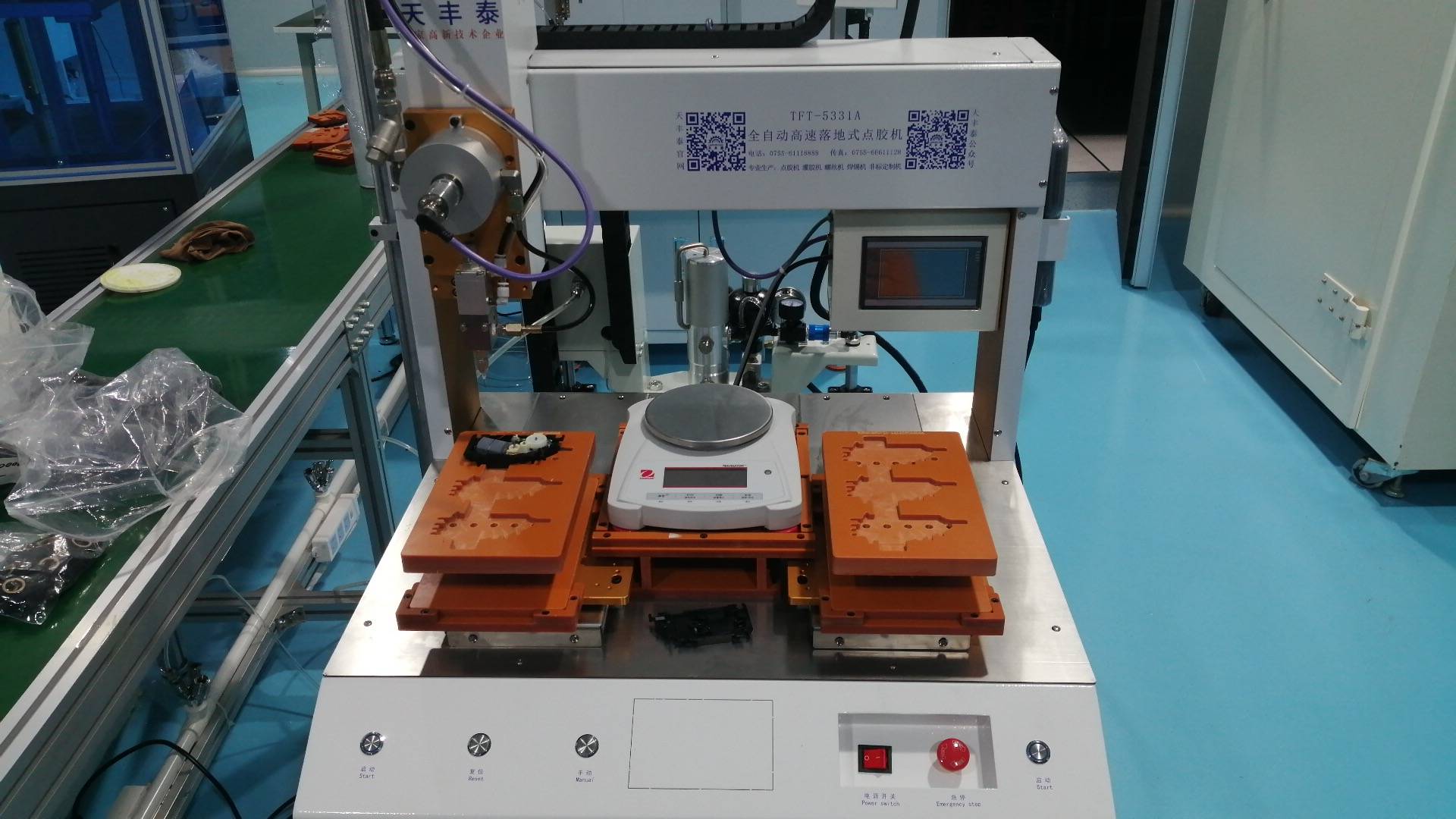
Advanced Production & Testing Facility
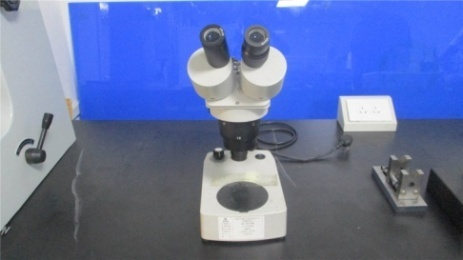
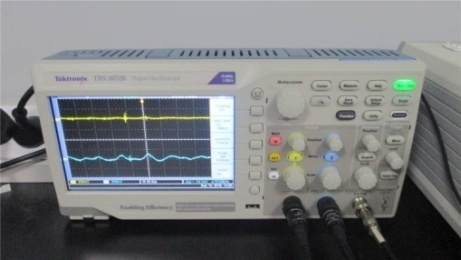
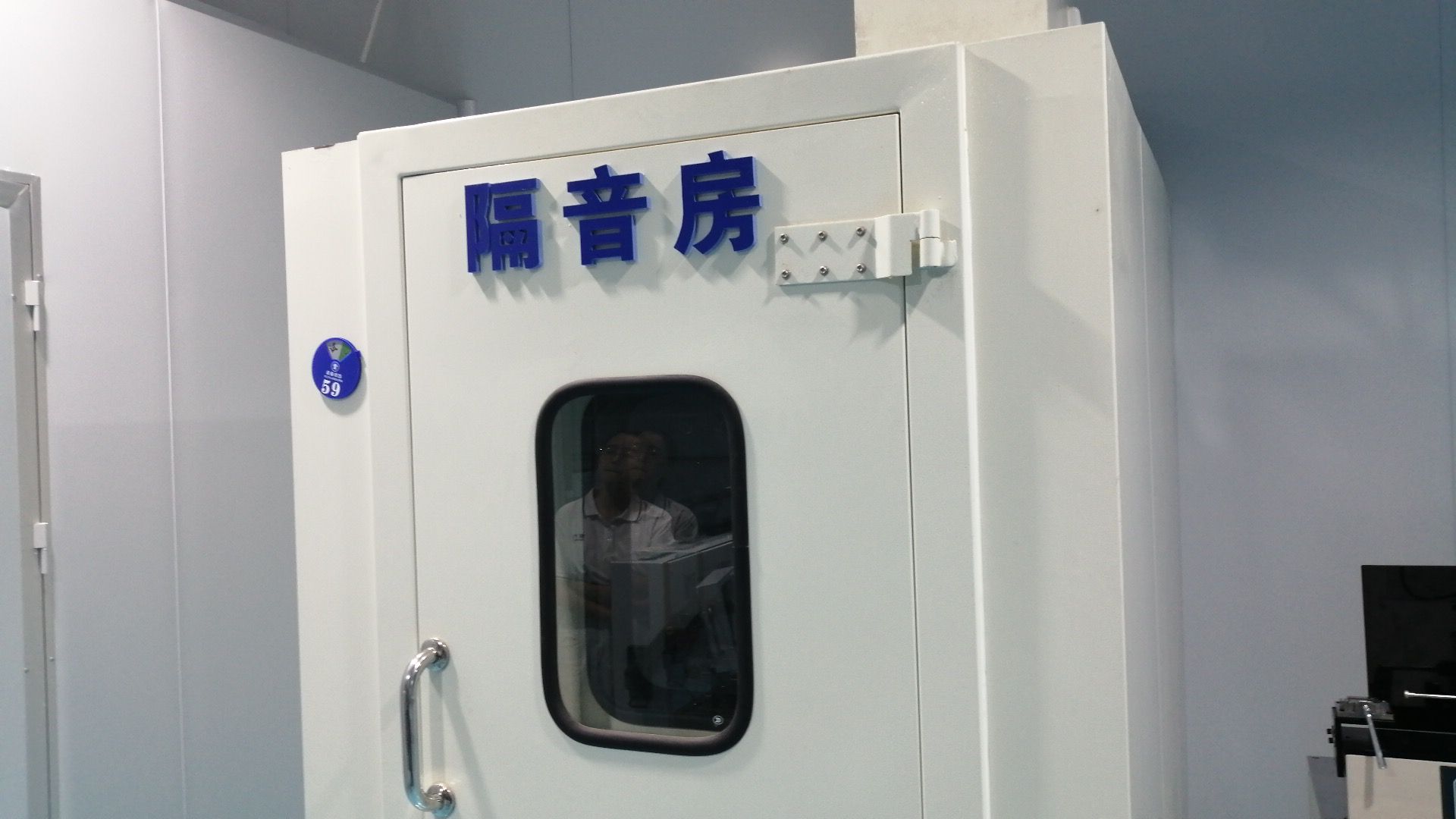
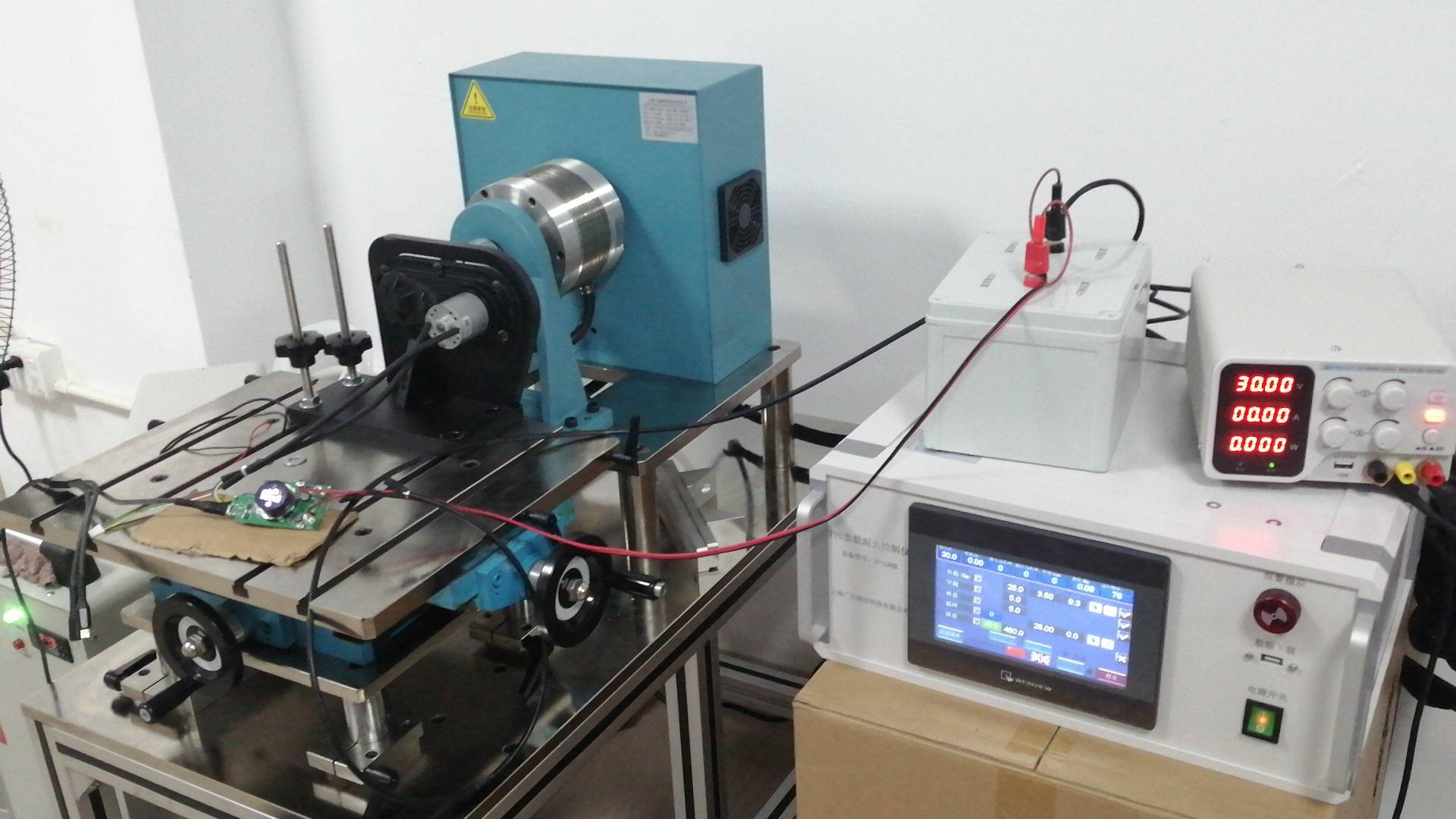
Our commitment to quality control is backed by industry-leading equipment, ensuring each stepper gear motor meets stringent Korean and international regulatory limits.

Global Enterprise Procurement: Sourcing & Compliance in South Korea
Acquiring precision motors for assembly in South Korea involves strict alignment with international quality management frameworks and regional standardizations. Sourcing managers at Tier-1 automotive and global medical device OEMs look beyond base performance specifications. They demand suppliers who can guarantee structural longevity, complete environmental compliance (such as RoHS and REACH), and deep traceability of components.
In addition, devices shipped into the Korean market often require KC (Korea Certification) marking to satisfy local safety standards, specifically regarding electromagnetic compatibility (EMC). As an experienced design and manufacturing partner, Intertek Motor works closely with purchasing departments to provide detailed technical dossiers, 3D CAD modeling support, and custom shaft/winding profiles that integrate seamlessly into complex mechanical sub-assemblies.
Macro-Level Micro-Motion Solutions
Our miniature stepper gear motors are utilized across three core high-tech segments:
- Automotive Electronic Actuators: Precise electronic control for headlamps, HVAC damper control actuators, and luxury interior seating adjustment mechanisms.
- Robotics & AGVs: Multi-axis compact joints, gripper gear trains, and lidar sensor rotation systems where weight-minimization is paramount.
- Smart Consumer Appliances: Ultra-quiet smart locks, pan-and-tilt security cameras, and automated valves for eco-friendly home environments.
Technical Roadmap: The Next Generation of Micro Stepper Motors
As the industry trends toward miniaturization and decentralized intelligence, Intertek Motor's technical roadmap is focused on integrating smart feedback loops directly into the motor body. Traditional stepper motors run in open-loop setups, which can lead to missed steps if unexpected load spikes occur. By integrating miniature optical and magnetic encoders directly into frames smaller than 15mm, we are paving the way for closed-loop, compact stepper packages.
Furthermore, our materials research team is constantly pushing the boundaries of gear hobbing. We are transitioning high-stress gear stages from traditional metal powder metallurgy to advanced carbon-reinforced PEEK polymers. This transition significantly drops operational noise, provides self-lubrication capabilities, and extends the motor's operating life under wide temperature extremes (-40°C to +85°C) common in automotive settings.
Technical Q&A (FAQ)
Answers to critical engineering questions regarding stepper gear motor application and selection.
Explore Our Full Range of Stepper Gear Motors
Comprehensive sizes and configurations matching global supply requirements.