Mastering the Micro-Universe: The Intertek Motor Standard
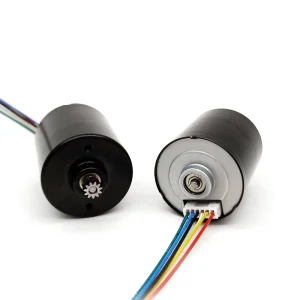
At Intertek Motor, we measure our success in micrometers and decibels. We understand that inside a premium robotic joint, a medical dosing pump, or a high-end smart lock, space is the ultimate luxury. Our mission is to pack maximum torque, unyielding durability, and near-silent acoustics into the most compact footprints imaginable.
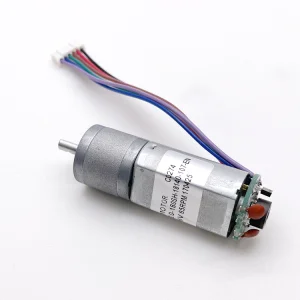
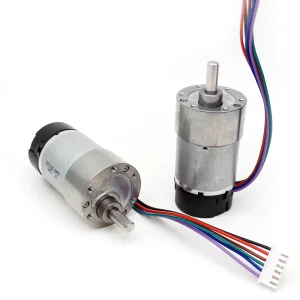
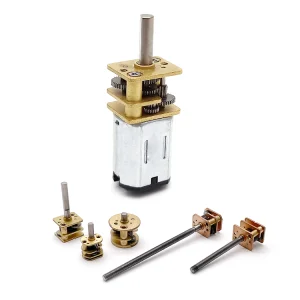
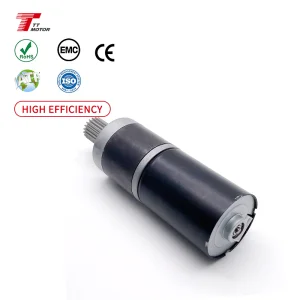
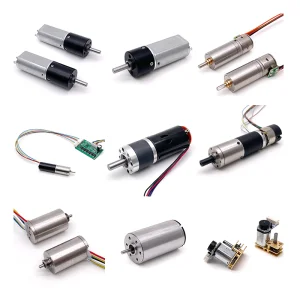
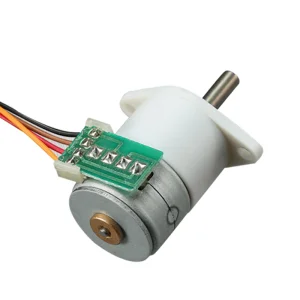
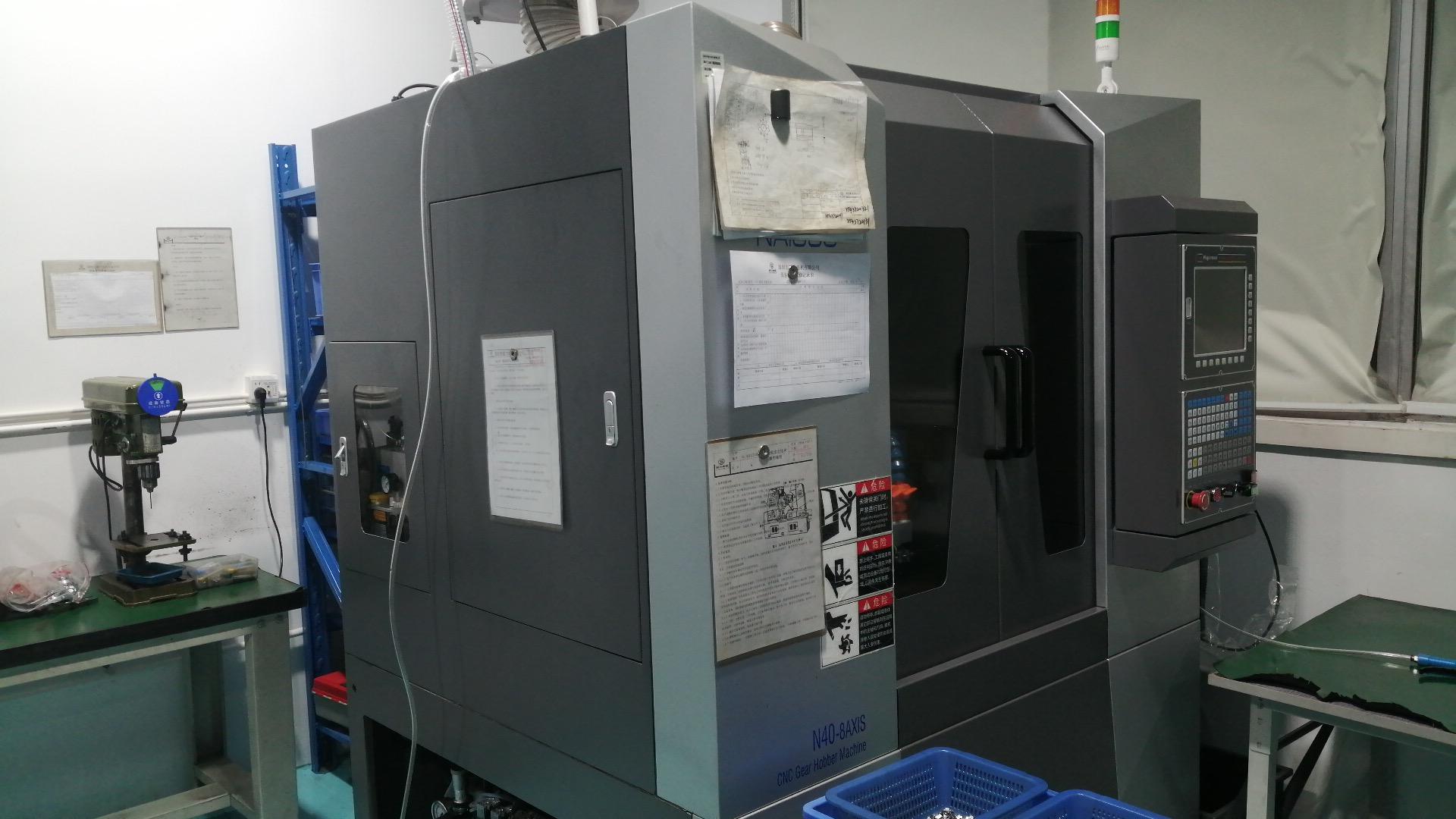
Our expertise lies in the harmony of miniature engineering. From precision-wound rotors and high-purity copper commutators to custom-designed planetary gearheads, every component inside an Intertek micro motor is optimized for low energy consumption and a friction-free lifespan. We constantly push the limits of micro-drive tech, utilizing advanced automated Swiss-style hobbing and Japanese dynamic balancing to ensure that our internal gear trains operate with zero-backlash precision. When the integrity of your high-tech device hangs on repeated mechanical perfection, Intertek Motor delivers the silent power that anchors your design.
Global Landscape of Advanced Motor Systems & Industrial Demand
The global market for advanced motor systems is undergoing a monumental paradigm shift. Propelled by the proliferation of automation, Industry 4.0, smart mobility, and high-precision medical machinery, developers are seeking power-dense micro actuators that exceed the limits of traditional brush-based mechanics. Industrial and consumer demands are converging on several critical characteristics: extreme torque density, low thermal emissions, highly integrated encoder feedbacks, and long operational life spans.
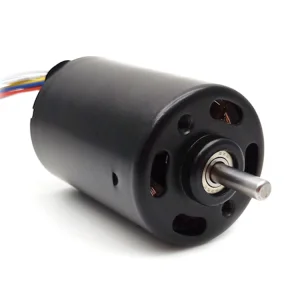
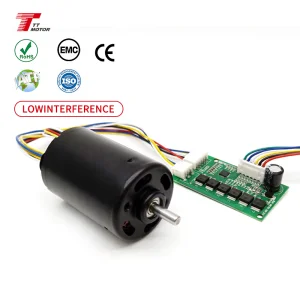
Historically, heavy industrial setups utilized massive induction motors. However, modern automated processes—ranging from robotic surgical articulators to automated warehouse automated guided vehicles (AGVs)—require micro-motors that feature highly efficient energy profiles. The transition to high-voltage, compact Brushless DC (BLDC) systems and coreless motor technologies is crucial for next-generation products. This structural shift highlights the importance of partnering with established Custom OEM Advanced Motor Systems manufacturers who understand the mechanics of scaling motor efficiency under custom load profiles.
The Chinese Manufacturing Edge: Speed, Integration, & Scale
China has long moved past simple cost-efficiency to become the epicenter of complex mechatronic engineering. The industrial ecosystem in China, particularly within major high-tech hubs, allows manufacturers to source high-grade raw components—such as sintered neodymium iron boron (NdFeB) magnets, low-loss silicon steel sheets, and oxygen-free copper wires—at unprecedented speeds. This concentration of raw material refinement and precision machining reduces supply chain friction.
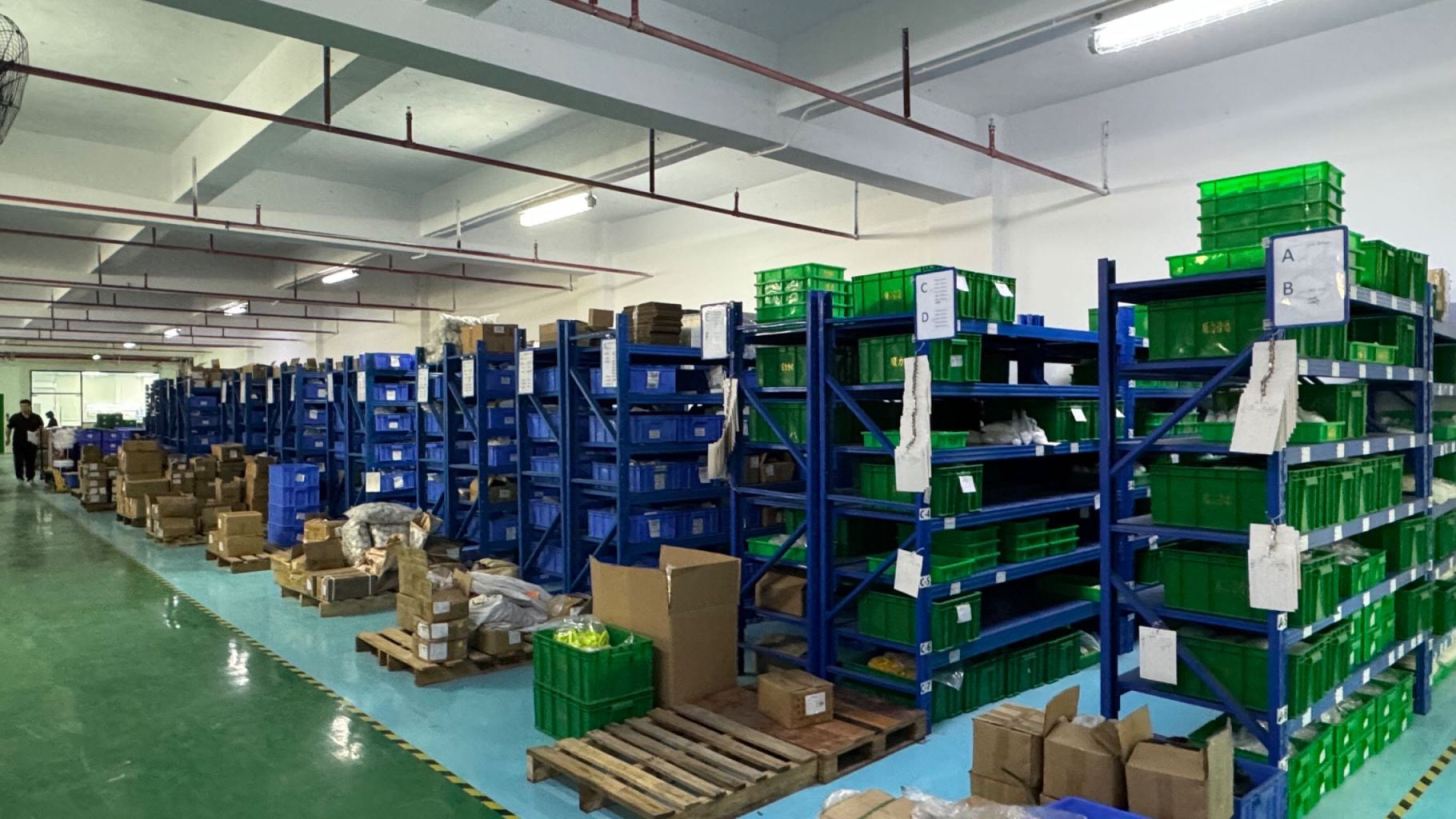
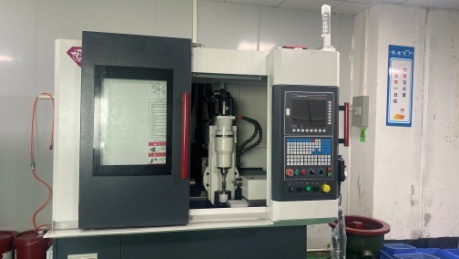
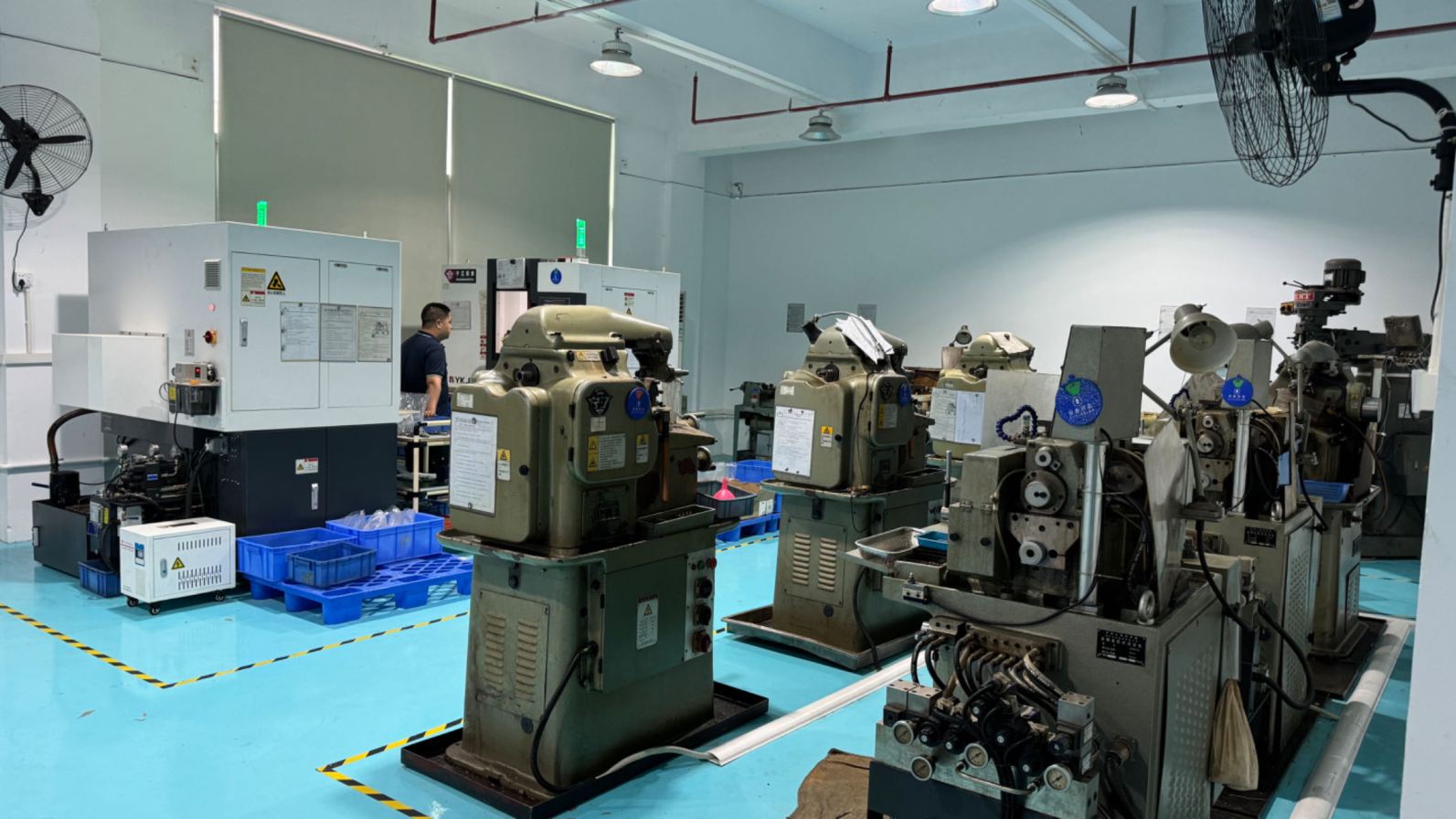
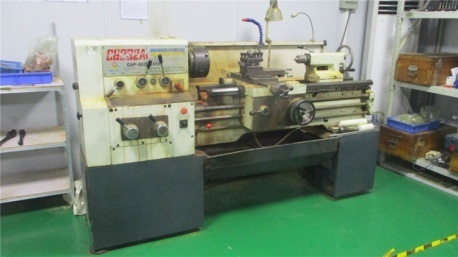
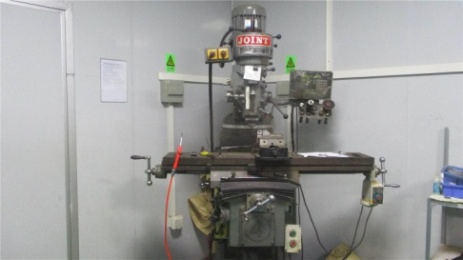
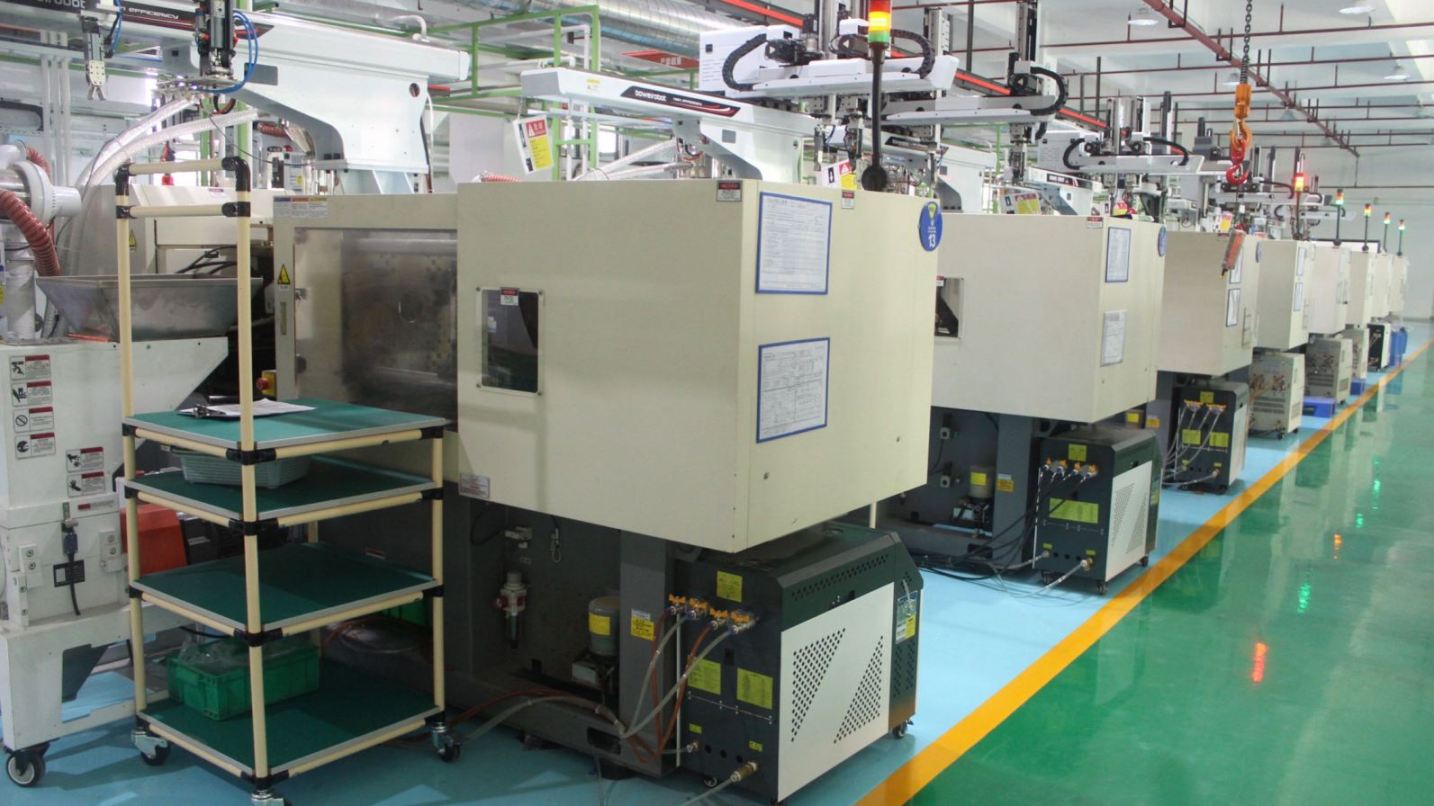
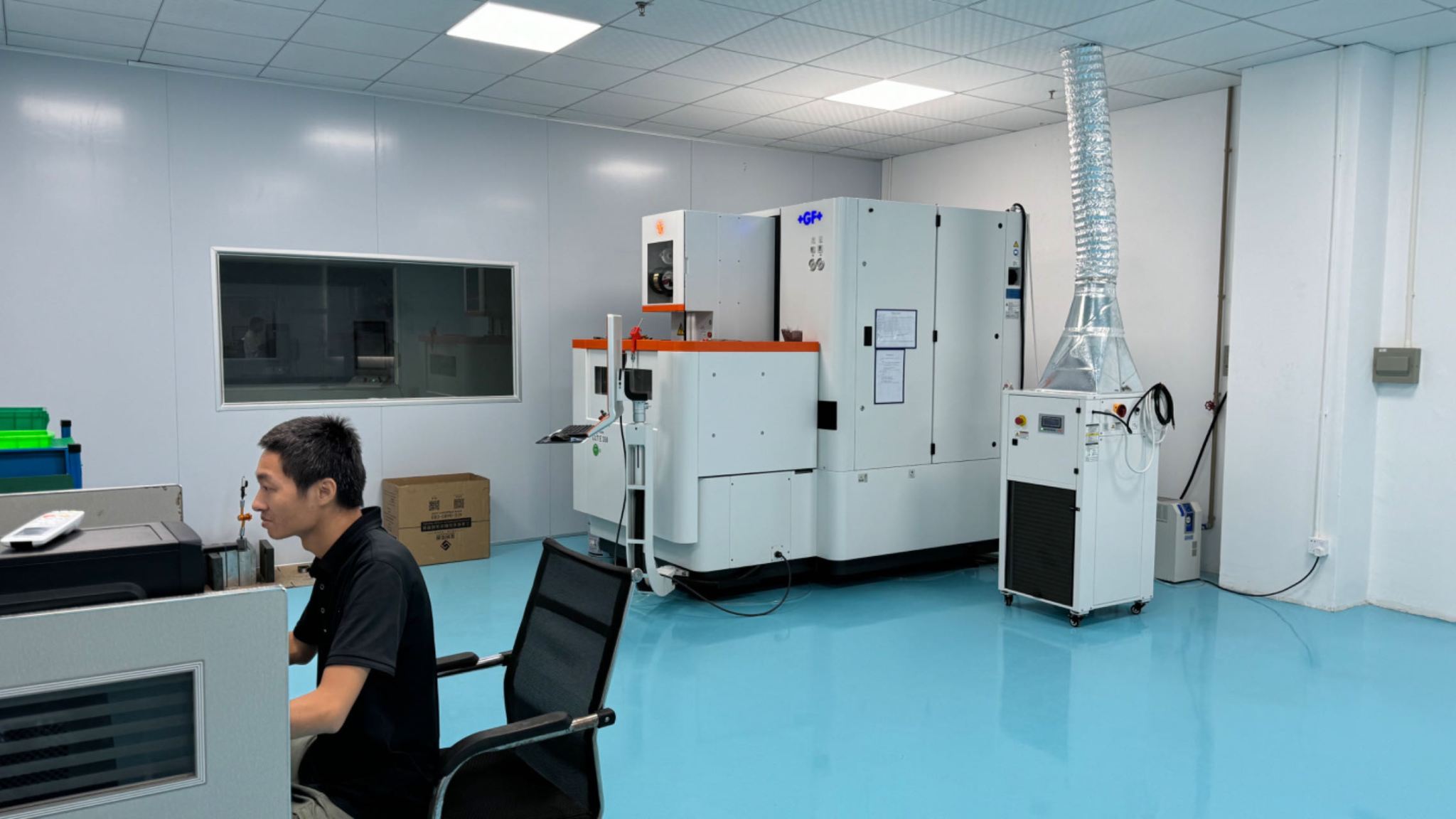
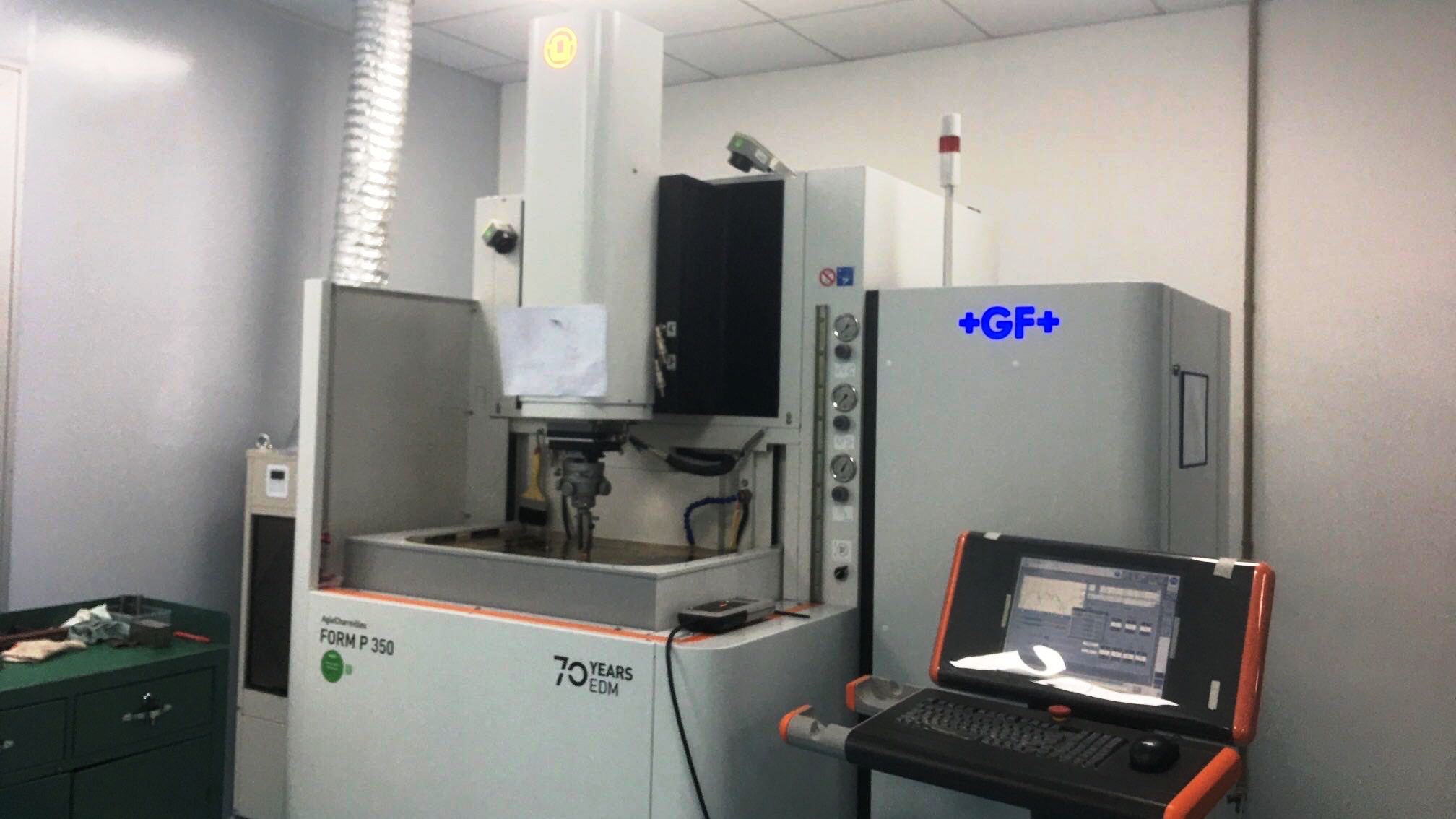
At our advanced manufacturing center, we utilize the structural efficiency of our Chinese supply base to offer unparalleled prototyping speed. While western custom design cycles can take months, we produce customized OEM motor iterations in a fraction of that time. By integrating local high-speed Swiss-style automatic lathes, automated winding machines, and high-speed CNC milling systems, we offer a unique cost-to-performance ratio that supports rapid development and massive volume ramps without sacrificing design stability.
Integrated Manufacturing Workflow & Custom Gear Engineering
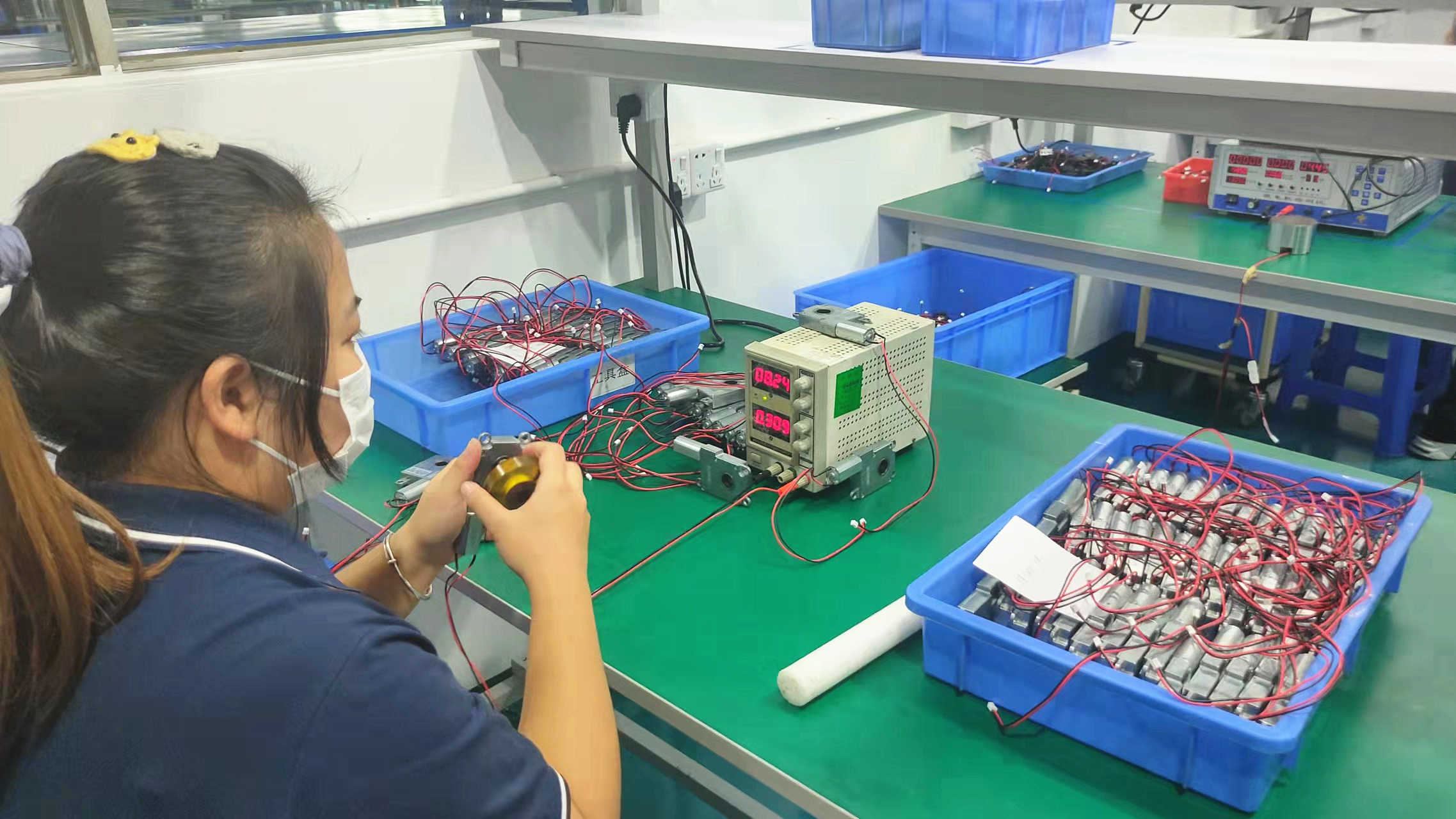
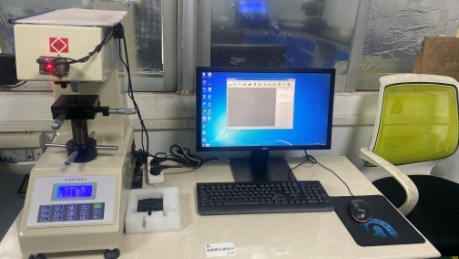
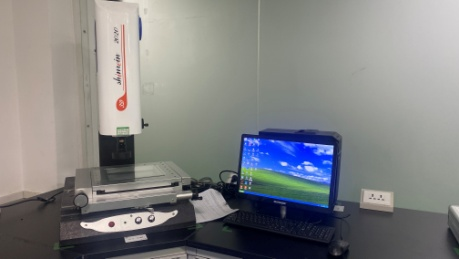
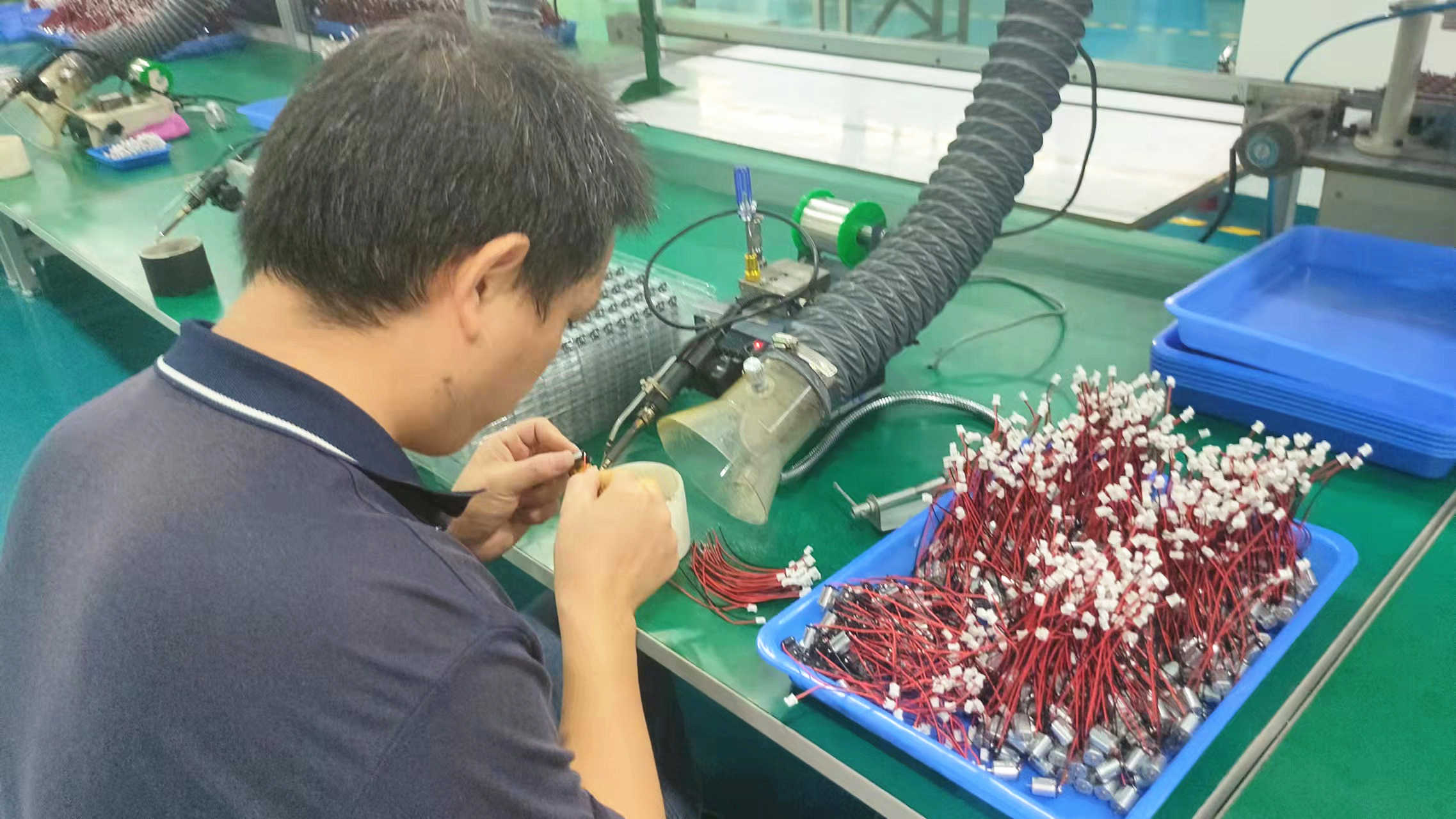
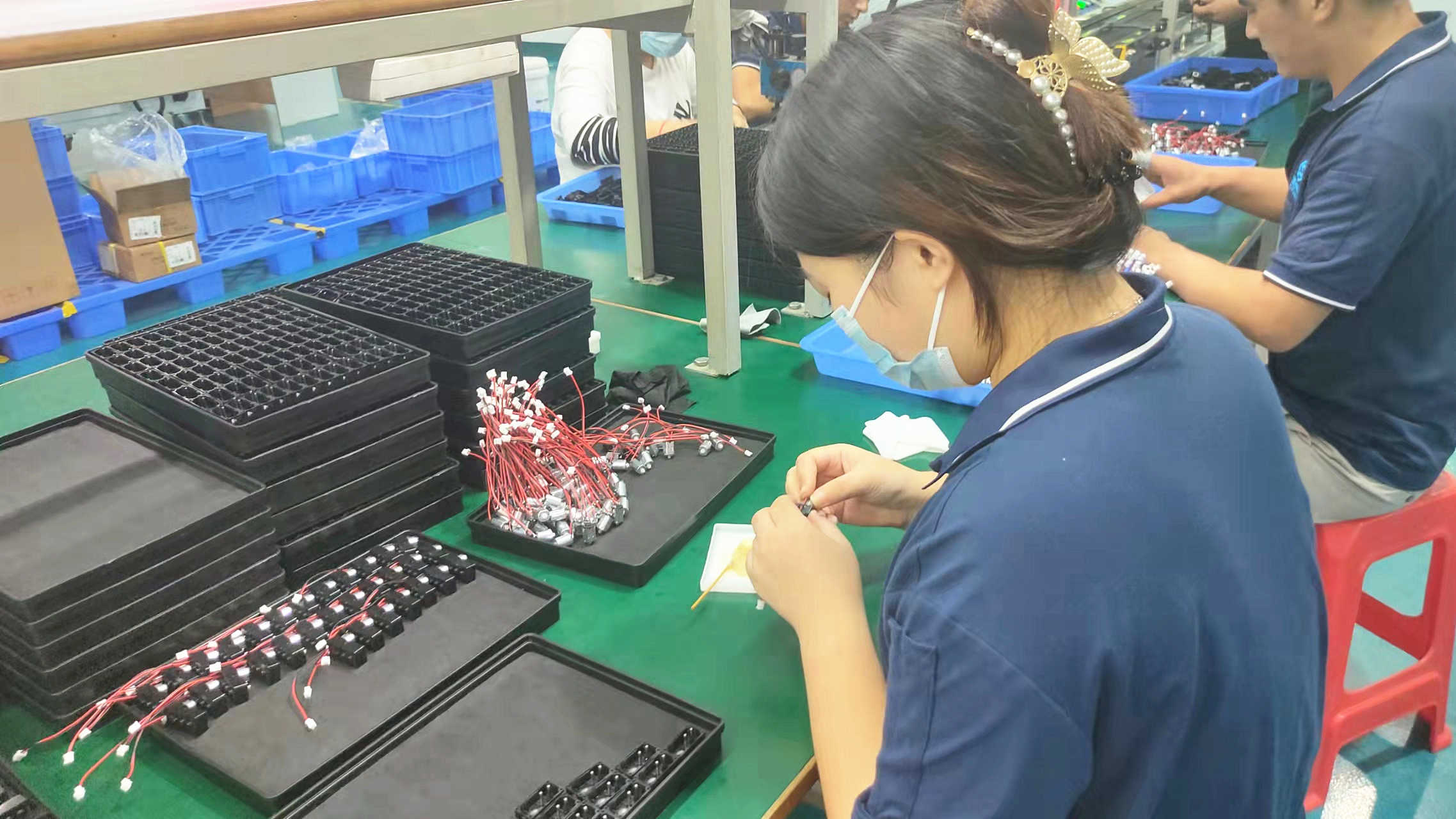
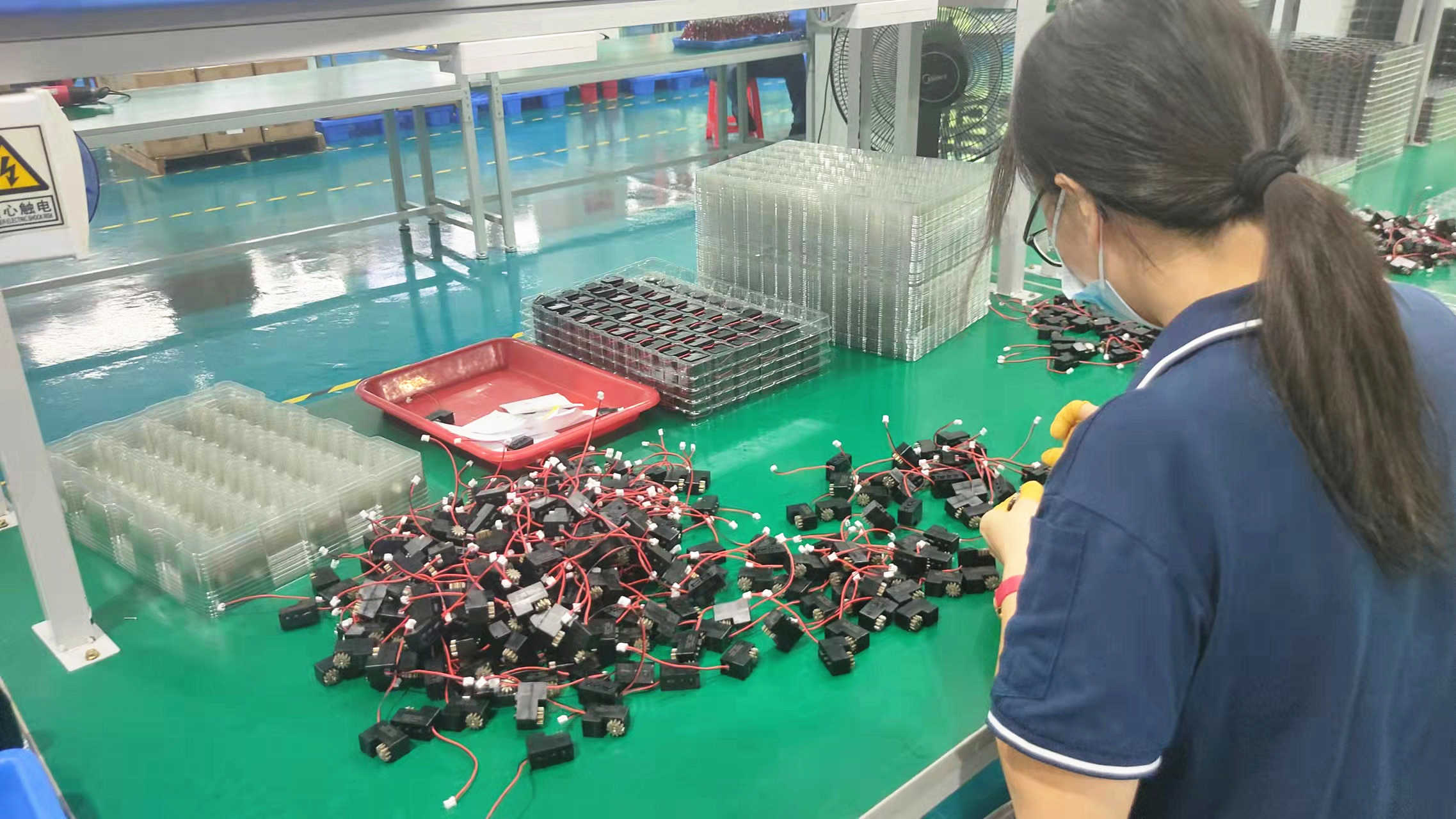
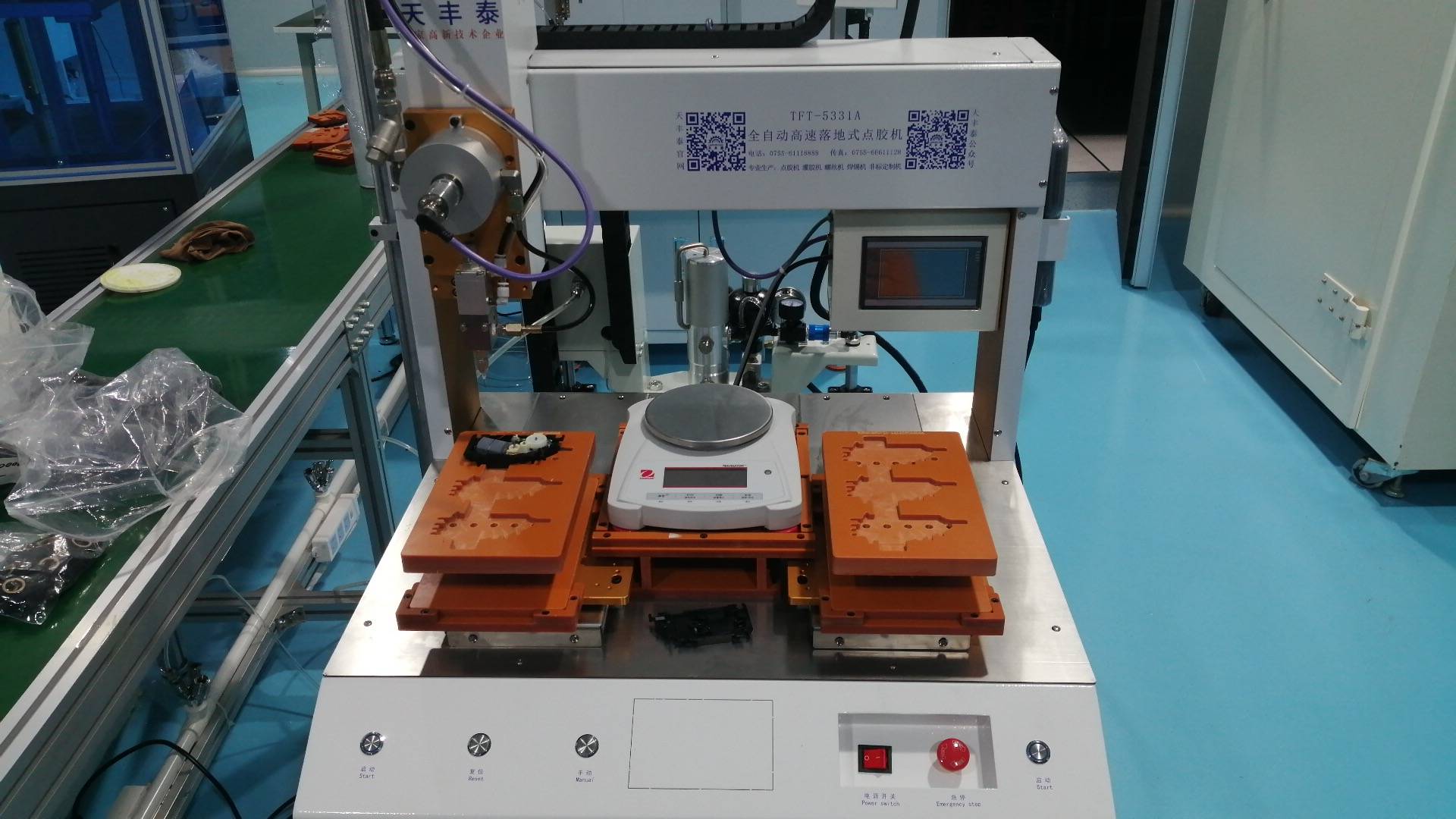
The realization of an elite micro motor assembly is a complex mechanical progression that balances raw material science with micro-positioning tolerances. At Intertek Motor, we segment our manufacturing process into rigid, automated, and human-supervised operational blocks to ensure continuous stability across hundreds of thousands of cycles.
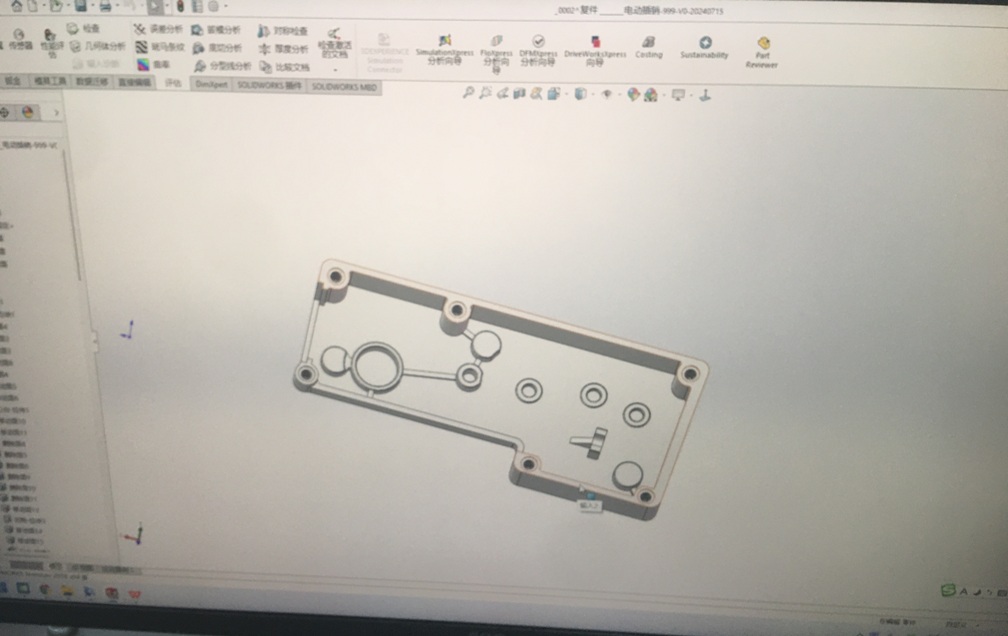
- Strategic Engineering Design: CAD layouts translate electrical and mechanical targets into a structural design. Our testing parameters dictate motor housing geometries, rotor slots, and stator winding density.
- Premium Raw Material Preparation: Using only highly graded non-oriented lamination silicon steel and pure electrolytic copper magnet wires to minimize eddy current losses.
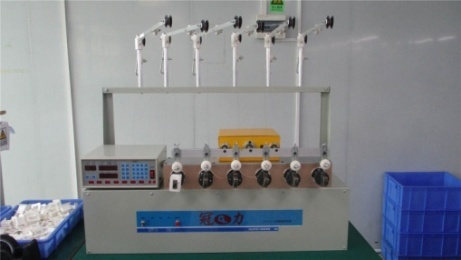
- Precision Micro Winding: Highly controlled computer-aided wire winding configurations are applied directly to the stators or coreless armatures to ensure optimal magnetic flux distribution.
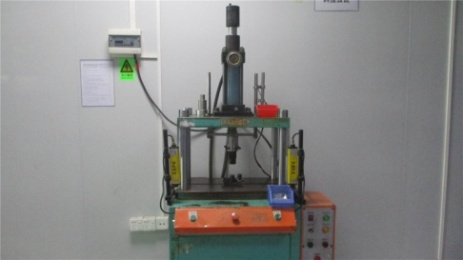
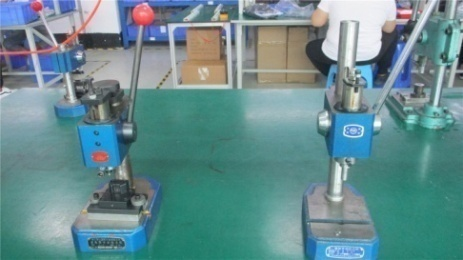
- Precision Assembly: Bearings, shafts, commutator brushes, and custom gearheads are assembled inside clean-room conditions to minimize particulate contaminants.
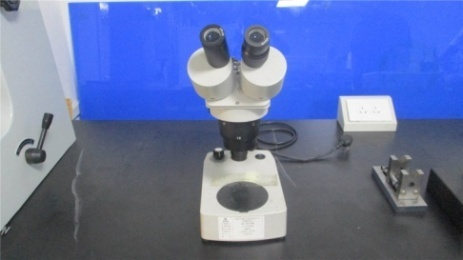
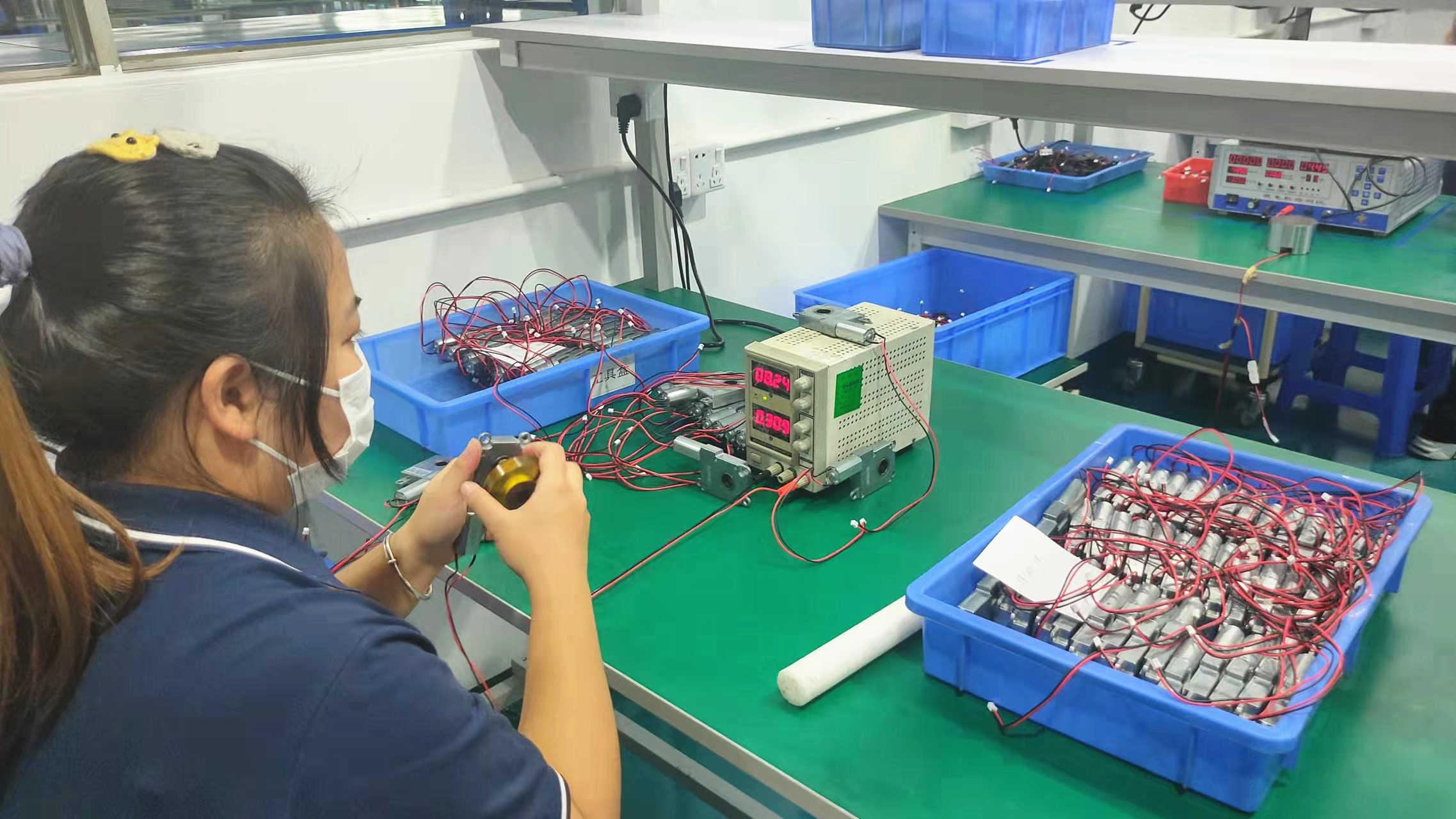
- Dynamic Micro Balancing & Testing: Rotors are dynamically balanced to limit vibration profiles, ensuring smooth mechanical operations at high RPMs.
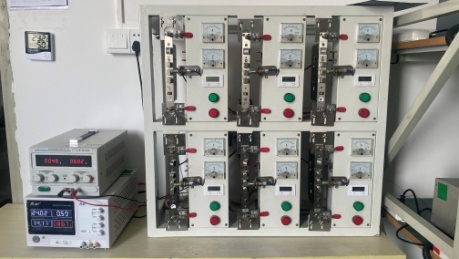
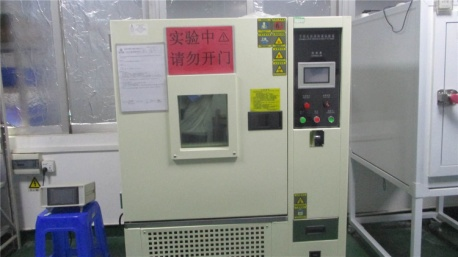
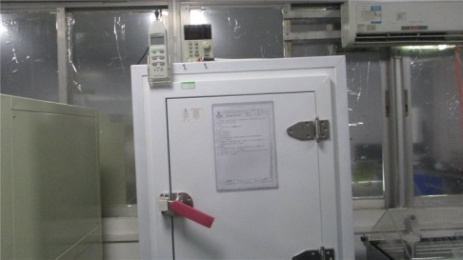
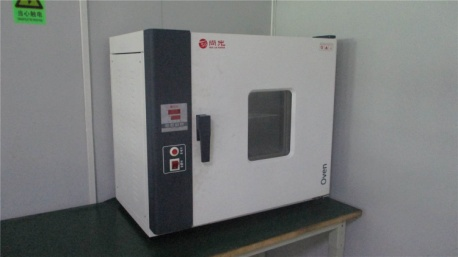
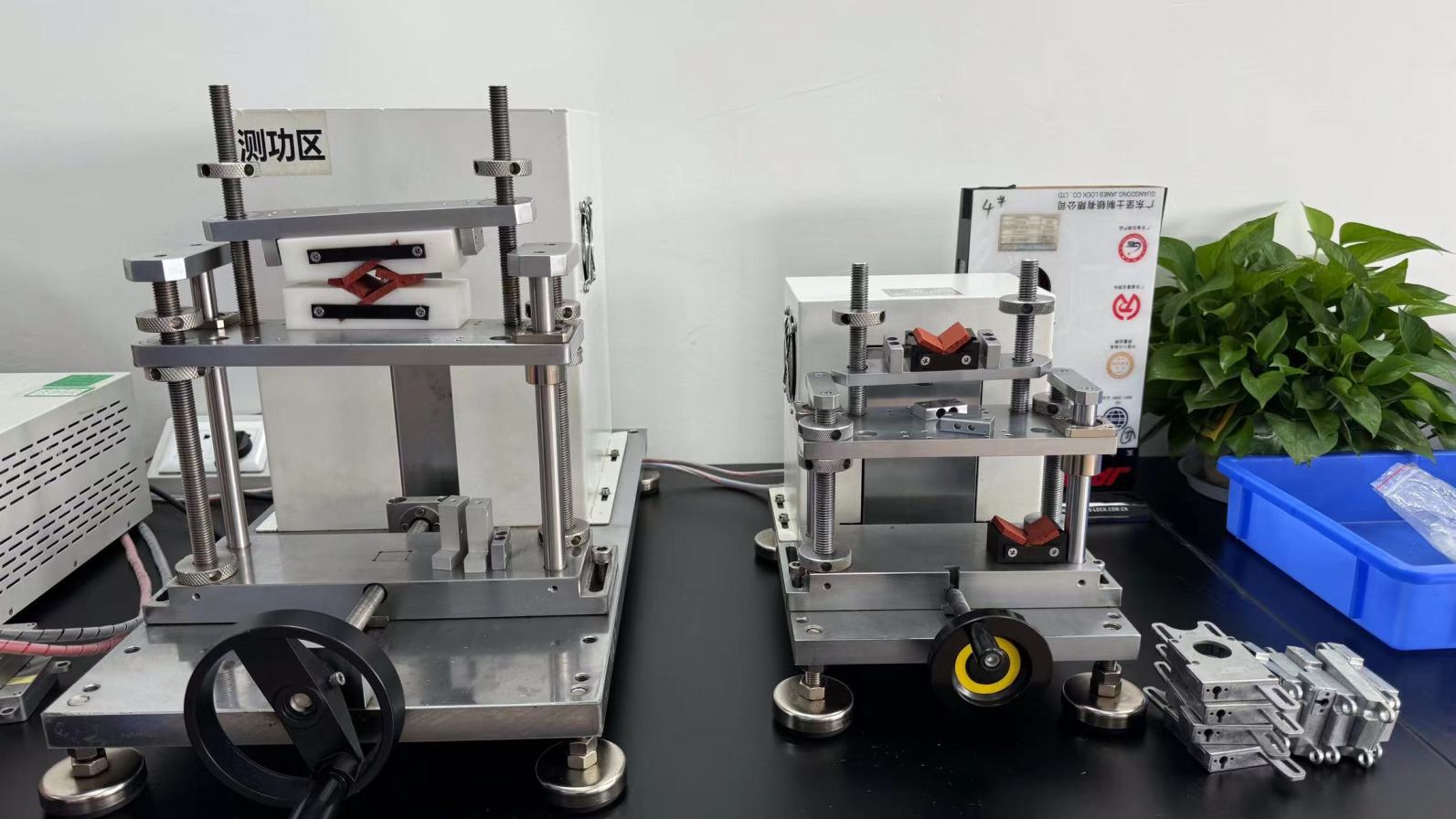
- Advanced Environmental Aging: Prior to packaging, batch units are subjected to continuous runs on our aging shelves under high temp conditions to detect early component failures.

Localized Engineering Applications for Precision Drives
Advanced custom motor configurations are specialized elements that must align with local industrial standards. Different sectors require specific electrical configurations:
1. Medical & Surgical Automation
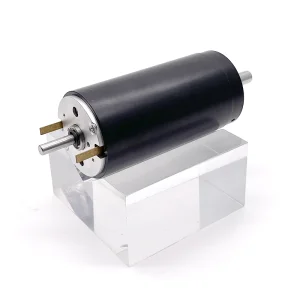
In surgical instrumentation, dynamic infusion systems, and peristaltic metering pumps, motors must exhibit zero stall characteristics, low heat generation, and sterilization resistance. Our coreless motor range features a high-density slotless armature design that eliminates cogging torque, ensuring steady operation during precise surgical procedures.
2. Robotic Joint Actuation & Bionics
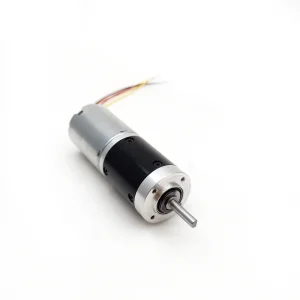
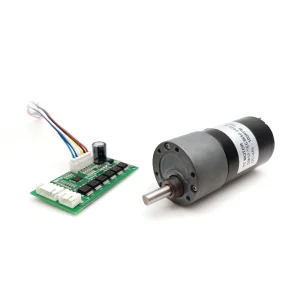
Exoskeletons, robotic arms, and high-performance automated systems require high torque at low speeds. Utilizing planetary gearbox assemblies attached to 24mm or 36mm BLDC frames allows engineers to achieve extreme reduction ratios while maintaining minimal gear backlash.
3. Aerospace & Precision Defense Systems
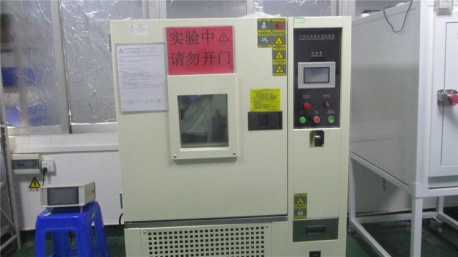
In aerospace actuator valves, optical stabilization rings, and telemetry tracking arrays, motors must survive severe thermal variations. By subjecting our systems to high-altitude testing and thermal cycling chambers, we ensure our motors remain reliable in extreme conditions.
Future Development Trends in Advanced Motion Controls
As micro-actuation systems become more complex, industry developments point toward three major design requirements:
Integrated Smart Drivers: The integration of localized closed-loop microcontrollers and magnetic encoders directly into the motor's back shell is replacing bulky external drive hardware. This simplifies wiring layout and reduces EMI noise.
Energy Efficiency Compliance: High-efficiency classes like IE4 and IE5 are becoming standard for micro systems. The optimization of permanent magnet configurations directly reduces battery size in portable systems.
Smart Diagnostics: Sensors integrated into the stator winding can feed real-time current, temperature, and vibration telemetry back to central control systems, enabling predictive maintenance schedules.
Enterprise Procurement Strategy for Custom Motor Systems
Purchasing micro-drive systems requires balancing technical design parameters with target performance costs. When choosing an OEM motor partner, engineering teams should evaluate several factors:
Define Torque-Speed Profiles Correctly
Specify holding torque, nominal continuous torque, and peak starting torque. Overspecifying the torque requirements leads to larger, heavier, and more power-demanding motors, while underspecifying causes motor stalling and short lifespans.
Evaluate Backlash and Gear Reducer Efficiency
In planetary systems, gear stages introduce friction. While a single-stage planetary gear might run at 90% efficiency, a four-stage reducer with high torque multiplication could drop efficiency to 50% or less. This reduction should be compensated for during system power design.
Assess Operational Lifespans
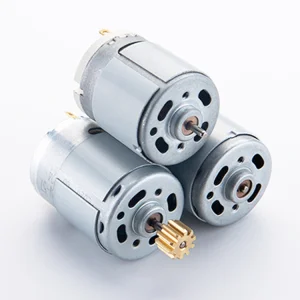
For applications running over 10,000 hours, brushless motors with ball bearings are the standard choice. For lower duty cycle, budget-driven devices, precious metal or carbon-brushed motors with sleeve bearings can offer a cost-effective solution.
What is the primary difference between a BLDC motor and a coreless motor?
A Brushless DC (BLDC) motor typically features a slotted iron core stator with permanent magnets on the rotor, offering high durability and efficient heat dissipation. A coreless motor replaces the slotted iron core stator with a self-supporting, skew-wound copper armature that rotates around an inner magnet. This coreless design eliminates iron losses, prevents cogging torque, and provides exceptionally fast acceleration, making it ideal for high-precision medical tools and portable instrumentation.
What parameters must be provided to initiate a custom OEM motor design?
We require nominal voltage (VDC), target load speed (RPM), operating torque (mNm), maximum diameter constraints, radial load limits, and environmental parameters (such as temperature ranges, ingress protection ratings, or autoclaving requirements). Detailed control profiles (such as encoder resolution and drive communications protocols) also help speed up the process.
How does Intertek Motor guarantee high gearhead concentricity and reduce backlash?
We machine planetary gear systems on NINGJIANG and Swiss-style high-precision gear hobbing machines, maintaining manufacturing tolerances under 5 microns. All assemblies undergo runout and noise testing to ensure optimal tooth alignment and prevent premature wear under cyclic loading.
What testing procedures are applied to custom motor batches before shipment?
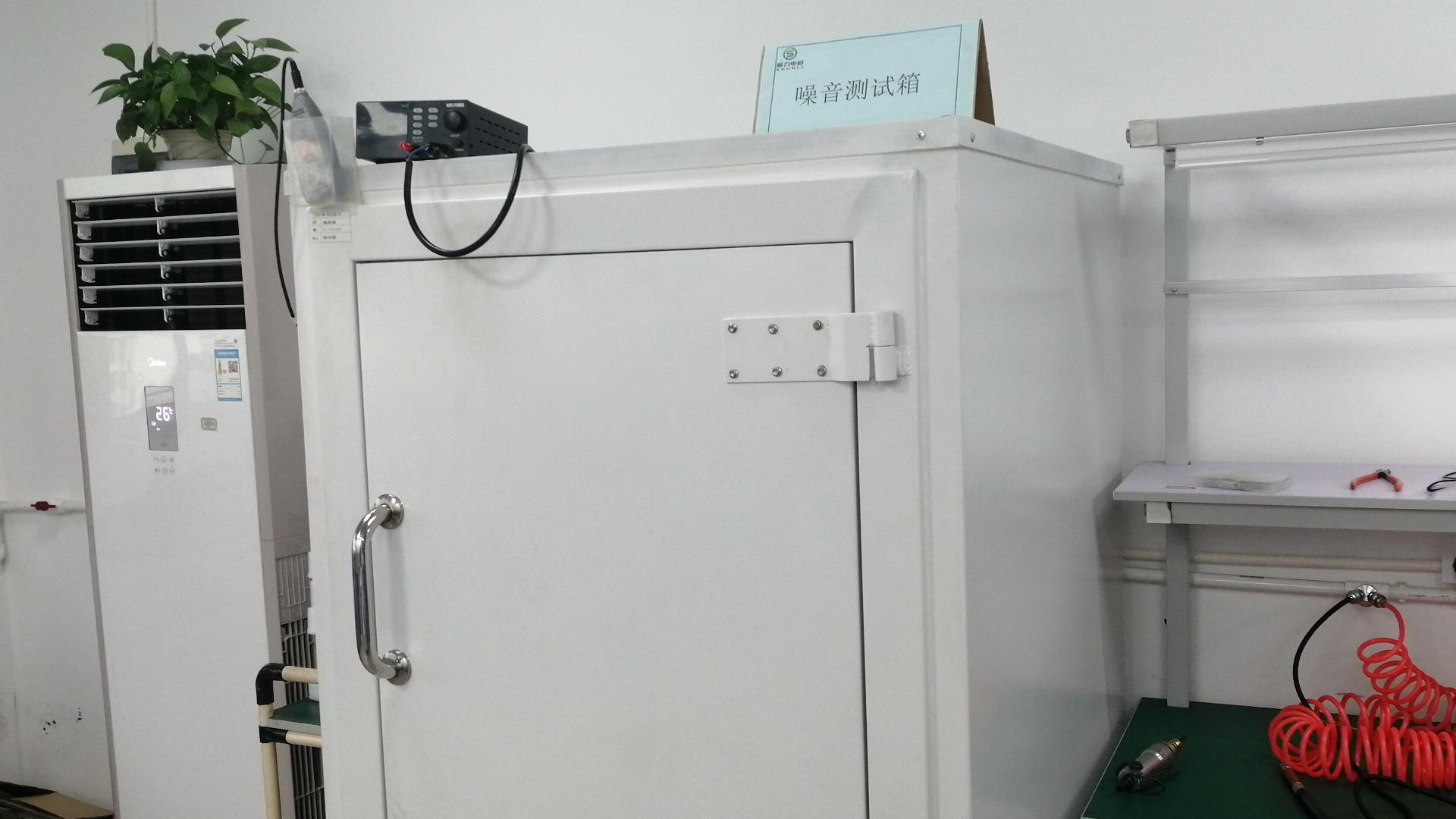
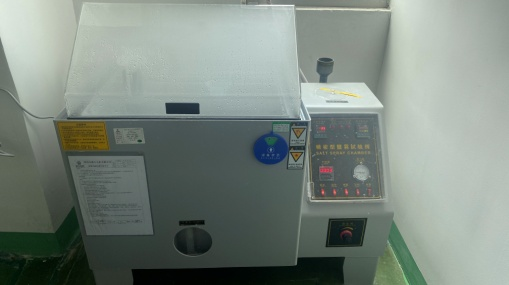
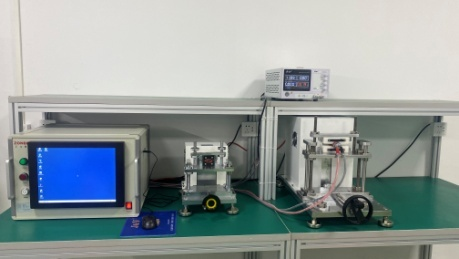
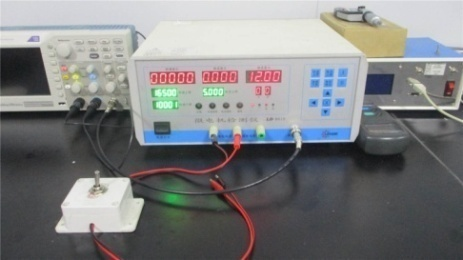
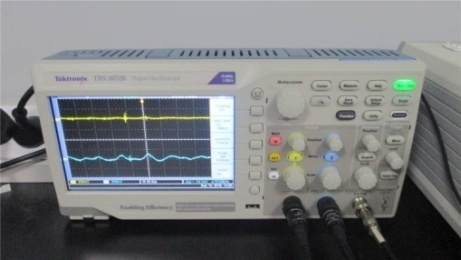
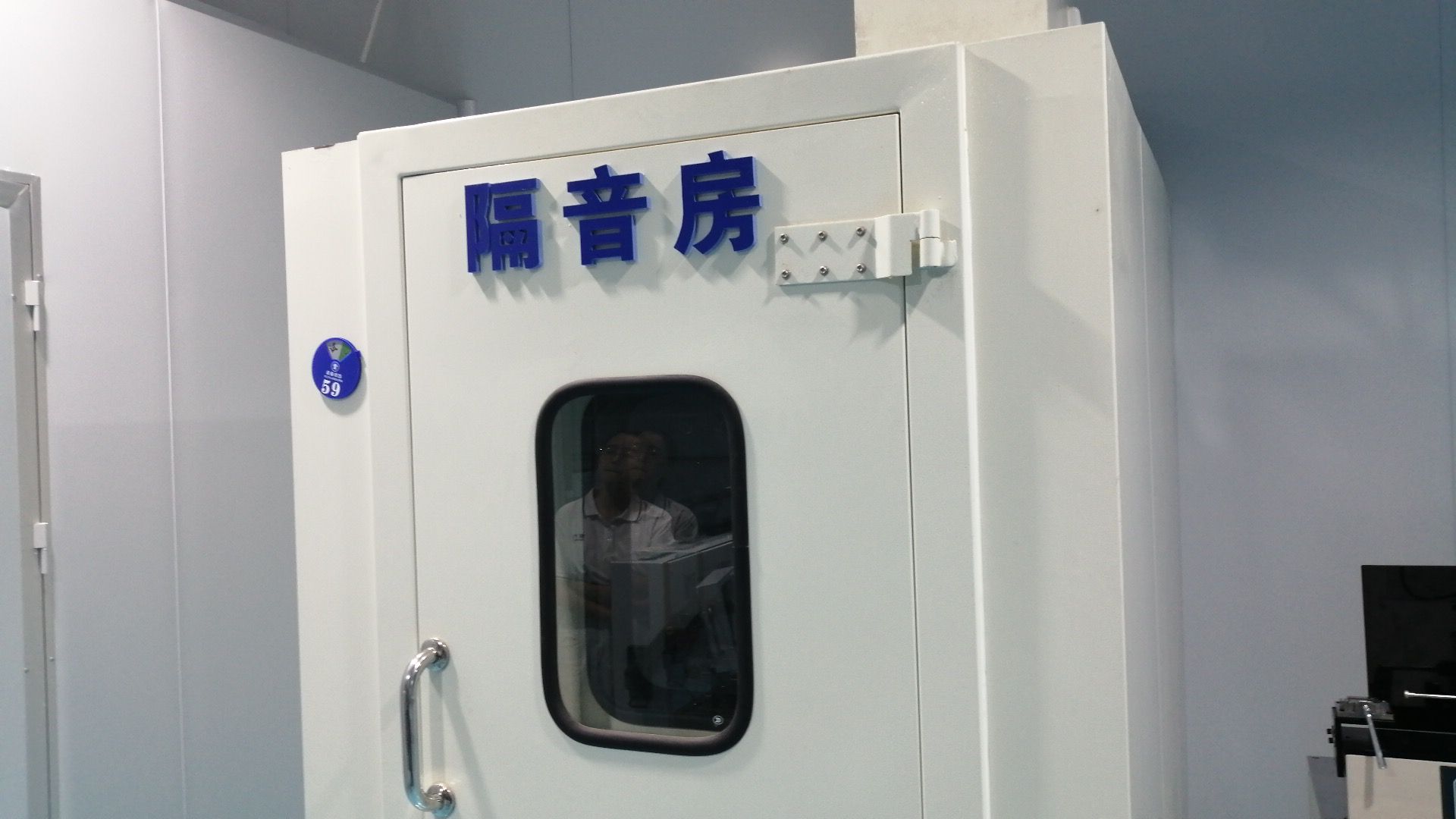
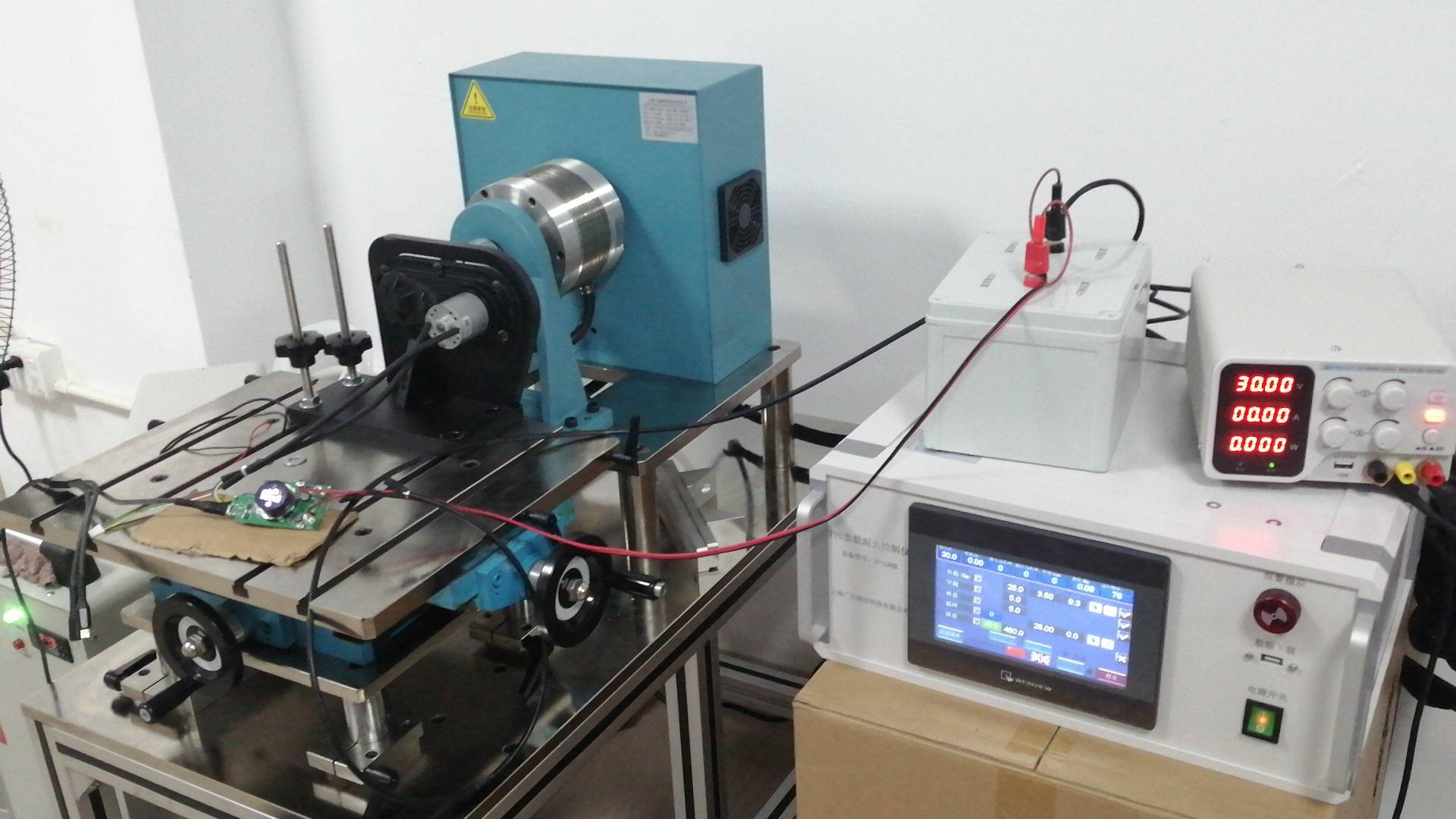
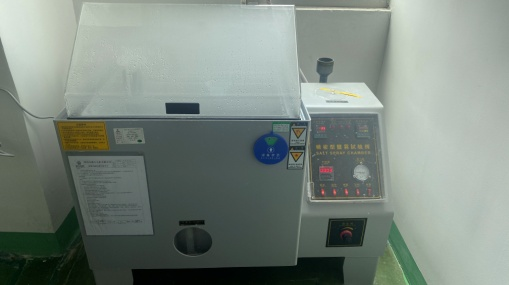
Every batch undergoes automated electric checks, including stator insulation testing, winding resistance checks, and EMF feedback verification. Dynamometer tests chart the torque-speed-current curves, while noise chambers monitor acoustic emissions. Environmental durability is verified using programmable temperature chambers, salt spray systems, and vibration test rigs.