Premium Wireless Control Motors & Actuators
Engineered for High Dynamic Torque Density, Low Backlash, and RF/EMC Coexistence
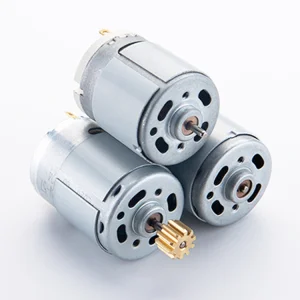
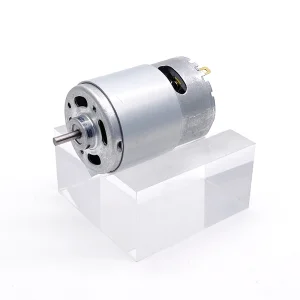
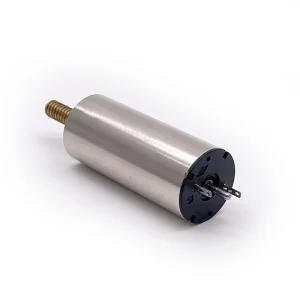
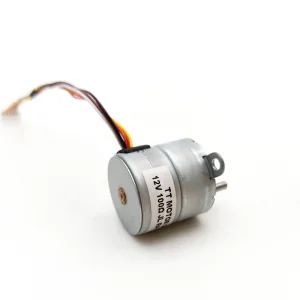
Global Landscape of Wireless Motor Control
The global industrial and commercial markets are undergoing a fundamental paradigm shift. Traditional hardwired motor installations, long dependent on complex RS-485, CAN bus, or EtherCAT cabling topologies, are progressively integrating with and giving way to intelligent wireless motor control architectures. Fueled by the rapid maturation of IoT technologies, Industry 4.0 standards, and low-latency wireless communication protocols (such as Bluetooth Low Energy 5.0+, Zigbee 3.0, Thread, and Wi-Fi 6), industrial automation is demanding a new tier of mechanical autonomy.
Implementing wireless nodes directly into actuators allows systems to eliminate structural cabling slip rings, minimize spatial load requirements, and drastically reduce installation complexity. This design revolution is particularly critical in dynamic systems like warehouse robotics, smart medical dosing systems, and aerospace actuators where physical wire fatigue represents a common point of mechanical failure.
Key Drivers of Wireless Actuation
- Elimination of Mechanical Cable Wear: Critical for continuous-rotation systems and robotic rotary joints.
- Reduced Architectural Footprint: Ideal for ultra-compact micro-drives where space constraints prevent large wire harness routings.
- Real-time Decentralized Telemetry: Motors feed real-time torque, speed, and thermal parameters back to the edge gateway.
- Rapid System Deployment: Modular, plug-and-play field setup reduces integration costs by up to 60%.
China Manufacturing Value Propositions
- Fully Integrated Rare-Earth Supply Chain: Direct, local sourcing of high-coercivity NdFeB permanent magnets.
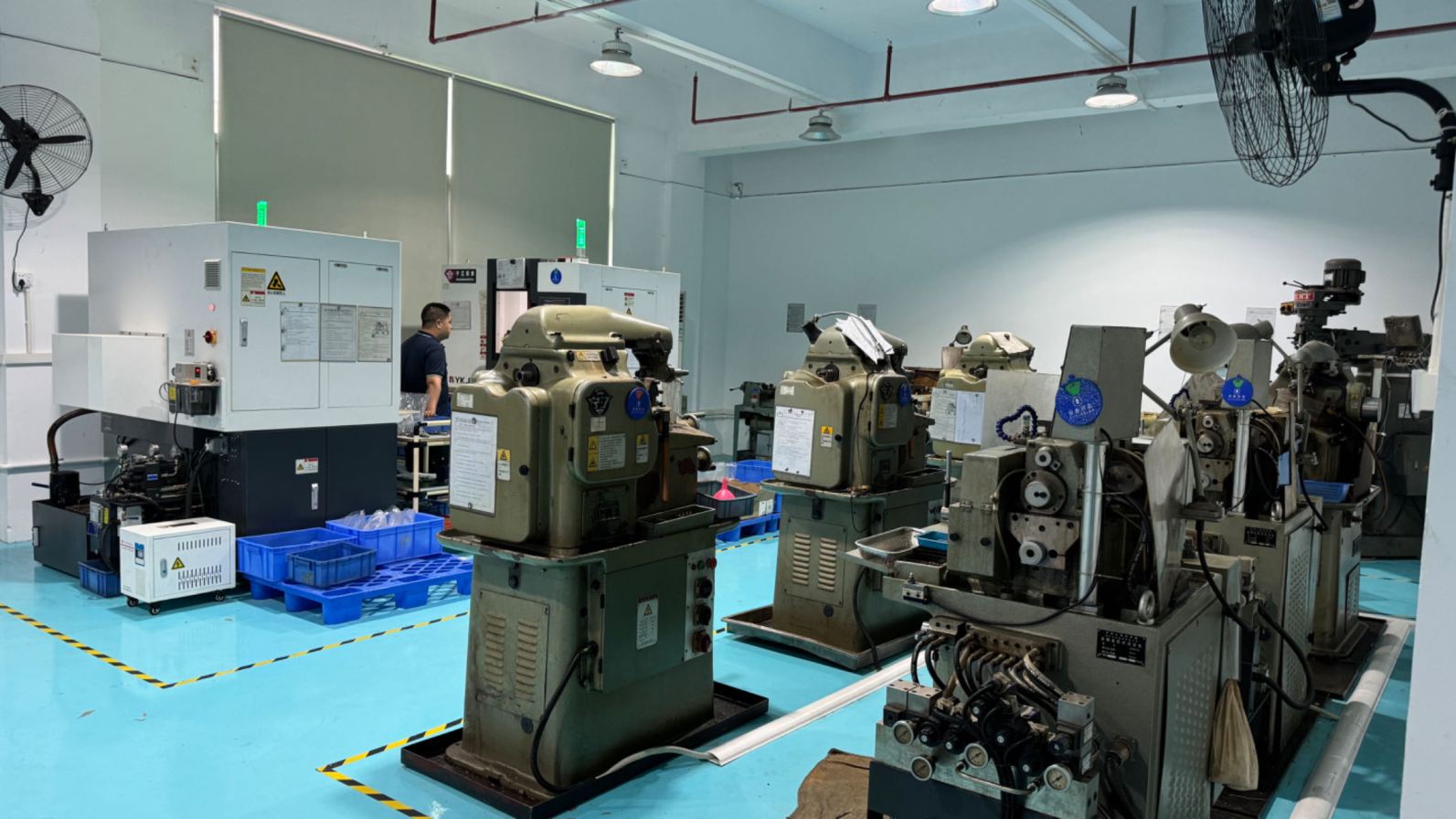
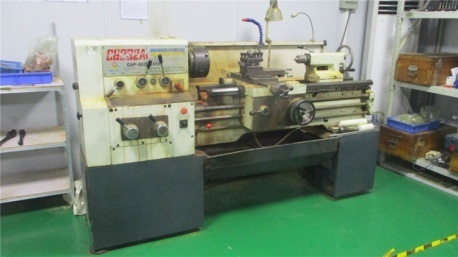
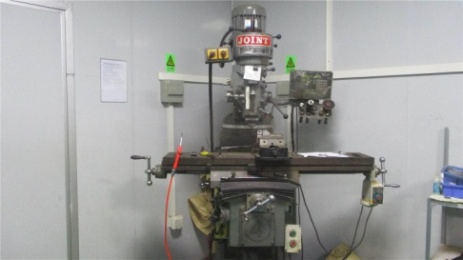
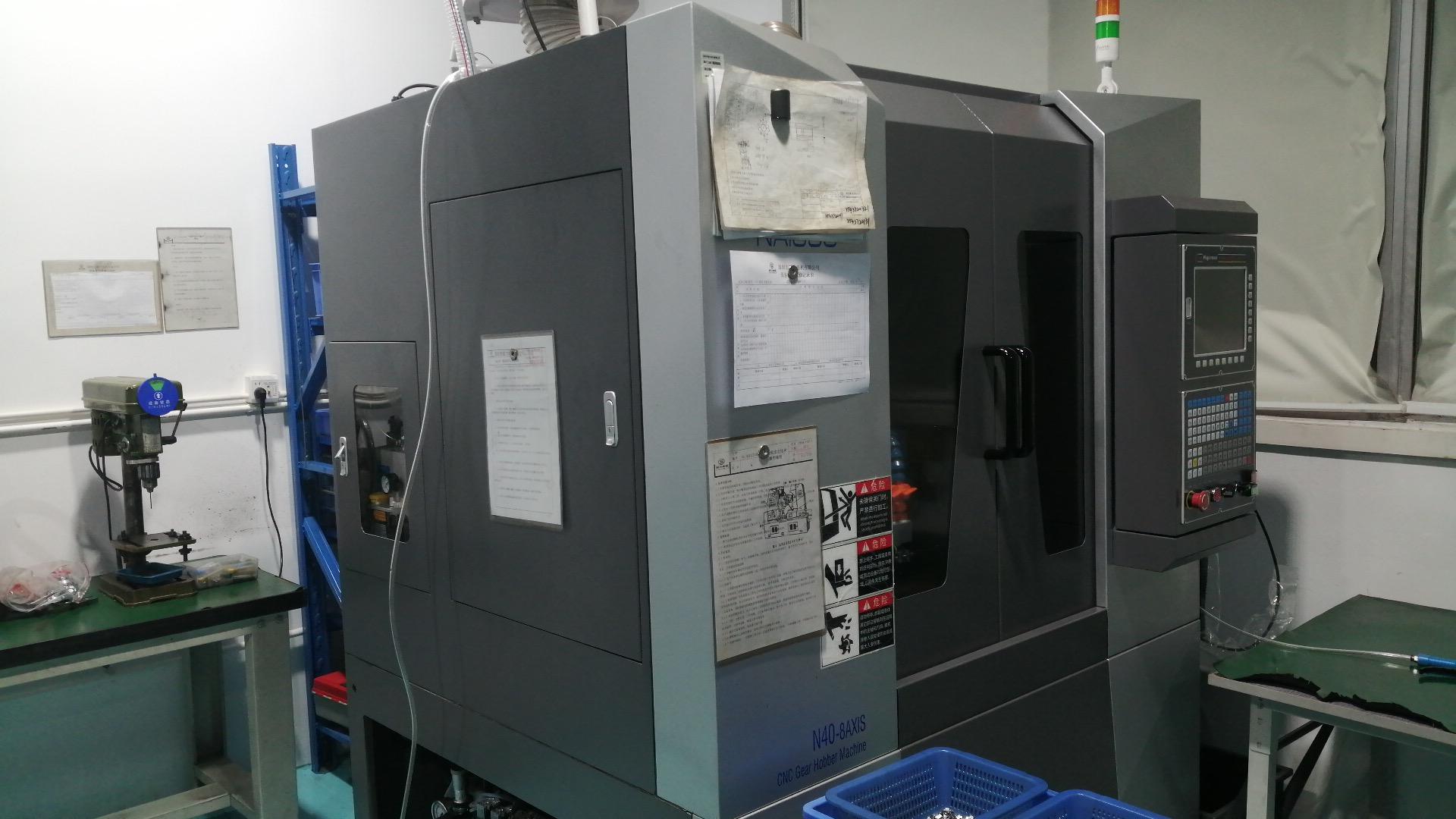
- High-Precision CNC Machine Parks: Utilizing Swiss hobbing and Japanese dynamic balancing tooling.
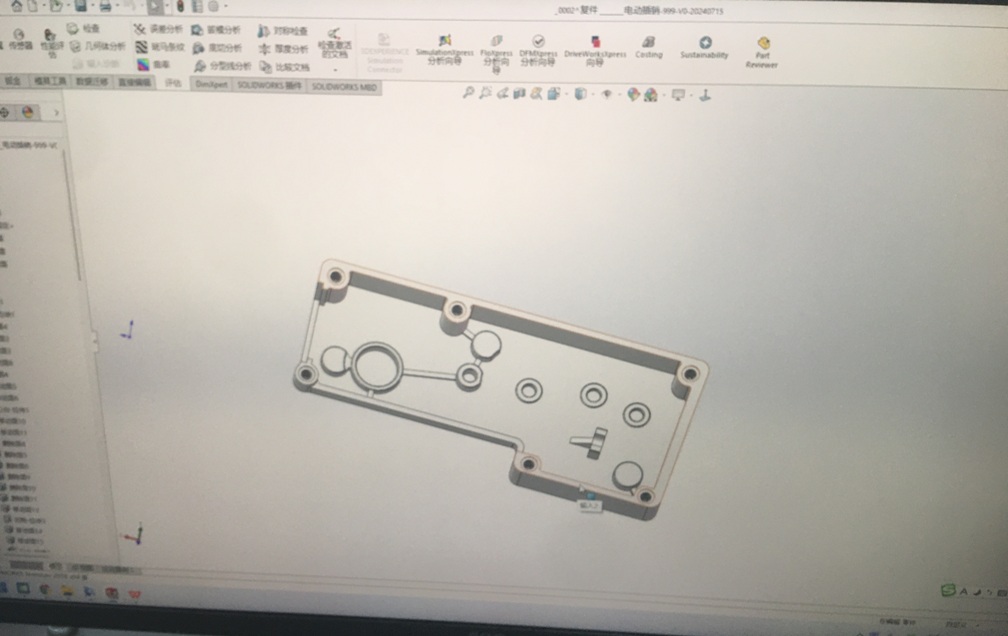
- Shorter OEM Product Life Cycles: Agile engineering iteration cycles from CAD simulation to prototype in under 10 days.
- Automated Winding & Magnetization: Consistent copper fill factor optimization for up to 92% motor efficiency.
Decoding China's Wireless Motor Control Efficiency
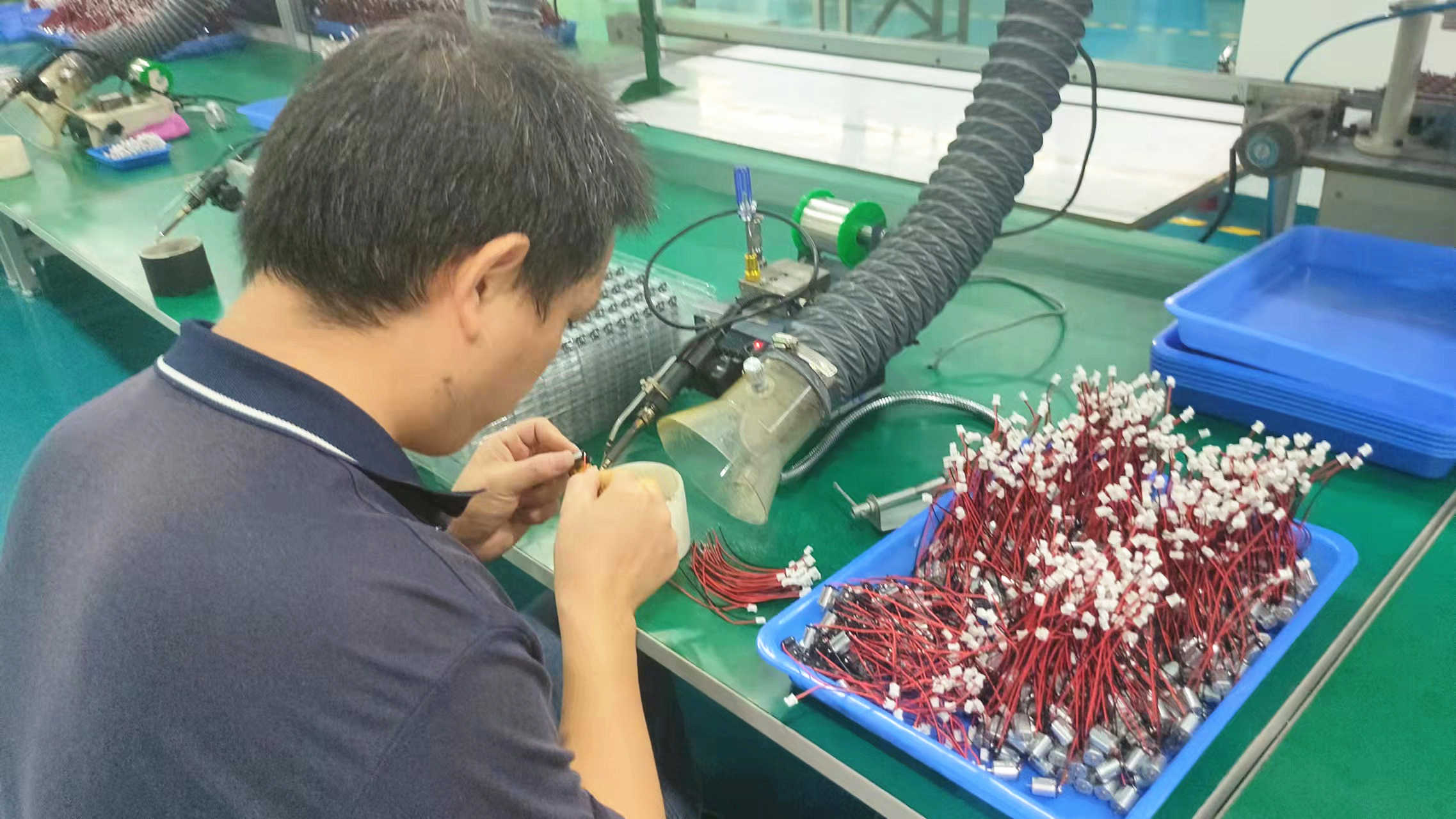
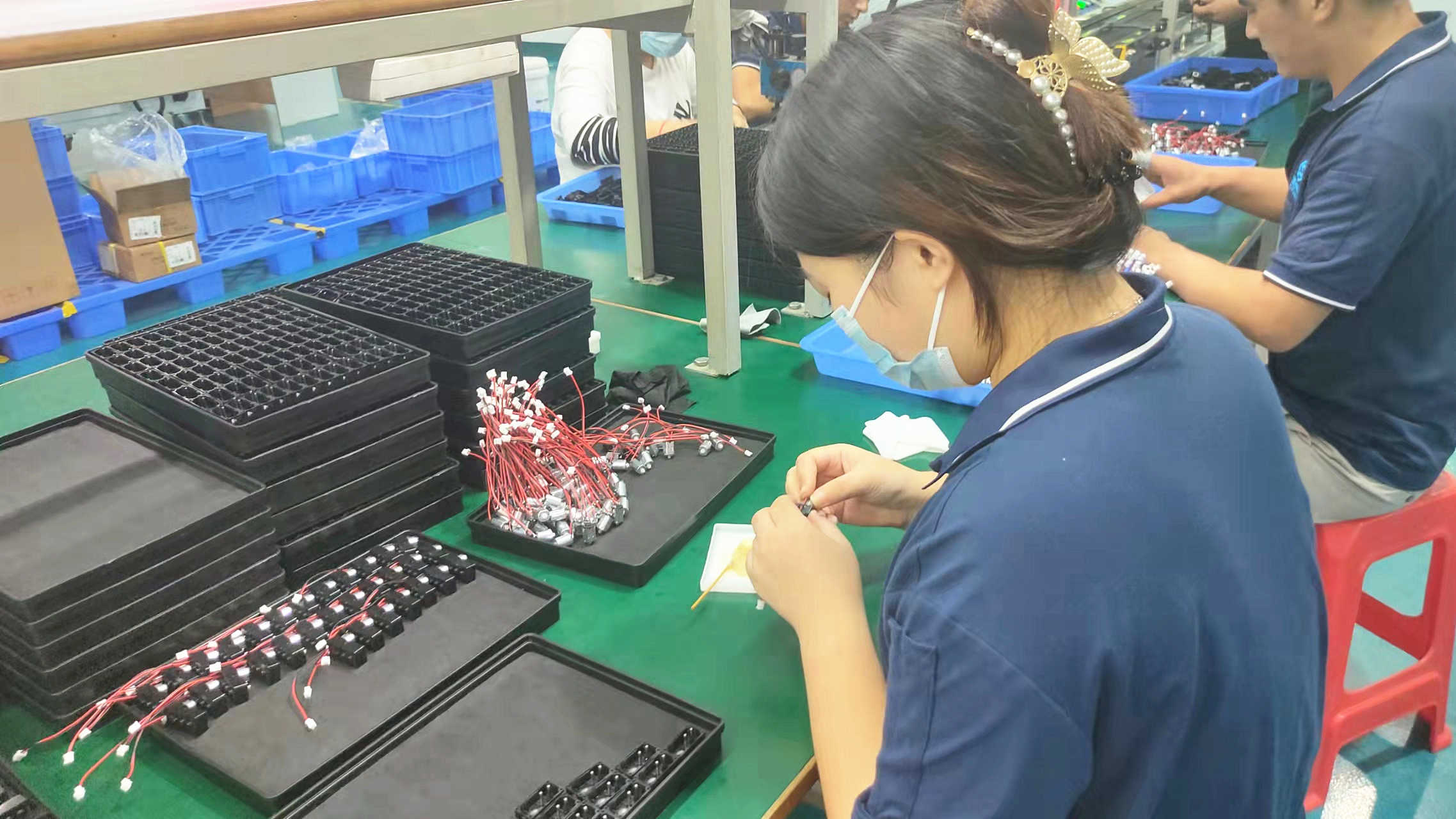
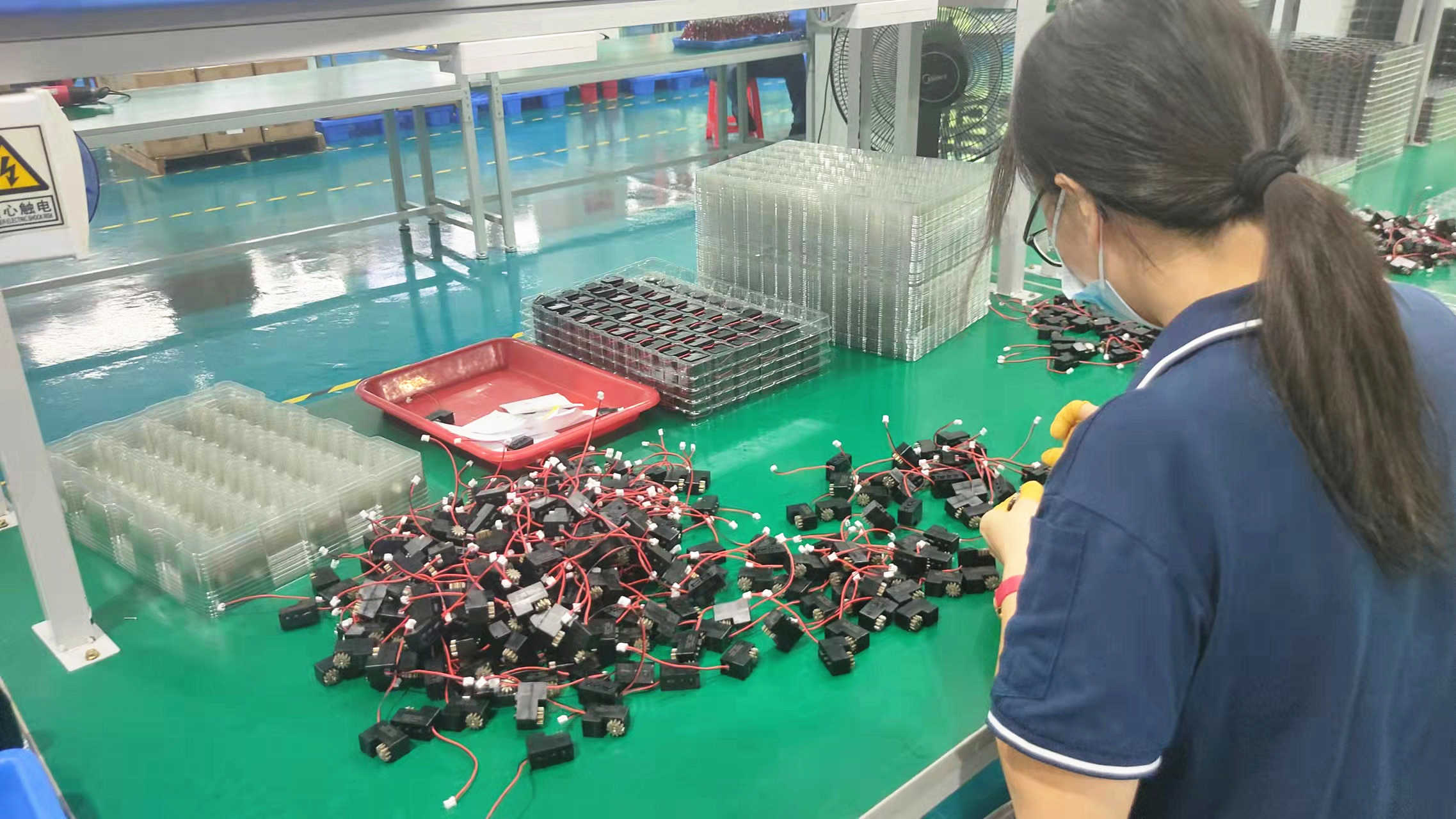
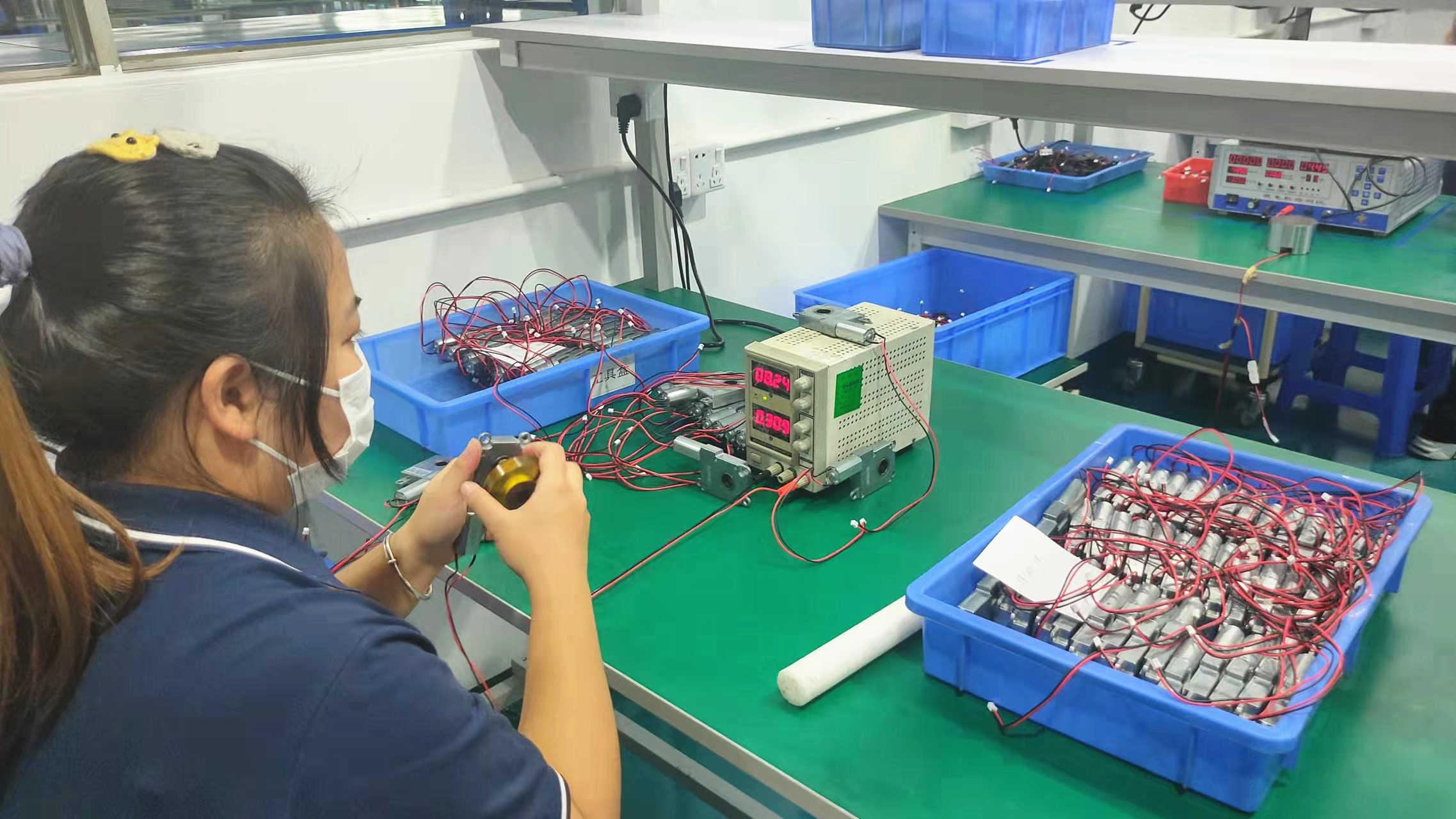
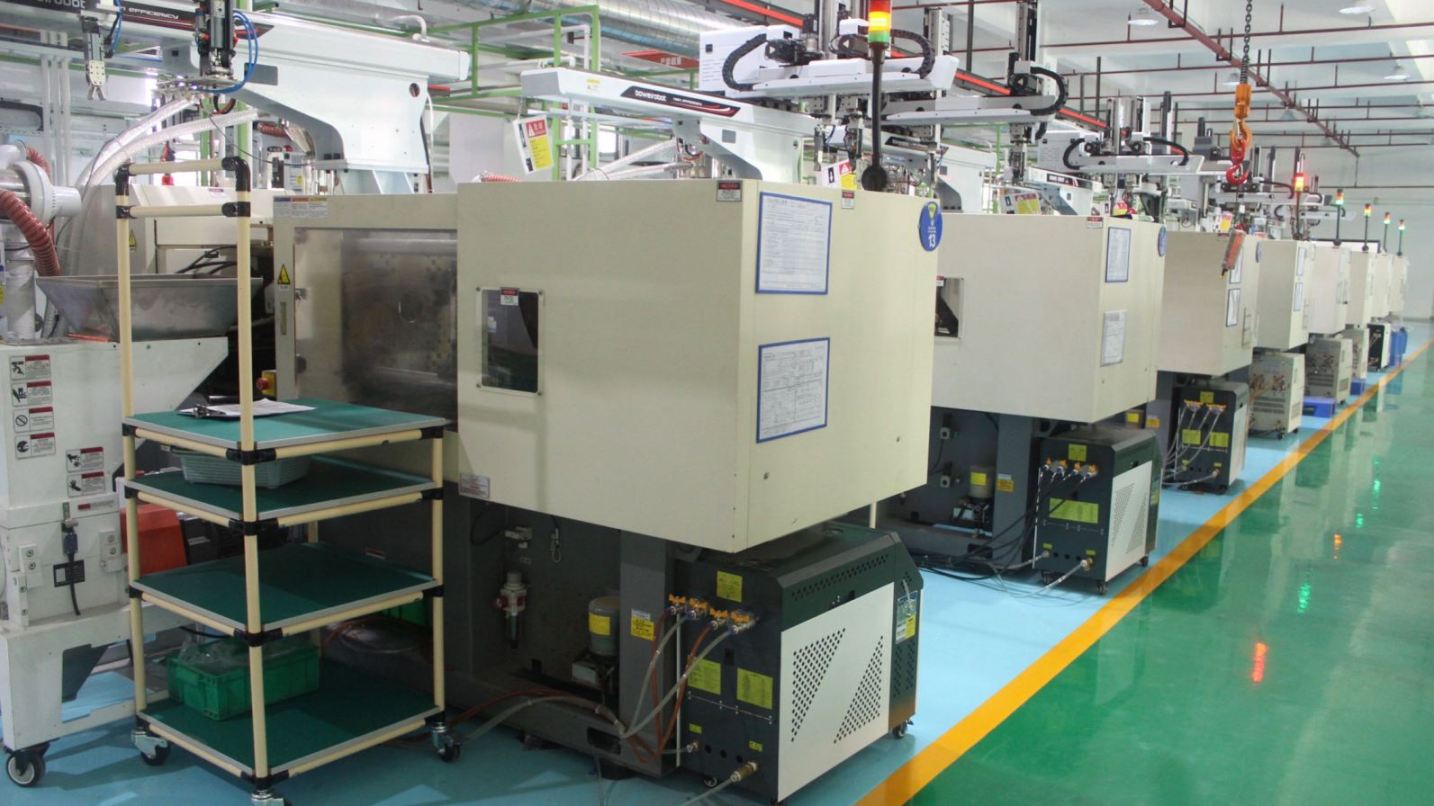
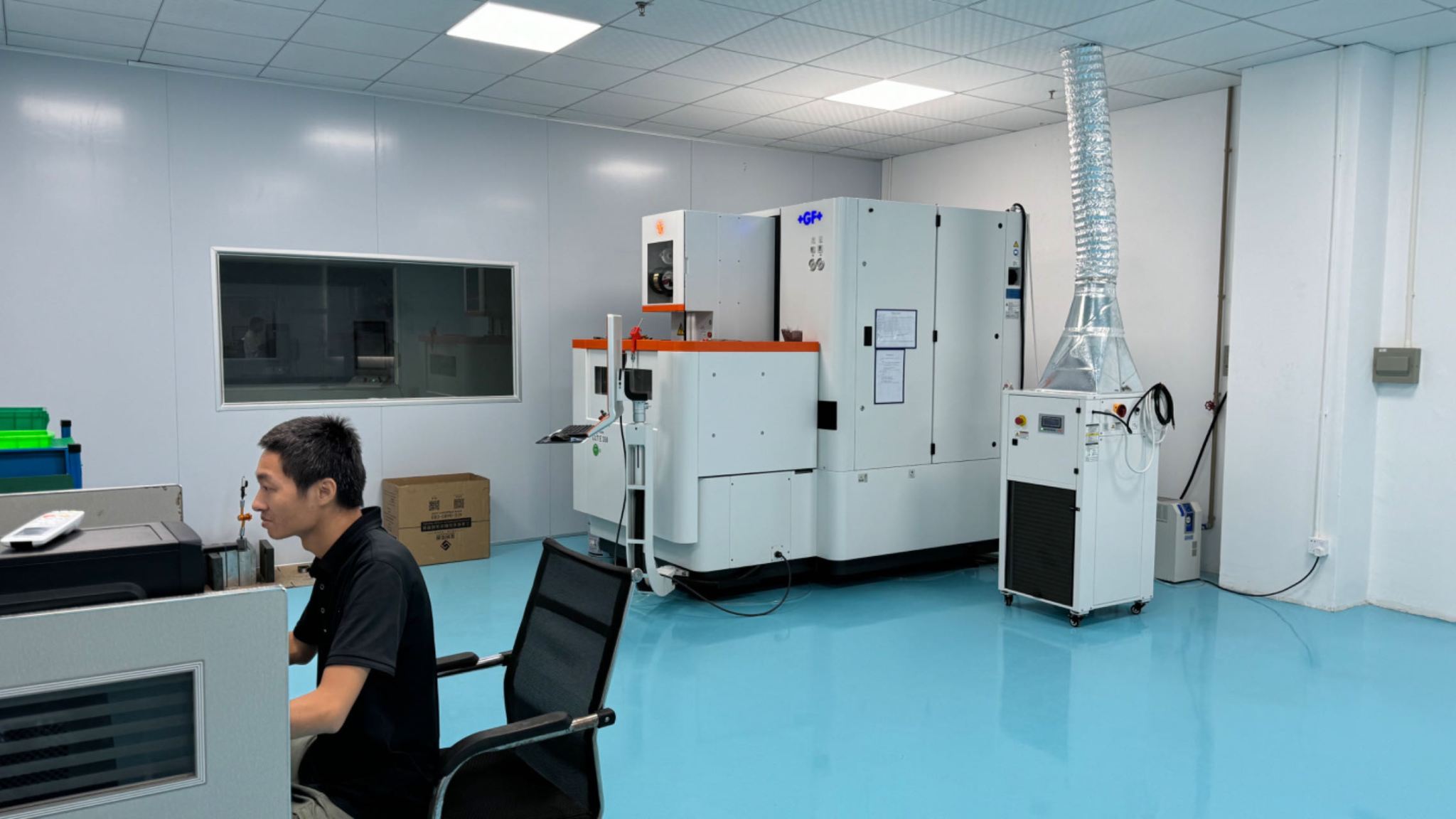
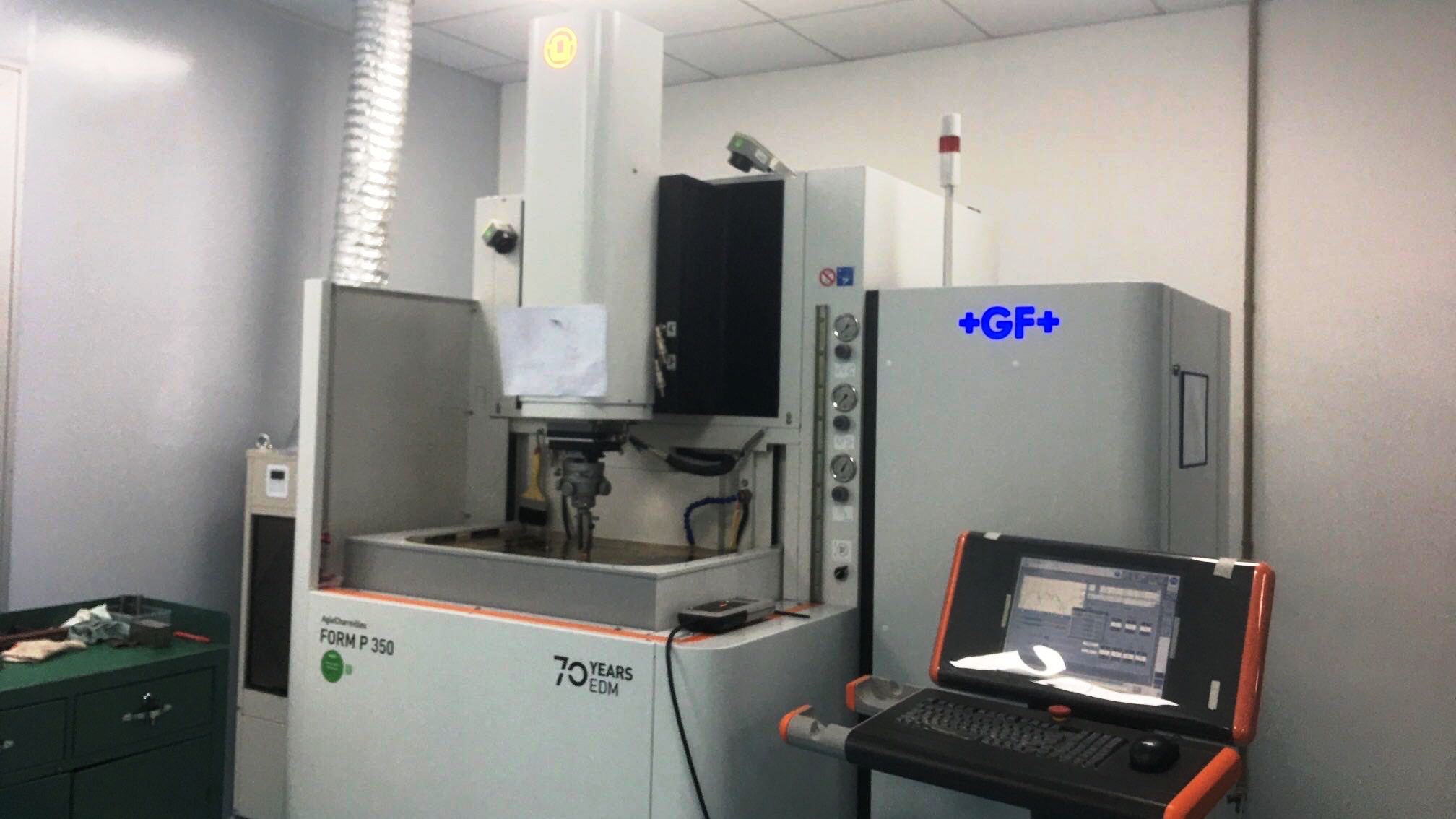
As a global manufacturing hub, China has progressed from low-cost component fabrication to high-precision engineering and micro-drive integration. The technological infrastructure inside Chinese specialized factories like Intertek Motor has achieved world-class standards. This allows for the mass fabrication of customized planetary gearboxes, coreless motors, and speed controllers with tight tolerance thresholds.
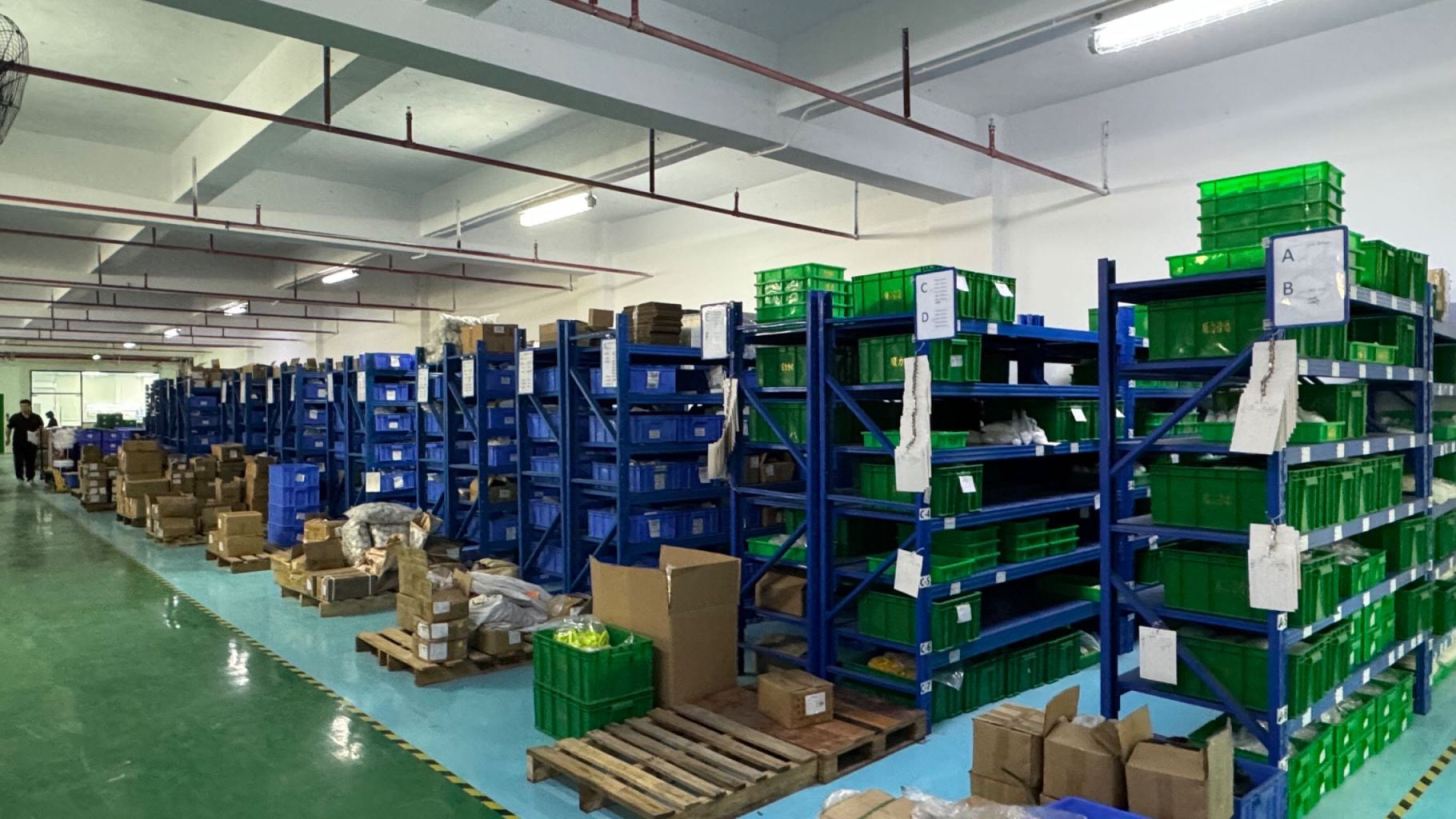
By clustering supply chains, manufacturers can source ultra-high purity copper wire, specialized steel alloys, and high-energy rare-earth magnets locally. This reduces transit lag and eliminates supply bottlenecks. The integration of advanced automated Swiss-style hobbing and Japanese dynamic balancing machines ensures that critical wear components (such as gear teeth profiles and commutators) are finished with sub-micron precision, keeping mechanical noise floor levels minimal and product lifespans exceptionally high.
Targeted Industrial & Consumer Applications
Optimized Mini-Drive Solutions Engineered for Demanding Operational Environments
Smart Locks & IoT Access
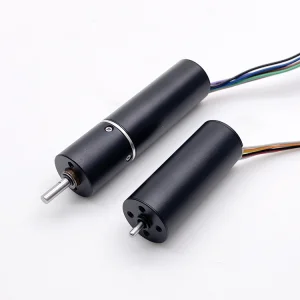
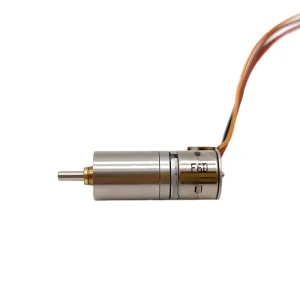
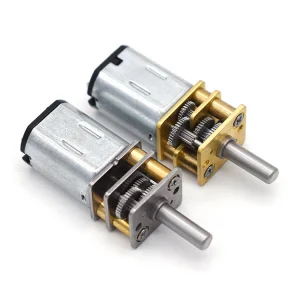
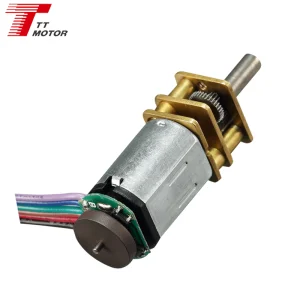
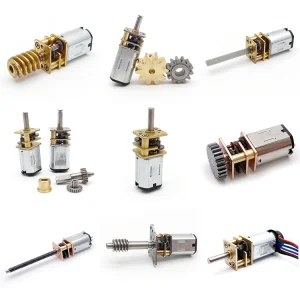
Utilizing N20 and GM12 micro-geared motors combined with Bluetooth/Zigbee control interfaces. These actuators require maximum torque output from extremely limited spaces, operating reliably at low standby power levels for residential and commercial security infrastructure.
Medical Dosing & Pumps
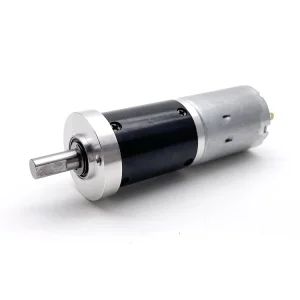
Precision 10mm and 16mm coreless motors coupled with planetary gearboxes deliver ultra-precise fluid control. Linear micro-actuators combined with closed-loop encoder feedback guarantee accurate dosage rates for clinical laboratory and portable patient care units.
AGVs & Warehouse Robotics
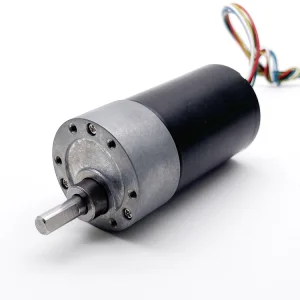
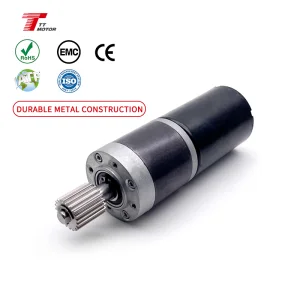
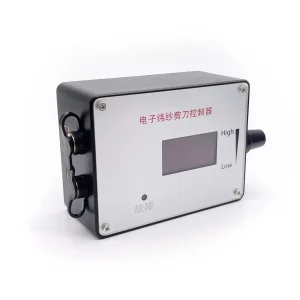
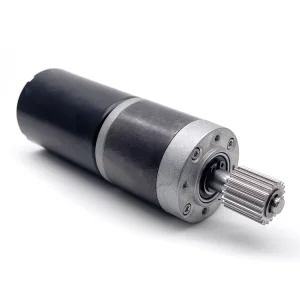
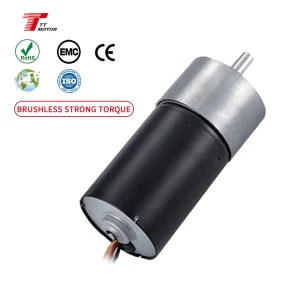
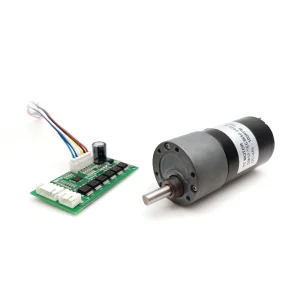
High-torque 36mm and 37mm brushless motors (BLDC) featuring planetary gearheads provide the drive and steering power required for Automated Guided Vehicles. Integrated smart wireless controllers enable real-time fleet trajectory and load control.
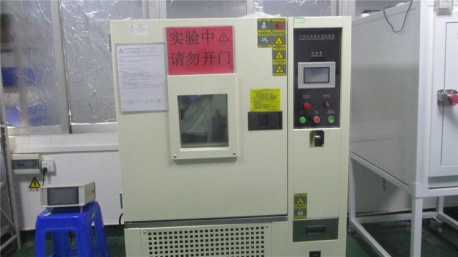
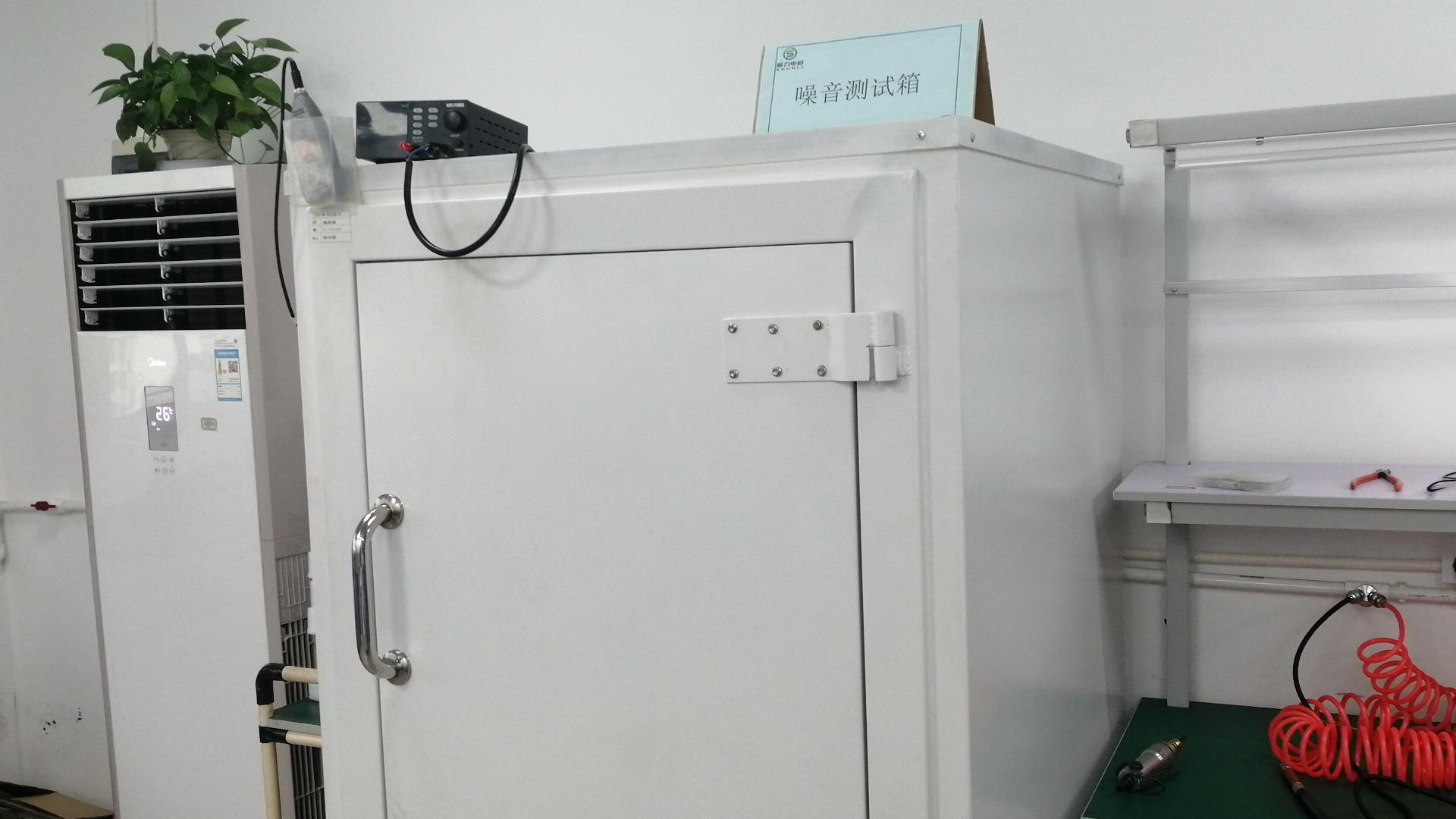
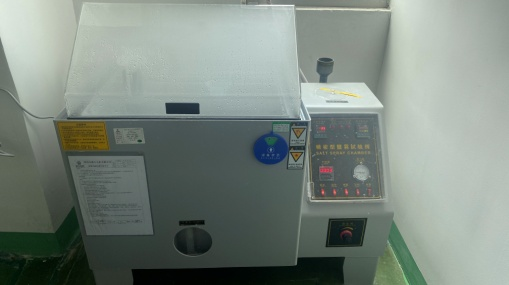
Quality Control & Micro-Engineering Standard
Delivering Mechanical Integrity through Micro-decibel Precision and Rigorous Stress Profiling
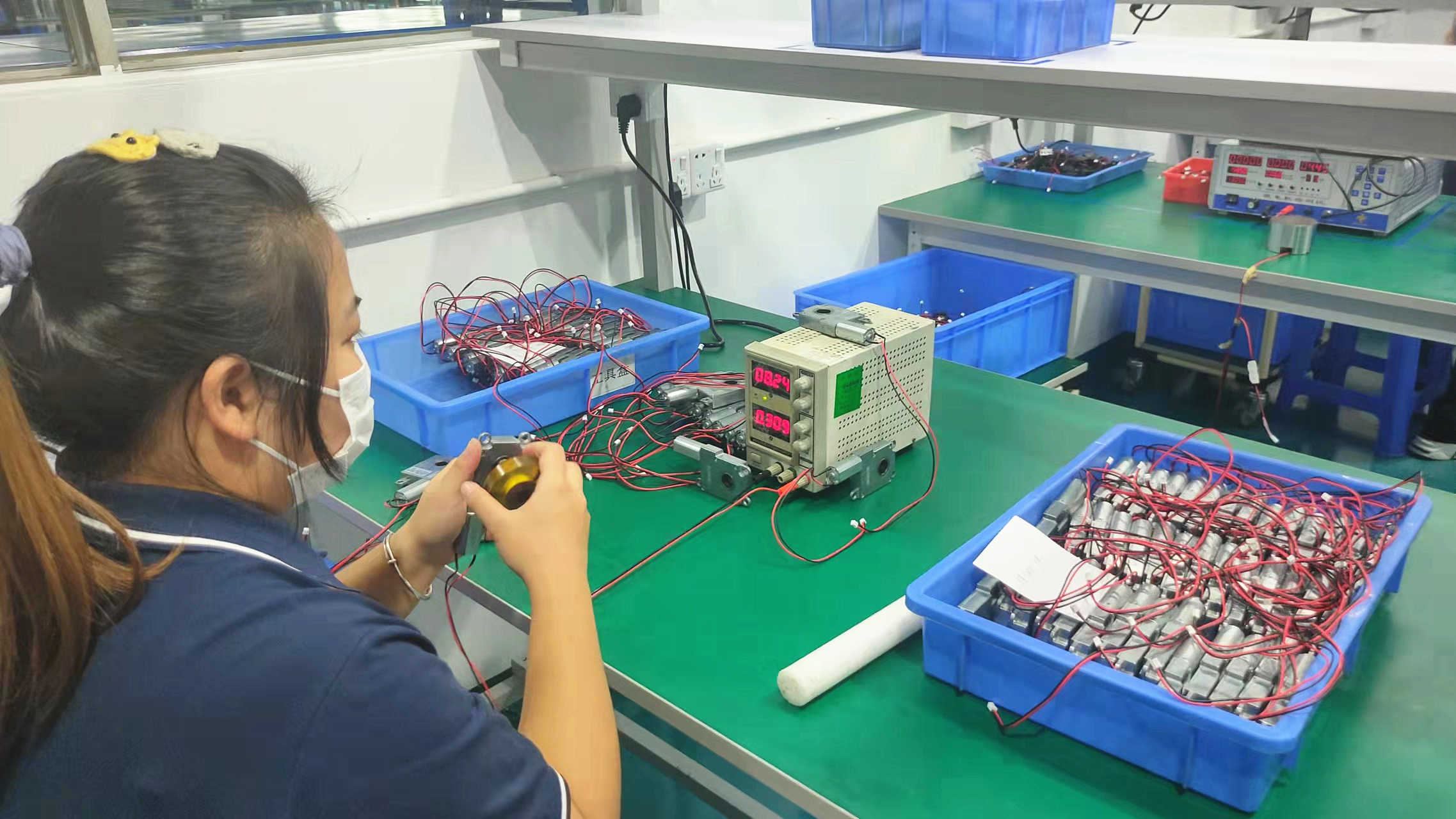
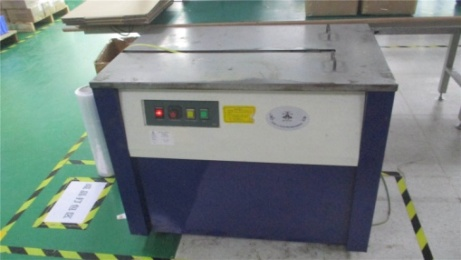
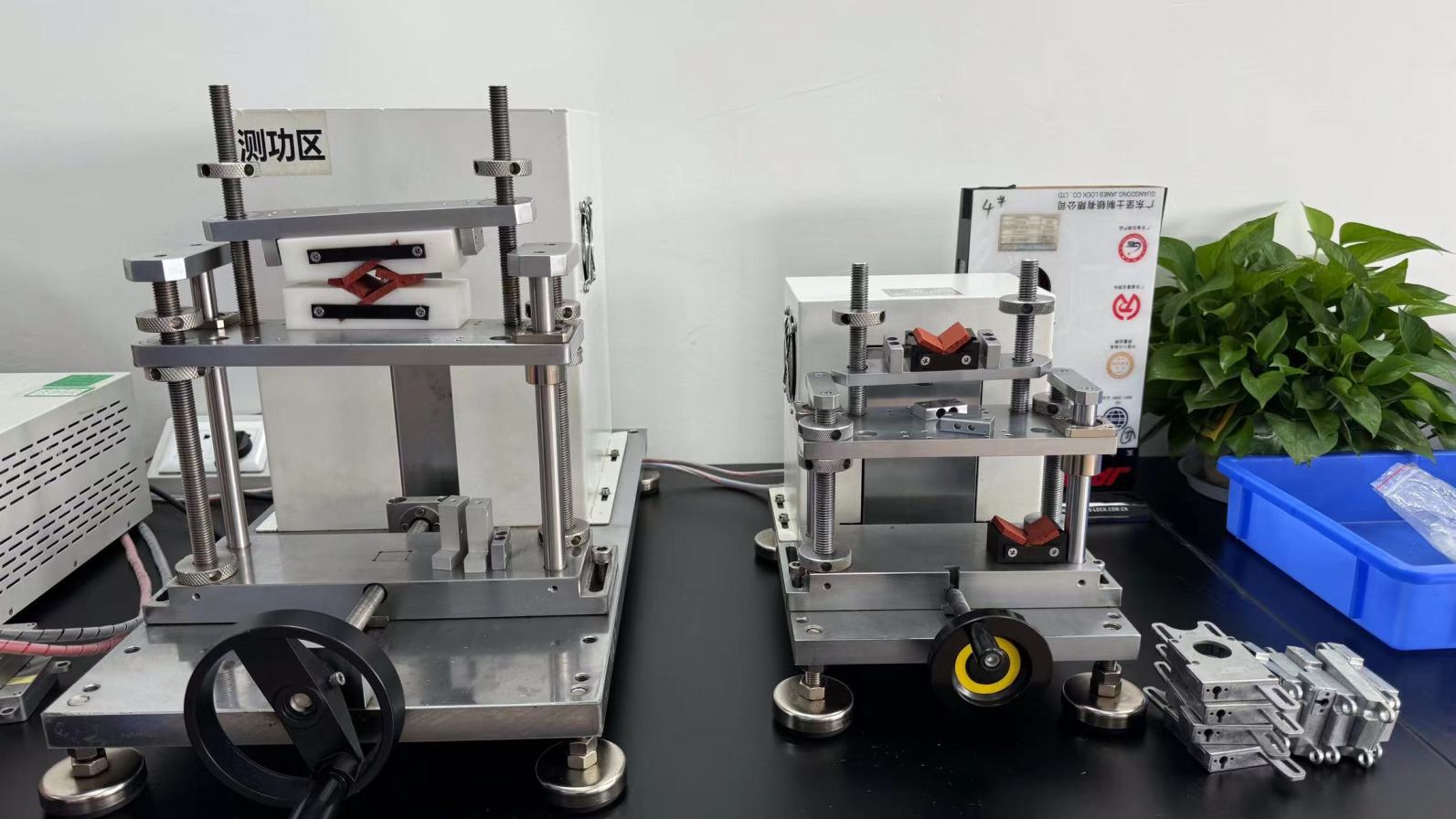
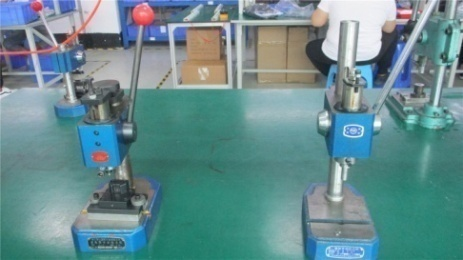
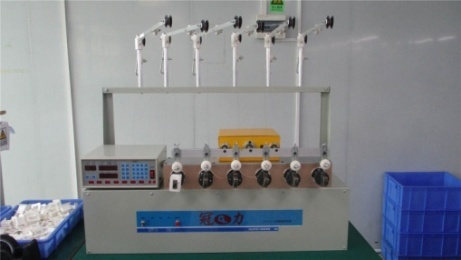
Mastering the Micro-Universe: The Intertek Motor Standard
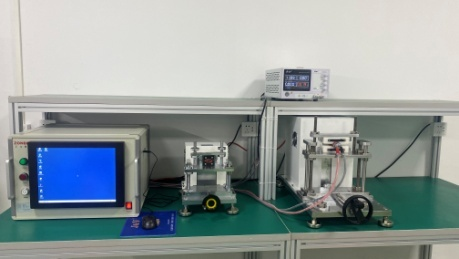
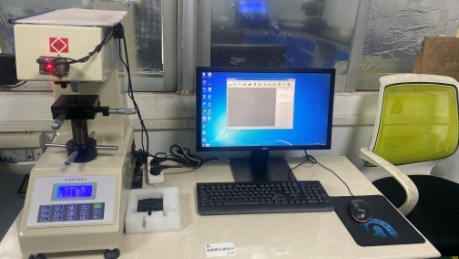
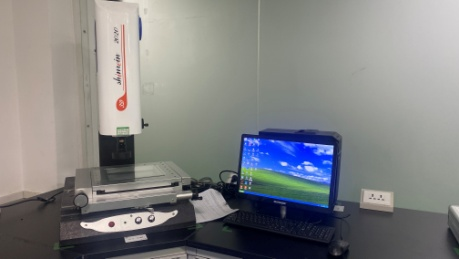
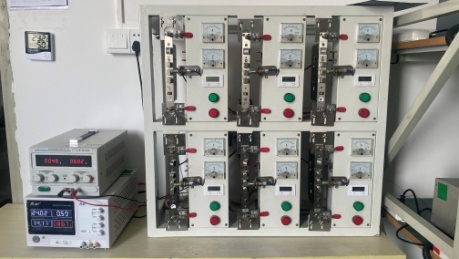
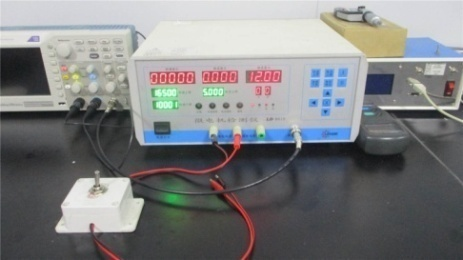
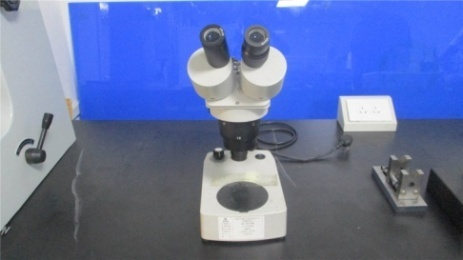
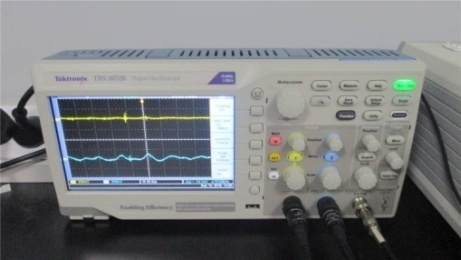
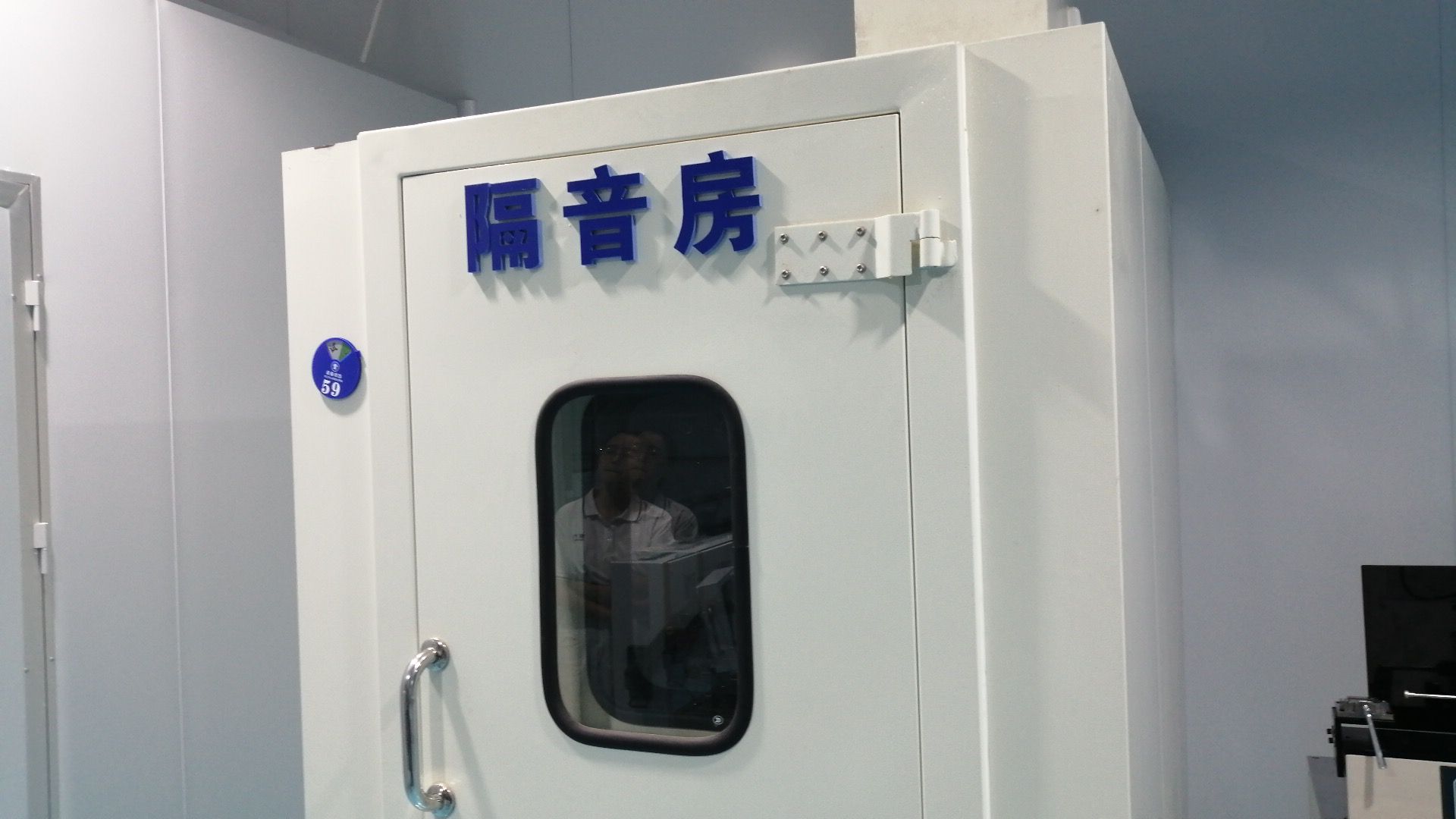
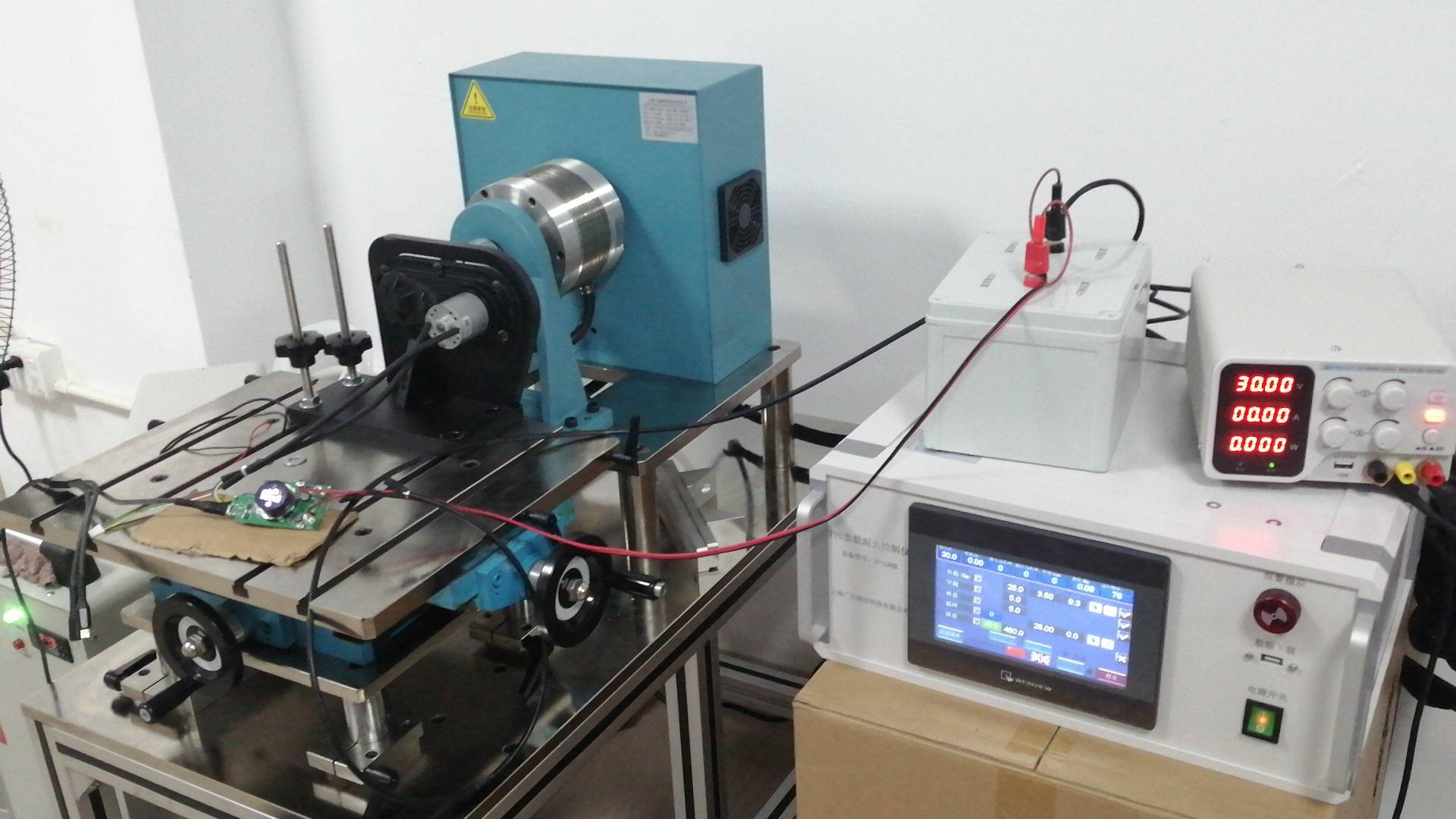
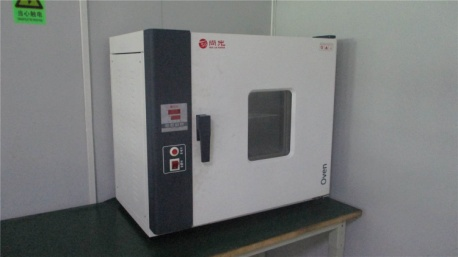
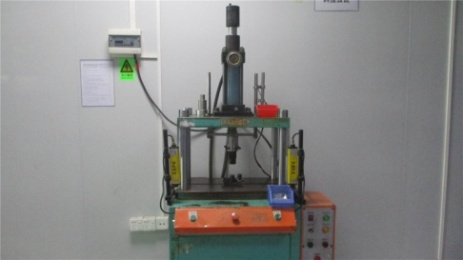
At Intertek Motor, we measure our success in micrometers and decibels. We understand that inside a premium robotic joint, a medical dosing pump, or a high-end smart lock, space is the ultimate luxury. Our mission is to pack maximum torque, unyielding durability, and near-silent acoustics into the most compact footprints imaginable.
Our expertise lies in the harmony of miniature engineering. From precision-wound rotors and high-purity copper commutators to custom-designed planetary gearheads, every component inside an Intertek micro motor is optimized for low energy consumption and a friction-free lifespan. We constantly push the limits of micro-drive tech, utilizing advanced automated Swiss-style hobbing and Japanese dynamic balancing to ensure that our internal gear trains operate with zero-backlash precision. When the integrity of your high-tech device hangs on repeated mechanical perfection, Intertek Motor delivers the silent power that anchors your design.

Development Trends & Engineering Outlook
The future of wireless micro-drive systems lies in the convergence of edge intelligence and power density optimization. Standard micro motors are transitioning from simple passive actuators to cyber-physical system nodes. In these systems, wireless drivers are embedded directly within the rear housing of the motor frame.
EMC/EMI Shielding Integration: Wireless transceivers operating adjacent to high-speed switching commutators are susceptible to electromagnetic interference. We address this through structural metal housing barriers and integrated LC filter networks that maintain clean data signals.
Ultra-Low Power Standby Protocols: In battery-powered IoT applications, standby energy drain must be minimized. Modern controllers utilize sleep state configurations where wireless transceivers activate periodically, ensuring long operational periods on standard lithium cells.
Future Engineering Focus Area
- Intelligent Fault Diagnosis: Embedded vibration sensors communicate micro-wear parameters wirelessly before failures occur.
- Optimized BLDC Transitions: System configurations shifting from brushed to brushless to reduce EMI profiles.
- Integrated Feedback Loop Sensors: High-resolution magnetic encoders mounted inside the motor housing.
- Miniaturized Multi-Protocol Drivers: Modular transceivers compatible with BLE, Thread, and Zigbee profiles.
Global Enterprise Sourcing & Procurement Checklist
Key Technical Thresholds for Integrating Wireless Micro-Drives in Industrial Environments
| Performance Vector | Critical Sourcing Metric | Evaluation Method | Compliance Target |
|---|---|---|---|
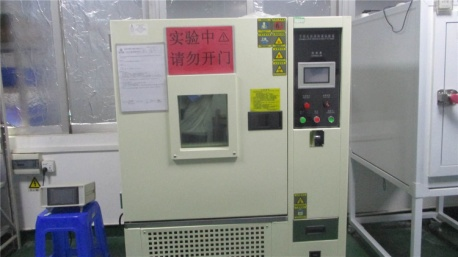
| Torque Density | Continuous Rated vs. Peak Stall Torque | Dynamometer profiling across temperature range | Up to 1.5 Nm/cm³ |
| EMI/EMC Compatibility | Radiated RF Emissions Isolation | CISPR 25 & FCC Part 15 Class B testing | No packet loss on adjacent BLE/Wi-Fi channels |
| Backlash Control | Angular Backlash Tolerance | Video coordinate tracking systems | <1.5° (Precision Planetary Gearboxes) |
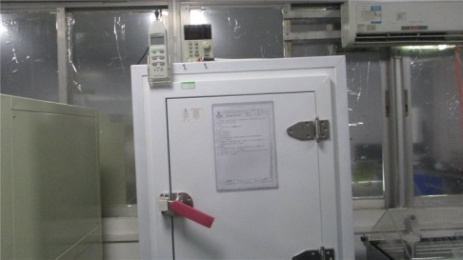
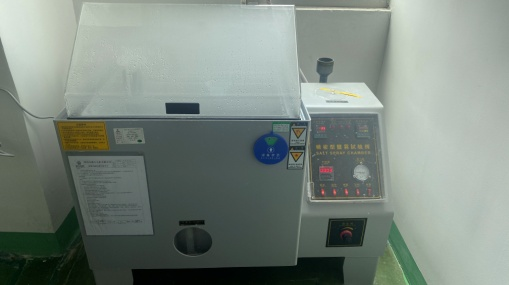
| Environmental Durability | Ingress Protection (IP Rating) | Salt spray exposure & water ingress tests | IP65 / IP67 Customizations available |
| Supply Reliability | Traceability & Component Inbound Quality | Statistical Process Control (SPC) reports | AQL 0.45 or lower target |
Need Custom Micro-Motor & Controller Customization?
We provide tailored shaft geometries, custom gear ratios (ranging from 1:3 to 1:2000), specific operating voltages (3V - 24V), and integrated wireless protocol controller assemblies. Contact our engineering team with your mechanical dimensions and torque requirements for a rapid design assessment.
Technical Q&A: Deep Dive Engineering Answers
Expert Insights into Motor Tolerances, Control Protocols, and Mechanical Optimization
High-Torque Planetary & Linear Micro Actuators
Preserving Original Component Design Configurations for Demanding Mechanical Integrations